Get in touch with Toplit Transformer Co., Ltd Company

Custom Power Transformer Manufacturer for Utility and Industrial Projects
A custom power transformer works only when its electrical duty, site limits, approval records, and logistics scope agree. Talite starts with the project inputs, then reviews the design path and commercial scope against one controlled duty sheet.
Send the inputs that change the design
01
Rated power, system voltage, frequency and phases
02
Winding arrangement, vector group, impedance and tap duty
03
Loss, temperature-rise, insulation and sound limits
04
Indoor or outdoor site, fire constraints and ambient conditions
05
Tests, drawings, accessories, transport and delivery interface


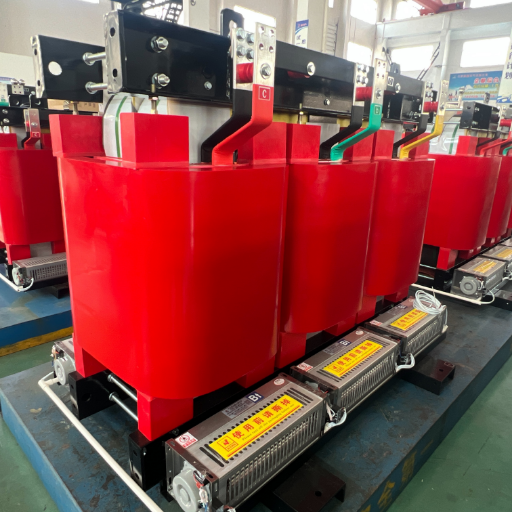
Turn Project Duty into a Buildable Power Transformer Scope
Schedule exposure can become the dominant project risk when an RFQ leaves electrical duty, site eligibility, or approval ownership open. Start by removing ambiguity from the design basis, not by selecting accessories.
United States distribution-transformer rules are category-specific, so a project must establish whether the equipment fall inside the covered class before treating a rule as applicable.
- Destination and funding route
- Equipment category and rating boundary
- Required compliance date
Indoor units may face vault, fire, access and liquid-containment conditions. OSHA’s transformer provisions illustrate why the installation boundary belongs in feasibility, not in a late drawing comment.
- Insulating medium and fire point
- Authorized access and room use
- Drainage or containment basis
Ownership ambiguity can change rate, service-point and maintenance responsibility. Practitioner discussion shows that these items may be contractual and utility-specific rather than simple equipment choices.
- Who owns and maintains the unit?
- Where is the service point?
- Who carries replacement risk?
Grid-Duty-to-Design Input Map
| Input block | Confirm in the RFQ | Why it changes the review | Release evidence |
|---|---|---|---|
| System duty | kV, MVA or kVA, frequency, phases, vector group, tap duty | Sets the electrical interface and winding study | Approved data sheet and drawings |
| Network behavior | Impedance target, fault level, loading profile, harmonics | Changes regulation, loss review, thermal duty and short-circuit study | Design calculations or agreed declarations |
| Site boundary | Indoor/outdoor, ambient, altitude, seismic, fire and liquid limits | Can disqualify an otherwise acceptable equipment layout | Layout, accessory list and site-condition schedule |
| Approval scope | Applicable standard, test categories, witness points, record format | Prevents a late mismatch between the purchase order and acceptance plan | Inspection and test plan with record register |
| Critical-asset plan | Transport route, spare strategy, replacement path, outage exposure | Connects unit design to the real cost of a failure or delayed replacement | Logistics plan and agreed contingency actions |
Configure a Utility or Industrial Power Transformer Around Project Duty
The candid truth is that customization doesn’t justify making every interface unique. Standardize around the agreed duty, then customize only the deviations required by the grid, site, contract, or approval route.
Four engineering decisions that must stay linked

Electrical interface
A 110 kV or 220 kV voltage label doesn’t close the definition. For renewable interconnections, data centers, and heavy industrial power solutions, the buyer still need to confirm the winding arrangement, insulation levels, vector group, tap range, neutral duty, impedance target, and system fault conditions.
- Confirm normal and contingency loading
- State whether nonlinear loads or harmonics matter
- Identify parallel-operation constraints
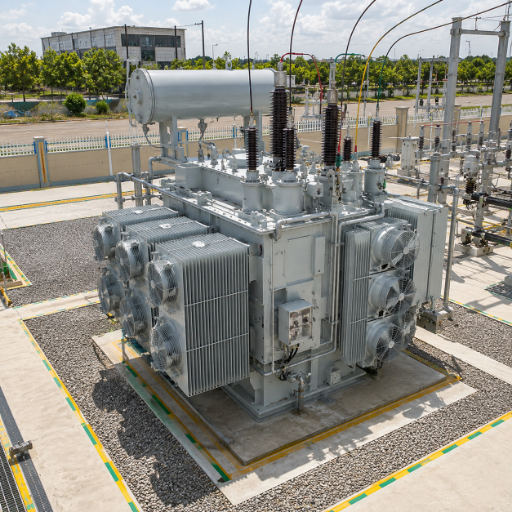
Thermal and cooling duty
Loss guarantees, ambient temperature, temperature rise, and cooling stages should be reviewed together because changing one can alter material, radiator, fan, enclosure, and test requirements.
- Declare ambient and altitude
- Separate guaranteed values from design targets
- State the loading profile behind the loss comparison
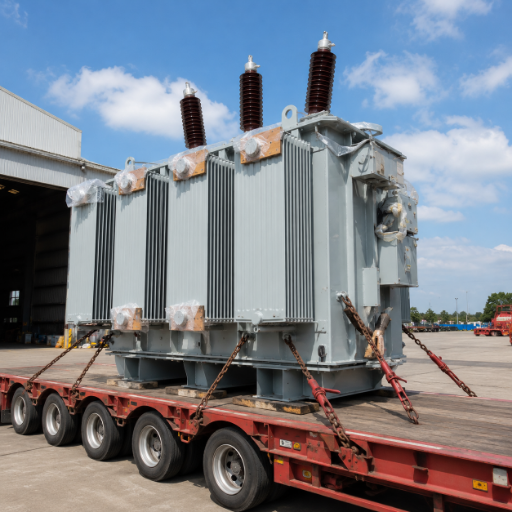
Mechanical and transport boundary
Transport and field unknowns can lead to leaks, shipping damage, field-assembly issues, or warranty disputes. Review shipping splits, lifting points, route limits, preservation, and site reassembly responsibility.
- Maximum transport envelope and mass
- Oil-filled or drained shipping state
- Site work, tools and acceptance records
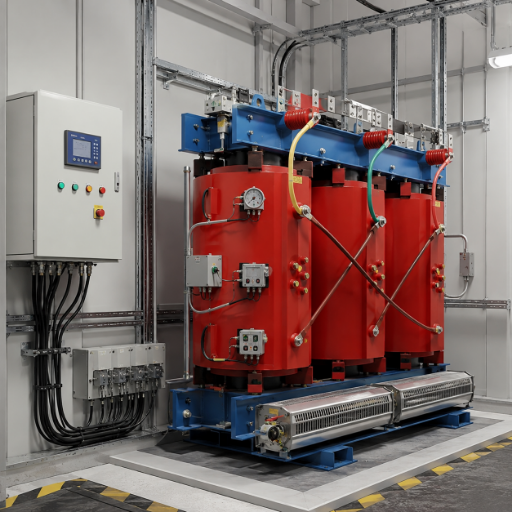
Control, protection and monitoring
Don’t equate an accessory list with a complete protection philosophy. Alarm and trip logic, sensing points, communications, and auxiliary-power interfaces still need an agreed cause-and-effect basis.
- Signal and contact requirements
- Control-voltage and terminal interfaces
- Owner-supplied versus supplier-supplied devices
Why standardize-to-duty is not a shortcut
DOE-funded research has examined adaptable large-transformer concepts using standard voltage ratios, modular blocks or adjustable impedance to improve sharing and replacement options.5 Utility reporting also notes the trade-off: local operating needs limit how far one design can be standardized.7
- Keep interfaces common where the system permits.
- Record every project-specific departure and its reason.
- Don’t present research concepts as Talite product features.
Need a second look at the requested deviations?
Request a Specification Alignment Check →Compare Transformer Offers on Agreed Duty, Not Nameplate Price Alone
Price and schedule create a difficult internal approval trade-off when suppliers quote different scopes or risks. A lower nameplate price isn’t necessarily the best purchase when its losses, tests, records, accessories, or logistics boundary is thinner.
| Comparison line | Bid A | Bid B | Buyer decision |
|---|---|---|---|
| Rated duty and taps | State exact offered values | State exact offered values | Accept, clarify or reject deviation |
| Guaranteed losses and basis | No-load, load and reference conditions | No-load, load and reference conditions | Compare on one loading and energy basis |
| Tests and witness points | Included, optional or excluded | Included, optional or excluded | Close the inspection and test plan |
| Accessories and controls | Manufacturer, function and interface | Manufacturer, function and interface | Resolve functional and spare-parts gap |
| Records and drawings | List format and issue stage | List format and issue stage | Assign review owner and due point |
| Packing, transport and site work | Included boundary | Included boundary | Expose the hidden logistics cost |
Compare lifecycle assumptions before return claims
A peer-reviewed 110 kV transformer study separates initial, operating, maintenance, fault and scrap costs.6 That framework is useful, but it doesn’t prove a Talite saving percentage or payback period.
- Use one loading profile, energy cost, and evaluation horizon across all bids.
- Add maintenance, fault exposure, spares and outage assumptions.
- Record which inputs are measured, guaranteed or estimated.
A transformer manufacturer should identify who owns the electrical and mechanical design decisions, who approves changes, and how sub-supplier changes are controlled.
- Named technical owner
- Deviation approval route
- Revision history
An unfamiliar supplier isn’t automatically higher risk, and a familiar name proves little on its own. Ask for records connecting the ordered duty to materials, drawings, test results, and release status.
- Material and component records
- Drawing and test revision link
- Nonconformance closure
- Change control
An approved alternative can protect the schedule. An unreviewed substitution, however, can create a mismatch during commissioning or in the spare-parts plan.
- Technical equivalence statement
- Buyer approval point
- Updated final records
A CIGRE-UK webinar summary connects transformer specification and supplier selection with equipment, network and project-delivery risk.8 The useful question isn’t “Which logo is safest?” but “Which bid makes the design, evidence and change boundary easiest to verify?”
- Specification clarity and design ownership
- Sub-supplier control and work instructions
- Test equipment, traceability and change approval


Move from Engineering Review to Approved Factory Release
A fixed public timeline would be misleading because responsibility for clarification, approval, testing, and logistics varies by contract. Talite can review a proposed checkpoint plan, but the purchase order must assign the sequence, acceptance rule, and decision owner.
Close the duty basis
Resolve missing kV, MVA or kVA, frequency, taps, impedance, losses, site conditions, and applicable standards before treating the offer as technically stable.
Freeze open deviations
Record every accepted, rejected, or pending deviation. A hidden departure can delay drawings, factory tests, or site approval later.
Approve drawing inputs
Check interfaces, dimensions, terminals, controls, and accessories against the site layout. Approval should state what’s frozen and what remains provisional.
Agree the evidence plan
Set the test categories, witness points, acceptance criteria, and record format. A standard name alone doesn’t close every contract detail.
Check release readiness
Confirm that critical drawings, deviations, and purchased-item interfaces are closed to the agreed release point. Sequence may vary by contract.
Close logistics interfaces
Assign packing, shipping state, route limits, lifting, site work, storage, and receipt inspection. This turns transport risk into a named action.
What this sequence does not claim
This isn’t a published Talite production procedure, duration, warranty, or response promise. It’s a control sheet for the RFQ and purchase order; the final contract must identify the owner and due point for each checkpoint.
- No fixed public delivery period
- No unverified factory milestone promise
- No automatic acceptance from drawing approval alone
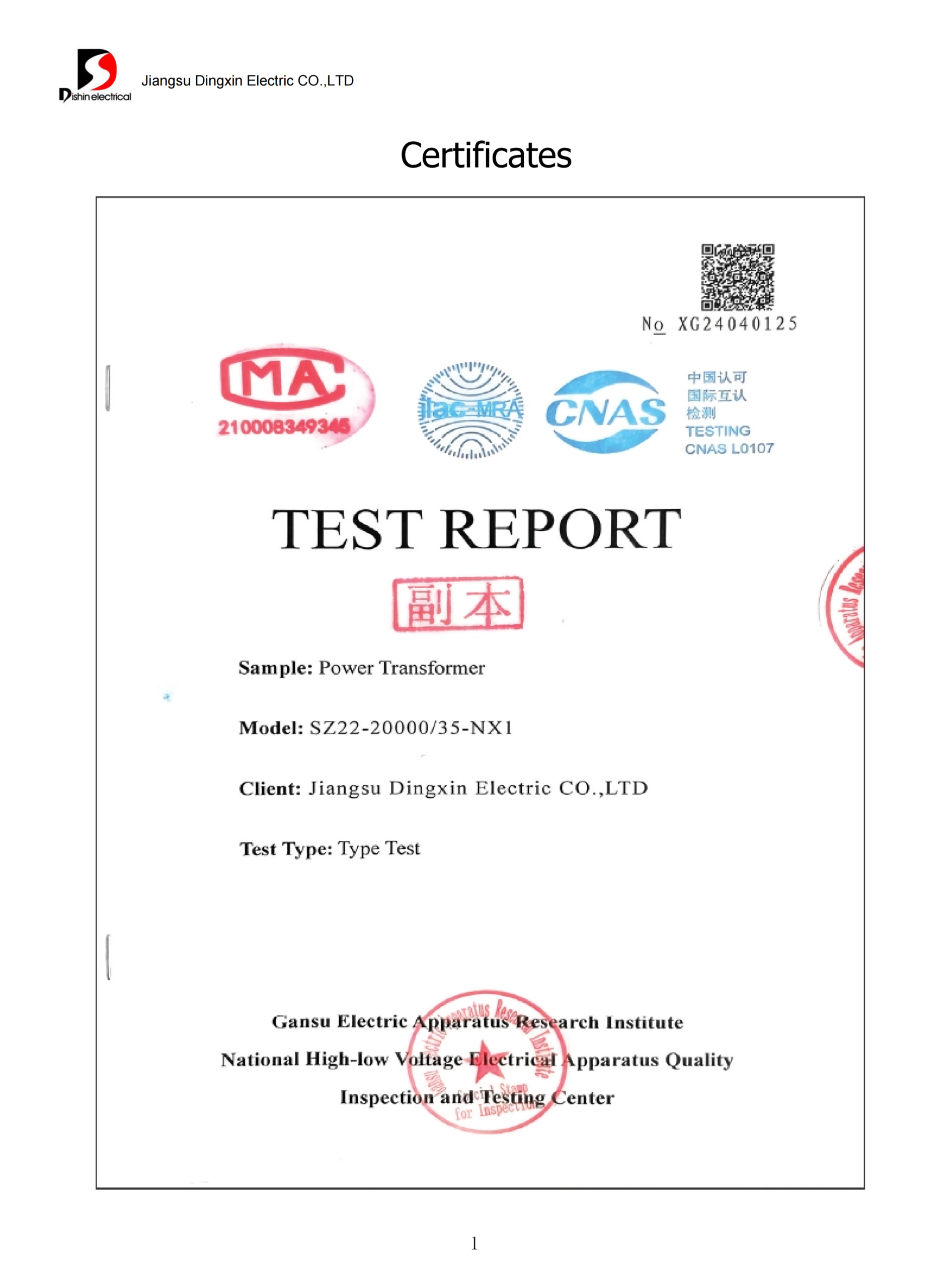
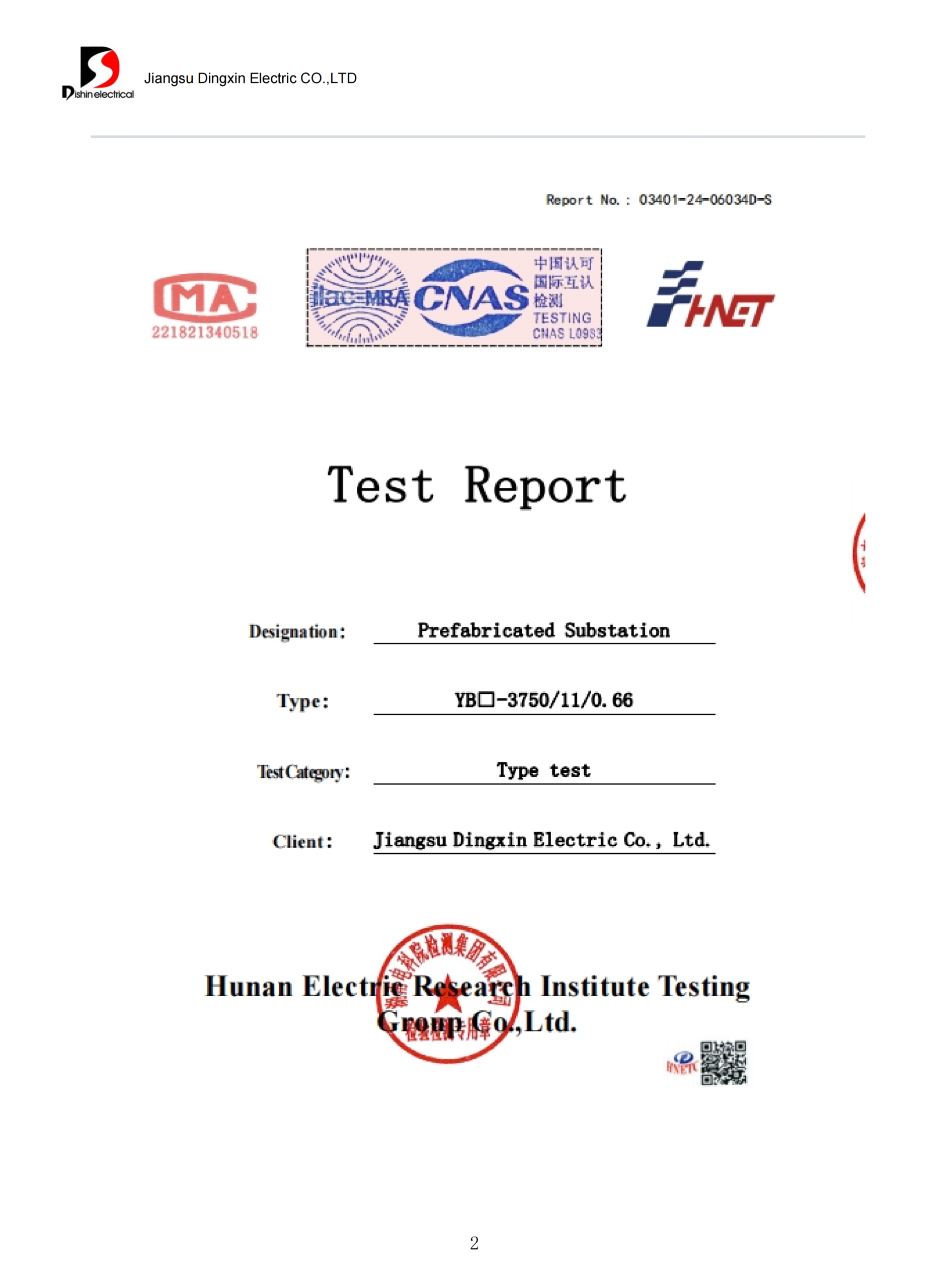
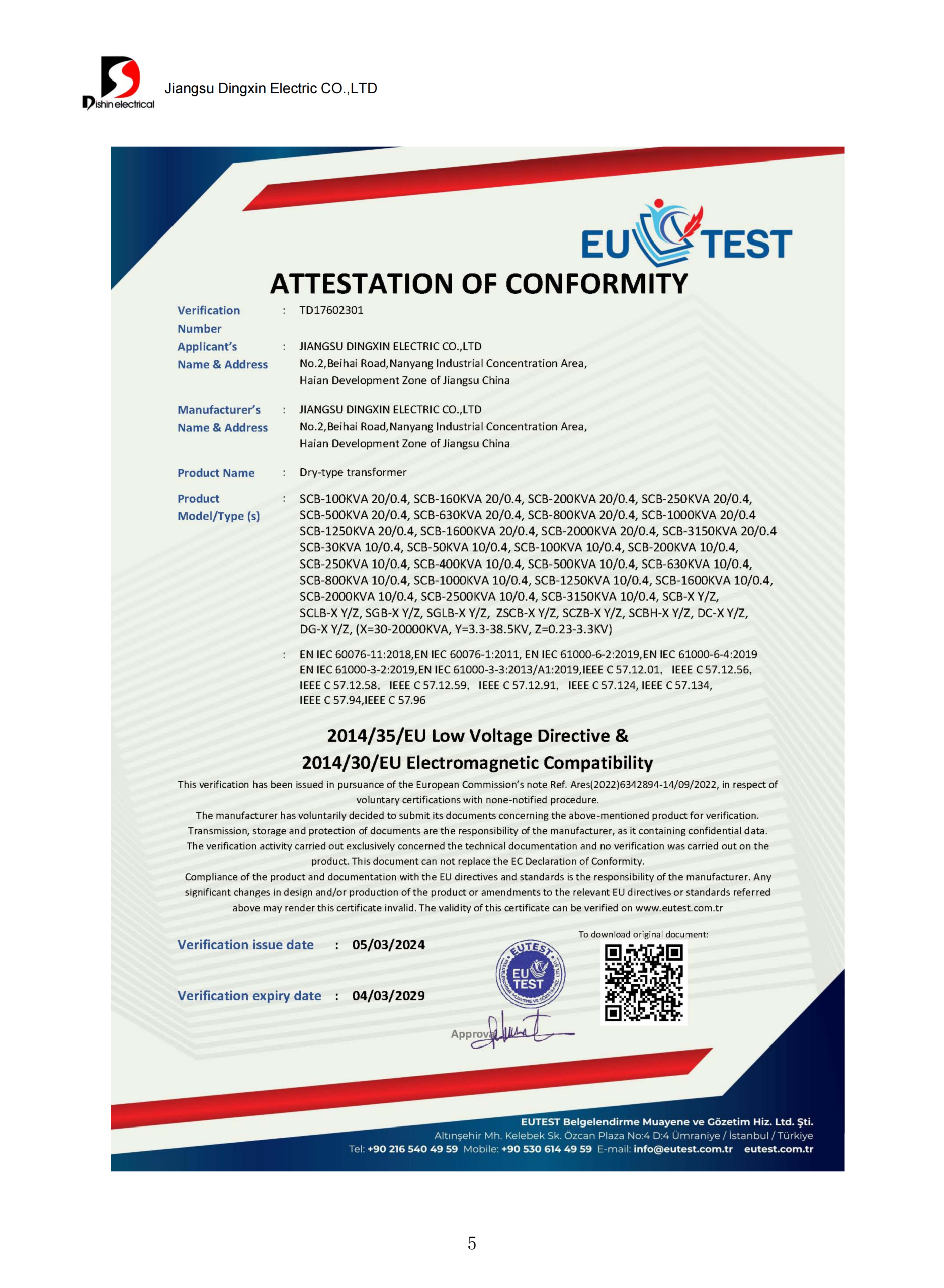
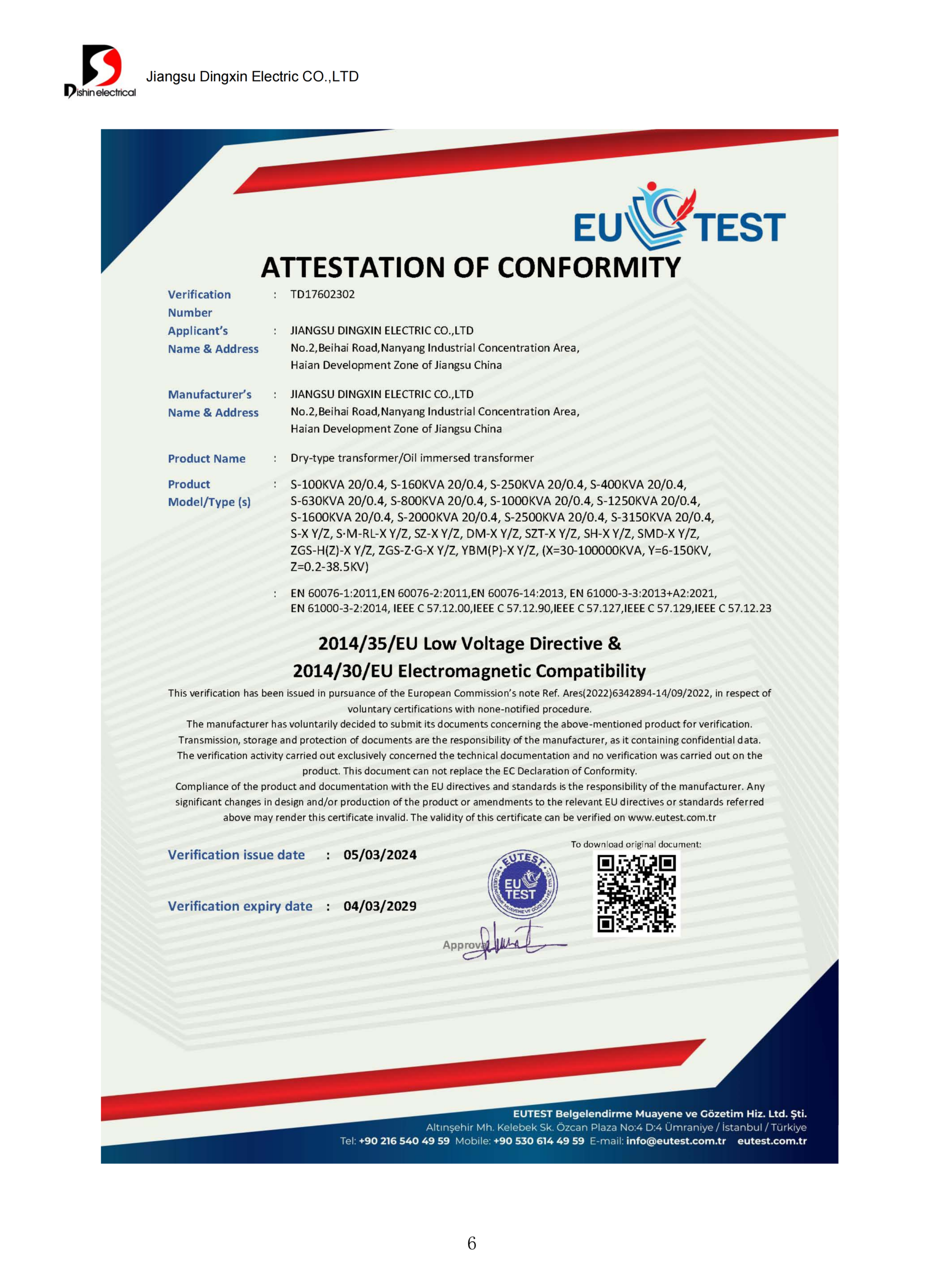
Map Every Agreed Rating to Approval Evidence
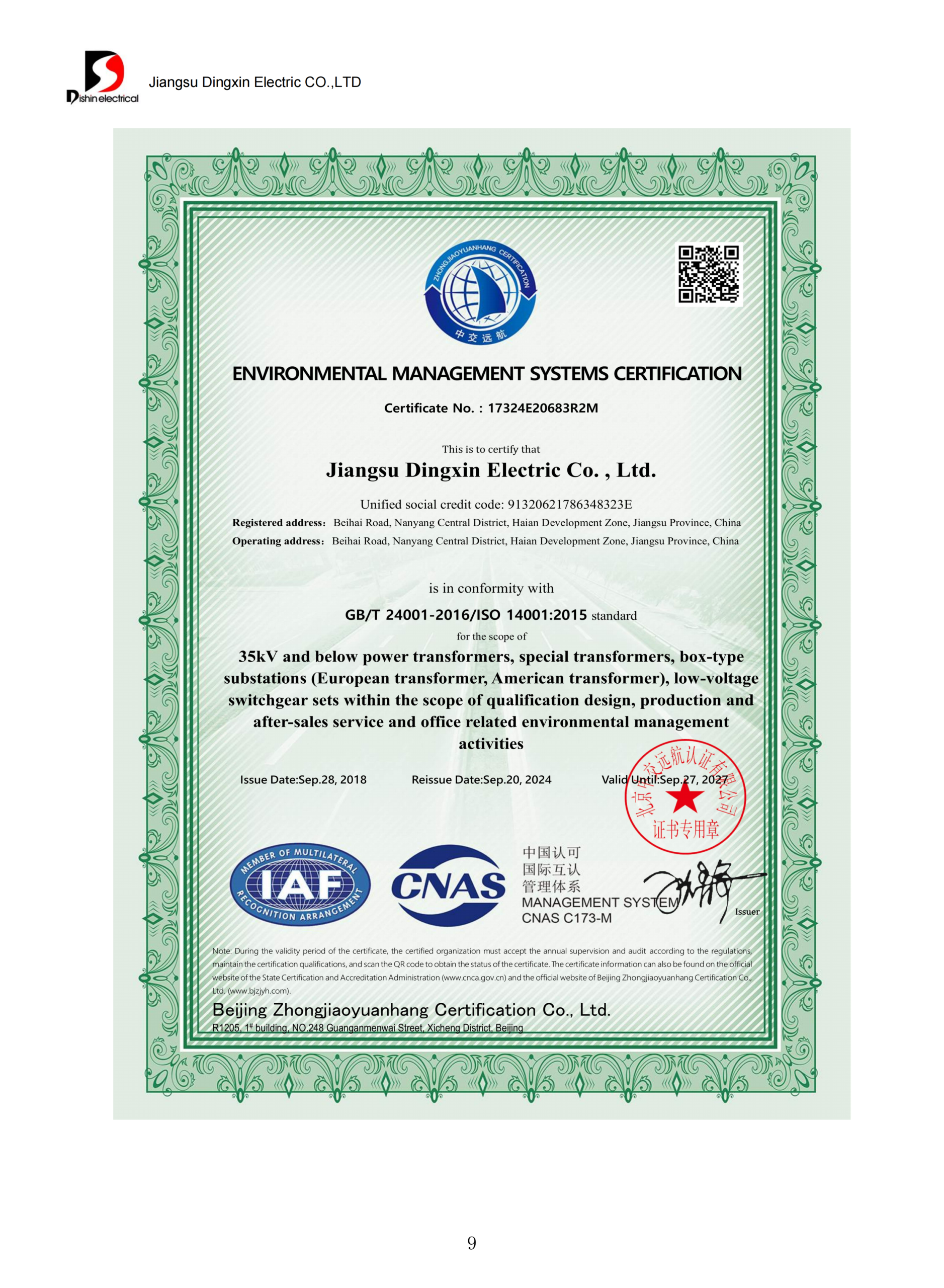
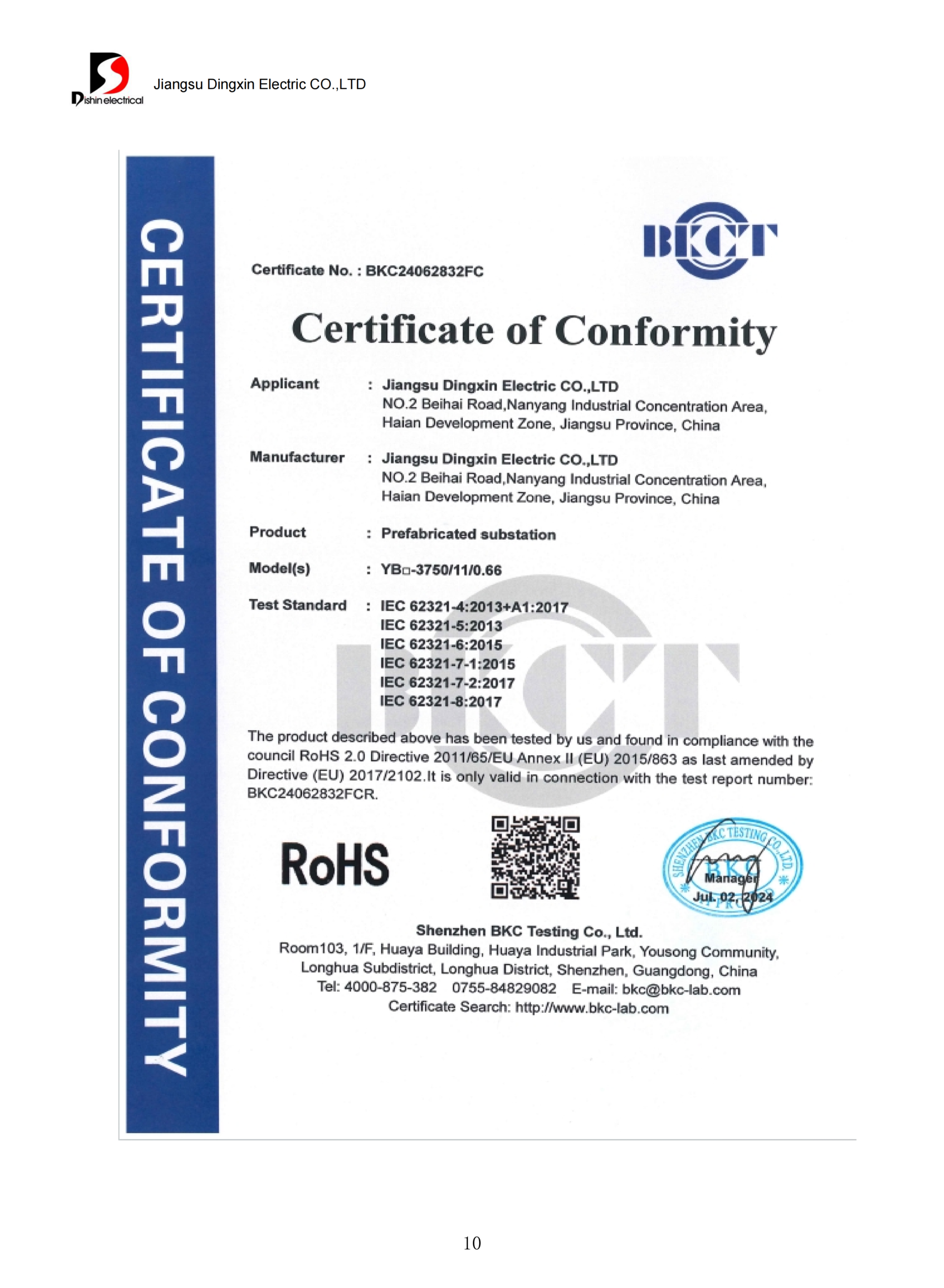
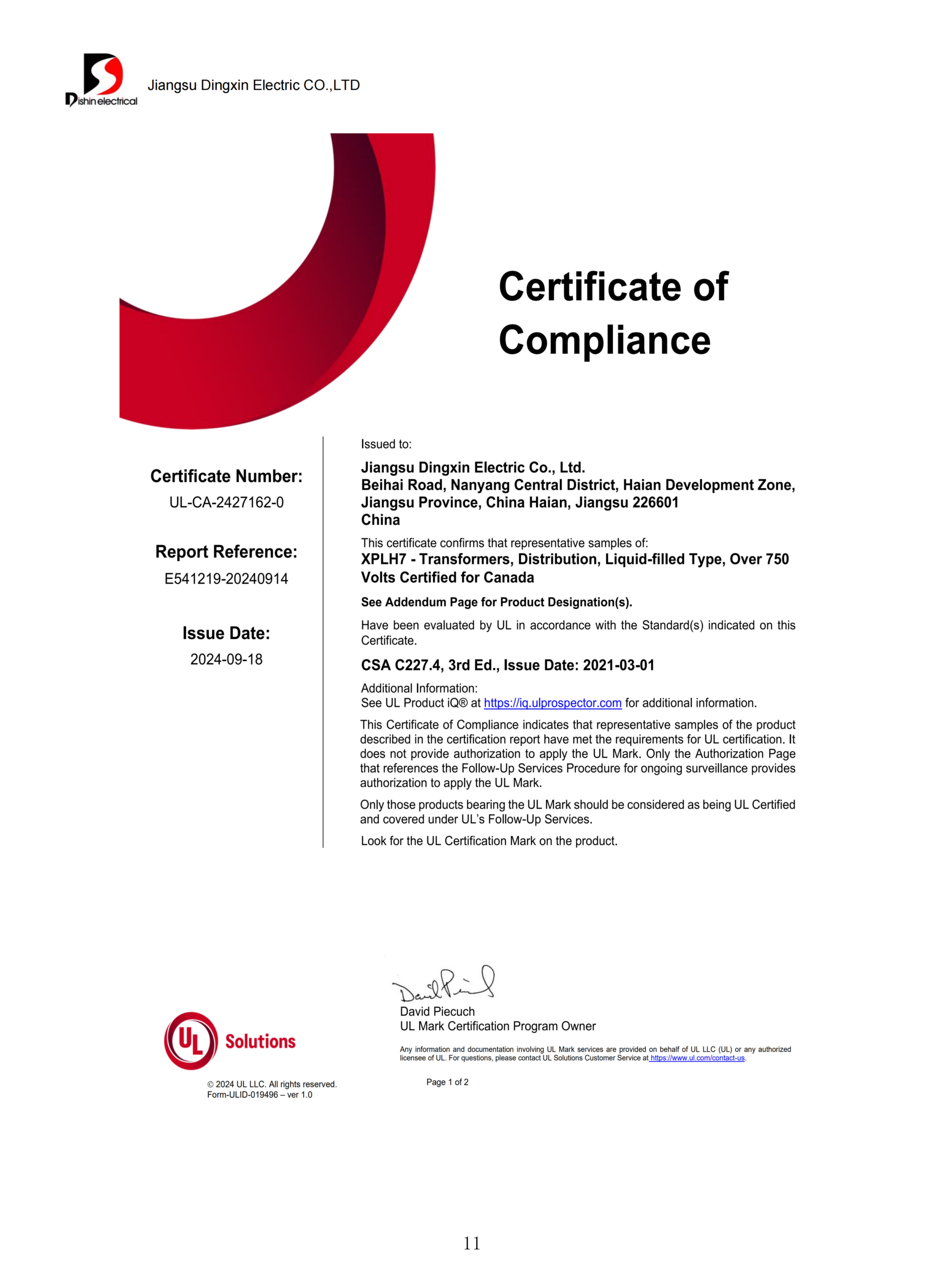
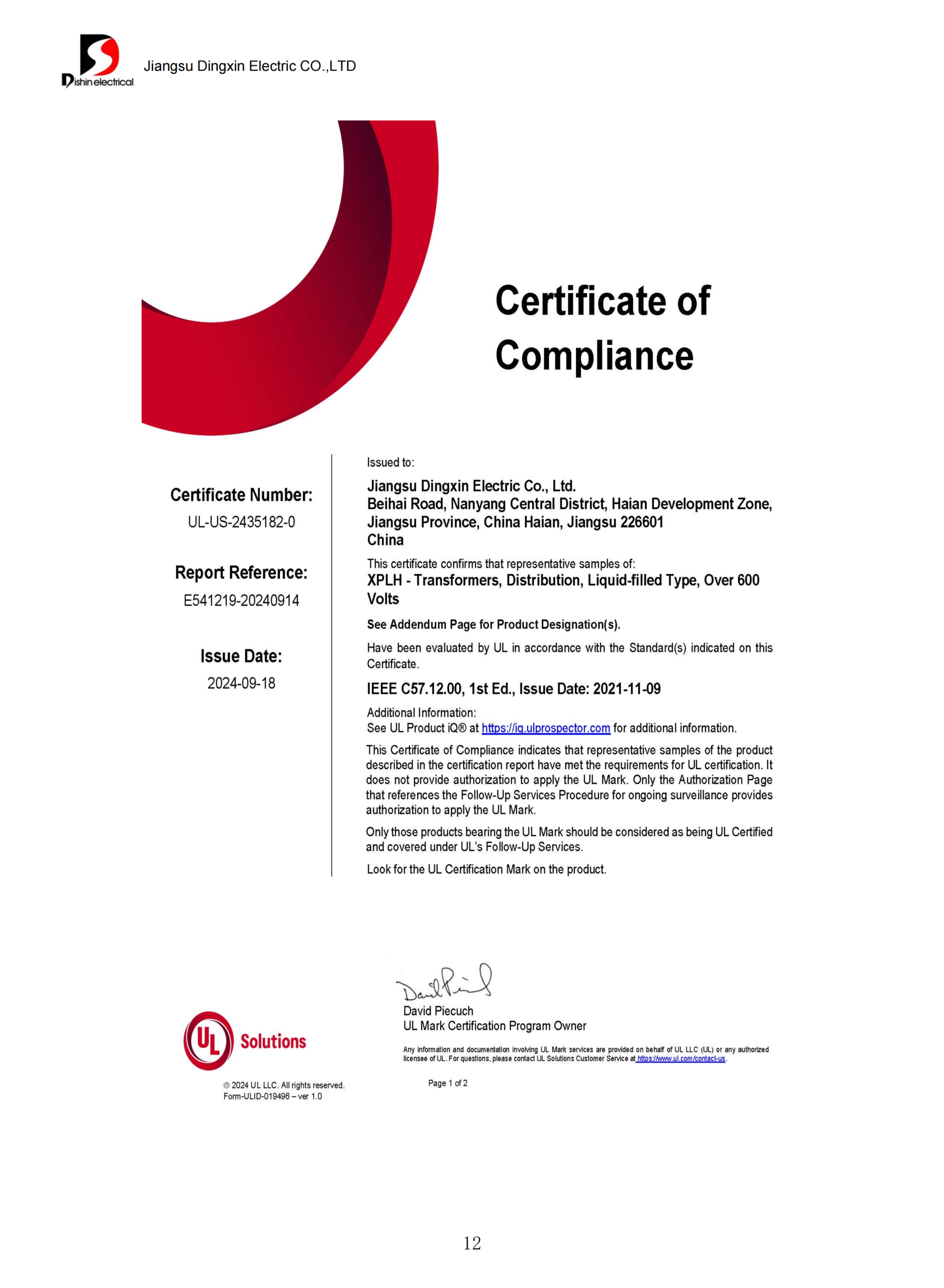
Test labels aren’t enough when the equipment class, method, acceptance limit, or witness rule remains unclear. This Rating-to-Approval Evidence Register turns each purchase requirement into a record that engineering, procurement, and quality teams can follow.
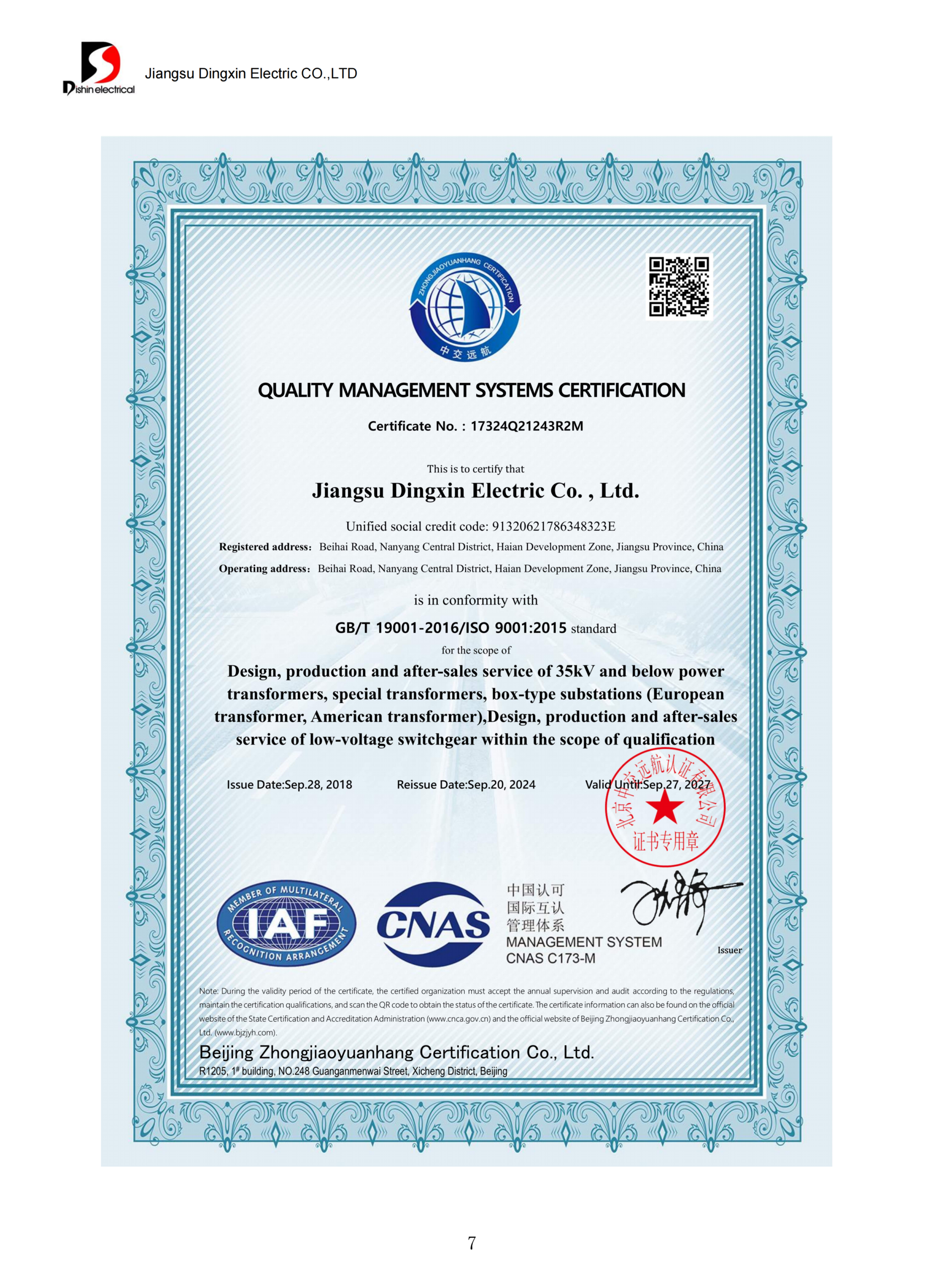
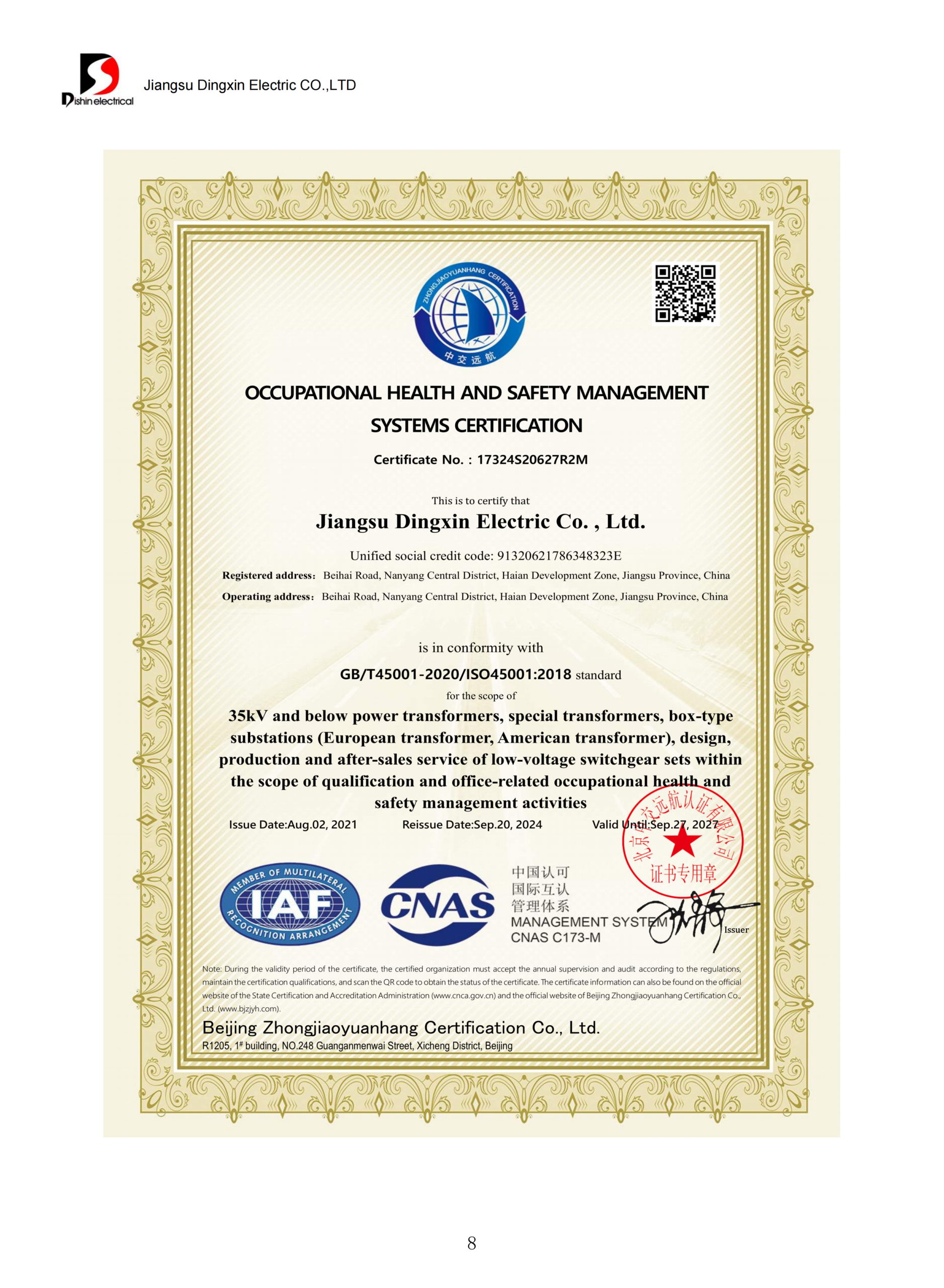
Trust signals that can be checked
30+ years
Company history supplied by Talite; independent verification remains separate.
R&D + production + sales
Company structure supplied by Talite; project evidence is still requested model by model.
Scope-based review
The quotation starts with duty, site, tests, records and logistics inputs.
Evidence boundaries
User-file ratings, public sources and contract guarantees are kept distinct.
| Agreed requirement | Evidence question | Possible record | Approval status |
|---|---|---|---|
| Ratio, polarity and phase relation | Which method and tap positions apply? | Test report linked to serial or order | Pending / accepted / exception |
| No-load and load loss | What reference conditions and tolerances apply? | Guaranteed schedule and measured results | Compare with contract basis |
| Impedance and load loss | Are tap, temperature and pairings defined? | Approved design value and test result | Record deviation before release |
| Dielectric performance | Which insulation levels and test sequence apply? | Test plan, witness record and report | Authority and buyer acceptance |
| Temperature and sound | Is the method required for this equipment and contract? | Type or special test evidence where agreed | Applicability must be explicit |
The official IEEE C57.12.90 page covers test methods for liquid-immersed distribution, power and regulating transformers and lists resistance, ratio, loss, impedance, dielectric, temperature, short-circuit and sound categories.3 It also lists excluded equipment, which is why the contract must confirm applicability rather than copying a test menu without context.
- Routine, type, and special test labels need an agreed basis.
- A destructive short-circuit test isn’t assumed for every supplied unit.
- Test evidence must connect to the ordered design and approved revisions.
Condition assessment is also moving toward repeatable measured-parameter methods, as shown by an Electric Power Research Institute patent on failure-mechanism indices and corrective actions.13 That patent signals an industry direction; it isn’t a claim that Talite supplies the patented system.
Transformer Evaluation Tools
Transformer RFQ Readiness Score
Access ToolTransformer Quote Normalization Matrix
Access ToolTransformer Approval Evidence Register
Access ToolFAQ: Questions Procurement and Engineering Teams Ask Before RFQ
Start with one duty sheet and one deviation register. Compare offered ratings, guaranteed losses, test scope, accessories, records, packing, transport and site work line by line, then ask each manufacturer to price the same accepted boundary.
Send kV, MVA or kVA, frequency, phases, winding layout, vector group, taps, impedance, fault level, loading profile, loss limits, insulation, site conditions, cooling, sound, tests, controls, accessories and logistics limits. Mark every missing item as pending rather than letting the supplier guess.
A catalog model is only a reference point. Project-specific electrical interfaces, site boundaries, and approval requirements still need review.
Suppliers may include different loss guarantees, conductor and insulation assumptions, tap equipment, cooling stages, tests, accessories, document packages, packing, or site services. Normalize every line against the same duty sheet and deviation register before deciding that a price gap reflects supplier efficiency rather than a thinner scope.
No. Lead time depends on a stable duty, accepted deviations, approval ownership, purchased items, testing, and the delivery boundary.
Not always. First confirm that every bidder used the same reference conditions, loading profile, tolerances, and loss-capitalization method. Then compare initial cost with operating, maintenance, fault, and end-of-life assumptions, while keeping any claimed saving separate from a guaranteed contractual result.
Request the approved data sheet, drawings, deviation status, inspection and test plan, applicable test records, material or component traceability where required, nonconformance closure, and packing release records. Match the exact set to the purchase order rather than a generic checklist.
It can. Screen equipment class, insulating medium, fire controls, vault access, containment, and local approval requirements before quotation.
Use one evidence request for every shortlisted supplier: model-relevant design ownership, sub-supplier controls, manufacturing and test capability, traceability, deviation control, logistics planning, and release records. Familiarity may support a shortlist, but only order-linked evidence shows whether the proposed unit and delivery boundary match the project.
No. Location may change logistics, service access, funding eligibility or regulatory review, but it does not replace model-level drawings, guarantees, tests, traceability and contract responsibility. Compare the complete evidence and delivery boundary for the destination.
Start with system voltage, insulation coordination, fault duty, winding and neutral requirements, taps, losses, site conditions, and a common acceptance plan. Compare every response against that same RFQ.