Get in touch with Toplit Transformer Co., Ltd Company
Rectifier Transformer and Power Transformer Solutions for Mining & Metallurgy
Rectifier transformer and mining transformer projects go off course when a quotation starts with capacity but leaves out converter topology, nonlinear current, duty cycle or site classification. Talite turns those operating details into a defined review path for AC-to-DC process power, mine-site loads and heavy-industry distribution.
- 01 Start with the operating system
- 02 Process load and converter topology
- 03 Primary and secondary voltage
- 04 Current waveform and pulse objective
- 05 Continuous, cyclic or irregular duty
- 06 Surface, underground or classified location
- 07 Tests, documents and interface scope
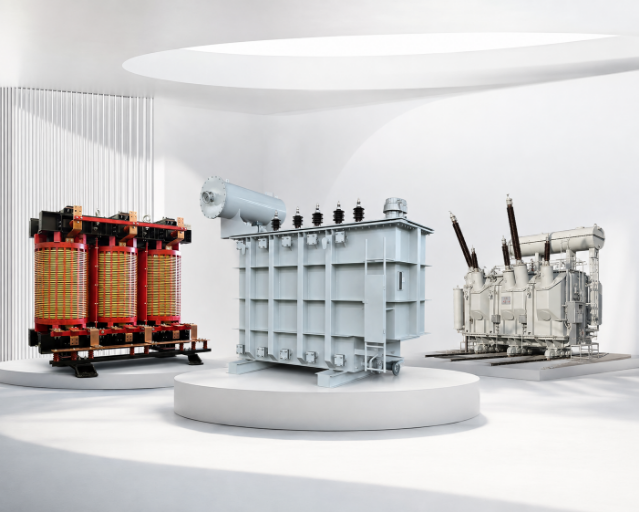
3000 kVA
Client-material rectifier-transformer reference
3500 kVA
Client-material pulse rectifier-transformer reference
9 to 27
Equivalent-phase engineering review range
Rectifier duty
Application-input and converter-interface review
Mining duty
Site, jurisdiction and operating-condition screening
30+ years
Power-equipment sector experience
A mining operation can lose weeks when a three-phase transformer quotation omits converter duty or site classification. Use these confirmed reference points to decide whether Talite belongs in the first technical conversation, then set the final rating, winding arrangement and site qualification against the project input package and the applicable IEC 61378-1 converter-transformer framework.
Applications of Rectifier Transformers in Industrial Power Supplies
For each enquiry, Talite reviews project-specific inputs against its transformer product scope. An Eight-Input Application Screen catches the variables that most often make two quotations technically different.
Eight-Input Application Screen
-
Process loadElectrolysis, smelting, drive, crusher, conveyor or plant distribution
-
NetworkUtility grid voltage, frequency, grounding and available fault level
-
ConverterDiode or thyristor bridge, pulse objective and firing method
-
OutputDC output voltage, current, ripple and regulation objective
-
Duty cycleBase load, peaks, duration, cycling and recovery time
-
HarmonicsCurrent spectrum, PCC definition and other nonlinear loads
-
SiteAmbient, altitude, dust, moisture, ventilation and access
-
RulesCountry, mine type, classification, tests and approval path
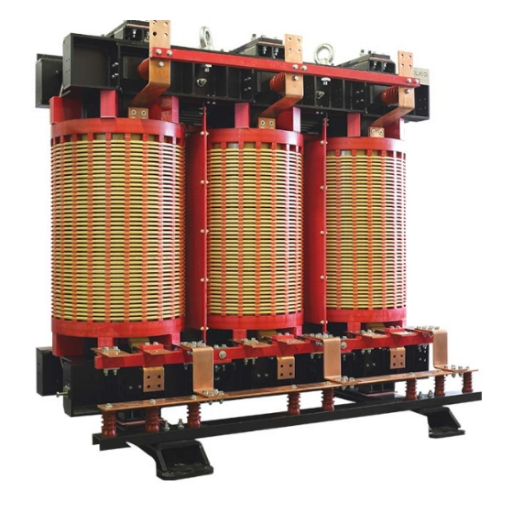
Talite Heavy-Industry Duty-Fit Matrix
| Operating bottleneck | Why it changes the route | Input to provide | Review path |
|---|---|---|---|
| Nonlinear rectifier load | Distorted current changes winding, stray and eddy-current losses. | Current spectrum, current flow and loading combinations | Rectifier-transformer thermal and winding review |
| Facility distortion target | IEEE 519 evaluates distortion at the user point of common coupling. | PCC, short-circuit level, demand current and other loads | System-study input package using transformer data |
| High-power converter | Phase shift and valve-side voltage depend on the converter topology. | Rectifier type, pulse objective and phase angles | Phase-shifting rectifier-transformer review |
| Mine-site installation | Surface and underground locations carry different physical and legal requirements. | Mine type, country, location, authority and grounding method | Site and approval screening before configuration |
| Classified atmosphere | Zone or Division data controls the required equipment approval route. | Gas or dust group, temperature class and authority | Approval-first project review |
| Variable or impact duty | Load peaks and cycling change temperature rise, insulation stress and cooling demand. | Time-stamped duty cycle, ambient and overload requirement | Thermal design and verification plan |
| Arc-furnace or smelting load | Impact loading and process cycles require a dedicated duty review. | Load cycle, short-circuit data, process sequence and protection basis | Separate heavy-duty transformer route |
Power Transformer Families and Electrical Configurations
Selection should follow the load rather than the industry label. By separating rectifier duty, multi-pulse phase shifting, mine-site power and ordinary plant distribution, Talite keeps the correct electrical assumptions inside the quotation.
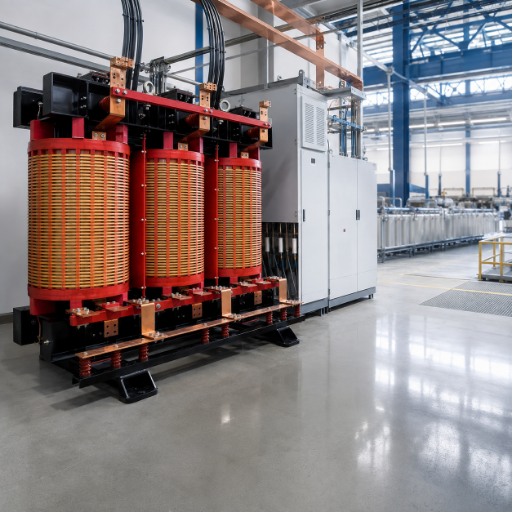
Rectifier duty path
For industrial DC power supplies, the transformer supplies alternating current to the rectifier circuit, which delivers direct current to electrolysis or another process load. The review connects the transformer, rectifier equipment and application as one power-conversion system.
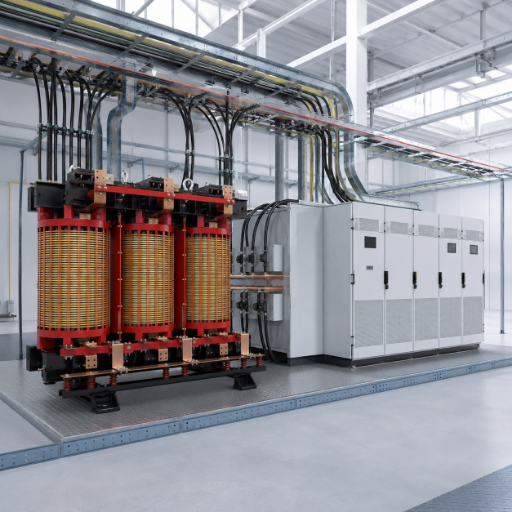
Phase-shifting multi-pulse path
For converter systems where multiple secondary windings and phase displacement support the selected rectification arrangement. Source balance, impedance and the PCC objective remain part of the decision.
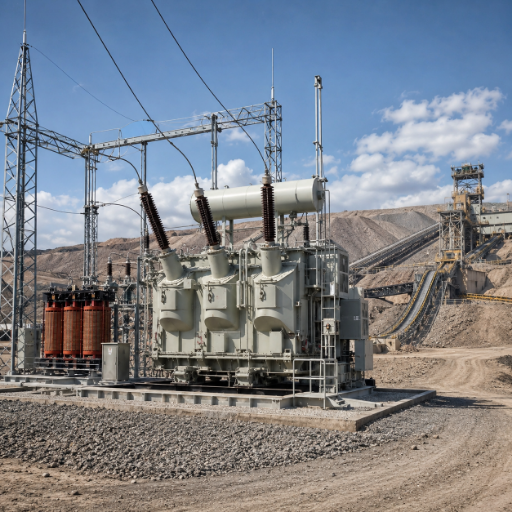
Mine-site power path
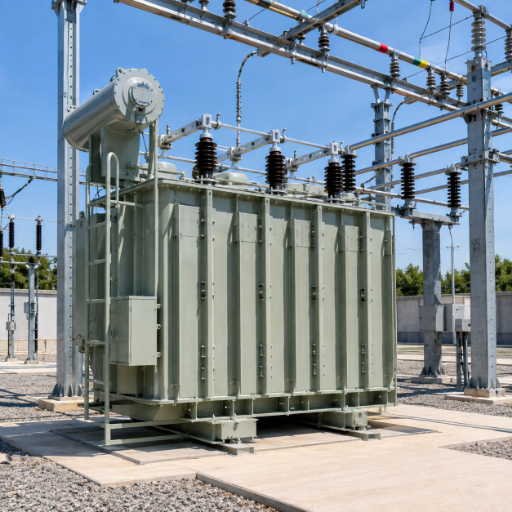
For mining equipment and power distribution in the mining industry, site screening separates surface and underground mining environments. Harsh environments are described through ambient, dust, moisture, ventilation and approval inputs.
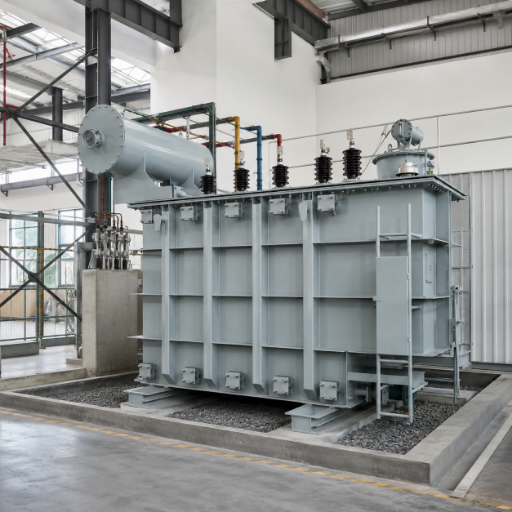
Plant power or dedicated-duty path
For conventional electrical systems or impact loads that do not belong in a rectifier-transformer scope. Compare oil-immersed power transformer solutions and medium-voltage dry-type transformer options when the load follows an ordinary plant-distribution route; Talite handles dedicated furnace-duty questions as a separate engineering review.
On this page, a phase-shifting transformer means a phase-shifting rectifier transformer in a converter context, not a transmission-grid power-flow device. References to phase shifting transformers therefore remain tied to converter topology, source balance and rectification.
Some specifications use transformer rectifier for the combined package that changes AC voltage to DC voltage, although the transformer and electronic rectifier remain separate components. Applications of rectifier transformers in this scope include electrolysis and other smelter power processes, while inverter and drive systems require their own load data.
IEC 61378-1 covers specification, design and testing inputs for power transformers and reactors integrated into semiconductor converter plants. Talite uses that component scope with the project load, network and acceptance requirements.
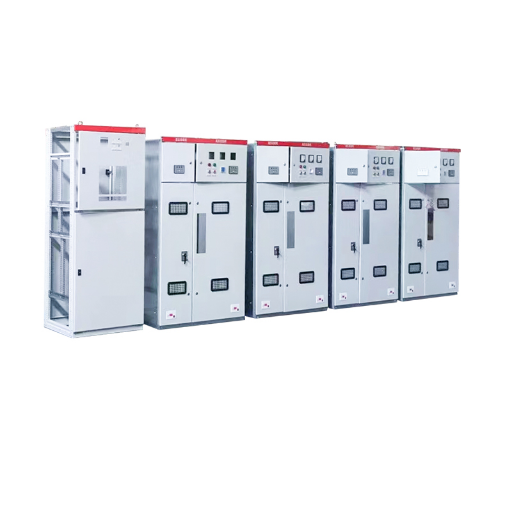
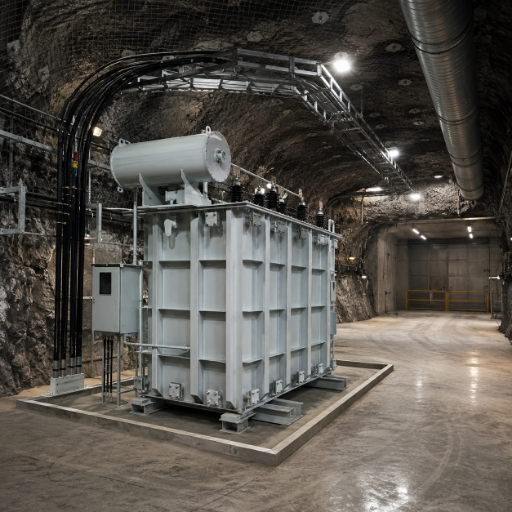
Cooling, Enclosure and Site Protection Inputs
Heat dissipation, insulation life and maintainability all depend on where the transformer operates. Define the environment before comparing dry-type construction, enclosure needs or cooling arrangements.
- Maximum, minimum and average ambient
- Altitude and room ventilation
- Dust, moisture and corrosive exposure
- Indoor, sheltered or outdoor installation
- Lifting access and maintenance clearance
- Mine type and country
- Surface or underground installation
- Gassy or non-gassy classification
- Zone or Division and gas or dust group
- Required authority, certificate and marking
Qualification starts with the location
IEC 60076-11 covers ordinary dry-type transformer scope and excludes flameproof and mining transformers. For US classified locations, OSHA 1910.307 makes the area classification and equipment suitability part of the project basis.
Quoting from a reference capacity alone creates mismatch risk because the same kVA can serve a different converter, duty cycle and voltage basis. Client-supplied Talite materials provide evidence-backed starting points: 3000 kVA and 3500 kVA references plus 9, 12, 15, 18, 24 and 27 equivalent-phase options, with flux density and other design values set by the project.
A rectifier duty transformer is not selected like standard transformers serving sinusoidal loads. Magnetic flux, current density, primary-side voltage and valve-side current are engineering values derived from the agreed converter and duty inputs.
| Site condition | Design input | Quotation evidence to request | Buyer action |
|---|---|---|---|
| High ambient or restricted ventilation | Temperature profile, airflow and heat-rejection limit | Cooling arrangement and stated design ambient | Confirm room heat removal before layout freeze |
| High altitude | Installation elevation and ambient range | Altitude basis in the design data | Put elevation in every bidder's scope |
| Conductive dust or moisture | Contaminant type, cleaning method and ingress exposure | Enclosure and insulation-system description | Align maintenance access with protection choices |
| Classified location | Zone or Division, material group and temperature class | Required approval or marking identified by the authority | Resolve the approval route before price comparison |
| Talite client-material reference | Value | Engineering use |
|---|---|---|
| Rated capacity reference | 3000 kVA (3.0 MVA) | Starting point for medium- or high-voltage converter review |
| Rated capacity reference | 3500 kVA (3.5 MVA) | Starting point for pulse rectifier review |
| Equivalent-phase option | 9 | Match to converter topology and phase displacement |
| Equivalent-phase option | 12 | Verify source balance, impedance and system target |
| Equivalent-phase option | 15 | Confirm winding arrangement and valve-side requirement |
| Equivalent-phase option | 18 | Compare distortion objective, footprint and interfaces |
| Equivalent-phase option | 24 | Compare modelled system benefit with added complexity |
| Equivalent-phase option | 27 | Require a complete converter and facility review |
Turn project data into a usable enquiry
- Rectifier Transformer RFQ Input Builder
- Pulse Configuration Screening Worksheet
- Comparable-Quote Normalization Scorecard
Specification handoff
For converter-transformer design and testing scope, pair IEC 61378-1 with the single-line diagram, converter data, harmonic spectrum, duty cycle and acceptance plan. That package gives Talite enough context to discuss a project-specific configuration.
Pricing Drivers and Comparable Quotation Inputs
A lower number is not comparable when it excludes nonlinear loading, required tests, terminals, cooling equipment, documentation or installation constraints. Compare offers only after every bidder has responded to the same eight categories.
Plant teams define downtime exposure, cooling constraints and the cost of an electrical mismatch. Finance then compares purchase price with capitalized losses, spares, installation changes and the planned service horizon.
- Annual operating hours and load bands
- Electricity and demand-cost assumptions
- No-load and load-loss valuation
- Maintenance and critical-spares scope
Procurement freezes one design basis for every bidder, while quality names the evidence that releases drawings, manufacture and shipment. This keeps omitted tests, documents or interfaces from masquerading as savings.
- Common deviation schedule
- Test witness and report expectations
- Document approval milestones
- Explicit inclusions and exclusions
Whole-life cost input
IEEE loss-evaluation guidance converts energy, power, financing and loading inputs into monetary values for transformer losses. Enter the buyer's operating hours, energy price, loading and service horizon before ranking lifecycle cost.
Score each category: 2 = explicit and quantified 1 = mentioned but incomplete 0 = absent Maximum: 16 points
| Category | Confirm in every offer | Risk if scopes differ | Score |
|---|---|---|---|
| Electrical basis | Primary and secondary voltage, frequency, capacity, taps and connection | Different transformer duty | 0 / 1 / 2 |
| Converter basis | Rectifier type, pulse arrangement, phase shift and harmonic spectrum | Thermal or performance mismatch | 0 / 1 / 2 |
| Loss basis | No-load loss, load loss, reference temperature and valuation method | Low purchase price hides lifecycle cost | 0 / 1 / 2 |
| Site basis | Ambient, altitude, pollution, mine location and classification | Redesign or disqualification | 0 / 1 / 2 |
| Interfaces | Terminals, enclosure, cooling, footprint and monitoring | Installation change orders | 0 / 1 / 2 |
| Tests | Routine, type and special tests with acceptance criteria | Evidence packages are not equivalent | 0 / 1 / 2 |
| Documents | Drawings, calculations, reports, manuals and language | Approval and commissioning delays | 0 / 1 / 2 |
| Commercial scope | Freight, spares, supervision, exclusions and schedule basis | Headline totals cannot be ranked | 0 / 1 / 2 |
| Requirement | Design input | Acceptance evidence | Release decision |
|---|---|---|---|
| Converter thermal duty | Current spectrum and loading combinations | Agreed calculation basis and specified report or test scope | Approve thermal design basis |
| Voltage regulation | Supply range, taps, rectifier operation and output requirement | Approved design data and routine measurement | Approve winding and tap basis |
| Site protection | Ambient, altitude, dust, moisture and classification | Construction record plus required certificate or marking | Approve installation suitability evidence |
| System distortion objective | PCC definition, fault level and other nonlinear loads | Installed-system study using supplier data | Approve the facility-level study basis |
| Project documentation | Drawing list, report format, language and approval milestones | Document register with responsible party and due point | Release manufacture and shipment |
Quality, Testing and Project Documents
By integrating research and development, production and sales, Talite keeps the design basis and requested evidence connected through project review. Define the release evidence in the enquiry so every claim has a visible acceptance point within the project scope and the applicable IEC 61378-1 component framework.
Input review
Application engineers check the single-line diagram, converter data, duty cycle, current spectrum, site conditions and governing rules.
Design basis
Engineering aligns winding arrangement, voltage regulation, impedance, cooling and interfaces to the reviewed inputs.
Verification plan
The project scope identifies routine, type and special tests plus document format and acceptance criteria.
Release package
Approved drawings, nameplate data, reports, manuals and shipment scope are aligned with the order.
From Load Data to Engineering Review
Incomplete load data creates a hidden mismatch between what the plant needs and what a supplier prices. Talite moves the project from system evidence to a defined transformer route, a normalized scope and an engineering handoff.
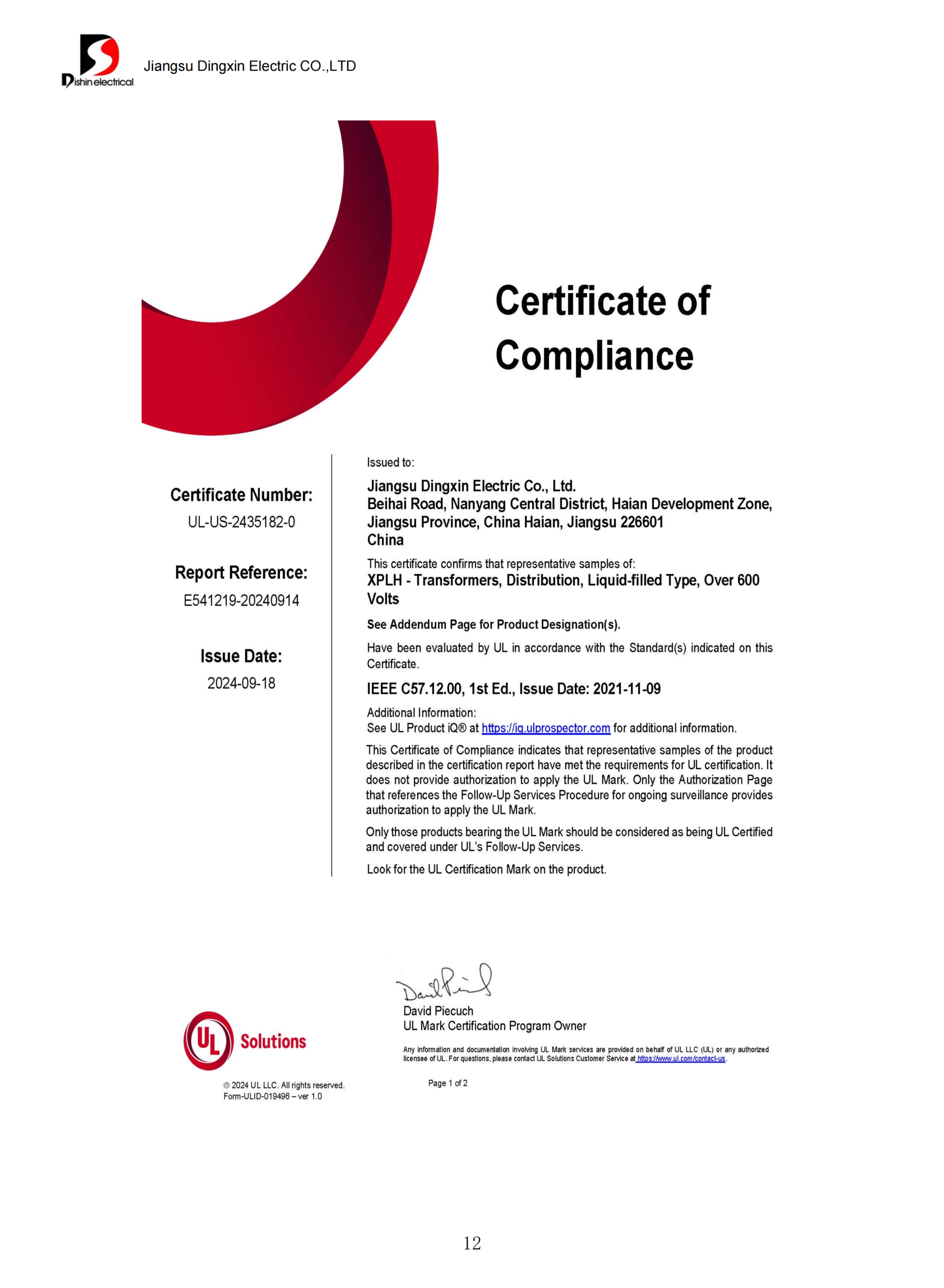
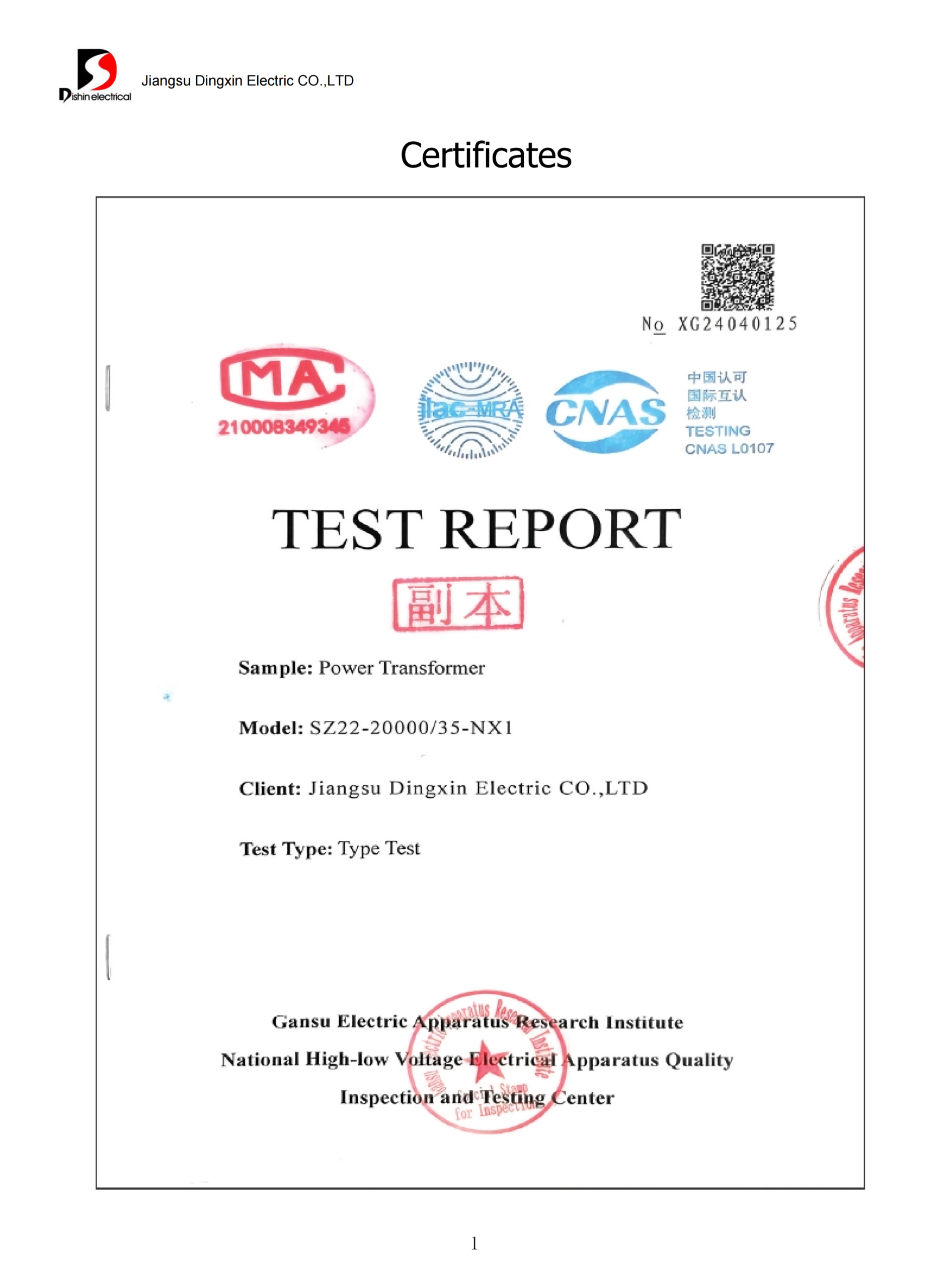
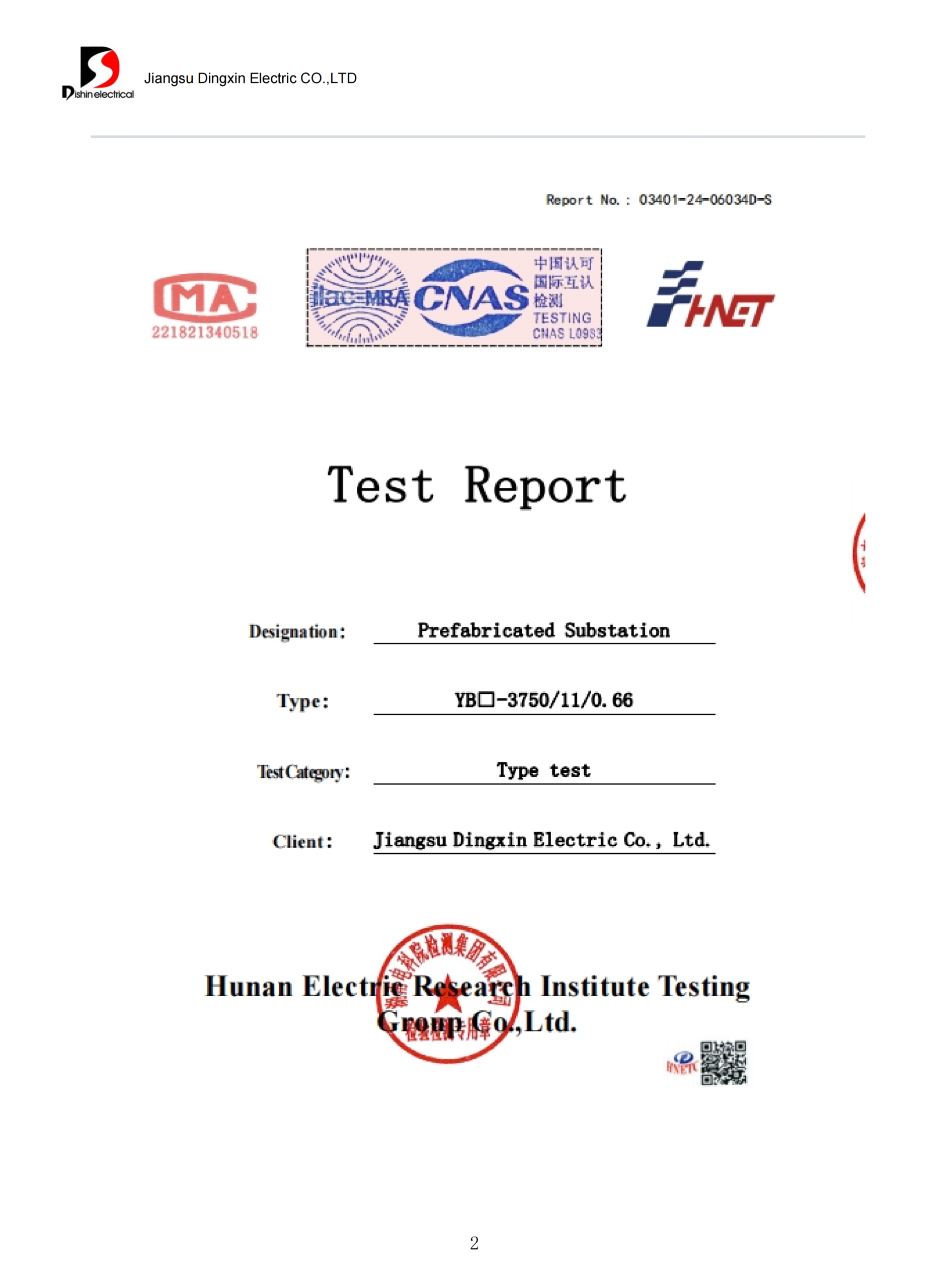
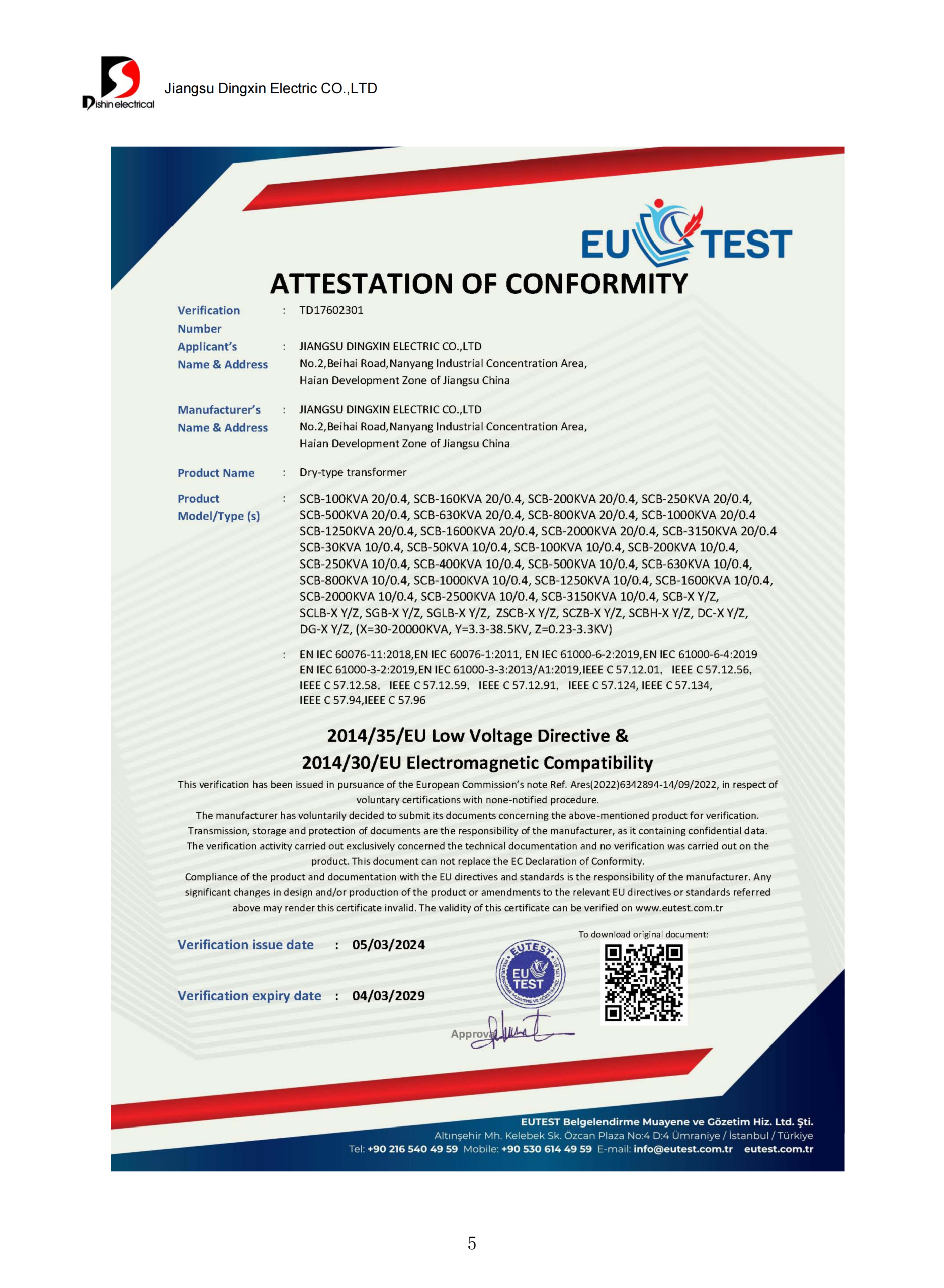
Send the system package. Share the single-line diagram, load and converter data, voltage, frequency and required output.
Define the site. State ambient, altitude, mine location, ventilation, dust, corrosion and classified-area status.
Set the performance boundary. Identify the IEEE 519 point of common coupling, harmonic objective, duty cycle and acceptance method.
Screen the route. Talite compares rectifier duty, phase-shifting, mine-site and conventional power paths.
Normalize the quotation. Interfaces, tests, documents, exclusions and commercial scope are itemized.
Confirm the handoff. The agreed design basis and evidence plan move into production review.
Minimum electrical package
- Primary and secondary AC voltage
- Rated and peak current
- Frequency and grounding
- Fault level and impedance target
- Rectifier bridge and firing method
- Current waveform or harmonic spectrum
Minimum operating package
- Continuous or cyclic loading
- Peak duration and recovery time
- Ambient and altitude
- Cooling and ventilation constraints
- Installation classification
- Required tests and documents
KNOWLEDGE BASE
Rectifier and Mining Transformer FAQs
What is a rectifier transformer used for in metallurgy and mining?
It supplies a rectifier for process loads such as electrolysis and other AC-to-DC industrial power applications. The transformer is specified around converter topology, non-sinusoidal current, output requirement and duty cycle.
How is a rectifier transformer different from a standard power transformer?
A rectifier transformer is reviewed for converter loading, harmonic current and the required secondary winding arrangement. A standard power transformer serving ordinary AC loads does not automatically cover those stresses.
Does the transformer convert AC power directly into DC power?
Voltage change and isolation occur in the transformer, while the diode or thyristor rectifier performs the AC-to-DC conversion. Specify both as one power-conversion system.
Is a 24-pulse system always better than a 12-pulse system?
No. Compare pulse arrangements against source balance, PCC objectives, footprint, interfaces and maintenance obligations rather than treating the largest phase number as the target.
Can transformer data alone establish IEEE 519 compliance?
IEEE 519-2022 applies at the user point of common coupling. Talite can supply transformer inputs for the complete facility study.
What data is required for an IEC 61378-1 design review?
Provide converter application, voltage and frequency variation, loading combinations, harmonic components, cyclic duty and phase-displacement requirements. IEC 61378-1 supplies the converter-transformer component framework.
Is a dry-type mining transformer suitable for a classified location?
Start with the mine type, surface or underground location, Zone or Division, gas or dust group and governing authority. Those inputs define the approval route before quotation.
Can one transformer design serve crushers, conveyors, drives and furnace loads?
Not from a shared capacity value alone. Each load family has a different duty cycle, starting or impact profile, harmonic content and protection basis that must be reviewed.
What should procurement compare beyond purchase price?
Normalize electrical duty, converter inputs, losses, site conditions, interfaces, tests, documents, freight and exclusions. Use the 16-point scorecard before ranking commercial totals.
How do I start a Talite technical review?
Use the RFQ Input Builder or send the single-line diagram, converter data, duty cycle, site conditions and required evidence through the Talite project form. The first review screens the transformer route and quotation scope.