Get in touch with Toplit Transformer Co., Ltd Company
Data Center Power Infrastructure Starts With a Transformer Specification That Survives Integration
Talite helps engineering and procurement teams define dry-type, oil-immersed, or pad-mounted transformers for data-center distribution. We keep the transformer scope clear, surface the inputs that affect rating and testing, and prepare a comparable path from one-line diagram to factory documentation.
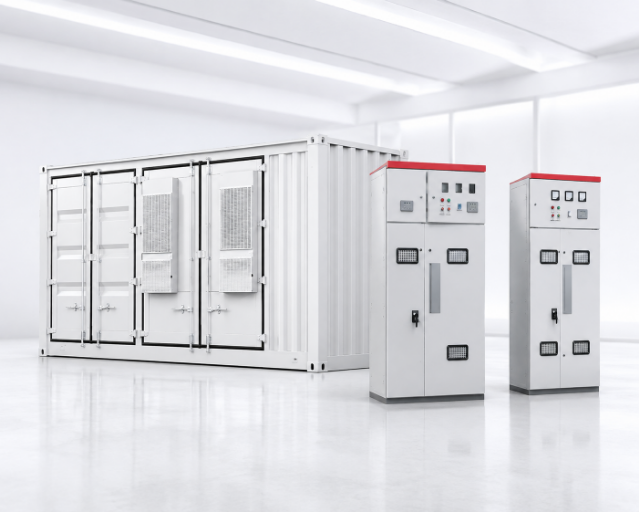
Talite scope
Application-matched transformer configuration, agreed accessories, drawings, and test-document package.
Project inputs
Voltage, capacity, load profile, fault duty, environment, redundancy path, standards, and delivery milestone.
Adjacent scope
UPS, batteries, switchgear, relays, utility studies, EPC integration, and system availability remain with their designated owners.
A Transformer Decision Framework for Data Center Power Infrastructure
The useful starting point is not a generic “data-center-ready” label. It is a controlled set of electrical, environmental, protection, testing, and commercial inputs that connect the utility interface to the critical load.
Utility
Available service voltage, fault duty, grounding, interconnection rules
Primary distribution
Switchgear, protection, metering, bus topology
Transformer
Voltage conversion, impedance, losses, thermal and insulation design
Secondary distribution
Switchboards, busway, protection, selective coordination
UPS / PDU
Power conditioning, battery support, nonlinear-load interface
Critical load
Server, storage, network, and cooling demand profile
Hidden bottleneck map
Utility data, topology approval, protection assumptions, document review, shipping access, and commissioning ownership can block energization even when transformer production is on plan. Put each dependency, owner, required date, and release condition on the same critical-path register.
Scope-language bridge
Buyers can describe the project as a data center power supply, data center power systems, or data center power distribution requirement. In each case, this page addresses the transformer position and its interfaces rather than claiming the adjacent equipment scope.
Where Talite Fits in a Data Center Power System
Talite Transformer Co., Ltd. has worked in power equipment for more than three decades and integrates research, manufacturing, and sales. For this solution page, that background is applied to transformer selection and supply rather than an unsupported claim to deliver the entire data center power architecture.
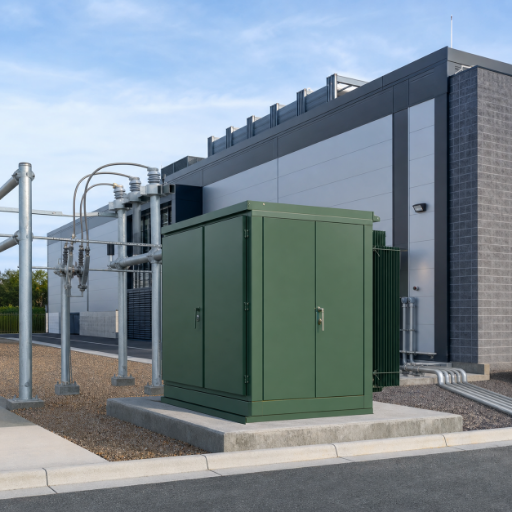
Substation interface
Translate utility primary voltage and the downstream distribution target into a transformer configuration for review.
- Primary and secondary voltage
- Grounding and vector-group requirements
- Fault duty and impedance inputs
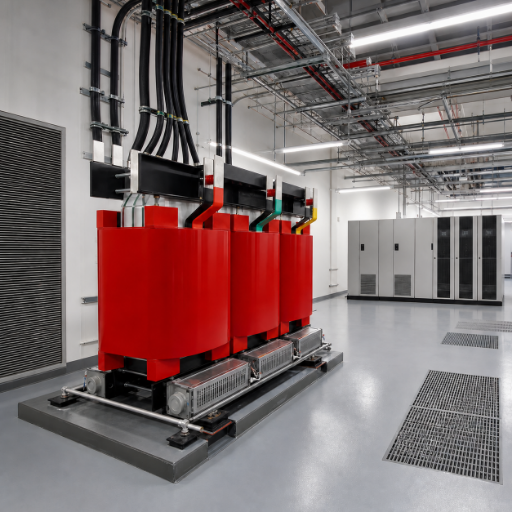
Critical-load application review
Bring nonlinear load, harmonic, thermal, redundancy, and energization assumptions into the transformer discussion.
- Load profile and growth
- UPS/server harmonic information
- Ambient, altitude, enclosure, and ventilation
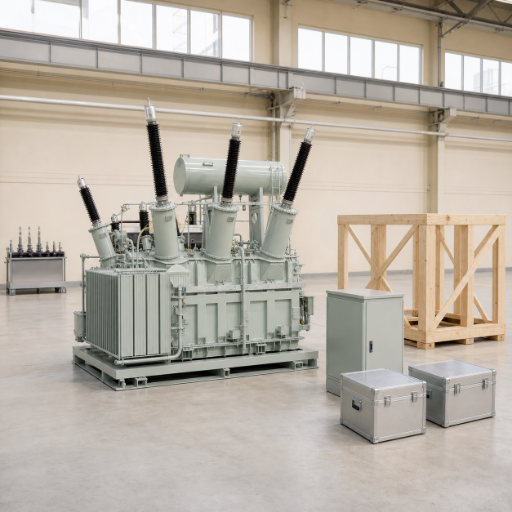
Procurement definition
Turn an engineering basis into comparable scope, documentation, tests, milestones, and commercial exclusions.
- Drawing and submittal register
- Inspection and test plan
- Accessories, spares, shipping, and receiving split
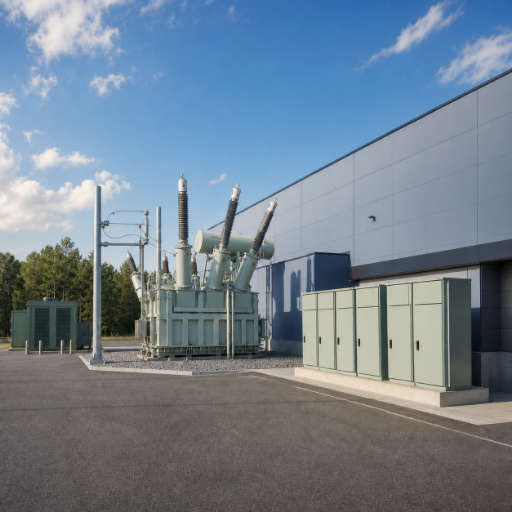
Facility power distribution
For data centers, utility power can arrive from the power grid through a high-voltage or medium-voltage power source before transformer conversion. The electrical power distribution system can include an automatic transfer switch, backup power, switchgear, and uninterruptible power supplies.
- Grid and utility power data belong in the project basis
- Power supplies and transfer equipment remain adjacent-system scope
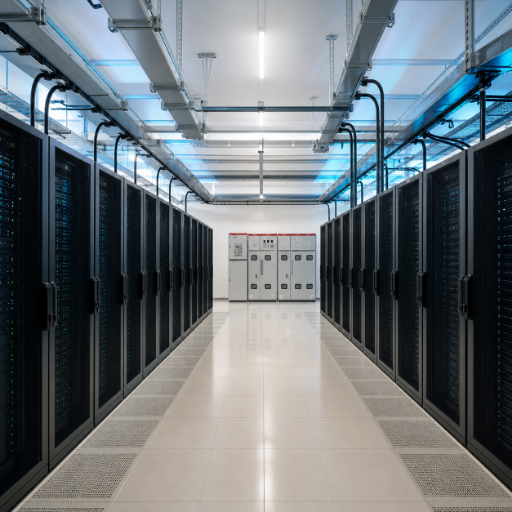
Rack demand context
Data center operators translate compute demand into server rack and rack-level electrical requirements. The transformer review uses the aggregated power demand, not a direct recommendation for an individual rack.
- Rack capacity and diversity
- Rack power supplies
- Rack redundancy path
- Rack growth allowance
- Remote power panels and remote power monitoring
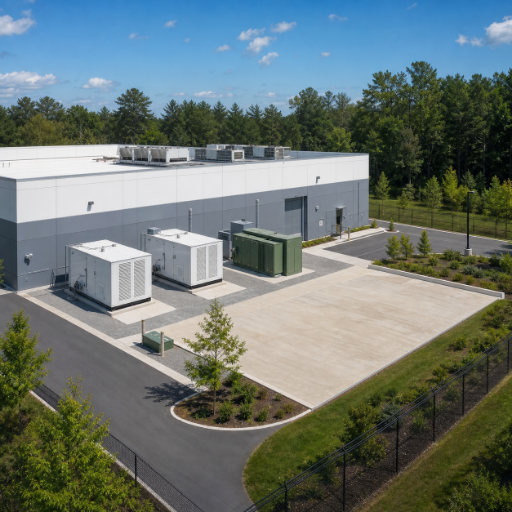
Operating outcomes
Energy consumption, energy efficiency, resilience, and downtime are facility outcomes influenced by the complete power and cooling design. Modular expansion, operating practice, maintenance, and supply chain planning sit alongside transformer losses and reliability.
- Keep each outcome tied to its system owner
- Compare equipment data without converting it into an uptime promise
What this page does not promise
A transformer cannot establish N+1 or 2N availability by itself. The utility feeds, buses, switchgear, UPS systems, controls, protection settings, and operating procedures determine whether the whole power path meets the project reliability objective.
Screen the Transformer Family, Then Confirm the Project Configuration
Talite publishes dry-type, oil-immersed, and pad-mounted transformer families that cover different voltage, capacity, installation, and utility-interface conditions. Published values are useful screening data; the final offer must bind one selected configuration to the project input sheet.
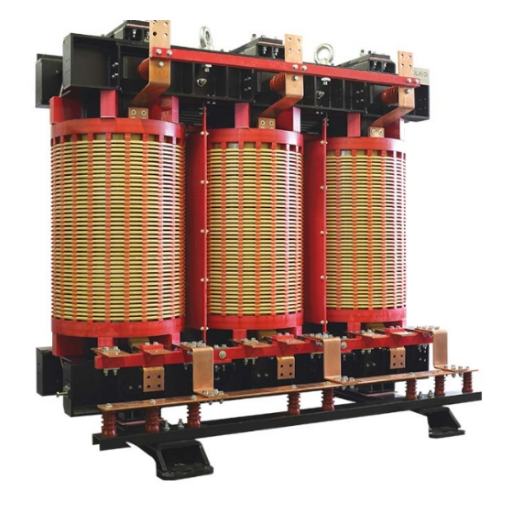
Cast-resin and open-winding families support indoor or enclosure-defined applications where insulation system, ventilation, ambient, and fire-safety requirements drive selection.
- Review harmonic loading under IEEE C57.110 where applicable
- Confirm enclosure and airflow with room conditions
- Bind temperature-rise and test requirements to the selected design
Oil-immersed and pad-mounted families support distribution and campus-interface arrangements where utility voltage, location, access, containment, protection, and maintenance strategy are defined.
- Confirm primary equipment and cable interfaces
- Check delivery route and service clearances
- Agree accessories, fluid, monitoring, and documentation scope
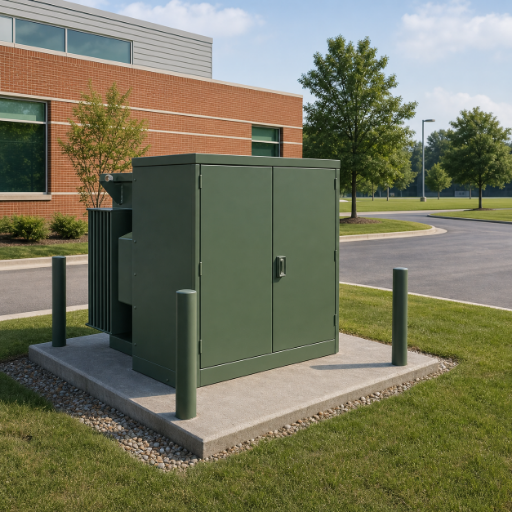
Configuration questions that change the answer
| Question | Why it matters | Decision owner |
|---|---|---|
| Indoor electrical room or outdoor utility edge? | Changes enclosure, cooling, access, environmental, and safety requirements. | Owner / EPC |
| Single path, N+1 block, or independent 2N paths? | Changes unit count, loading under maintenance, interfaces, and common-mode risk. | Design consultant |
| Linear test load or UPS/server nonlinear load? | Changes the information needed for thermal and harmonic application review. | Electrical engineer |
| Catalogue screen or project-specific offer? | Determines when ratings, tests, accessories, documents, and schedule become binding. | Talite + buyer |
Transformer Interface and Redundancy Decision
A data center transformer sits between multiple design authorities. The matrix keeps each input visible so a transformer offer does not silently absorb switchgear, UPS, utility, protection, or system-integration responsibilities.
Engineering rule: a redundancy claim creates integration risk because the transformer is one part of the path. Talite engineers the transformer interface to confirm against IEEE C57.110 application data, the one-line diagram, and six project input groups; that trade-off is not interchangeable with a whole-system availability guarantee.
IEEE C57.110 application note
IEEE C57.110 provides methods and application information for liquid-immersed and dry-type transformers that supply nonsinusoidal load currents. It supports a project-level capability review; it is not a substitute for the actual harmonic spectrum, loading, ambient conditions, or selected transformer design.
Utility interface
Freeze nominal voltage, voltage variation, grounding, available fault current, service arrangement, and utility approval responsibilities.
Protection interface
Align impedance, source data, inrush information, breaker/relay assumptions, and selective-coordination study ownership.
Operations interface
Define monitoring points, alarms, inspection access, spare strategy, maintenance isolation, and document handover.
| Power-path decision | Transformer input | Adjacent-system input | Owner before order |
|---|---|---|---|
| N path | Continuous and peak loading, impedance, losses, thermal basis | Maintenance/outage plan and downstream protection | Owner / engineer |
| N+1 block | Loading when one unit is unavailable; matching and parallel-operation requirements if used | Bus ties, interlocks, load transfer, relay logic, UPS topology | EPC / consultant |
| 2N paths | Separate transformer schedule for each path and common specification controls | Independence of sources, routes, switchgear, controls, UPS, and maintenance domains | Owner / consultant |
| Harmonic-rich load | Expected spectrum or nonlinear-load profile and application calculation basis | UPS/PDU characteristics, monitoring, point-of-common-coupling limits | Talite + engineer |
| Energization | Transformer magnetizing and design information needed for coordination | Source impedance, breaker/relay settings, sequence, generator/utility condition | Protection engineer |
The following values come from Talite product pages reviewed on August 3, 2026. They establish public screening evidence, while the quotation and approved drawings remain the project-specific source for final ratings.
| Product family | Published item | Published value | How to use it |
|---|---|---|---|
| Cast resin dry-type | Model example | SC(B)13-1000/11 | Identify the exact family and model basis in the RFQ. |
| Cast resin dry-type | Rated-capacity example | 1,000 kVA | Treat as one published example, not the full project range. |
| Cast resin dry-type | Listed voltage ratio | 6–11 kV / 0.4 kV | Confirm the selected primary tap set and secondary voltage. |
| Cast resin dry-type | Listed impedance | 6.0% impedance | Reconcile with fault and protection studies for the selected unit. |
| Medium-voltage dry-type | Published family range | 30–2,500 kVA | Screen lower-capacity configurations before detailed review. |
| Medium-voltage dry-type | Published family range | 315–12,500 kVA | Screen a separate family; do not merge the ranges into one universal line. |
| Medium-voltage dry-type | Voltage classes | 10, 20, and 35 kV classes | Match the applicable family to the actual primary system. |
| Oil-immersed distribution | Published family range | 30–3,150 kVA | Confirm model series, voltage class, impedance, and site conditions. |
| Pad-mounted distribution | Rated-capacity range | 45–12,000 kVA | Screen campus or utility-interface applications. |
| Pad-mounted distribution | Primary range | 2,400–46,000 V | Confirm utility class, BIL, taps, protection, and termination. |
| Pad-mounted distribution | Secondary range | 120–24,940 V | Confirm distribution architecture and connected equipment. |
| Pad-mounted distribution | Frequency | 50 or 60 Hz | State the project frequency in every datasheet and drawing. |
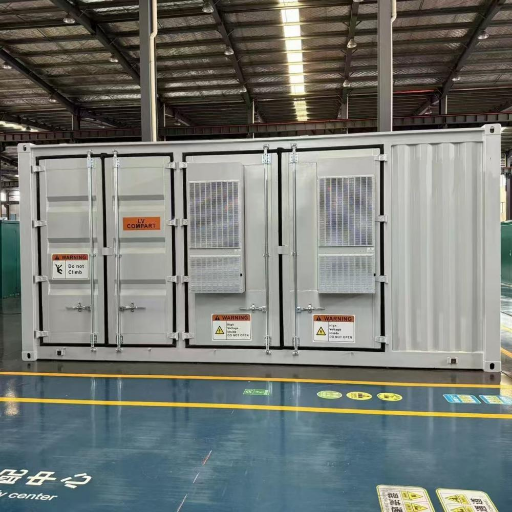
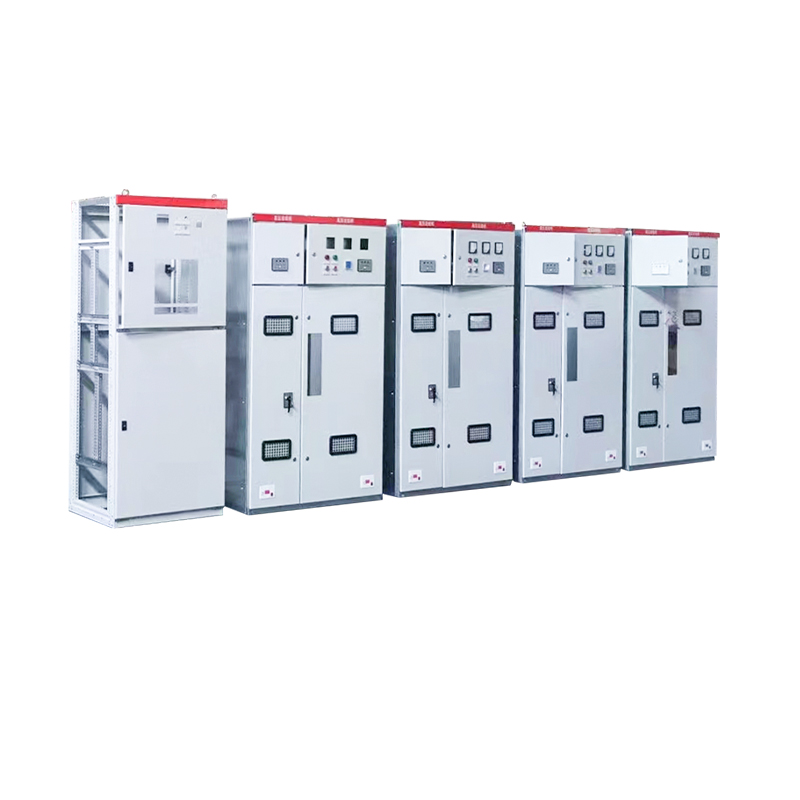
Pricing and Lead Time Become Useful After Scope Is Comparable
Talite has not published a fixed data center transformer price or a universal delivery interval for this page. A responsible offer confirms both after the electrical basis, accessories, tests, document package, destination, and milestone dates are defined.
Technical cost drivers
Capacity, voltage class, impedance, insulation system, thermal design, enclosure, taps, monitoring, terminals, and special application requirements shape the equipment scope.
Verification cost drivers
Routine, type, and special tests; witness points; third-party inspection; document language; report format; and approval cycles shape the verification scope.
Delivery cost drivers
Material release, approved drawings, manufacturing slot, factory testing, packing, transport, destination access, unloading, and site storage shape the schedule and landed scope.
Make Quality Buyer-Verifiable at Product-Family and Project Level
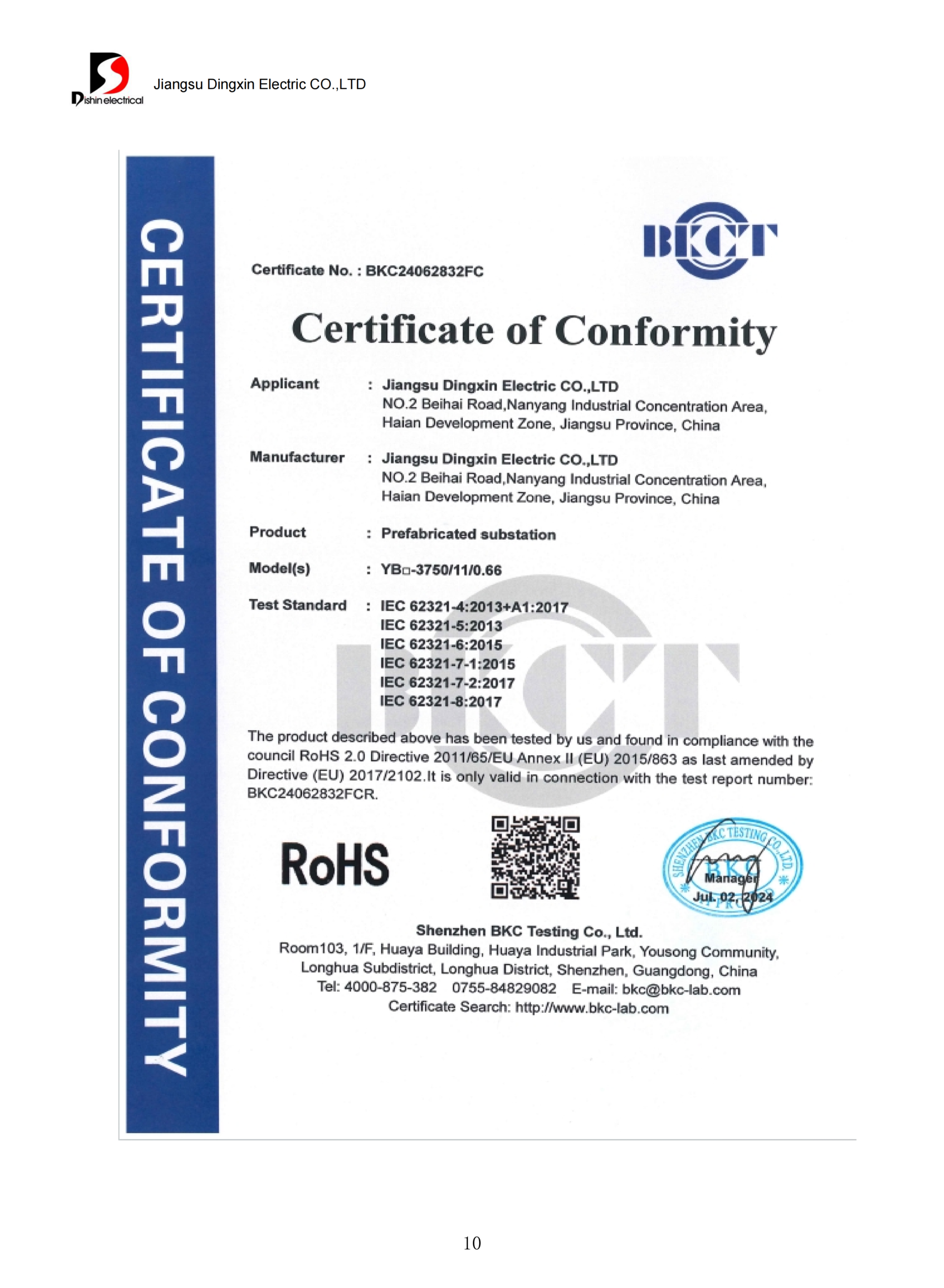
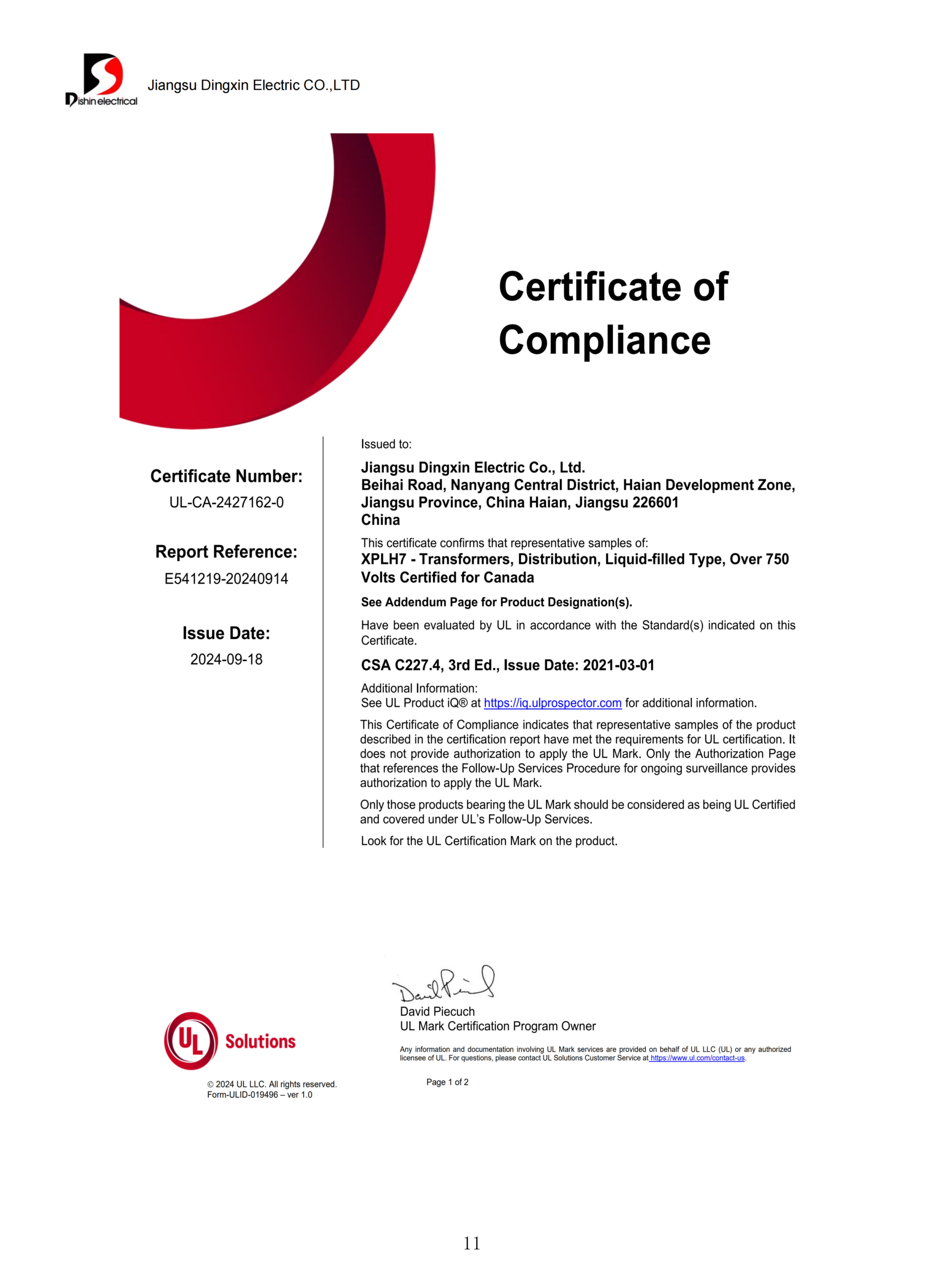
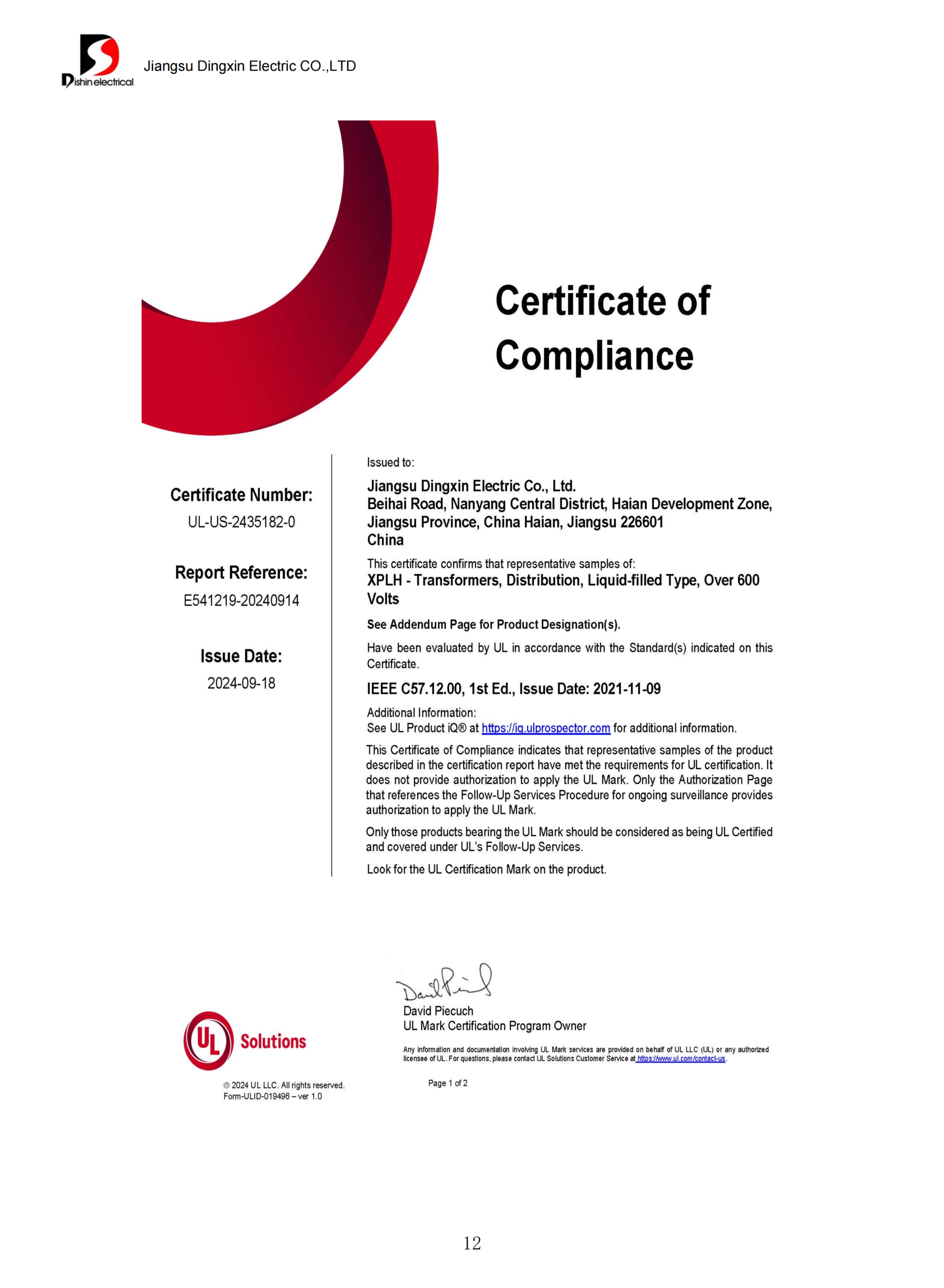
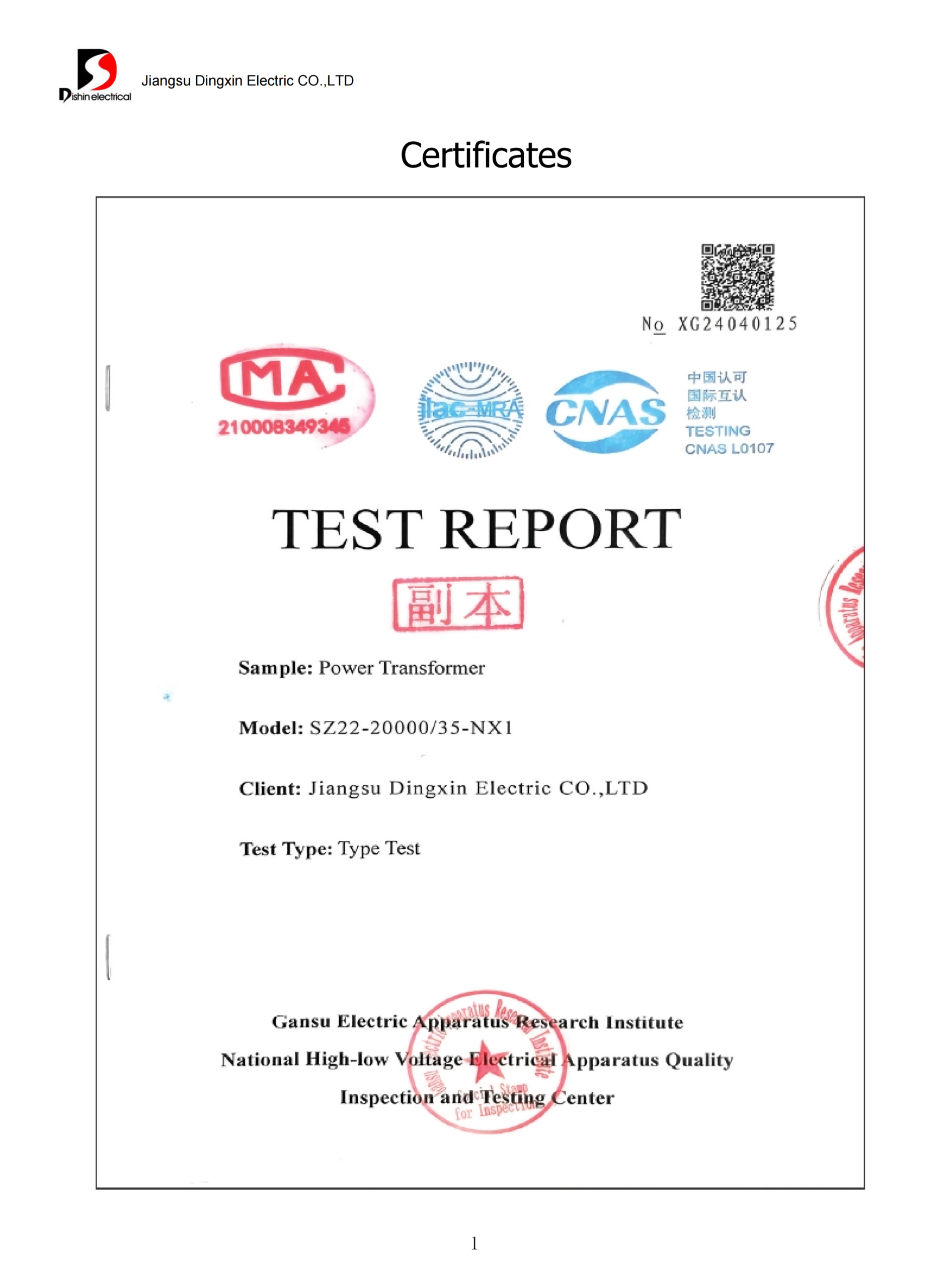
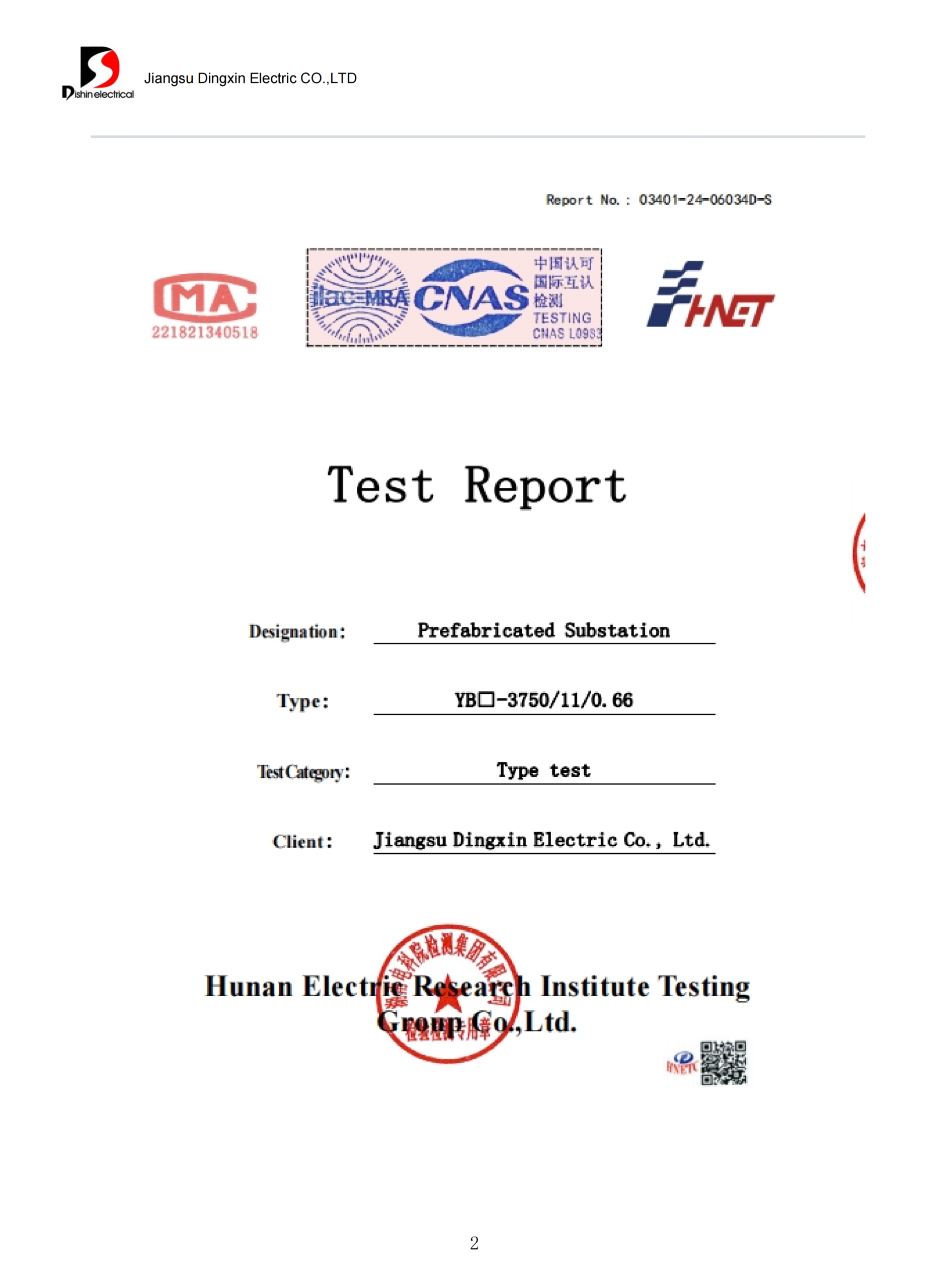
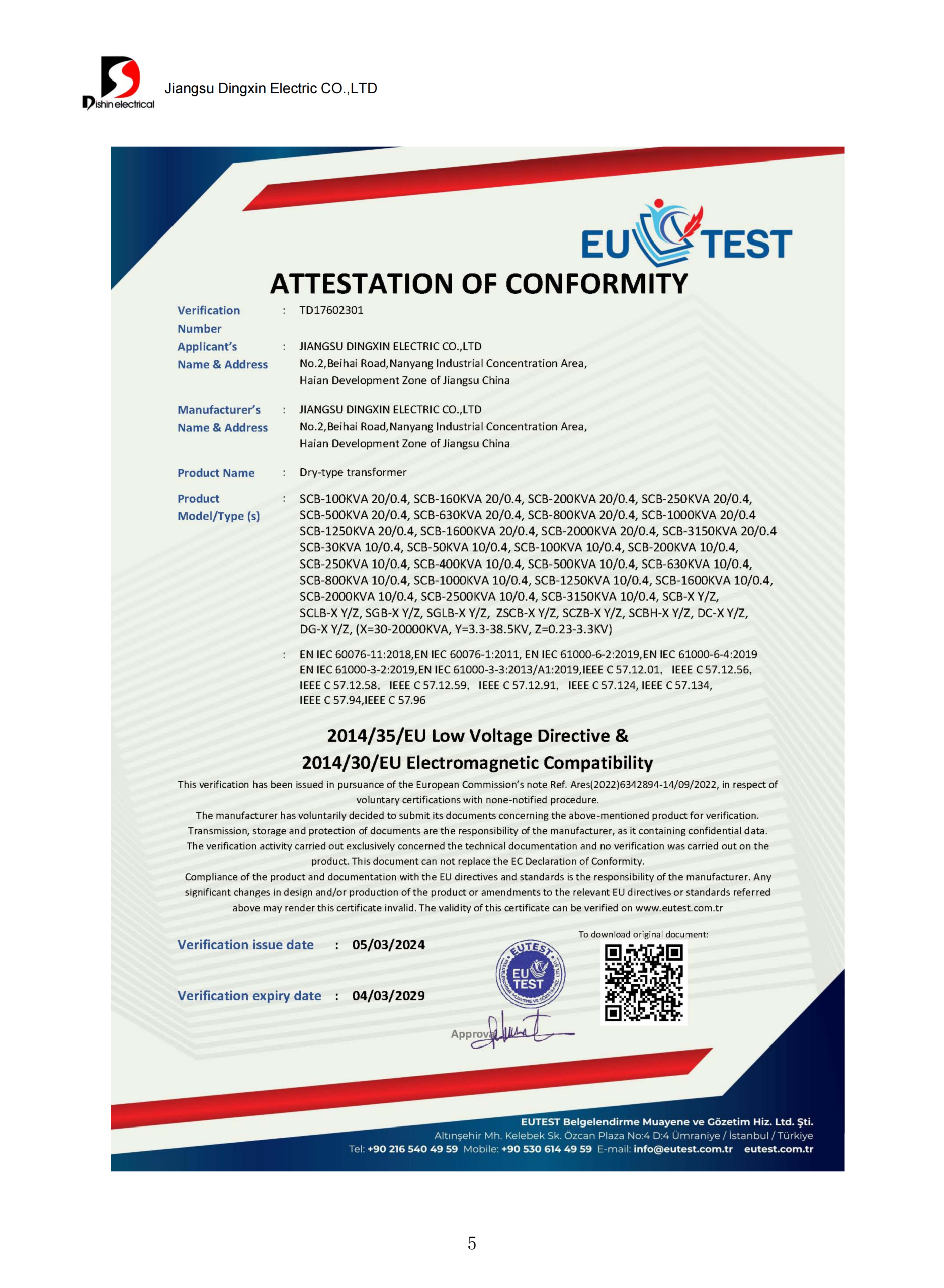
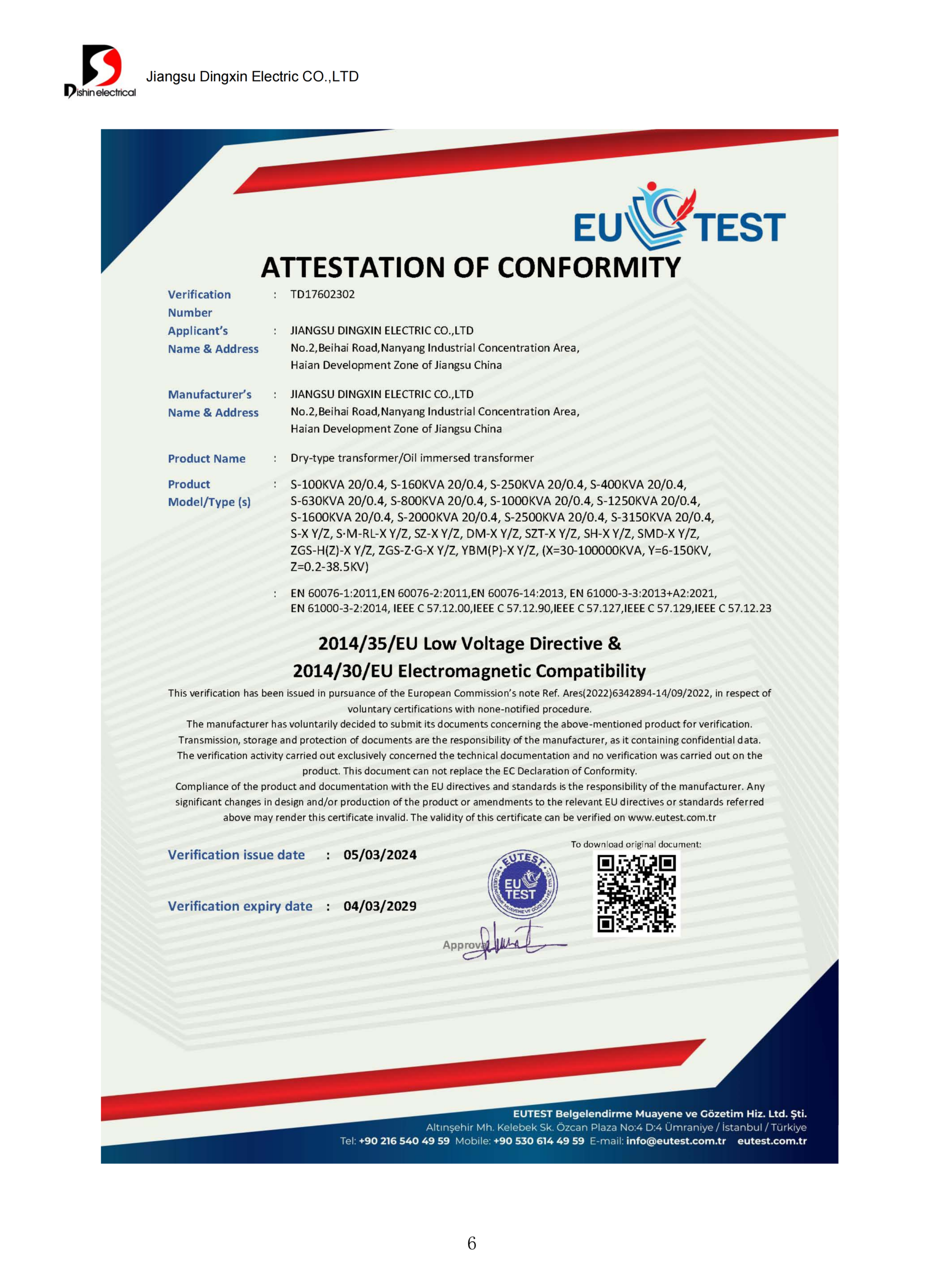
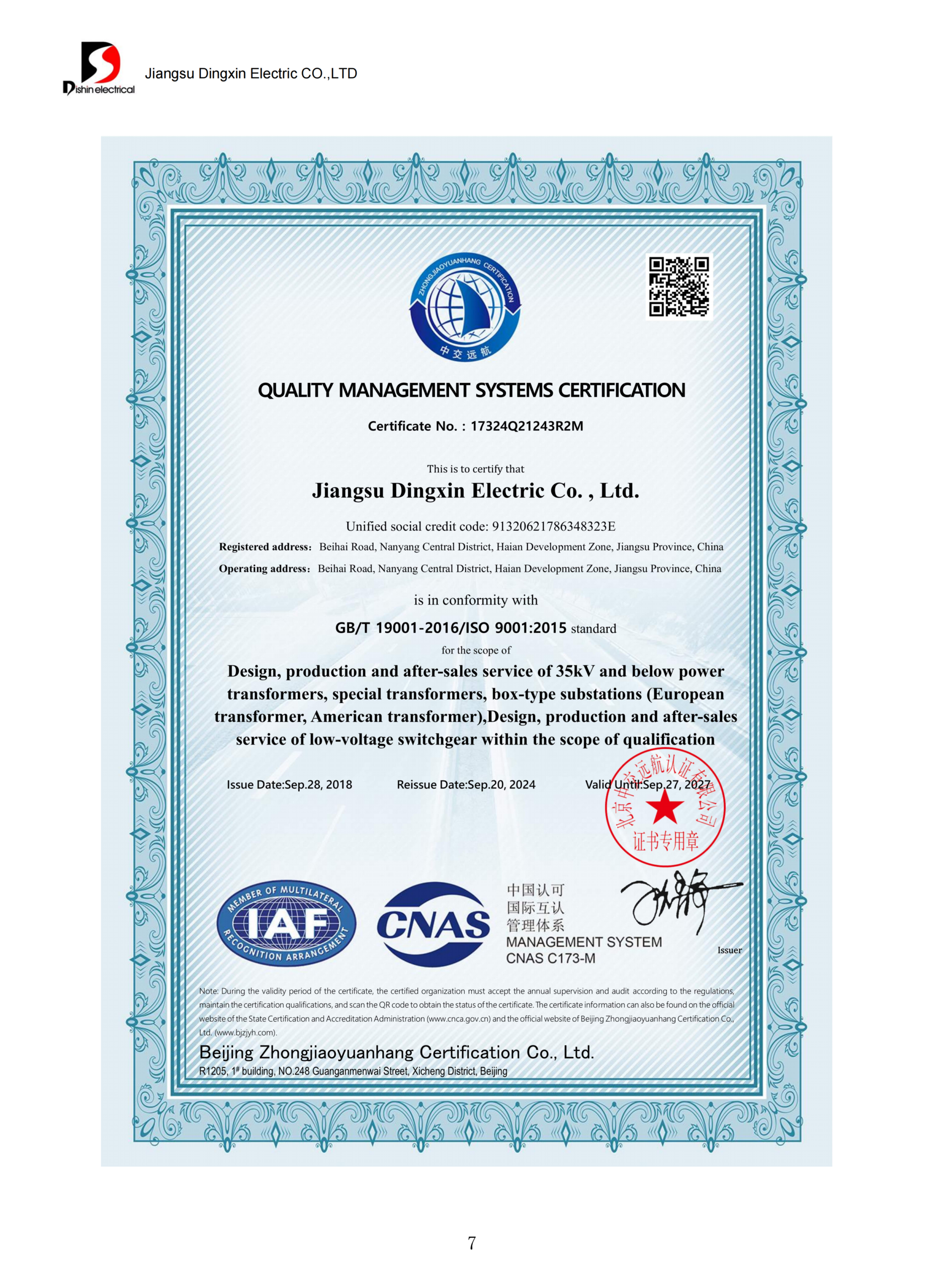
Standards named on a Talite product page are evidence for that published family, not proof that every standard applies to every data center. The project specification should identify which edition, test, certificate, drawing, and acceptance record is required for the selected unit.
Published dry-type references
The reviewed cast-resin page lists IEC 60076-11, IEEE C57.12.01, IEEE C57.12.91, UL 5085-1, and IEC 50588-1. The medium-voltage dry-type page separately lists IEC 60076-11:2018, UL 1562, and IEEE C57.94-2025.
- Confirm applicability to the exact product family
- State required edition and deviations
- Request the matching test/document evidence
Published pad-mounted references
The reviewed pad-mounted distribution page lists IEEE C57.12.34-2022 and IEEE C57.12.28-2023. Utility requirements, enclosure construction, terminals, protection, and site access still need project-level confirmation.
- Align utility and project specifications
- Define inspection and witness points
- Close document comments before release
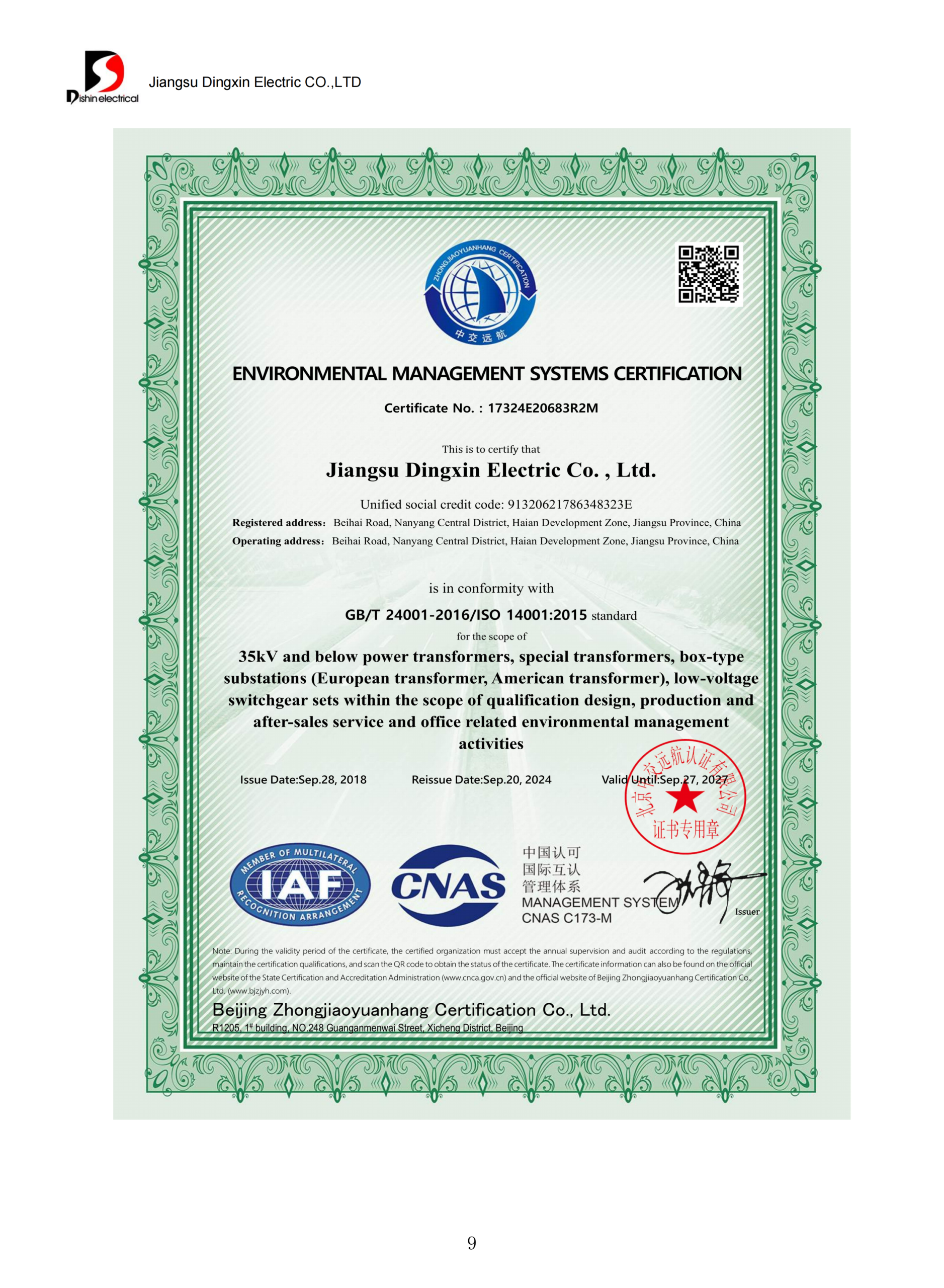
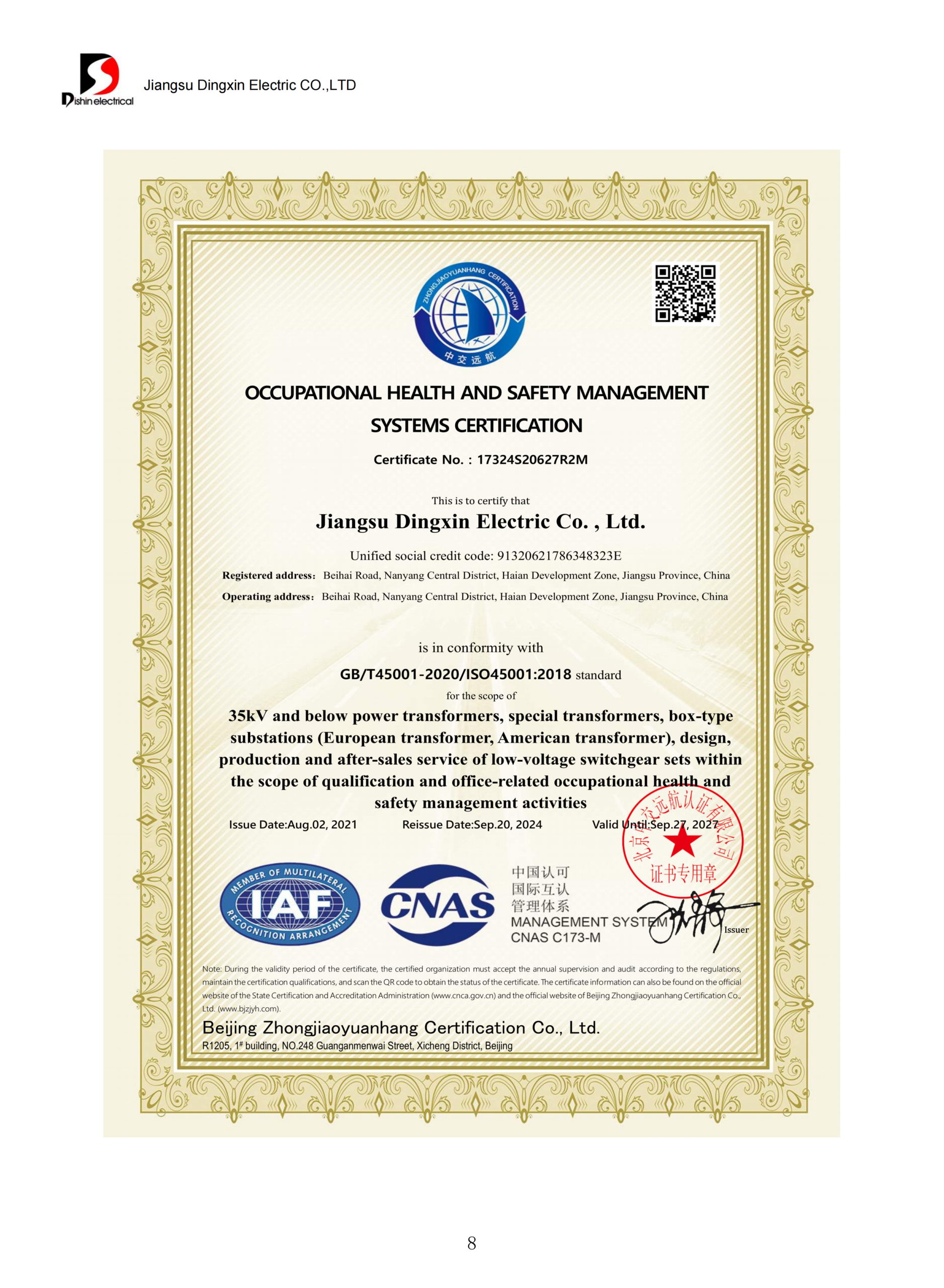
Document package to define in the RFQ
| Stage | Buyer-verifiable deliverable | Acceptance question |
|---|---|---|
| Bid review | Completed datasheet, deviations, scope list, exclusions, preliminary drawing list | Are all offers compared against the same technical and commercial boundary? |
| Engineering | Outline and terminal drawings, nameplate, schematics, accessories, calculations as agreed | Do interfaces match the one-line diagram, room, cables, protection, and monitoring? |
| Inspection and test | Inspection/test plan, procedures, calibration records, result sheets, nonconformance closure | Were the agreed tests performed on the identified unit and reviewed against acceptance criteria? |
| Handover | Approved drawings, final reports, manuals, packing list, certificates, spare-parts list | Can operations trace the installed unit to its final technical file? |
NOTE
Evidence boundary
No named Talite data-center project, customer approval, project test report, or real project image was provided for this page. The verification path therefore relies on public product data plus the project documents that the buyer requires and reviews.
ENGINEERING TOOLS
Data Center Transformer Engineering Tools
Data Center Transformer FAQ
Does Talite supply the complete data center power infrastructure?
This page positions Talite as the transformer supplier within the distribution chain. UPS systems, batteries, switchgear, protection studies, utility interconnection, EPC integration, and system-level availability remain separate unless a written project offer explicitly includes a bounded item.
Which transformer type is best for a data center?
There is no universal answer based on building type alone. Voltage class, capacity, location, fire and environmental requirements, load profile, harmonics, fault duty, maintenance strategy, utility rules, and redundancy architecture determine the family worth reviewing.
Can a Talite transformer support N+1 or 2N architecture?
A transformer can be specified for a position within an N+1 or 2N design, but it does not create the redundancy outcome by itself. The complete independent path, controls, protection, UPS topology, maintenance domains, and operating procedures require system-level engineering.
How should harmonic-rich loads be handled?
Provide the nonlinear-load profile or expected harmonic spectrum, loading, ambient conditions, and applicable standard basis. IEEE C57.110 provides relevant methods and application information for eligible liquid-immersed and dry-type transformers, while final capability depends on the selected design and project data.
What determines transformer price?
Capacity, voltage class, impedance, insulation, cooling, enclosure, terminals, accessories, monitoring, tests, documentation, inspection, packing, logistics, and schedule all affect scope. Ask each supplier to complete the same datasheet and deviation schedule before comparing price.
What determines lead time?
Lead time is confirmed against the selected configuration, approval cycle, material release, production slot, testing, packing, shipping route, and required-on-site date. Request dated milestones rather than a generic interval that starts before technical inputs are frozen.
What should I send for an initial review?
Send the one-line diagram, primary and secondary voltages, frequency, capacity and load profile, redundancy path, fault and protection basis, harmonic information, site conditions, standards and tests, document needs, destination, and required-on-site date.
How can I verify quality before shipment?
Define the inspection and test plan, applicable standards and editions, procedures, witness points, acceptance criteria, report format, calibration evidence, nonconformance process, and final technical file in the RFQ and purchase documents.
Start with the engineering basis
Send the Inputs That Make a Transformer Offer Comparable
Share your one-line diagram and the six RFQ input groups. Talite can review the transformer position, identify open assumptions, and respond against a clearer technical, document, test, and milestone boundary.
Start a Transformer RFQ Review →Check RFQ Readiness First
Reviewed sources
Technical and Product References
- IEEE C57.110 — transformer capability when supplying nonsinusoidal load currents.
- U.S. Department of Energy — 2013 distribution-transformer rule and scoped data-center-transformer discussion.
- IEEE Industry Applications Society — power-quality challenges in data centers.
- Data Center Knowledge — transformer selection factors.
- Talite cast resin dry-type transformer product page.
- Talite medium-voltage dry-type transformer product page.
- Talite oil-immersed distribution transformer product page.
- Talite pad-mounted distribution transformer product page.
Sources were reviewed on August 3, 2026. Product-page values remain family-specific; project quotations, approved drawings, and test documents control the final supplied configuration.
![Pad-Mounted Transformer: How It Works [2026 Guide]](https://toplit-transformer.com/wp-content/uploads/2026/08/pad-mounted-transformer-guide-featured-150x150.png)