Get in touch with Talite Transformer Co., Ltd Company

Transformer Product Lines Built to Order
Transformer makers are usually compared on price and lead time alone. Five product lines cover the range we build. Each one carries its own rating schedule, its own construction rules and its own specification path.
Why buyers stall at this stage
Engineers who compare electric transformer manufacturers rank them by who they have already used, not by who claims the most — and an unfamiliar name has nothing in that column.
Procurement teams say the same thing in their own words: it is a long process to qualify new vendors, and a longer one to qualify and approve new products. One utility supplier programme puts a full quality-assurance review at up to six months before a name reaches the approved list.[9]
Unlike a price sheet, a qualification file cannot be improvised at tender stage — which is the trade-off a new supplier has to solve before anything else.
So the useful question is not whether a supplier says yes. It is whether the evidence to qualify them is already on the table… Every line below is published with its rating schedule attached, which is the part a qualification file actually needs.
Verified Rating Schedules ↓
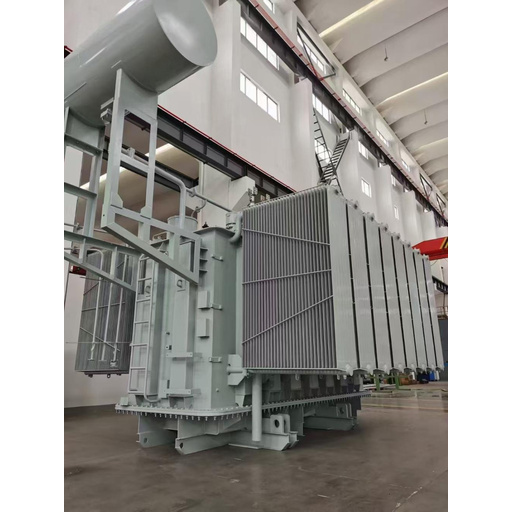
800 – 63,000 kVA · 35 / 110 / 220 kV
Power Transformer
S11 and SF11 oil-immersed series at 35 kV class
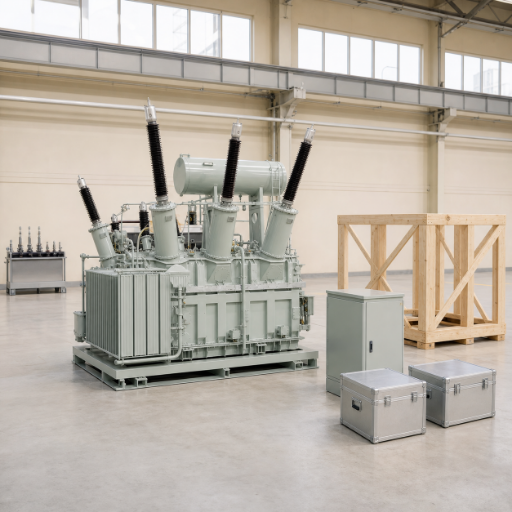
High voltage transformer manufacturers are compared on the 110–220 kV schedule, and ours publishes loss, impedance, shipping envelope and mass on every row
High-capacity substation duty sized against grid duty, fault level and insulation coordination
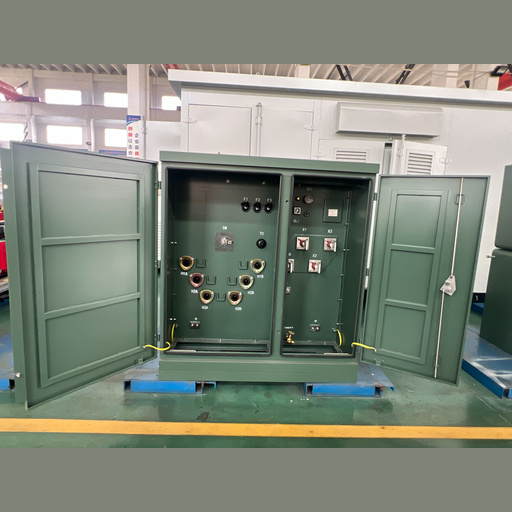
15 – 7,500 kVA · 2.4 – 34.5 kV
Pad-Mounted Transformer
Single-phase and three-phase compartmental designs
Radial or loop feed, dead-front or live-front bushings
Impedance band of 2.8% to 5.75% depending on rating
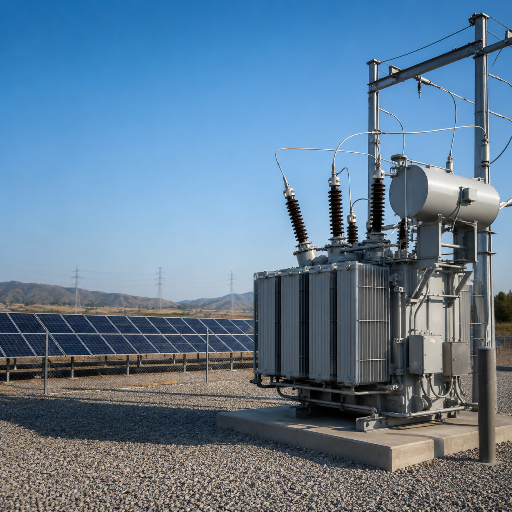
5 – 3,150 kVA
Distribution Transformer
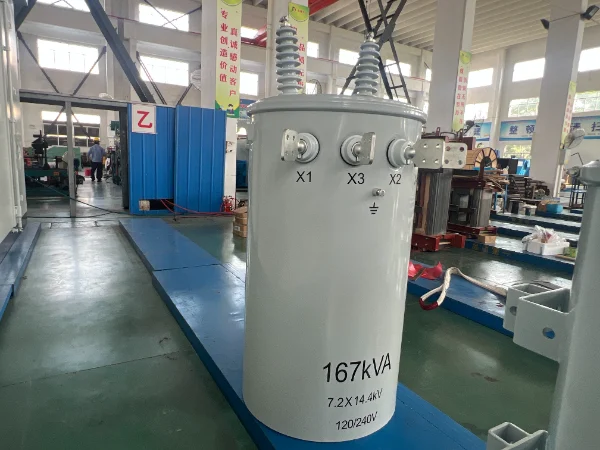
Single-phase pole-mounted from 5 to 167 kVA
Conventional, completely self-protected and breaker-protected variants
Sealed three-phase distribution units to the S13-M schedule
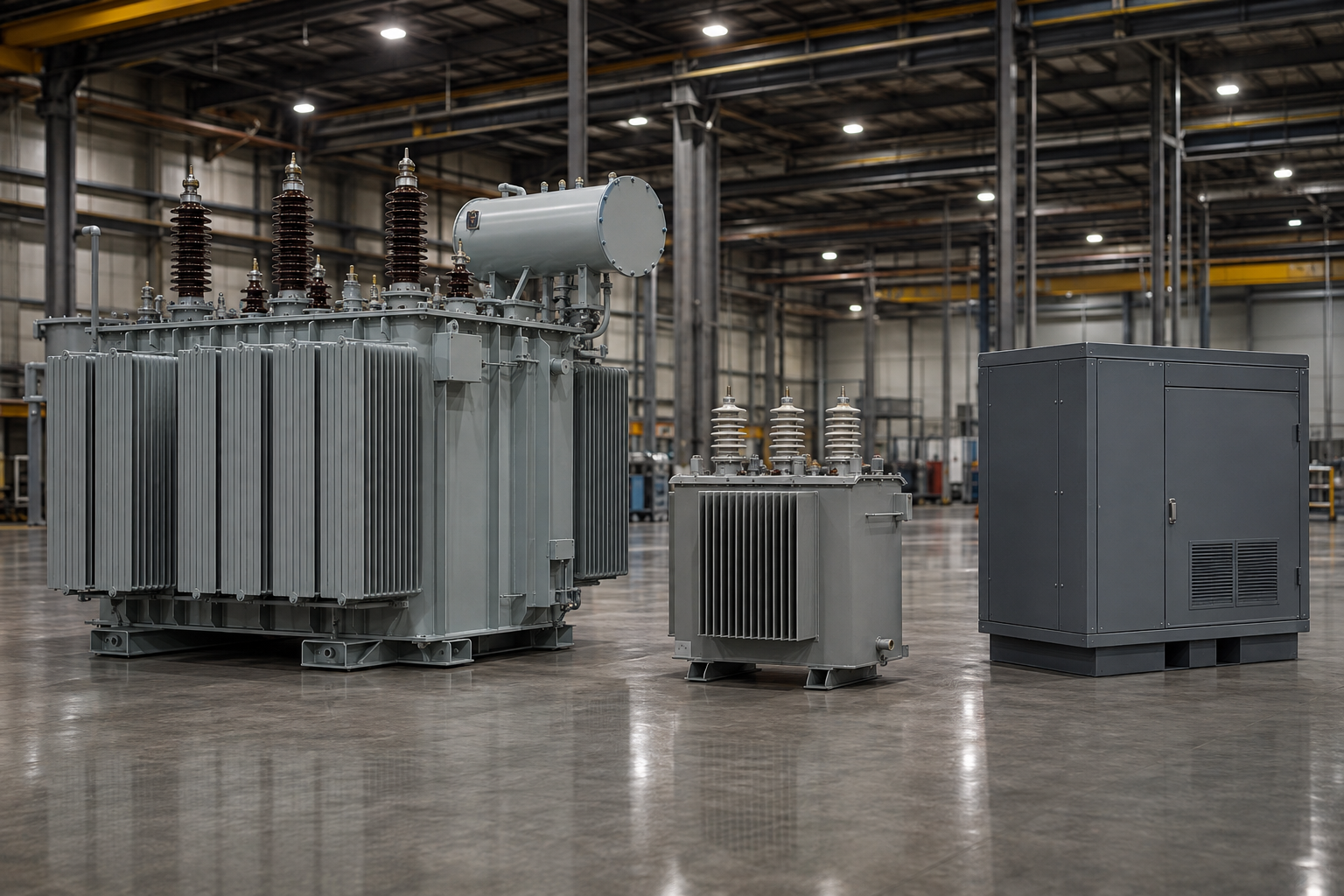
30 – 63,000 kVA · 6 – 220 kV
Oil-Immersed Transformer
Fully sealed S13-M distribution schedule from 30 kVA
Amorphous-alloy variants where no-load loss dominates the duty
Cold-rolled grain-oriented silicon steel cores throughout
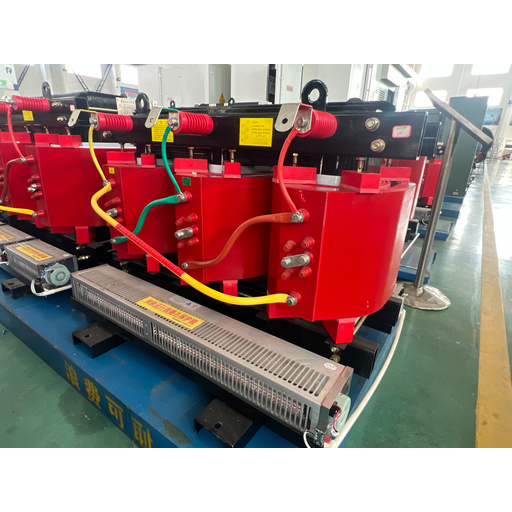
30 – 4,000 kVA · 6 – 35 kV
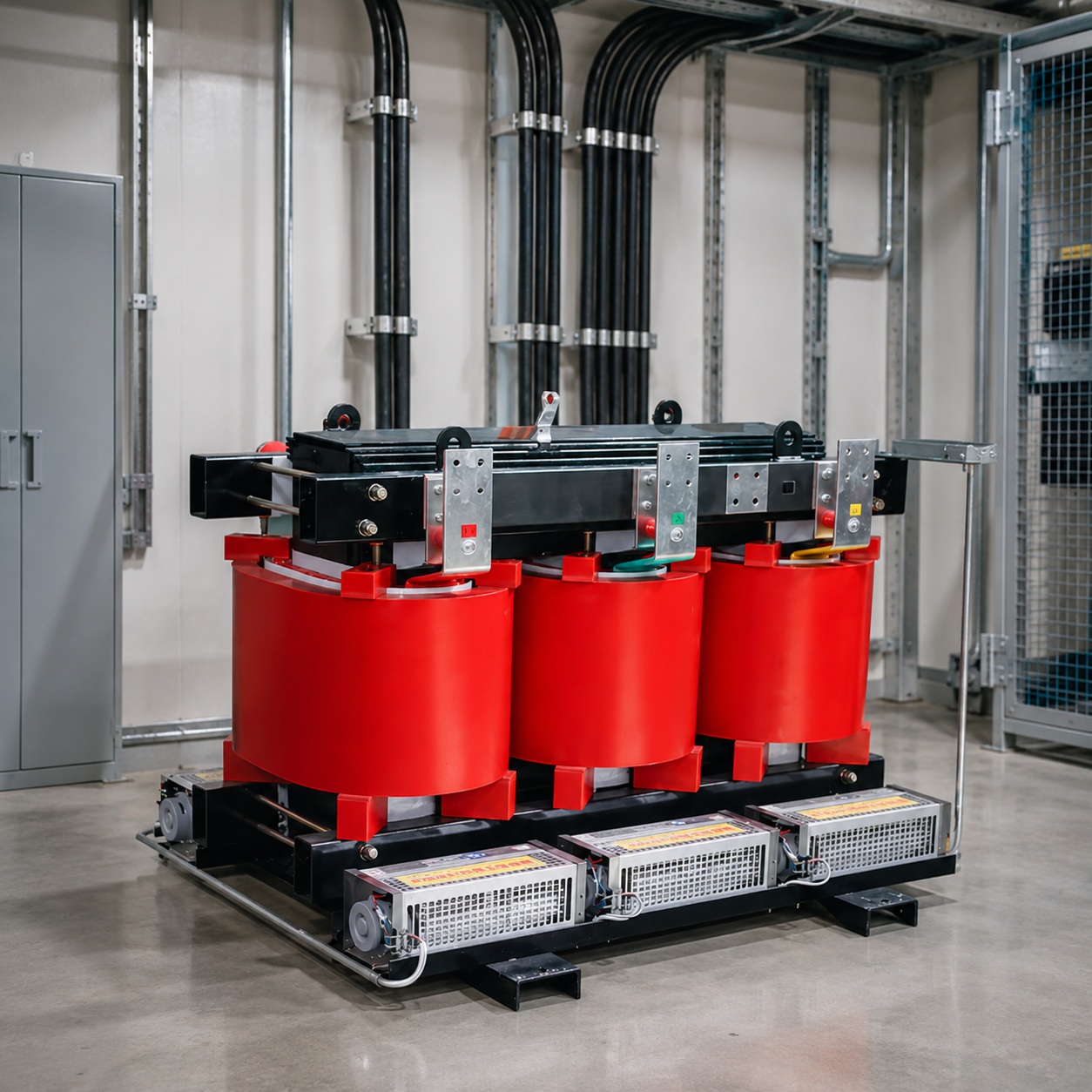
Dry-Type Transformer
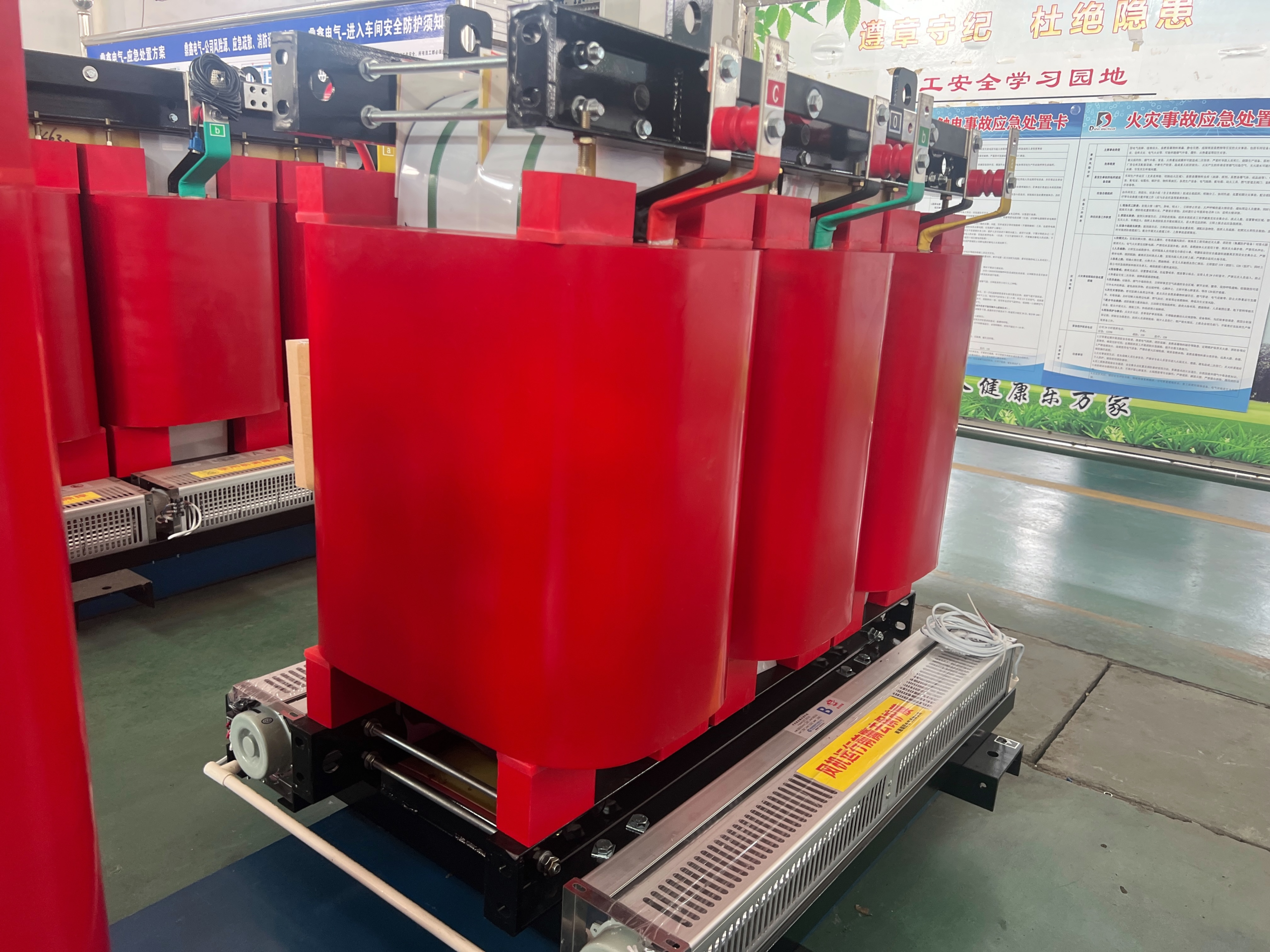
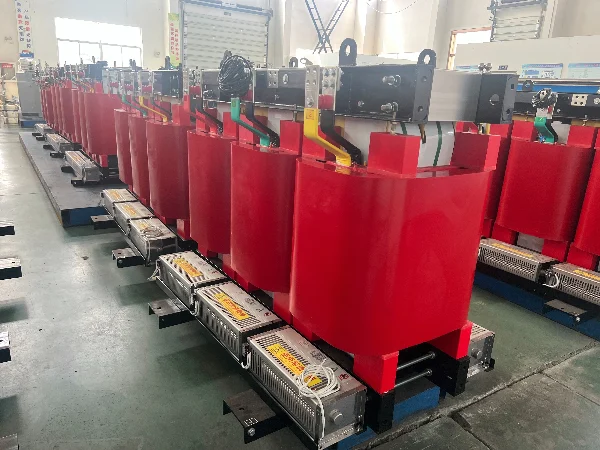
Cast-resin SC(B) series with loss stated at three thermal classes
Open-wound SG(B) series with published sound level in decibels
Indoor, occupied and fire-sensitive installations
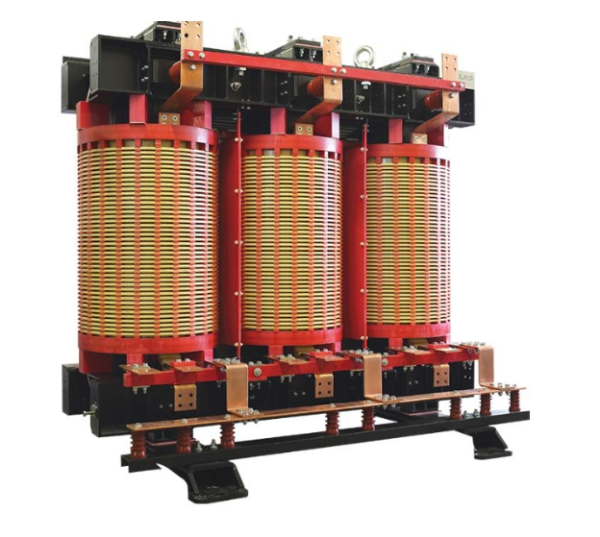
Grid · process · renewable
Industries We Serve
- Urban and rural distribution networks
- Petrochemical, metallurgy, textile, mining and port loads
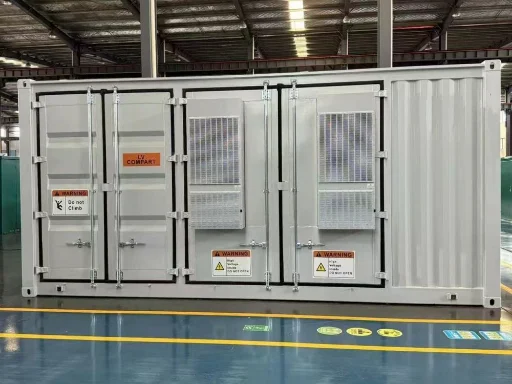
- Solar and wind combined units at 35 kV class and below
Capability Envelope Across Eight Rating Schedules
A product family name tells a buyer almost nothing. What decides whether a supplier can serve a project is the rating schedule behind that name, and whether the loss column in it is filled in. Each schedule below states its loss values under the general requirements of IEEE C57.12.00, which is also where the tolerance on those values comes from.
Eight rating schedules we build to, and what each one publishes
Published Loss Values Per Rating, Measured Values Certified Per Unit
A transformer runs for thirty years or more. Over that time the energy it wastes usually costs more than the machine did.
TOC = purchase price + (A × no-load loss watts) + (B × load loss watts)
Understanding The Factors
- A is what one watt of no-load loss is worth to you over the evaluation period.
- B is what one watt of load loss is worth at your loading profile.
Both come from your electricity cost, your discount rate and your evaluation life — not from us.
If you do not yet have your own factors, USDA Rural Utilities Service bulletin 1724D-107 sets out how they are derived and works a full example. Use your own figures on this page rather than ours; the two below are round numbers chosen to show the arithmetic.
The Cost of Losses
The United Nations Environment Programme’s United for Efficiency guide puts the cost of those losses at up to four times the purchase price of the machine.[3]
The cheaper transformer is usually the expensive one
Contrary to how most bids are scored, the lowest purchase price rarely produces the lowest cost of ownership.
In the United Nations Environment Programme’s worked comparison, the unit that cost 539 euro more to buy came out 1,510 euro cheaper across its life.[3]
The Real Challenge
Surprisingly little of the total is the invoice: purchase price accounts for a minority of what the asset costs over a 25 to 35 year service life, while loss cost can reach four times the purchase price.[3]
In fact the harder problem is not choosing between two loss figures. It is that most transformer manufacturers publish none, so the calculation cannot be started.
We checked: across the three manufacturer homepages ranking in the organic top five for this category, the number of published loss values is zero, and not one of their 31 stated figures carries a source.
A quotation only becomes comparable when the electrical duty, the loss values and the commercial scope all describe the same machine. Publishing the loss column is how that comparison starts.
A worked example on one of our ratings
Take the 50 kVA single-phase pad-mounted unit from our schedule. Its published no-load loss is 135 W and its published load loss is 500 W.
| Input | Value | Where it comes from |
|---|---|---|
| No-load loss | 135 W | Our published schedule |
| Load loss | 500 W | Our published schedule |
| A factor | $5.00 / W | Illustrative only. This is your number, derived from your electricity cost, discount rate and evaluation life |
| B factor | $1.50 / W | Illustrative only. Same — it follows your loading profile |
| Capitalised loss value | $1,425 | 135 × 5.00 + 500 × 1.50 |
Run the same arithmetic on a competing offer and the comparison becomes real. You cannot run it at all on a page that does not publish a loss figure.
The Rating-to-Test-Report Trace: what our loss numbers are, and what they are not
Design values
Design values are what our schedules publish, and they state what a family is engineered to achieve at a given rating.
What binds is the measured value. Every unit ships with a certified factory test report carrying the measured no-load and load loss for that serial number.
Tolerance is not ours to set
Under IEEE C57.12.00 the measured no-load loss may not exceed the quoted value by more than 10%, and total loss by more than 6%, verified by the routine tests in IEEE C57.12.90.[1][2]
Put the numbers in the contract. If your specification carries loss evaluation factors or a penalty formula, send them with the enquiry and we will quote against them.
Ready to evaluate your Total Owning Cost?
Calculate exactly what your transformer will cost over its lifetime.
Ratings, Impedance and Shipping Dimensions
Every figure in this schedule is produced by the routine tests defined in IEEE C57.12.90. Below is one schedule in full, so you can see the level of detail every enquiry is answered at. Our 110–220 kV oil-immersed range carries loss, impedance, envelope and mass on the same row.
| Rated capacity | No-load loss | Load loss | No-load current | Shipping envelope L×W×H | Total mass |
|---|---|---|---|---|---|
| 6,300 kVA | 10 kW | 36.9 kW | 0.6% | 4,540 × 4,350 × 4,580 mm | 21,100 kg |
| 10,000 kVA | 14.2 kW | 53.1 kW | 0.5% | 4,900 × 4,450 × 4,830 mm | 27,900 kg |
| 16,000 kVA | 20 kW | 77 kW | 0.45% | 5,620 × 4,520 × 5,080 mm | 35,600 kg |
| 25,000 kVA | 28.4 kW | 110.7 kW | 0.4% | 5,820 × 4,590 × 5,290 mm | 45,200 kg |
| 31,500 kVA | 33.5 kW | 133.2 kW | 0.35% | 5,930 × 4,820 × 5,400 mm | 49,600 kg |
| 40,000 kVA | 40.4 kW | 156.6 kW | 0.3% | 6,100 × 4,930 × 5,500 mm | 57,100 kg |
| 50,000 kVA | 47 kW | 194.4 kW | 0.25% | 6,450 × 5,050 × 5,590 mm | 64,700 kg |
| 63,000 kVA | 56.8 kW | 234 kW | 0.25% | 6,970 × 5,190 × 5,690 mm | 71,800 kg |
Short-circuit impedance on this schedule is 10.5%. Mass and envelope are the figures your rigging contractor and route survey need, and they are on the page rather than behind a form.
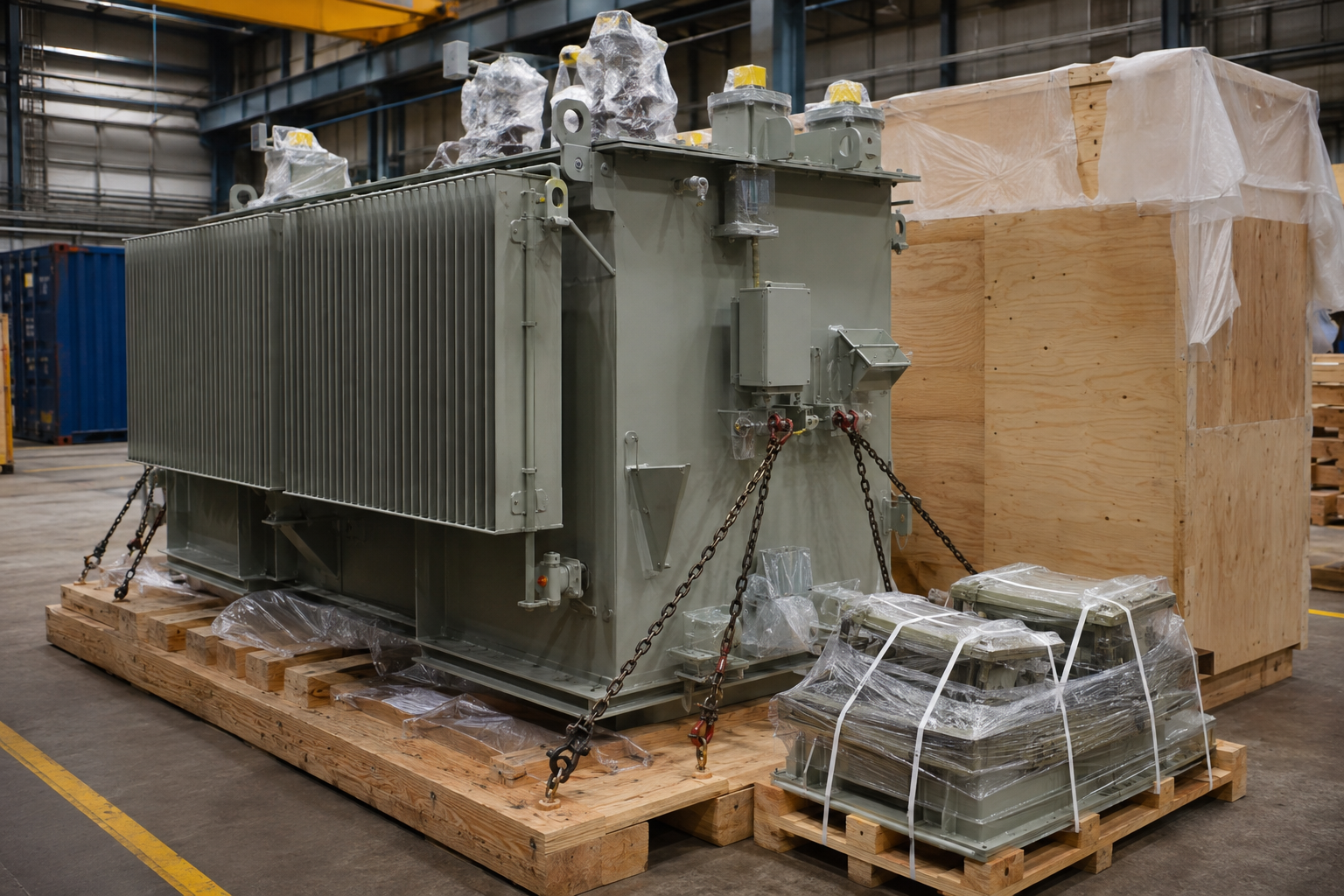
Logistics & Route Planning
Why Details Matter
A 71,800 kg unit on a 6,970 mm frame is a route survey and, on many corridors, an oversize permit — both of which have to start before the order, not after the vessel sails.
Unlike suppliers who withhold mass and envelope until quotation, we publish them here, because holding them back does nothing for the buyer and quietly pushes the scheduling risk downstream.
The tell is simple: if a substation transformer manufacturer cannot give you a shipping envelope before the order, the route survey has not been thought about yet.
Technical Impact
Operational Behavior
The no-load current column matters too: it falls from 0.6% at 6,300 kVA to 0.25% at 63,000 kVA, which changes how the unit behaves energised but unloaded.
Send your kVA, voltages, frequency, vector group and impedance target. We will come back with the schedule row that fits and the ones that do not.
Buying From a Transformer Manufacturer in China: Landed Cost and Lead Time
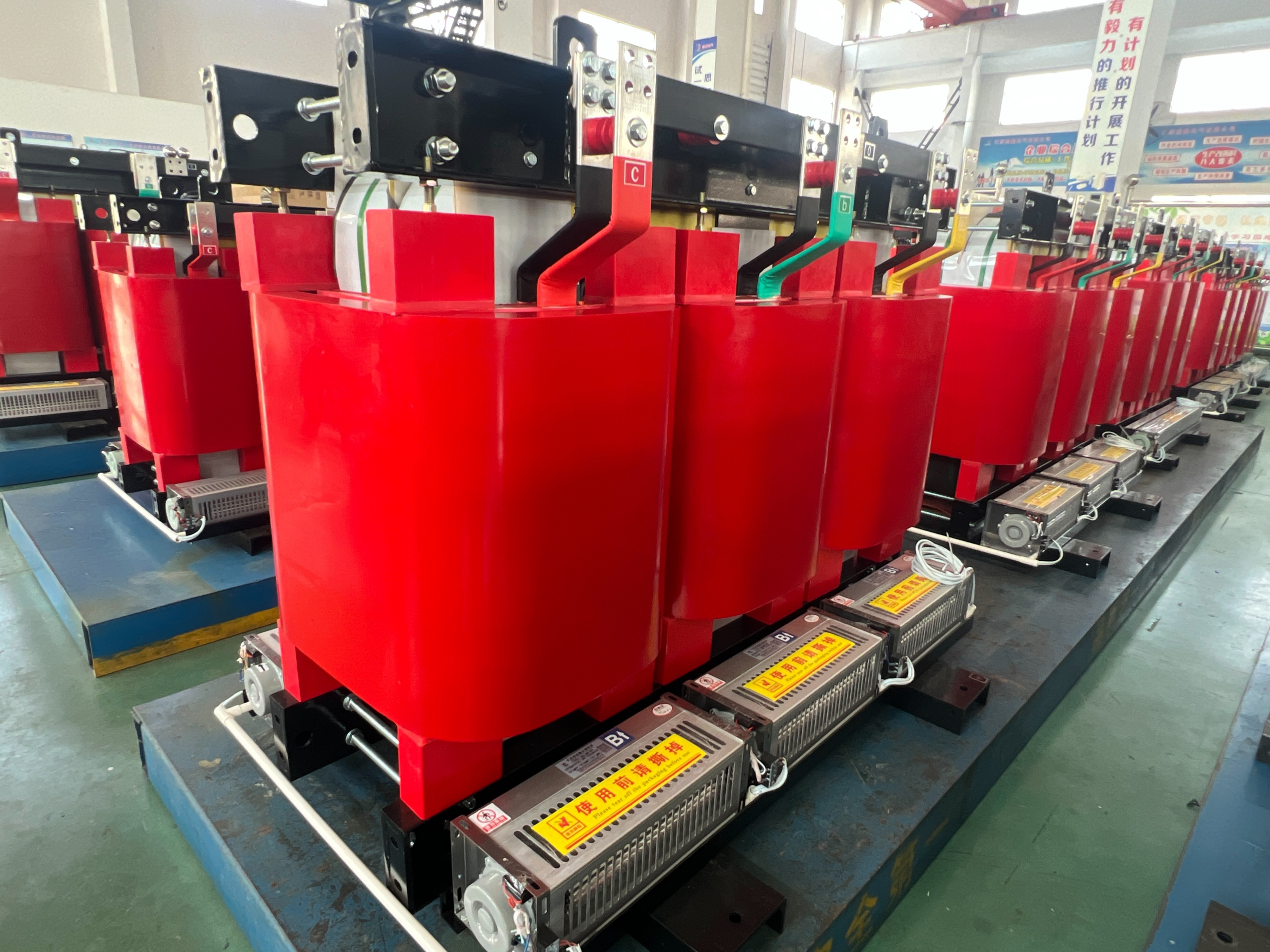
Our transformers are made in China, at our own plant in the Hai’an Economic and Technological Development Zone in Nantong, Jiangsu. Transformers made in China now carry a large share of world supply, and a buyer deserves that stated plainly rather than left to be worked out from an address.
What the sourcing picture actually looks like
Roughly one fifth of large transformer orders in the United States are filled by domestic suppliers, so buying an imported unit is the ordinary case rather than an exception.[10]
Average transformer lead times ran 115 to 130 weeks in recent tracking, against a pre-pandemic norm of 30 to 60 weeks, while prices rose 60% to 80% from January 2020.[7]
One US utility reported single-phase pad-mounted lead times moving from 16 weeks to 142 weeks over the same period.[8]
Against that backdrop the useful question is not domestic or imported. It is which supplier hands you enough evidence to qualify them.
| Decision area | What changes | What does not |
|---|---|---|
| Schedule | Ocean transit and customs clearance sit between the factory gate and your site | The factory window itself is published above, by capacity band |
| Evidence | You cannot walk the floor on a Tuesday afternoon | The certified test report with your serial number’s measured losses ships with the unit either way |
| Compliance | Import classification, duty and any market-approval requirement land on your side | Design and test conformity is stated the same way it would be from any manufacturer |
| Recourse | Governing law and the claim route are contract items to settle before the order | The loss tolerance yardstick is a published standard, not a negotiation |
- Ask every shortlisted supplier for design loss values by rating, before quotation, and note who can produce them.
- Ask whether a certified test report with measured losses ships with the unit, and whether the serial number appears on it.
- Ask which standard and edition the design and test scope is fixed against, and require it in writing.
Run all three answers through the total owning cost arithmetic above. A China transformer manufacturer who cannot fill the loss column is no more comparable than a domestic one who cannot, which is the point: the test is the evidence, not the address.
Anyone searching for transformer manufacturers in China will find no shortage of ranking lists. What is harder to find is a manufacturer publishing the numbers those lists never contain.
Test Regime and the Documents That Ship With Each Unit
An unfamiliar supplier is a paperwork problem before it is an engineering problem. We deal with that by making the evidence package part of the product.
Why the file matters more than the promise
The problem buyers hit is not that a supplier refuses to answer. It is that the answer arrives as an adjective, and an adjective cannot be filed against a specification.
The reason is structural: a transformer is accepted on measured values, not on described ones, and the measurement happens once, in a factory the buyer is not standing in.
Talite resolves that by shipping the measurement with the machine — the routine tests in IEEE C57.12.90 produce the numbers, and the certified report carries them under the serial number.
Those numbers are checkable against IEEE C57.12.00, which caps measured no-load loss at 10% and total loss at 6% above the quoted value, on units rated from 15 kVA to 63,000 kVA and from 2.4 kV to 220 kV.
What travels with the transformer
- A certified factory test report carrying the measured no-load and load loss values for that serial number.
- Material certificates for core steel, winding conductor and dielectric fluid.
- Outline and terminal drawings reflecting the unit as built, with mass and lifting points.
- Rated data sheet stating capacity, voltages, frequency, taps, vector group, impedance and cooling.
Design and test references
Units are designed and factory-tested against IEEE, IEC and ANSI design and test references, with the governing standard and edition fixed in the quotation.
- Loss and impedance are measured by the routine test methods in IEEE C57.12.90.[2]
- Quoted loss tolerances follow IEEE C57.12.00: no-load loss within +10%, total loss within +6%.[1]
- Where a project specifies IEC, the applicable part of IEC 60076 is named in the quotation instead.[6]
Where the compliance line falls on a US project
A design standard is not a market approval — designing and testing to IEEE or IEC says nothing about whether a given jurisdiction will accept the equipment.
Workplace equipment carries its own rule — OSHA requires electrical equipment used in US workplaces to be approved by a Nationally Recognized Testing Laboratory under 29 CFR 1910.303(a), using US-recognised test standards.[5] Utility-owned assets sit under a different regime.
For covered equipment, the importer carries the file. Where a US Department of Energy conservation standard applies, the importer is treated as the manufacturer and owns the compliance evidence. That is precisely why the test report and material certificates matter to you and not just to us.
Tell us the acceptance requirement in the enquiry — which authority, which scheme, which mark — and we will state in the quotation what we can and cannot supply against it.
Factory Reports & Certificates Matrix
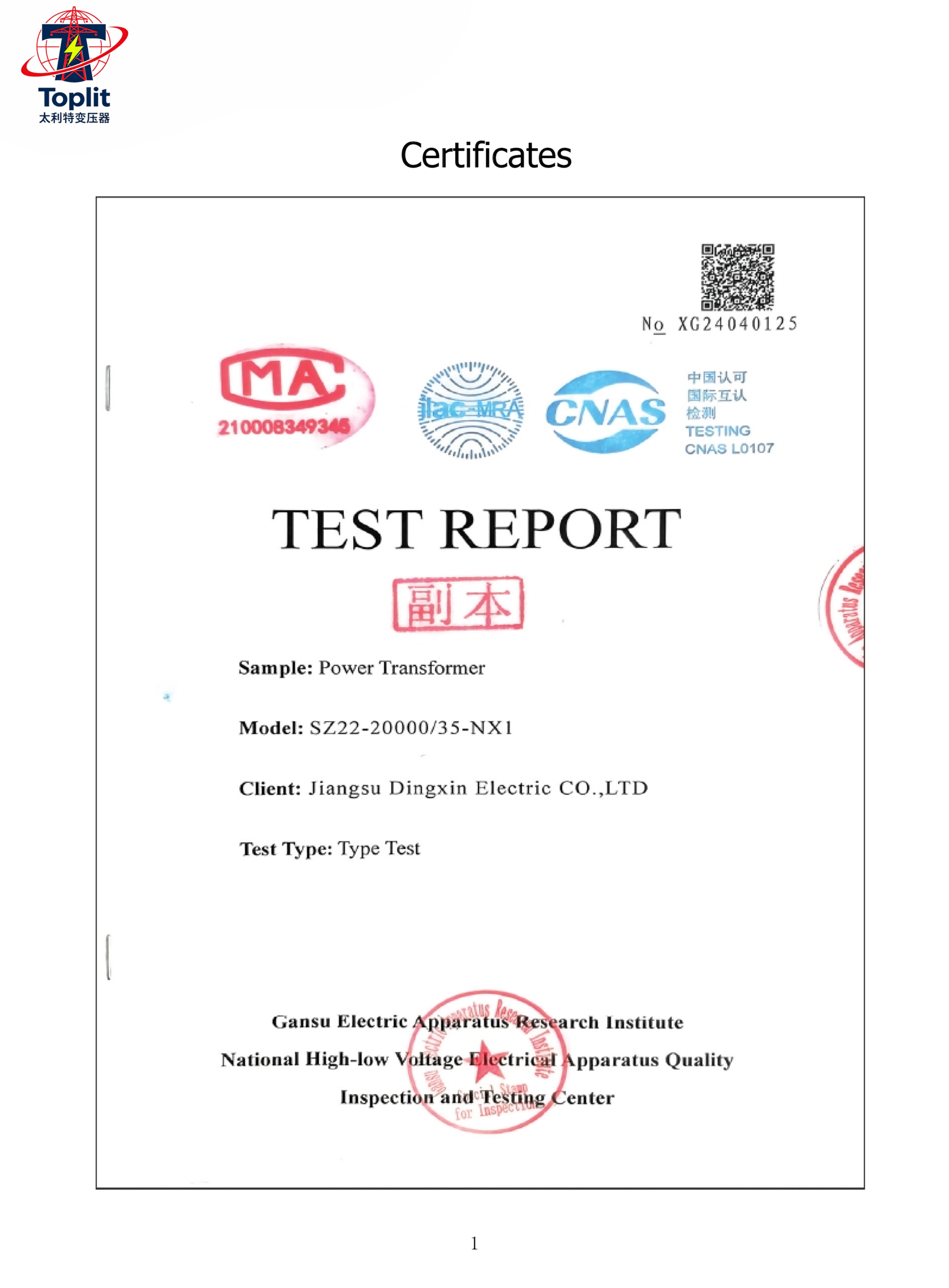
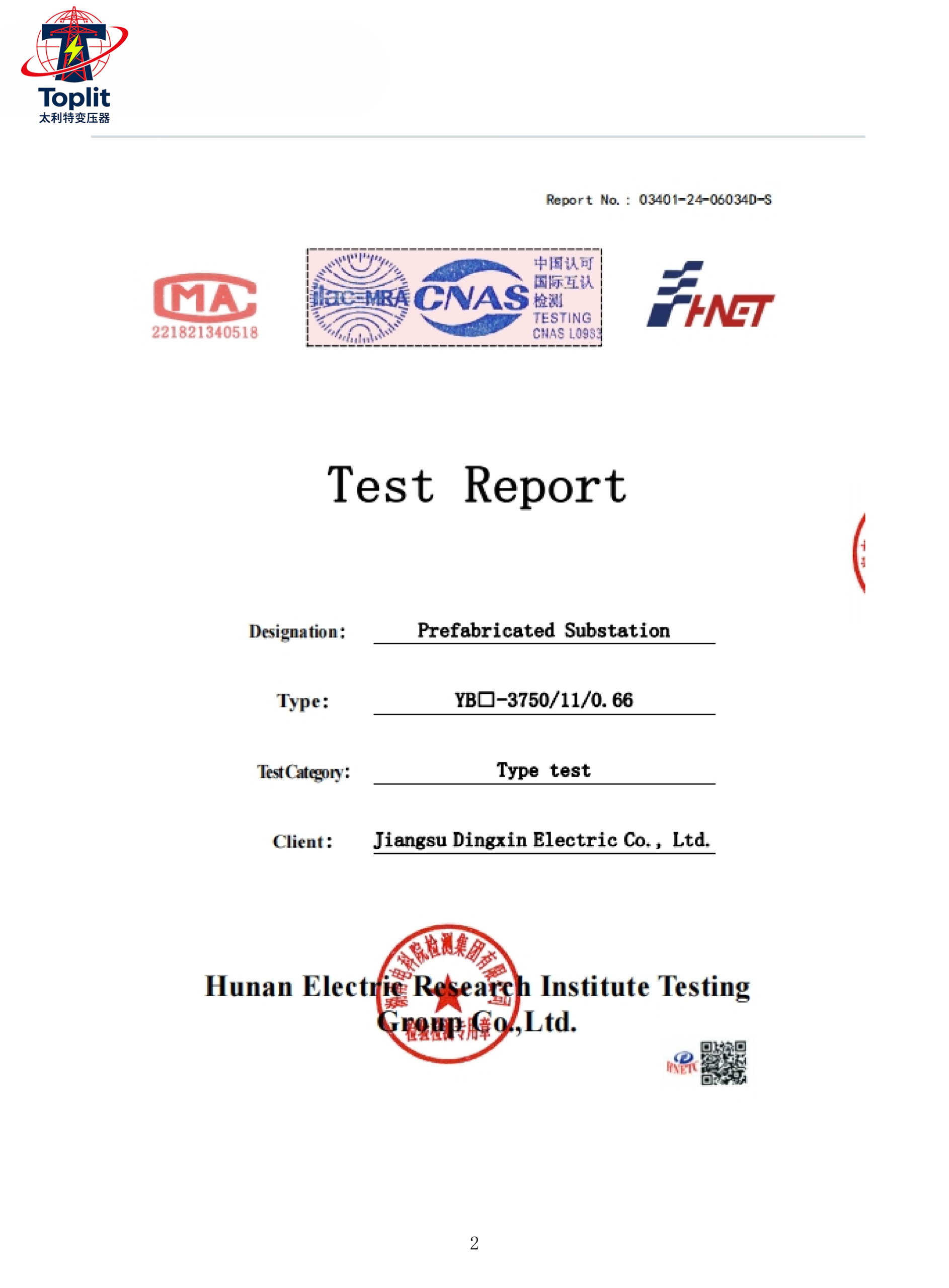
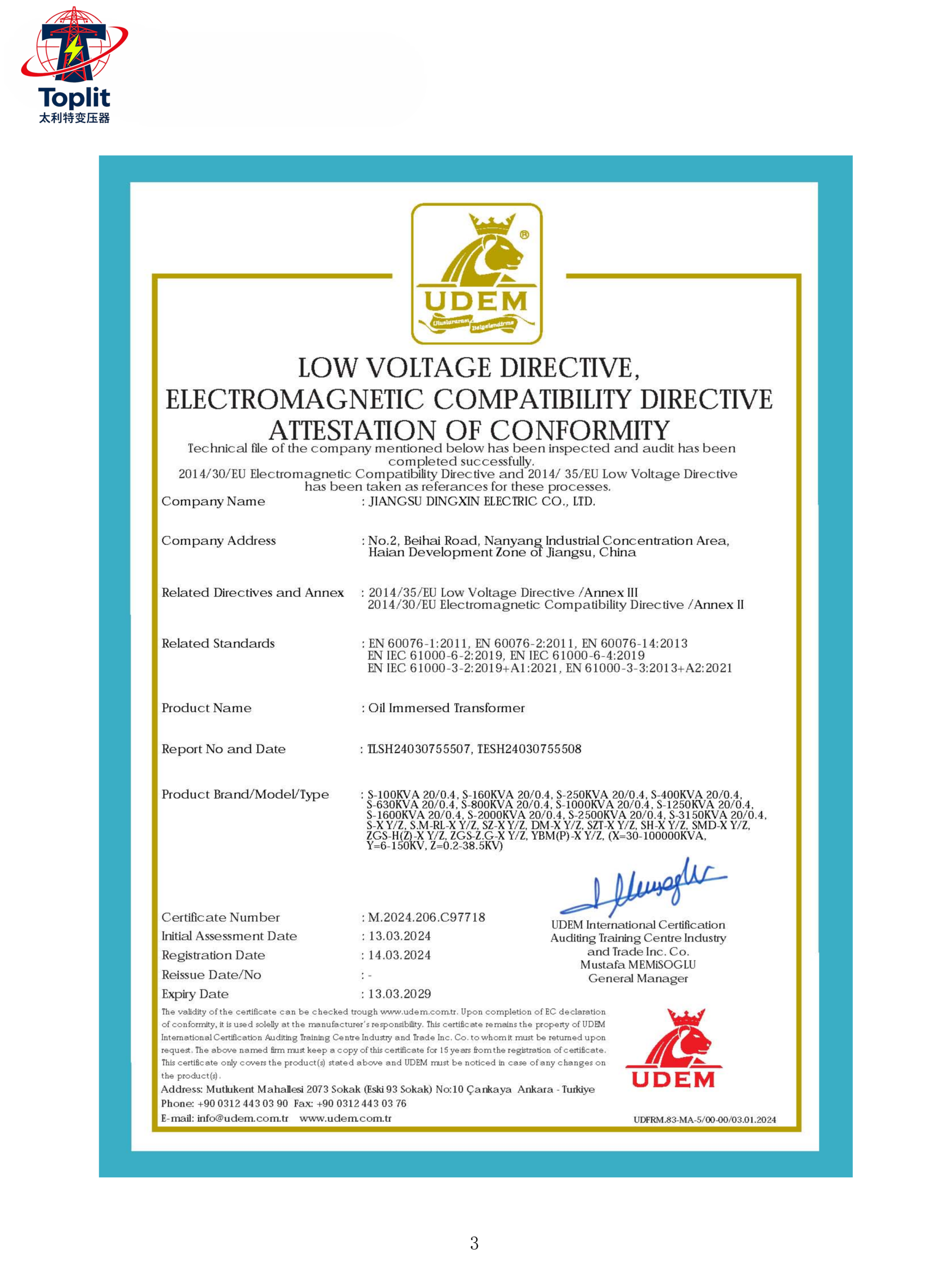
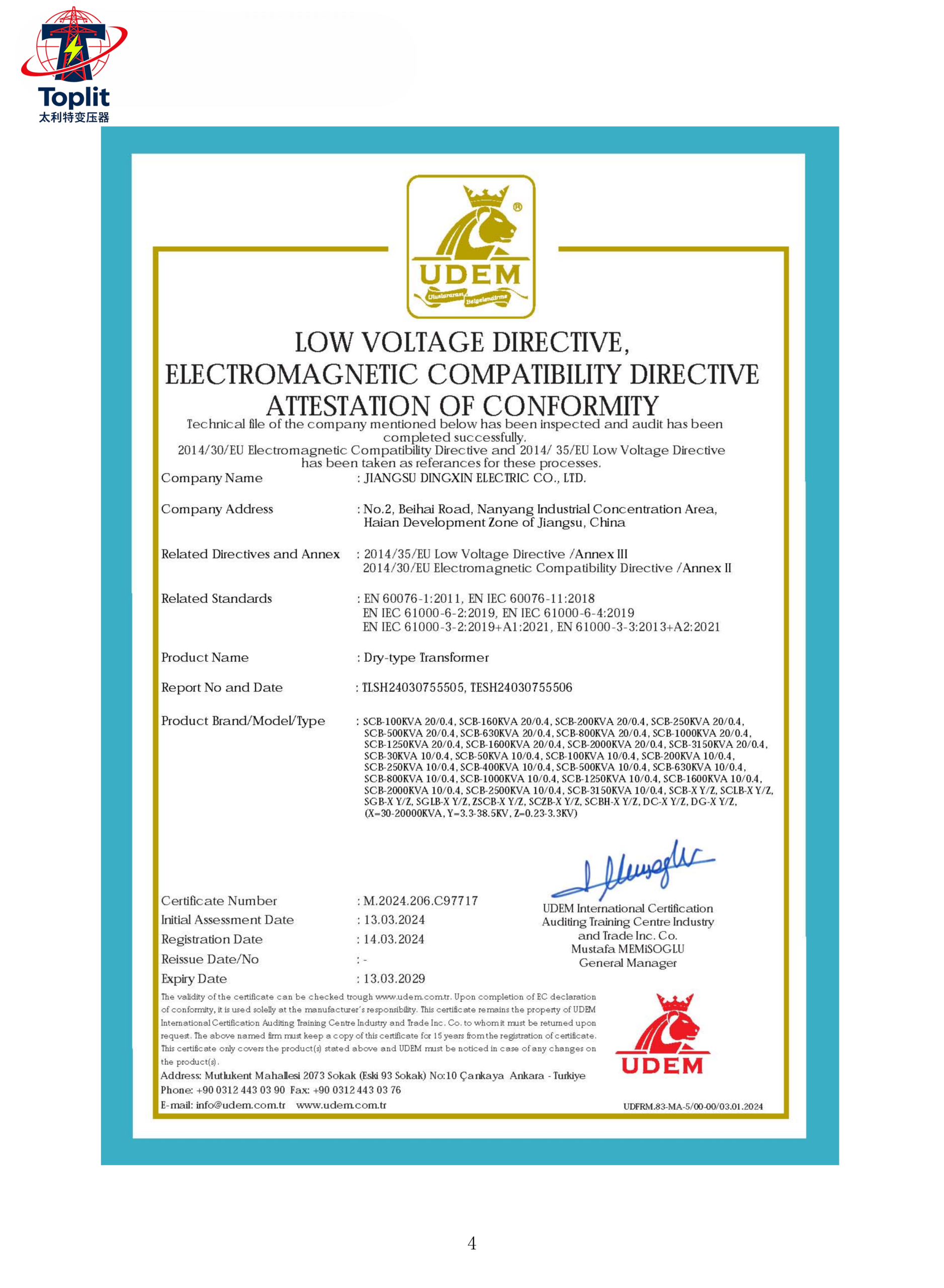
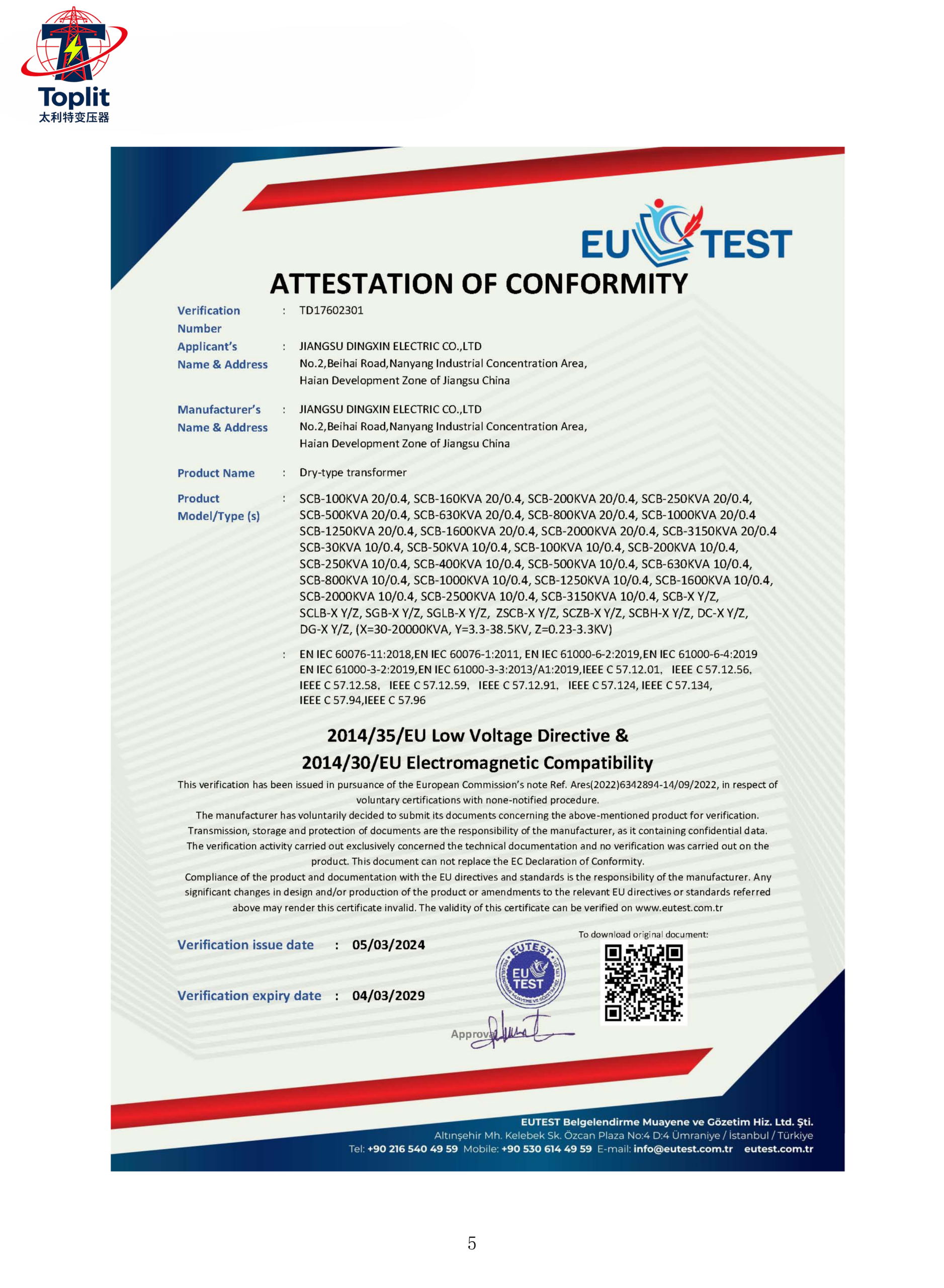
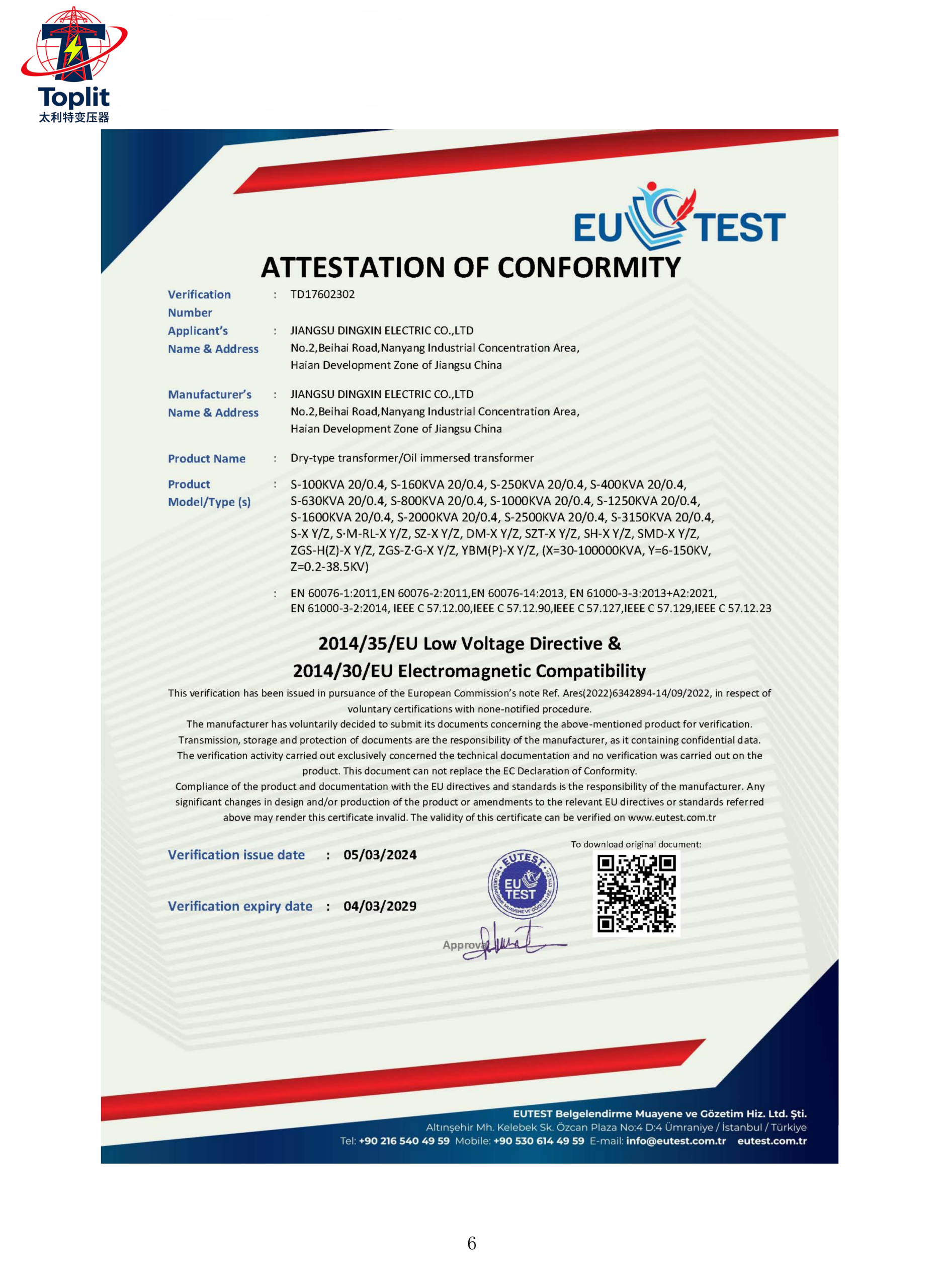
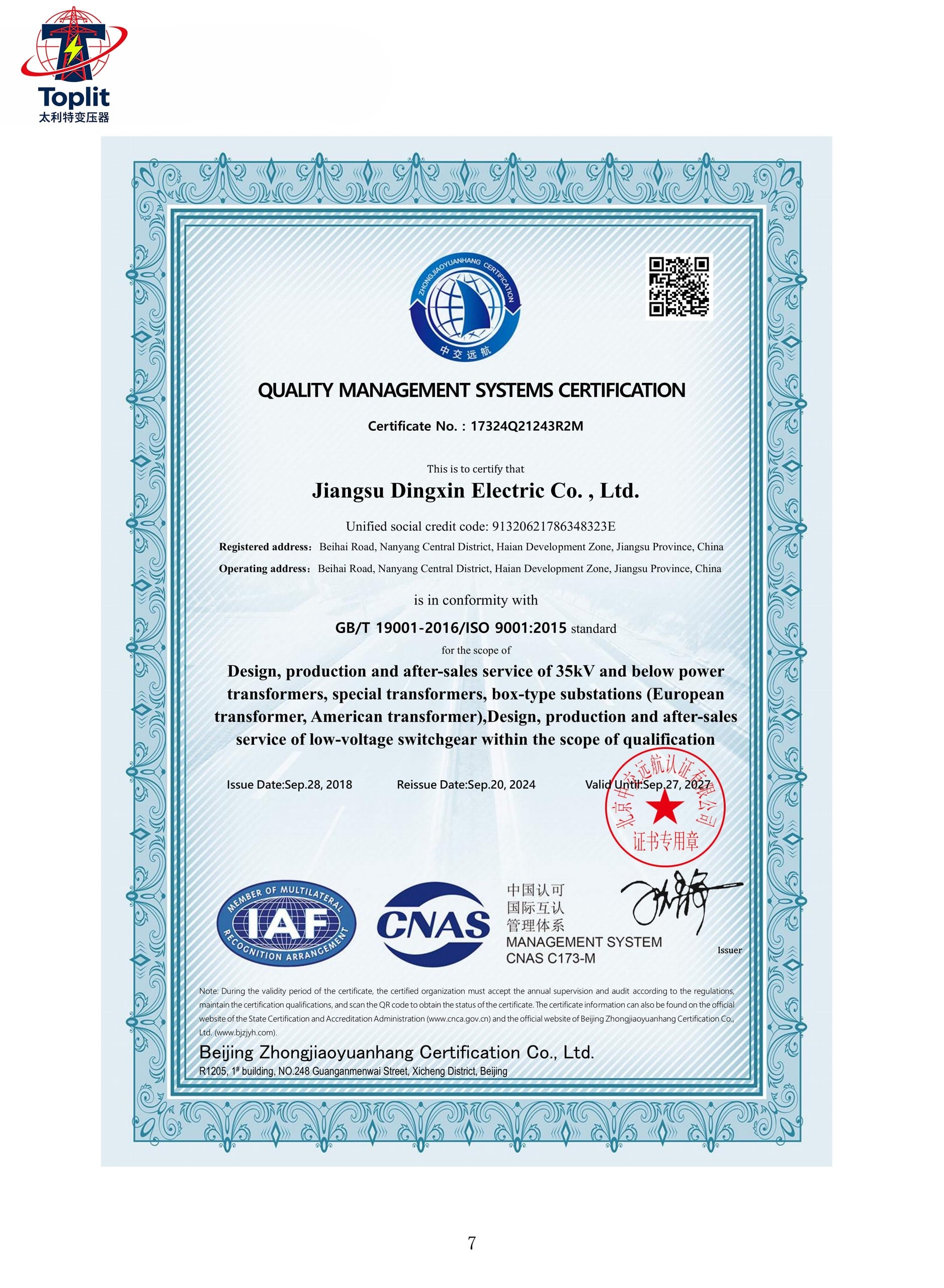
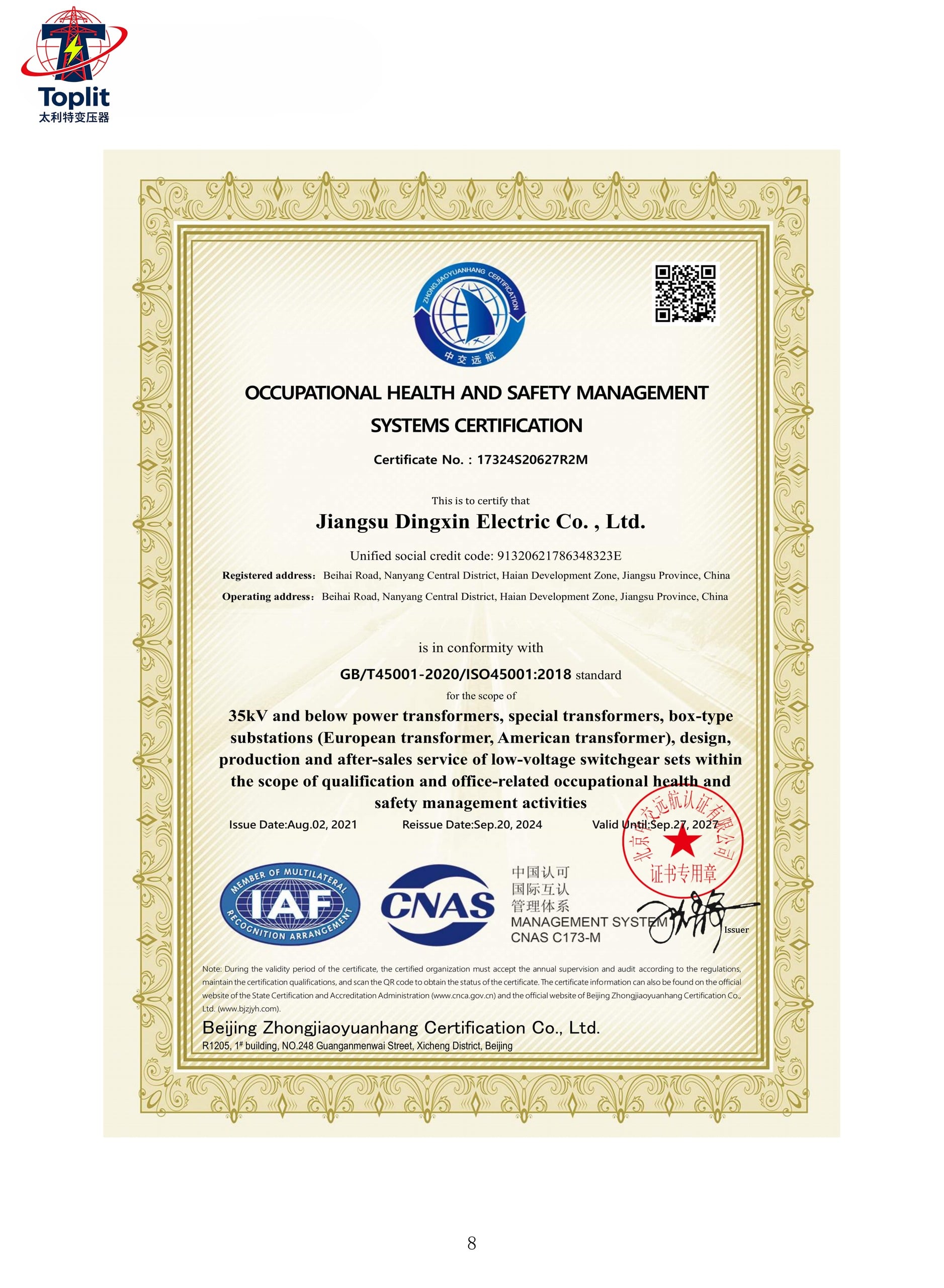
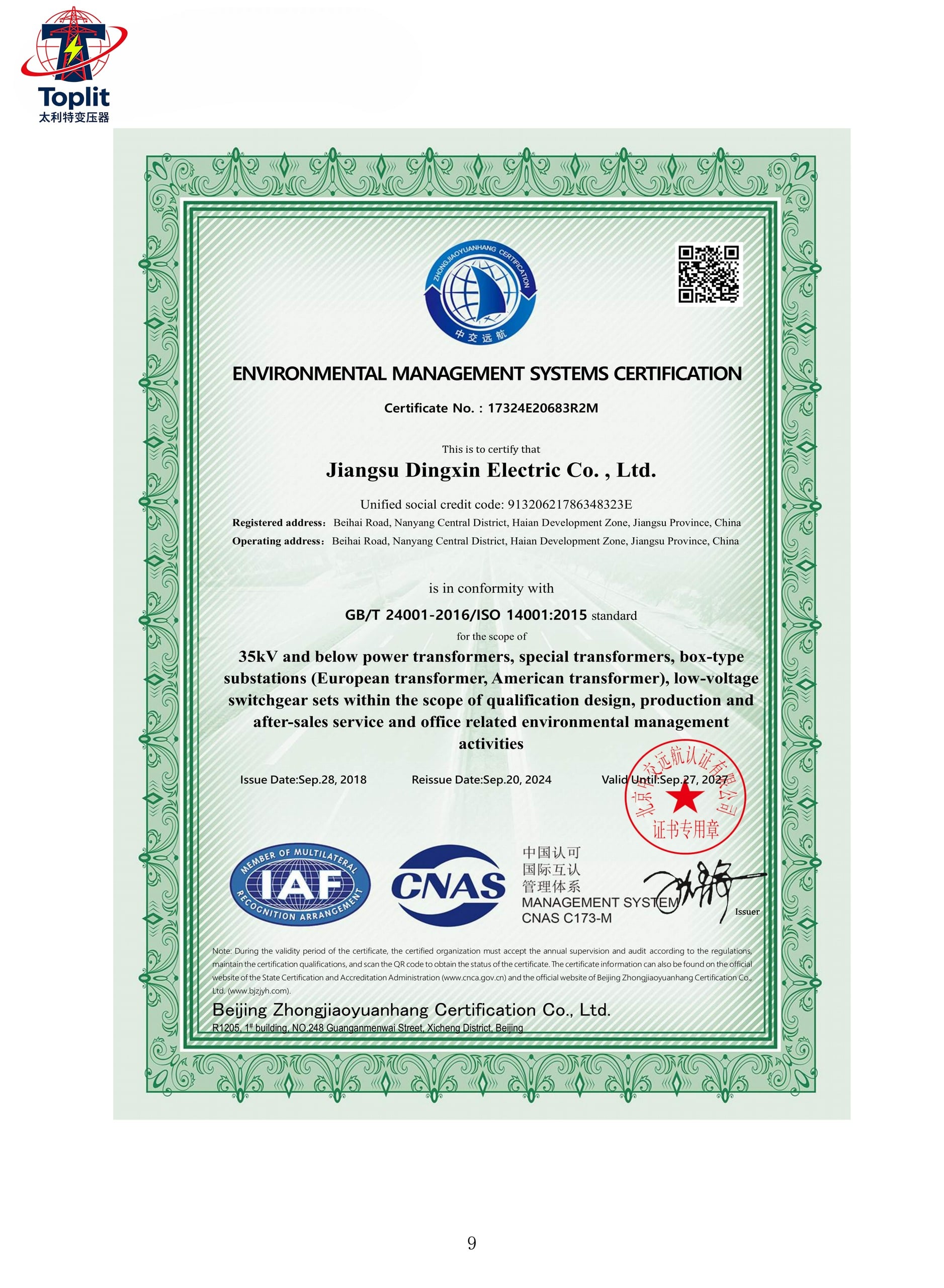
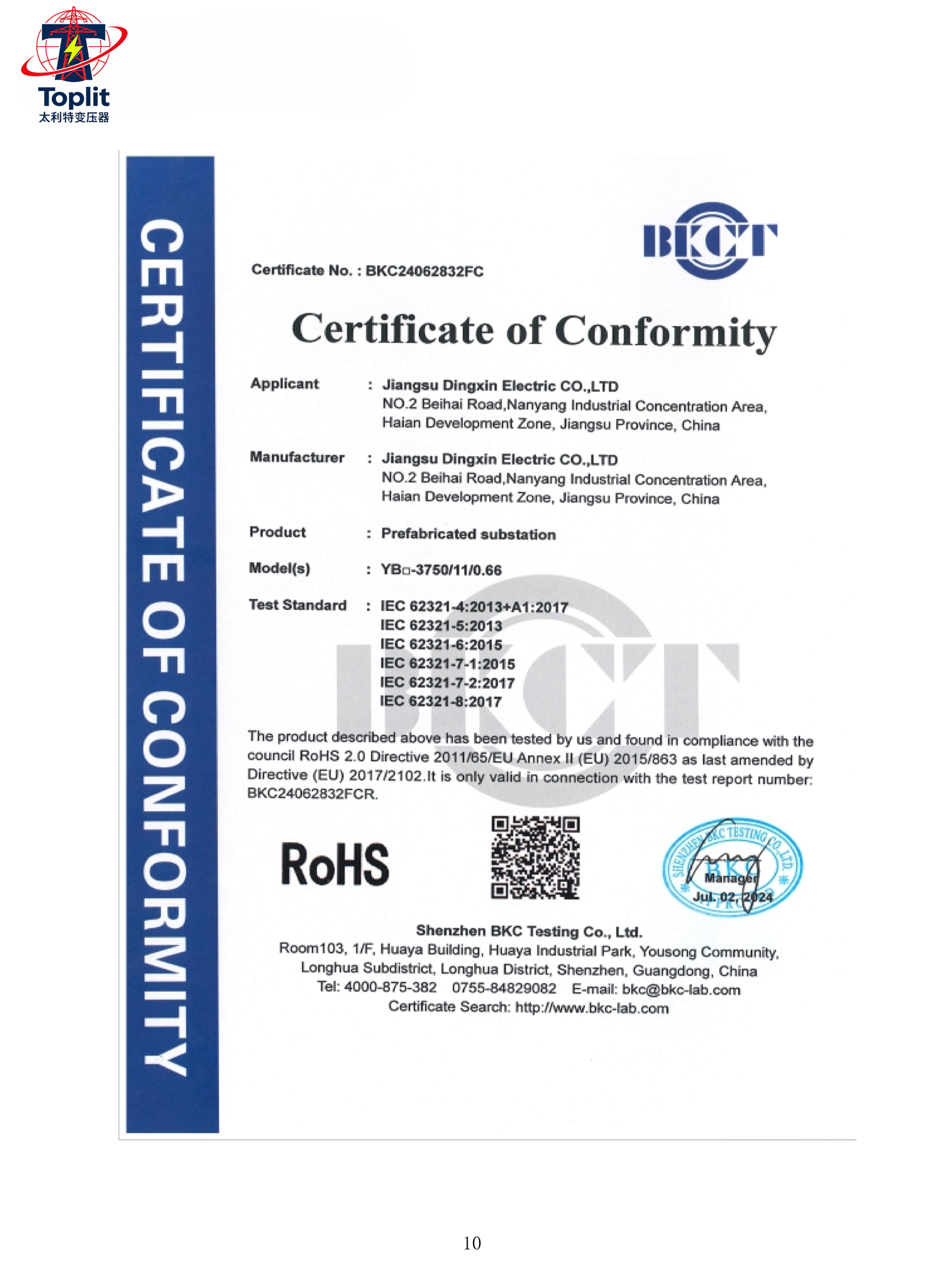
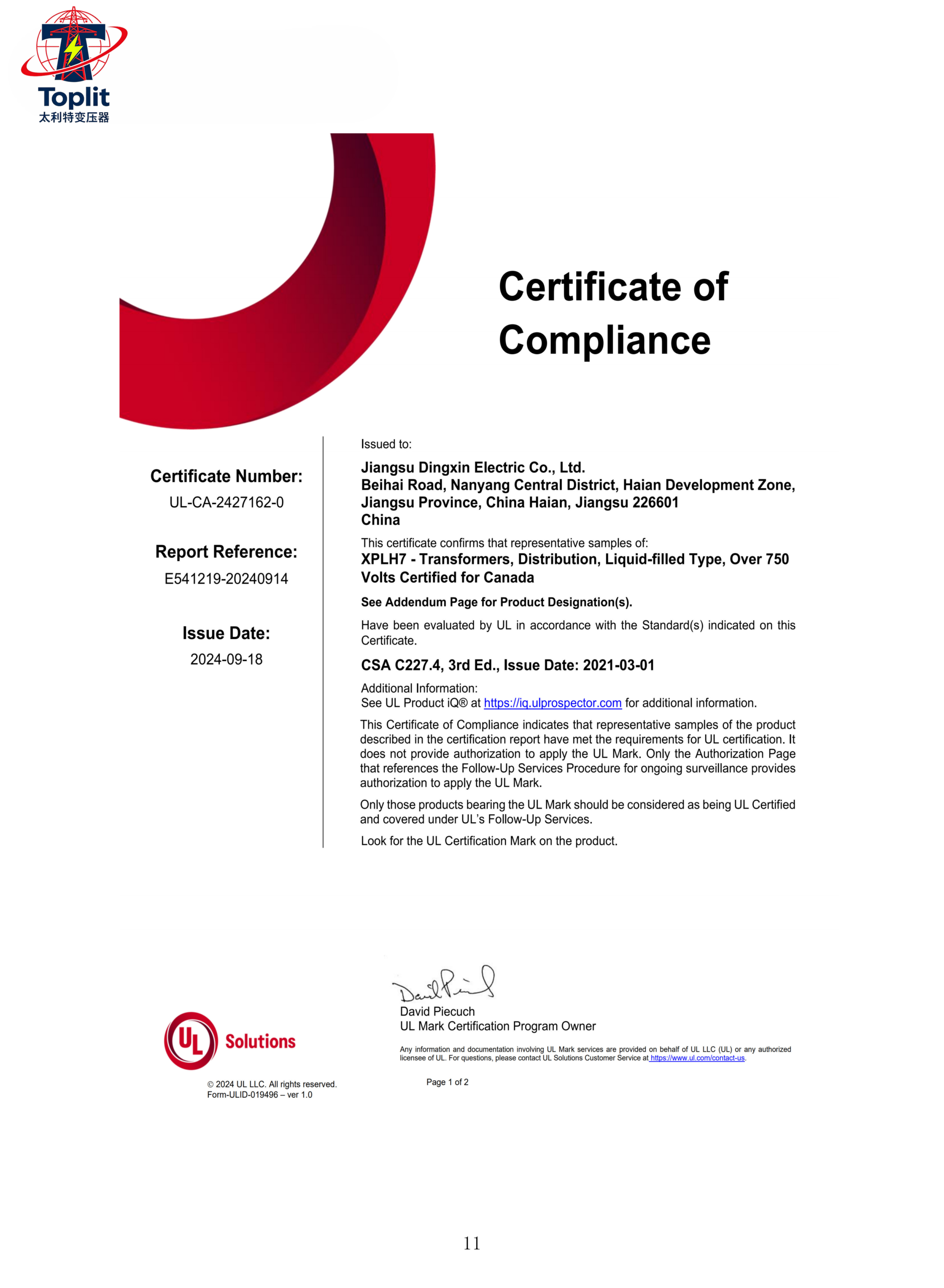
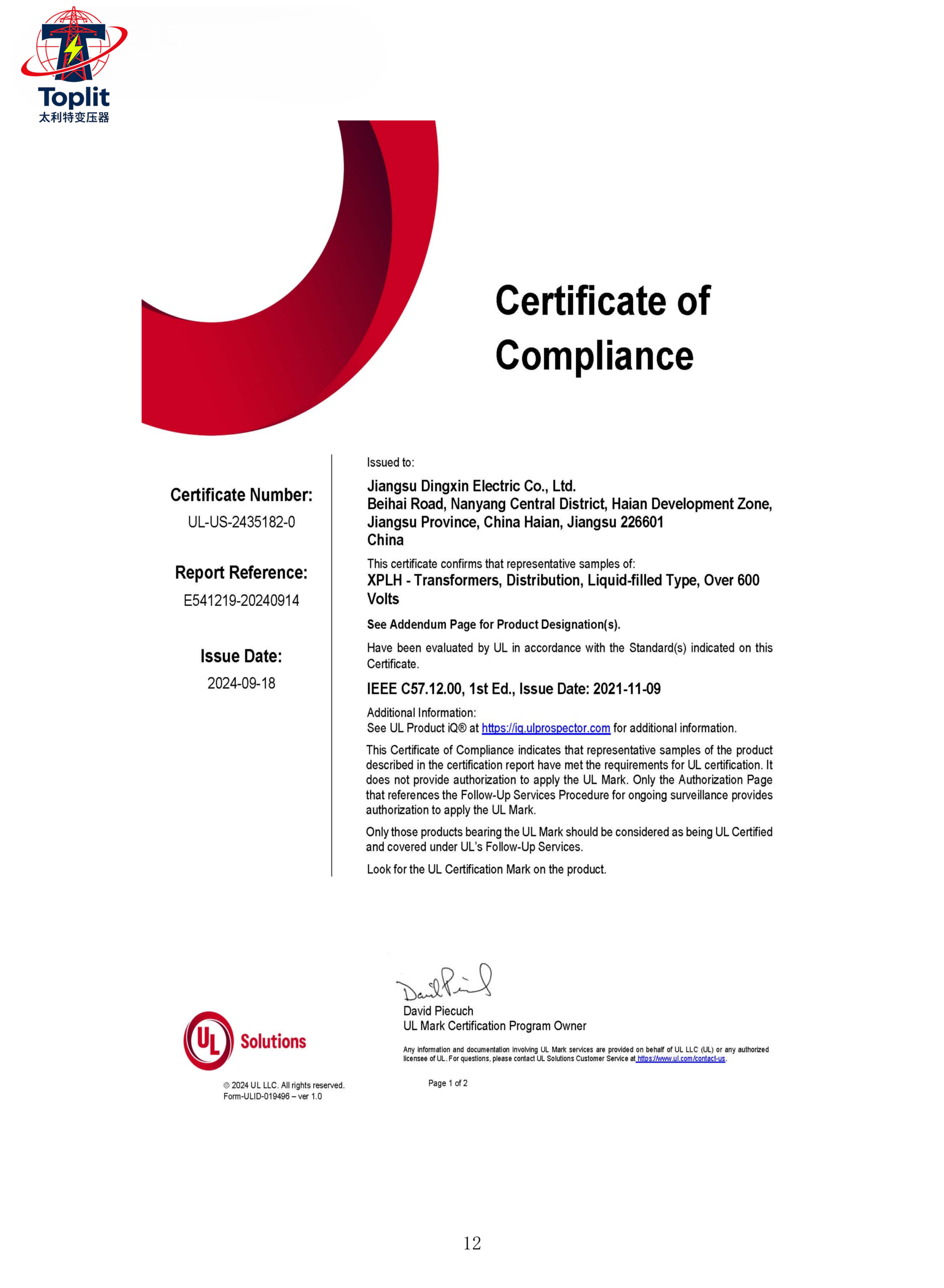
Each factor is directly tied to the technical specifications and operational requirements established by your engineering team.
Active material
Core steel grade and conductor metal move with the loss target you set.
Voltage class
Insulation coordination, clearances and terminal arrangement scale with the BIL.
Loss target
Lower loss means more material, a larger core window and more mass.
Test & Doc scope
Witnessed tests, special tests and approval cycles are engineering work.
Logistics
Quantity, mass, lifting points, packing and destination are priced together.
01
Lead time
Distribution-class units up to 2,500 kVA ship in 20 to 45 days ex-works once drawings are approved. Power-class units from 110 kV are scheduled per project and confirmed in the quotation.
02
Payment
30% deposit by T/T with the 70% balance before shipment, or an irrevocable L/C at sight.
03
Delivery terms
EXW, FOB, CFR and CIF. Other arrangements are agreed in the contract.
04
Warranty
12 months from commissioning as our published minimum, with longer terms agreed in the contract.
What that means for a US-bound project
Ex-works terms put the international leg in your hands, which most experienced buyers prefer. It also means a few things belong on your side of the schedule from day one.
Context on the schedule:
Wood Mackenzie put average transformer lead times at 115 to 130 weeks in 2024, against a pre-pandemic norm of 30 to 60 weeks, with prices up 60% to 80% since January 2020.[7] One US utility reported single-phase pad-mounted lead times moving from 16 weeks to 142 weeks.[8]
STEP 01
Ocean transit
Budget the sailing and port time on top of the factory window when you build the project programme.
STEP 02
Origin
Roughly one fifth of large transformer orders in the US are domestic, making imported units standard.[10]
STEP 03
Tariff class
Confirm the heading and the current duty rate with your customs broker before the purchase order.
STEP 04
Inland move
A 40-tonne unit needs a route survey and, on many corridors, an oversize permit.
STEP 05
Border docs
Commercial invoice, packing list, bill of lading and certificate of origin travel with every shipment.
From Enquiry to Energization
Every quotation is priced by an engineer, not by a configurator. That is slower than an instant quote button and it is the reason the number holds.
Send electrical duty Rated kVA, primary & secondary voltage, frequency, phase, vector group, target impedance and load profile.
Installation boundary Indoor/outdoor, altitude, ambient range, contamination, sound limit and clearances.
Scope & Schedule Including the ratings that do not fit, and why — that part is on us, not on you.
Drawings approved Outline & foundation drawing issued so your civil contractor works from real dimensions.
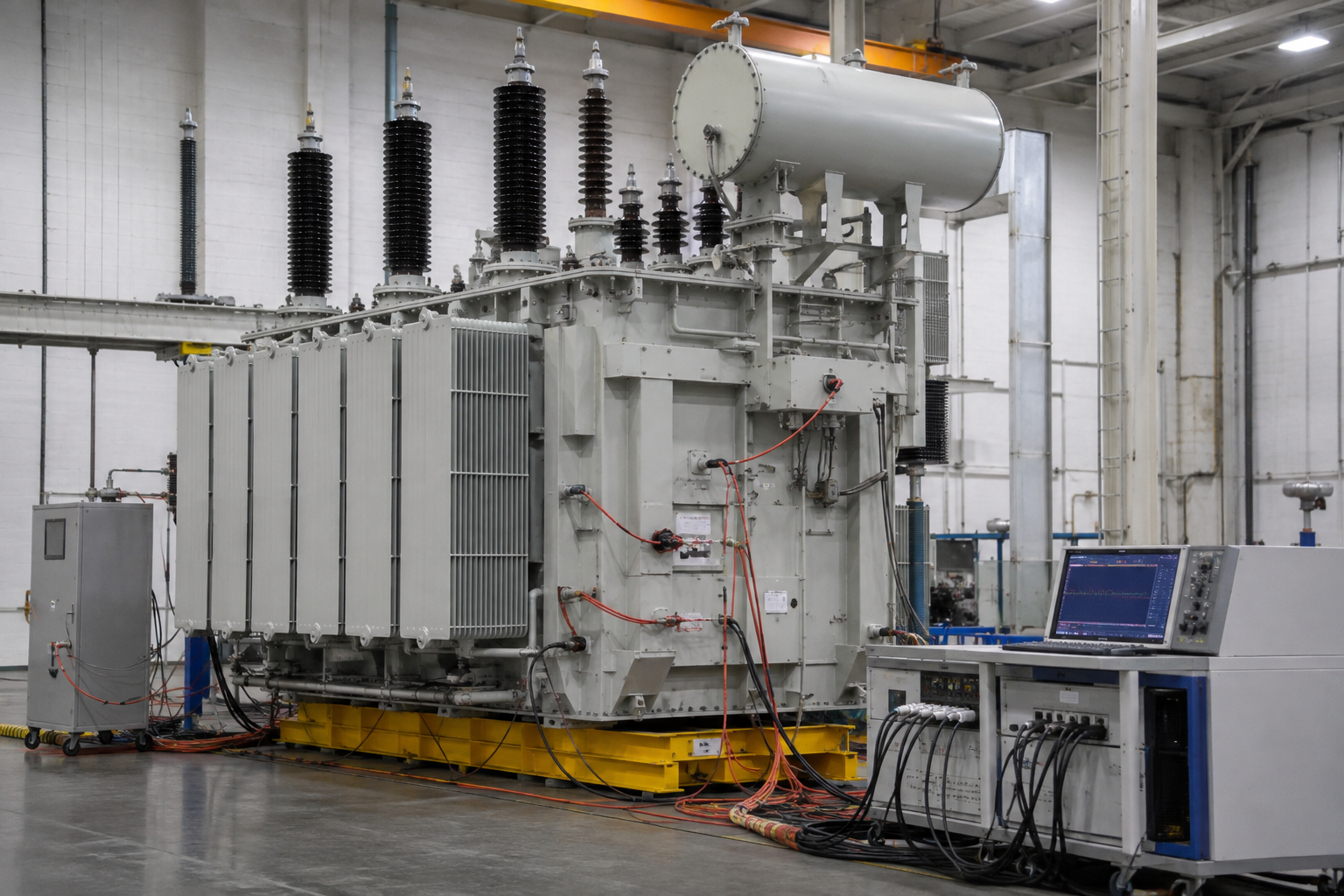
Routine tests Loss, impedance, ratio, polarity & dielectric withstand, against the agreed test plan.
Your unit ships Test report, material certificates, as-built drawings and the rated data sheet.
Tools you can use before you talk to anyone
Most utilities buy only from an approved supplier list, and qualifying a new name onto it takes months.[8] Our document package exists so that process has something to work with on day one.
Rating schedule finder Enter kVA and kV and see which of the eight schedules covers the duty.
Shipping envelope & route Published dimensions & mass against clearance, passage & axle limits.
Delivery planner Drawing approval, build, ocean transit and inland movement in one schedule.
RFQ completeness scorer Check whether your enquiry has enough in it to be quoted accurately.
Loss-cost calculator Put two offers through the A and B factor arithmetic above.
Quote basis normalizer Line up two quotations that describe different scopes.
Warranty & Claims
Questions that decide a purchase order are usually about year three, not week one.
Warranty runs 12 months from commissioning as our published minimum, and longer terms are agreed.
Claims start from the test report. A performance dispute begins with a document.
A loss claim has an objective yardstick. The tolerances published in IEEE C57.12.00 decide.
Reliability is judged over the lifespan. A transformer specified against its real duty will outlive warranty.
Spare parts, service response and jurisdiction are contract items. We set them per project.
Plan the replacement. Tell us if the unit is an upgrade and we match the footprint.
What to put in your specification so the answer is binding
Warranty period and the event it starts from — delivery, energization or acceptance.
Your expected remedy if measured losses exceed the quoted values, including any penalty formula.
Which parts you want held, and where.
Governing law and the forum for a dispute.
Where These Transformers Are Installed
Our units go into urban and rural distribution networks, petrochemical plants, metallurgy, light textile industry, mining, ports and residential developments.
What the duty changes about the machine
Continuous process load keeps the unit energised year-round, so no-load loss dominates the operating cost and a 0.25% no-load current is worth paying for.
Motor starting and converter duty put mechanical and harmonic stress on the windings that a nameplate kVA figure does not describe.
Occupied and fire-sensitive rooms move the choice to dry-type, where the insulation medium rather than the capacity governs the decision.
Outdoor distribution shifts it to pad-mounted or pole-mounted construction, where enclosure and feed arrangement come first.
Two application cases worth walking through
01
Picture a data center feeder that stays energised around the clock. The risk is not capacity, it is that no-load loss runs 8,760 hours a year, so a unit at 0.25% no-load current buys you a materially lower operating cost than one at 0.6% — and that gap only becomes visible if the supplier publishes both figures.
02
Take a petrochemical plant with large motor starting instead. Here the problem is mechanical: repeated inrush stresses the windings, and the trade-off is impedance, because raising it limits fault current while costing voltage regulation. Talite engineers that choice against the fault study rather than against the nameplate.
In practice both cases fail the same way when the buyer specifies kVA alone, so the load profile belongs in the enquiry with the rating.
Utility and grid distribution
- Pole-mounted and pad-mounted distribution across feeder networks
- Substation duty from the 35 kV and 110–220 kV schedules
- Loop-feed arrangements where continuity of supply governs
Oil, gas and petrochemical
- Process loads with heavy motor starting and cyclic duty
- Contaminated and corrosive atmospheres driving enclosure choice
- Redundancy philosophy set at the single-line stage
Renewable energy
- Solar and wind combined units at 35 kV class and below
- Harmonic-rich converter duty affecting thermal design
- Grid interface, earthing and ambient extremes as project inputs
Industrial and data centers
- Metallurgy, textile and mining plants with continuous process duty
- Medium voltage transformer manufacturers are judged on the room, not the nameplate
- Dry-type units where the insulation medium is governed by fire strategy
- Network upgrade and replacement work on ageing assets
Manufacturing & Testing Infrastructure
A transparent look inside our production workflow. From raw material handling to final high-voltage testing, our facility is engineered for precision, compliance, and industrial-scale output.
Real-World Capacity Overview
TRK-01
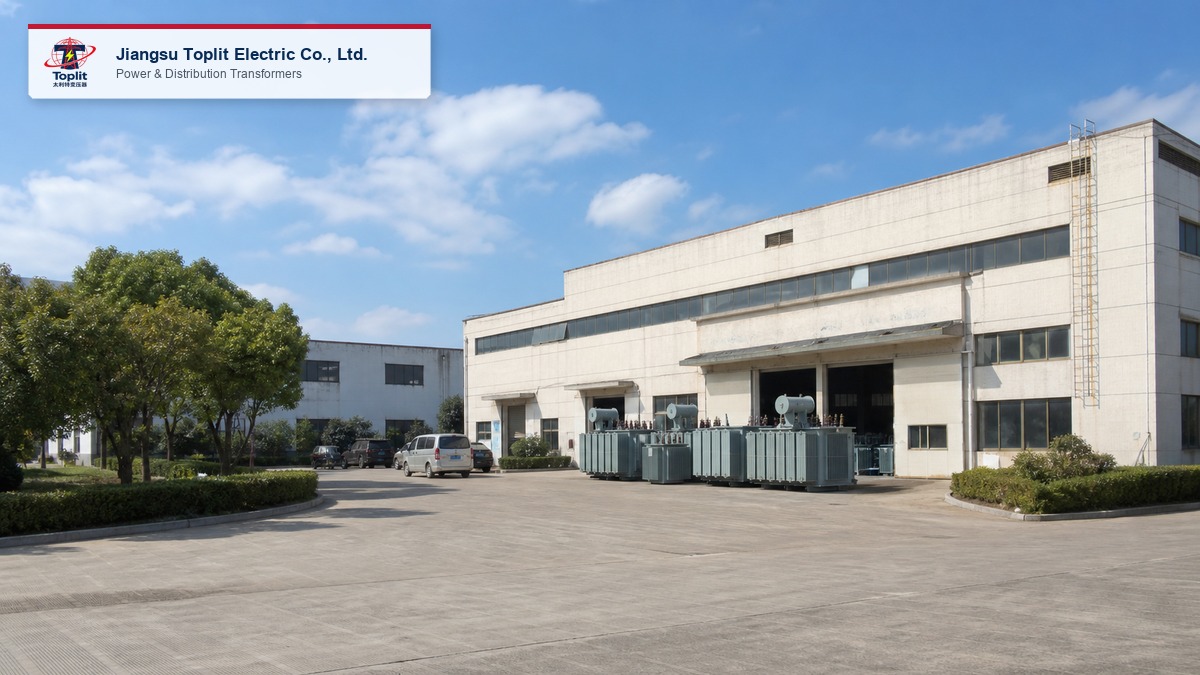
Factory Yard
TRK-02
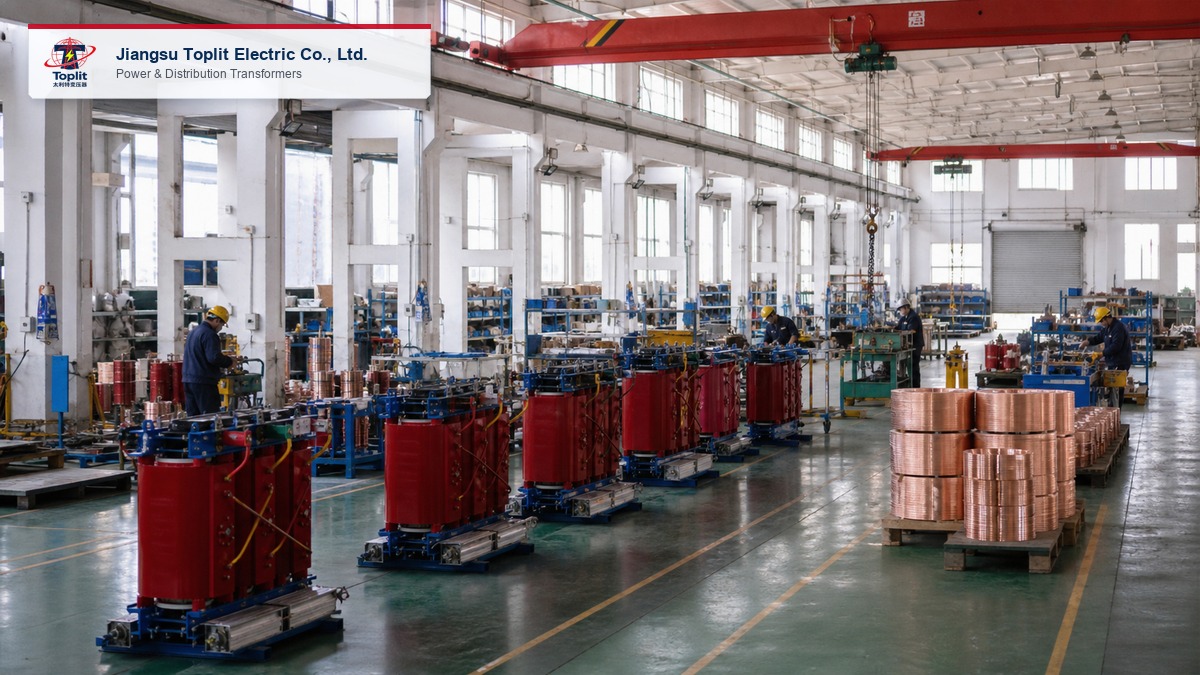
Production Workshop
TRK-03
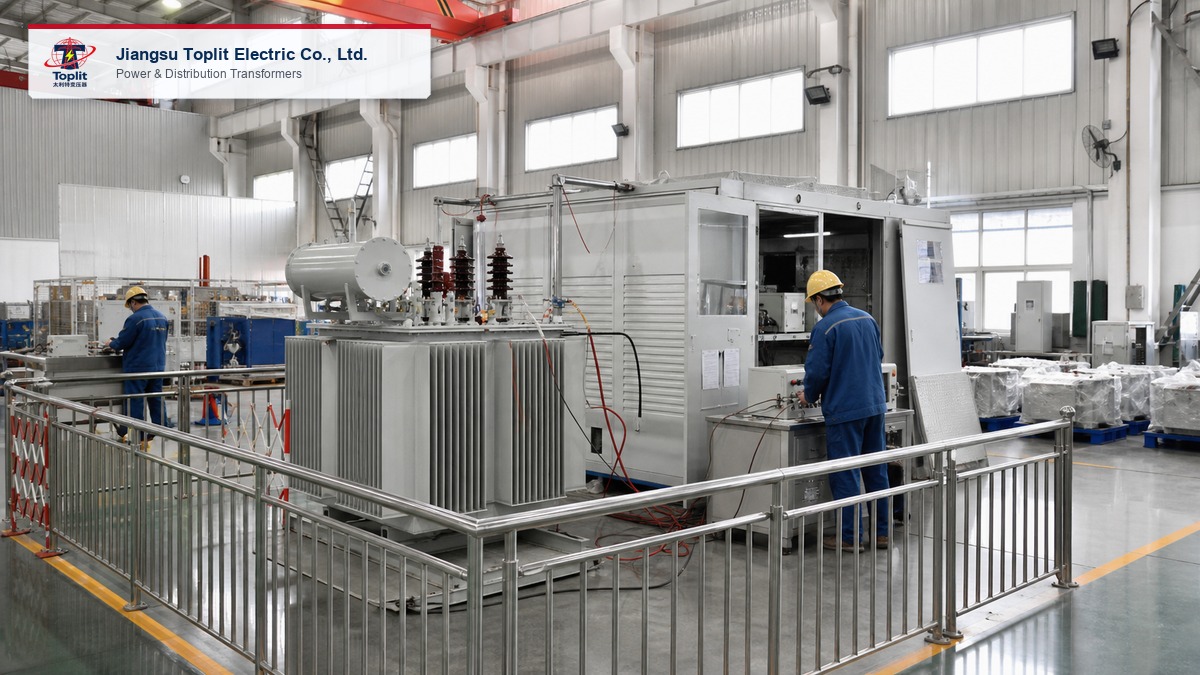
Quality Testing Area
TRK-04
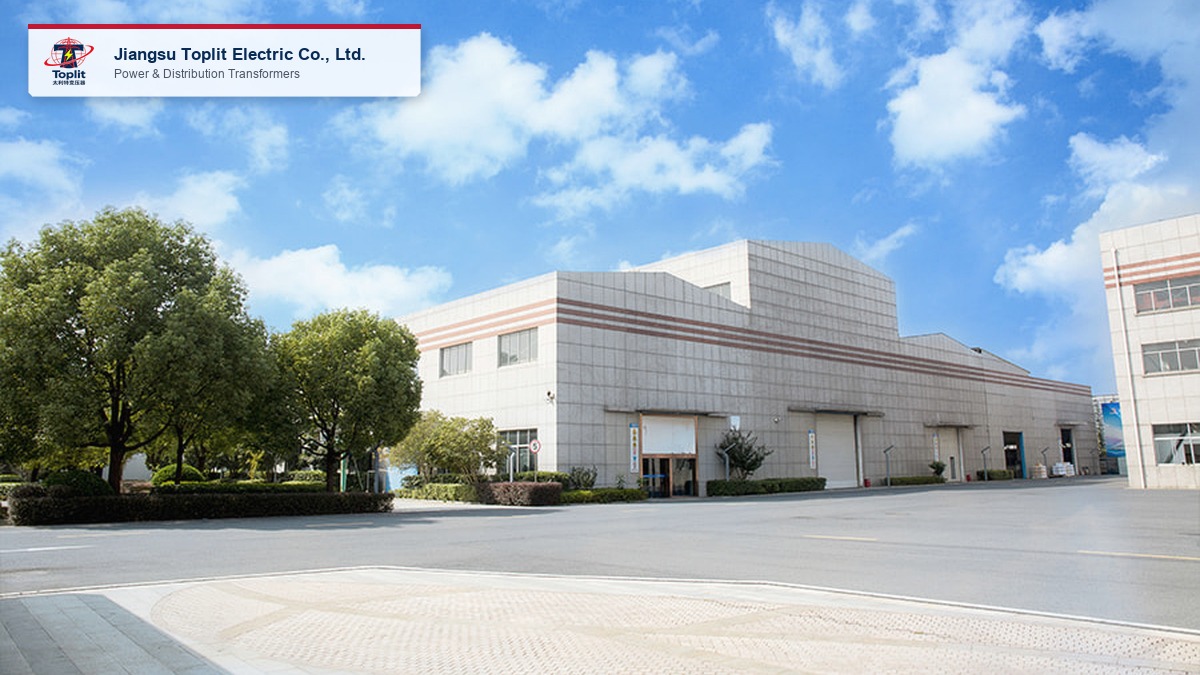
Facility Overview
TRK-05
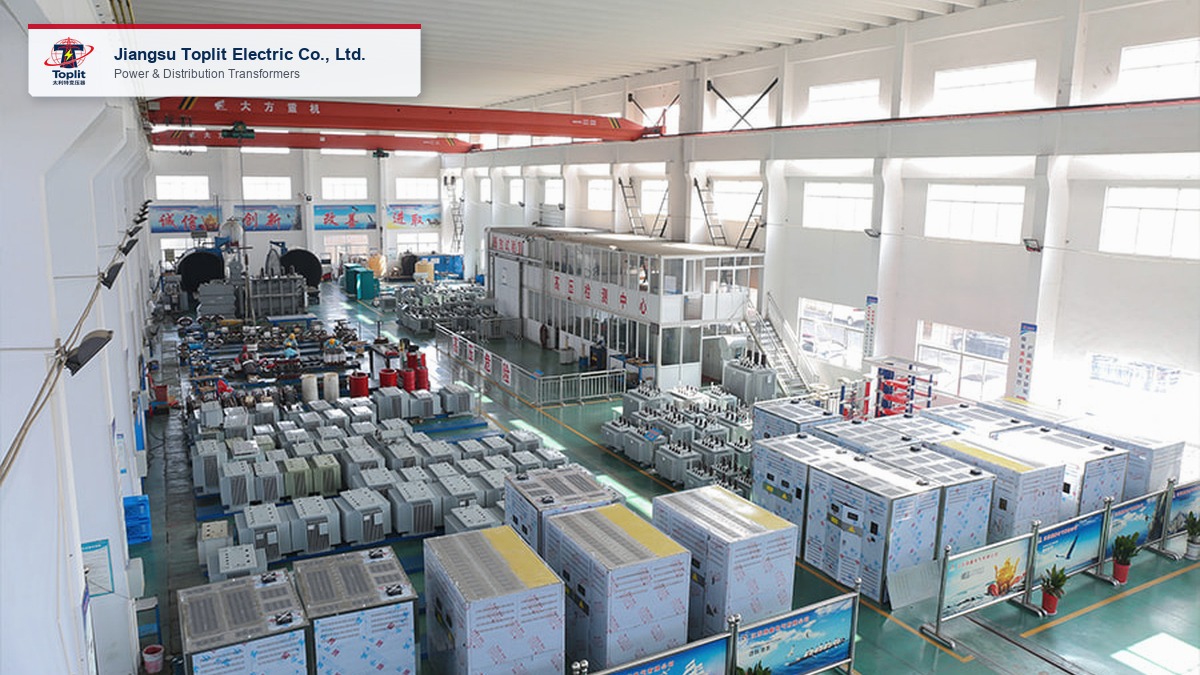
Workshop Scale
TRK-06
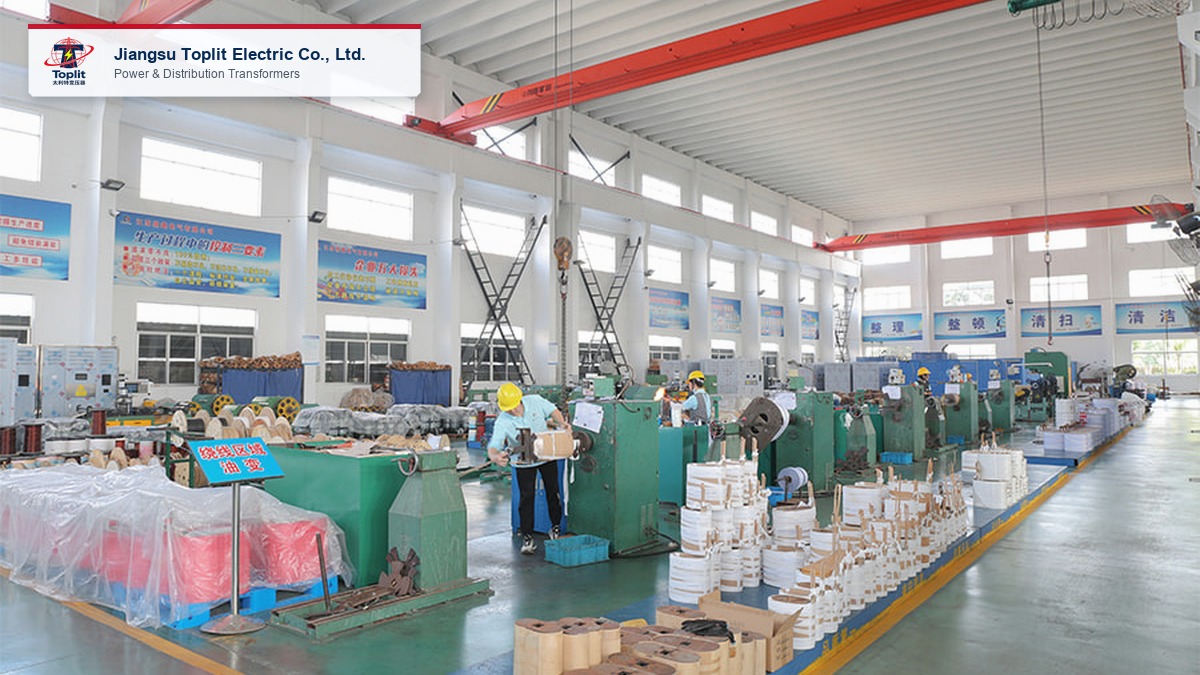
Assembly Line
TRK-07
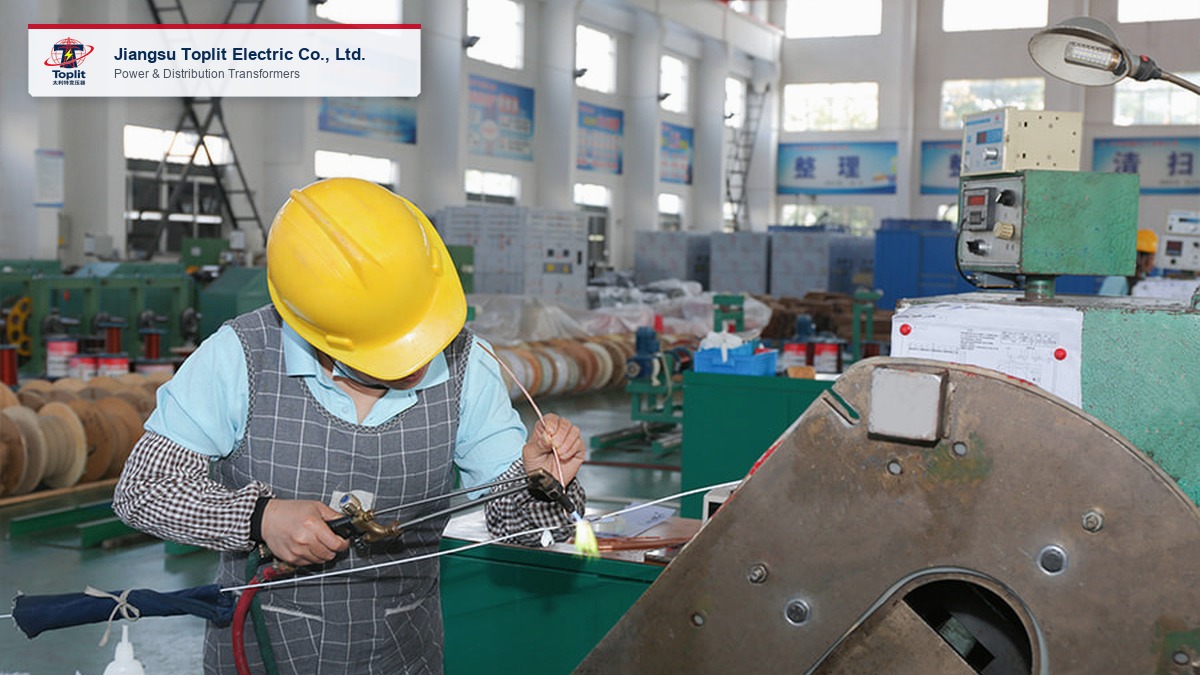
Precision Operation
TRK-08
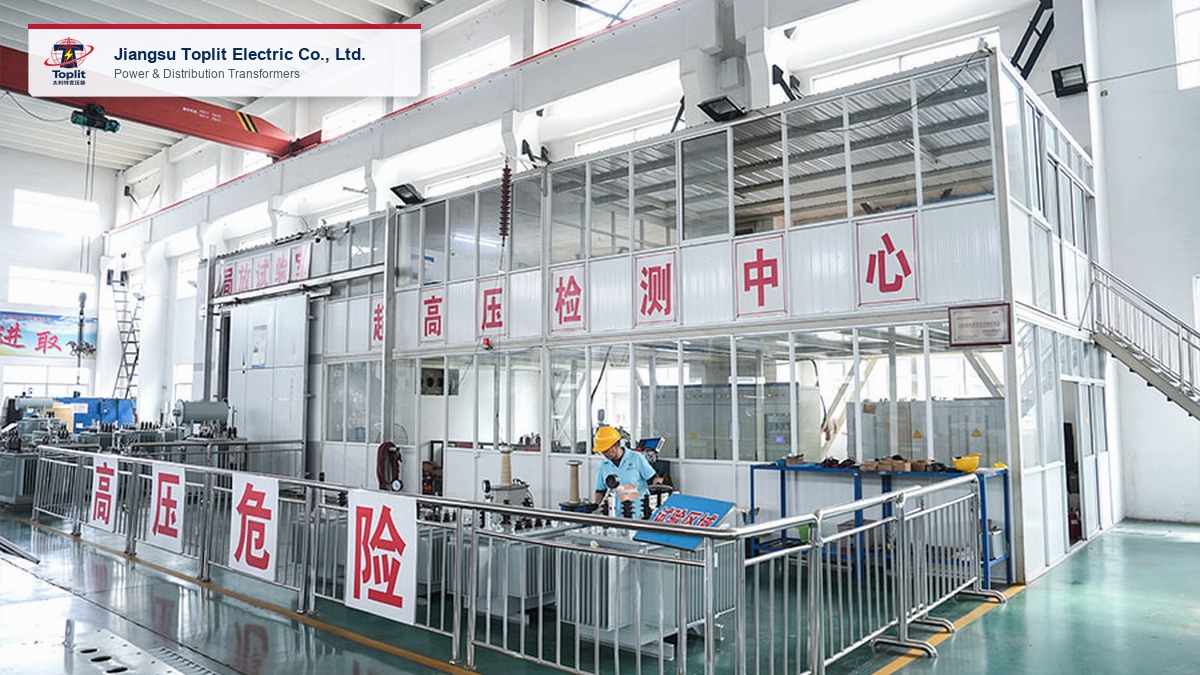
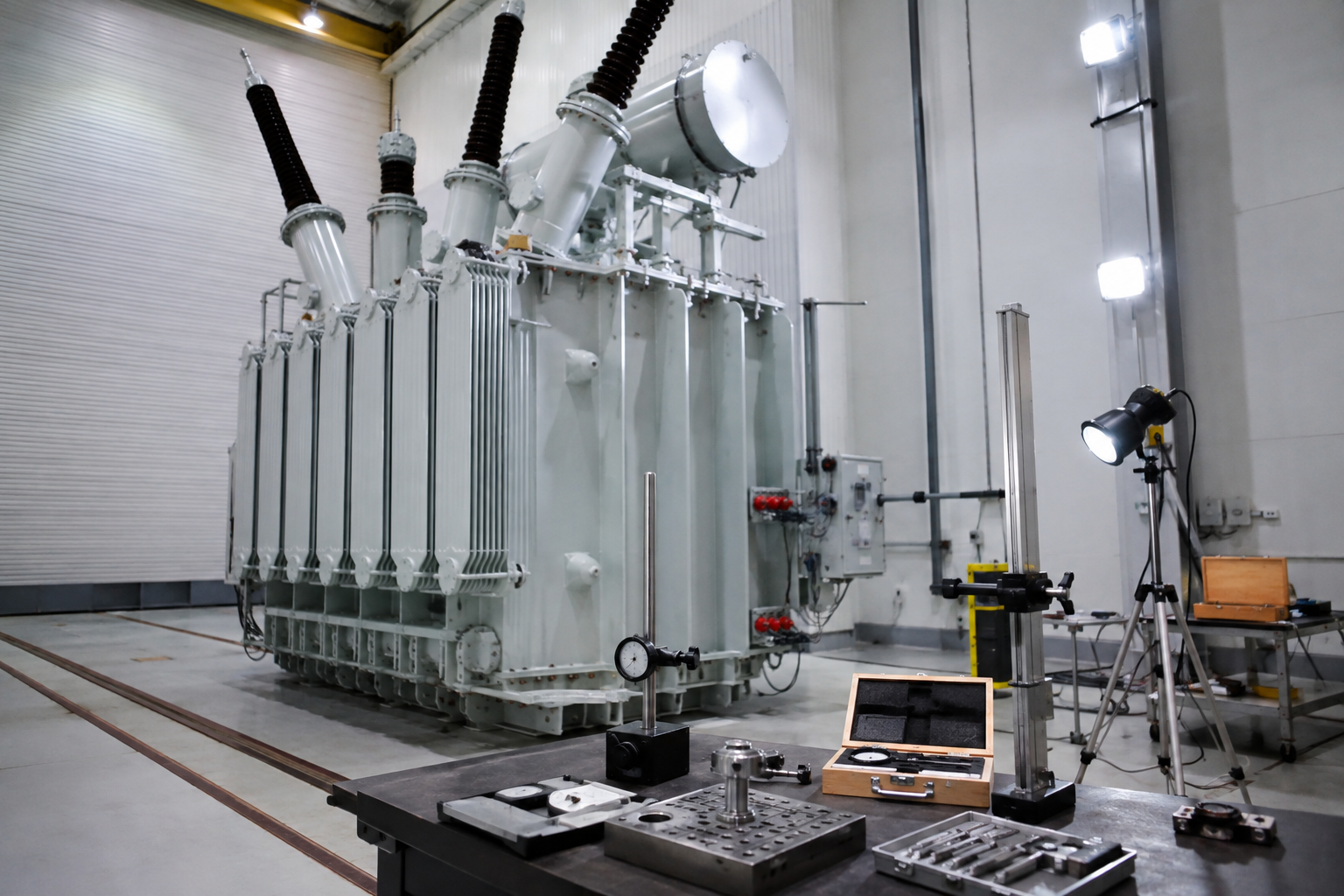
High-Voltage Test Center
Transformer Engineering & Project Planning Tools
Rating Schedule Finder
Enter the duty and this returns which of the eight Talite rating schedules covers it, what that schedule publishes, and which product page to read next. It routes an enquiry; it does not select a transformer.
Shipping Envelope and Route Check
Published dimensions and mass for the 110–220 kV oil-immersed schedule, checked against the transport limits you are working to. Use it to start the route survey before the order, not after the vessel sails.
Delivery Programme Planner
Builds the whole programme, not just the factory window: drawing approval, build, ocean transit and inland movement. It is a planning estimate for your schedule, and the binding dates come from the quotation.
FAQ: Transformer Specification and Supply
Which inputs do you need to quote a transformer?
Rated kVA, primary and secondary voltage, frequency, phase, vector group, target impedance and the load profile, plus the installation environment. Send the single-line diagram and load schedule if you have them, and mark the fields you do not know rather than filling them with assumptions.
How long does a transformer take to build?
Distribution-class units up to 2,500 kVA ship in 20 to 45 days ex-works once drawings are approved. Power-class units from 110 kV are scheduled per project and the window is confirmed in the quotation.
Do you publish loss values before I place an order?
Yes. Every schedule we build to carries its design no-load and load loss, and one full schedule is on this page.
How do I compare two transformer quotations that look similar?
Normalise the technical scope first — conductor material, losses, temperature rise, impedance, enclosure and accessories. Two power transformer manufacturers quoting the same kVA can be describing different machines.
Then add the capitalised loss value using your own A and B factors.
Then check the test and document scope, because that is where quoted prices most often diverge. Electrical transformer suppliers who bundle testing differently will look cheaper without being cheaper.
Which payment and delivery terms do you work to?
30% deposit by T/T with the 70% balance before shipment, or an irrevocable L/C at sight. Delivery is on EXW, FOB, CFR or CIF terms, with other arrangements agreed in the contract.
Can you build to an ANSI or IEEE specification rather than IEC?
Yes. Units are designed and factory-tested against IEEE, IEC and ANSI design and test references, and the governing standard and edition are fixed in the quotation. Tell us which framework the project runs on at the enquiry stage, because it changes the test plan as well as the design.
What happens if measured losses come in above the quoted values?
IEEE C57.12.00 sets the ceiling: measured no-load loss may not exceed the quoted value by more than 10%, and total loss by more than 6%. Those limits are checked by the routine tests in IEEE C57.12.90, and the result for your serial number is what appears on the certified test report.
Many utility specifications go further and attach a penalty formula, expressed in dollars per kilowatt of excess no-load or load loss.
That formula shifts the cost of a design missing its target onto the supplier rather than onto the network.
Send it with the enquiry, together with your A and B loss evaluation factors, and we will quote against them rather than around them.
Is a transformer designed to IEC 60076 acceptable on a US project?
Not automatically. A design standard, a federal efficiency rule and a workplace product approval are three separate questions, and each has to be settled for the exact model and the exact installation. Tell us which acceptance route applies and we will state in writing what we can supply against it.
What is the difference between an oil-immersed and a dry-type transformer?
Insulation and cooling medium differ, which changes the fire strategy and the containment requirement.
Dry-type suits occupied, indoor and fire-sensitive rooms; oil-immersed generally offers higher power density.
Capacity, environment, ventilation and local rules decide it — not a general preference.
Do you supply single-phase pad-mounted transformers for North American networks?
Yes, from 15 to 167 kVA with high-voltage combinations up to 34,500/19,920 V. The schedule publishes no-load loss, load loss, dimensions, oil mass and total mass for each rating.
What documents ship with the transformer?
A certified factory test report with the measured losses for that serial number, material certificates for core steel, winding conductor and dielectric fluid, as-built outline and terminal drawings, and the rated data sheet. If your acceptance procedure needs anything beyond that list, name it in the enquiry so it is priced rather than negotiated after delivery.
Can I visit the factory or witness the tests?
Yes. Witnessed testing is written into the test plan at the quotation stage, so scope and acceptance criteria are agreed before anything is built.
![Pad-Mounted Transformer: How It Works [2026 Guide]](https://toplit-transformer.com/wp-content/uploads/2026/08/pad-mounted-transformer-guide-featured-150x150.png)
![Single Phase Pad Mounted Transformer Guide [2026]](https://toplit-transformer.com/wp-content/uploads/2026/08/single-phase-pad-mounted-transformer-guide-featured-1-150x150.png)