Get in touch with Talite Transformer Co., Ltd Company

220 kV Power Transformer
220 kV Power Transformer — Talite 5–100 MVA Oil-Immersed Units to IEC 60076
A 220kv power transformer is the interconnection asset between a transmission grid and a bulk-supply or generation node, and its loss figures decide roughly two-thirds of what it costs you over its service life. Talite builds oil-immersed units from 5 MVA at 110 kV to 100 MVA at 220 kv, to iec 60076 and GB/T 6451.
Guaranteed no-load loss, load loss, no-load current, impedance, overall dimensions and shipping mass – published for eleven ratings, before you send an enquiry.
Request a Quote ➞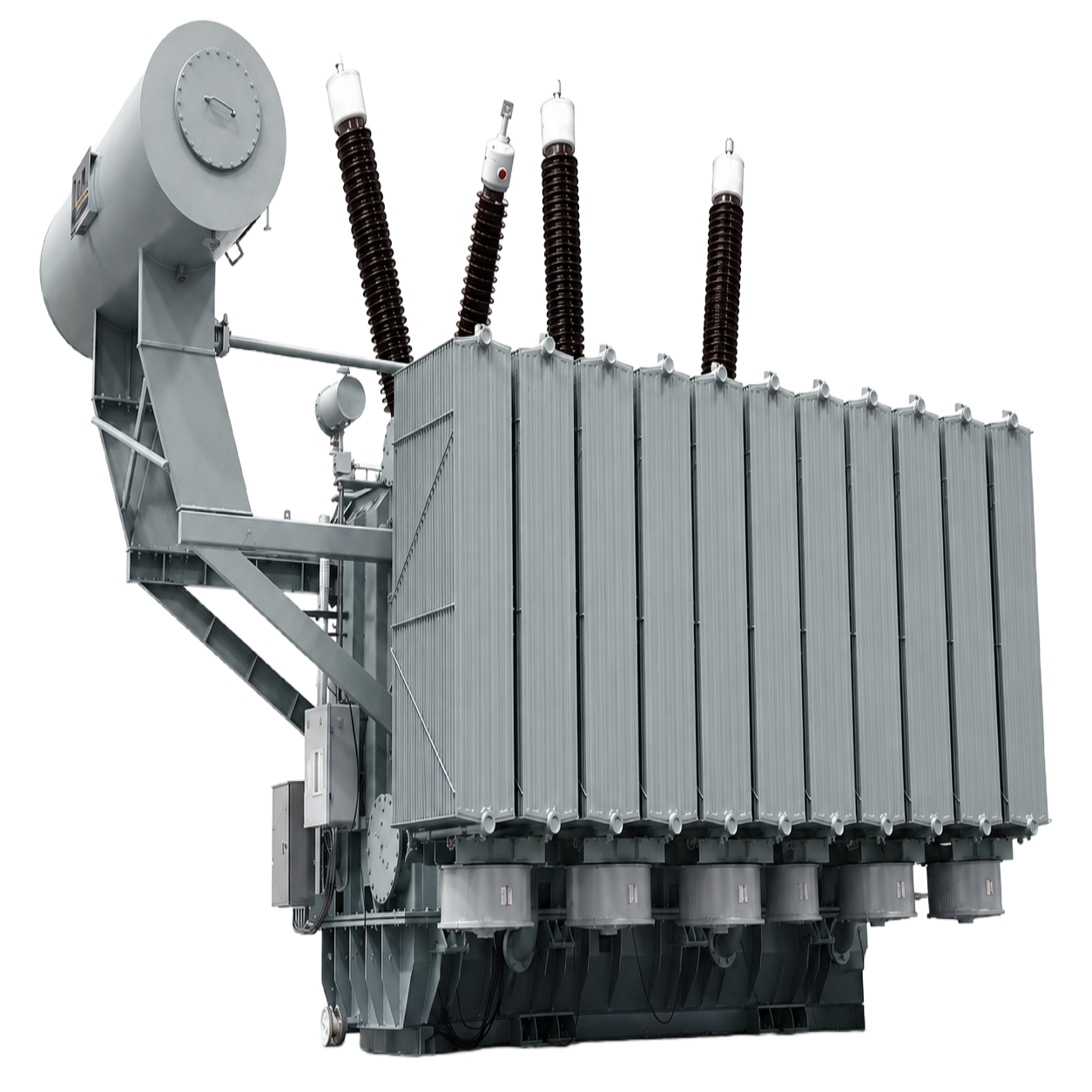
Why 220 kV Transformer Procurement Stalls — And What Removes the Risk
Lead times for large transformers – substation power transformers and generator step-up units alike – now run 120 to 210 weeks, or 2.3 to 4 years, against 30 to 60 weeks before the pandemic. Prices have climbed 60% to 80% on average since January 2020. Both figures come from Wood Mackenzie, reported by POWER magazine in June 2024.
This is the asset that ties a generation or industrial site to the power grid. When it slips, nothing downstream of it can energise – the power system waits, the power distribution build-out waits, and the commissioning date moves with it.
220 kV
Talite 110/220 kV Power Transformer Range — 5 to 100 MVA
Talite covers the 110 kV to 220 kv voltage classes with rated capacities from 5 MVA to 100 MVA, for power plant step-up stations, substation hubs, large industrial parks, mining and metallurgy plants, and petrochemical refineries. Every unit is engineered to iec 60076 and GB/T 6451.
Specifying the wrong voltage combination is an expensive mistake at this scale, because a 220/33 kV unit cannot be re-tapped into a 220/11 kV duty once the windings are wound. The delay to replace it runs 2 to 4 years at current industry lead times, and the short-circuit impedance of 10.5% has to match the rest of the substation for parallel operation to work at all.
Typical frequency is 50Hz; 60Hz are supplied to those markets that require it and the difference has to be fixed at enquiry not at production. In practice, this is by far the single commonest source of re-quotation on an export application.
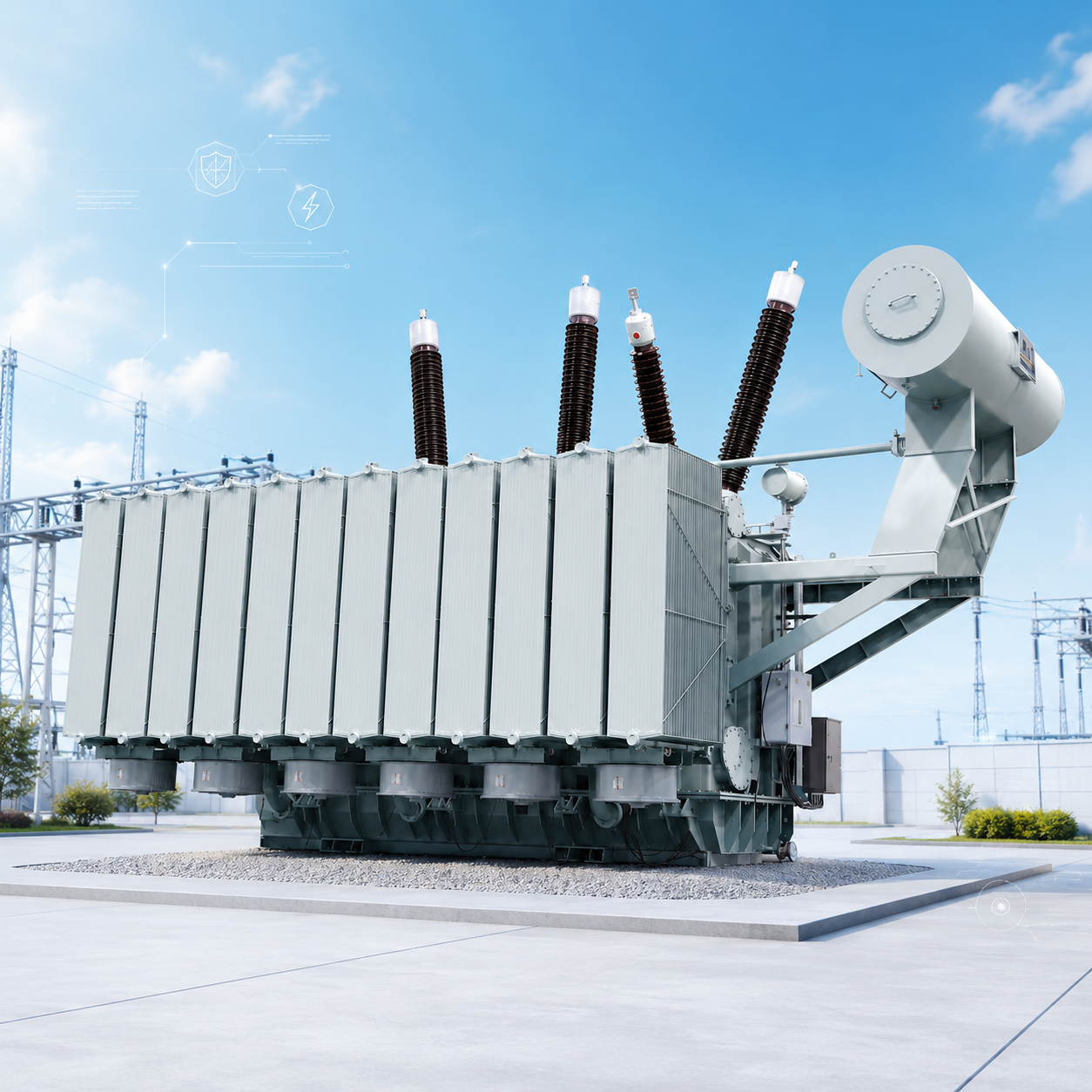
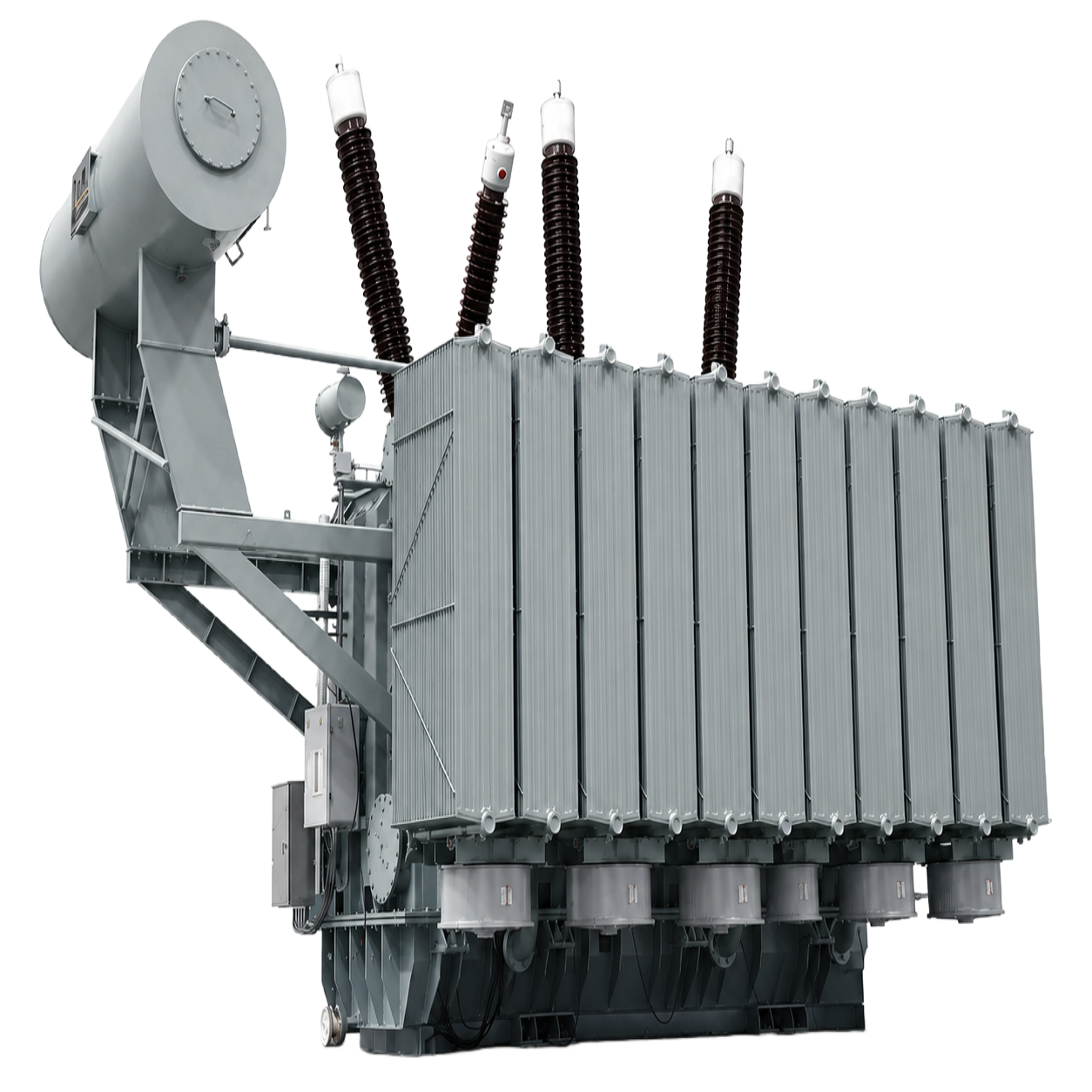
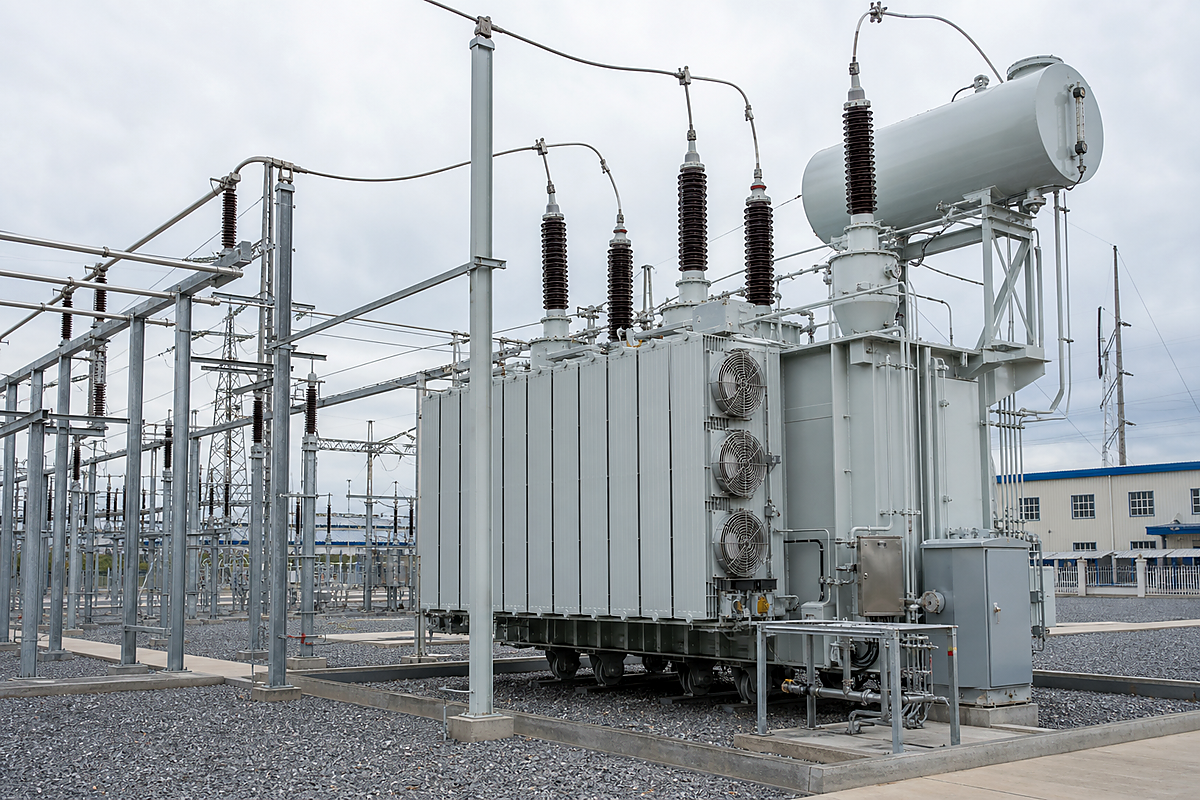
220 kV Low-Loss Power Transformer
100 MVA · 220 kV
- Step-up or step-down duty, switched to suit grid operation
- Differential protection, overcurrent protection, over-temperature alarm and trip
- Oil level monitoring and pressure relief device
- no-load and load losses designed below the national energy-efficiency requirement
110 kV Extra High Voltage Power Transformer
5 MVA · 110 kV
- Cold-rolled grain-oriented silicon steel core
- All-copper windings
- Lightning impulse withstand, short-circuit withstand, controlled partial discharge
- Regional grid hub substations and heavy-industry supply centres
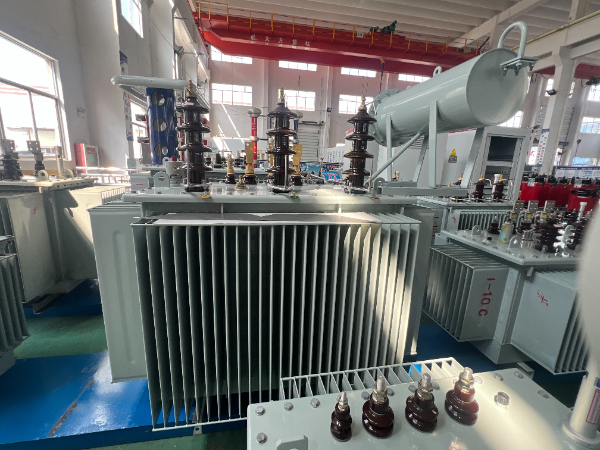
35 kV Oil-Immersed Power Transformer
20,000 kVA · 35 kV
- Regional substations, medium-frequency supply, industrial distribution centres
- Compact tank, low flux leakage, high insulation resistance
- Built to GB/T 6451 and IEC 60076
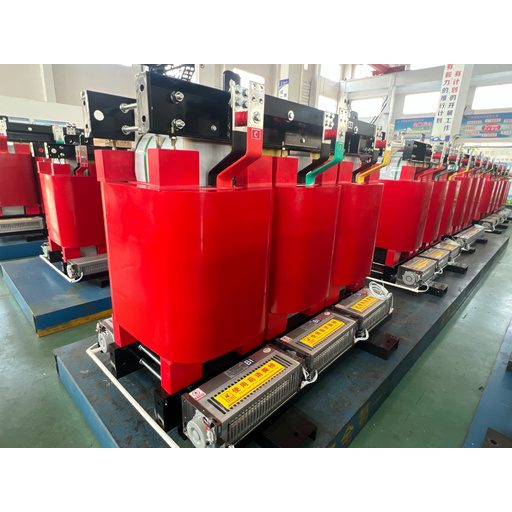
35 kV Dry-Type Power Transformer
3,150 kVA · 35 kV
- Epoxy resin cast insulation, natural or forced air cooling
- For fire-sensitive indoor sites: high-rise, commercial complexes, plant auxiliaries
- Built to GB/T 10228 and IEC 60076-11
220 kV, 230 kV and the voltage combinations behind them
The 220 kv class in IEC terms is the 230 kv class in ansi and IEEE terms, with 220kv and 230kV units being of the same design family, the only differences being the insulation co-ordination and the test standard used. Thus a 220kV transformer specified under IEC and a 230kV transformer specified under ansi are in fact identical machines tested under different conditions.
- All units in this range are three-phase power transformer. A three-phase transformer in Dyn or YNd configuration is the standard, single phase arrangements are engineered on request.
- Feeding a regional distribution network from a transmission substation: 220 kv 33kV the most common step-down power transformer type arrangement.
- Industrial intake and 220 kv substation for bulk power transfer, 220/35kV or 11kV.
- Regional hub duty where a step-down transformer holds a steady voltage under conditions of load variation, 110/35/10.5kV.
- Step-up for thermal, hydro and sustainable power generation facilities, generator voltage 110/220 kv.
- An on-load tap changer provides voltage regulation under load – important wherever the power flow reverses during the day. MVA Ratings are to the standard IEC steps, so a 31,500kVA transformer would be possible to parallel with the adjacent power rated units without an external series reactor.
Which configuration your duty points to
| Your duty | Voltage combination | Typical capacity | Cooling | Tap changing |
|---|---|---|---|---|
| Transmission interconnection / bulk supply | 220 kV → 35 / 11 kV | 31.5–100 MVA | ONAN / ONAF | On-load tap changer |
| Generator step-up, thermal or hydro | Generator voltage → 110 / 220 kV | 20–100 MVA | ONAN / ONAF | Off-circuit tap changer |
| Wind or solar plant step-up to grid | 35 kV → 110 / 220 kV | 20–63 MVA | ONAN / ONAF | On-load tap changer |
| Regional grid hub substation | 110 kV → 35 / 10.5 kV | 5–40 MVA | ONAN | On-load tap changer |
| Industrial park or refinery intake | 110 / 220 kV → 10.5 kV | 10–50 MVA | ONAN / ONAF | Off-circuit tap changer |
ONAN=OIL NATURAL, AIR NATURAL. ONAF=OIL NATURAL, AIR FORCED. cooling method and tapchanger details are per customer requirements.
What 20 Years of Losses Actually Cost
Economic Optimization
A transformer with the lowest loss isn’t always the lowest-cost transformer. The US Department of Energy’s standards analysis demonstrated, quite starkly, that “there was not a one-to-one correspondence between the lowest-cost transformers and the transformers with the lowest loss”. Driving down no-load loss requires a massive, expensive core-and eventually, the extra cost outweighs the energy saved.
There is an economically optimum transformer (or set of transformers) and the optimal parameters will change depending on the electricity rate, interest/discount rate and expected operating load of the transformer(s). Loss capitalisation is the term that the utilities have used for decades to determine that sweet spot.
United for Efficiency, a UN Environment Programme-backed organization which produces the procurement guides which form the basis of this process, suggest lifetime loss cost can be up to four times the purchasing cost of the transformer.
The 20-Year Model
Total Cost of Ownership Formula
TCO = Purchase Price + (A no-load loss) + (B load loss)- No-load loss is on 24/7/365, irrespective of whether it’s handling load – so a-factor capitalises the time on the job.
- load loss varies with the square of the load, so b-factor captures both the loading regime and the electricity price.
USD 8,208
The additional 10% above minimum for no-load loss alone on one 31,500 kVA unit costs you: 3.35kW @ US$2,450/kW; even before the units have arrived.
Why the loading profile decides which unit is right
These two figures are mutually tradeable; pushing one to your advantage tends to disadvantage you on the other – so your choice depends heavily on how you will be using the transformer in practice.
Buyers submit capacity and ratio and ask for a price… The cheapest transformers to own always come with detailed loading and loss-evaluation information as well, because we can shift our copper versus core designs, rather than guessing at the specification.
| Average loading | Which loss dominates lifetime cost | What to prioritise in the specification |
|---|---|---|
| Below 30% | No-load loss | Tight no-load loss guarantee; accept a higher load-loss figure |
| 30% to 60% | Balanced | State both A and B factors and let the design be evaluated on total |
| Above 60% | Load loss | Tight load-loss guarantee; larger conductor cross-section |
220 kV vs 110 kV vs 35 kV — Where Each Voltage Class Pays Off
voltage class is more of a question of design distance and capacity, before it ever becomes a cost issue. Moving one class up usually reduces your current (and therefore line losses, which fall as the square of current), but it costs you insulation, clearance, switchgear, bushing, all at both ends.
A poor class decision is expensive in practice because you generally can’t correct it for 2 or 4 years. Your design decision needs to be on initial distance and load-density before the substation layout is decided.
Advantages of 220kV
One export point instead of several
a single 100 MVA unit replaces multiple lower-voltage feeders, cutting switchgear count and land take.
Lower transmission loss
higher voltage means lower current for the same power supply, so conductor loss over the run drops sharply.
grid-code headroom
transmission-connected plants generally carry reactive-power obligations that a 220 kv unit meets without added equipment.
| Parameter | 35 kV class | 110 kV class | 220 kV class |
|---|---|---|---|
| Talite capacity range | up to 31.5 MVA | 5–63 MVA | up to 100 MVA |
| Typical no-load loss at 20 MVA | 14.4 kW | 24.0 kW | 24.0 kW |
| Typical load loss at 20 MVA | 79.5 kW | 91.7 kW | 91.7 kW |
| Short-circuit impedance | 6.5–10% | 10.5% | 10.5% |
| Total mass at 20 MVA | approx. 30 t | 39.8 t | 39.8 t |
| Economic transmission distance | under 30 km | 50–150 km | 150–300 km |
| Typical role | Industrial distribution, medium-frequency supply | Regional grid hub, plant intake | Transmission interconnection, bulk supply, plant step-up |
Note: 35kV figures based on Talite SF11-20000/35 works data 110kV Fosiker figures are for Kotibes rating based on table above Economic distance bands are standard design conventions and vary depending on load density and conductor material.
Types of transformer substation are mapped onto these classes directly; transmission substations at 220 kv, bulk-supply substations at 110 kV, and distribution substations at 35 kV and below.
Where 220 kV is sensible
Generator step-up
a generator step-up transformer takes 11-20 kV machine output up to transmission voltage and then runs at or near full load continuously.
renewable energy
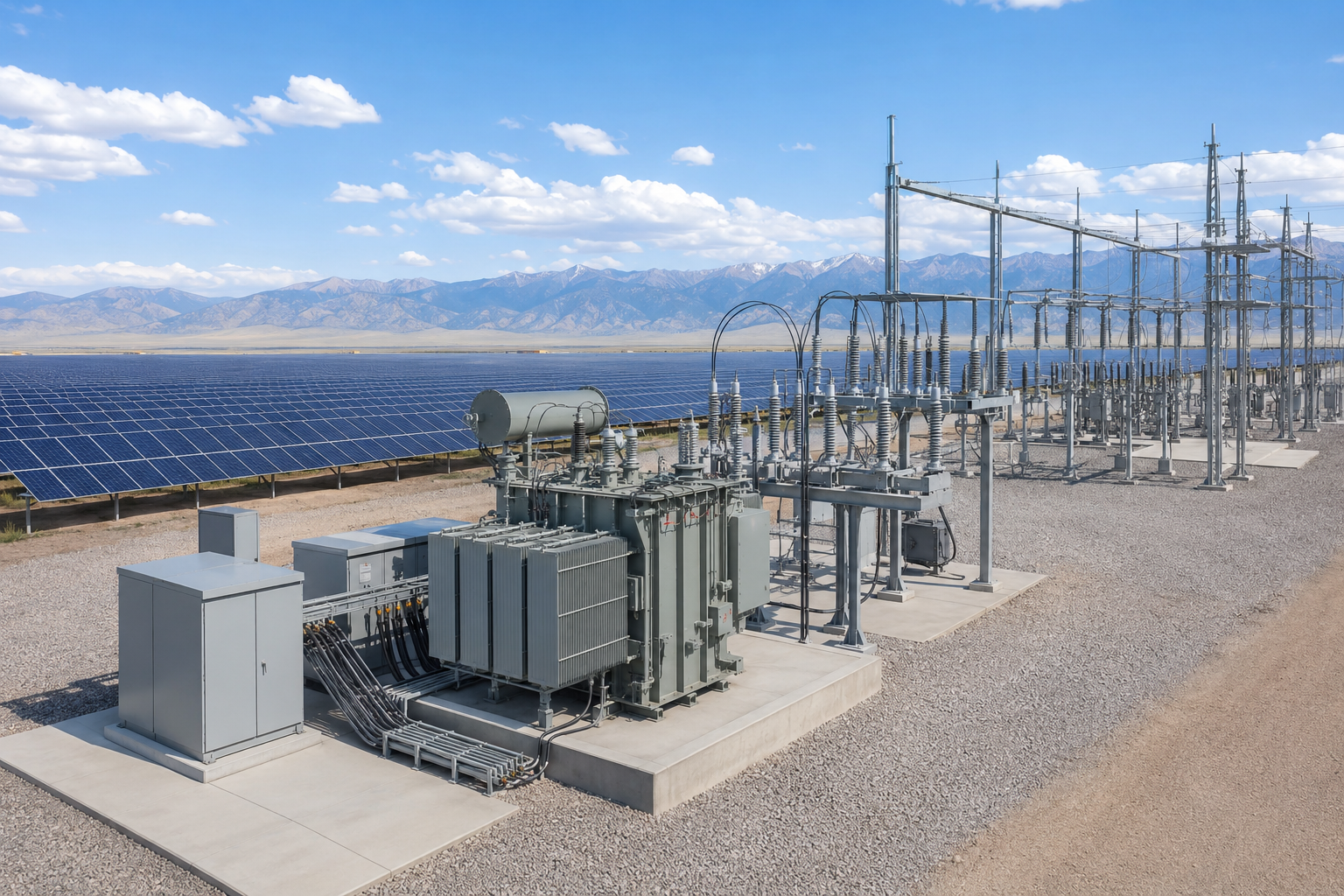
wind and solar plants collect at 35 kV and step up to 110 or 220 kv for grid connection, making the step-up transformer the single point of export.
interconnection
where two networks at different voltage levels are tied together, a 220 kv power transformer with an on-load tap changer holds the voltage ratio stable.
Long-distance
raising voltage cuts current, and line loss falls with the square of current – the whole economic argument for stepping up.
Engineering Conclusion
Below roughly 150 km and 40 MVA, the extra insulation and switchgear cost of the 220 kv class stops paying for itself and the 110 kV class is the better economic fit. That threshold is where most of the genuine selection arguments happen.
GSU transformer specifications sit apart from the rest of this table in one respect: a generator step-up unit runs at or near full load around the clock, whereas a grid interconnection transformer follows the daily load curve.
Choosing a 220 kV Power Transformer Manufacturer
In 2019, for example, 80% of new power transformers in the United States were imported according to Commodity Dept figures reported by POWER magazine. It’s standard to buy your transmission-class transformer internationally; then it’s a function of what quality inspections you require, not where the factory is.
These seven go against any power transformer supplier and factory anywhere, us included. Execute them prior to finalizing your shortlist.
You may have noticed the omission of “number of years in business,” factory photographs and all-encompassing claims of “high quality.” These have zero predictive power. The choice is between a familiar brand and an indisputable contract; one of these is measurable.
If they are a large power transformer manufacturer what differentiates the one that will pass due diligence is the one which has documents to prove its claims, rather than a reputation as the one. This, to the buyer at site, means, for instance, to have an accredited type test certificate for an identical rating, a contractual statement that tolerance shall be at x pC, and that the tap changer model specified in the contract has already been ordered.
Require more detail on these seven selection points and want these to form a scoring system for your supplier selection process? Then ask for our custom supplier evaluation sheet.
How Talite
answers each
of the seven
— Engineering & Compliance
To guarantee to meet the losses against the works figure set above with allowance contractually set to your requirements, a manufacturer will likely offer type, factory and third party testing services. It is normal for winding to be all copper for 110kV, for the 220 kv ranges and then only when specifically requested on 400kV designs and using cold-rolled grain-oriented silicon steel cores. The 30+ engineering staff should work to your drawings for non-standard capacity and ratio, as well as for all terminal configurations.
Compliance against both iec 60076 and GB/T 6451 shall be the standard designs, with ansi/IEEE C57 practice being employed when required for the destination. Designs that deviate from standard series, such as multi-winding, tertiary or special impedance units, should be provided on an engineered basis and not merely catalogue-driven substitution.
Certification Routing by Destination Market
A unit that meets every electrical specification for its duty, can, nonetheless, remain at the quayside, if just one conforming document is missing. Rely on the Destination-Market Certification Routing Matrix shown below. Your certification requirement is driven by the destination market; not by the product type. For a growing number of markets, it will actually drive the imports documentation itself – not merely the customs release from that destination.
| Destination | Conformity requirement | Document that clears customs | Watch out for |
|---|---|---|---|
| European Union | CE marking; Ecodesign Regulation (EU) 548/2014 as amended by 2019/1783 sets a minimum Peak Efficiency Index; RoHS and REACH | EU Declaration of Conformity (DoC) | Tier 2 efficiency has applied since 1 July 2021. State the required PEI in the enquiry — it is a design input, not a catalogue default. |
| United States & Canada | ANSI/IEEE C57 series design and test practice; UL / cULus where applicable; CSA for Canada | Test reports and certificate of origin | IEEE and IEC differ on temperature-rise basis and on which tests are routine. Fix the standard in the specification. |
| Saudi Arabia | SASO technical regulations; registration on the SABER platform; SASO IECEE Recognition route for electrical products | Product Certificate of Conformity (PCoC) plus a Shipment Certificate of Conformity (SCoC) for every consignment | The SCoC is per shipment and cannot be reused. No SCoC, no clearance. |
| Nigeria | SONCAP, administered by the Standards Organisation of Nigeria, under Route A, B or C | Product Certificate 1, 2 or 3, then the SONCAP Certificate | The Product Certificate is required to open Form M — so it has to exist before the import documentation starts, not before shipment. |
| Australia & New Zealand | Electrical equipment safety framework; RCM marking, SAA approval route | Supplier declaration and RCM registration evidence | Responsible-supplier registration sits with the importer; confirm who holds it. |
| Wider Middle East, Africa, South America | IEC 60076 series compliance plus a pre-shipment conformity assessment | Certificate of Conformity (CoC) issued by the appointed inspection body | Inspection is usually pre-shipment. Book it into the programme or it becomes the last-minute delay. |
The inherent compromise in this table is between the lead time for certification and the risk associated with shipment. As opposed to the electrical specification characteristics which are confirmed once and for all at design phase, the conformity, however, remains a shipment-level obligation in several of the markets listed below. Indeed, failure to present a certificate valid at the time of loading will more commonly result in demurrage charges being incurred than a technical non-conformity.
The EU efficiency threshold you have to name in the enquiry
Using Commission Regulation (EU) 2019/1783 to establish minimum standards, minimum Peak Efficiency Index ratings have been set for liquid-immersed large power transformers, on a rating-by-rating basis. The Tier 2 requirements which have been applicable since 1 July 2019 have now been set at these new levels for this year:
| Rated power | Tier 1 minimum PEI (from 1.7.2015) | Tier 2 minimum PEI (from 1.7.2021) |
|---|---|---|
| 6.3 MVA | 99.510% | 99.571% |
| 10 MVA | 99.560% | 99.615% |
| 20 MVA | 99.639% | 99.684% |
| 31.5 MVA | 99.671% | 99.712% |
| 50 MVA | 99.696% | 99.734% |
| 63 MVA | 99.709% | 99.745% |
| 100 MVA | 99.737% | 99.770% |
Source: Commission Regulation (EU) 2019/1783, Annex I, Table I.7 . EU-bound orders shall be designated to the loss class as confirmed in the order document. Catalog loss values correspond to iec 60076 and GB/T 6451 loss classes and do not automatically correspond to a Tier 2 PEI. You must specify the target PEI in any EU-bound inquiry.
Global Management & Technical Standards
ISO 9001
Quality management
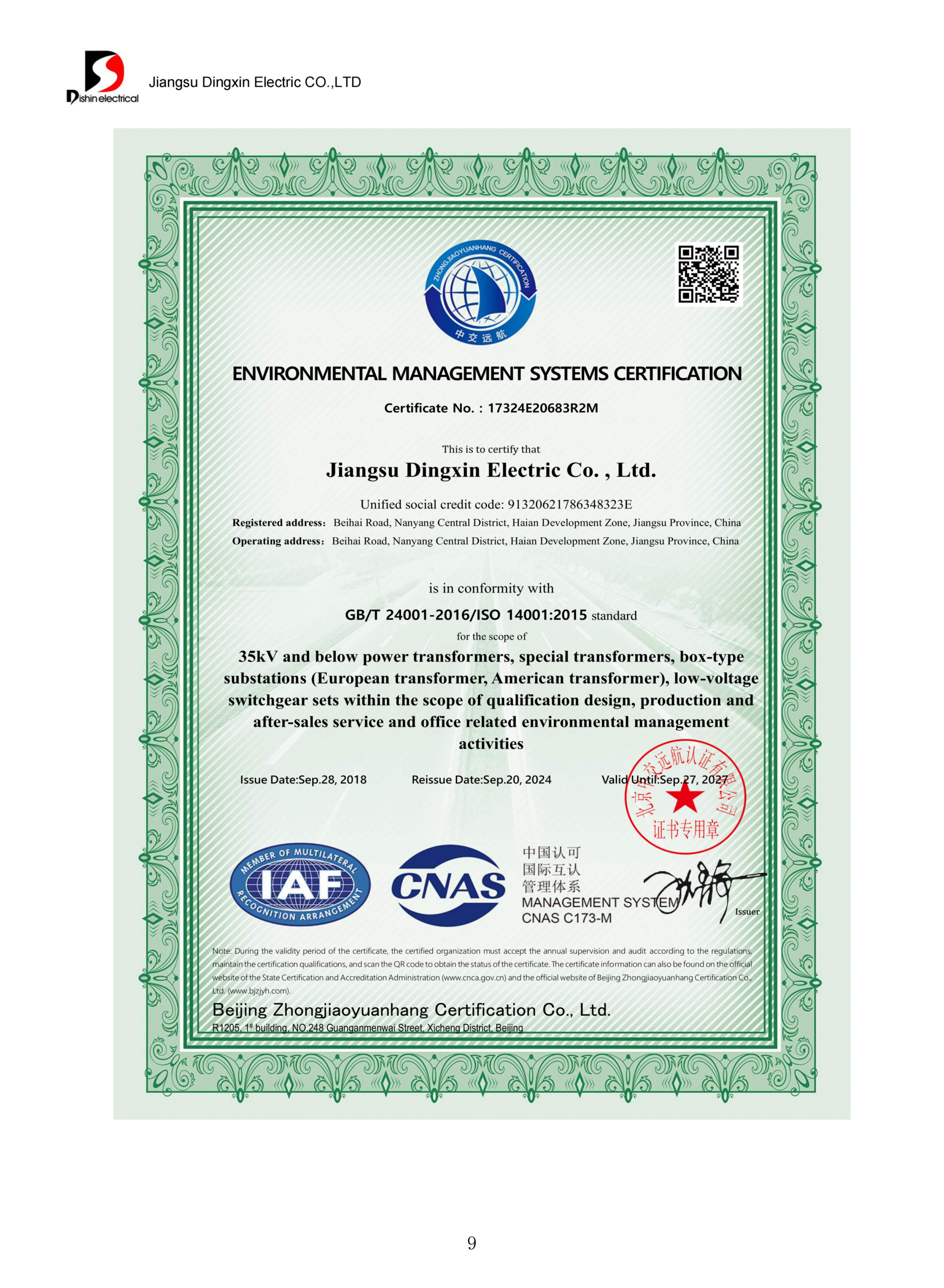
ISO 14001
Environmental management
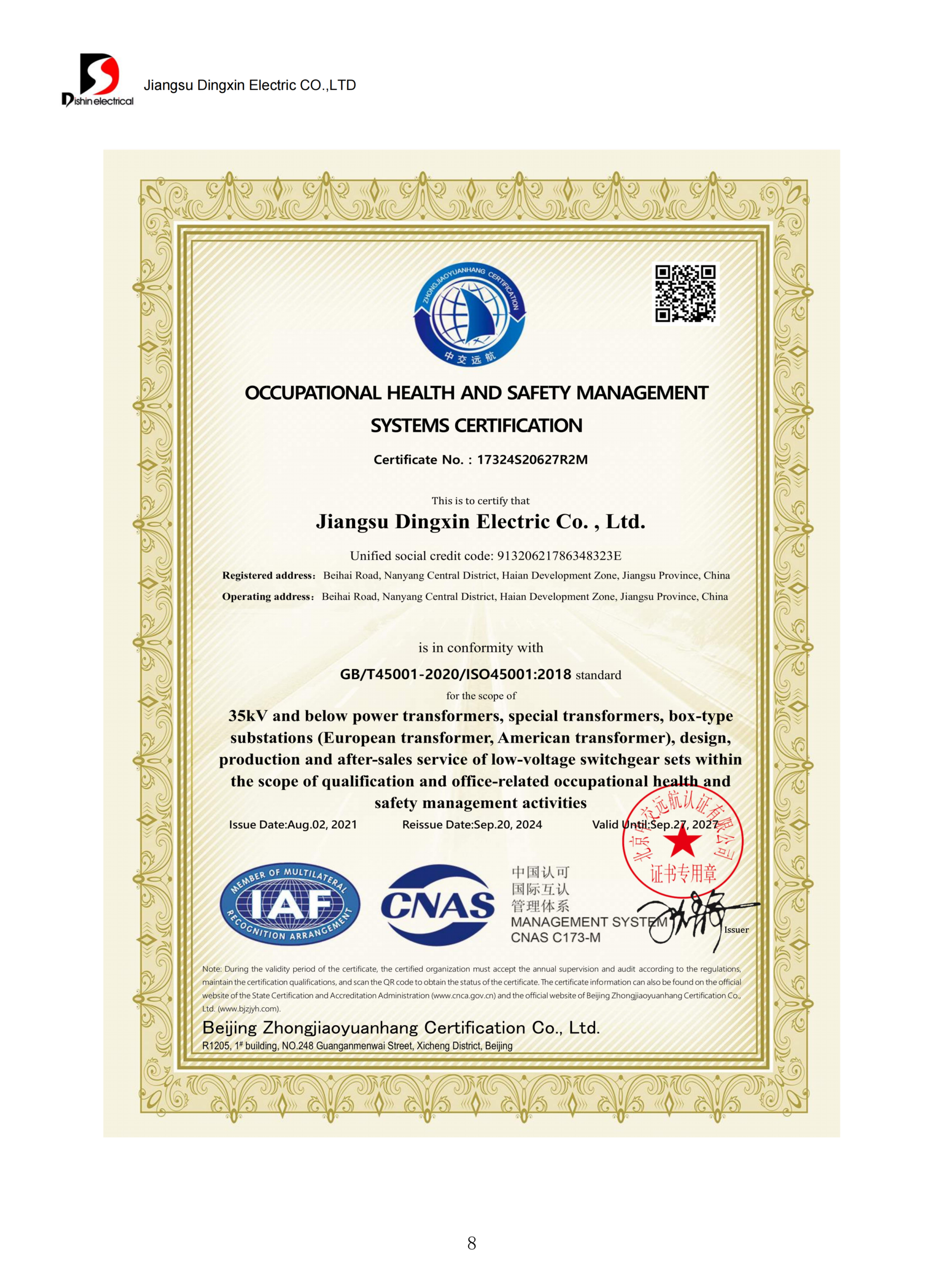
ISO 45001
Occupational health & safety
ISO 19011
Management system auditing
CCC
China Compulsory Certification
IEC 60076
Design and test basis
GB/T 6451
Oil-immersed power transformers
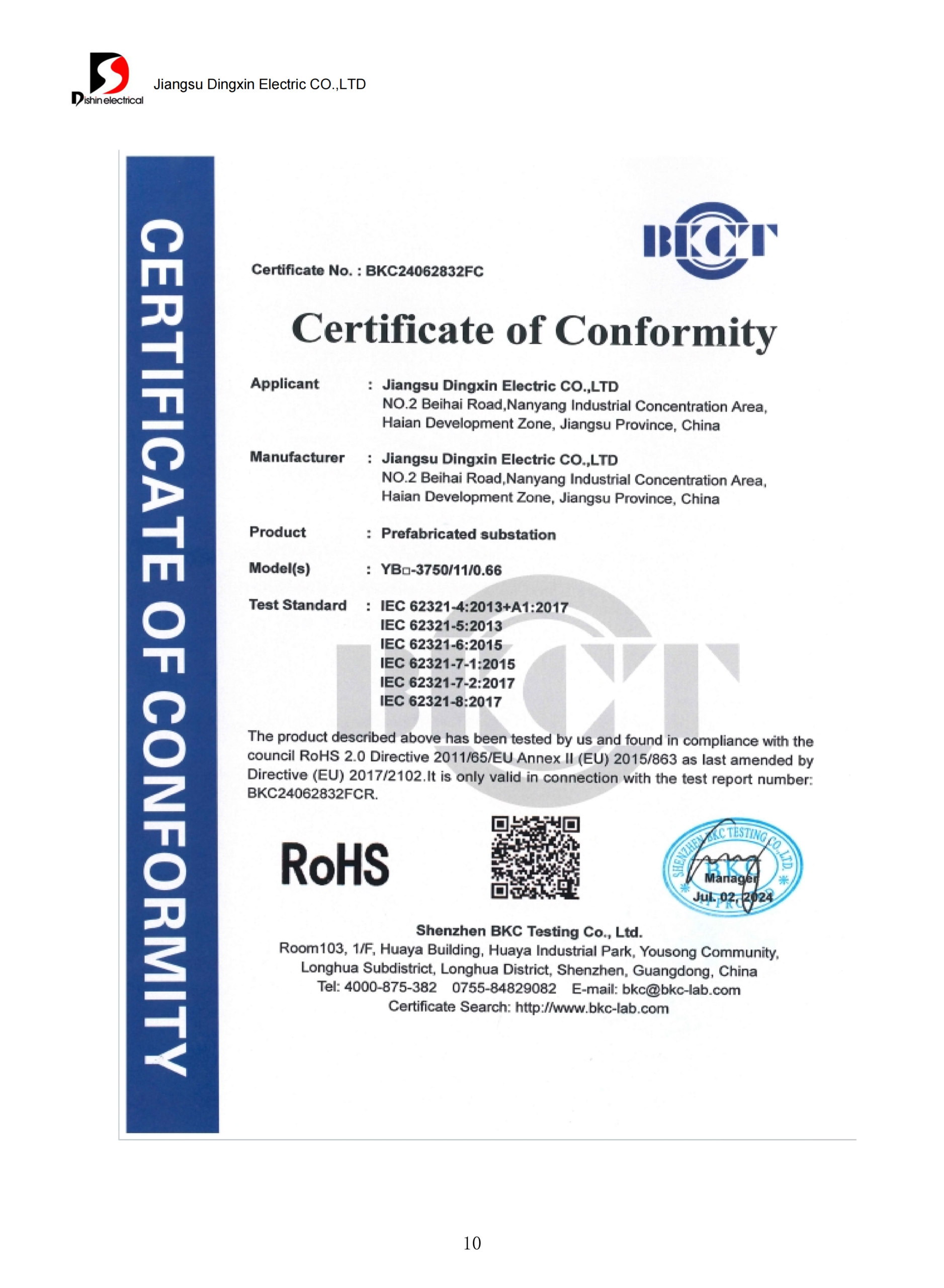
RoHS
Restricted substances
Unsure which documents will be required for clearance at your country of entry?
Please Consult the Destination-Market Certification Routing Matrix or Contact Our compliance desk for expert guidance.
Please Consult the Destination-Market Certification Routing Matrix or Contact Our compliance desk for expert guidance.
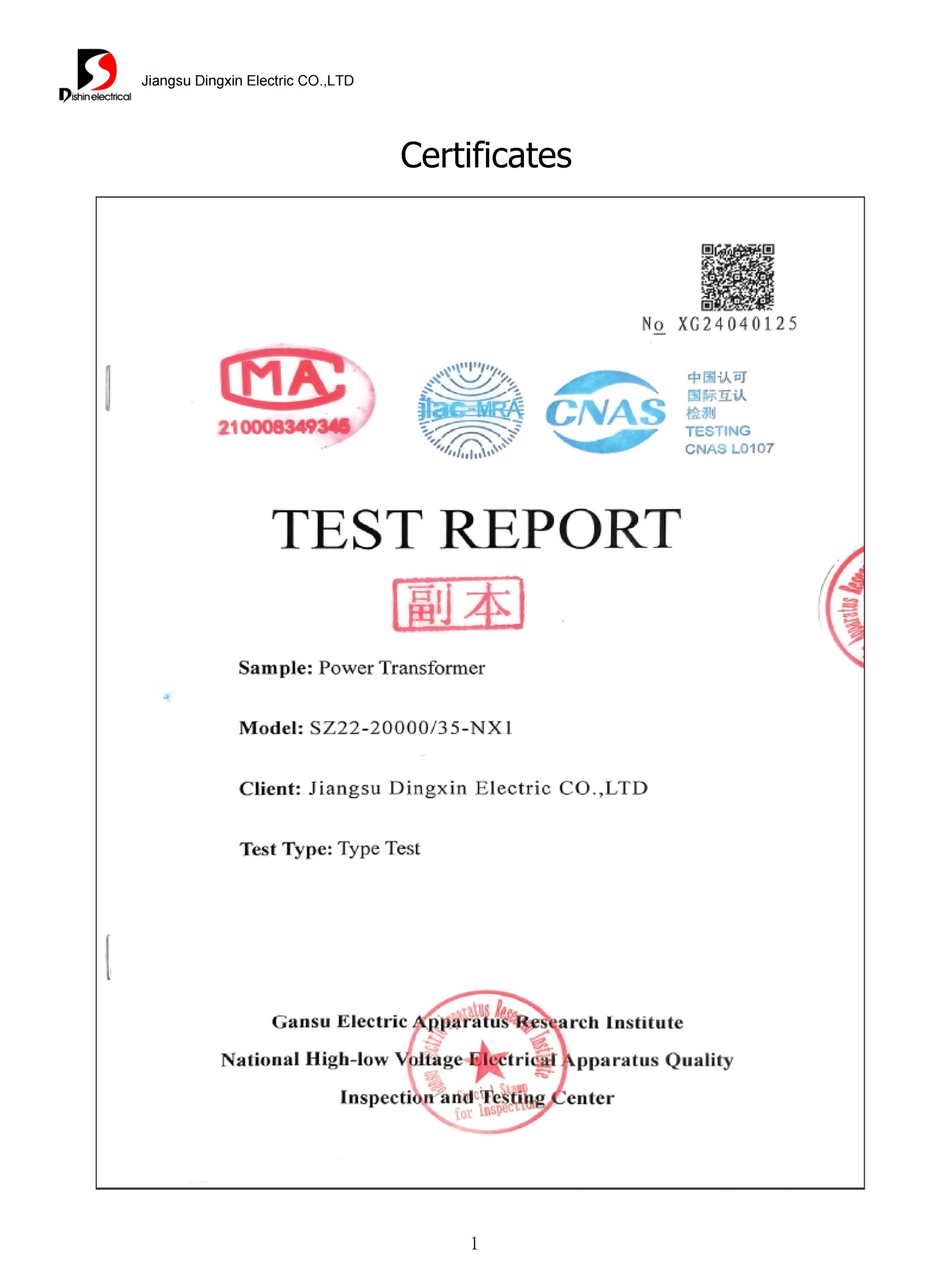
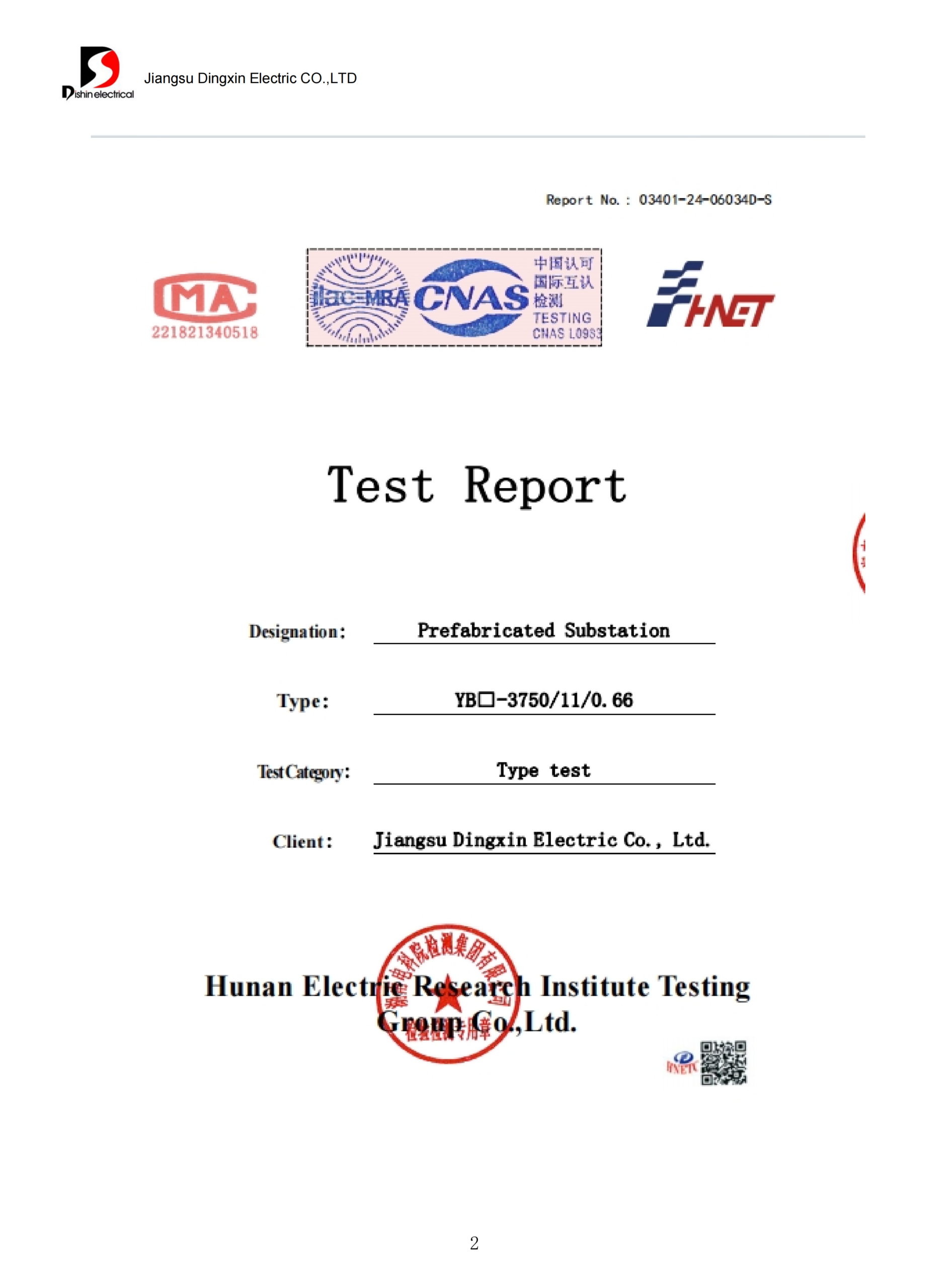
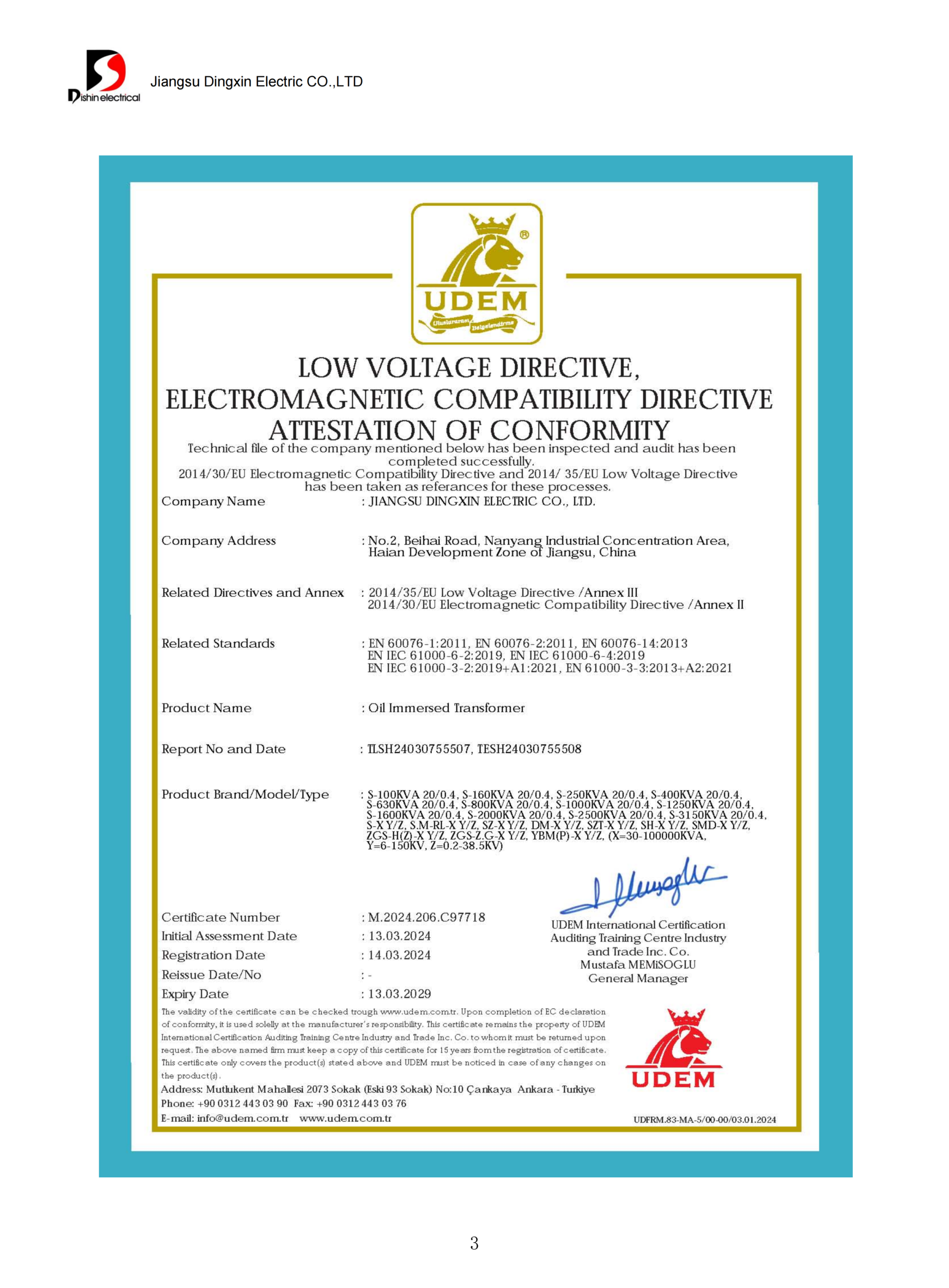
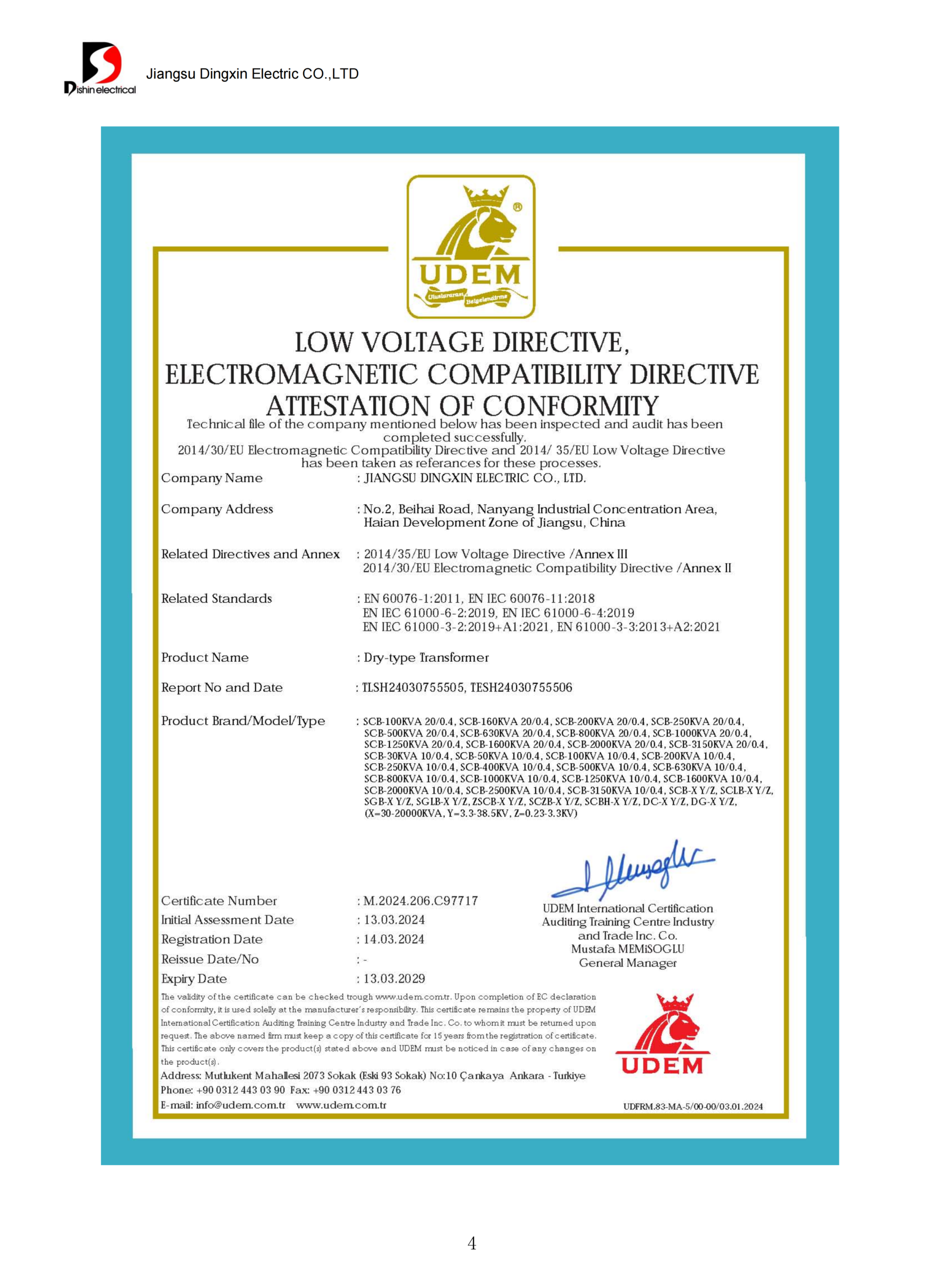
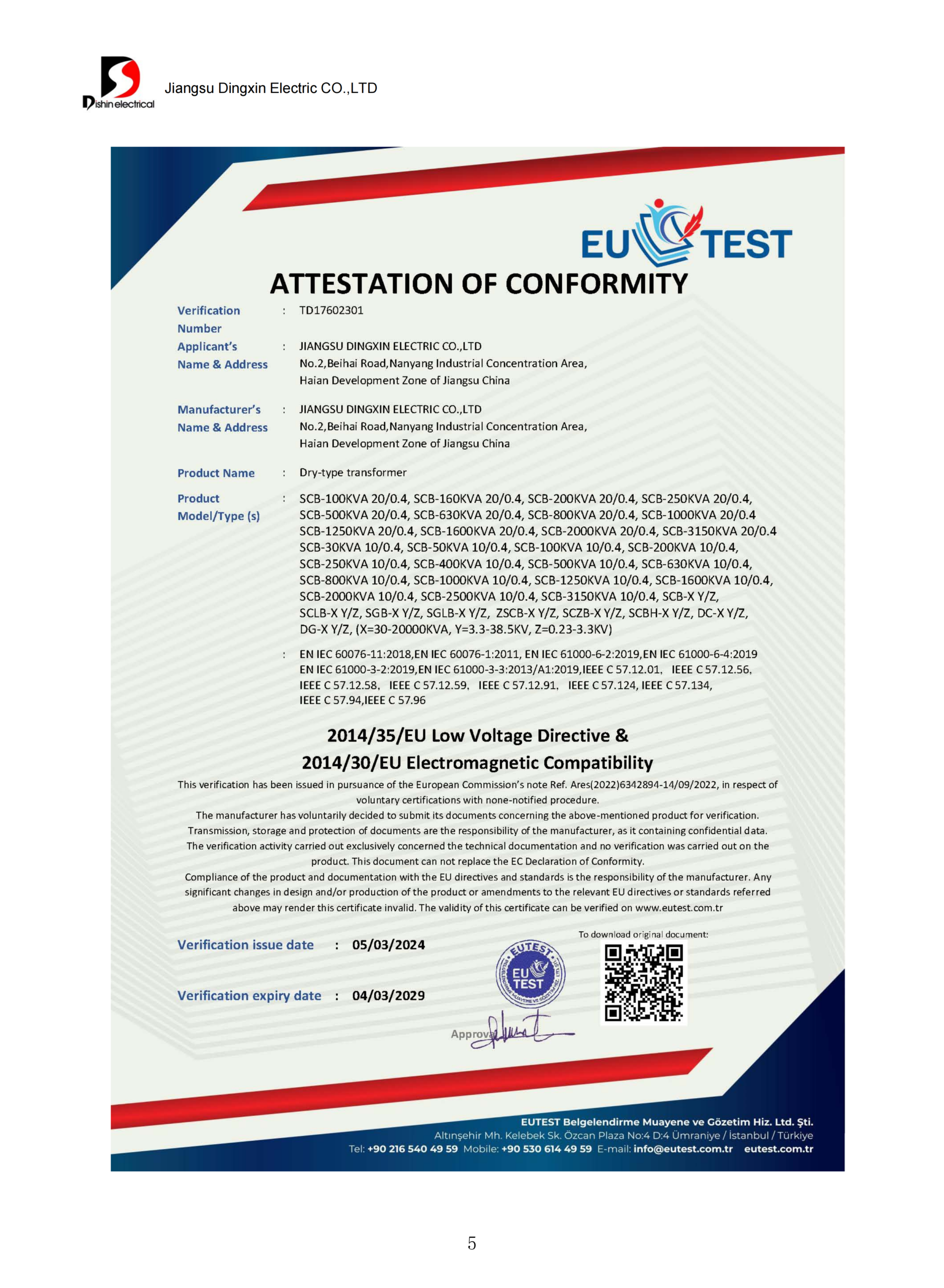
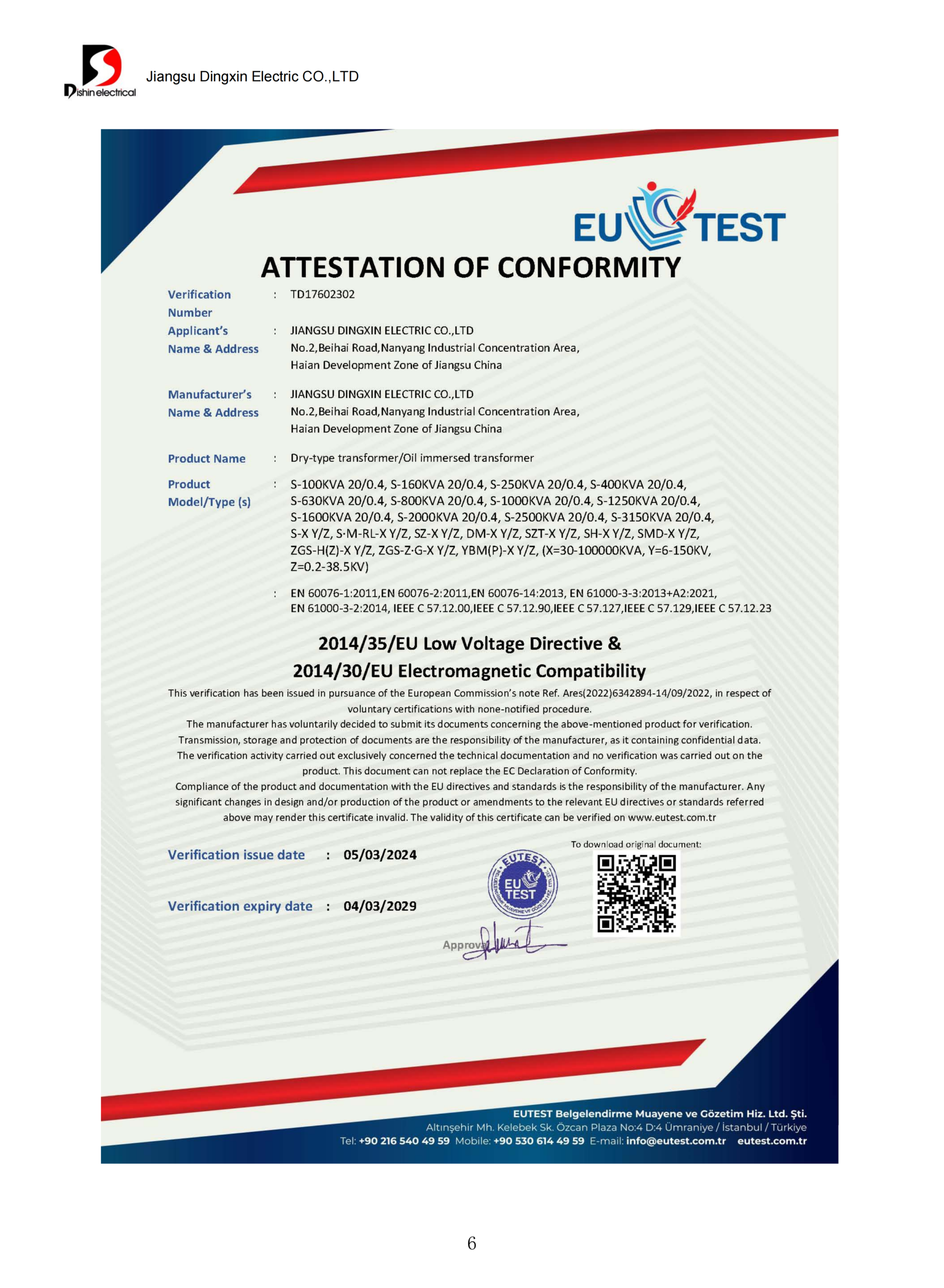
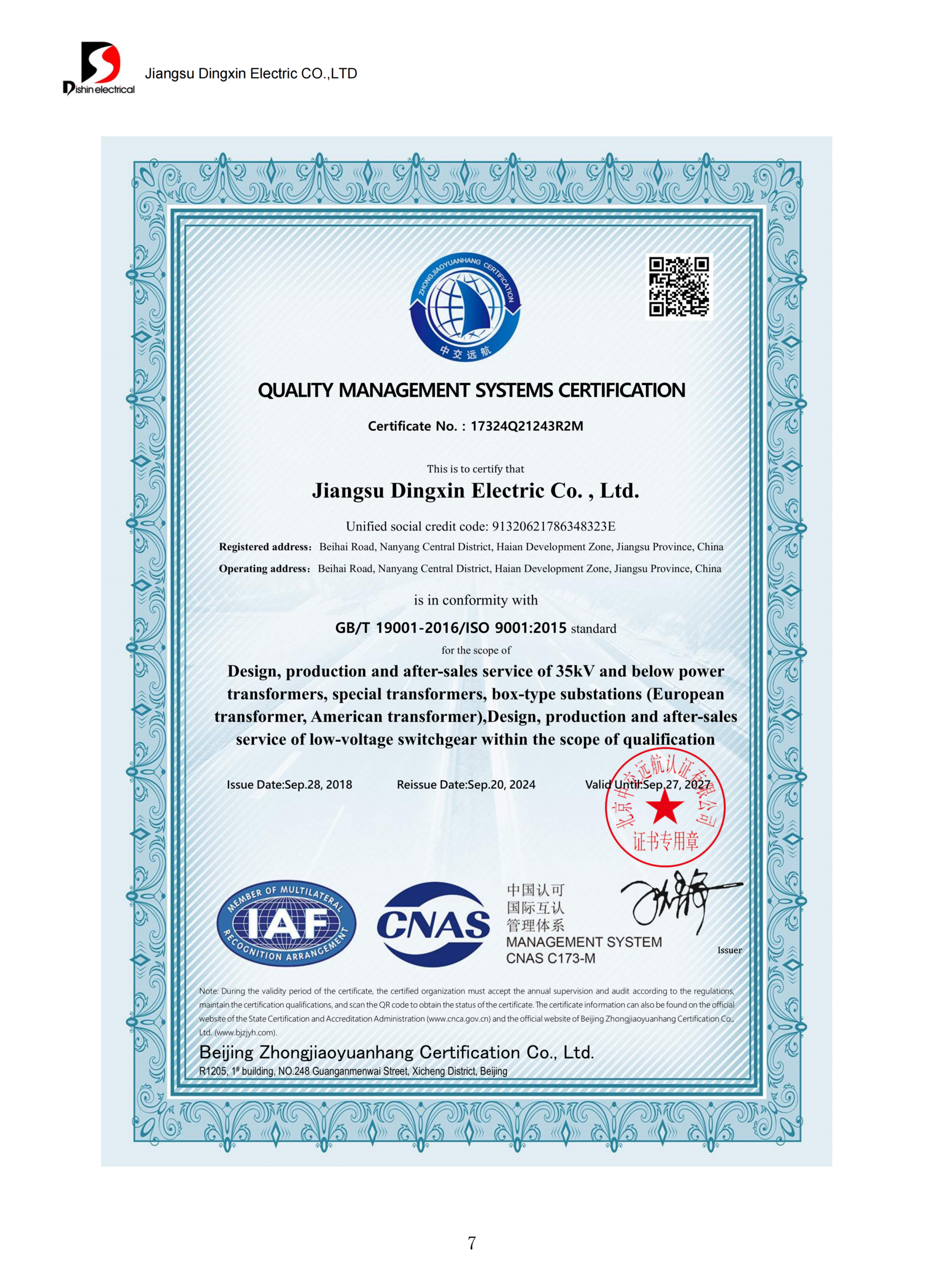
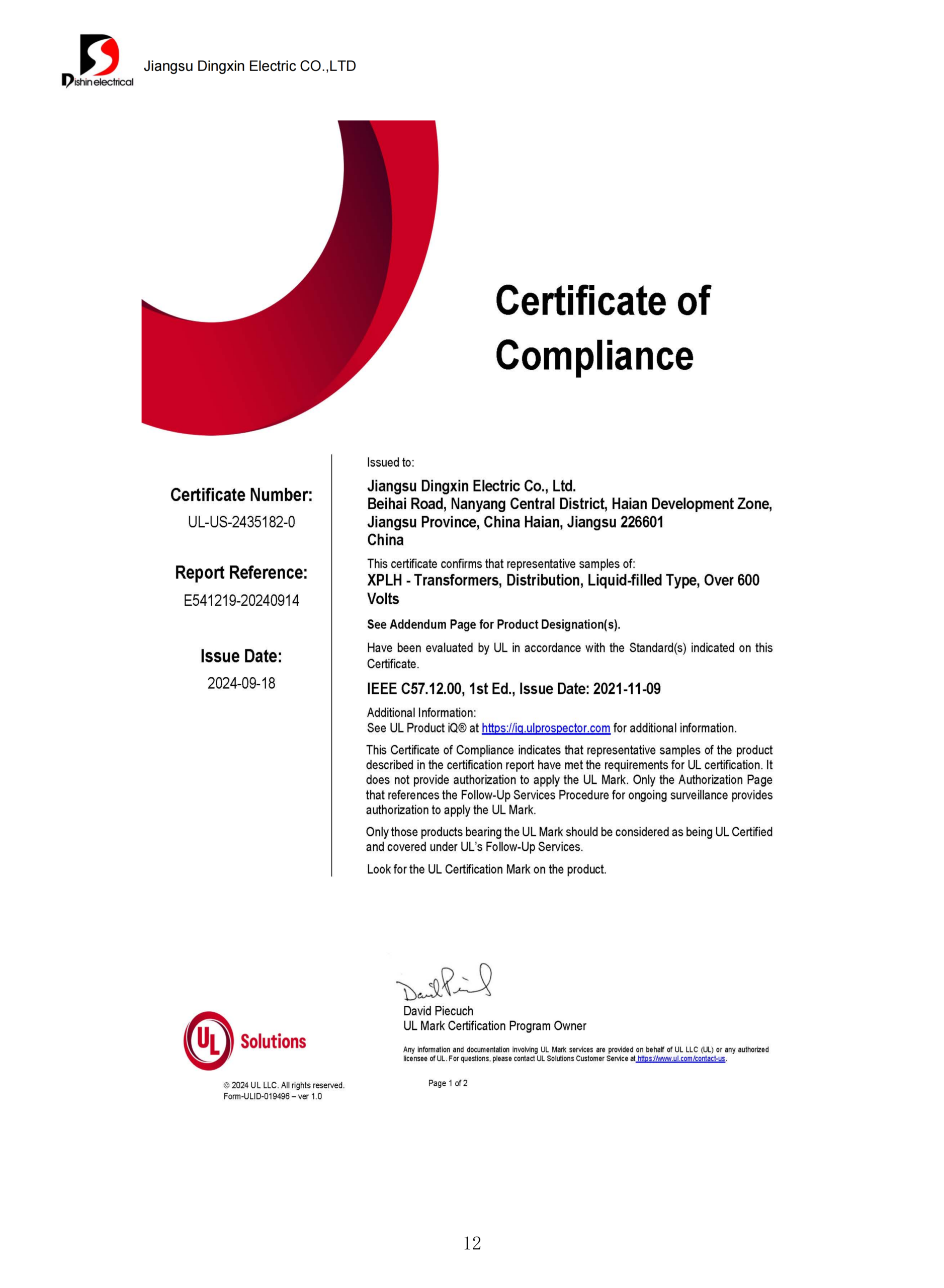
Company Certifications
220 kV Power Transformer Engineering Tools
01
20-Year Loss Capitalisation Calculator
Turns guaranteed no-load and load loss into present-value money, using the IEC / United for Efficiency total-cost-of-ownership method.
02
Rating, Mass & Transport Selector
Pick the duty and the tool returns the matching Talite rating with its guaranteed losses, overall dimensions, total mass and the transport constraints that follow from them.
03
8-Field RFQ Input Builder
Fill the eight fields that make a 220 kV quotation comparable between bidders, then copy the specification block into your enquiry.
FAQ
220 kV Power Transformer
Frequently Asked Questions
Find detailed specifications, cost evaluations, and delivery timelines for our high-voltage power transformer solutions.
What does a 220 kV transformer cost?
Trade published figures for large power transformers range from USD few hundred thousand to more than USD 5 million and category prices have increased 60% to 80% on average since January 2020. That range is not ambiguity. It’s what happens to ratings, tap changer type, bushing class, test scope and destination certification as all evolve independently.
A worked example explains. Two 31 500 kVA units with identical nameplates may vary by tens of thousands of US Dollars in acquisition cost and by comparable magnitude in evaluating loss costs-and in opposing directions. That is why the eight RFQ inputs listed below are needed. Enter them, and you get a figure you may compare with another bid’s. Don’t make an assessment on the number that looks cheap. After the analysis begins-you’ll find out the reality: [Contact for quote].
How much does a 220 kV transformer weigh?
For the Talite 110/220 kv series, total mass varies from 21 100 kg for 6 300 kVA units to 71 800 kg for 63 000 kVA units; overall size measures vary from 4540 mm × 4350 mm × 4580 mm to 6970 mm × 5190 mm × 5690 mm respectively. Shipping mass will be less for the following reasons. bushings, radiators, and tank conservators ship separately. The tank is shipped empty but under dry nitrogen. The actual size figures for all kVA ratings can be seen in the table directly above this paragraph.
Which is better at 220 kV, oil-immersed or dry-type?
With 220 kv there is no choice to make, but a fixed requirement. Cast-resin varieties top out far below voltage at this price range. The largest in the Talite range, this dry type, terminates at 3 150 kVA at 35 kV.
What no-load and load losses should I expect?
For the Talite 110/220 kV series, no-load loss runs 10.0 kW at 6,300 kVA to 56.8 kW at 63,000 kVA, and load loss 36.9 kW to 234 kW across the same range. No-load current falls from 0.6% to 0.25% and short-circuit impedance holds at 10.5%. Those are the guaranteed works figures, verified by the no-load loss and load loss routine tests at factory acceptance, and they are what transformer efficiency at your operating point is calculated from.
What is the production and delivery schedule?
The lead times given in these communications reflect independent market knowledge for large power transformers of 120-210 weeks for the sector as a whole; at present they compare to 30-60 weeks at times previous to Jan of 2020. A solitary statistic will not be stated since it would likely be incorrect, resulting in your discovering the information out at the worst possible time.
The actual schedule you can depend on would not be as broad as represented by that span. Most of our deliveries include an on-load tap changer plus bushings on a critical path. Both parts are outsourced to other manufacturing operations that provide them to a limited clientele base, and in our fabrication operations we assign them based on your selections of product; we are not looking at the capacity that our shop faces. With such an arrangement, if three key aspects are settled- Namely, if there exists a set of on-load tap changer, on-load bushings, and the applicable type of test for this unit: then we shall supply you with scheduling in reference to such points.- [Request lead time estimate].
Can the transformer be customised?
Of course – the equipment specified is all fabricated according to the client’s designs including, among others, ratio variations and non-standard capacity, multi-winding configurations, body colour choices, tank materials and terminal arrangements. Talite boasts 22 series, with more than 600 specification models available.
What are the disadvantages of high voltage transformers?
Three, I’m not kidding. The insulation and clearance requirements contribute to cost and physical size, hence the reason why a 220 kvunit is higher in price per MVA than a 35 kV one. Mass and size transform what should be a quick site logistics process into a project of its own in its own right. And then the specialist bushings, tap changers and protection apparatus take lead times with the requirement to incorporate these into the inquiry, not as a change order when the design is set in stone.
Does the design comply with specific standards and certifications?
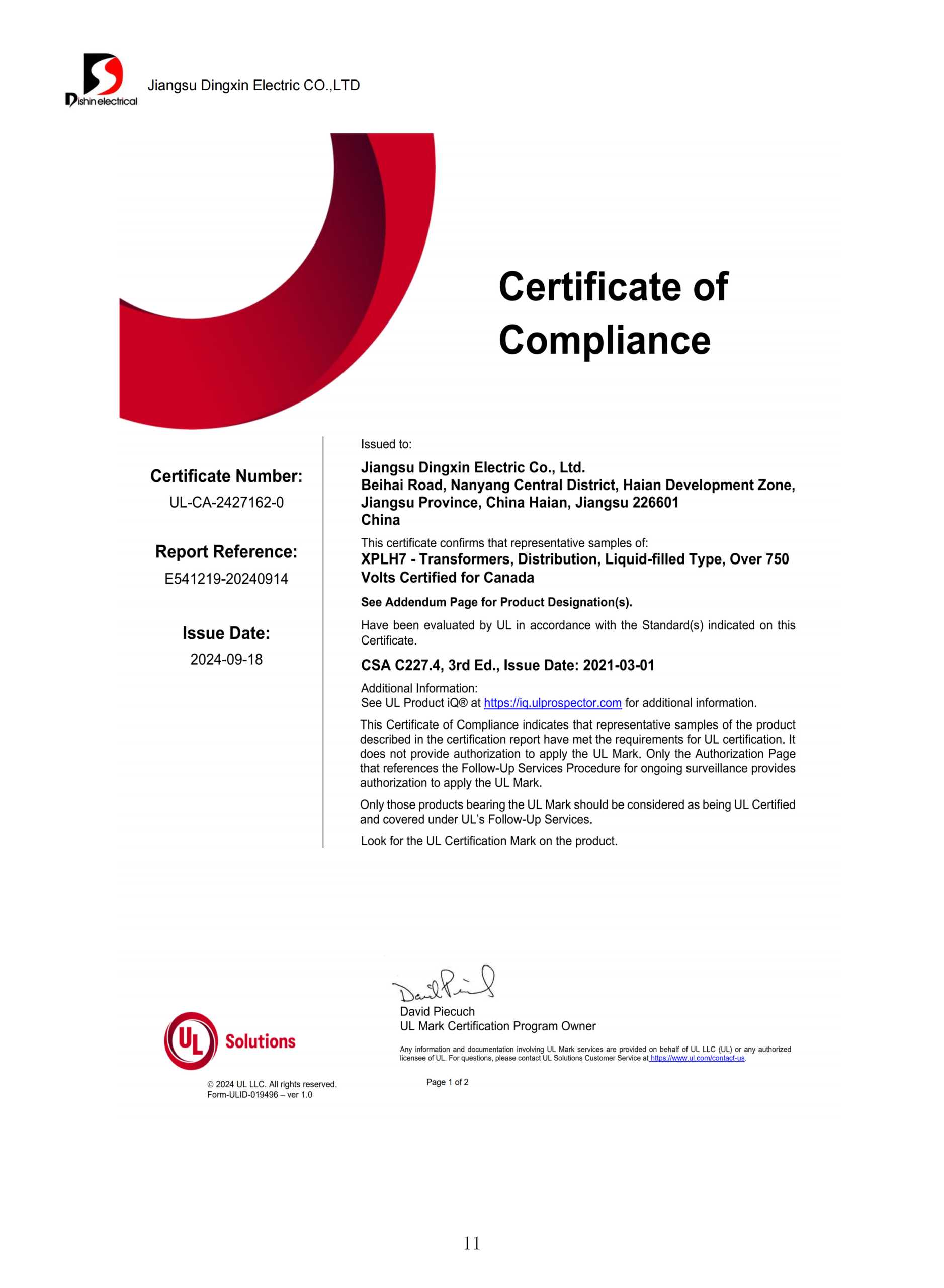
The 110 / 220 kv range is designed and type-tested to iec 60076 and GB / T 6451, with ansi / IEEE C57 practice adopted when required by the destination. Talite is the holder of ISO 9001, ISO 14001, ISO 45001, ISO 19011 management system certification, and CCC, and designs in accordance with UL, cULus, CE, IEC, and RoHS.
Because the terms are frequently confused, two aspects deserve singling out. Management system certification describes how the factory operates, and has nothing to do with a specific unit passing an impulse test. Product compliance at your destination is a separate exercise, with its own documentation requirements, lead times and, at places like Nigeria or Saudi Arabia, gating process for import authorization. The first question can be answered by type tests, FAT and 3rd party inspection; the routing matrix shown above answers the second.
![Pad-Mounted Transformer: How It Works [2026 Guide]](https://toplit-transformer.com/wp-content/uploads/2026/08/pad-mounted-transformer-guide-featured-150x150.png)
![Single Phase Pad Mounted Transformer Guide [2026]](https://toplit-transformer.com/wp-content/uploads/2026/08/single-phase-pad-mounted-transformer-guide-featured-1-150x150.png)