Get in touch with Toplit Transformer Co., Ltd Company

European-Style Compact Substation for 11 kV Distribution Projects
Talite’s European-style compact substation brings high-voltage equipment, a power transformer and low-voltage distribution equipment into one standardized enclosure. Start with our 11 kV, 2000 kVA reference, then close the utility, protection, enclosure and site inputs that turn a reference into a project-ready compact substation.
- 11 kV reference voltage
- 2000 kVA transformer reference
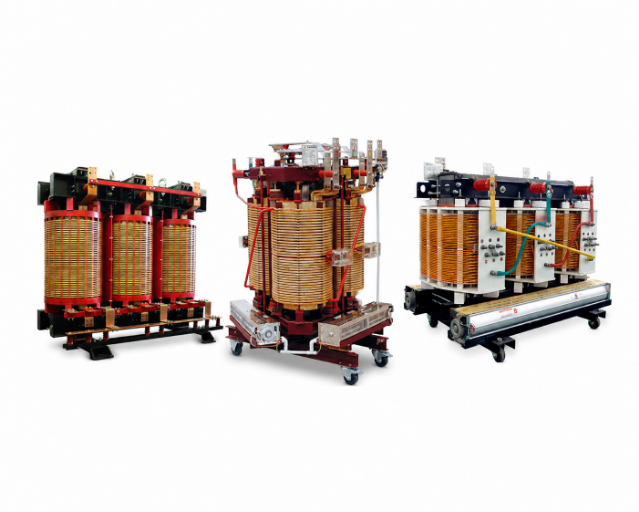
- High-voltage, transformer and low-voltage integration
Reference voltage
11 kV
Reference capacity
2000 kVA
Integrated equipment groups
3: HV, transformer and LV
Send the single-line diagram, load, destination country and site conditions first. Those four items let the technical discussion start in the right place.
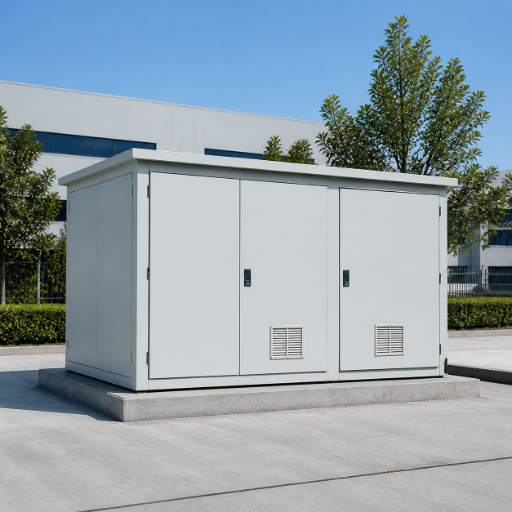
Compact Power Distribution in One Standardized Enclosure
Buyers procure a compact substation transformer as an assembly, not as three unrelated catalog items.[6] Value comes from controlling the electrical and physical handoffs between the high-voltage side, distribution transformer and low-voltage side before the equipment reaches site.
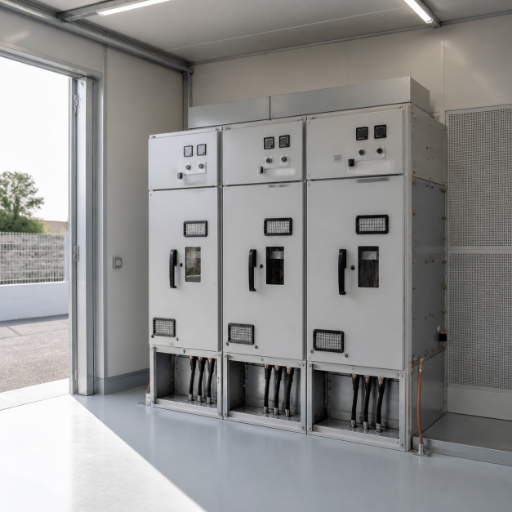
Incoming topology, switchgear duty, protection method, cable interface and utility rules set the boundary for the high-voltage equipment. A circuit breaker, load-break switch or ring main unit cannot be chosen from voltage alone.
Transformer selection links the project load to the voltage transformation, loss, cooling, sound and environmental requirements. Here, 2000 kVA is the client-confirmed reference capacity for this Talite product page. For broader supplier qualification, review Talite's distribution transformer manufacturer capabilities.
On the LV side, the arrangement follows the outgoing-feeder plan, rated current, fault level, metering, power-quality and protection needs. Resulting low-voltage switchgear must be coordinated with both the transformer and the downstream power system.
Where this format earns its place
- Urban public distribution where usable footprint and access routes are constrained.
- Commercial complexes that need one coordinated medium-voltage-to-low-voltage package.
- Industrial parks where the equipment boundary must align with a site distribution plan.
- Residential communities that need an enclosed distribution point close to the load.
Application and naming notes
- Buyers sometimes call the same project a transformer substation or box-type substation; the quotation should still name the actual equipment boundary.
- In a modern power distribution system, power supply reliability depends on protection, earthing and service conditions as well as transformer capacity.
- Renewable energy and grid projects often put deployment, utility and on-site cable responsibilities on different teams.
- High-voltage switchgear, the transformer and the LV section must share one agreed interface schedule.
- A modular layout can support phased deployment, but spare feeders and replacement access need to be set before the enclosure is frozen.
- To customize the project scope, mark every deviation from the 11 kV, 2000 kVA reference in the RFQ.
11 kV, 2000 kVA Reference Configuration
We offer a European-Style Compact Substation Transformer reference at 11 kV and 2000 kVA. We integrate high-voltage equipment, the power transformer and low-voltage equipment in a standardized enclosure.
A public compact-substation specification illustrates why equipment scope, electrical ratings and RMU requirements must be reviewed as separate inputs.[3]
Voltage and transformer capacity are often assumed to close the assembly selection. They do not: 11 kV and 2000 kVA are not interchangeable with fault duty, insulation, current, enclosure or service-condition data.
a voltage and capacity pair is not a substitute for the utility, fault, protection, site and evidence inputs that release the full assembly.
Reference facts and release inputs
| Item | Confirmed starting point | Project input still required |
|---|---|---|
| Primary system | 11 kV reference | Utility nominal voltage, highest system voltage and insulation coordination |
| Transformer | 2000 kVA reference | Secondary voltage, vector group, impedance, losses, cooling and tapping |
| High-voltage equipment | Included in the integration scope | Topology, rated current, short-circuit duty, protection and cable termination |
| Low-voltage equipment | Included in the integration scope | Bus rating, fault duty, incomer, outgoing feeders, metering and compensation |
| Enclosure | Standardized enclosure | Indoor or outdoor site, access, corrosion, pollution, temperature and ingress needs |
Five files that speed up the first review
- Single-line diagram with incoming and outgoing boundaries marked.
- Load schedule showing present demand and planned expansion.
- Utility or owner specification, including the destination jurisdiction.
- Site data for altitude, ambient temperature, humidity, pollution, corrosion and flood exposure.
- Preferred drawing, document and acceptance list.
High-Voltage, Transformer and Low-Voltage Integration
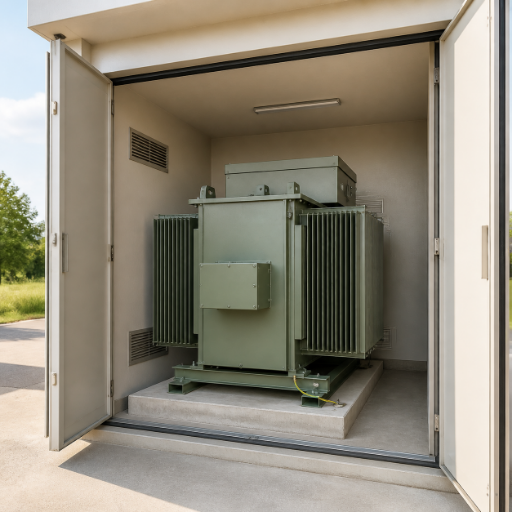
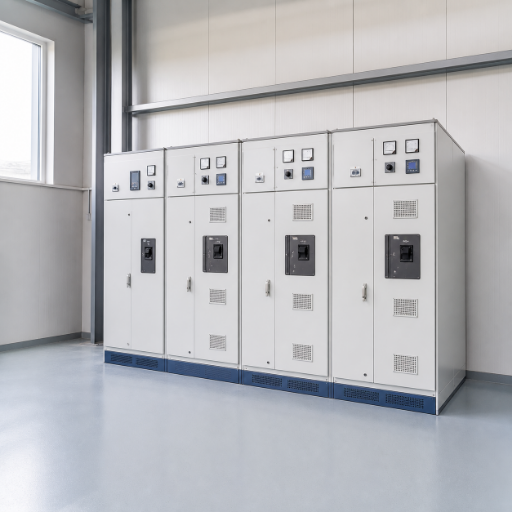
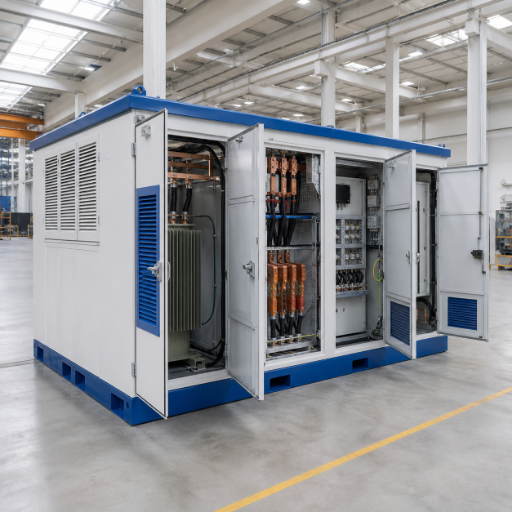
Internal integration is where a prefabricated compact substation differs from a collection of loose equipment. Cable routes, bus connections, earthing paths, control wiring, ventilation and maintenance access affect more than one compartment at once.
At 11 kV and 2000 kVA, an interface gap becomes a project risk because the three equipment groups share internal connections, earthing, cooling and access. Talite resolves the gap by placing each interface in the handoff register, while IEC 62271-202 supplies the assembly context.[1]
Enclosure choices fail late when altitude, temperature, solar exposure, pollution, corrosion or flood conditions arrive after design review. The trade-off is simple: a compact design saves space only when people can still install, operate and maintain it safely.
Electrical handoffs
- Incoming cable and high-voltage termination
- Switchgear-to-transformer connection
- Transformer-to-LV-board connection
- Protection, indication, metering and auxiliary supply
- Main earthing bar and site earth connection
Physical handoffs
- Enclosure footprint, foundation and lifting points
- Door swing, working clearance and replacement route
- Ventilation and heat dissipation path
- Cable trench, bottom entry or side entry
- Drainage, corrosion exposure and public access
Compact Substation Assembly-to-Site Handoff Register
This register turns the compact substation RFQ into a responsibility map. It keeps internal assembly work separate from utility decisions, site works and acceptance evidence, so each quotation can be compared on the same boundary.
Quotes become incomparable when one vendor includes the ring main unit, internal connections or low-voltage section and another excludes them. That happens because scope names alone do not fix ownership; the Talite register resolves the gap with 8 interface groups and 4 decision gates.
Decision line
Reference or governing context
Record before release
Primary voltage
11 kV Talite reference
Utility nominal voltage and highest system voltage
Transformer capacity
2000 kVA Talite reference
Load basis, diversity and expansion allowance
Functional equipment groups
3 groups: high-voltage, transformer and low-voltage
Included devices and interface points for each group
Prefabricated-substation context
IEC 62271-202:2022 covers assemblies above 1 kV through 52 kV[1]
Applicable edition, local adoption and deviations
System frequency
IEC scope extends to 60 Hz
Project frequency and auxiliary-supply frequency
Company experience
More than 3 decades in the power equipment sector
Supplier entity to appear on the quotation and documents
Site interface groups
8 register groups
Foundation, lifting, cable entry, earthing, drainage, access, environment and commissioning
Decision gates
4 gates: input, design, evidence and site readiness
Owner, due date and acceptance evidence for each gate
RFQ Readiness Scorecard
Check ten input groups and see which missing items prevent a comparable compact-substation quotation.
Open the readiness tool →Handoff Register Builder
Assign each assembly, site and utility decision to Talite, the buyer, the utility or the site contractor.
Build the responsibility register →Reference Fit Check
Compare your requested voltage and transformer capacity with the 11 kV, 2000 kVA reference.
Check the reference fit →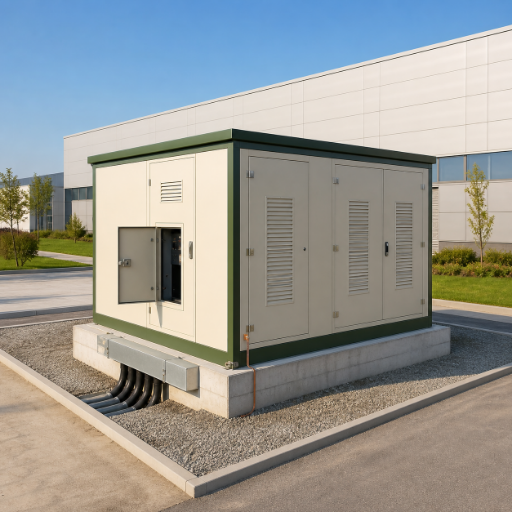
Pricing, Lead-Time and Order Planning
Compact substation price follows the equipment scope, ratings, enclosure, protection, metering, documentation and site-service boundary. No supplier-peer number becomes a Talite commitment; the written quotation is built from the project inputs you submit.
A capacity and voltage label can hide unresolved fault duty, earthing and protection coordination. The wrong choice costs time later because a 2000 kVA transformer reference cannot set every switchgear, bus and site rating.
Make quotations comparable
Quote field
What it should state
Why it changes the comparison
Assembly scope
HV equipment, transformer, LV equipment, internal connections and auxiliaries
Prevents a lower price from hiding excluded equipment
Electrical ratings
Voltage, capacity, current, fault duty, insulation and frequency
Confirms that both offers address the same power system
Enclosure and environment
Installation type, material, ingress need, corrosion, temperature and access
Separates site-fit work from catalog assumptions
Evidence package
Drawings, data sheets, test records and approvals included in the price
Shows whether acceptance work is priced or deferred
Delivery basis
Trade term, named delivery point, packing, freight and site unloading boundary
Moves the comparison from factory price to delivered scope
Schedule basis
Input freeze, drawing approval, release, manufacture, evidence review and shipment points
Reveals which clock starts on which decision
Total-cost check without a made-up payback number
Compare civil works, site labor, internal integration, transport, commissioning, electrical losses, access and maintenance together. A prefabricated substation can remove site assembly work, but it does not remove the need for a foundation, cable work, earthing or utility acceptance.
The four schedule clocks
-
Input clock
Closes when the electrical, site and jurisdiction data are complete.
-
Design clock
Covers the single-line diagram, general arrangement, interfaces and review comments.
-
Production clock
Starts from the agreed release point defined in the quotation.
-
Site clock
Covers foundation, cables, earthing, access, lifting and readiness for commissioning.
- Request a Scope-Based Quote Compare Utility Transformer Scope
Engineering Review and Acceptance Evidence
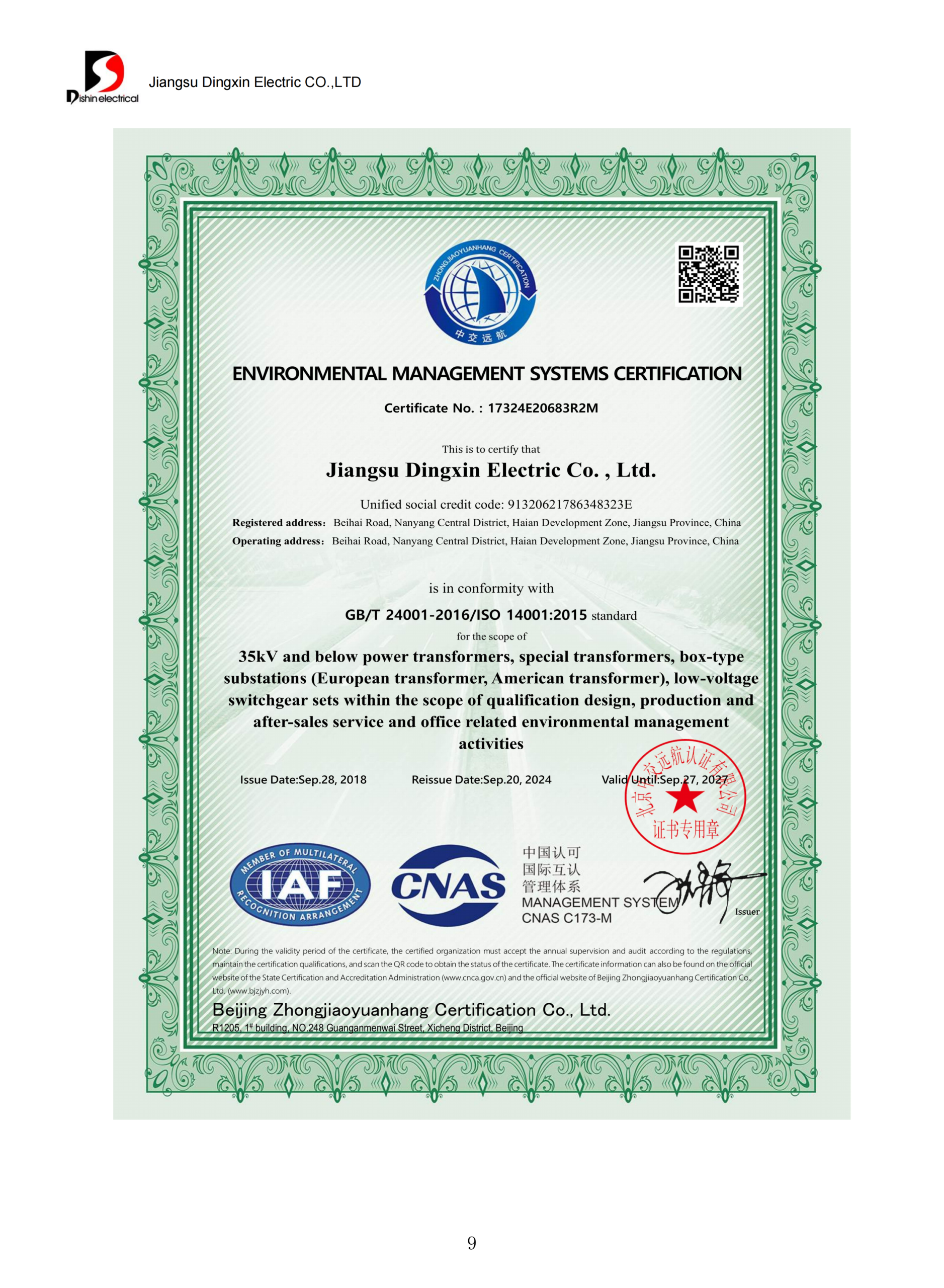
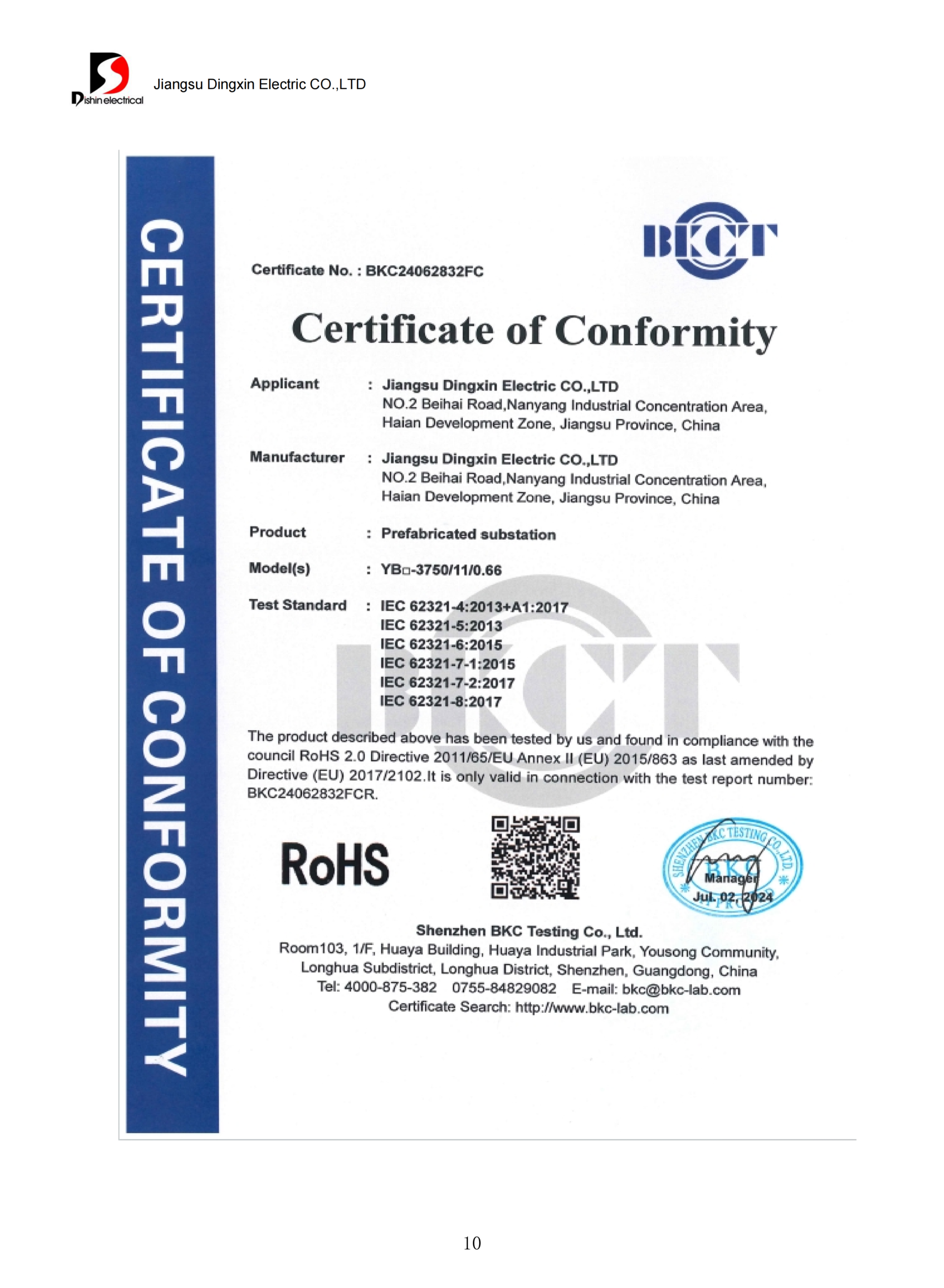
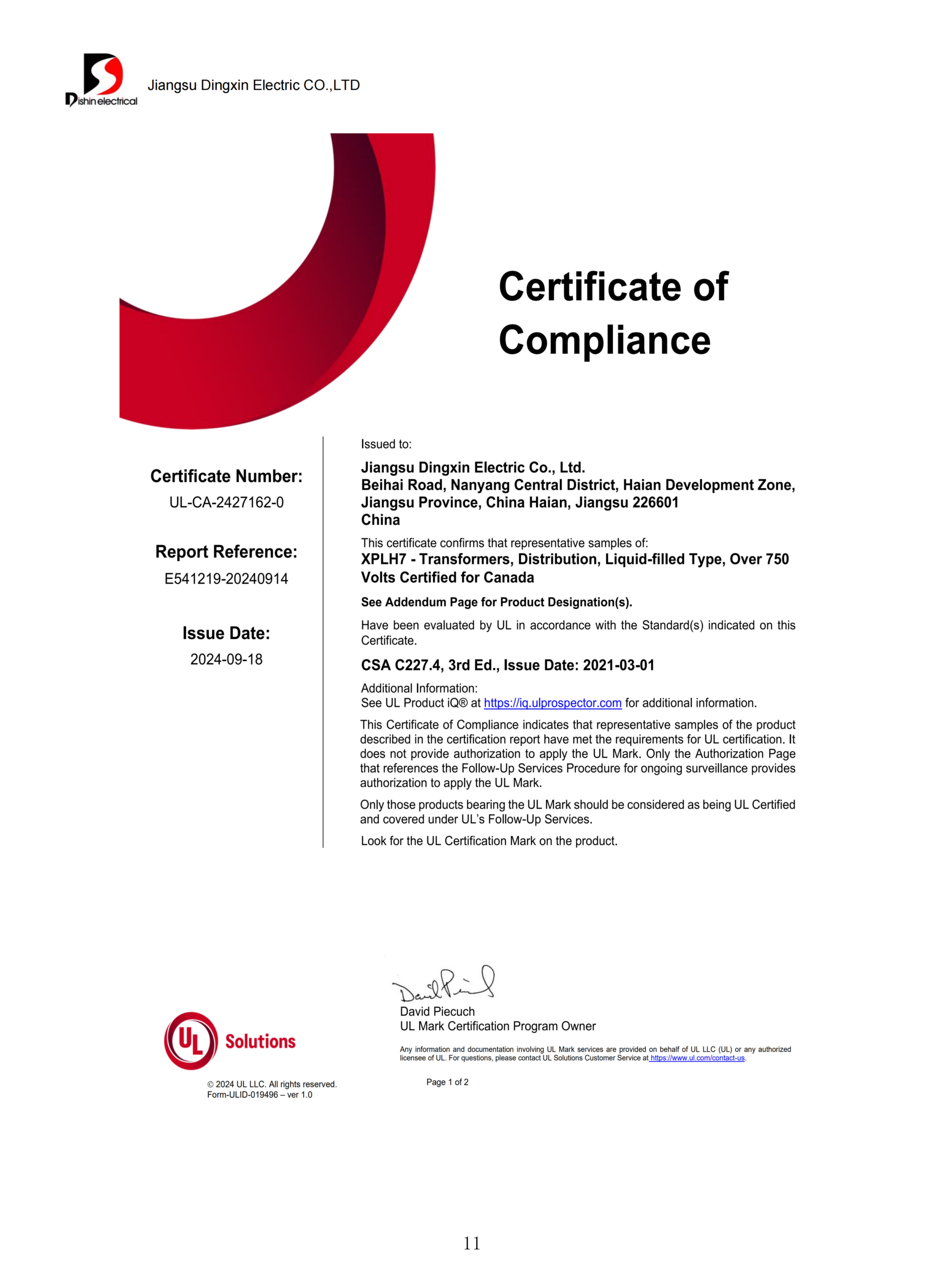
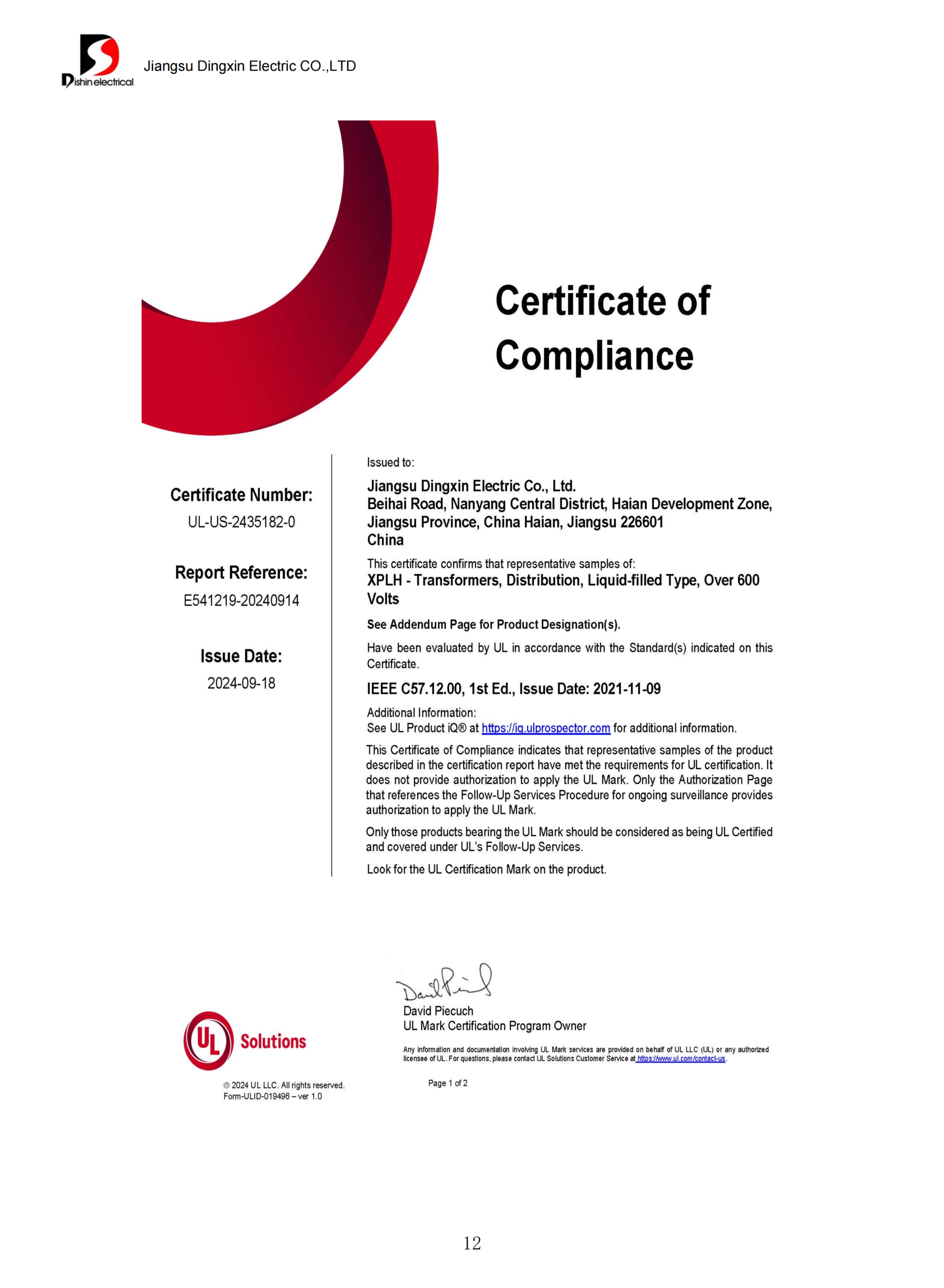
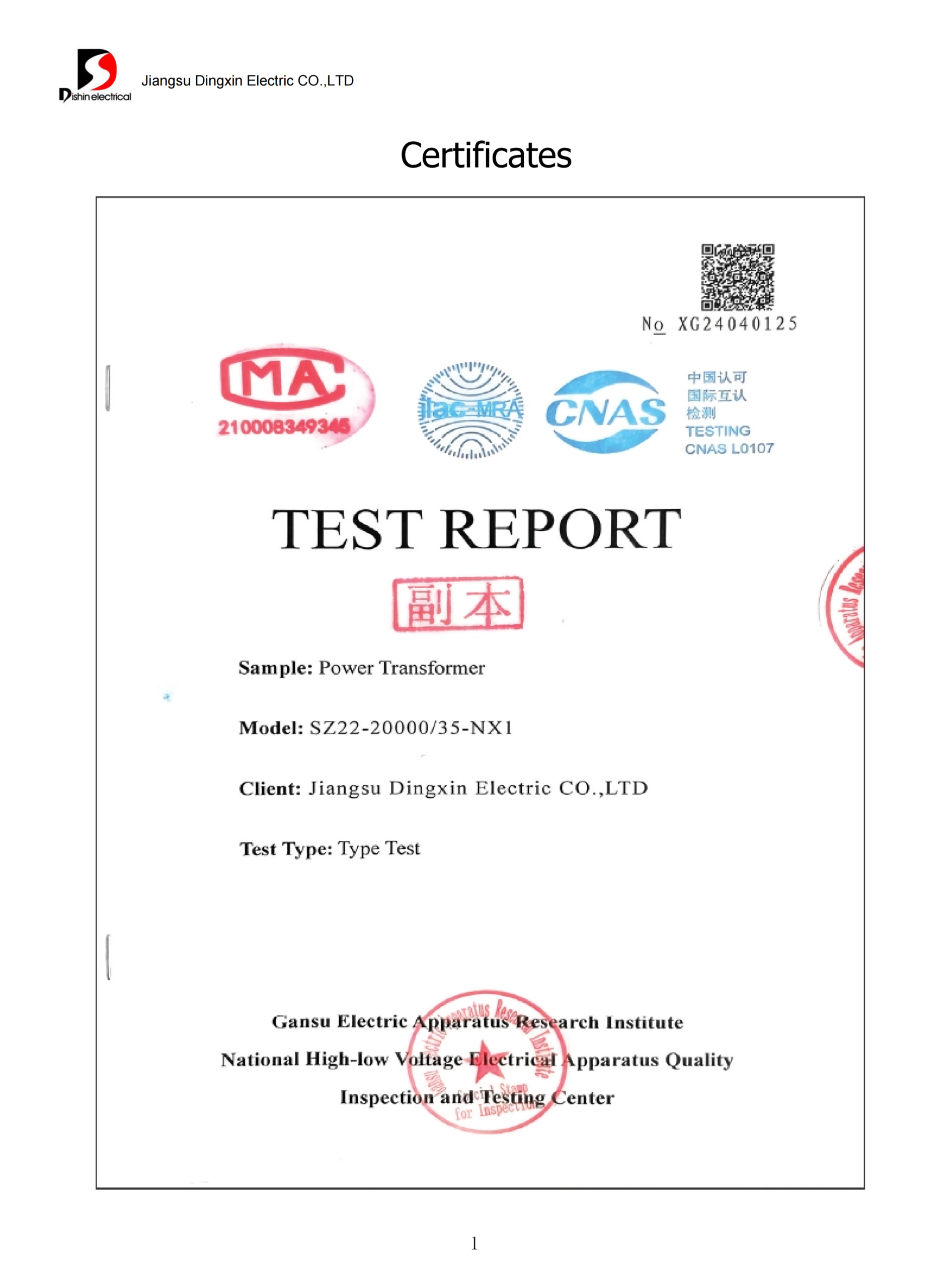
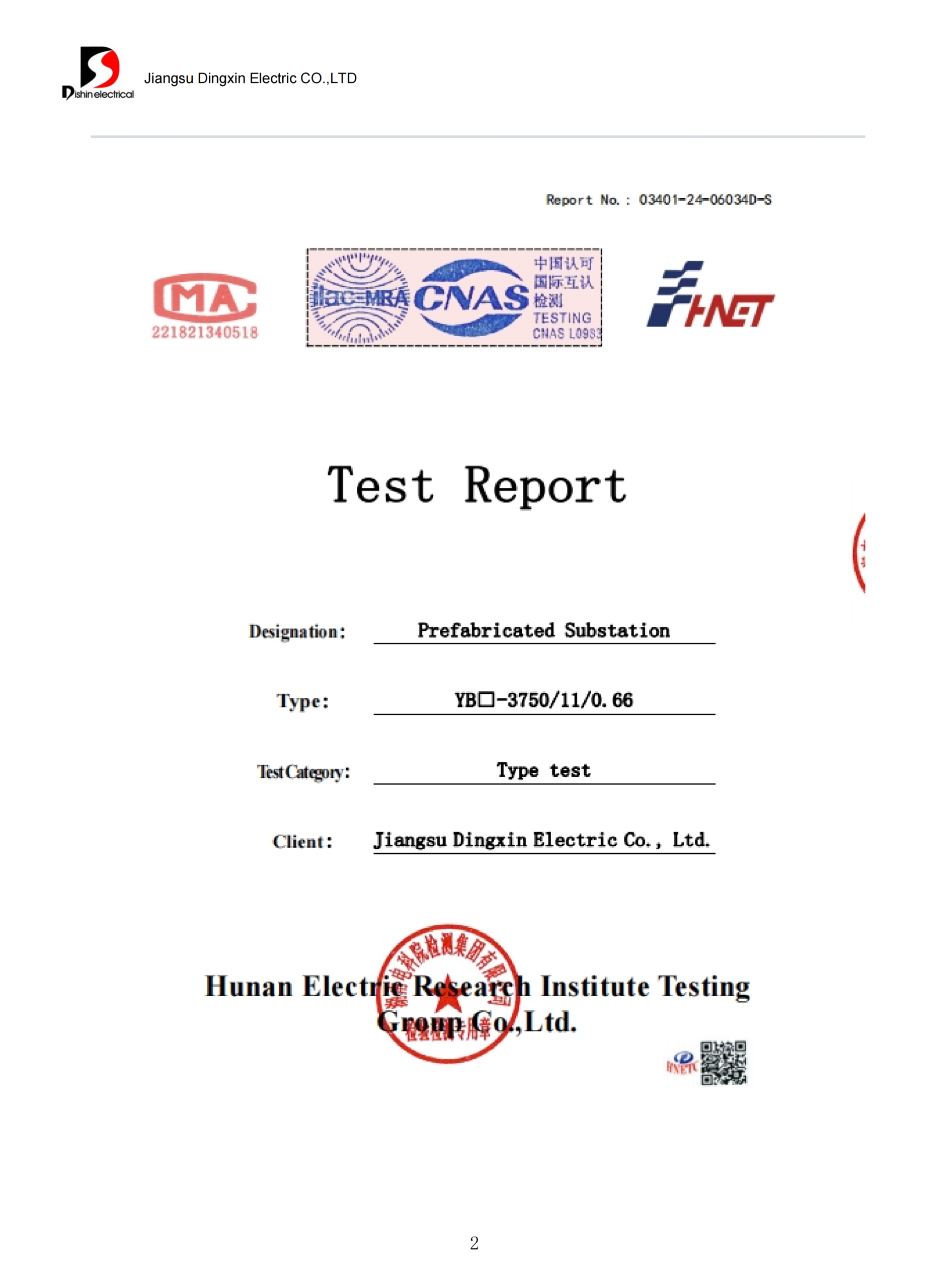
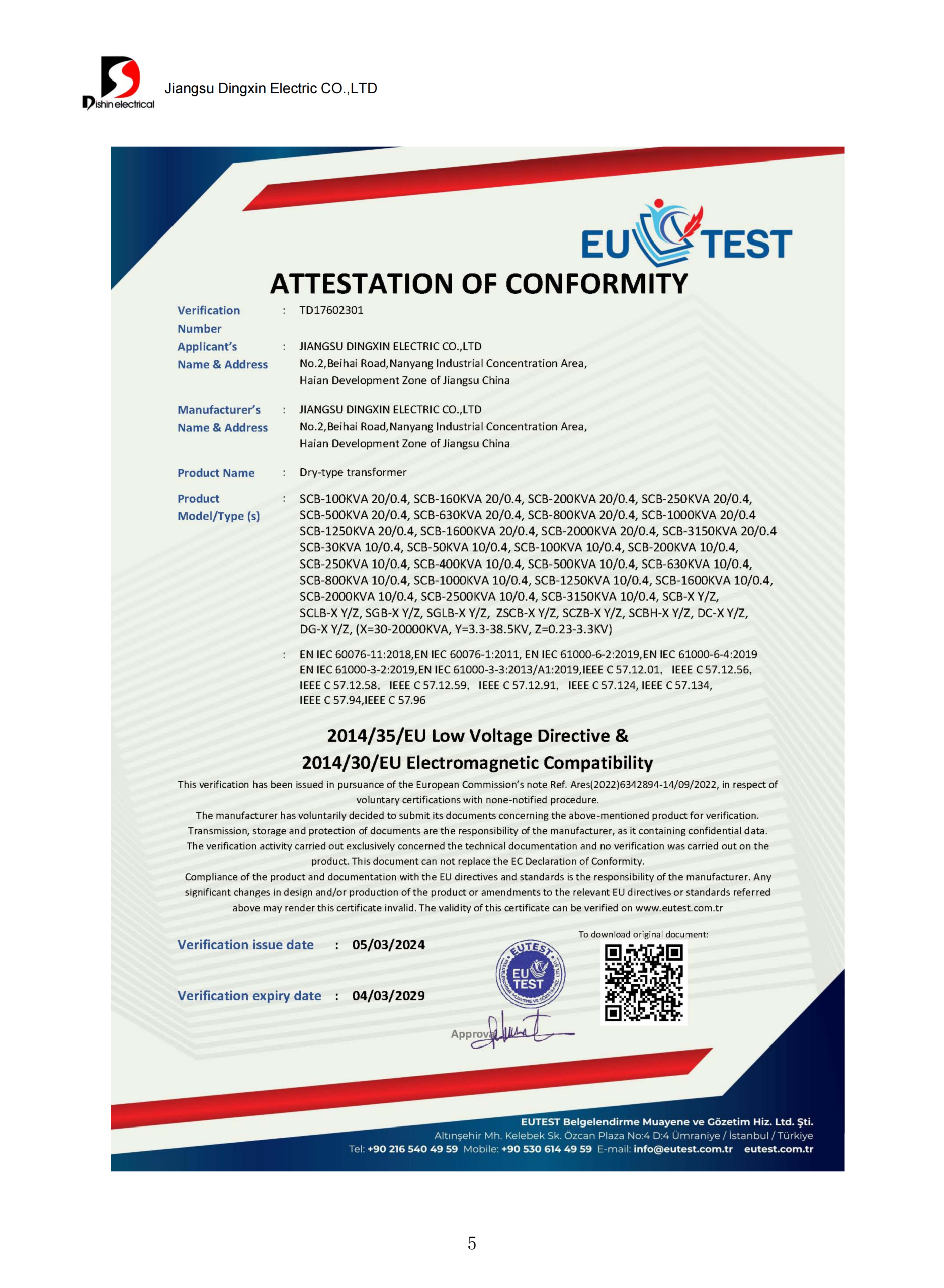
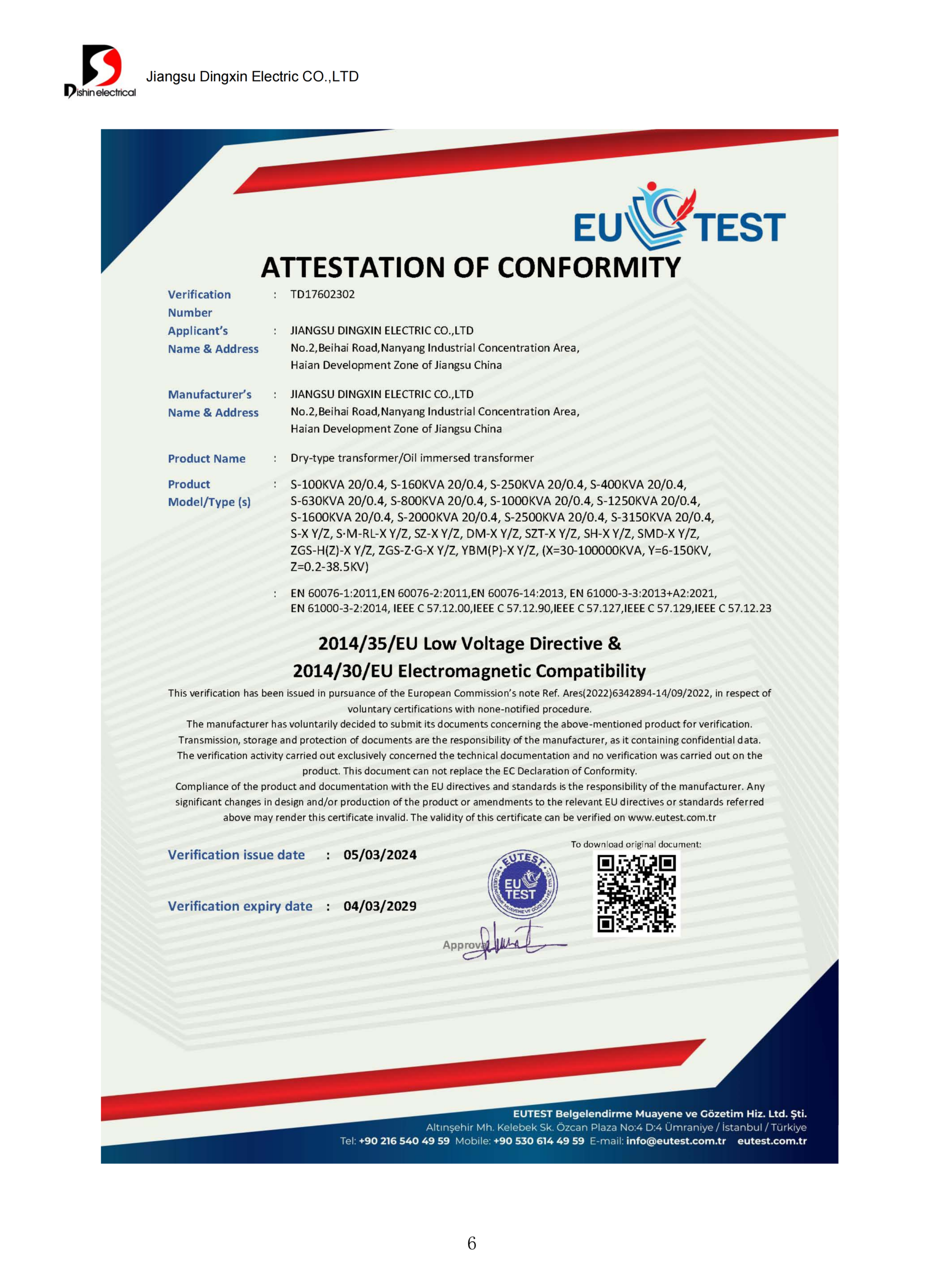
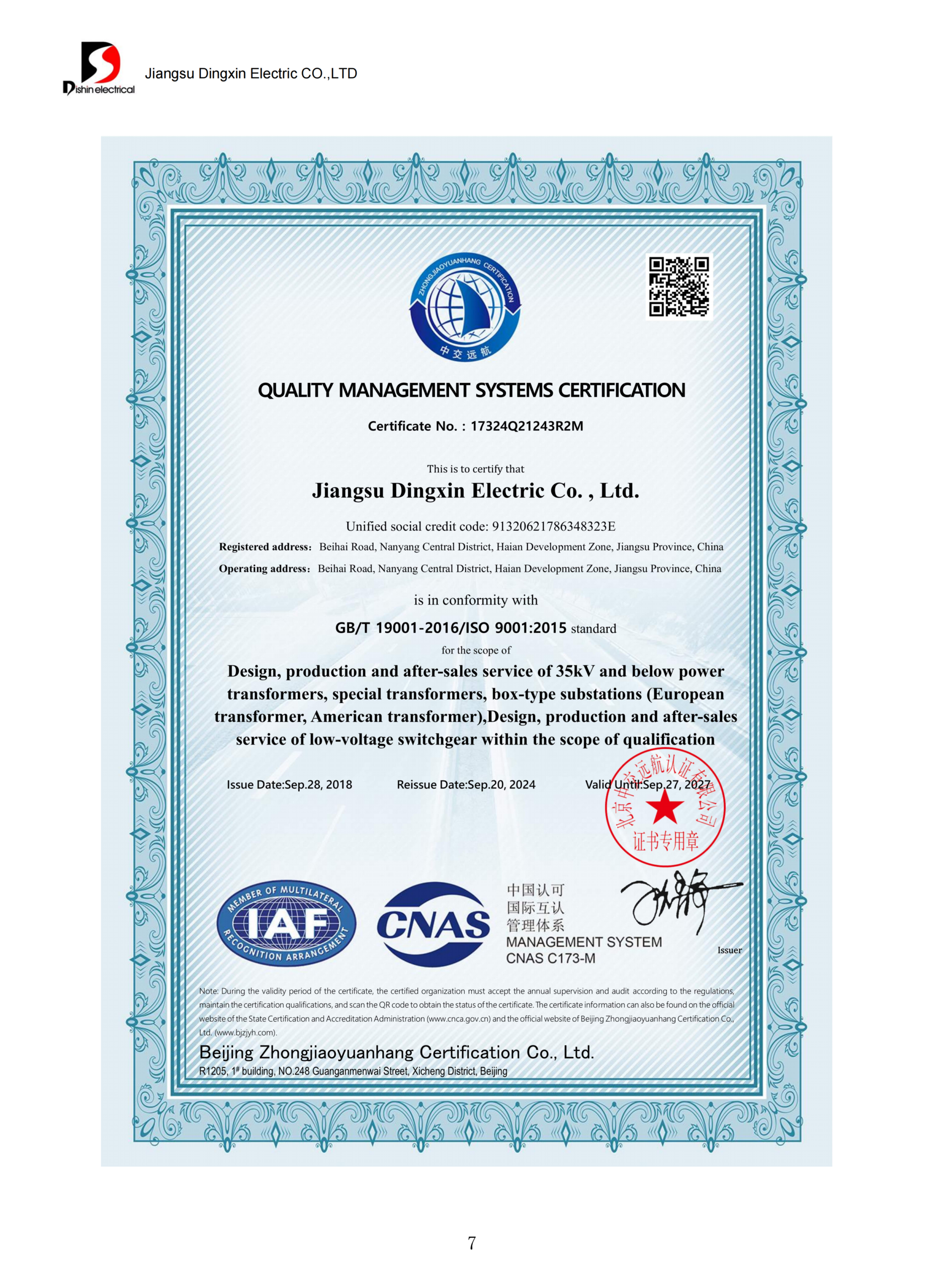
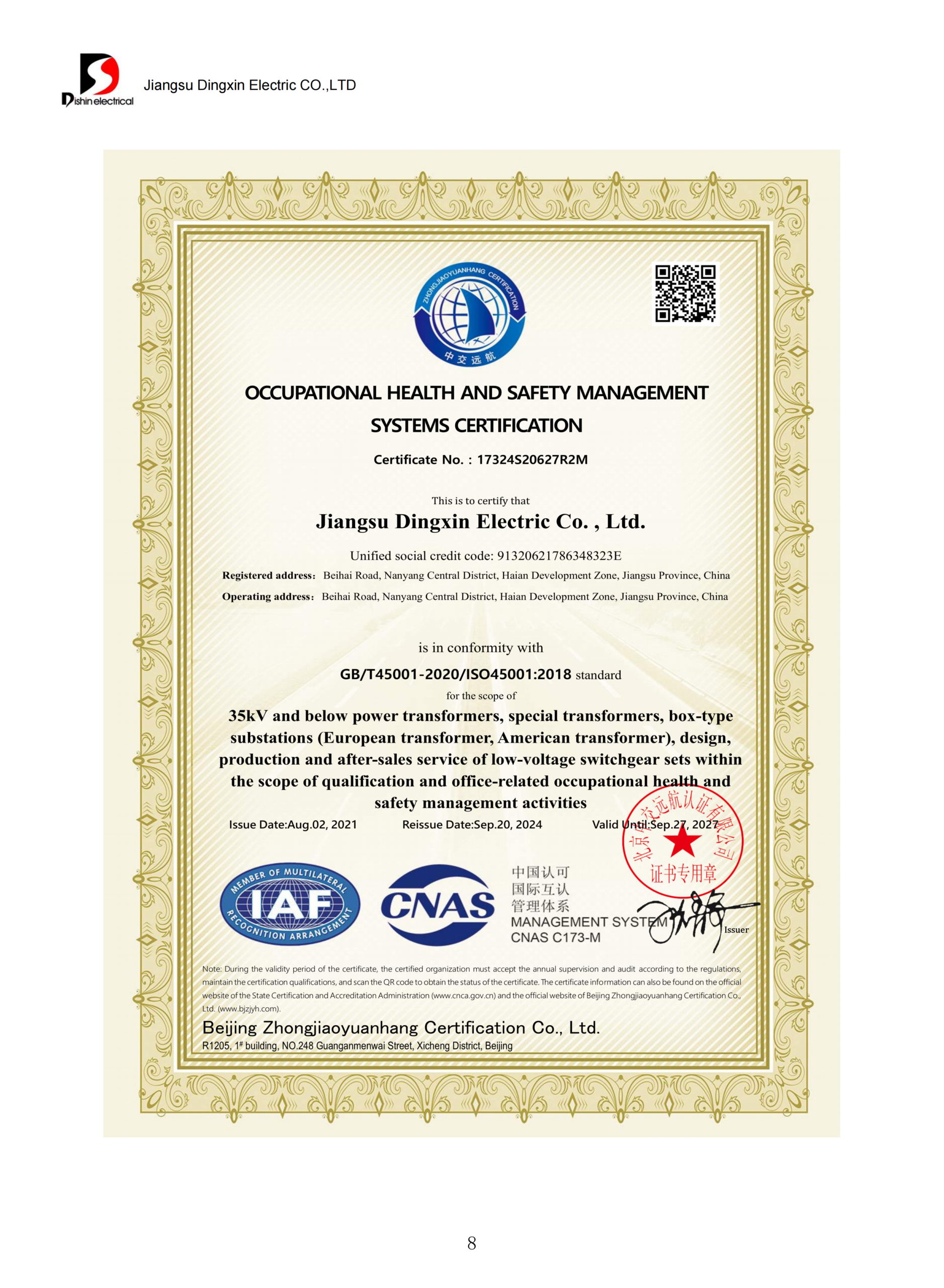
Useful acceptance plans name what will be reviewed, who accepts it and what record closes the decision. External standards define equipment and quality-plan boundaries, but the project specification must state the applicable edition, local adoption and required evidence.[5]
Factory integration does not necessarily remove site risk. The counter-intuitive part is that a more complete factory assembly makes foundation, cable, earthing, lifting and acceptance ownership more important, not less.
Four decision gates
Input gate
Confirm utility data, load basis, fault level, environment, site layout, cable interfaces and jurisdiction before the design basis is frozen.
Design gate
Review the single-line diagram, general arrangement, equipment schedule, protection interfaces, earthing concept and access route against the approved inputs.
Evidence gate
Agree the drawings, data sheets, test records and release documents required for the buyer, utility and site team. Name the acceptance criteria before evidence is produced.
Site-readiness gate
Confirm foundation, lifting, cable entry, earthing, drainage, clearances and commissioning ownership before the assembly is dispatched to site.
Jurisdiction comes before conformity language
A product name does not select the governing standard. State the destination country, utility and owner specification in the enquiry so the evidence path can be set against the actual project.
European-Style Compact Substation Buyer FAQ
What is included in the Talite reference configuration?
Talite’s client-confirmed reference covers 11 kV, 2000 kVA and integration of high-voltage equipment, a power transformer and low-voltage equipment in a standardized enclosure. Your project enquiry still needs the detailed ratings, component scope, site conditions and evidence list.
Is 11 kV and 2000 kVA a complete compact-substation rating?
No. Those two values are the voltage and transformer-capacity starting point; current, fault duty, insulation, frequency, secondary system, enclosure and service conditions remain part of the assembly definition.
Which standard covers AC prefabricated substations?
IEC 62271-202:2022 covers enclosed AC prefabricated substations for rated voltages above 1 kV through 52 kV and power frequencies up to 60 Hz.[1] The destination country and utility decide how that standard is adopted or supplemented for the project.
Does “European-style” prove European Union conformity?
No. It describes the product form used on this page; conformity depends on the destination jurisdiction, applicable requirements and the evidence accepted by the buyer or utility.
What should I send for a compact substation quotation?
Send the single-line diagram, load and 11 kV system data, required secondary voltage, fault level, destination, site environment, enclosure needs, delivery point and document list. If some fields are open, mark them as open rather than inserting assumptions.
How should I compare two compact substation prices?
Normalize the three equipment groups, internal connections, enclosure, auxiliaries, drawings, test evidence, delivery point and site-service boundary. A price is not comparable when one offer includes those items and the other leaves them for later.
Can a compact substation reduce site work?
Factory integration can move internal assembly work away from site, but the project still needs foundation, lifting, cable work, earthing, drainage, access and commissioning. Compare the full ownership boundary instead of using a made-up savings percentage.
Which site conditions matter most?
Start with altitude, ambient temperature, solar exposure, humidity, pollution, corrosion, flood risk, public access and ventilation constraints. These inputs affect enclosure, cooling, insulation and maintenance decisions.
What are the main maintenance-access checks?
Check door swing, working clearance, internal lighting need, isolation access, cable termination space, inspection path and the route for replacing major equipment. A small footprint is useful only when the service route remains workable.
How does Talite support an international B2B enquiry?
We are Talite Transformer Co., Ltd., formerly Jiangsu Fangteng Industrial Co., Ltd. We are based in the Hai’an Economic and Technological Development Zone of Nantong, Jiangsu Province, and we serve clients worldwide with transformer products and solutions.


![Pad-Mounted Transformer: How It Works [2026 Guide]](https://toplit-transformer.com/wp-content/uploads/2026/08/pad-mounted-transformer-guide-featured-150x150.png)