Get in touch with Toplit Transformer Co., Ltd Company
ISO Certified
Request a Technical & Commercial Review
Distribution Transformer
Distribution Transformers for Utility and Industrial Projects
Every reviewable distribution transformer enquiry begins with system duty, product route and evidence scope. A distribution transformer is a grid or site unit used for stepping down the voltage from an upstream circuit to a local distribution or use level. Talite reviews those inputs before confirming an offered model, test plan, price basis or delivery basis.
One scope, three review outcomes
A product path matched to duty
Open exceptions with a named owner
Evidence that makes quotations comparable
Route
Match duty, installation, construction and buyer task.
Inputs
Close ratings, interfaces, site and commercial boundaries.
Evidence
Bind drawings, tests, deviations and destination records.
Output
A quotation scope that can be compared.
Control
Owned exceptions before project release.
Separate Three Equipment Axes from the Buyer Task
Product routing becomes clearer when electrical duty, installation and construction are assessed as parallel axes. Forcing one label to answer every buyer problem is the mistake: a 60 Hz duty and a kVA value still say nothing about site fit or evidence gaps.
1. Electrical duty
- Primary and secondary voltage levels
- Single-phase or 3-phase duty
- Frequency, winding connection and grounding
- Normal, cyclic, emergency or unusual load
2. Installation and site
- Equipment mounted on poles, pad-mounted transformers or indoor installation
- Existing foundation, concrete pads and clearances
- Climate, fire, flood, seismic and access conditions
- New installation, replacement or retrofit
3. Construction and performance
- Liquid or dry-type construction
- Core and loss objective
- Cooling, sound and enclosure basis
- Required accessories and monitoring boundary
Explore the Talite Distribution Transformer Product and Buying Paths
In practice, the risk is choosing a familiar label while an interface mismatch remains hidden. Talite will not claim that one route card proves a kVA range, a 60 Hz configuration or a complete specification; choose the uncertainty you need to resolve first.
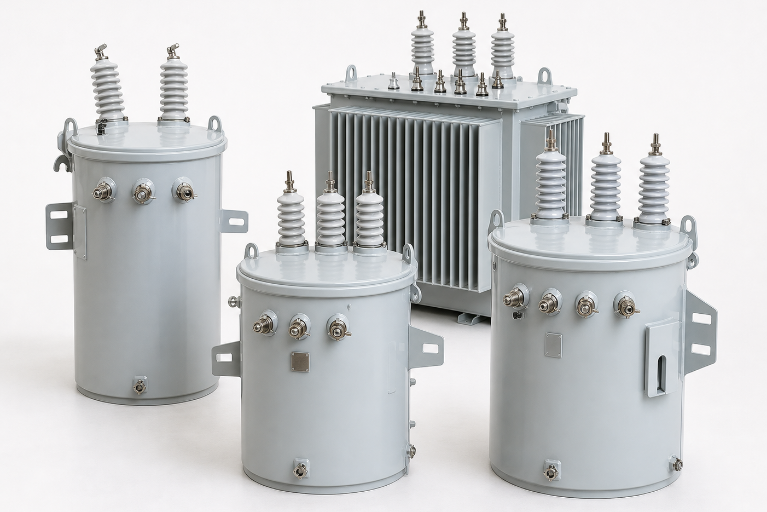
Pole Mounted Transformer
Choose this pole-mounted distribution transformer route when overhead installation is established but phase, protection, bushing or utility configuration still needs review.
Review the pole-mounted path →
Single Phase Pole Mounted Transformer
Use this single-phase distribution transformer application when a single-phase transformer is needed for a pole-mounted application where the serving-system interface is known.
Review the single-phase pole path →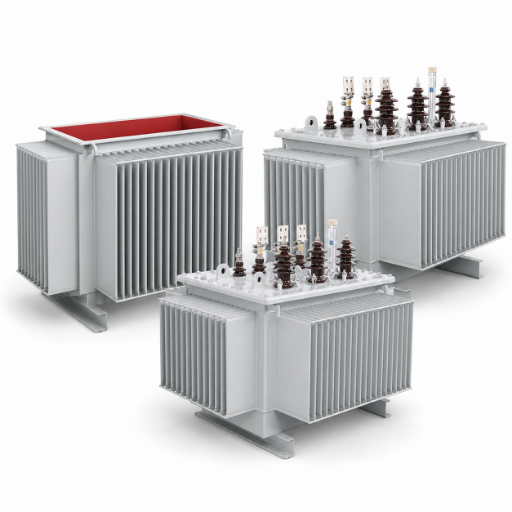
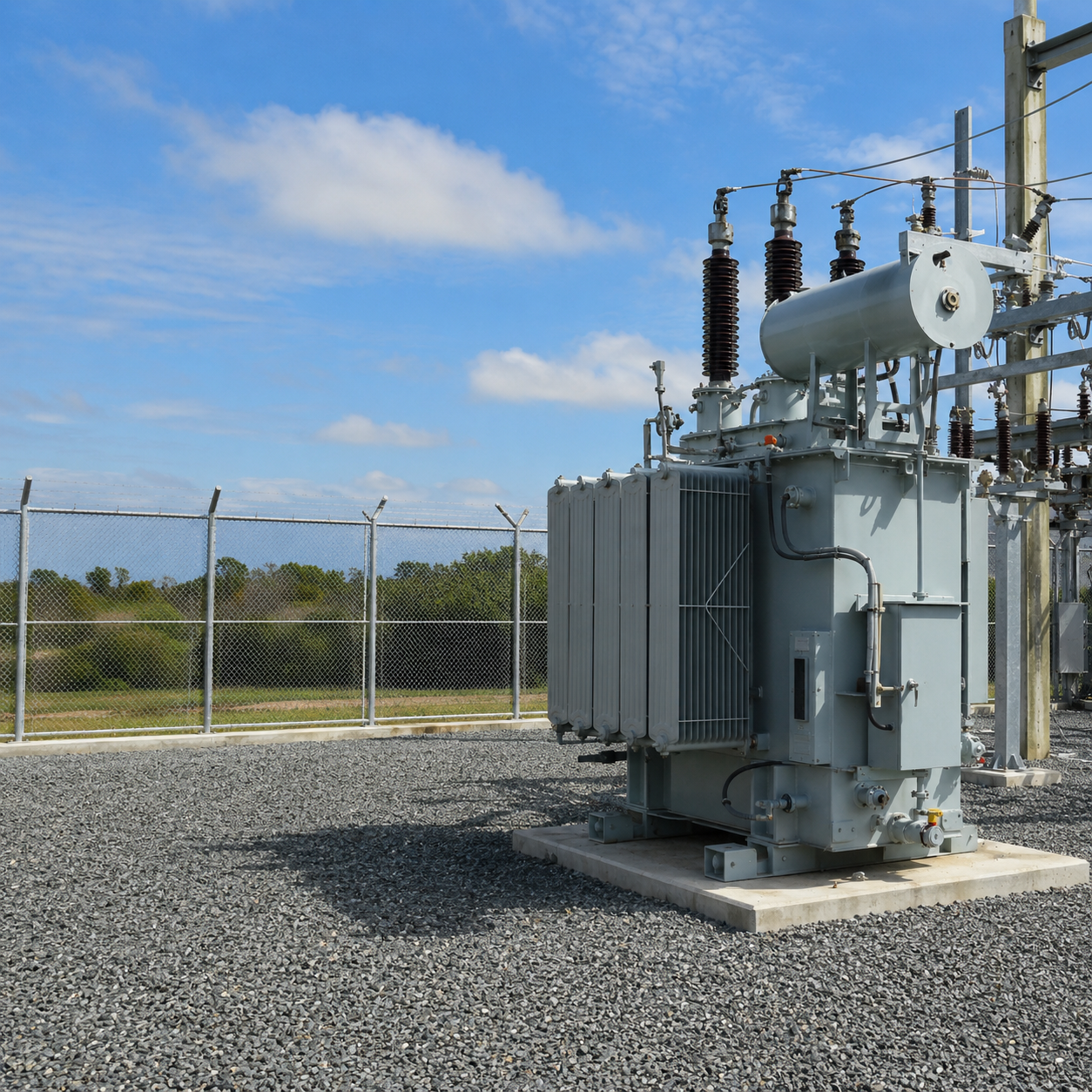
Utility Transformer
Start here when utility ownership, grid position, service specification, radial or loop scheme and approval responsibility drive the decision.
Review the utility path →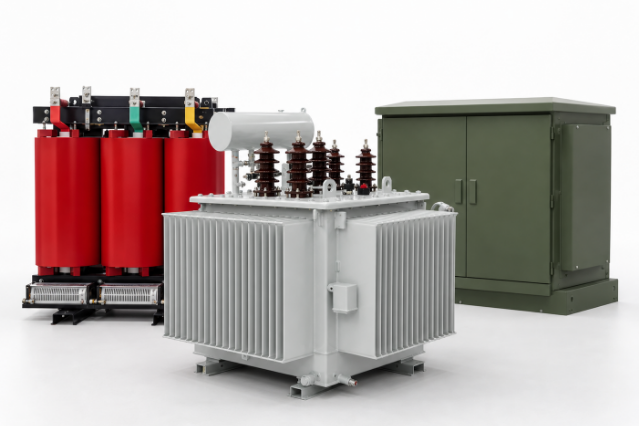
Distribution Transformer Manufacturers
Use this buying route to compare manufacturer identity, model-bound evidence, quotation scope and responsibility. It isn’t a transformer type.
Compare manufacturer evidence →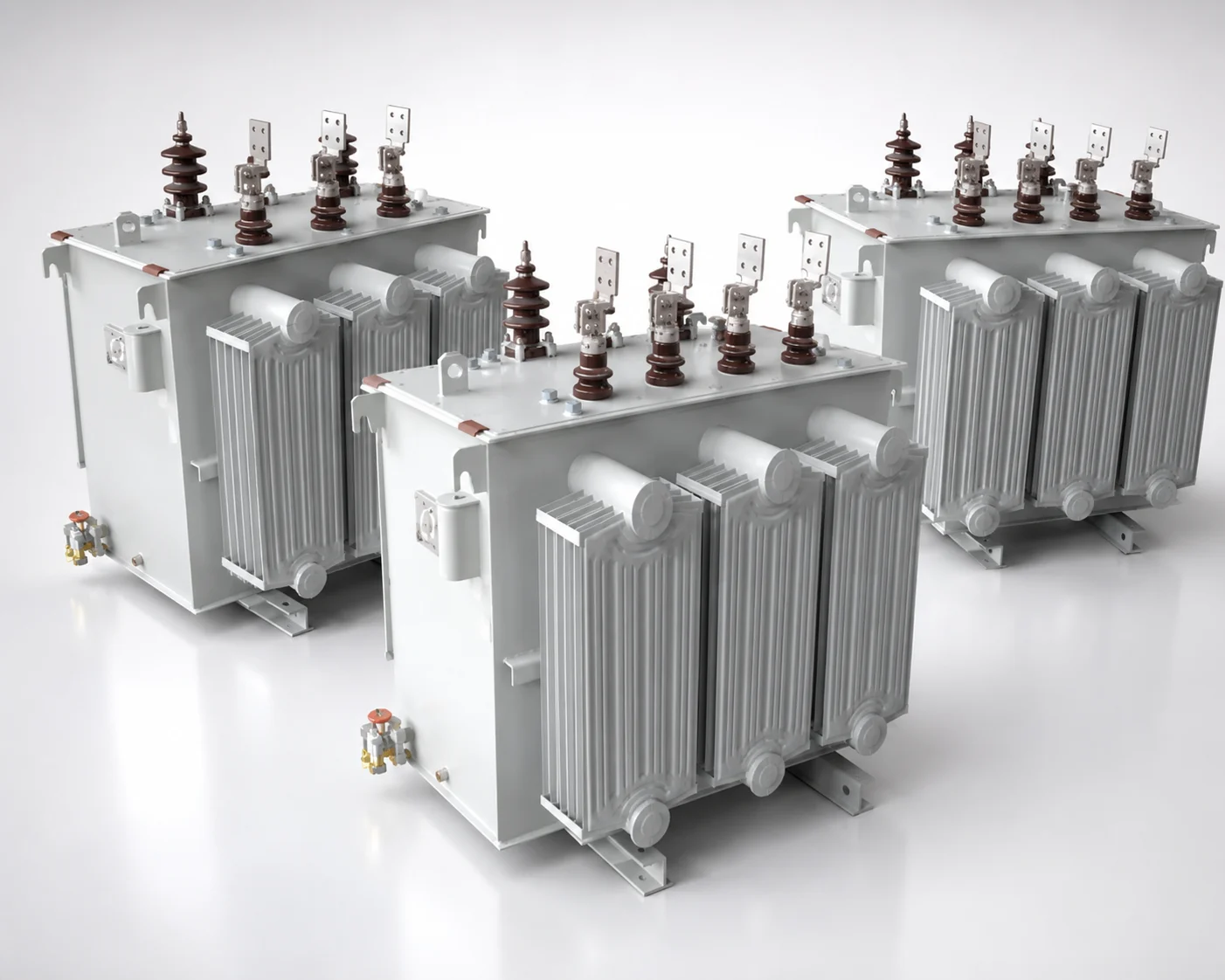
Amorphous Core Transformer
Choose this route when magnetic-core material and no-load loss are central to the assessment. Phase, installation, destination and guaranteed data still need confirmation.
Review the amorphous-core path →Route Common Exceptions with the 3-Lane Transformer Exception Router
The 3-Lane Transformer Exception Router sends each known exception risk to a responsible discipline and a next-review artifact. A 60 Hz or kVA label is not always enough when an application condition remains open; Talite records the route but does not replace the responsible engineer.
Lane A: Equipment and Application
Replacement or Retrofit
Applies when an existing unit or interface is retained.
Construction, Site or Application Exception
Applies when ordinary site assumptions don’t fit.
Nonsinusoidal Load
Applies when harmonics or nonlinear loads are material.
Lane B: Grid, Product and Destination
Bidirectional or Export Duty
Applies when renewable energy or another source may reverse electrical power flow.
Destination or Buyer Eligibility
Applies when a regulation, funding rule or utility list controls acceptance.
Lane C: Optional Procurement Extensions
Connected Product
Applies only when a terminal, switch, sensor, software or communications service is included.
Lifecycle Evaluation
Applies when purchase price must be compared with operating losses.
Screen Distribution Transformer Quotations On A Shared Technical Baseline
In practice, the common mistake is normalizing only kVA and voltage. Matching those two values does not close the scope; the right call is to align electrical duty, physical fit, tests, documents, exceptions and delivery assumptions in the RFQ.
| Comparison Row | Record In Every Offer | Why It Changes The Decision | Status At Enquiry |
|---|---|---|---|
| Project context | New installation, failure replacement, planned replacement or retrofit | Sets outage, old-to-new and temporary-service boundaries | Buyer input |
| Construction | Liquid-immersed or dry-type; insulating-liquid identity where relevant | Changes site, fire, environmental and test review | Open until matched |
| Rated duty | kVA and continuous, cyclic or emergency basis | Prevents a nameplate number from hiding the load basis | Buyer input |
| Electrical system | Primary/secondary voltage, Hz, single-phase or three-phase | Aligns equipment with actual distribution systems | Buyer input |
| Winding and grounding | Connection, neutral, grounding, polarity, phase sequence and vector group where applicable | Controls system compatibility and protection assumptions | Engineering review |
| Parallel operation | Existing units, ratio, impedance, vector group and responsible engineer | A similar rating does not prove parallel compatibility | Conditional |
| Physical connection | High-/low-voltage connector, bushing and terminal quantity, type, position and rating | Prevents field adapters or enclosure changes | Drawing input |
| Feed arrangement | Radial or loop feed for applicable underground-primary/pad-mounted projects | Changes connector and switching interface | Conditional |
| Insulation and dielectric | Insulation level, impulse basis and applicable dielectric tests | Binds system exposure to a test basis | Engineering review |
| Comparison Row | Record In Every Offer | Why It Changes The Decision | Status At Enquiry |
|---|---|---|---|
| Temperature and cooling | Temperature-rise limit, ambient/service conditions and cooling basis | Links load capability to the actual environment | Open until matched |
| Impedance and taps | Impedance reference, tap range and tap-changer duty | Affects fault current, regulation and system studies | Engineering review |
| Guaranteed losses | No-load and load loss with temperature, load and test basis | Allows technical acceptance and lifecycle evaluation | Supplier offer |
| Short-circuit withstand | Thermal/dynamic basis and agreed proof | Separate from protection coordination | Evidence required |
| Protection interface | Integral devices, fault-duty input, coordination owner and clearing boundary | A transformer offer is not the whole protection design | Conditional |
| Surge interface | Surge environment, arrester supply/location, cable-terminal interface and owner | Prevents an unspecified accessory from becoming an assumed scope item | Conditional |
| Sound | Guaranteed sound basis, factory method and site acoustic boundary | Factory evidence does not equal a site noise guarantee | Conditional |
| Dimensions and handling | Outline, operating/transport weight, pad/foundation, clearances, lifting and shipping split | Exposes fit and logistics constraints before release | Drawing input |
| Tests and documents | Routine/type/special/witness scope, reports, drawings and data format | Converts a standard reference into contract evidence | Supplier + buyer |
| Deviations and exclusions | Every exception, alternative and responsible approver | Makes two quoted scopes genuinely comparable | Open register |
This matrix separates official U.S. and IEEE class boundaries from a Talite product promise. Use it to identify the rule or standard that deserves review, then bind the offered model to its own approved data, drawings and exceptions.
| Source And Class | Published Boundary | Use In A Quotation Review | Do Not Infer |
|---|---|---|---|
| U.S. DOE / 10 CFR Part 431.192 — liquid-immersed | Input up to 34.5 kV; output up to 600 V; 60 Hz; 10 kVA to 2,500 kVA | Screen whether the U.S. regulatory definition may apply, subject to its listed exclusions | A global definition or a Talite model rating |
| U.S. DOE / 10 CFR Part 431.192 — dry-type | Input up to 34.5 kV; output up to 600 V; 60 Hz; 15 kVA to 2,500 kVA | Run the same U.S.-only coverage screen with the dry-type capacity floor | Suitability for a site or confirmation of compliance |
| IEEE C57.12.20-2023 — overhead, liquid-immersed, self-cooled | 500 kVA and smaller; high voltage up to 34,500 V; low-voltage classes include 7,970 V and 13,800 V wye; 60 Hz | Check whether the offered overhead class falls inside this standard’s published scope | Coverage of every pole-mounted or utility transformer |
| IEEE C57.12.38-2025 — defined single-phase pad-mounted class | 250 kVA and smaller, with specified connector, bushing and terminal arrangements | Review the physical interface for the class the standard actually covers | Applicability to every pad-mounted, pole-mounted or three-phase unit |
01
Current-Rule Checkpoint
The U.S. Department of Energy distribution-transformer page links the current test procedure in 10 CFR Part 431.193, current conservation standards in 10 CFR Part 431.196 and certification rules in 10 CFR Part 429. It also states that the 2024 amended rule requires compliance from April 23, 2029.
The overhead figures above come from the published scope of IEEE C57.12.20-2023; confirm the current text and project edition at quote and release.
02
Physical Interface
IEEE C57.12.38-2025 covers connector, bushing and terminal arrangements for radial or loop feed within a defined single-phase pad-mounted class of 250 kVA and smaller. That narrow scope is exactly why the page asks for the arrangement separately instead of extending it to every pole-mounted, pad-mounted or utility transformer.
Official interface scope: Review the defined class and terminal-arrangement boundary in IEEE C57.12.38-2025 before applying it to an offered configuration.
03
Compatibility Bottleneck
- 1. Existing asset: Nameplate, drawings, condition and outage boundary
- 2. Physical fit: Footprint, bushings, terminals, feed and handling
- 3. System studies: Impedance, grounding, fault duty and parallel operation
- 4. Site interfaces: Fire, flood, seismic, access and environmental owner
- 5. Acceptance: Tests, deviations, destination evidence and release documents
04
Replacement Advisory
For a replacement, attach the existing nameplate and drawings before asking for equivalence. Record old-to-new deviations, pad or pole interface, cable reach, protection boundary, outage window, removal responsibility and any legacy liquid or material status that needs an environmental owner.
Verify the Manufacturer, Destination Eligibility and Model Evidence
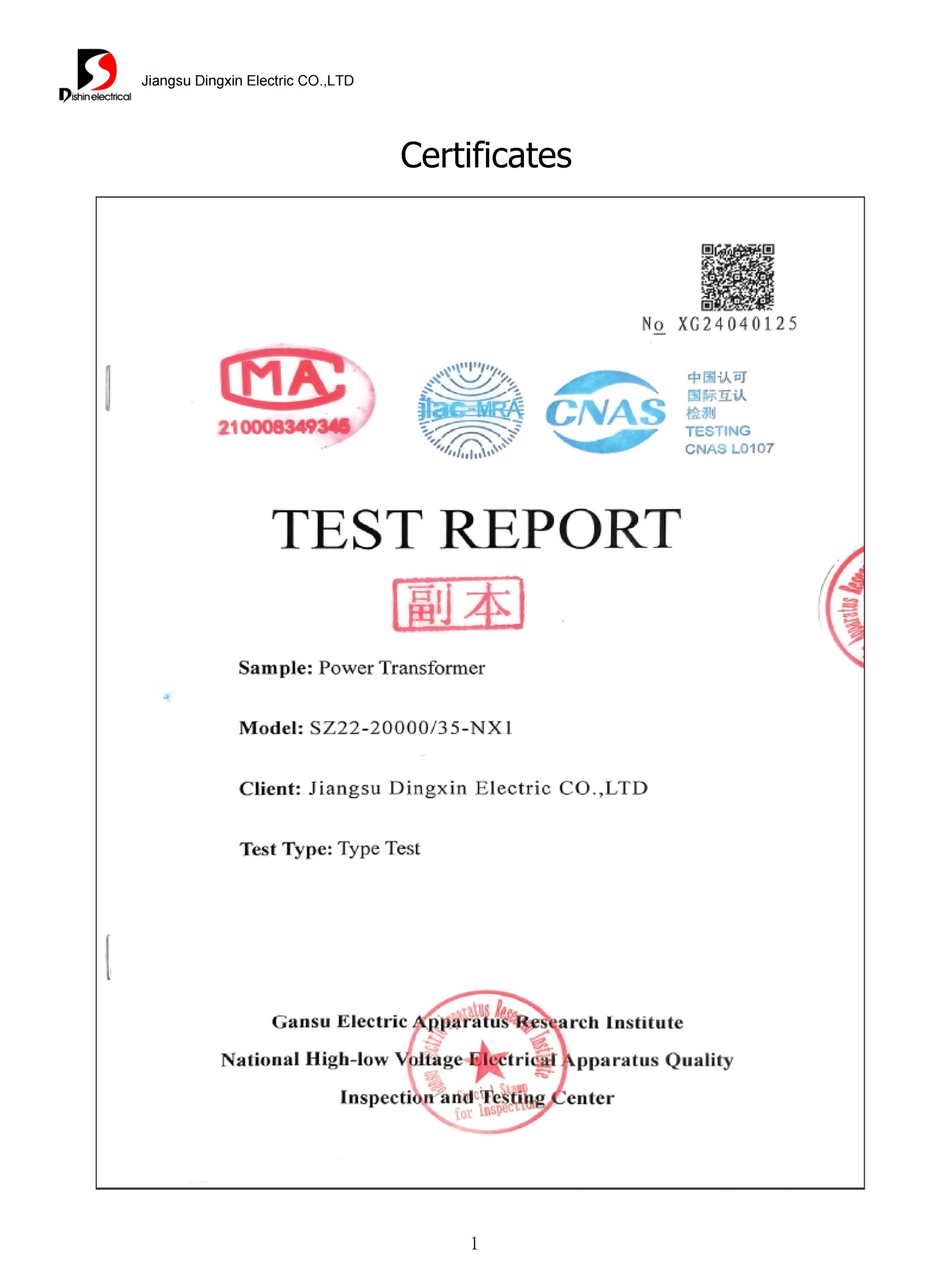
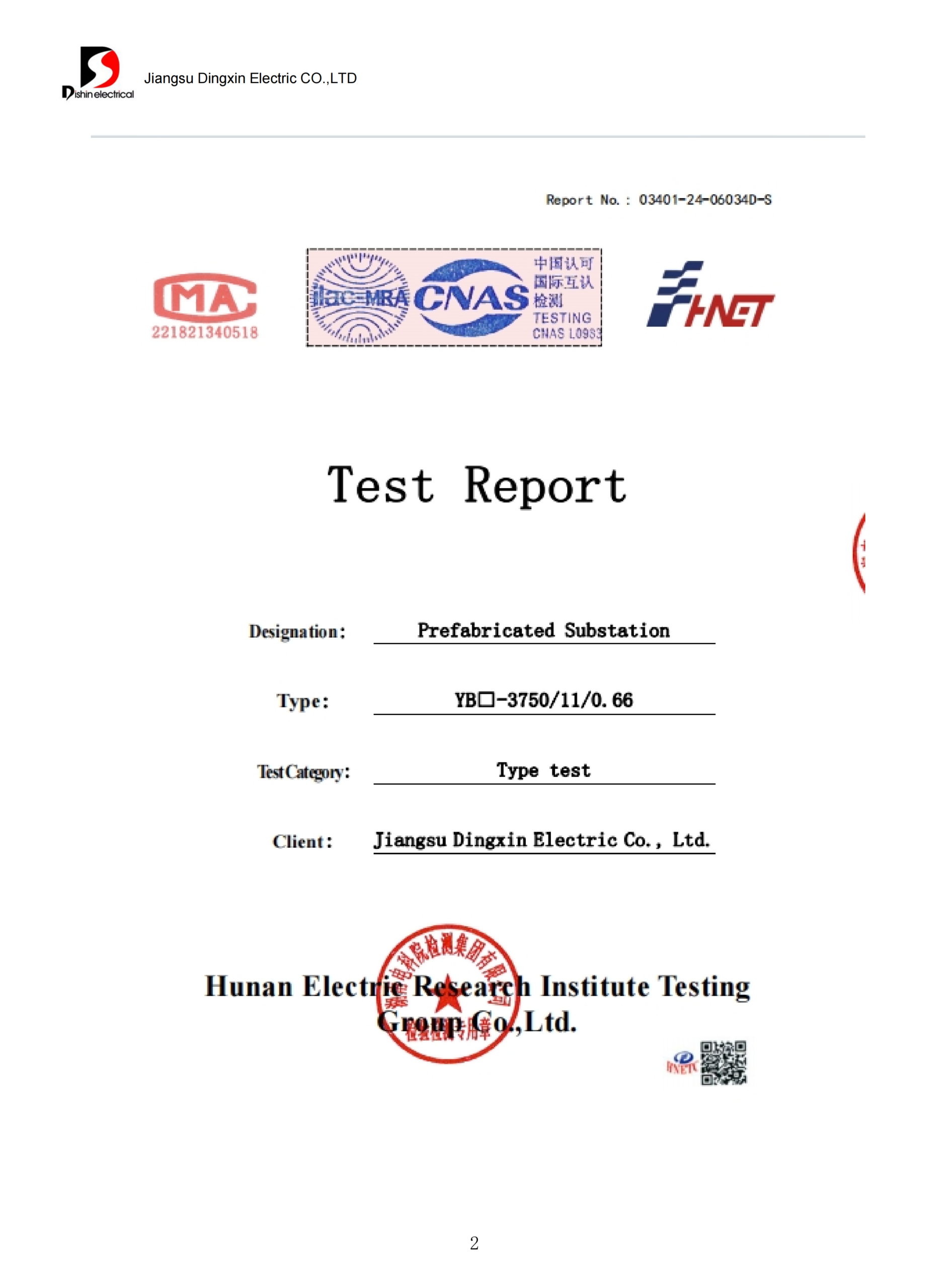
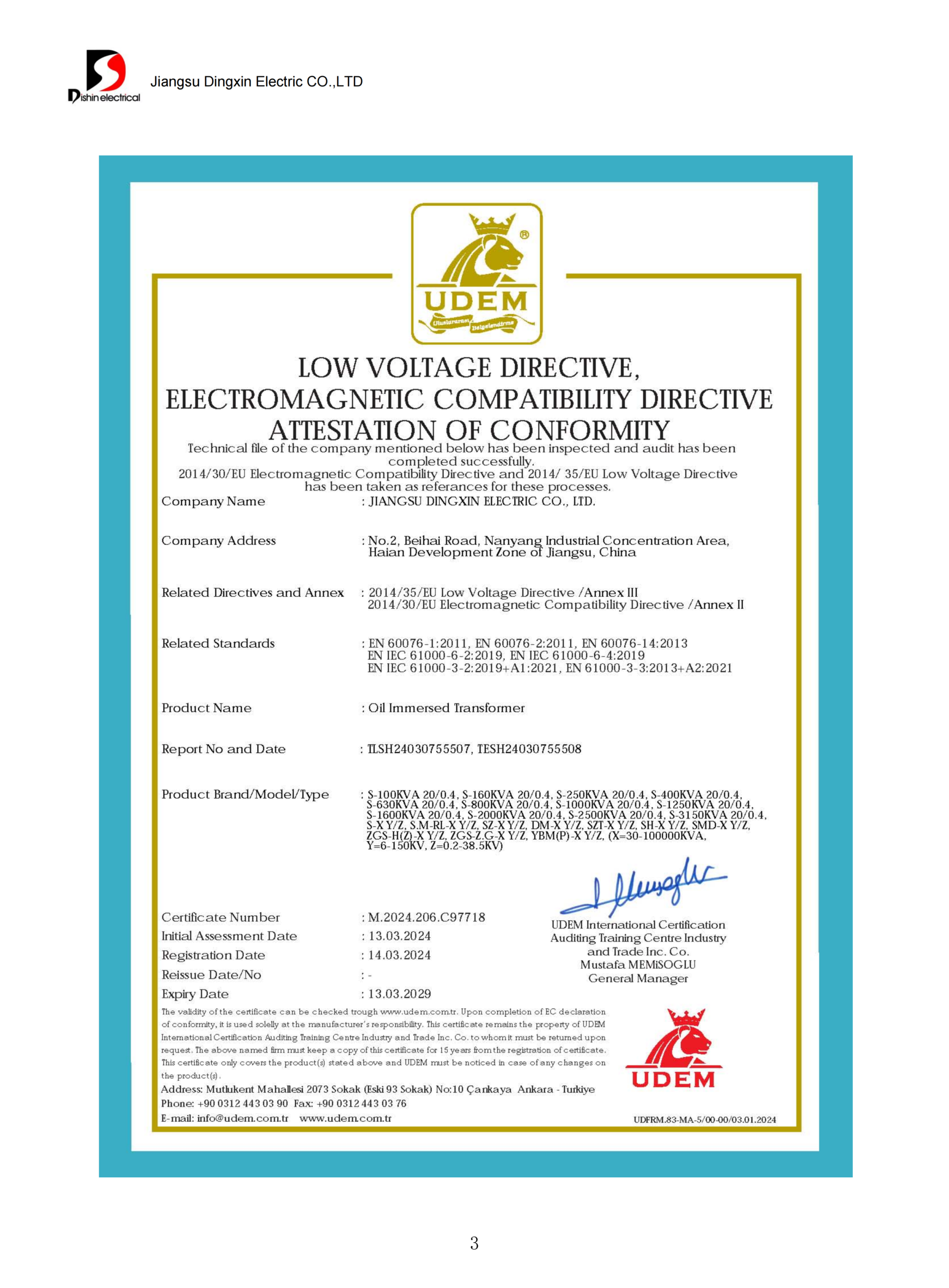
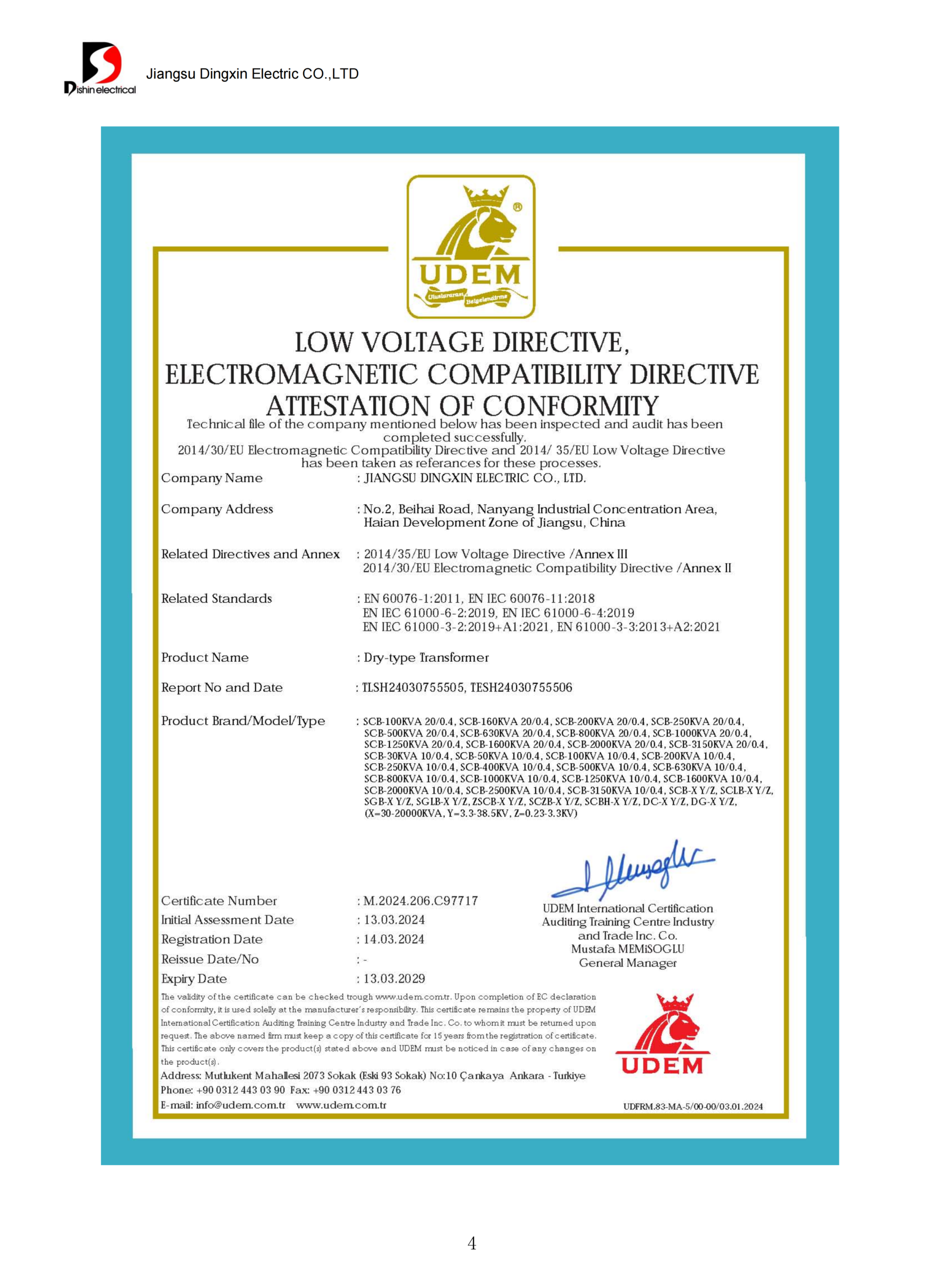
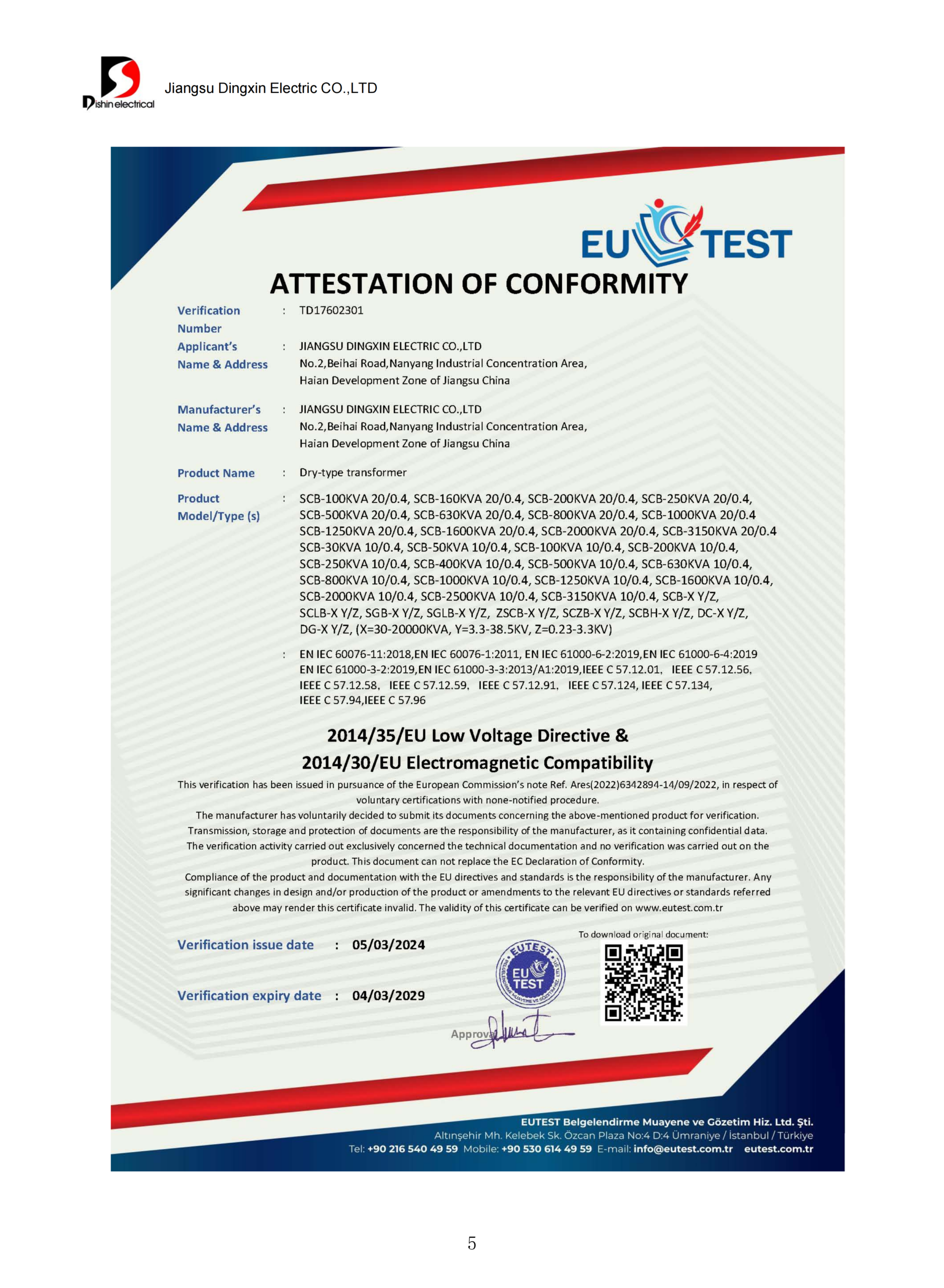
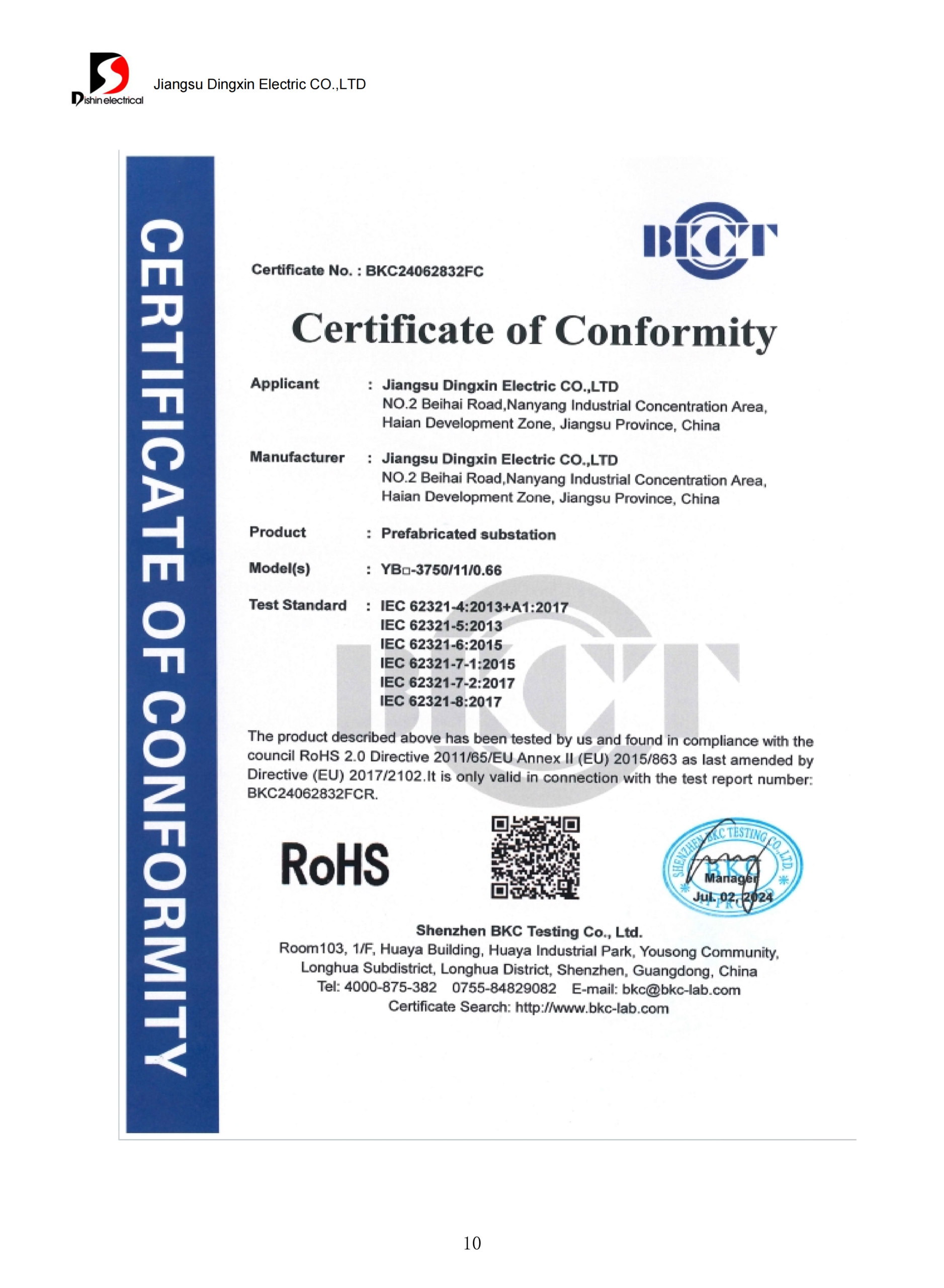
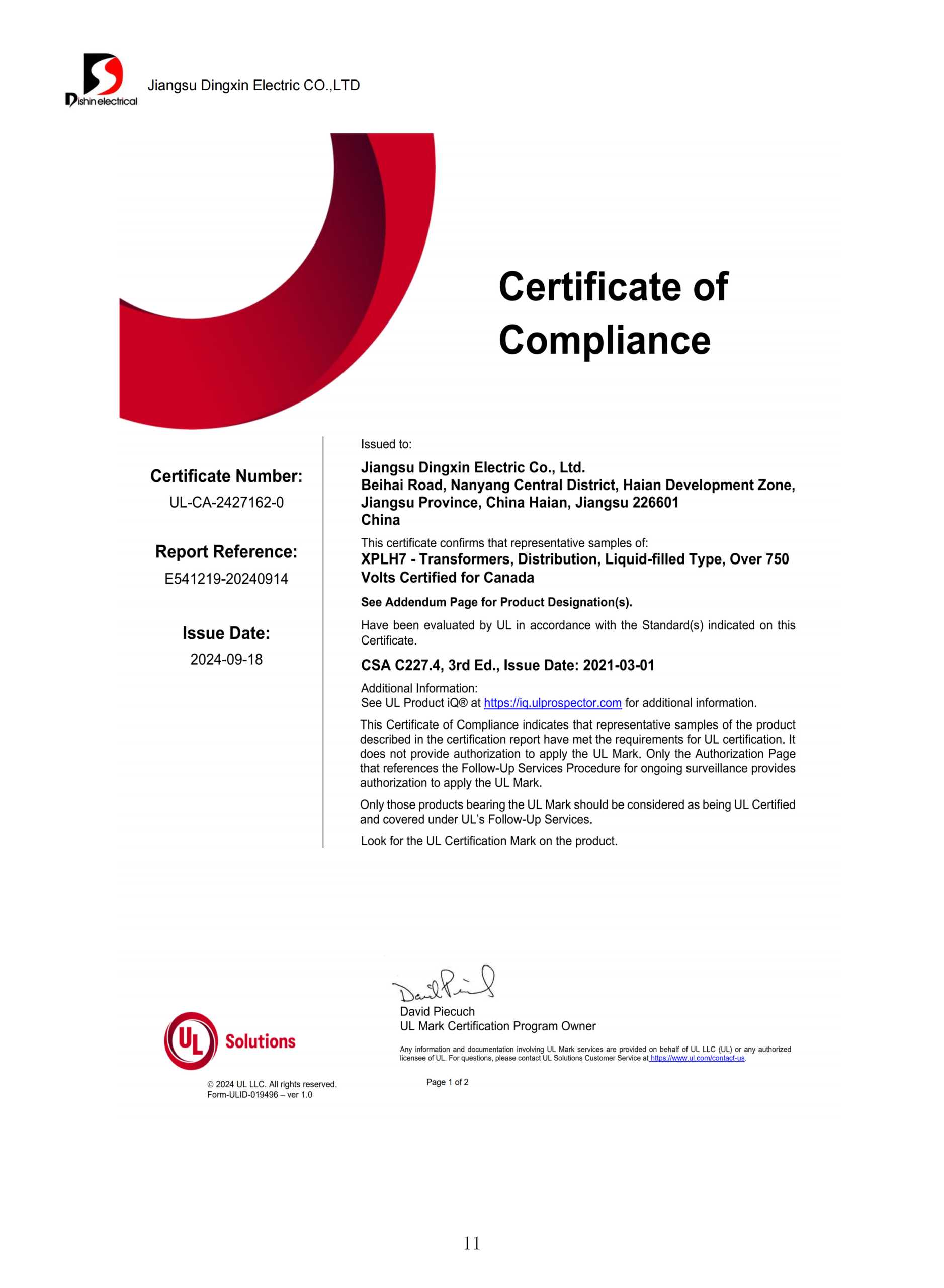
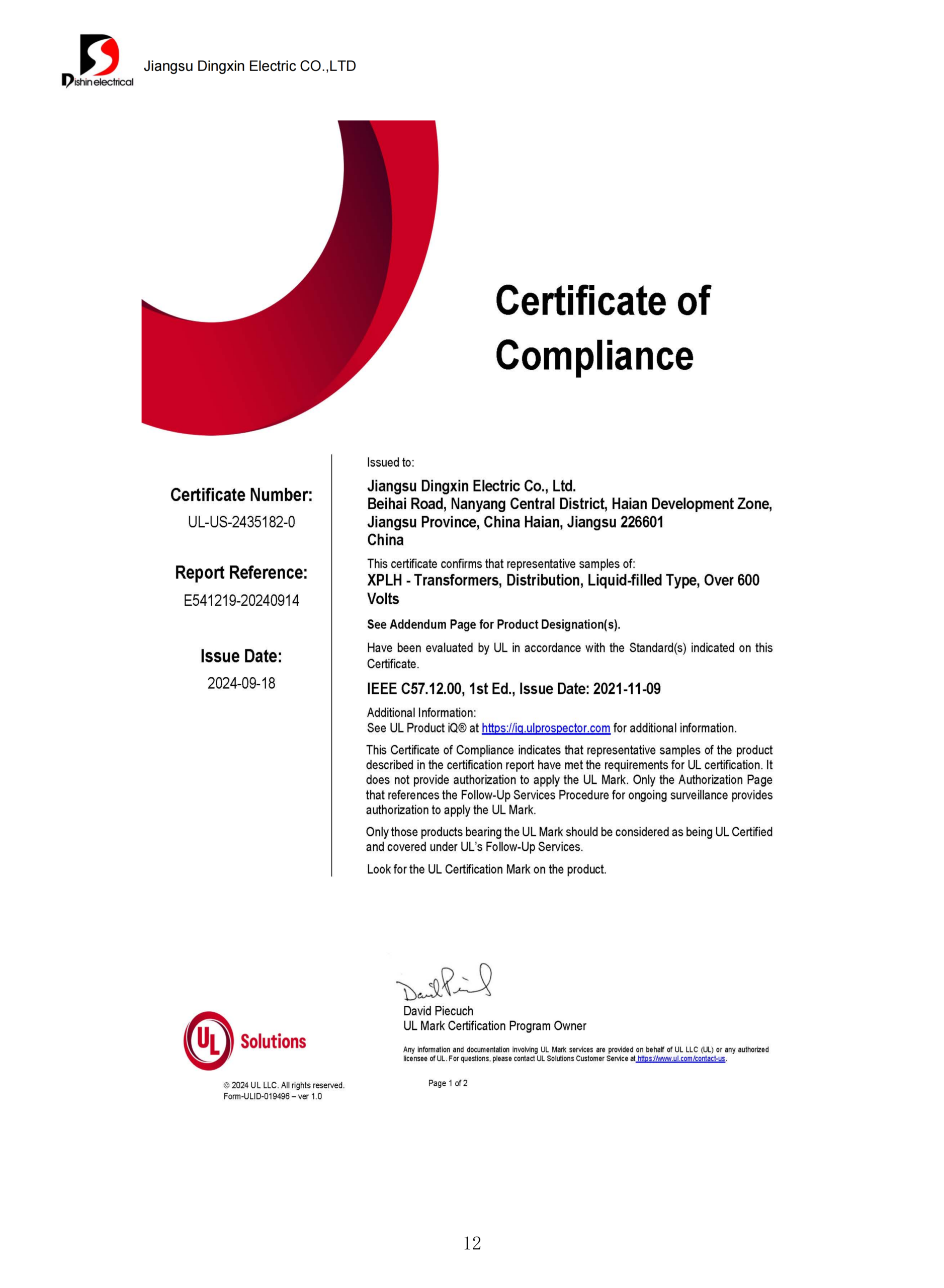
Brand identity, an applicable standard and model-level proof are three different things. Contrary to a common assumption, an unverified certificate creates ambiguity because it may not bind the legal manufacturer, offered model or destination.
Company-provided context
Talite reports more than three decades in power equipment, identifies Jiangsu Fangteng Industrial Co., Ltd. as its former name, and locates operations in the Hai’an Economic and Technological Development Zone of Nantong, Jiangsu. Bind those company-provided details to current registry, address and certificate records before treating them as independent proof.
Evidence ladder for the offered transformer
1. Entity and responsibility
- Legal manufacturer and contracting entity
- Factory location tied to the offer
- Importer, representative or other responsible operator where required
2. Model-bound technical proof
- Approved data and outline drawing
- Guaranteed values and deviation schedule
- Applicable routine, type, special or witness-test evidence
3. Destination and buyer release
- Current rule applicability
- Required declaration, filing or accepted-material record
- Document owner, retention and final acceptance
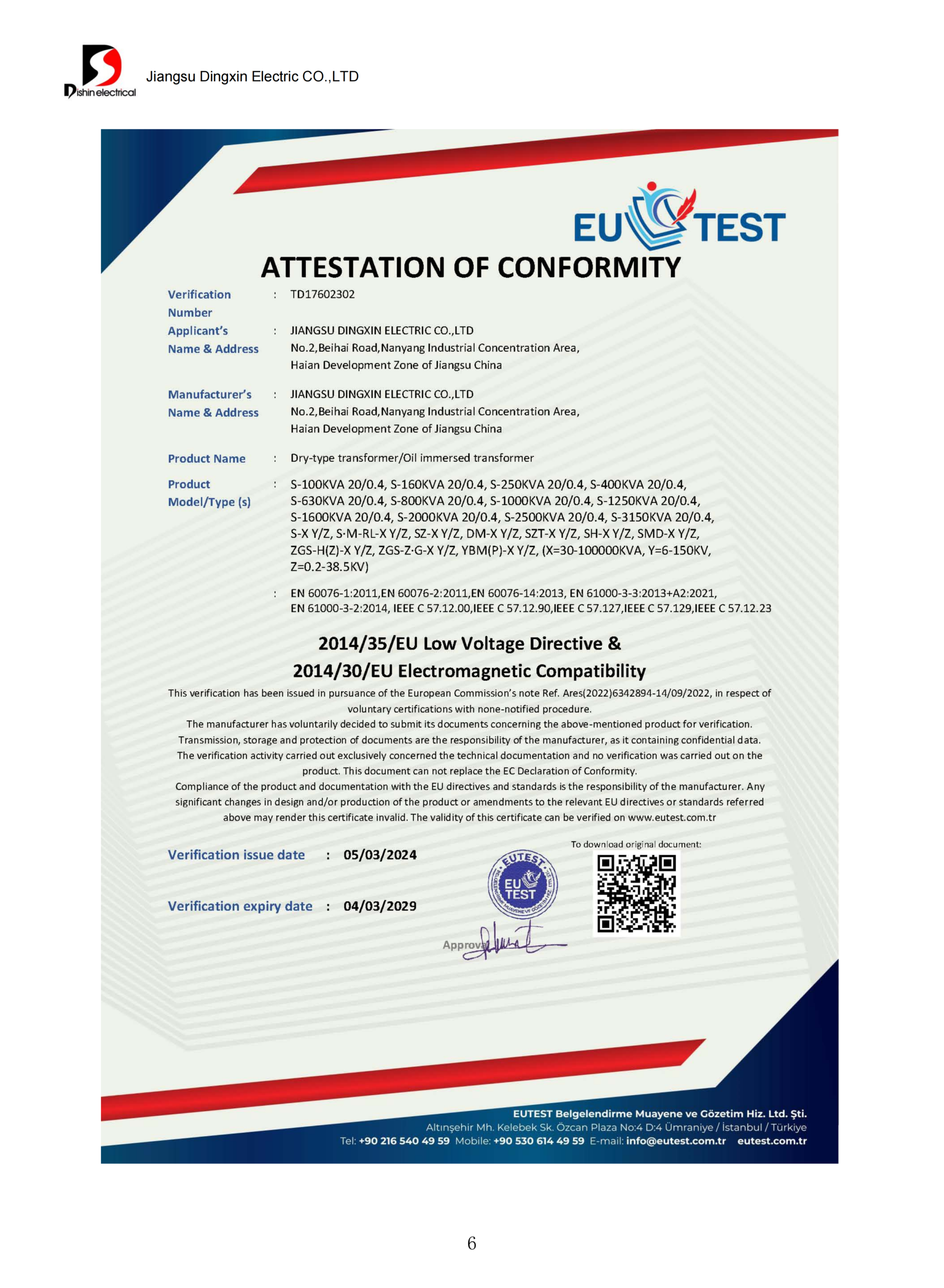
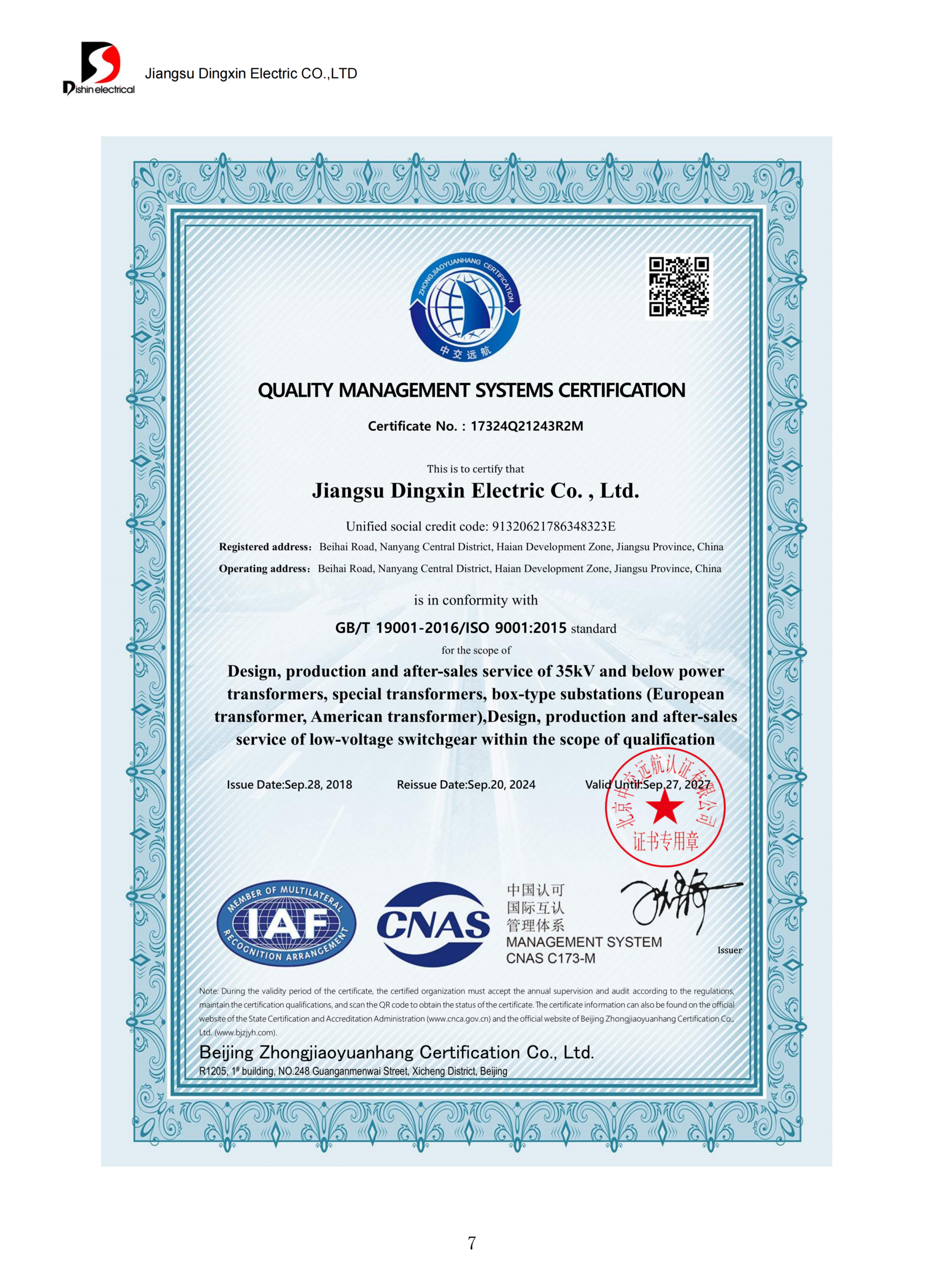
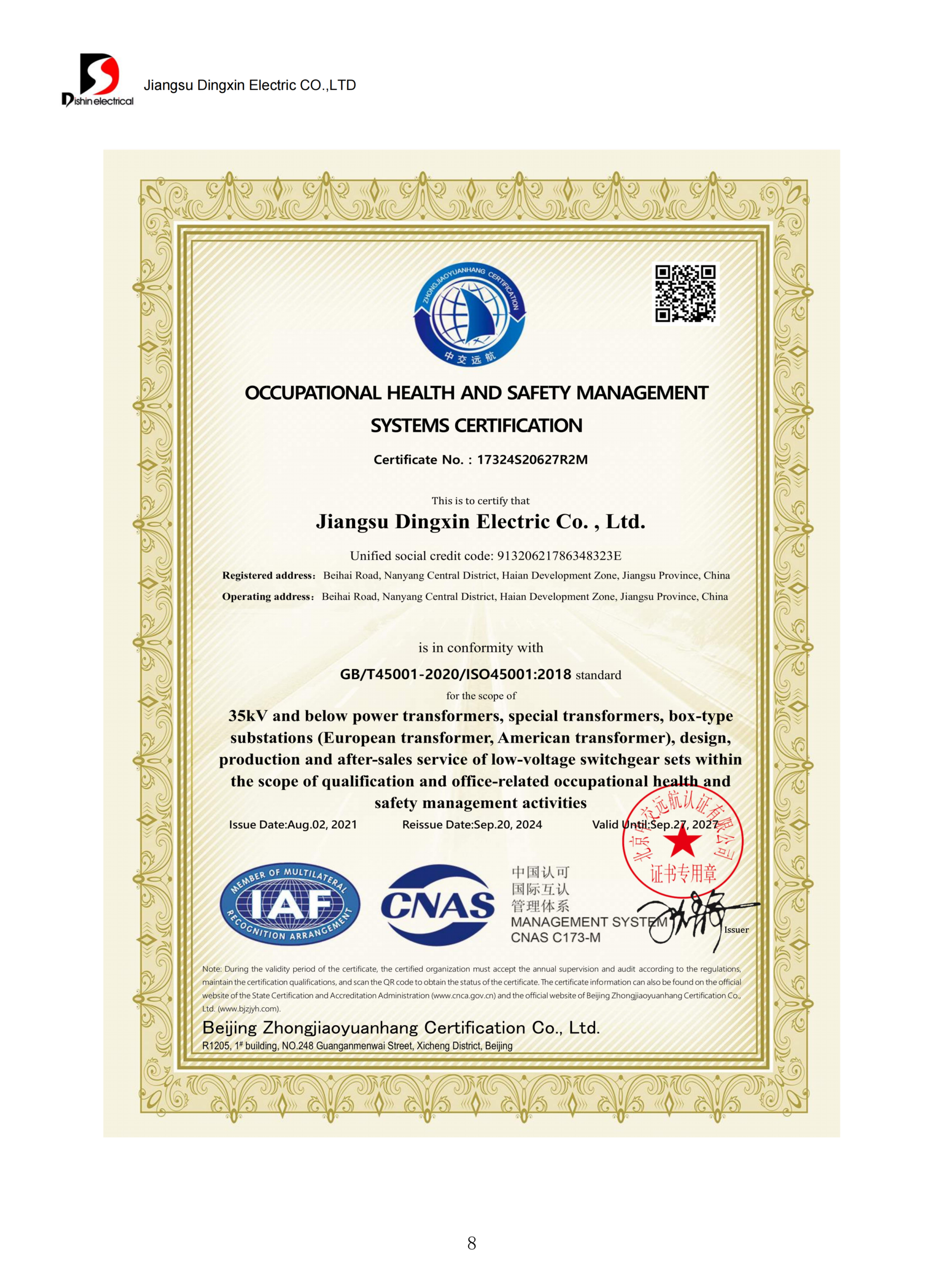
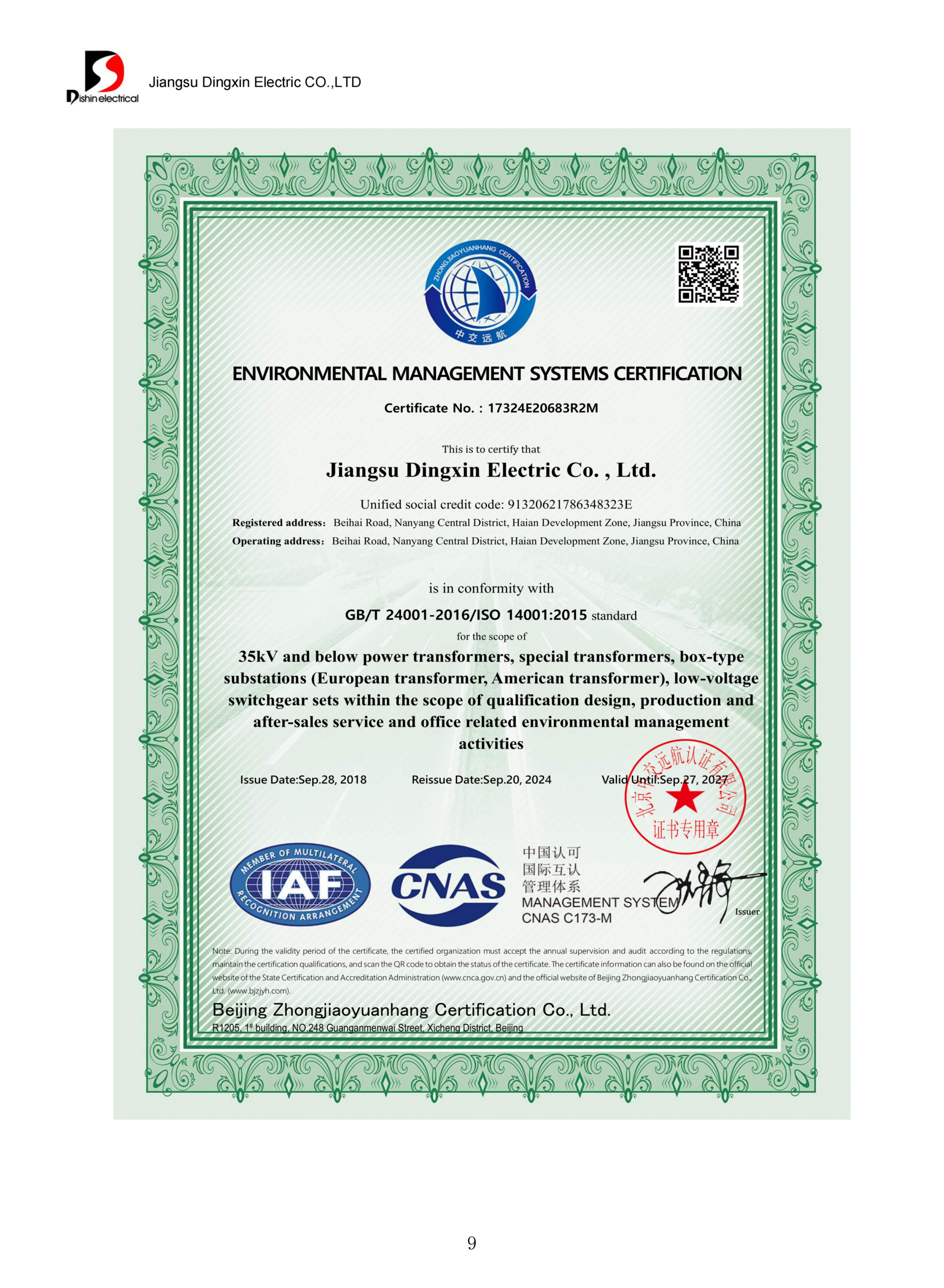
Destination branches stay mutually exclusive
United States
In the United States, the DOE definition in 10 CFR Part 431 uses bounded input/output voltage, 60 Hz and capacity criteria, with explicit exclusions. Treat it as a U.S. regulatory coverage screen, not a global definition, and confirm the current efficiency standards, test data and importer or certifier responsibilities for the offered model.
European Union / EEA
Confirm the applicability of relevant eco-design requirements to your purchase, and then identify the responsible economic operator, which may be the manufacturer, importer, or authorized representative. Ensure they’ll retain the necessary technical records and documentation of conformity.
Other market or utility
For another market or utility, use the buyer and destination specification as the controlling input. Record required standards, approved materials, local testing, language, document and inspection conditions without assuming U.S. or European rules apply.
Ask for evidence format, not a logo row
IEEE C57.12.37-2025 provides a basis for electronic reporting of test data in specified liquid-immersed distribution-transformer classes. It supports requesting structured records; it does not prove that Talite, a monitoring-terminal vendor or another supplier supports that format until the offer says so.
×
Distribution Transformer Professional Engineering Tools
Distribution Transformer RFQ Completeness Scorer
Mark only information that is already available. The result identifies missing inputs; it does not size a transformer or confirm technical suitability.
Distribution Transformer Quote Basis Normalizer
Classify each comparison row before ranking price. “Aligned” means both offers state the same agreed basis, not merely that both mention the topic.
Replacement Transformer Compatibility Bottleneck Mapper
Mark the evidence status for five decision domains. “Open with owner” means the gap is documented and assigned; it does not mean the issue is resolved.
Frequently Asked Distribution Transformer Questions Before You Request a Quote
What information is needed to select a distribution transformer?
Provide the one-line diagram, kVA and duty, voltage, frequency, phase, connection, grounding, installation, site, interfaces, protection, destination rules, tests, documents and delivery point. Unknowns can remain open with a named owner.
Why can one transformer fit more than one product or buying path?
Electrical duty, installation and construction are parallel axes. A single-phase pole-mounted unit can also be a utility procurement, while an amorphous-core objective can apply across more than one installation route.
Is a distribution transformer single-phase or three-phase?
It can be either, depending on the distribution system and load. Don’t infer phase from pole or pad installation; confirm phase, winding connection, neutral and grounding from the system design.
What is the difference between a power transformer and a distribution transformer?
Use system role, application and the applicable equipment standard, not one universal voltage or capacity threshold. A destination’s regulatory definition may be narrower than the broader engineering category.
How should two distribution transformer quotations be compared?
Normalize construction, duty, voltage, losses, impedance, interfaces, accessories, tests, documents, deviations, freight and delivery assumptions. Rank price only after both offers describe the same scope.
Which drawings and test records should be requested?
Request offered-model data, outline and interface drawings, guaranteed values, deviations and the agreed routine, type, special or witness evidence. Exact records depend on product class, destination, buyer specification and contract.
What changes distribution transformer price and delivery time?
Configuration, materials, quantity, interfaces, accessories, tests, documents, approvals, trade term, destination and exceptions matter. A project-specific offer is more reliable than a public price or generic lead-time range.
Which standards apply to my destination market and product family?
Start with product class, construction, duty, interface and destination, then verify the current official rule. A standard name doesn’t prove that an unreviewed model complies.
FAQ scope boundary:
The U.S. Department of Energy distribution-transformer page illustrates why an official definition may be jurisdiction-specific; final selection still depends on the project duty, destination and offered-model evidence.

![110kV Power Transformer Guide: Specs & Standards [2026]](https://toplit-transformer.com/wp-content/uploads/2026/07/110kv-power-transformer-guide-featured-150x150.png)


