Get in touch with Toplit Transformer Co., Ltd Company
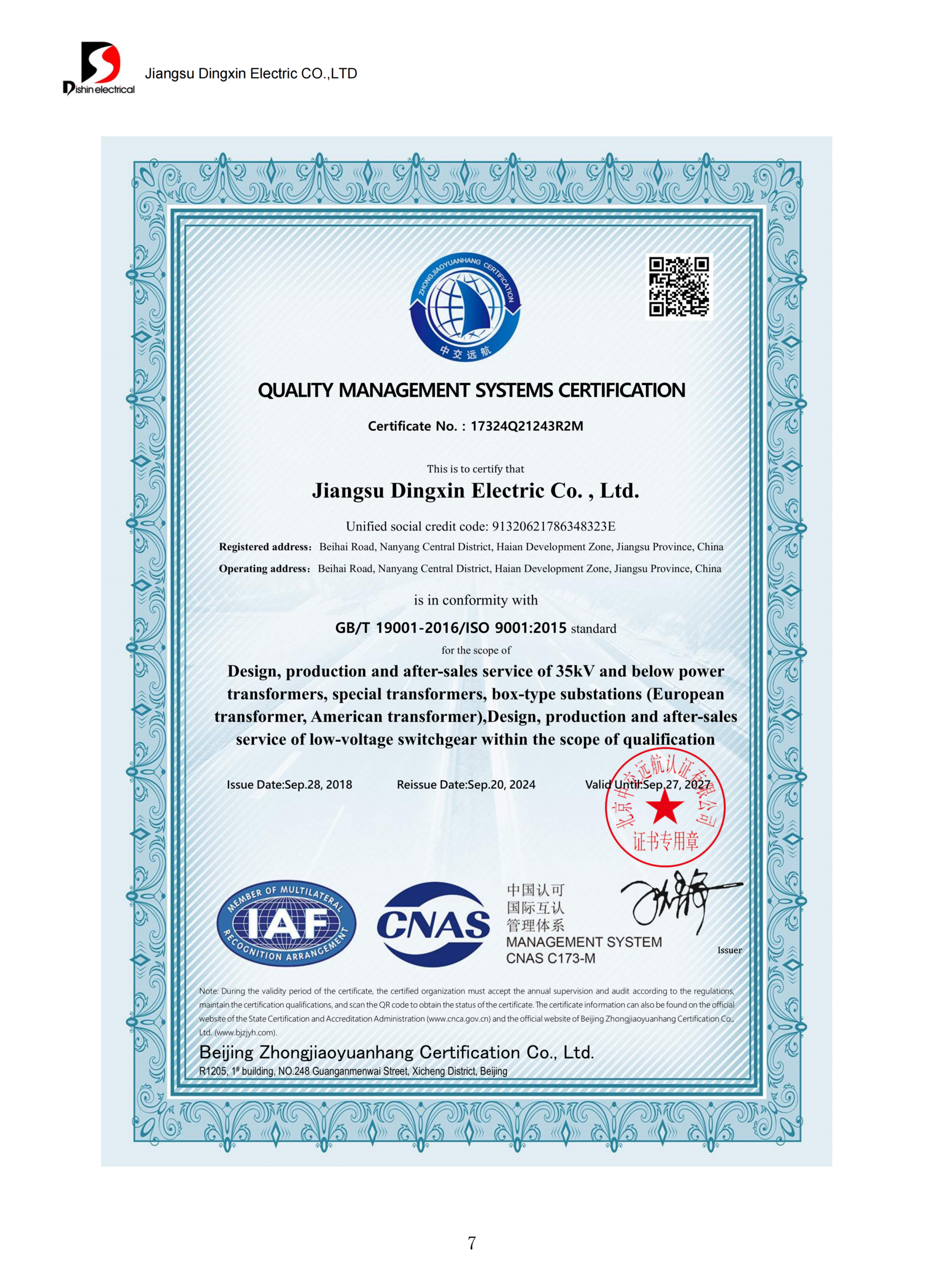
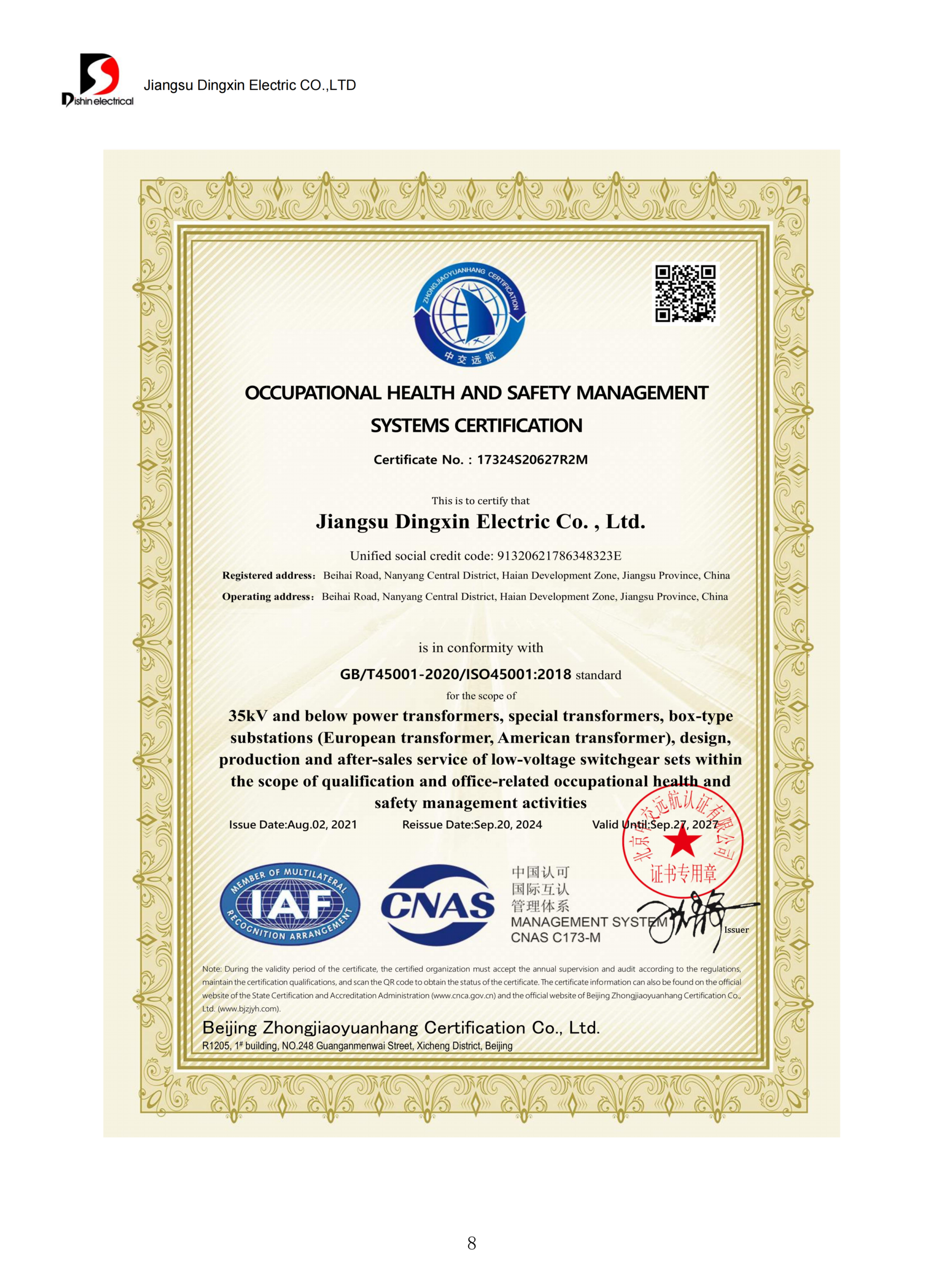
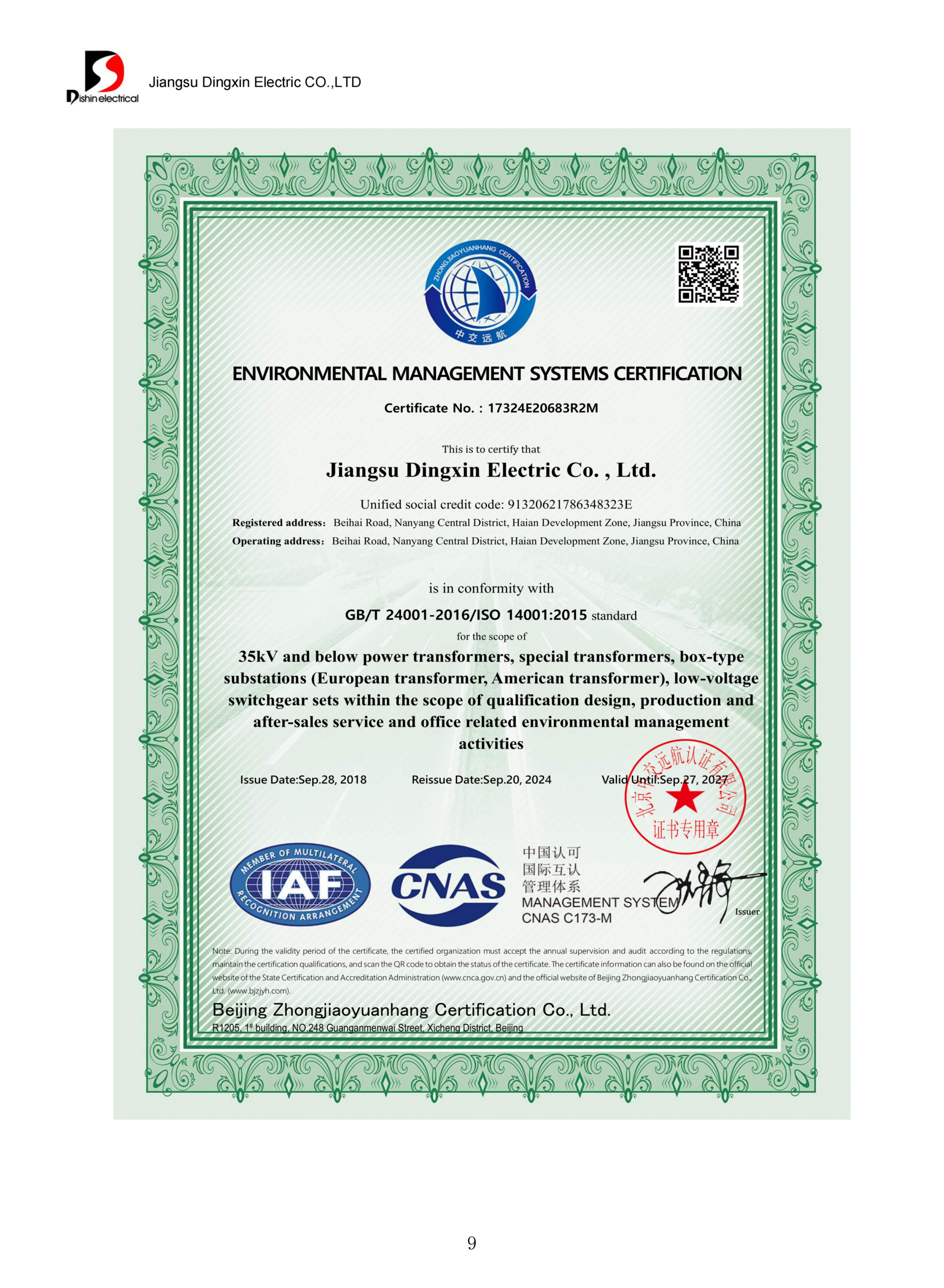
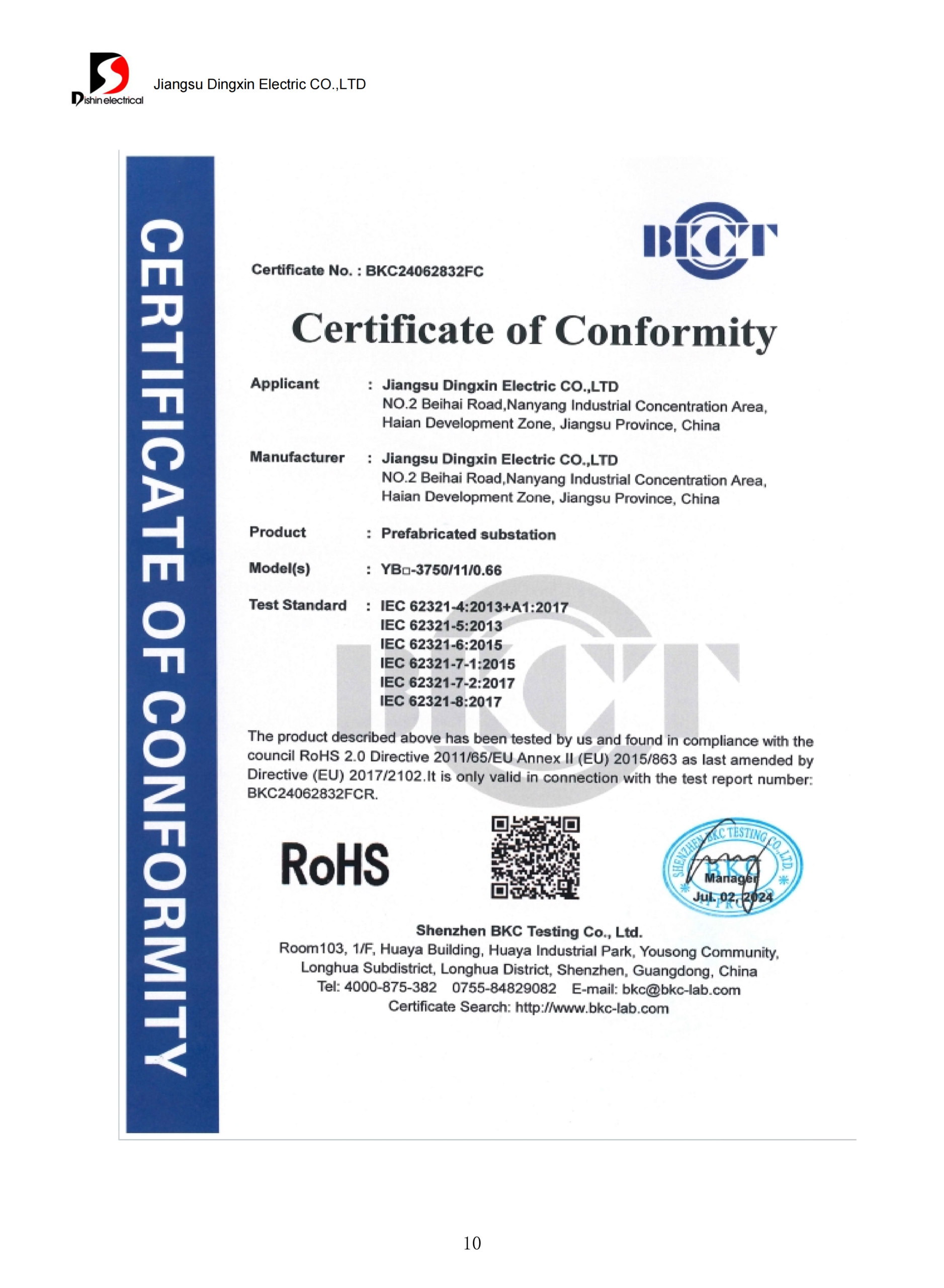
ISO Certified
Request a Quote
single phase pad mounted transformer
Single Phase Pad Mounted Transformer, Defined Around Your Distribution Project
A single phase pad mounted transformer is useful only if its load basis, voltage, feed arrangement, protection, site interface, and evidence package match the network. Project review at Talite starts with those decisions before confirming an offered configuration.
Load basis
Connected load, demand, duty, and future allowanceSystem match
Primary and secondary voltage, frequency, and groundingEquipment path
Pad mount, pole mount, or three-phase routeEvidence gate
Applicable standards, drawings, tests, and market documents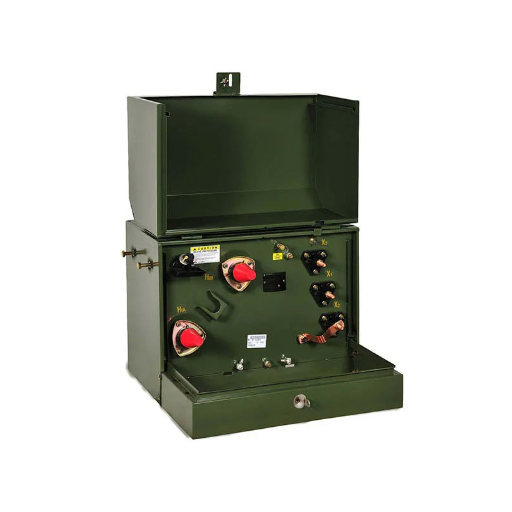
Start With Facts 8 Inputs
Give Talite the minimum engineering inputs needed to review fit and prepare a comparable quotation.
kVA and load basis
Primary system
Secondary service
Feed configuration
Protection intent
Site conditions
Standard and market
Required deliverables
Solve Underground Distribution Constraints with a Project-Matched Single-Phase Unit
Underground distribution removes the pole from the immediate service point, but it does not remove engineering decisions. A suitable transformer still has to step down the correct primary system, supply the required secondary service, coordinate with upstream and internal protection, and fit the civil and cable interfaces.
Decision proof: the wrong system match creates approval and installation risk because a 50 Hz or 60 Hz network, grounded primary, cable interface, and protection study can drive different requirements. At Talite, engineers use the project record and factory review to resolve that trade-off; request a specific drawing and evidence review rather than assume that pad-mounted is always the right call. Public IEEE C57.12.38-2025 scope information helps bound certain 60 Hz single-phase pad-mounted units, while the serving utility and project specification still control selection.
1
Pain
A project may need a low-profile distribution point, yet the quote arrives before the load, utility system, and cable plan are stable.
2
Cause
A generic product name hides decisions about kVA, voltage, radial feed or loop feed, bushing interfaces, fuse strategy, and site access.
3
Solution
Freeze a controlled configuration record before comparing suppliers, dimensions, accessories, price, or lead time.
4
Proof
Map each offered statement to a drawing, datasheet, test document, or written engineering confirmation for the exact project.
Fit Boundary: a pad-mounted transformer is not automatically the lowest-cost or most appropriate path. Network topology, utility practice, public-area requirements, civil work, available three-phase service, fault duty, and maintenance access can change the decision.
Scope Numbers Are Not Talite Model Ratings. The public 2025 IEEE scope is limited to single-phase, liquid-filled, self-cooled pad-mounted units at 60 Hz, 250 kVA and smaller, with high-voltage limits of 34,500 V grounded-wye / 19,920 V and low-voltage limits of 480 V / 240 V. Separately, the current 10 CFR 431.192 definition uses a 34,500 V input ceiling, 600 V output ceiling, 60 Hz operation, a 10 kVA–5,000 kVA liquid-immersed range, and a 15 kVA–5,000 kVA dry-type range. These figures only screen the scope of each document. They neither confirm Talite availability nor establish that an offered basic model meets a standard or federal requirement.
Configuration Scenario
Underground Residential Distribution
A single-phase pad-mounted route may fit a grounded underground system serving dispersed single-phase loads. Serving-utility voltage, protection, enclosure, clearance, and connector practice remain controlling inputs.
Configuration Scenario
Light Commercial or Site Service
A load may look suitable by size while the secondary service, motor contribution, fault current, metering, or future expansion points toward a different configuration. Review the one-line diagram before treating the equipment label as a conclusion.
Configuration Scenario
Replacement or Network Extension
Matching only the nameplate rating can miss the terminal layout, impedance, footprint, cable bending space, grounding provisions, and protection coordination. A replacement review should compare physical and electrical interfaces together.
Configure a Talite Single Phase Pad Mounted Transformer for Your Project
With more than three decades in power equipment, Talite brings company experience to the review, but history does not replace a project definition. Available single-phase product ratings and options must be confirmed by Talite engineering because the supplied public material does not establish a model-level range.
The Honest Version: the drawing arrives after the civil and cable interfaces are already frozen when the enquiry leaves those decisions open. A 100 kVA label, for example, would still be incomplete without the voltage, frequency, grounding, feed, protection, site, and utility clauses behind it.
Input
What to Send
Why It Changes the Offer
Evidence to Request
1. Load and kVA basis
Connected load, demand calculation, duty profile, starting loads, diversity, and future allowance
Defines thermal duty and prevents a bare kVA number from hiding the sizing basis
Rating confirmation and stated design assumptions
2. Primary system
System voltage, connection, grounding method, frequency, insulation level, and utility data
Controls high-voltage winding, insulation, bushing, and system compatibility
Primary-voltage line on the datasheet and drawing
3. Secondary service
Required secondary voltage, conductor arrangement, grounding, neutral, and load type
Defines the secondary winding and terminal arrangement
Secondary diagram, nameplate schedule, and terminal details
4. Feed arrangement
Radial feed or loop feed intent, cable count, connector class, and switching needs
Changes the high-voltage compartment, bushing count, and operating arrangement
Compartment layout and one-line representation
5. Protection
Available fault current, upstream device, fuse philosophy, arrester needs, and coordination study
Determines which protection options require engineering review
Protection schedule and coordination responsibilities
6. Site and enclosure
Indoor or outdoor location, ambient conditions, altitude, contamination, corrosion exposure, pad, access, and color
Affects enclosure, coating, temperature assumptions, dimensions, weight, and accessories
Outline drawing, coating requirement, handling and installation notes
7. Standard and market
Destination country, utility specification, project standard list, regulatory date, and approval route
Prevents a standard name from being applied outside its scope
Applicability matrix and supporting certificate or test reference where available
8. Deliverables and schedule
Datasheet, drawings, test plan, witness points, manuals, spares, packing, shipping term, and required-on-site date
Defines quote completeness and the real approval-to-delivery path
Document register and milestone schedule
Electrical Record
- Load and kVA calculation
- Primary and secondary voltage
- Frequency and grounding
- Impedance or fault-duty requirement
Interface Record
- Radial or loop feed
- Dead-front or specified interface
- Cable and connector information
- Pad, clearance, lifting, and access limits
Evidence Record
- Applicable standard scope
- Drawing and datasheet register
- Testing and inspection requirement
- Commercial exclusions and schedule
Compare Pad-Mounted, Pole-Mounted, and Three-Phase Distribution Options
Single-phase pad-mounted, single-phase pole-mounted, and three-phase distribution transformers solve different network problems. The correct route follows the utility system, load, site, public interface, maintenance model, and expansion plan rather than a general product ranking. IEEE single-phase pad-mount scope information defines a product boundary, not when that route is preferable to pole-mounted or three-phase equipment.
The honest version: a common assumption says ground-level equipment is always cheaper or a 3-phase route is automatically oversized, yet every path has a trade-off. A 50 Hz or 60 Hz project can still require different utility, voltage, protection, and maintenance decisions.
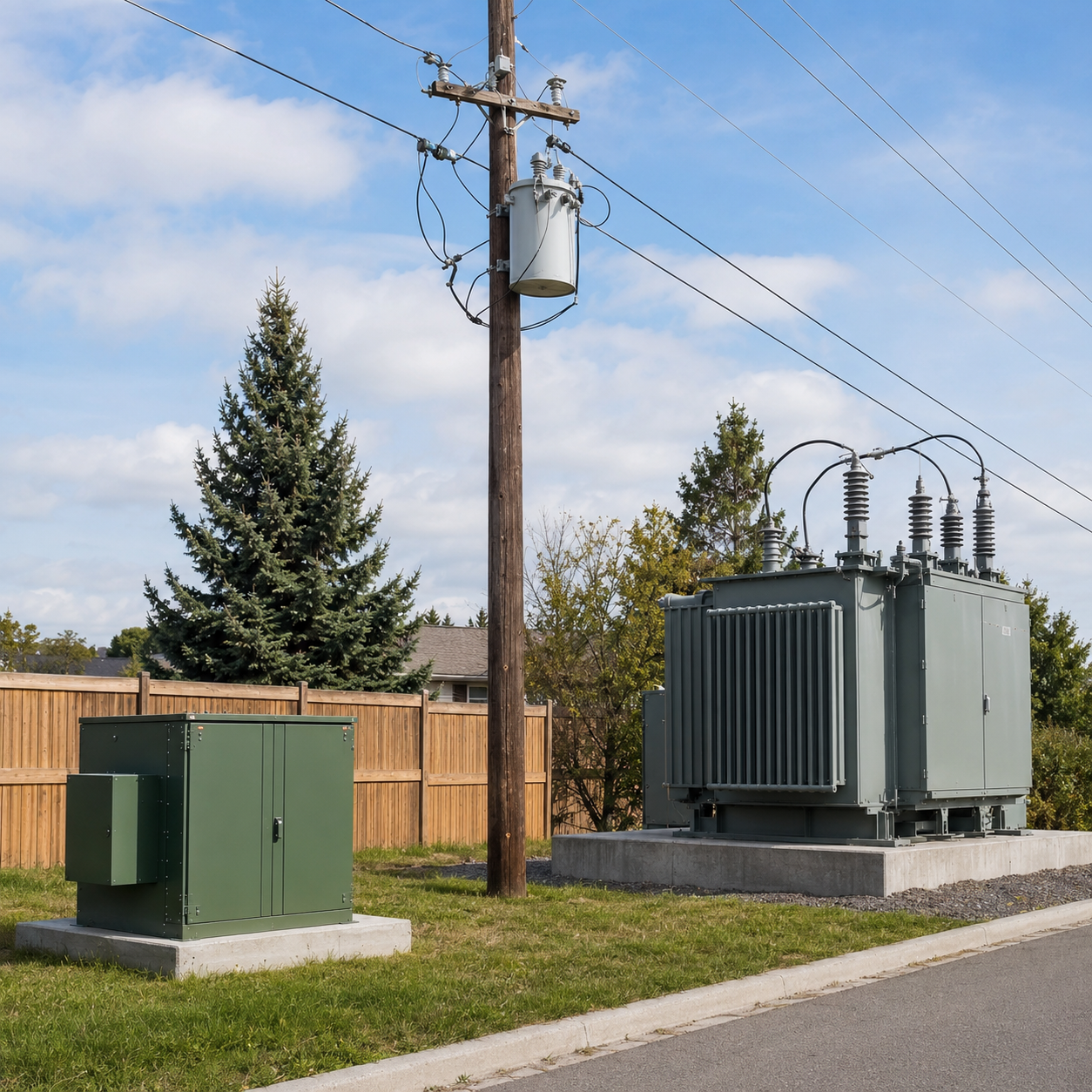
| Decision Factor | Single-Phase Pad-Mounted | Single-Phase Pole-Mounted | Three-Phase Distribution Path |
|---|---|---|---|
| Network Context | Commonly evaluated for underground single-phase service | Commonly evaluated for overhead single-phase service | Evaluated when the source and loads require three-phase power |
| Load Type | Dispersed single-phase residential or light-service loads may fit | Overhead service loads may fit | Motors, dense commercial loads, or balanced three-phase demand may drive the choice |
| Public Interface | Ground-level enclosure and tamper-resistance requirements matter | Pole height changes the immediate public interface | Depends on enclosure, installation type, and site access |
| Civil Work | Pad, underground ducts, cable entry, drainage, and clearances require coordination | Pole class, loading, mounting, and overhead clearances require coordination | Equipment footprint and civil scope can be larger or differently arranged |
| Feed Design | Radial feed or loop feed must match the underground network | Overhead primary arrangement controls the design | Primary switching and multi-phase protection require separate review |
| Protection | Fuse, arrester, bushing, and upstream coordination are project decisions | Cutout or self-protected approaches may enter the utility study | Three-phase fault and protection behavior requires the correct study basis |
| Maintenance Access | Ground-level access can help, but working clearance and cable-compartment safety are essential | Access often requires pole-working practices and equipment | Depends on site layout, switching, and enclosure |
| Expansion | Suitable only if future service remains compatible with the single-phase network plan | Suitable only if the overhead route remains part of the plan | May better support future three-phase loads, subject to system availability |
| Approval Owner | Serving utility, consultant, owner, and authority requirements must align | Serving utility construction practice is central | Utility and project electrical design both control the route |
| Quote Comparison | Normalize feed, protection, fluid, enclosure, accessories, documents, and logistics | Normalize mounting, protection, accessories, and utility hardware | Normalize vector group, switching, protection, accessories, and site interfaces |
Decision Checkpoint
Do not use “residential” as a substitute for a system study. Confirm the available service, load calculation, utility construction standard, protection coordination, and planned future loads before selecting the transformer family.
Quality Assurance, Testing, and Standards Alignment
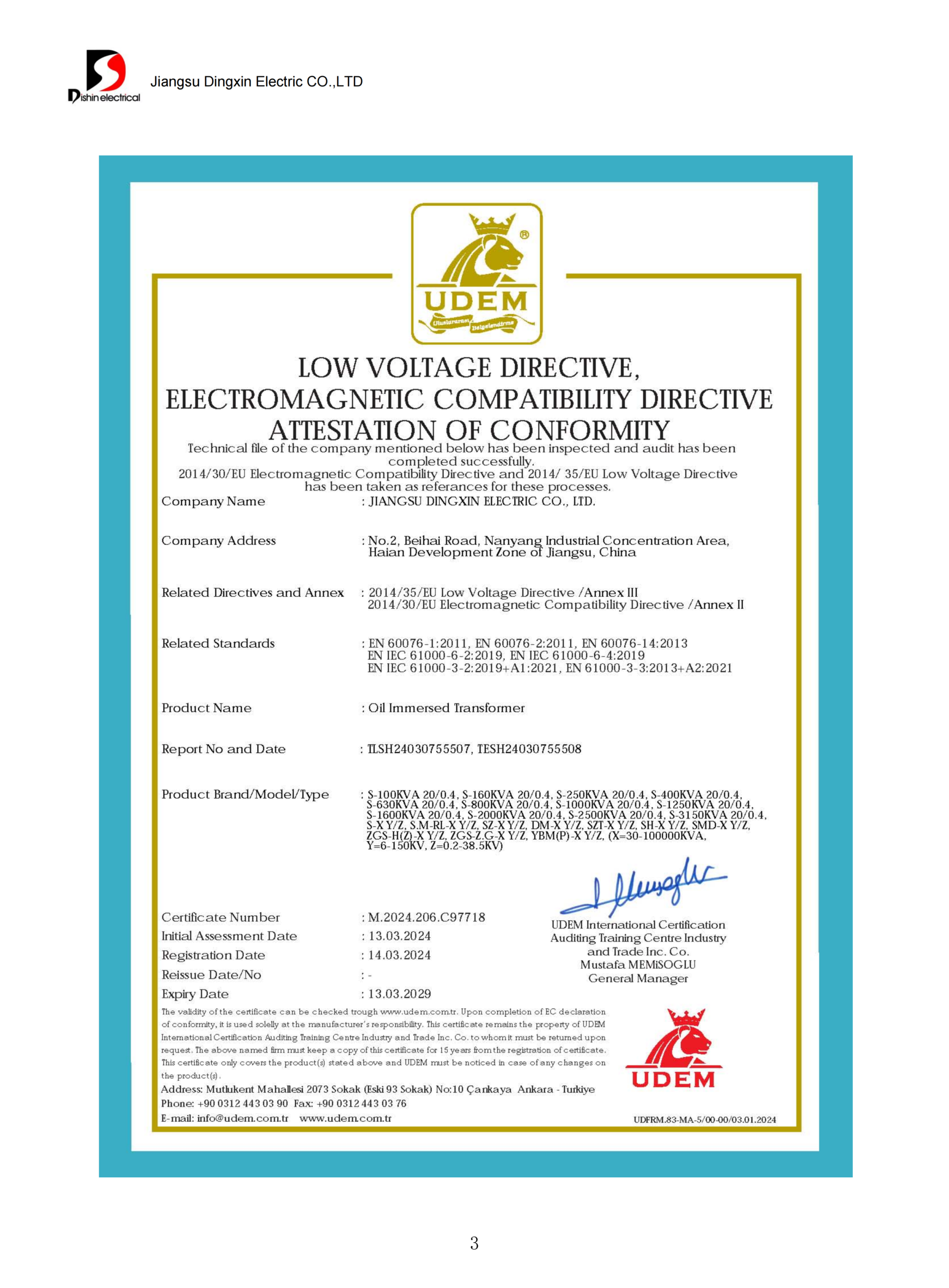
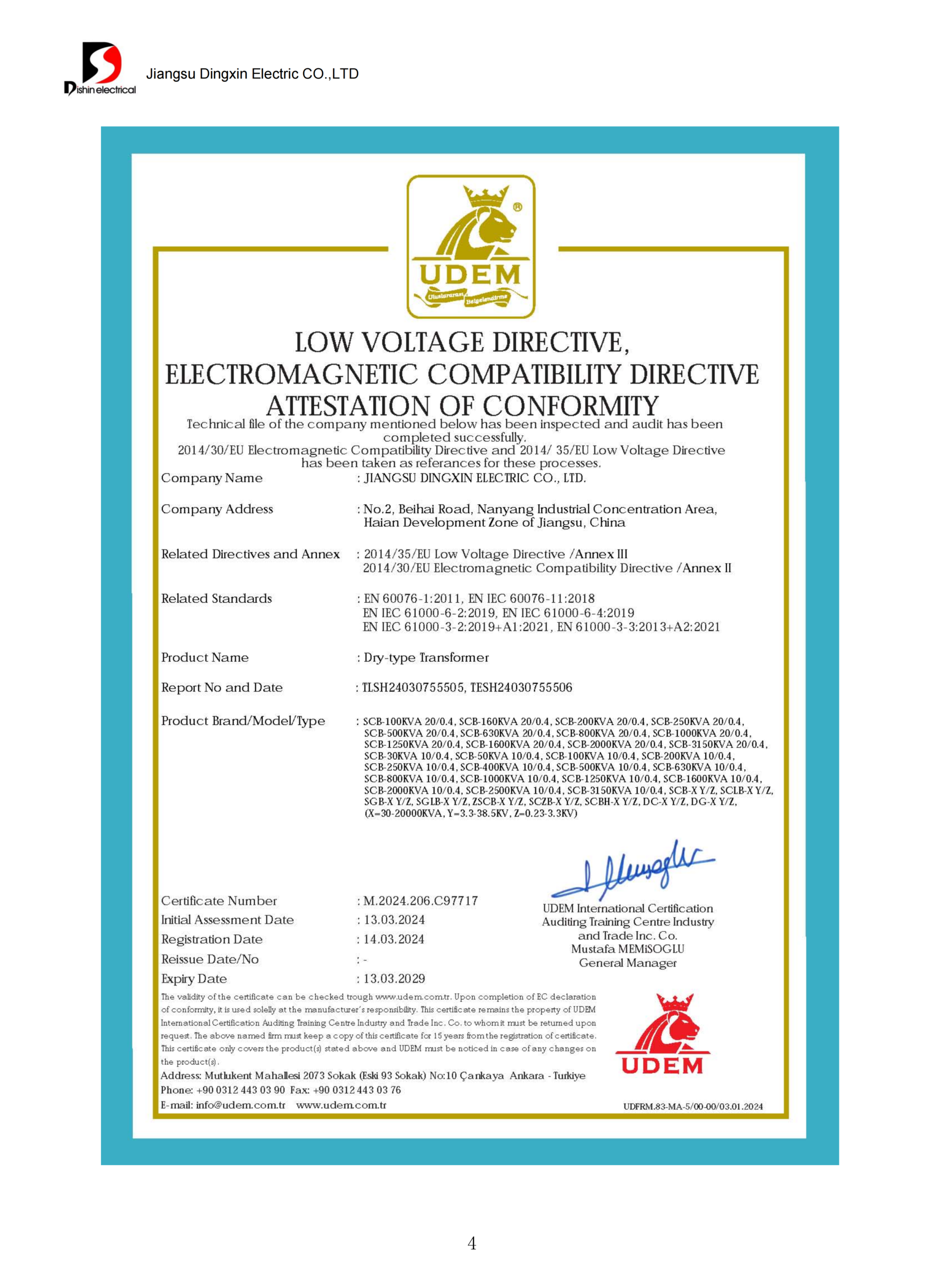
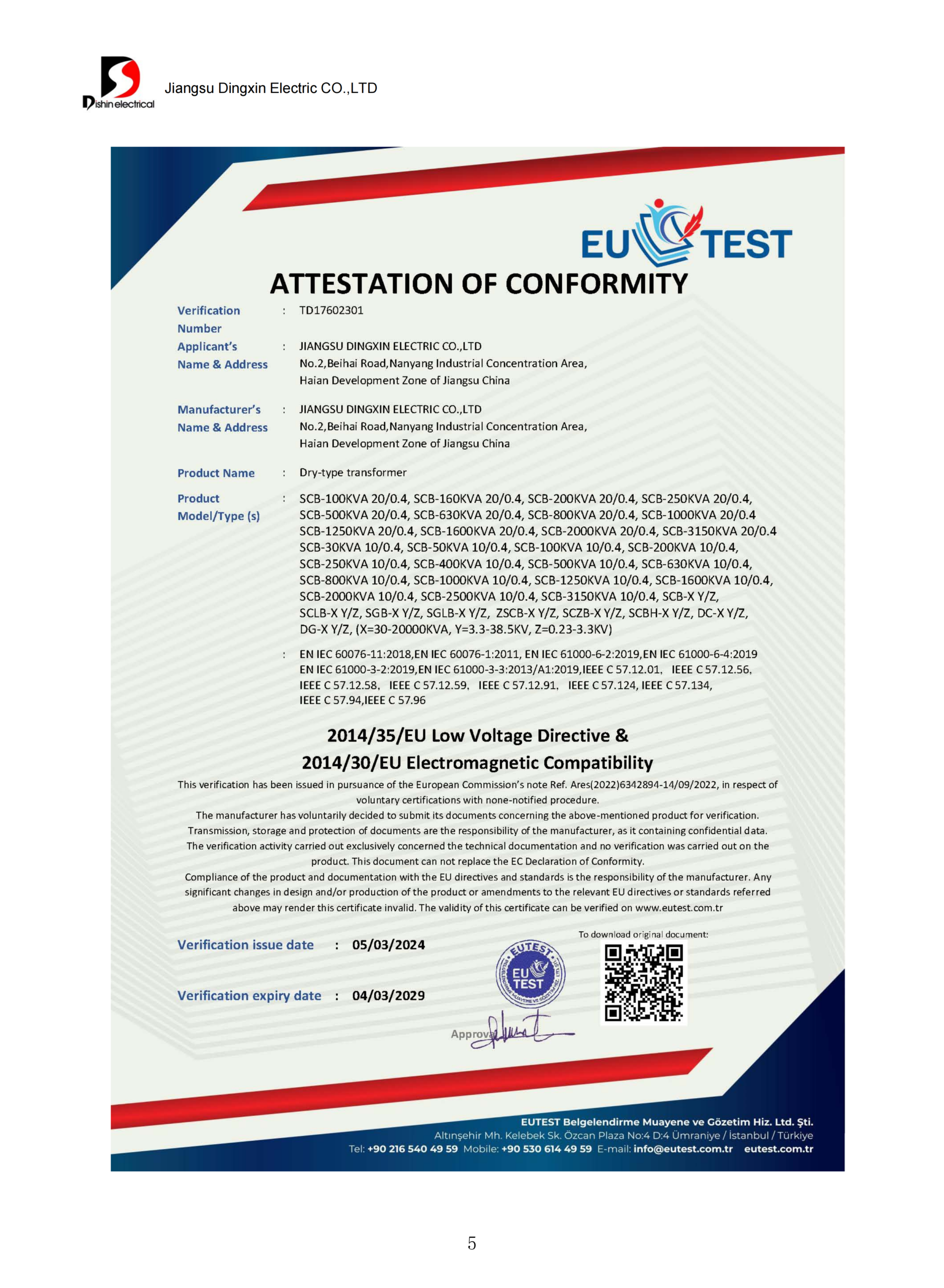
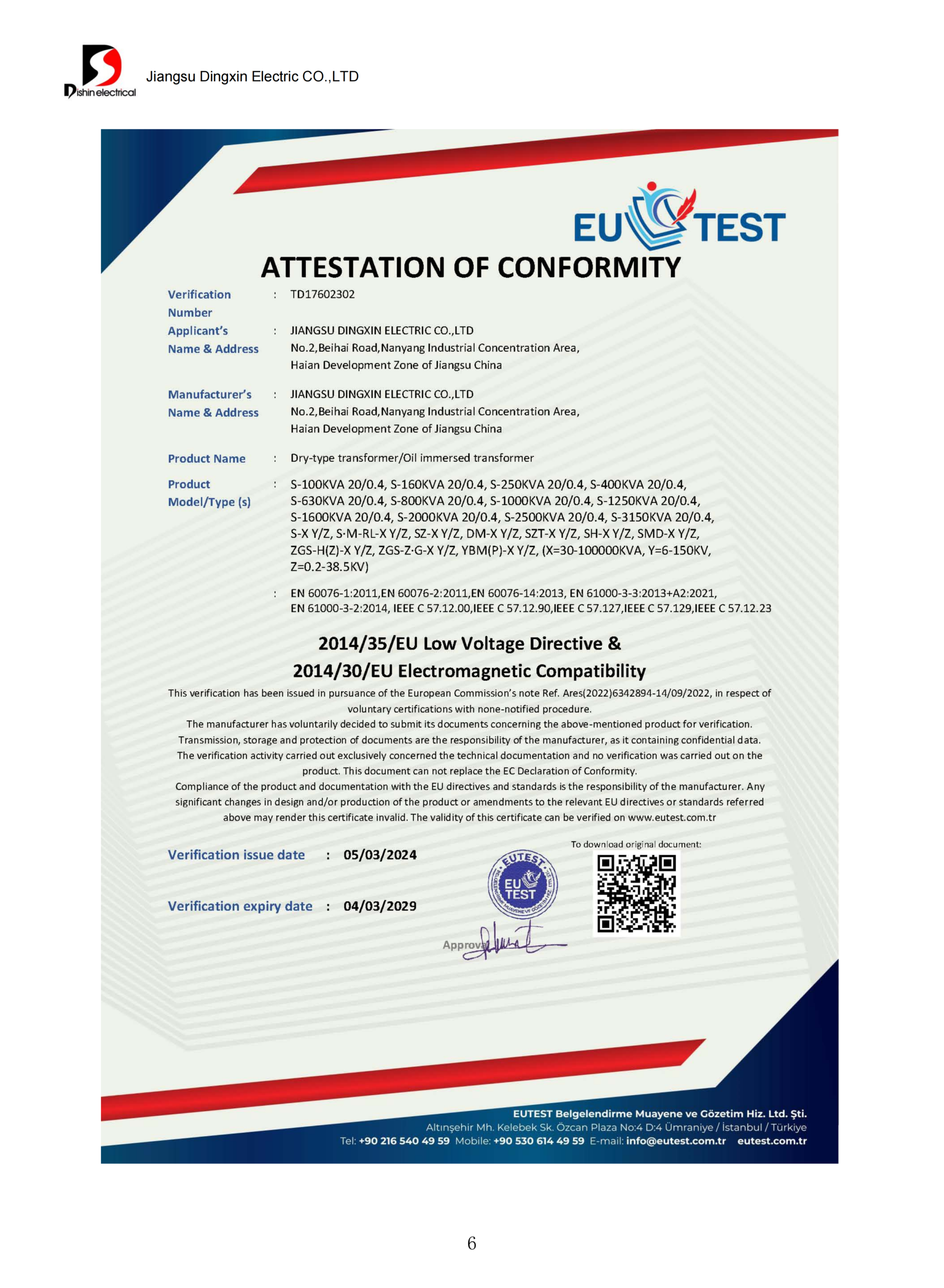
A standards list is not a product certificate. Each reference has a scope, edition, product boundary, test method, market context, and evidence requirement that must be mapped to the offered unit.
Talite Engineering Review Position: a standards list appears on the page, but no one can map it to the offered model when product construction, enclosure integrity, a 60 Hz system, efficiency testing, certification, and utility acceptance are blended together. At Talite, engineers map the requested model and evidence before the quotation carries a compliance statement.
❮
❯
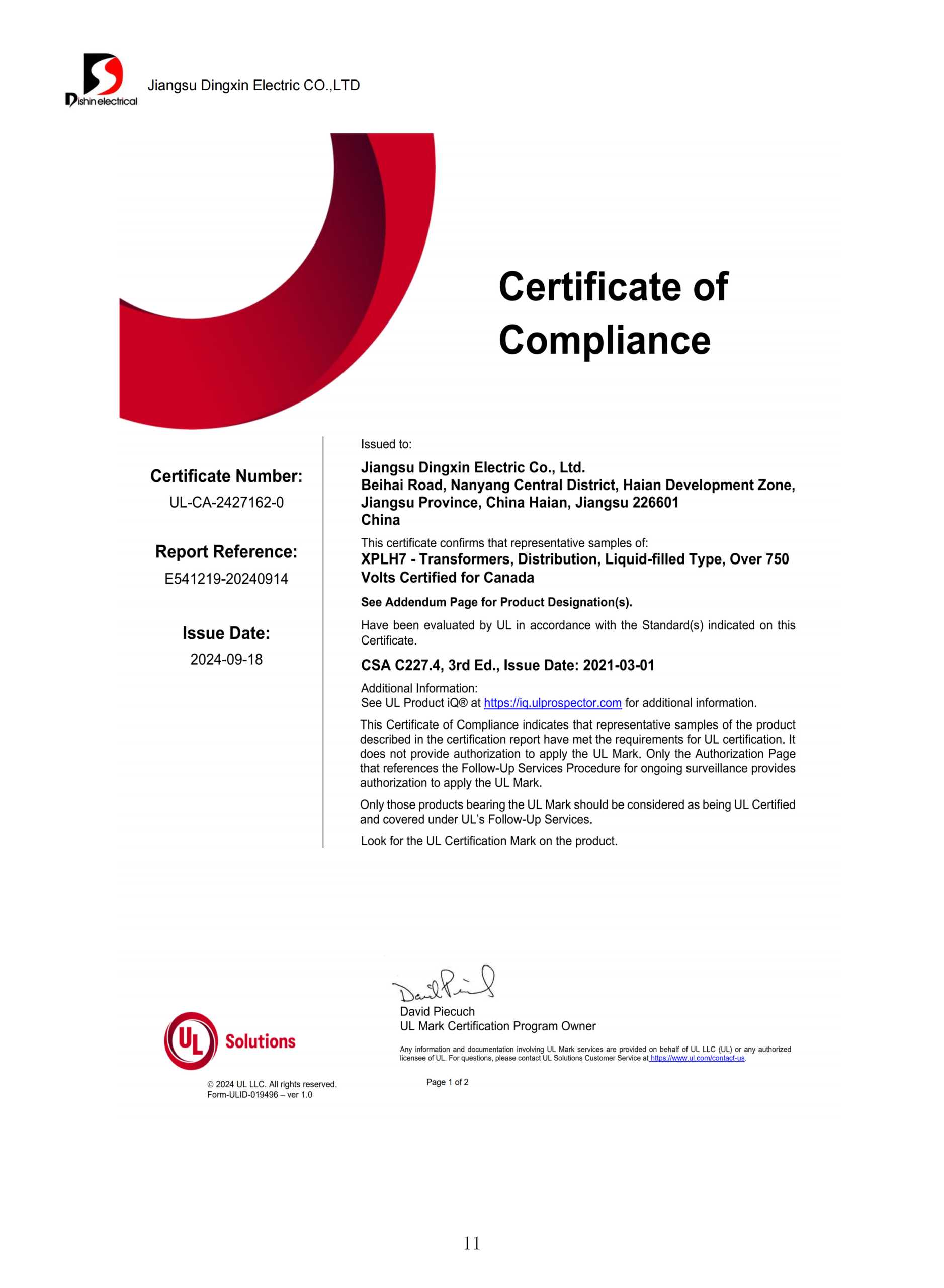
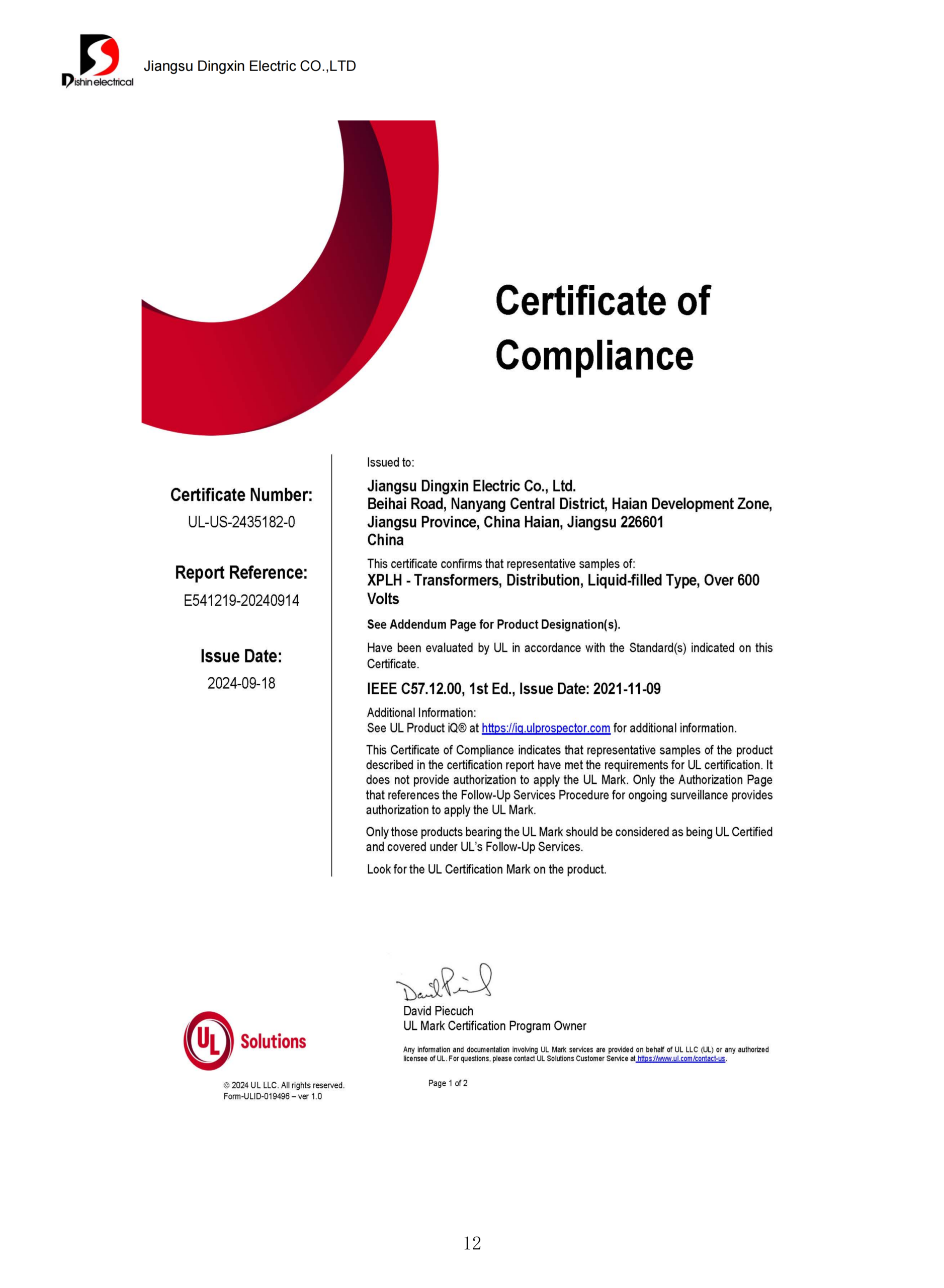
Reference
What the public source establishes
What it does not establish
Talite quotation gate
IEEE C57.12.38-2025
Its public scope covers certain pad-mounted, compartmental-type, self-cooled, single-phase distribution transformers and identifies stated voltage and kVA boundaries.
It does not prove every accessory or every offered Talite model conforms.
Map the requested rating, voltage, enclosure type, feed, and options to the applicable clauses and available evidence.
IEEE C57.12.28-2023
Public scope addresses enclosure integrity, including coating-related requirements for pad-mounted equipment.
It is not a complete electrical-performance or market-access certificate.
Confirm the specified environment, coating system, test basis, and document to be supplied.
10 CFR Part 431, Subpart K
Current federal text defines covered distribution-transformer scope, test procedures, and minimum-efficiency requirements.
It does not prove an unidentified product or basic model is compliant.
For a U.S. enquiry, identify the exact covered product, manufacture-date rule, test basis, and efficiency evidence.
10 CFR 429.47
This rule addresses certification, determination of represented values, sampling, and alternative efficiency determination methods for distribution transformers.
It does not let a website replace required basic-model records.
Request the model mapping and relevant certification evidence before publishing or accepting a compliance statement.
Utility or owner specification
A project specification can set ratings, terminals, accessories, drawings, tests, fluid requirements, color, and approval steps.
One utility's values are not universal.
Attach the controlling specification and list every exception in the quotation.
Design review
Check the winding, coil, insulation, temperature-rise basis, impedance requirement, tank, enclosure, and grounding provisions against the project record.
Test review
Define routine tests, any requested type or special tests, witness points, acceptance criteria, report format, and responsibility before production.
Release review
Confirm approved drawings, nameplate data, final test documentation, packing, accessories, and shipping release against the quotation.
U.S. Market-Access Evidence Gate: product name → exact model or basic model → applicable rule and date → test or determination route → certification record → quotation and nameplate consistency. If a link in that chain is unavailable, the claim stays qualified.
×
![Enlarged Certificate]()
Project Evidence and Documentation—Not Generic Performance Claims
Talite Transformer Co., Ltd. operates as an integrated R&D, production, and sales enterprise in Hai'an Economic and Technological Development Zone, Nantong, Jiangsu Province. That company-level background can support supplier due diligence, while product approval still depends on evidence for the exact offered configuration.
Procurement risk: contrary to a common assumption, a certificate, datasheet, or test report can look relevant while its entity, factory, model, 50 Hz or 60 Hz basis, date, or scope does not match the purchase. Because that mismatch can delay approval, the Talite factory and engineering team separate company proof from configuration proof and market-access proof; request the specific evidence register.
Three-Layer Transformer Evidence Stack
Layer 1: Company Identity
- Legal entity and manufacturing location
- Company history and power-equipment focus
- R&D, production, and sales responsibilities
- Named commercial and technical contacts
Layer 2: Offered Configuration
- Controlled datasheet for the offered rating
- Outline, terminal, and nameplate drawings
- Feed, bushing, fuse, arrester, and accessory schedule
- Loss, impedance, fluid, temperature, and test statements
Layer 3: Market And Project Access
- Applicable standard and edition matrix
- Required regulatory model mapping
- Utility deviations and approval record
- Inspection, test, shipping, and final-document register
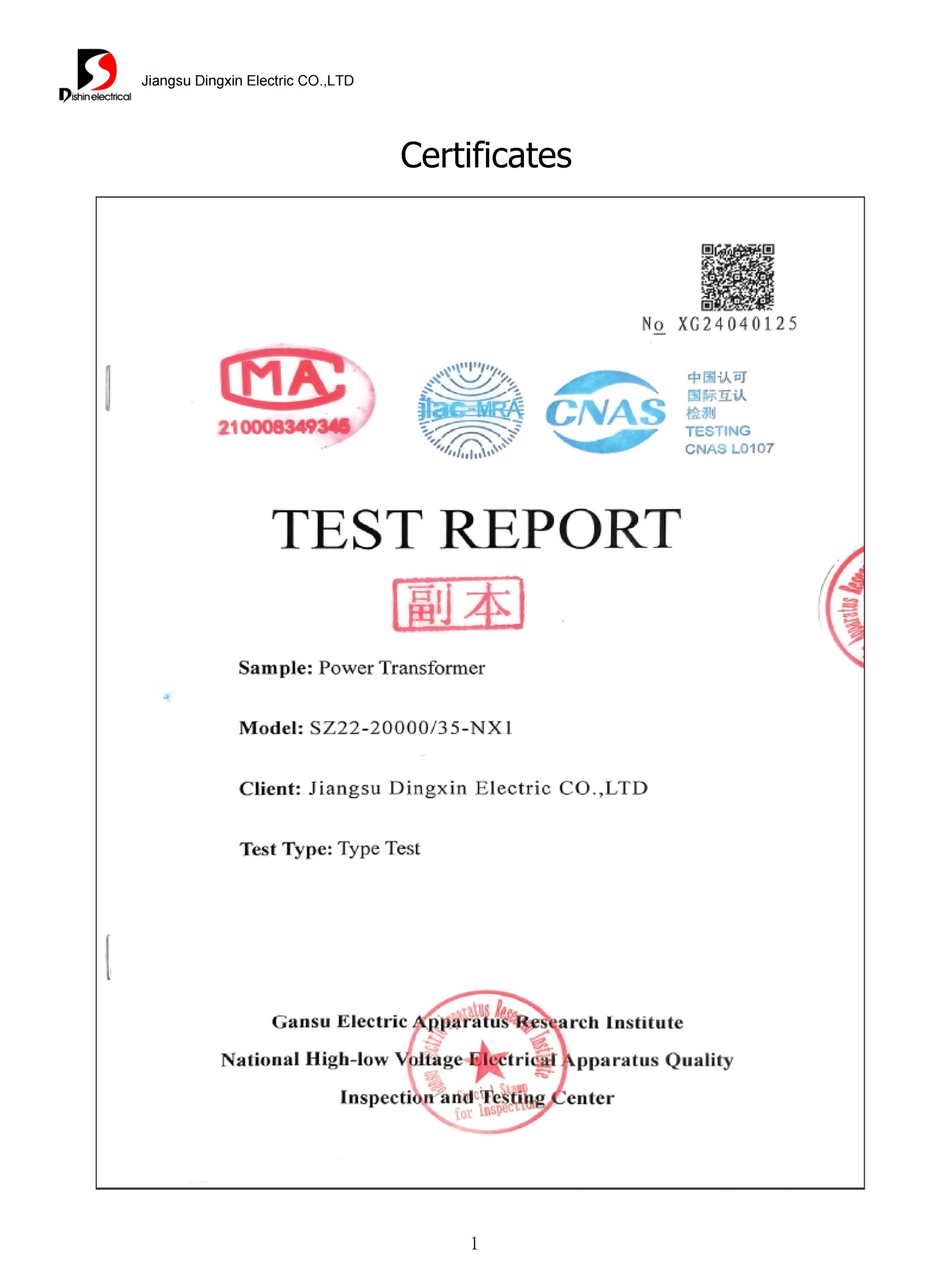
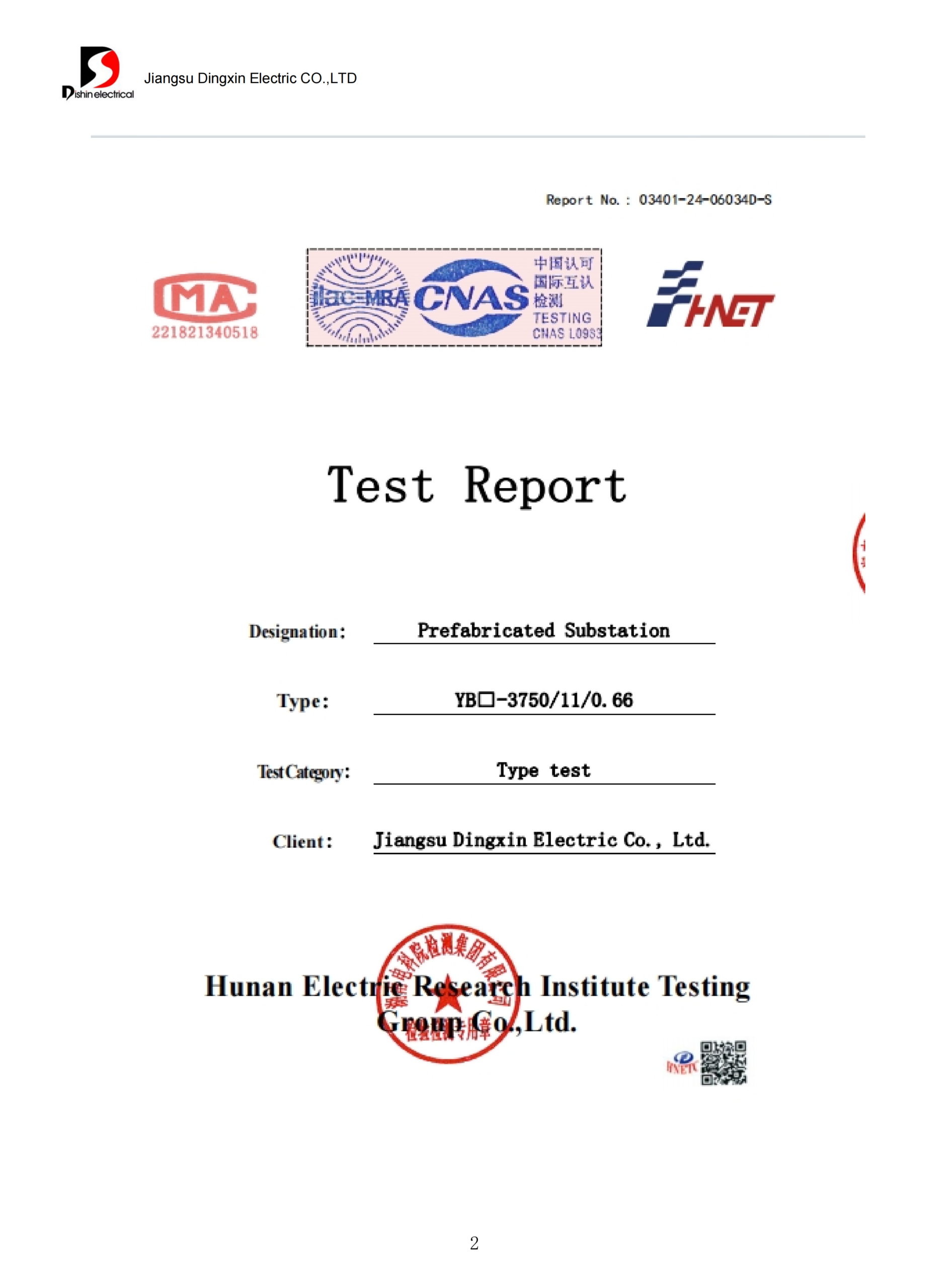
Certificate verification matters: ISO explains that certification is independent written assurance and can be a legal or contractual requirement, while ISO itself does not issue certificates. For covered U.S. equipment, DOE describes basic-model certification reports, supporting records, and CCMS submission before distribution in commerce; the offered Talite model still has to be identified and verified.
Current proof boundary: the material supplied for this page does not include a single-phase Talite model datasheet, model-specific test report, certificate package, or documented customer outcome. This page therefore explains what evidence to request and does not represent those items as already approved or available for every configuration.
| Statement Type | Publication Status | Required Support |
|---|---|---|
| Talite has more than three decades in the power-equipment sector | Company Information | User-supplied corporate introduction |
| A specific single-phase kVA, voltage, dimension, weight, or accessory is available | Confirm Per Enquiry | Controlled datasheet or written engineering confirmation |
| An offered model complies with a named standard or regulation | Blocked Until Mapped | Exact model, applicable scope, edition, test route, and supporting record |
| A named utility has approved the product | Not Claimed | Utility approval evidence for the model and configuration |
| A price, lead time, warranty, efficiency, or project outcome applies | Quote-Specific | Dated commercial offer and applicable supporting document |
The honest cost view: the quote looks competitive, but the included protection and documentation are not comparable until every exception is normalized. A cheap headline is not always the best project cost because drawing delay, tests, logistics, and missing interfaces move risk to the buyer; request a normalized Talite technical and commercial offer.
A 2024 JPS procurement proposal demonstrates why buyers distinguish financial and technical proposals or seek product or supplier corroborating evidence. This RFP is an example from one buyer only; it’s not verification that Talite passed qualification with that particular buyer.
Stage 1 Technical input freeze
Stage 2 Offer and exception review
Stage 3 Drawing and document approval
Stage 4 Production and agreed tests
Stage 5 Release, packing, and logistics
Lead-time caution: an industry report from July 2022 documented severe utility transformer delays during a supply disruption. It is historical context, so request a dated Talite milestone schedule for the exact enquiry instead of applying an old market number.
| Cost or schedule element | Question for every bidder | Comparable evidence |
|---|---|---|
| Transformer scope | Is the same kVA, voltage, frequency, winding material, fluid, feed, and enclosure basis included? | Completed technical schedule |
| Protection | Which fuse, arrester, switching, and overcurrent-protection items are included or excluded? | Protection and accessory schedule |
| Cable interface | Are bushings, inserts, connectors, feed-through provisions, and terminal hardware defined? | Terminal drawing and bill of included items |
| Civil interface | Are dimensions, weight, center of gravity, pad details, cable entry, and clearances available in time? | Approved outline drawing |
| Engineering | How many drawing cycles are included, and who owns utility comments or deviations? | Submittal plan and responsibility matrix |
| Testing | Which routine, special, witness, or third-party tests are included? | Inspection and test plan |
| Documents | Are datasheets, manuals, test reports, certificates, packing lists, and final drawings included? | Document register with due dates |
| Logistics | What packing, shipping term, insurance, port, inland delivery, unloading, and storage scope applies? | Commercial schedule and packing method |
| Schedule risk | Does lead time start at order, technical clarification, drawing approval, or document release? | Milestone schedule with stated assumptions |
| Lifecycle support | What warranty boundary, spare parts, issue response, and technical support are included? | Warranty and support terms |
How Talite Can Review Your Single-Phase Pad-Mount Requirement
This review process aims to find a mismatch before it is formalized in a purchase order, civil drawing, or cable schedule. Each stage should finalize one part of the decision and leave an auditable record. For covered U.S. equipment, DOE implementation guidance adds basic-model certification and supporting-record checks to that sequence.
Why the sequence matters: an 8-input enquiry can still fail if a utility clause or 60 Hz system detail arrives after quotation, because the transformer, cable, pad, and protection records are connected. At Talite, engineers combine factory, testing, and procurement review to reduce that delay.
- 1. Define Send the 8-input matrix, one-line diagram, load basis, utility data, and target schedule.
- 2. Clarify Resolve voltage, grounding, feed, protection, site, accessory, and document gaps.
- 3. Map Identify applicable standards, market rules, customer clauses, and evidence boundaries.
- 4. Quote Issue the controlled technical and commercial scope with assumptions and exceptions.
- 5. Approve Manage drawings, documents, agreed tests, release, and logistics milestones.
Send this with the first enquiry
- One-line diagram and serving-system data
- Load calculation and selected kVA basis
- Primary and secondary voltage requirements
- Radial or loop feed and cable-interface intent
- Protection and fault-current information
- Site conditions, utility specification, and required-on-site date
Expect this from a useful offer
- Completed technical schedule
- Explicit inclusions, exclusions, and deviations
- Drawing, test, and document deliverables
- Commercial and logistics boundary
- Milestone definition for the stated lead time
- List of evidence still requiring confirmation
Single Phase Pad Mounted Transformer Engineering Tools
01
Talite 8-Input RFQ Completeness Checker
Mark each input group that is ready for a single-phase pad-mounted transformer enquiry. The checker creates a missing-information list; it does not size equipment or approve a configuration.
Access Tool
02
Standards Scope Triage
Identify which evidence conversations may apply to a single-phase pad-mounted transformer enquiry. This tool does not issue a compliance verdict.
Access Tool
03
Equipment Path Discussion Guide
Compare signals for a single-phase pad-mounted, single-phase pole-mounted, or three-phase distribution route. Scores are discussion prompts, not engineering selection results.
Access ToolFAQ: Buyer Questions for a Single-Phase Pad-Mount Project
What information does Talite need to quote a single-phase pad-mounted transformer?
Start with the load and kVA basis, primary system, secondary service, frequency, grounding, radial or loop feed, protection intent, site conditions, destination market, controlling specification, required documents, and schedule. Attach the one-line diagram and utility requirements when available.
How are single phase pad mounted transformer sizes and dimensions confirmed?
The supplied material does not establish a verified single-phase Talite range, so this page does not publish model sizes or dimensions. Talite engineering should confirm the offered rating, outline, weight, and terminal arrangement against the enquiry rather than relying on a generic PDF.
Does the product comply with IEEE or DOE requirements?
Compliance cannot be decided from the product name alone. The exact model or basic model, rating, voltage, manufacture-date rule, standard scope, test route, and supporting record must be mapped before a compliance statement is made.
How do radial feed and loop feed differ in the RFQ?
They represent different underground network and terminal arrangements, which can change the high-voltage compartment and bushing requirements. State the utility scheme, cable count, connector system, operating intent, and switching requirements instead of selecting by label alone.
How is transformer protection selected?
Protection review can involve available fault current, upstream devices, internal fuse options, arrester requirements, coordination, and utility practice. Send the study inputs and ask the responsible engineer to define which devices and responsibilities belong in the transformer scope.
When should a single phase padmount transformer replace a pole-mounted unit?
Not as a direct assumption. The network changes from overhead to underground interfaces, and the review must include utility approval, civil work, cables, protection, grounding, access, clearances, and the electrical ratings of both arrangements.
What determines single phase pad mounted transformer cost and price?
Rating, voltage, feed, protection, winding and fluid requirements, enclosure, accessories, tests, documents, drawing cycles, packing, shipping, and project timing can all change the offer. Compare manufacturers through a dated milestone schedule and a normalized technical-commercial scope, not a for-sale listing.
What documentation should be requested before release?
The required register may include the approved datasheet, outline and terminal drawings, nameplate and wiring diagram, accessory schedule, test reports, certificates tied to the applicable scope, manuals, packing details, and final as-built documents. Define the list and approval points in the purchase specification.
![Pad-Mounted Transformer: How It Works [2026 Guide]](https://toplit-transformer.com/wp-content/uploads/2026/08/pad-mounted-transformer-guide-featured-150x150.png)