Get in touch with Toplit Transformer Co., Ltd Company

Open Wound Dry Type Transformer for Project-Specific Power Systems
Talite builds each open wound dry type transformer around the electrical duty, installation environment, ventilation path, enclosure, insulation system, and acceptance basis supplied for the project. We review the single-line diagram and load data before fixing the dry-type transformer configuration in a written quotation and approved drawing.
- Production scheduled at 25–90 days
- MOQ from 1 unit; configuration-dependent models may require more
- T/T payment
- Engineering review before quotation
- Power-equipment experience More than three decades
- Operations Integrated research and development, production and sales
- Project review Specifications and drawings checked before order
- Production schedule 25–90 days, confirmed with your quotation
- Minimum order 1 unit; configuration-dependent models may require more
- Payment T/T by wire transfer
Two classification axes: open wound, VPI, VPE, cast coil, and resin-encapsulated describe winding or insulation construction; ventilated, non-ventilated, and sealed describe how the enclosure exchanges air. A ventilated dry type transformer can use an open or treated coil, so the search terms must not replace a complete specification.
These two axes are not interchangeable. A product-family name is not a substitute for site and duty inputs; the wrong choice can bind ventilation, enclosure, and maintenance to an assumption that was never reviewed.
Engineering Scope and Transformer Configuration
Buyer inputs become a quote-controlled dry-type transformer specification through our review. Talite engineers check voltage ratio, kVA, phase, frequency, tap requirements, load behavior, ambient conditions, cooling method, enclosure route, and the applicable standard before the design basis is released.
Buyers can mistake open-wound, ventilated, non-encapsulated, and open-coil labels for one universal classification.
A nominal product label does not answer whether dust, conductive contamination, moisture, salt air, snow, or outdoor exposure is acceptable.
Airflow clearances and maintenance access can be missed when the transformer is treated as a nameplate-only purchase.
Competing quotes become incomparable when electrical, testing, enclosure, and document inputs are not normalized.
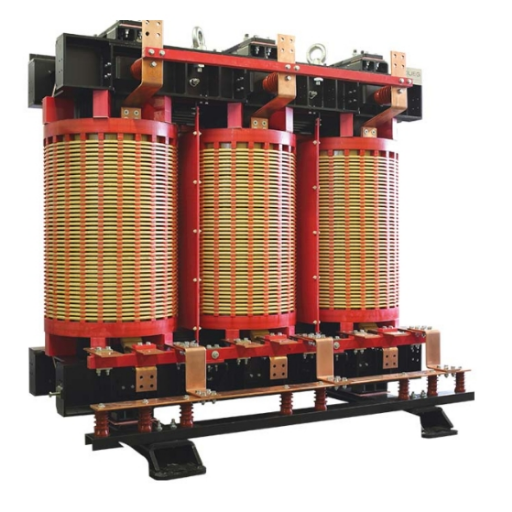
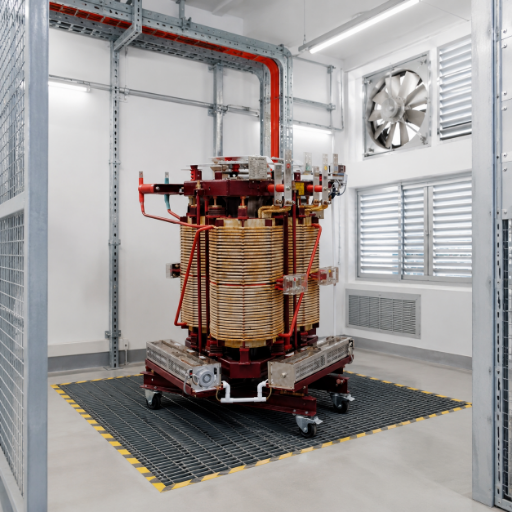
Electrical duty
State primary and secondary voltage, rated power, three-phase or single-phase duty, actual Hz, load cycle, fault level, and connection requirements. A 480V secondary or 60 Hz supply is an input example, not a default Talite rating.
Load behavior
Identify linear and nonlinear loads, harmonic spectrum, K-factor requirement, starting duty, and continuous or cyclic operation. Data centers and power distribution projects often need a clearer load profile than a general-purpose equipment request.
Thermal and dielectric basis
Specify temperature rise, ambient range, elevation, cooling mode, insulation class, and required impulse or dielectric coordination. Labels such as 115°C, 150°C, and 220°C describe different inputs and must not be treated as interchangeable system proof.
Standards and market route
List the requested IEEE, NEMA, UL, DOE, or project standard and the intended installation jurisdiction. “DOE 2016” shorthand does not establish current applicability; the project classification and manufacturing date determine the review path.
Core and coil construction plus winding conductor choice
Low-voltage and medium-voltage interface requirements
Natural or forced-air ventilation assumptions
Enclosure, access, clearances, and site restrictions
Documents, tests, witness points, and deviation handling
Installation, maintenance, and spare-parts service scope
Mismatch risk exists because a nominal label can hide a different duty, enclosure, or acceptance basis. IEEE C57.12.01 gives Talite engineers a named framework for ventilated, non-ventilated, and sealed dry-type distribution and power transformers within its stated voltage scope.1
Unlike a generic product list, Talite's review starts with the load and site. Whereas a catalog match stops at a name, our quotation records the selected construction, open items, and required verification.
Winding and Insulation Selection Inputs
An open wound transformer is not selected by one material label. Conductor, coil geometry, impregnation route, insulation coordination, temperature rise, cooling, contamination, and service duty work as one design system.
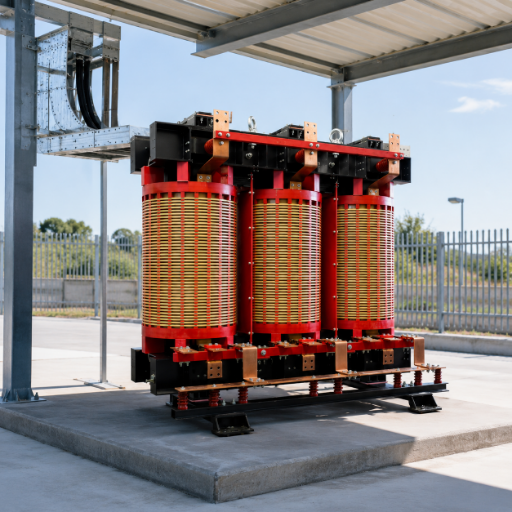
Open wound and non-encapsulated construction
Exposed winding surfaces remain accessible to the designed cooling-air path rather than being fully cast in epoxy resin. We confirm how the coil will be insulated, supported, ventilated, inspected, and protected for the actual environment.
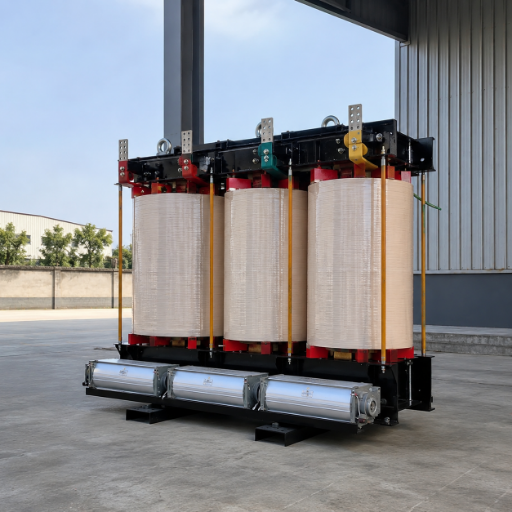
VPI and VPE treatment
A VPI transformer uses vacuum pressure impregnation to move varnish through the winding assembly; VPE adds repeated encapsulation steps in supplier-specific processes. The quotation must name the treatment and acceptance basis instead of using VPI as a generic promise.
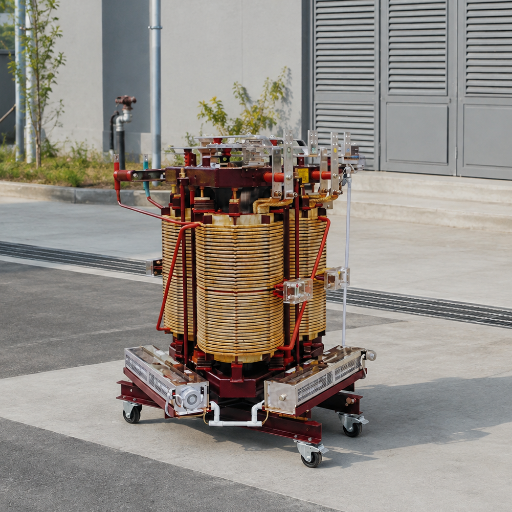
Cast coil and encapsulated alternatives
Cast resin and other encapsulate routes place a different barrier around the coil. We route the comparison toward environmental exposure, maintenance access, thermal design, mechanical duty, and the buyer's test plan rather than declaring one construction universally superior.
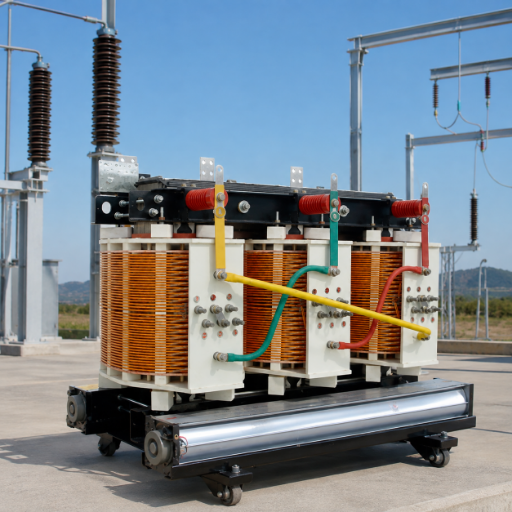
Copper and aluminum options
Copper windings and aluminum windings change conductor geometry, mass, joining details, thermal behavior, and commercial cost. We size the winding from the project duty and record the selected conductor in the approved technical documents.
Ventilation, Enclosure and Environmental Routes
A ventilated transformer needs both a valid cooling path and an environment that the selected equipment is identified to withstand. Our review covers air quality, moisture, conductive dust, salt, corrosive agents, ambient temperature, elevation, airflow clearance, working space, and access before an enclosure route is assigned.
Clean indoor electrical room
Ambient, elevation, airflow, working clearance, noise boundary
Review a ventilated open-wound configuration and the required indoor enclosure
Indoor dripping or falling moisture
Source and direction of moisture, access, drainage, maintenance
Compare NEMA 2 or a more protective route against the project specification
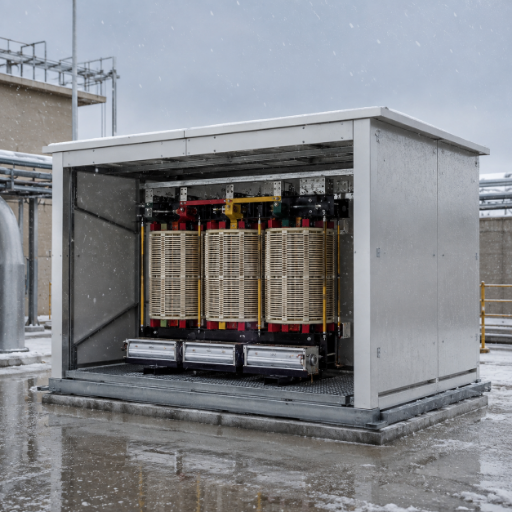
Outdoor rain, snow, or sleet
Wind-driven exposure, snow packing, corrosion, temperature, service access
Review NEMA 3R or another identified outdoor enclosure; do not infer suitability from a weather shield alone
Windblown dust or washdown
Dust conductivity, particle size, hose-directed water, cleaning practice
Compare NEMA 4, another protected enclosure, VPE, encapsulated, or cast-coil construction
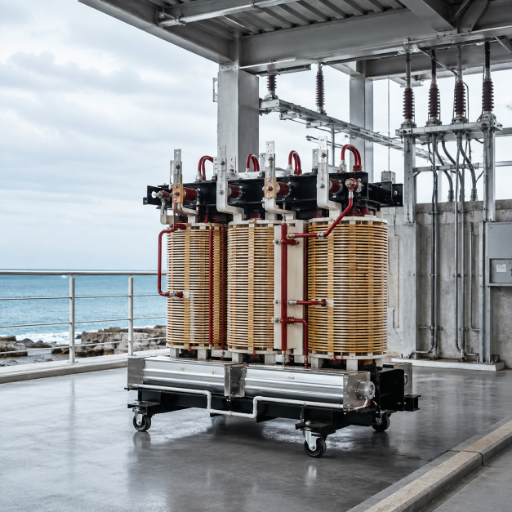
Salt air or corrosive atmosphere
Contaminant chemistry, condensation, maintenance interval, material compatibility
Review a corrosion-resistant route such as NEMA 4X where the complete specification supports it
Indoor duty above 35 kV
Highest winding voltage, room and vault arrangement, jurisdiction
Check the vault and installation requirements before product selection
Standard Compliance
OSHA requires electrical equipment to be identified for damp, wet, corrosive, or excessive-temperature environments and requires unobstructed cooling airflow. NEMA purchasing guidance calls for indoor or outdoor location, enclosure designation, ambient range, elevation, and atmospheric contamination to be stated.45
Open-Wound Project Fit Matrix
This matrix is a routing tool, not an approval. Use the interactive version to organize the site conditions that decide whether an open wound, VPI, VPE, encapsulated, or cast-coil path deserves engineering review.
Project Specification and Quotation Inputs
Send actual project values instead of selecting a generic nameplate from a web page. Our technical and commercial package returns the proposed configuration, drawing basis, deviations, tests, and documentation requirements.
| RFQ line | Buyer input | Quotation output |
|---|---|---|
| 01 Rated power | Required kVA and load cycle | Quote-confirmed rating and thermal basis |
| 02 Voltage ratio | Primary V or kV and secondary V or kV | Winding arrangement and interface drawing |
| 03 Phase and frequency | 1-phase or 3-phase plus actual Hz, including 60 Hz where applicable | Electrical configuration and connection basis |
| 04 Load profile | Linear or nonlinear load, harmonics, starts, overload cycle | Core, coil, conductor, and cooling review |
| 05 Tap arrangement | Required adjustment range and operating method | Tap configuration shown in the quotation and drawing |
| 06 Insulation & temp | System class, 115°C or 150°C rise if specified, and dielectric requirements | Insulation system and acceptance basis |
| 07 Cooling & vent | Natural or forced-air mode, airflow path, clearance limits | Ventilation and temperature-rise design basis |
| 08 Enclosure | Indoor or outdoor location and requested NEMA type | Enclosure selection or documented alternative |
| 09 Environment | Ambient, altitude, humidity, dust, salt, corrosive agents | Protection route and maintenance assumptions |
| 10 Standard | IEEE, NEMA, UL, DOE, utility, or owner specification | Applicability review and deviation list |
| 11 Tests | Routine, type, special, witness, or third-party inspection needs | Quoted test scope, reports, and witness points |
| 12 Documents | Single-line diagram, load data, interfaces, drawings, report format | Approval and release-document schedule |
Pricing, MOQ and Production Schedule
Transformer price follows electrical rating, voltage ratio, conductor, winding and insulation construction, enclosure, cooling, tests, documentation, quantity, and delivery terms. After the technical basis is complete enough to compare like with like, we return the exact figure.
| Cost drivers | Why it changes the quotation | Best buyer input |
|---|---|---|
| Electrical duty | Rating, voltage, impedance target, load profile, and losses shape core-and-coil design | Single-line diagram and load schedule |
| Construction route | Conductor, VPI or other insulation route, cooling, and enclosure change material and process scope | Environment and acceptance requirements |
| Verification | Witness points, type testing, third-party inspection, and reports add planned work | Inspection and test plan at RFQ stage |
| Quantity & logistics | Configuration repeatability, packing, and shipment plan change the commercial basis | Required quantity, destination, and delivery date |
Commercial basis
- ProductionOur production schedule is 25–90 days, confirmed in your quotation.
- Minimum orderOrders start from 1 unit; configuration-dependent models may require a higher quantity.
- PaymentPayment is accepted by T/T wire transfer, with the commercial schedule set in the quotation.
Inputs that prevent quote drift
-
InputElectrical basisFreeze before orderRatings, load profile, taps, connection, frequencyReasonPrevents one quote from carrying a different duty
-
InputEnvironmentFreeze before orderLocation, ambient, altitude, contaminants, enclosureReasonPrevents an unsuitable ventilation or protection assumption
-
InputVerificationFreeze before orderTests, witness points, reports, acceptance criteriaReasonPrevents document and inspection scope from being compared as equal
-
InputDeliveryFreeze before orderQuantity, approval dates, packing, destination, release documentsReasonConnects the schedule to the actual project handoff
Talite Project Handling Process
-
Send the duty
Share the single-line diagram, load data, environment, quantity, and target schedule.
-
Close input gaps
Talite flags conflicts between voltage, load, cooling, enclosure, access, tests, and standards.
-
Review the solution
Engineering consultation and one-to-one design support align the project specification.
-
Freeze the basis
Approved drawings, deviations, documents, and commercial terms become the order reference.
-
Build and verify
Manufacturing follows the approved basis and the agreed verification scope.
-
Release and support
Delivery coordination can include arranged on-site installation service, maintenance, and spare-parts support within the agreed scope.
Quality Verification and Acceptance
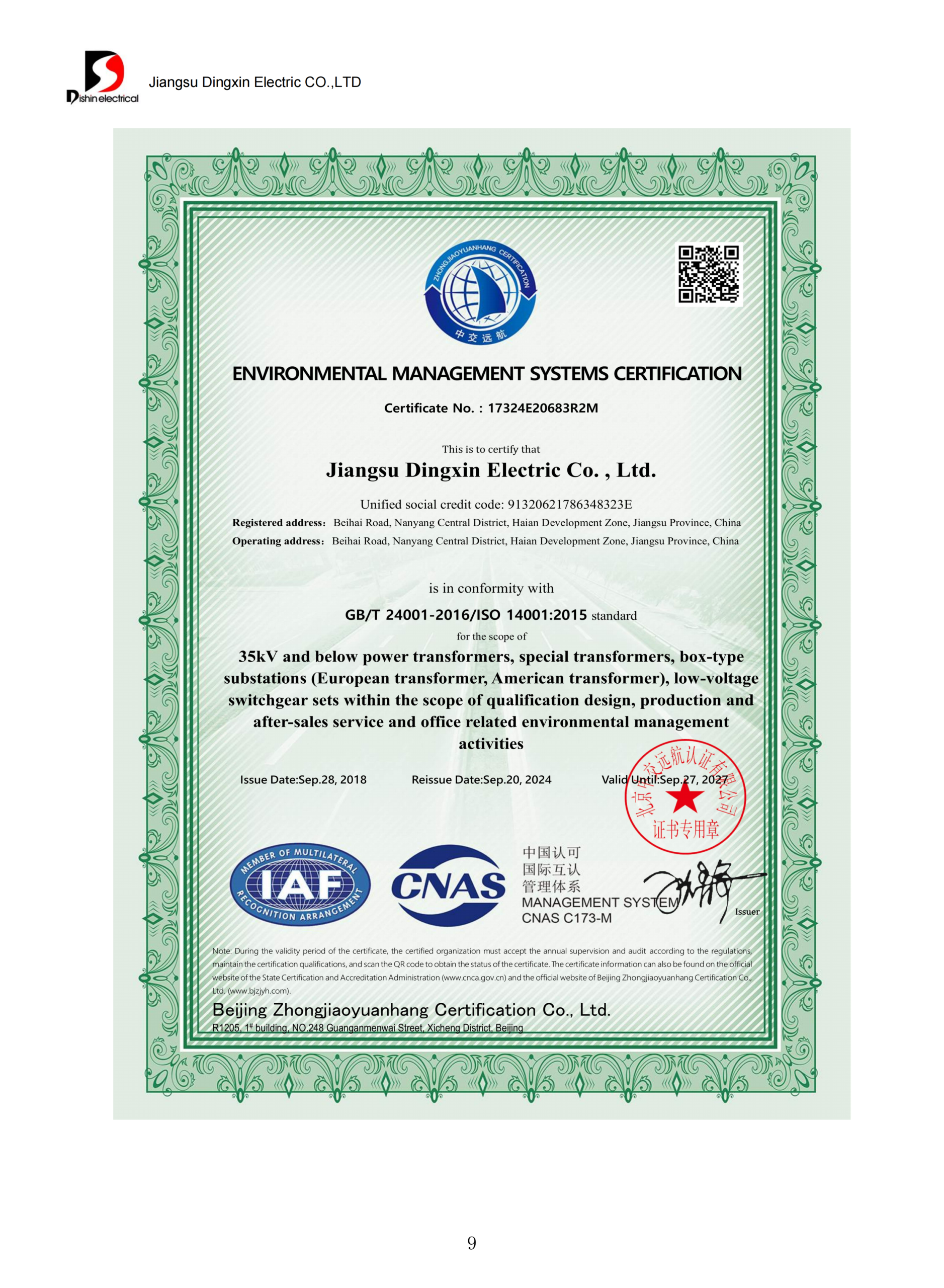
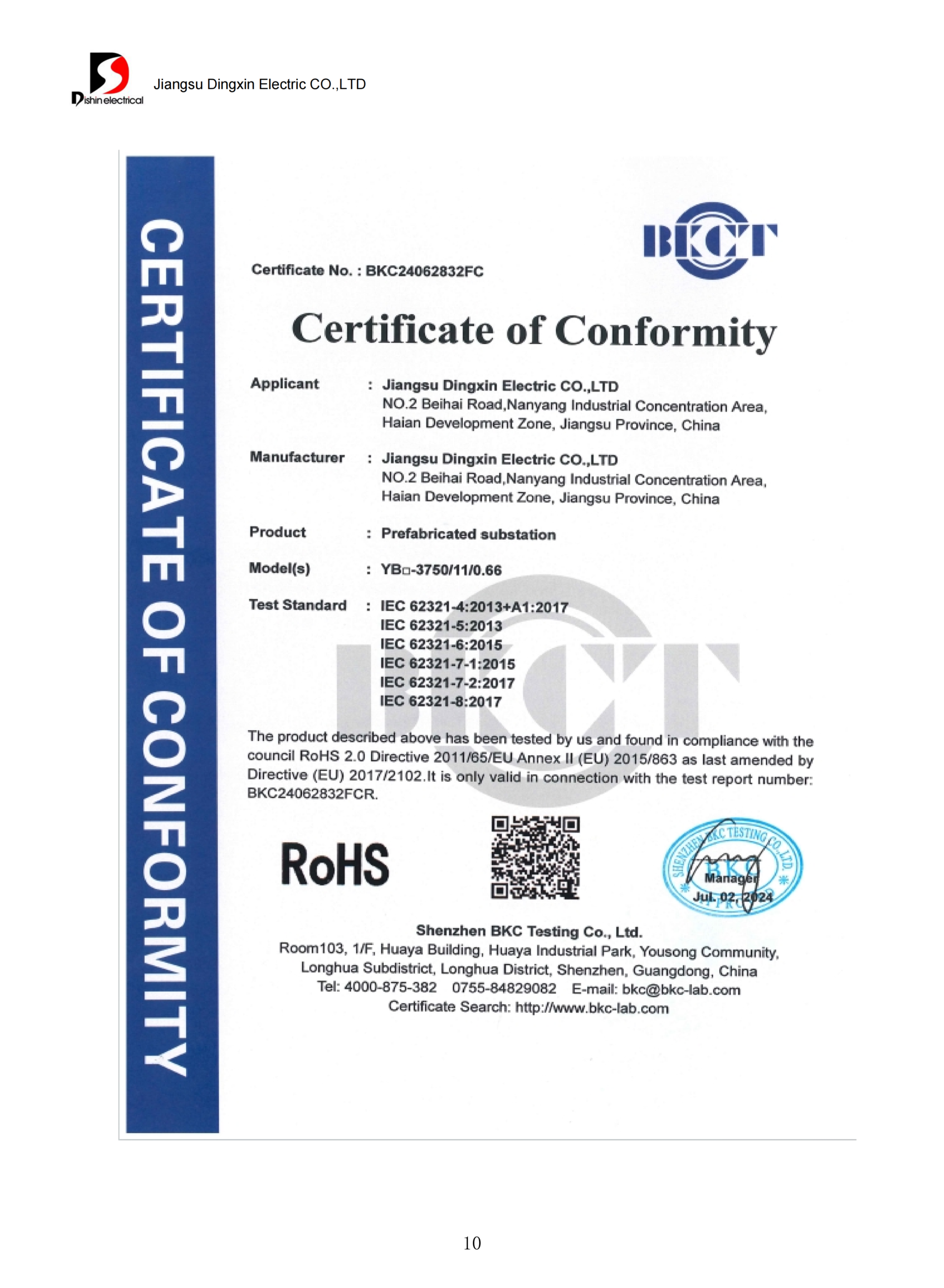
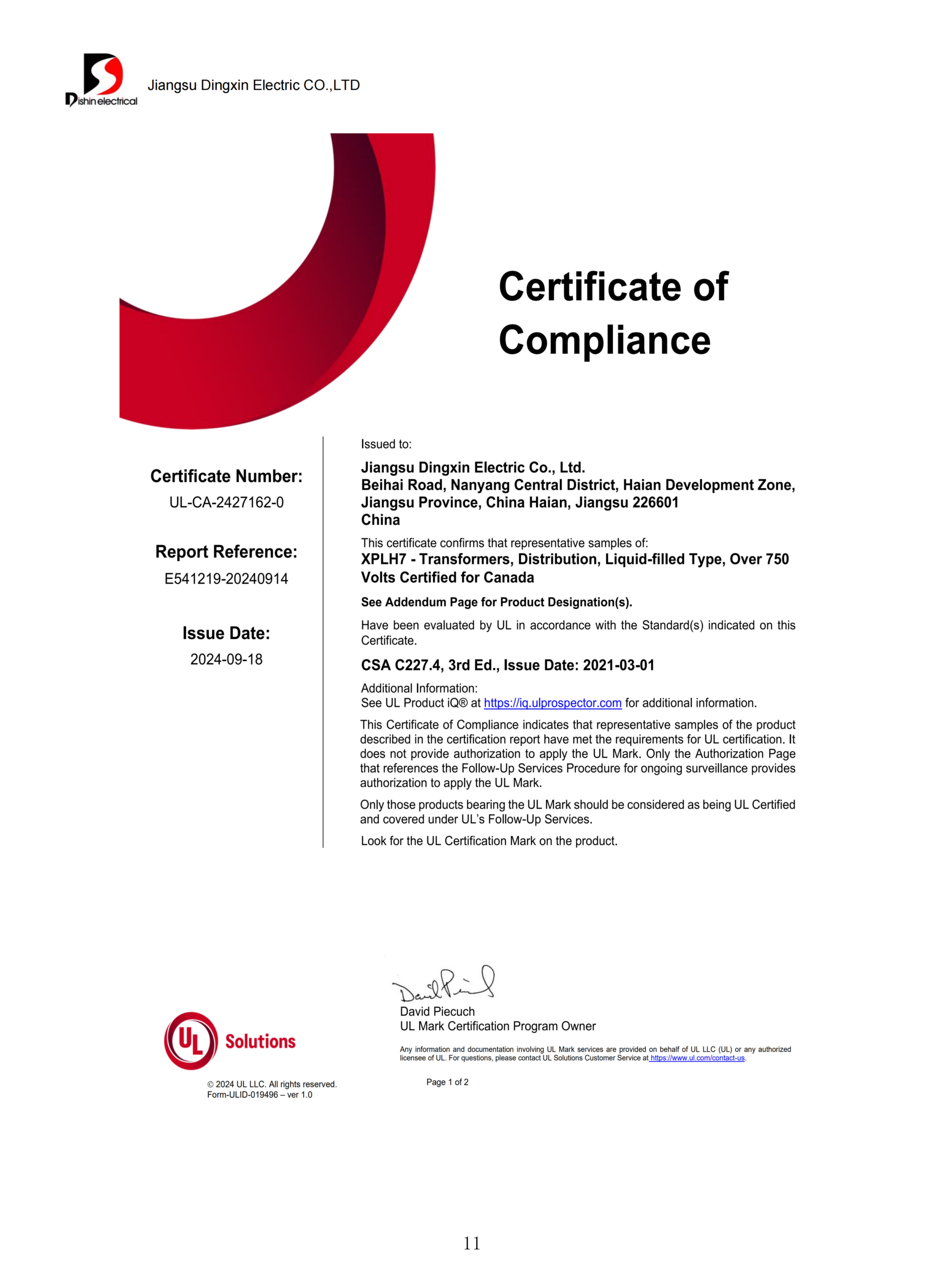
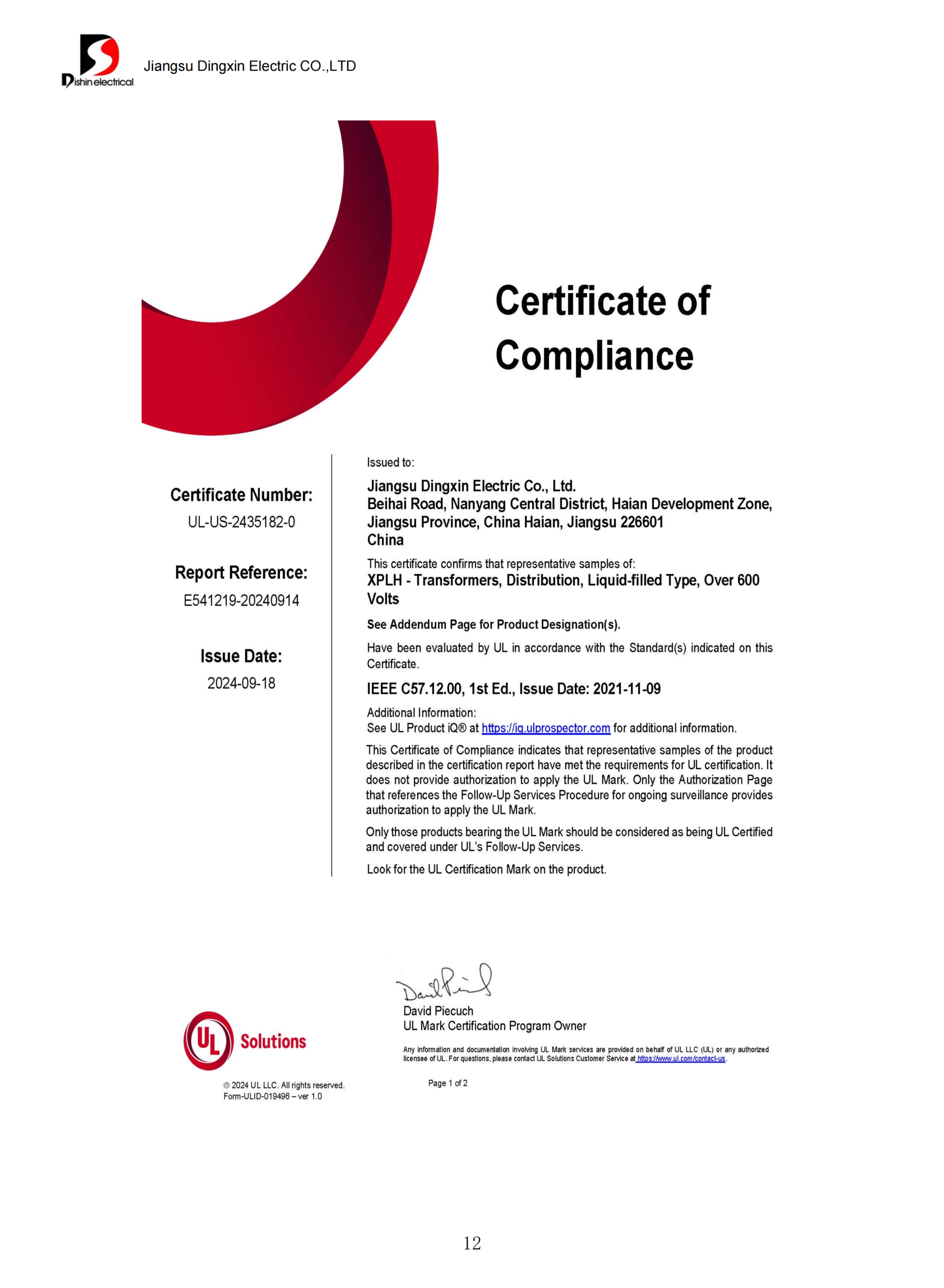
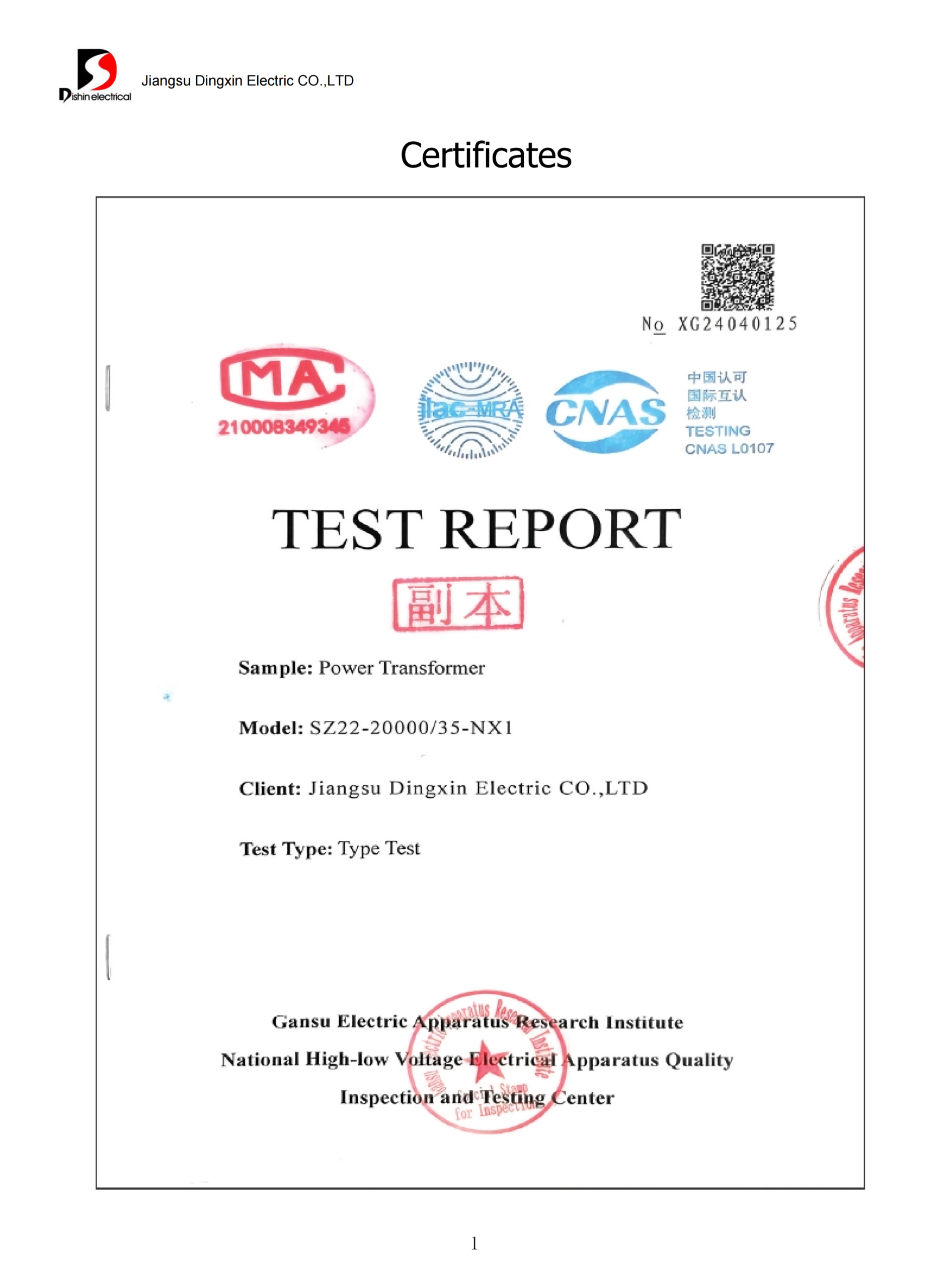
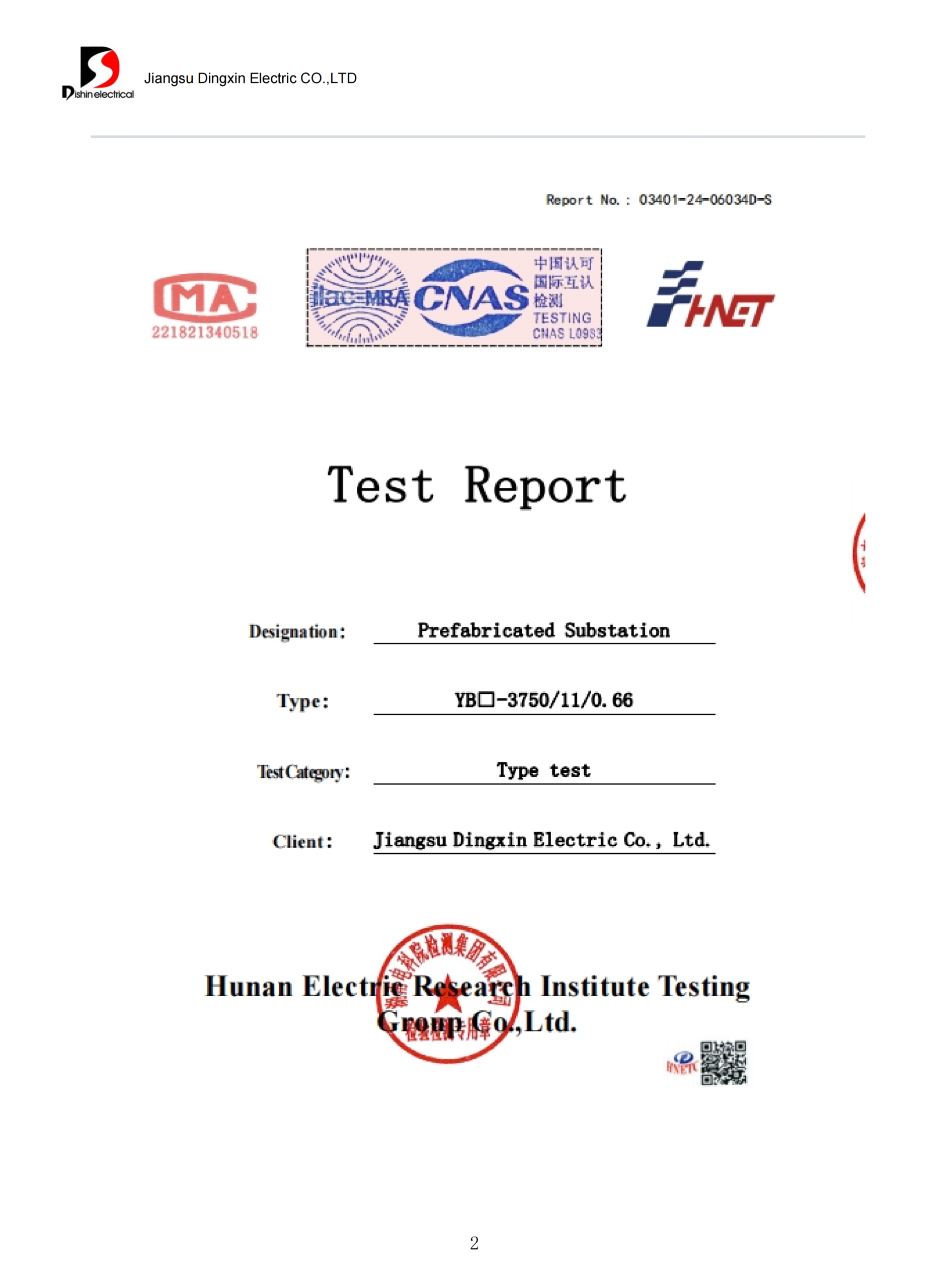
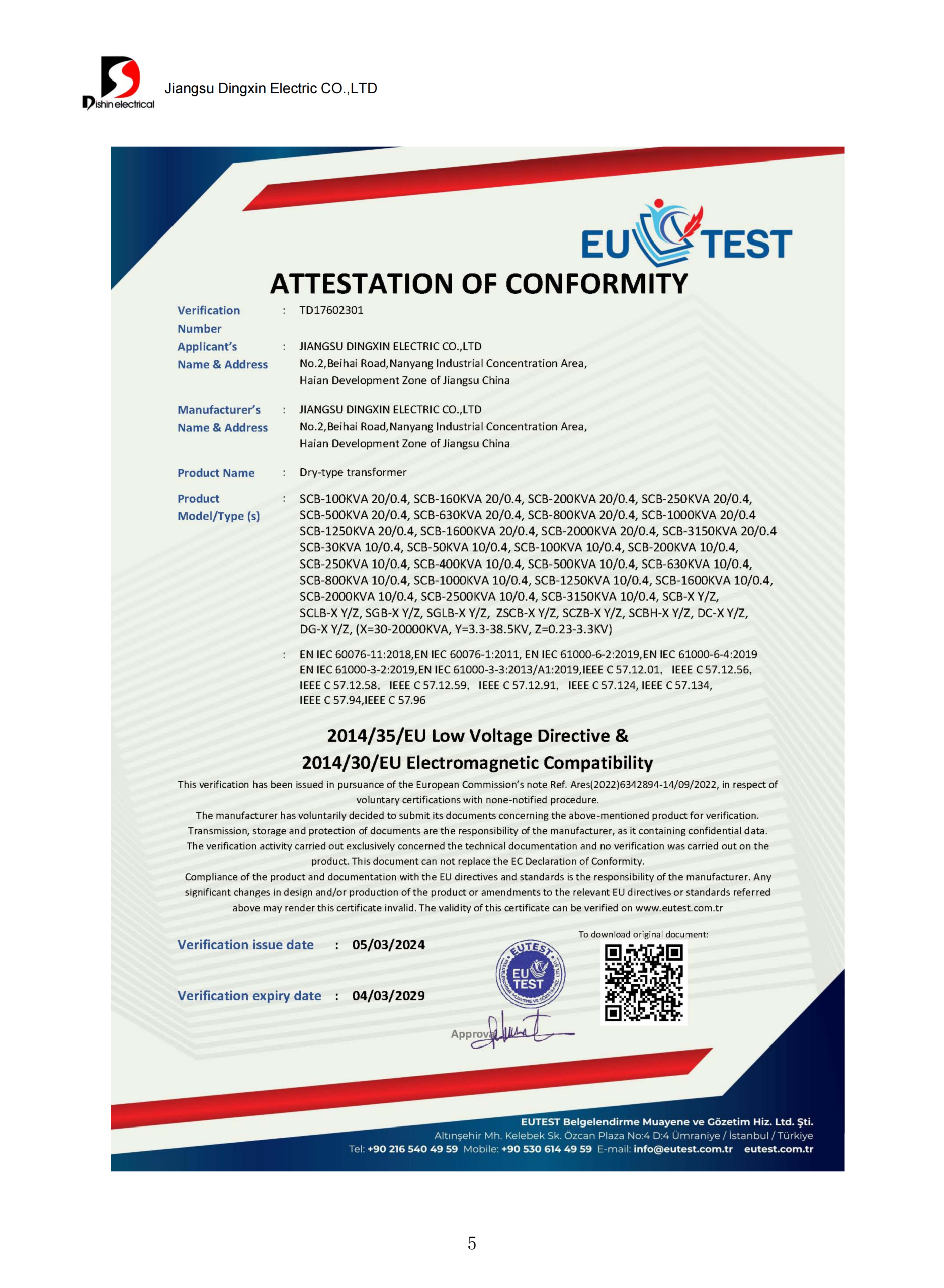
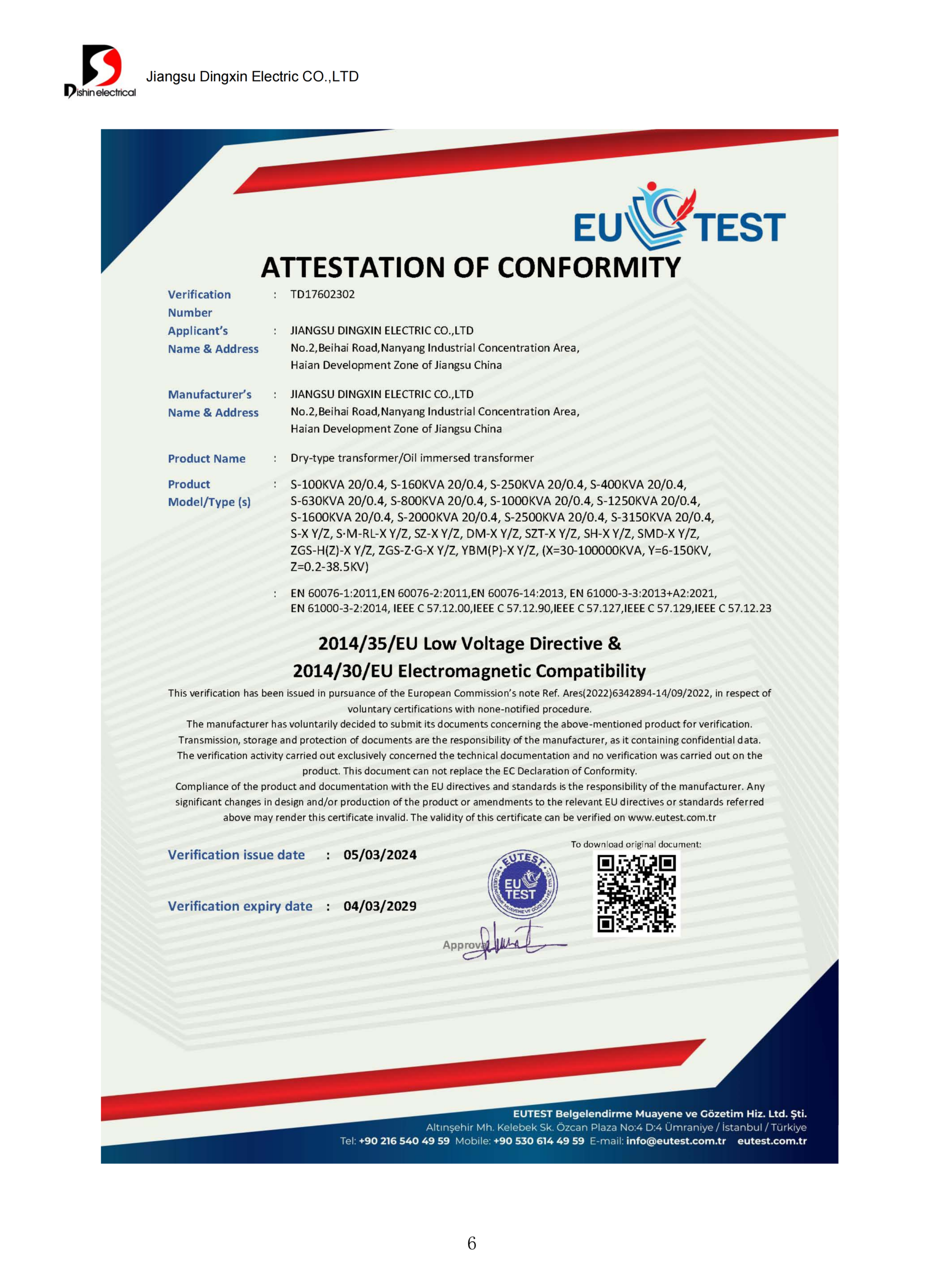
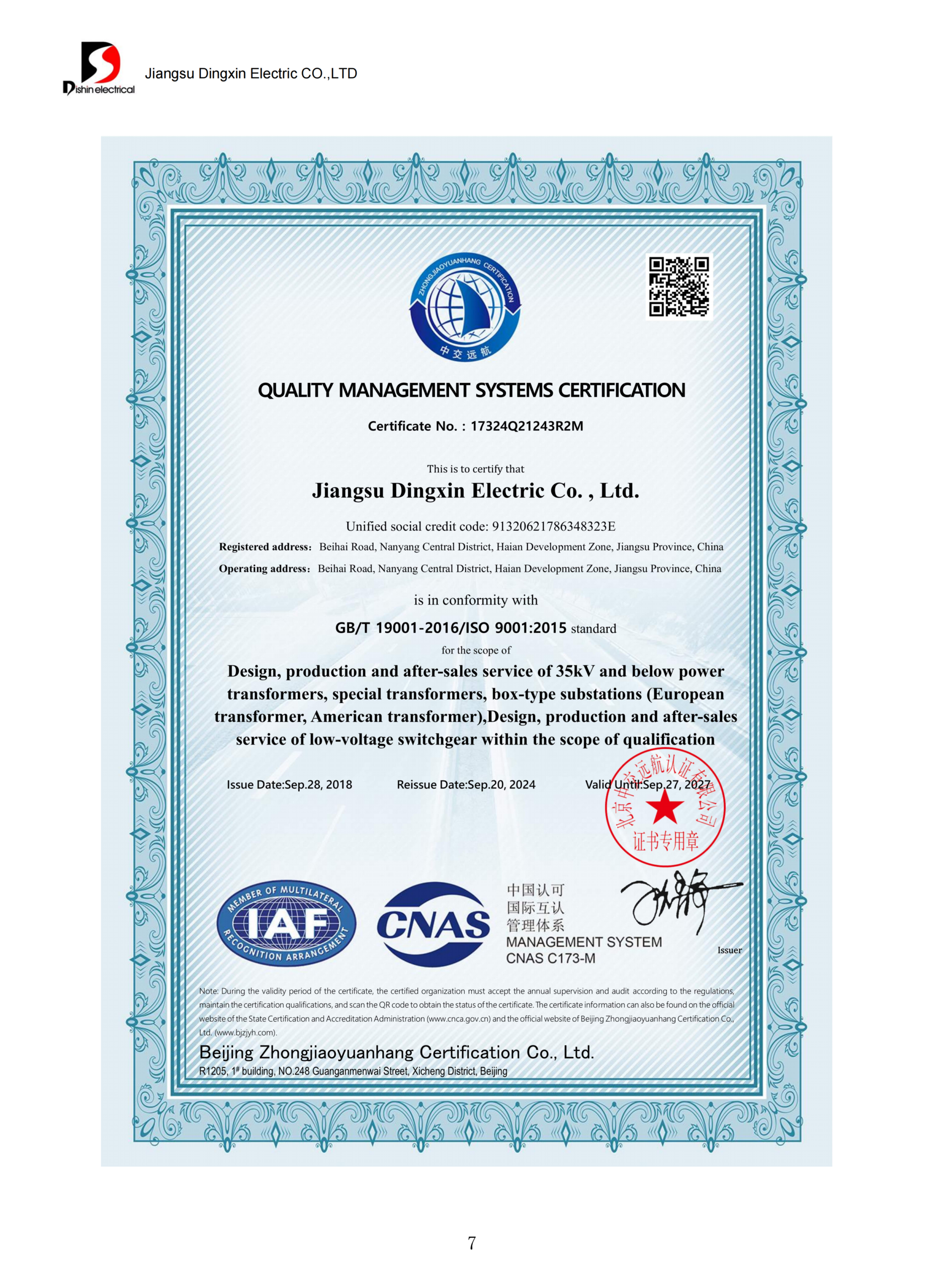
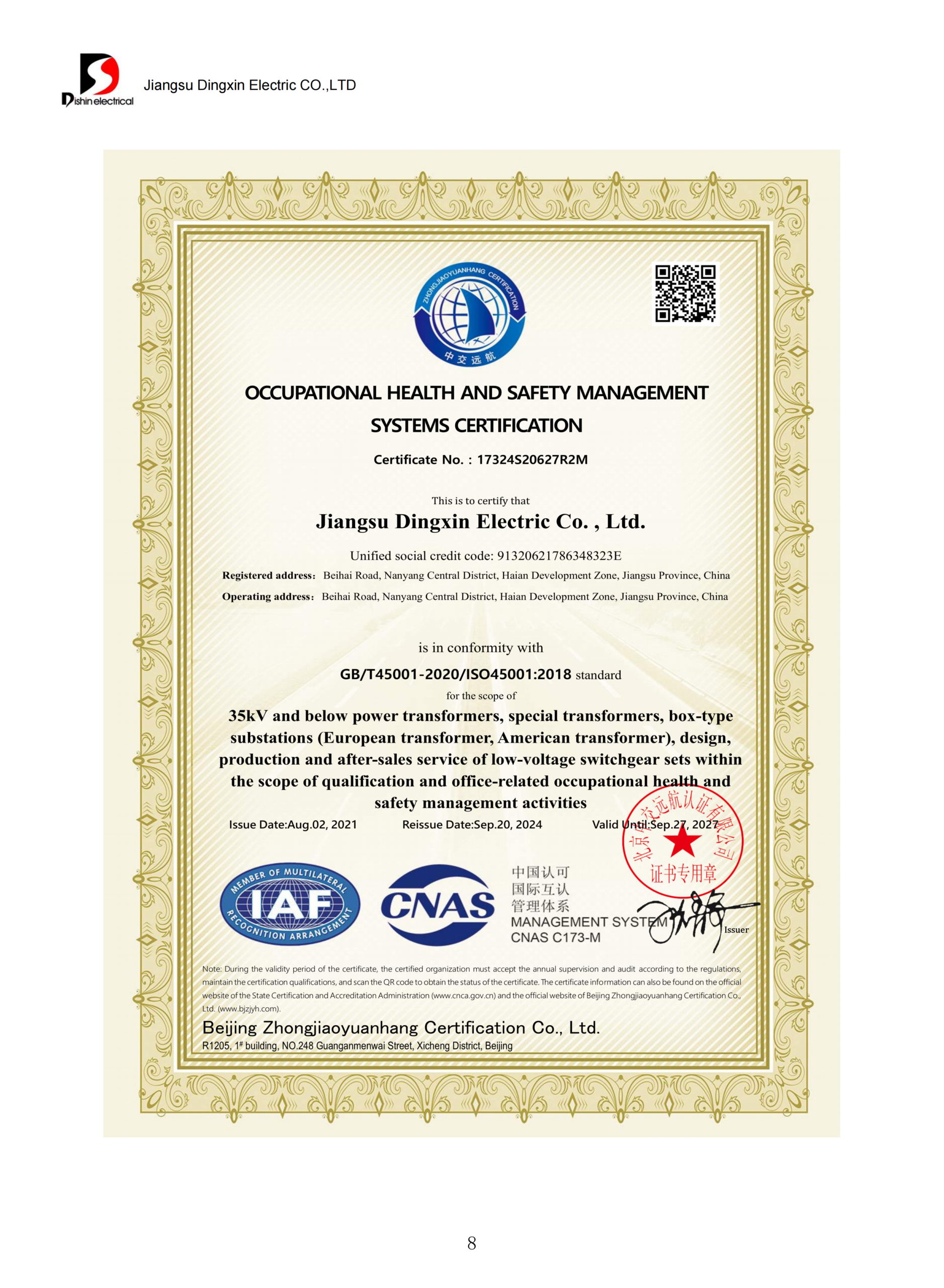
Verification follows the buyer's specification and the agreed technical basis. Our team can offer factory acceptance testing, arrange type testing and third-party inspection, and align the quoted scope with the reports or witness points requested for the project.
Acceptance flow
- Talite reviews the electrical, environmental, interface, and standard inputs before design release.
- Technical basis, drawings, and deviations are submitted for approval.
- Agreed incoming, in-process, and final controls are established for the order.
- At the specified stage, we perform or arrange the tests listed in the quotation and technical agreement.
- Before release, we assemble the agreed records for buyer review.
- Release follows the approved criteria and coordinates the transformer for delivery.
DOE rulemaking shows why scope, calibrated equipment, documented procedure, and use conditions matter to test interpretation. A method name alone does not set the acceptance threshold for this project.6
Responsibility handoff
- Buyers supply the intended duty, site conditions, interfaces, standards, and acceptance needs.
- Talite returns the proposed design basis, deviations, test scope, document list, and commercial terms.
- Both parties freeze approved drawings and acceptance criteria before production release.
- Any change after approval is recorded against its technical, schedule, and commercial effect.
Need a lower-friction acceptance review?
Compare test, document, and witness scope with the quote-normalization checklist
Engineering & Procurement Tools
Open Wound Dry-Type Transformer FAQs
What is an open-wound dry-type transformer?
It is a dry type transformer whose winding is not fully cast in solid resin. The phrase describes coil and insulation construction; voltage class, cooling, enclosure, kVA, frequency, and complete installation duty still need to be specified.
Is a ventilated dry-type transformer the same as a non-encapsulated transformer?
No. “Ventilated” describes airflow through the enclosure, while “non encapsulated dry type transformer” describes how the winding is protected. A specification should state both axes.
How does a ventilated dry-type transformer cool?
Heat moves from the core and coil into the designed air path, which may use natural or forced ventilation. The room, inlet and outlet clearances, ambient, altitude, and contamination level must allow the equipment to ventilate as designed.
When should an open-wound transformer be compared with cast coil?
Compare them when contamination, moisture, mechanical duty, maintenance access, thermal design, installation limits, or lifecycle logistics could change the preferred insulation and enclosure route. Use the Open-Wound Project Fit Matrix before asking for a final design.
Can an open-wound dry-type transformer be installed outdoors?
Outdoor use depends on equipment identified for the environment, not on the product-family name. State rain, snow, windblown dust, salt, corrosive agents, ambient range, access, and the requested NEMA enclosure so engineering can review the complete route.
How do dust, moisture and salt air affect the selection?
They can change insulation exposure, ventilation, corrosion control, cleaning access, and maintenance planning. Conductive dust or persistent wet and corrosive service may route the project toward VPE, encapsulated, cast resin, or a more protective enclosure.
Which electrical and harmonic-load inputs are needed to size the transformer?
Provide kVA, primary and secondary voltage, phase, Hz, load cycle, linear or nonlinear load data, harmonic spectrum, fault level, taps, and connection requirements. Include 60 Hz or 480V only when those are the actual project values.
Which insulation and enclosure inputs should be specified?
State the insulation system requirement, temperature rise, cooling mode, indoor or outdoor location, ambient, altitude, contaminants, and requested enclosure. Do not assume NEMA 2, NEMA 3R, low voltage, or a 220°C material label proves the complete configuration.
What testing and acceptance documents should a buyer request?
Name the governing IEEE, NEMA, UL, DOE, utility, or owner specification, then list routine, type, special, witness, and third-party requirements. Add drawings, nameplate data, deviation handling, reports, and release documents to the quotation basis.
What is the minimum order quantity?
Orders start from 1 unit; configuration-dependent models may require a higher quantity. The quotation states the final minimum order for the selected construction.
How is the production schedule confirmed?
Our production schedule is 25–90 days, confirmed in the quotation. Drawing approval, test scope, materials, quantity, and delivery coordination are fixed with that schedule.
What should I upload for an engineering review?
Send the single-line diagram, load data, kVA, voltage ratio, phase, frequency, taps, environment, enclosure, standards, test needs, quantity, and target delivery date. From those inputs, we return a project-specific technical and commercial basis.