Get in touch with Talite Transformer Co., Ltd Company
ISO Standard Compliant
Send Your Power Transformer RFQ
Power Transformer
Power Transformer Solutions for Grid and Industrial Projects
A power transformer is not selected from voltage and MVA alone. Talite works with utilities, EPC teams and industrial buyers to translate system duty, site constraints, testing needs and delivery boundaries into a reviewable transformer enquiry.
Electrical definition
Voltage ratio, rated power, frequency, vector group, impedance, taps, insulation coordination and short-circuit duty belong in the project record.
Physical definition
Cooling, ambient, altitude, acoustic limits, transport envelope, installation access and monitoring requirements can change the configuration.
Evidence definition
Applicable standard and edition, test categories, witness points, acceptance criteria and document formats must be agreed before offers are compared.
Published range note: the customer-supplied parent record lists 5 MVA to 100 MVA and 110 kV to 220 kV as series reference data. Those boundaries are not a promise that every rating combination is available. Each enquiry still requires duty and evidence confirmation.
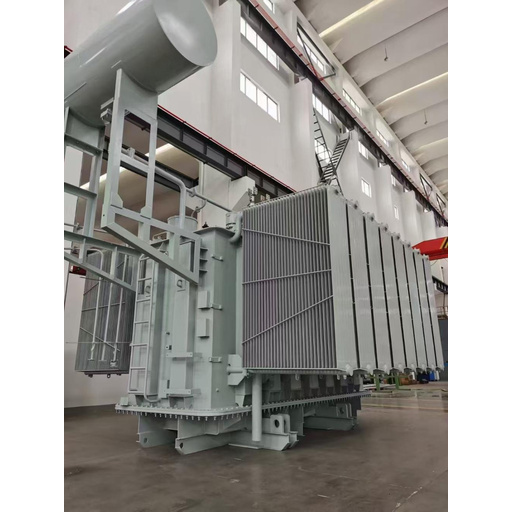
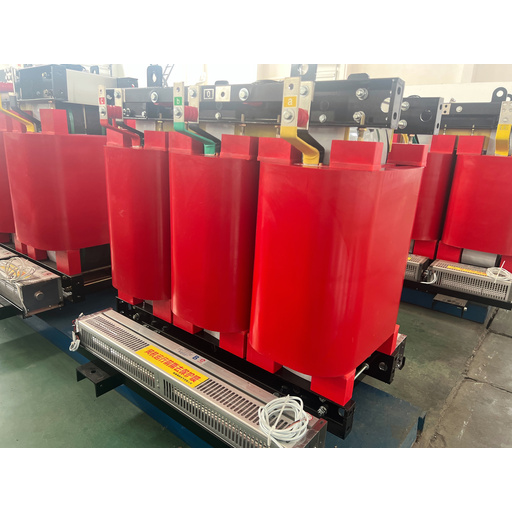
Power Transformer Project Scope at a Glance
5 MVA to 100 MVA
Customer-material parent-series reference, subject to project review
110 kV to 220 kV
Customer-material parent-series voltage reference
35 / 110 / 220 kV
Dedicated buyer-routing pages requested for the site
50 or 60 Hz
Frequency is an RFQ input; never infer it from destination alone
Three phase
Common project route and a required system input
Project-specific
Price, schedule, losses and warranty belong in the written offer
Power Transformer Duty and Project Fit
Talite Transformer Co., Ltd. has worked in the power equipment sector for over three decades. Client-supplied company information identifies a high-tech enterprise integrating R&D, production and sales in the Hai’an Economic and Technological Development Zone of Nantong, Jiangsu Province. This company context does not replace model-specific drawings, data sheets or test evidence.
Start with the system duty
We begin with system duty, because the same apparent power rating can correspond to different electrical transformers once the role of the grid changes. A utility intertie, an industrial main transformer, a generator step-up unit, or a renewable collector substation may all have distinct requirements regarding voltage control, fault duty, harmonics, cooling redundancy, protective relays, and outage logistics. For this reason, we link the equipment specification directly to the system study.[3]
System role
State whether the unit steps voltage up or down, connects generation, supplies an industrial bus, reinforces transmission or serves a primary substation. We use that role to frame the electrical questions.
Loading duty
Provide base MVA, peak profile, cyclic or emergency loading philosophy, harmonics, motor starting and future growth. Our review keeps the duty assumptions visible instead of hiding them inside a headline rating.
Network interface
Provide the single-line diagram, system grounding, prospective short-circuit levels, target impedance, tap range and protection philosophy. We flag missing coordination inputs before they become offer deviations.
Site boundary
Ambient temperature, altitude, contamination, seismic or motion requirements, acoustic limits, fire strategy and clearances affect the project path. Our enquiry record keeps these constraints separate from marketing descriptions.
Transport and erection
Route restrictions, maximum shipping dimensions and mass, lifting points, oil handling, site access and delivery split can constrain the physical design. We require the approved outline drawing to own final dimensions and mass.
Test and document scope
Name the governing standard and edition, required routine/type/special tests, witness points, report format, drawing approvals and language. We align the evidence request with the offered configuration.
Where this page stops
This page routes and normalizes an enquiry. It does not certify suitability, complete protection coordination, approve installation or establish local regulatory acceptance. Buyers, EPC teams and responsible authorities retain those decisions.
Talite Power Transformer Models and Rating Paths
These cards are route-finding modules. Their ratings come from client product documents and help the buyer identify the right discussion; linked child pages do not provide complete proof of every value in those documents. Each final configuration needs its own approved data sheet, aligned to the project-specific functional specification.[3]
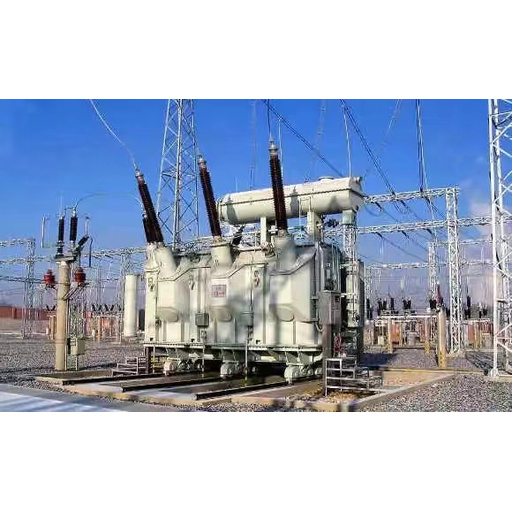
High-Voltage Project Route
110 kV Power Transformer
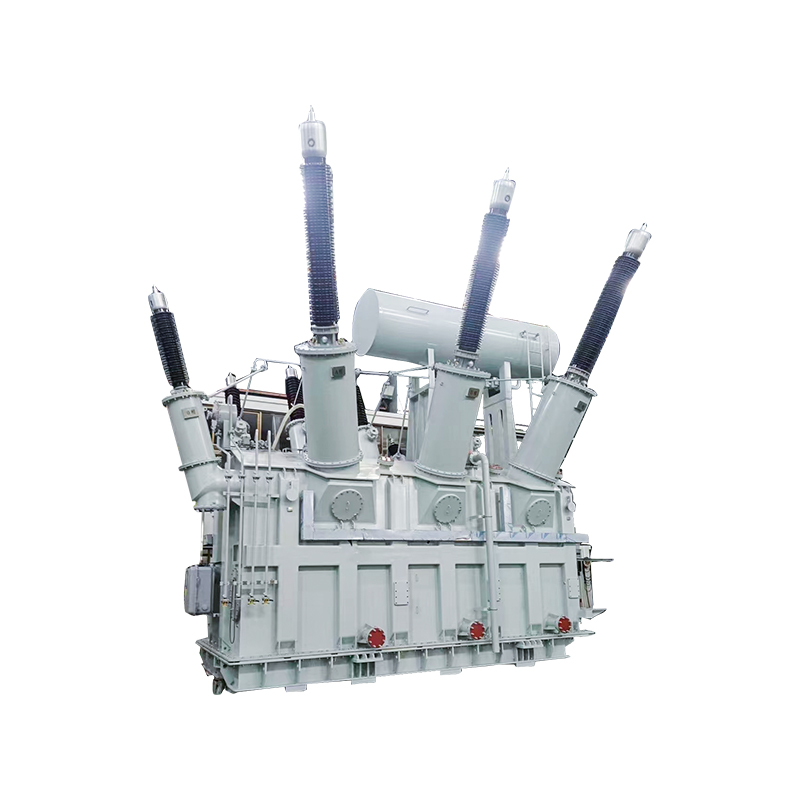
This supplied reference document records a 5 MVA / 110 kV project point. Treat capacity, voltage ratio, core material, winding material, cooling, impedance, losses and insulation levels as fields to confirm—not as a standard configuration inferred from the voltage class.
Evidence boundary: For this single project point, the customer reference records CRGO core steel and copper windings. Offered model evidence must carry the final material statement.
Useful for: substation, industrial main transformer and project-specific step-up/step-down enquiries
Buyer input: complete ratio, frequency, load duty, fault level, taps, site and tests
Evidence boundary: linked page is a routing destination, not specification proof
Explore 110 kV Route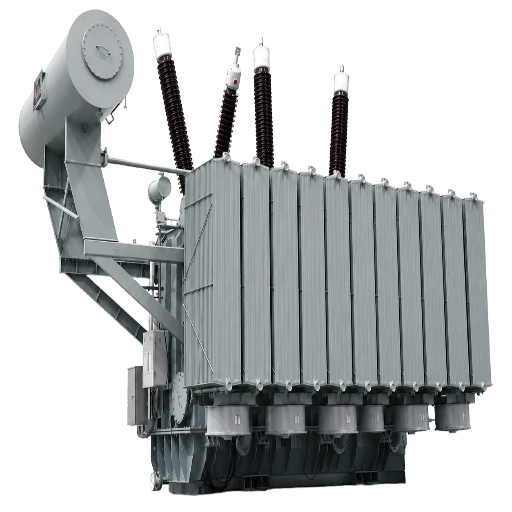
Transmission-Class Project Route
220 kV Power Transformer
This supplied reference document records a 100 MVA / 220 kV project point and step-up/step-down language. It does not support a guaranteed loss value, fixed accessory package or universal 220 kV specification.
Useful for: grid interconnection, transmission substations and generation interface enquiries
Buyer input: network duty, insulation coordination, transport route and acceptance program
Evidence boundary: performance values belong in the model-specific offer and test record
Explore 220 kV Route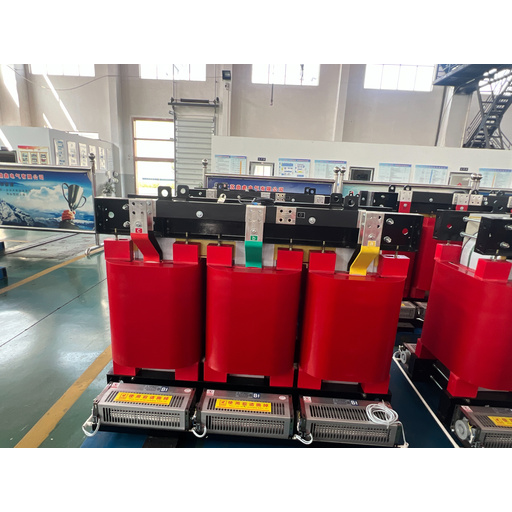
Supplier Evaluation Route
Power Transformer Manufacturer
Use this route when the decision starts with supplier capability, engineering communication, quality planning or document handoff rather than a single voltage class. Our parent-page framework separates verified company context from project-specific equipment evidence.
Useful for: EPC vendor screening and early technical alignment
Buyer input: required capability evidence, project standards and approval gates
Evidence boundary: ask which document proves each supplier claim
Review Manufacturer Route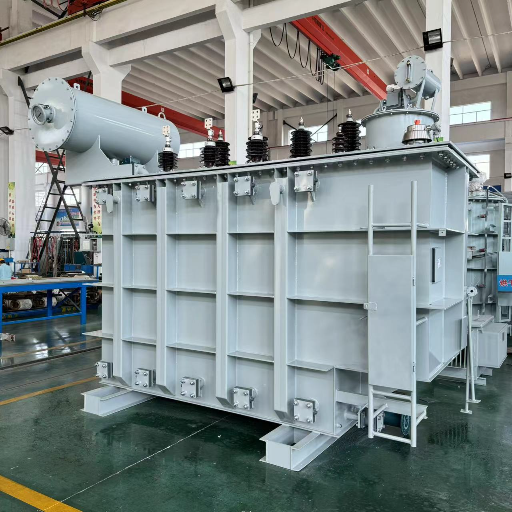
35 kV Construction Route
35 kV Power Transformer
Supplied documents record two separate reference points: 3,150 kVA / 35 kV dry type with epoxy cast insulation and AN/AF cooling language, and 20,000 kVA / 35 kV oil immersed. These are two records, not endpoints of a verified continuous range.
Evidence boundary: For the dry-type reference, the customer record names IEC 60076-11 and GB/T 10228 as its design basis.
Useful for: medium-voltage substation and industrial distribution enquiries
Buyer input: dry/oil boundary, installation environment, load, ratio and thermal path
Evidence boundary: do not extrapolate between the two reference models
Explore 35 kV RoutePower Transformer Project-Constraint Board
A comparable RFQ is a controlled set of inputs, not a request for “one main transformer.” Selection guides separate application, construction, cooling, mounting, frequency, phase and voltage.[4] Grid-class projects also need network, site, transport, monitoring, testing and resilience constraints.
Hidden Bottleneck: Interface Ownership
Many delays are not “transformer delays” in isolation. An undefined tap range, unapproved protection interface, unknown transport envelope or unbooked witness point can keep the design from freezing. Earlier input closure removes avoidable clarification loops; it does not guarantee material availability or a production date.
Electrical Transformer Configuration and Design Basis
For three-phase transformer projects, a common technical language is essential. IEC 60076, IEEE C57 and GB/T documents can establish this framework, but citing a standard in the RFQ does not equal product certification. Your RFQ should list the specific standard, edition, relevant clauses, required test procedures and acceptance authority.[1][3]
IEC-Based Projects
IEC 60076-1 covers general power-transformer requirements and includes functional specification, transport, tank, liquid-preservation, condition-monitoring, environmental and safety considerations. Other parts address specific subjects. Confirm which parts and editions apply.
IEEE-Based Projects
IEEE C57.12.00 is a general-requirements standard for certain liquid-immersed transformers. IEEE C57.12.90 is a test code with named measurement categories, but it also excludes several specialty transformer types. Applicability must follow the actual category.
GB/T References
Client-supplied parent documentation names IEC 60076 and GB/T 6451 as its design basis. We retain those as document-stated design bases only. Required market evidence and edition alignment still need project confirmation.
Utility And EPC Overlays
Owner specifications may add insulation, sound, losses, monitoring, accessories, witness, document and deviation requirements. Our review treats those overlays as controlled inputs, not optional notes at the end of the purchase order.
| Configuration Field | Why It Changes The Design | What To State In The RFQ |
|---|---|---|
| Rated Power | Sets the thermal and electrical duty together with the load profile | MVA/kVA, duty profile, overload philosophy and future allowance |
| Voltage Ratio | Defines winding voltages and interacts with taps and insulation | All winding voltages, operating range and maximum equipment voltage |
| Frequency | Affects magnetic and thermal design | 50 Hz or 60 Hz; never leave it implied |
| Vector Group | Affects phase relationship, grounding and system compatibility | Required connection and neutral treatment |
| Impedance | Influences fault current, voltage regulation and load sharing | Target/tolerance basis and system-study context |
| Tap Changer | Changes regulation, controls and mechanical scope | DETC/OLTC need, range, steps, controls and operating duty |
| Cooling | Links loading, ambient and redundancy to the physical package | Required cooling stages and loss-of-cooling philosophy |
| Losses | Influence owner operating cost and acceptance | Guaranteed evaluation points, tolerances and capitalization factors |
| Insulation | Coordinates system overvoltage with internal and external clearances | Required withstand levels, creepage and neutral basis |
A patent concerning a tap-changer support under repetitive horizontal acceleration illustrates why motion duty can matter to mechanical design. It does not prove a Talite feature. If seismic or repetitive motion is relevant, state the project requirement and request configuration-specific evidence.
Substation, GSU and Industrial Main Transformer Applications
A product-family page helps a buyer assess system duty without implying that an application label completes the specification. Those application routes highlight which questions matter most for the intended role; the final functional specification remains project-specific.[3]
Transmission and primary substations
A substation power transformer may need close coordination with grid fault levels, protection, insulation, voltage regulation, bus arrangement, transport access and outage planning. State whether the unit is an expansion, replacement or new-build installation.
GSU transformer projects
A generator step-up or GSU transformer connects the generator voltage to the grid. Generator capability, operating profile, transients, neutral treatment, auxiliary interfaces, protection, loss evaluation and outage consequence should be included in the design basis.
Industrial main transformer duty
A main transformer for steel, chemicals, mining, data infrastructure or another large industrial load may face motor starts, rectifier or harmonic loads, cycling, contamination, limited outage windows and site-specific spares expectations. Name those conditions early.
Renewable energy interconnection
Wind, solar and storage systems may introduce collector-system voltage, converter harmonics, reactive-power operation, cyclic loading, grid-code interfaces and remote monitoring needs. Any power line transformer route must follow the actual network function.
Replacement and resilience
A replacement project needs more than an old nameplate. Confirm changed grid duty, available footprint, bushing and cable interfaces, transport route, foundation, protection, auxiliaries and the owner’s resilience strategy.
Parallel operation
When a unit will operate in parallel, provide voltage ratios, vector groups, impedance basis, tap arrangements and load-sharing constraints for the existing and proposed units. Compatibility belongs in the system review.
Terminology and system boundary
In a power system, a high voltage transformer may work as a step-up transformer or step-down transformer between generation, power transmission, a power grid and local power distribution. Power plants, renewable facilities and industrial power supplies sit within wider power networks, while a low voltage or voltage transformer search can refer to equipment outside this project family and should be classified before quoting. Transformer design choices affect reliability and expected lifespan, so search labels alone do not determine fit.
“Application names route the enquiry. Approved system data and the evidence schedule define the transformer.” Talite project-scoping principle
Engineering Review, Testing and Quality Handoffs
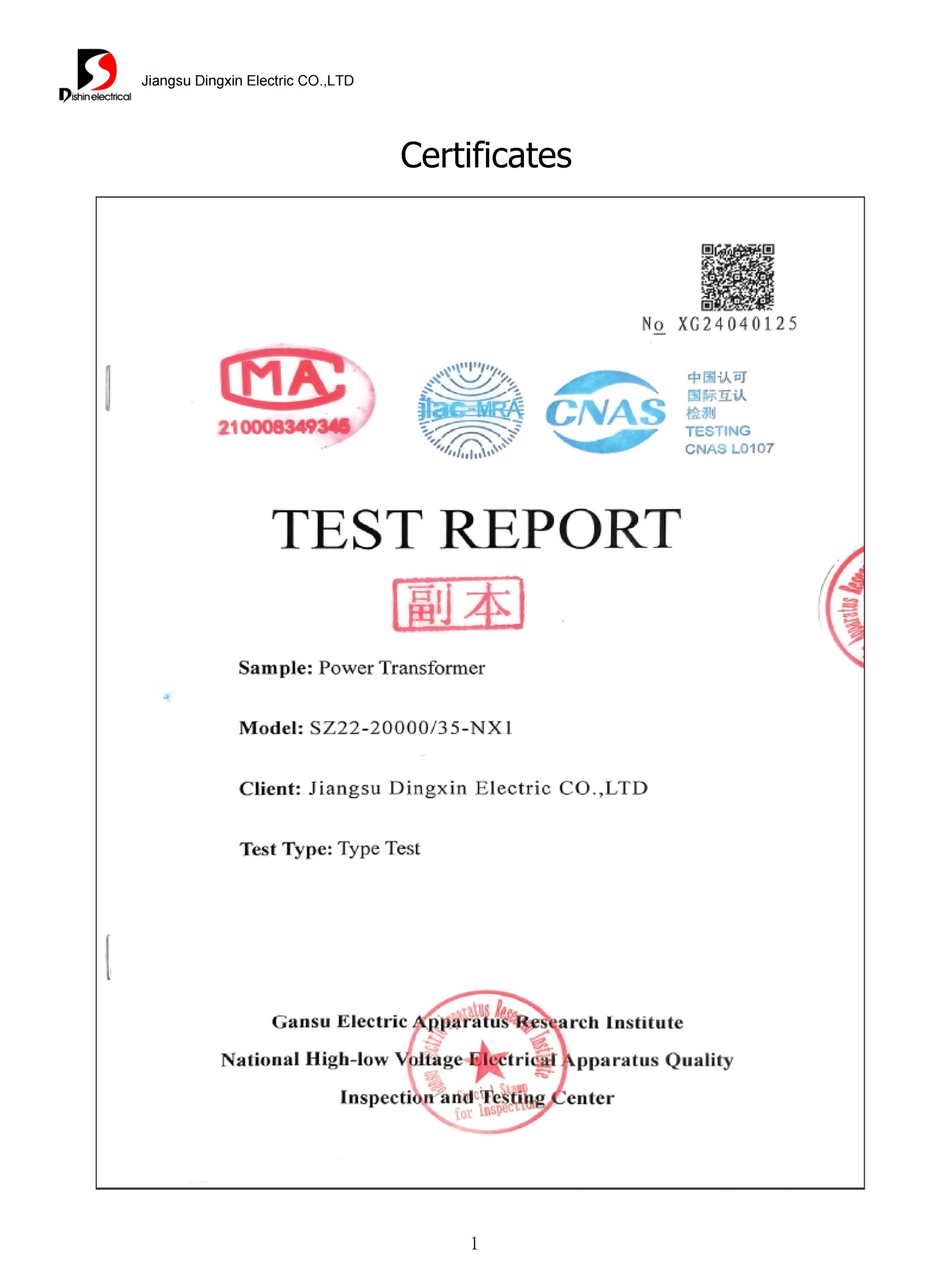
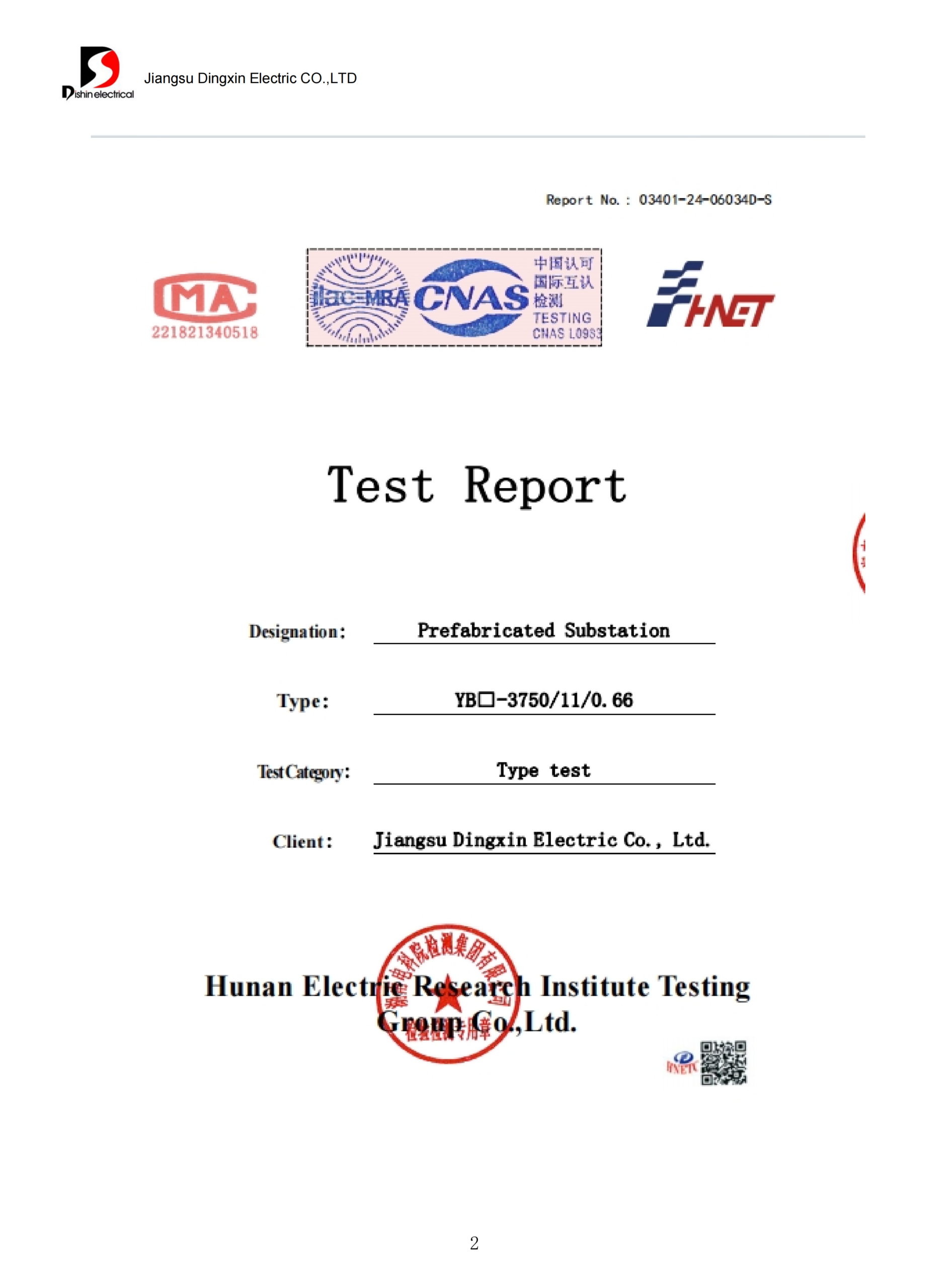
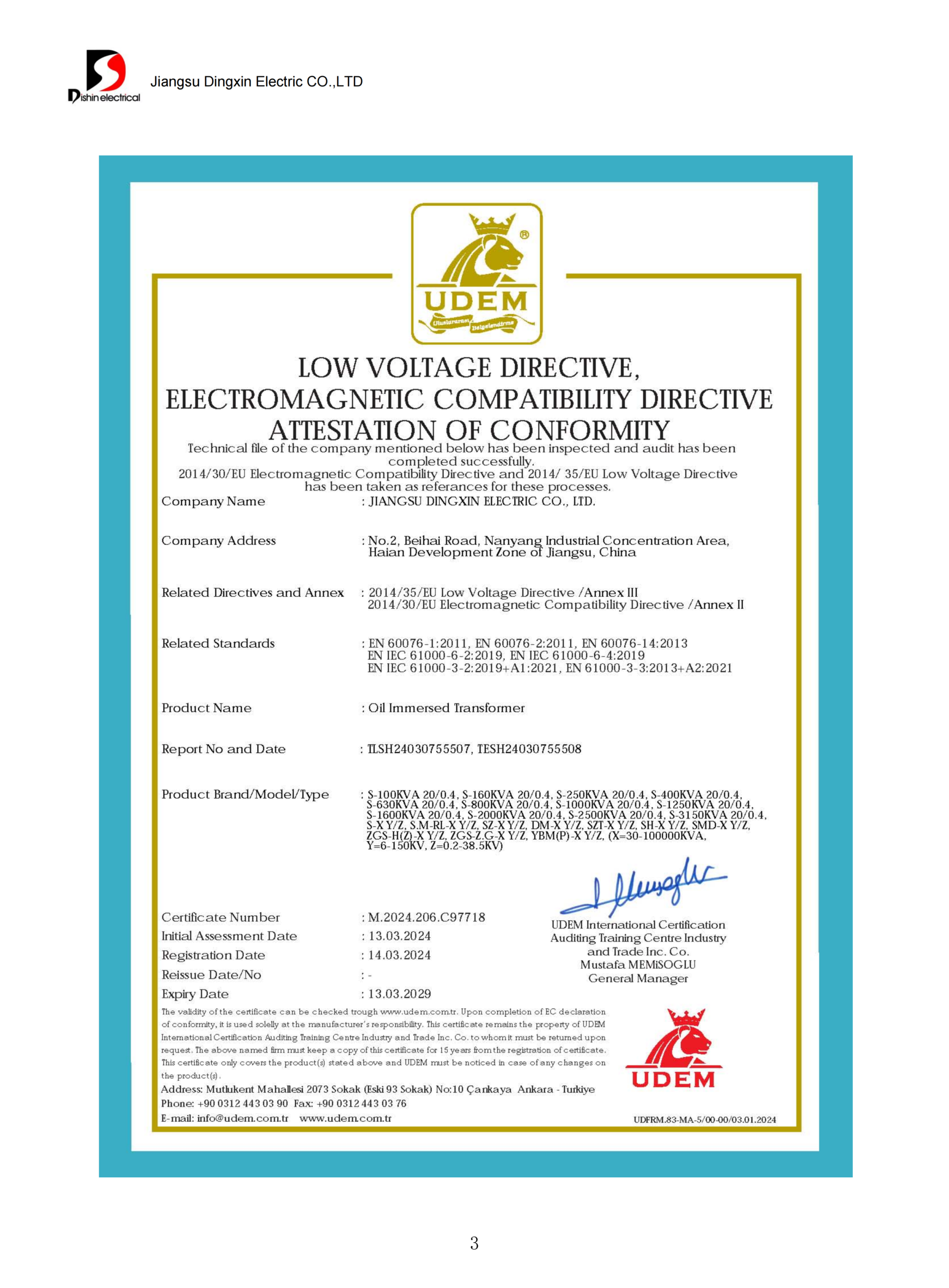
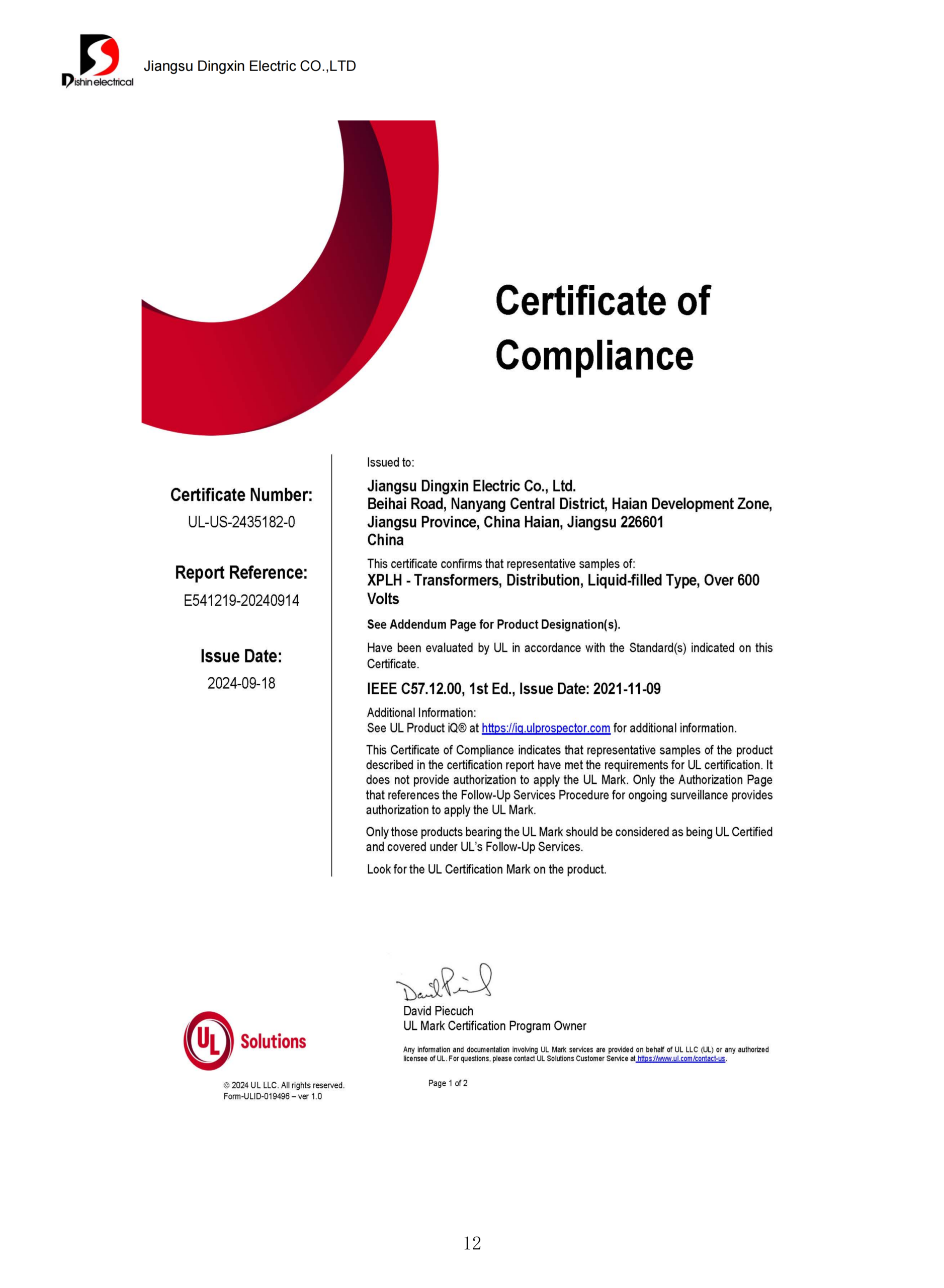
Quality language becomes useful when every claim points to an evidence object. We distinguish the governing standard, the approved design record, the inspection and test plan, the completed report and the acceptance decision. A logo, certificate image or general company statement cannot substitute for that chain.
Evidence Applicability Checkpoint
An unclear test-code boundary creates acceptance risk because a named method may exclude the offered transformer category. Talite will not claim universal coverage: IEEE C57.12.90-2021 and IEC 60076-1 must be checked against the actual 35 kV, 110 kV or 220 kV configuration and project specification.[2][3]
| Handoff Item | Define Before Order | Evidence After Completion | Buyer Checkpoint |
|---|---|---|---|
| Data Sheet | Required values, tolerances and deviations | Approved model-specific record | Technical compliance review |
| Drawings | Outline, interfaces, terminals, foundation and controls | Approved drawing revision | Site/interface approval |
| Test Code | Applicable standard, edition and transformer category | Traceable test procedure/report | Applicability confirmed |
| Routine Tests | Required categories and acceptance basis | Results tied to the offered unit | Report acceptance |
| Type/Special Tests | Required test, witness, reuse policy and cost boundary | Agreed report or completed result | Deviation and applicability review |
| FAT Witness | Hold points, notice, attendees and remote/on-site format | Signed record and action list | Release authorization |
| Document Pack | Index, language, format, revision and submission dates | Complete controlled package | Completeness check |
| Shipping Release | Preservation, packing, split and transport checks | Release and packing records | Logistics handoff |
IEEE C57.12.90 names test categories such as winding resistance, ratio, no-load loss, excitation current, impedance, load loss, dielectric, temperature, short-circuit and audible sound measurements for its in-scope liquid-immersed transformer categories. It excludes some specialty types. We therefore use the project category and specification to determine the applicable test program rather than copying one list into every enquiry.
Proof Before Promotion
We do not publish a partial-discharge value, impulse withstand level, loss guarantee, fixed factory-test scope, certificate coverage or warranty term unless the offered model and current evidence support it. Ask for the document owner of each important claim.
DOC-01
AUTHENTICATED
DOC-02
AUTHENTICATED
DOC-03
AUTHENTICATED
DOC-04
AUTHENTICATED
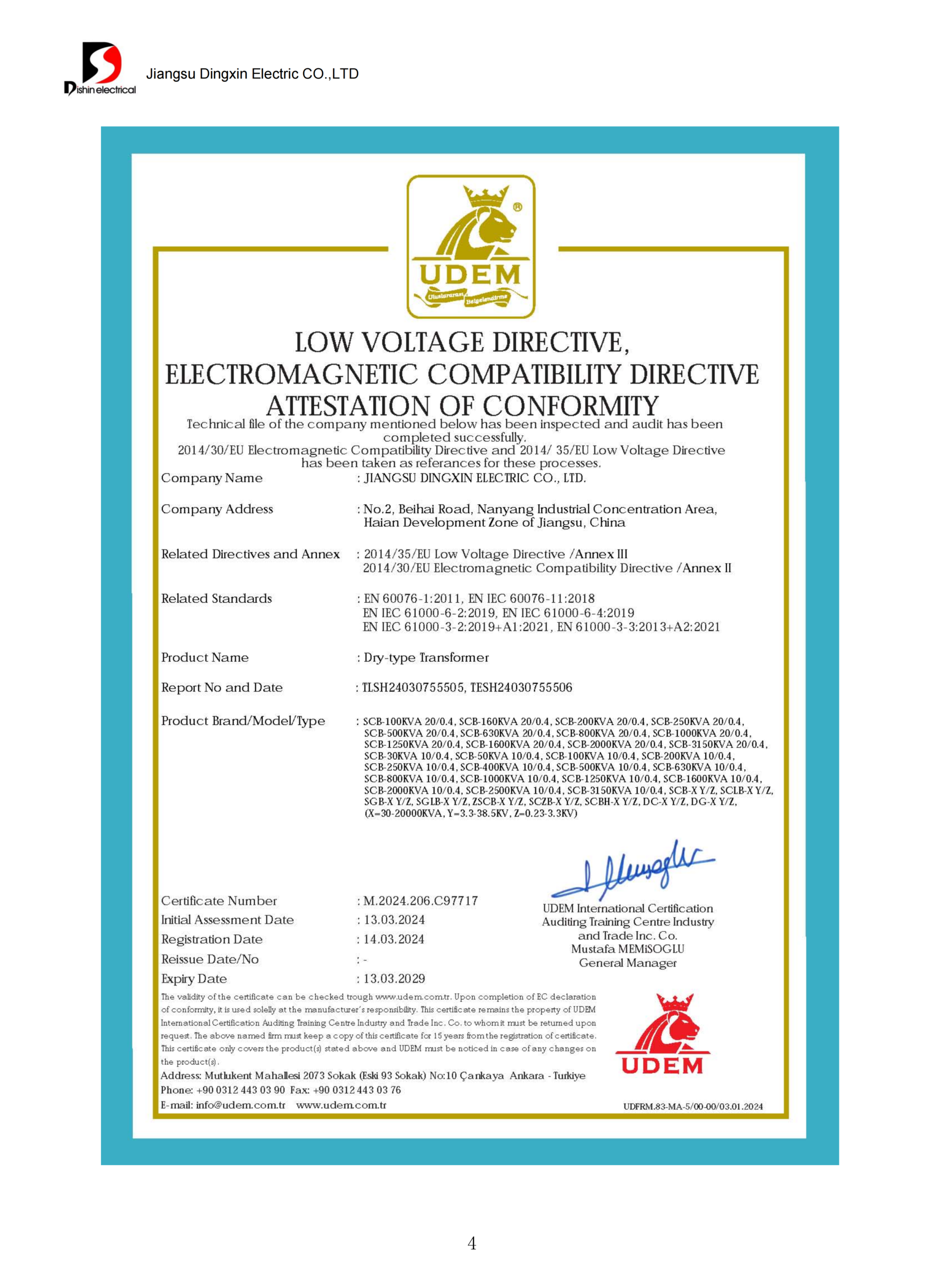
DOC-05
AUTHENTICATED
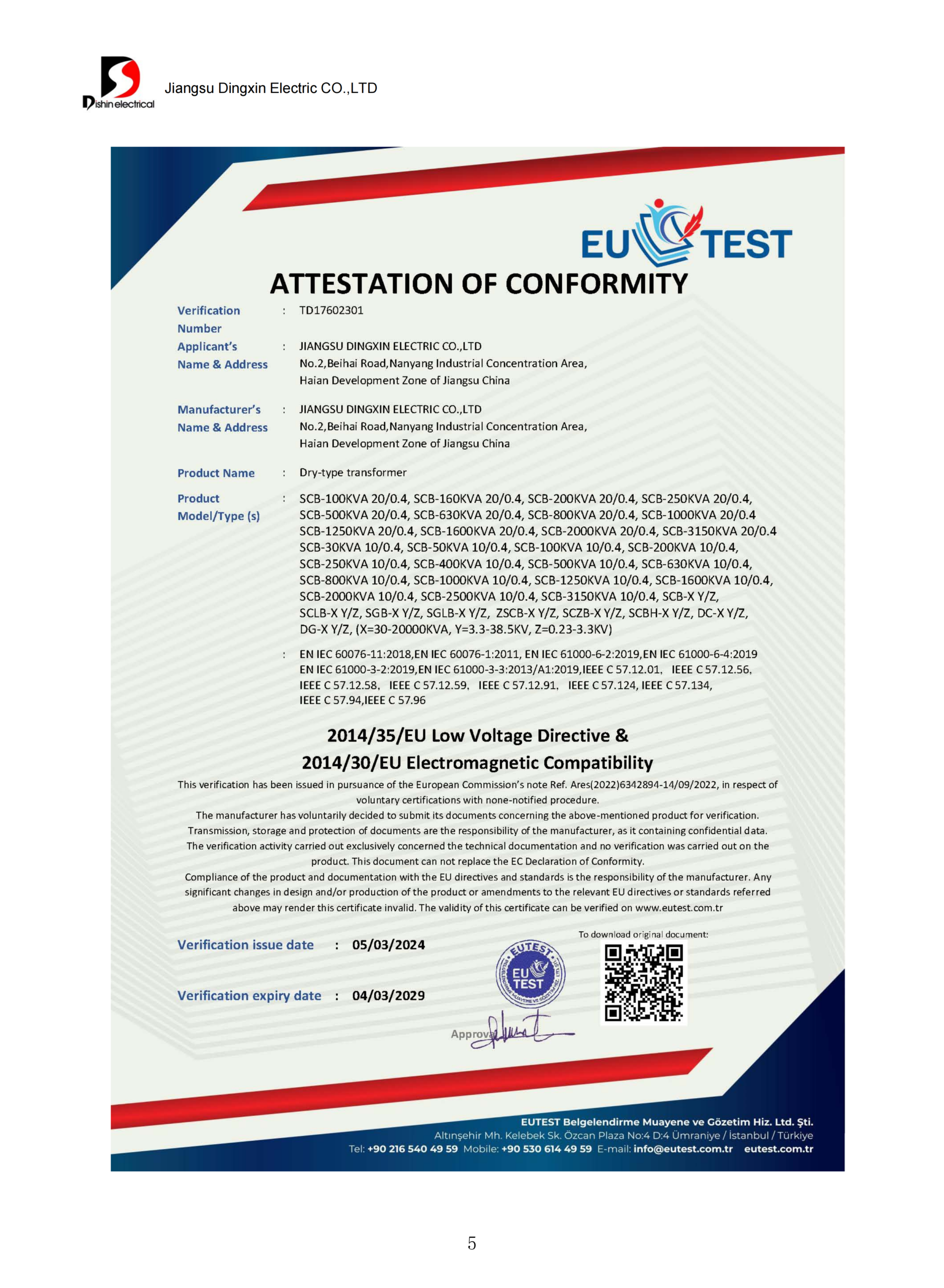
DOC-06
AUTHENTICATED
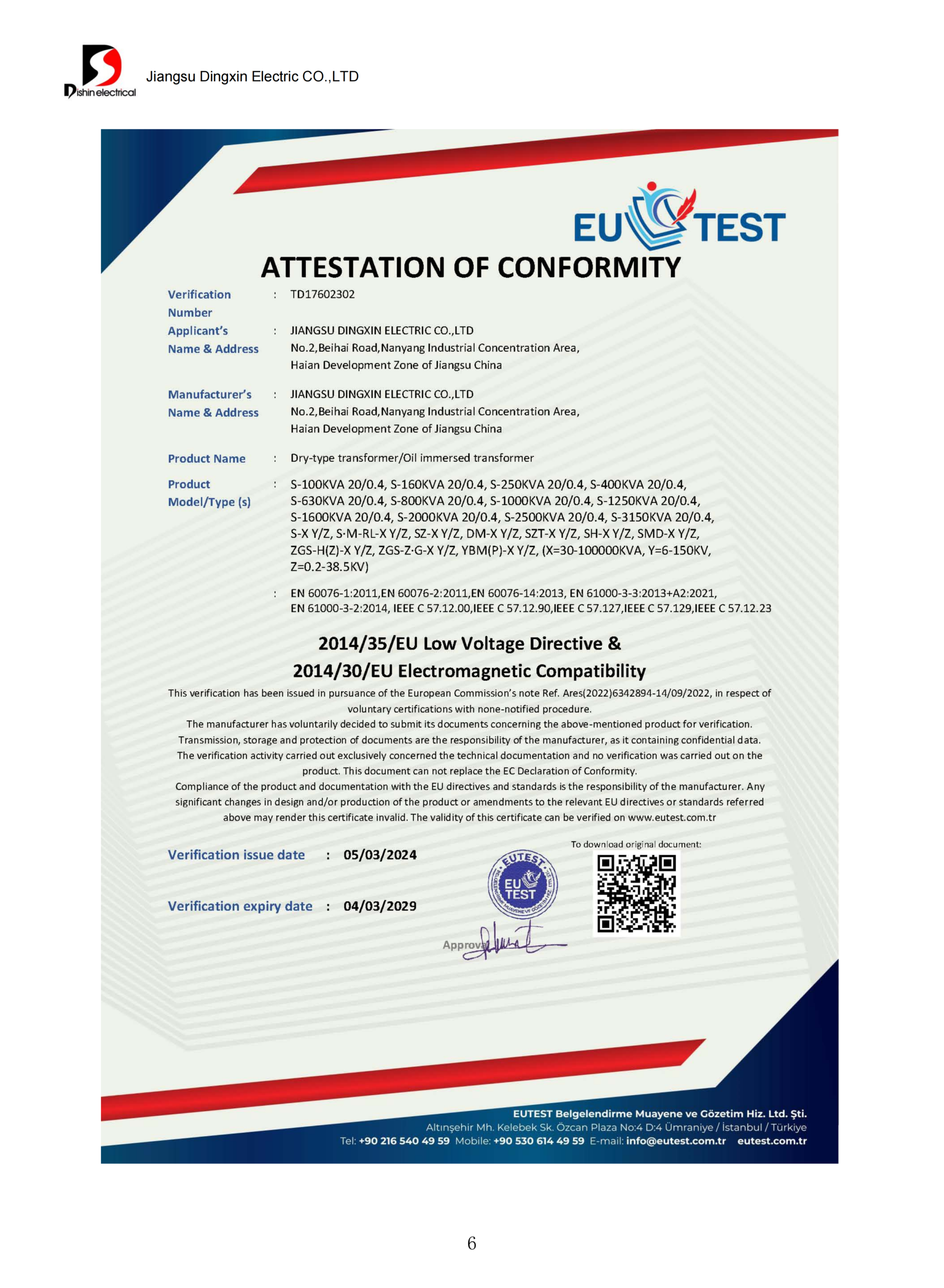
DOC-07
AUTHENTICATED
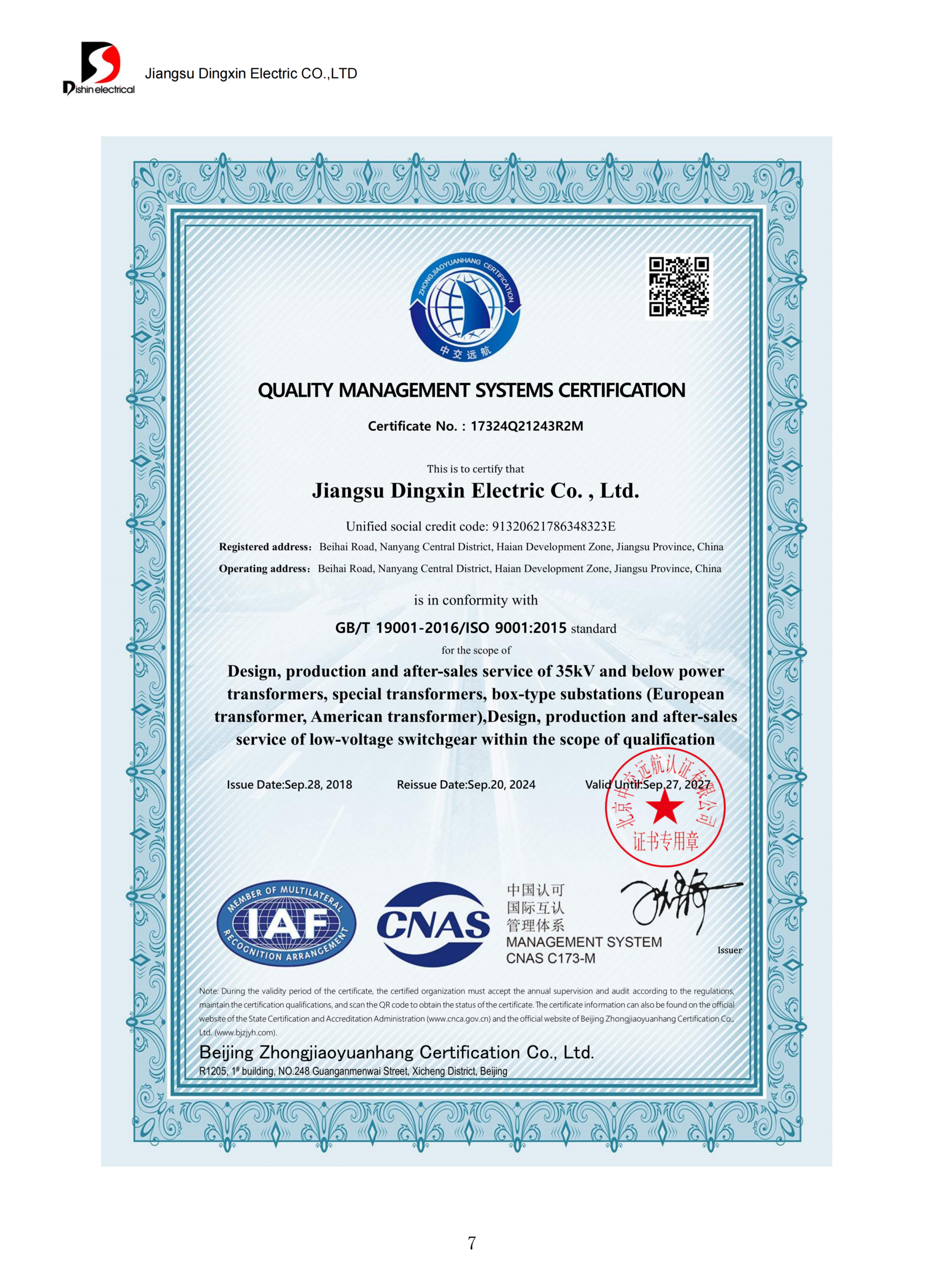
DOC-08
AUTHENTICATED
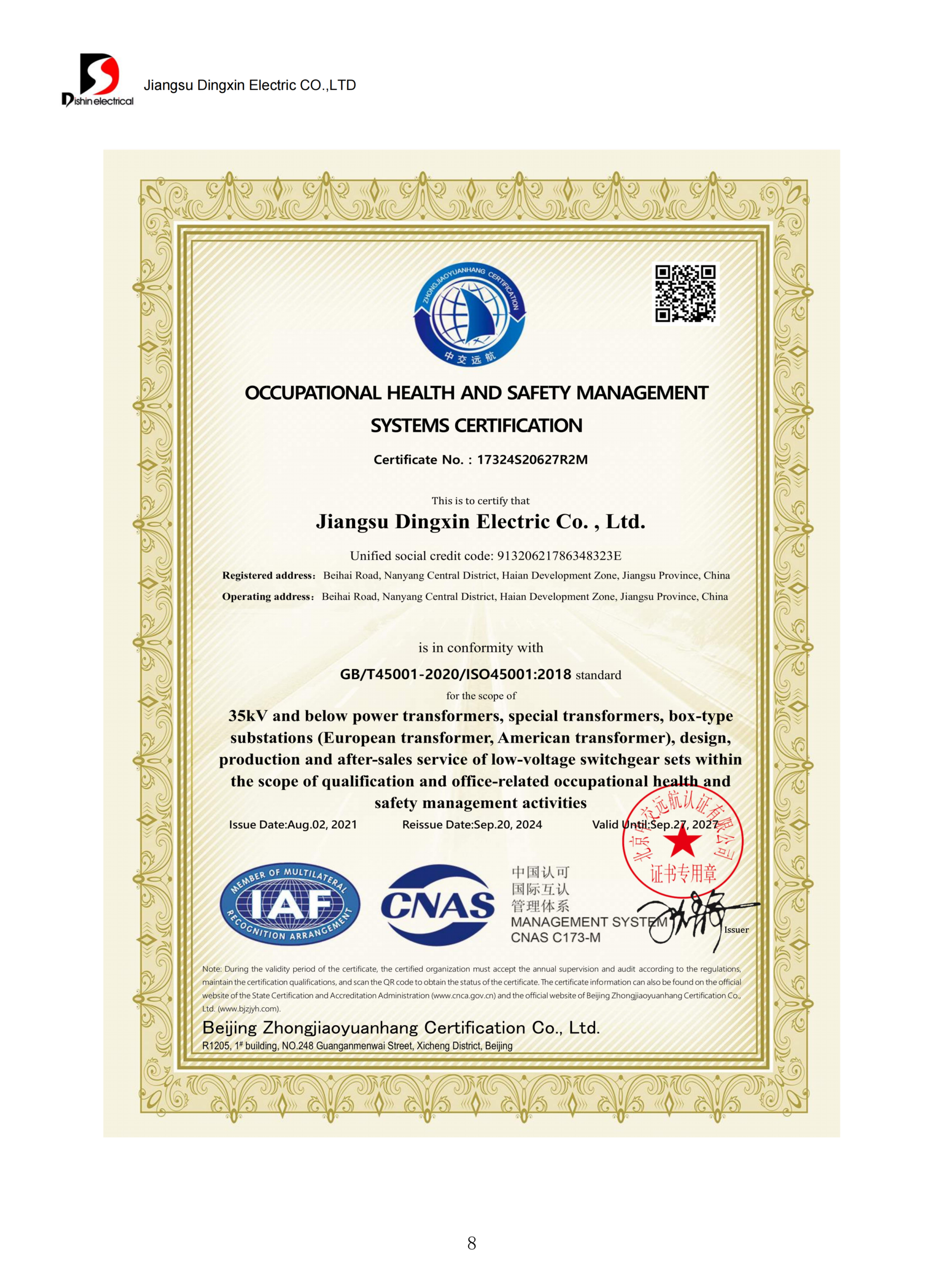
DOC-09
AUTHENTICATED
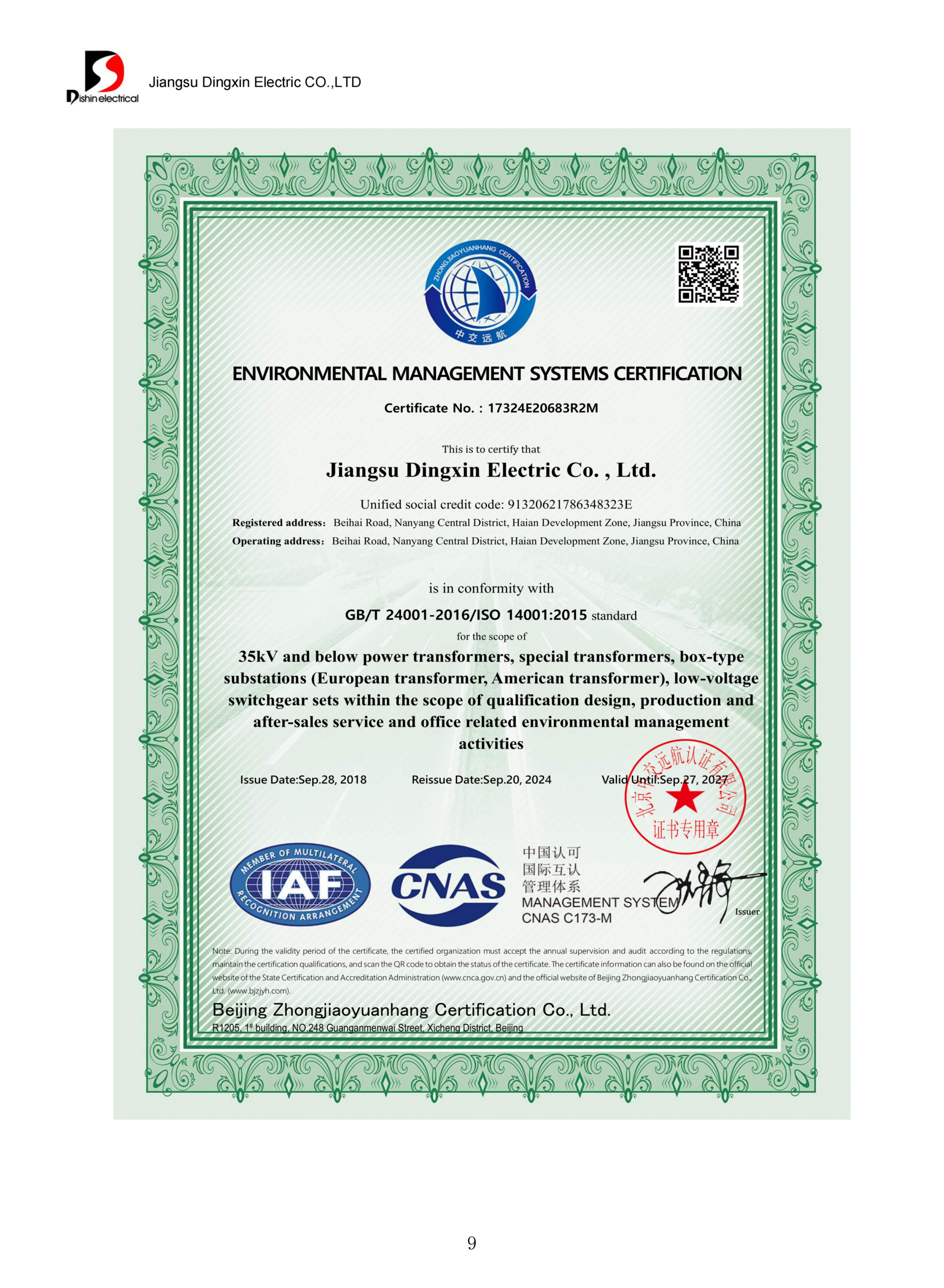
DOC-10
AUTHENTICATED
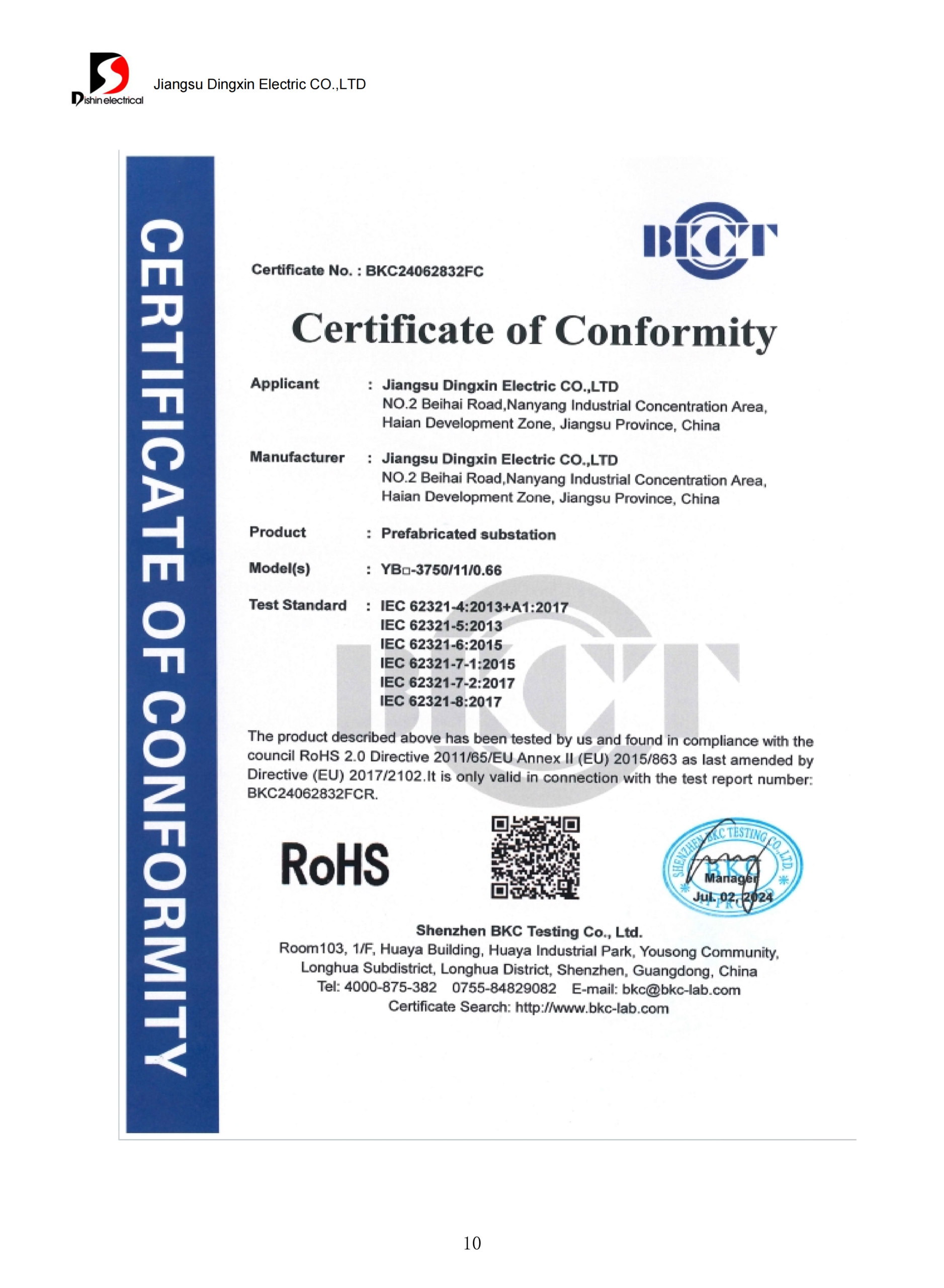
DOC-11
AUTHENTICATED
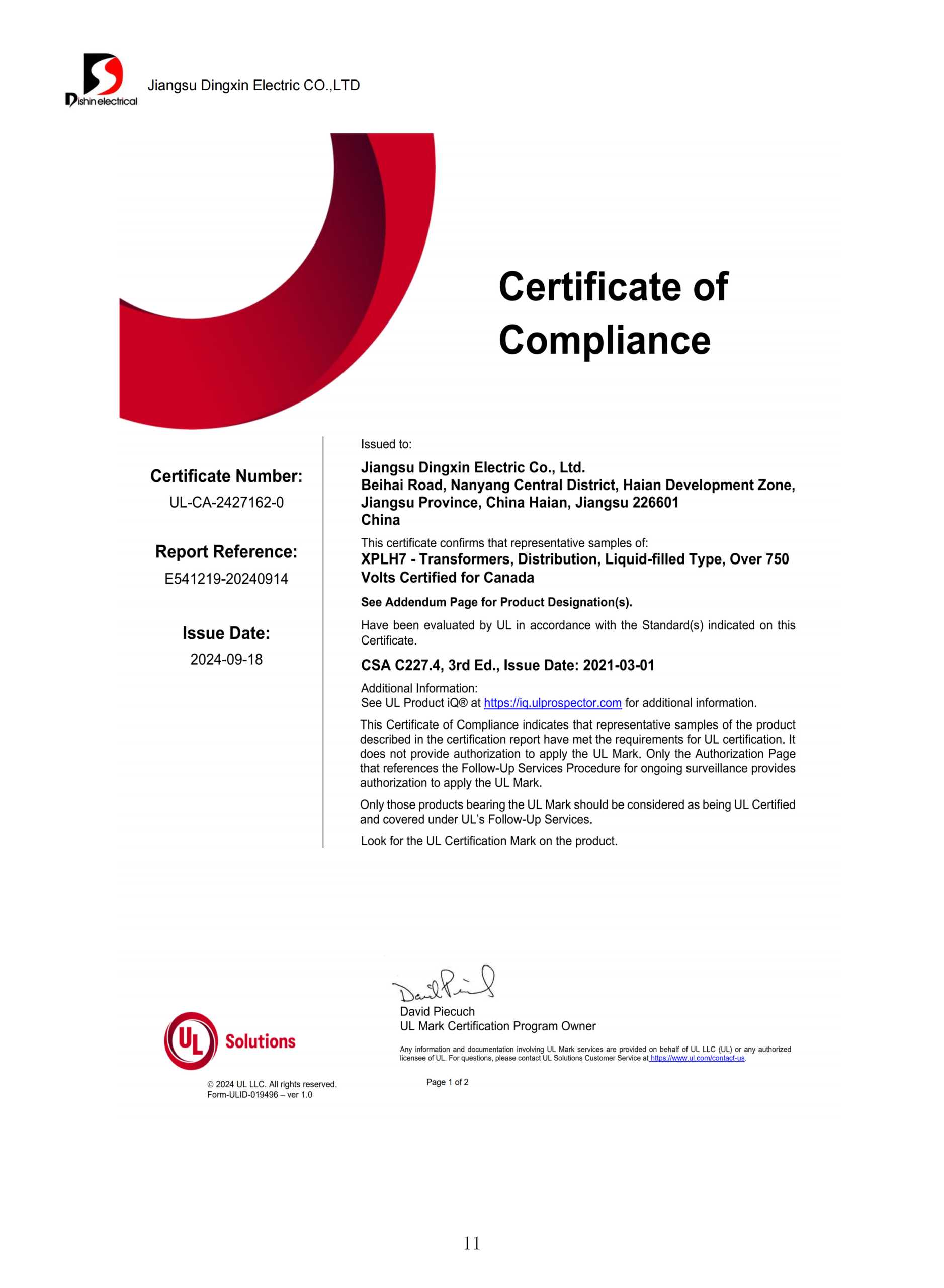
DOC-12
AUTHENTICATED
What to Verify When Comparing Power Transformer Manufacturers
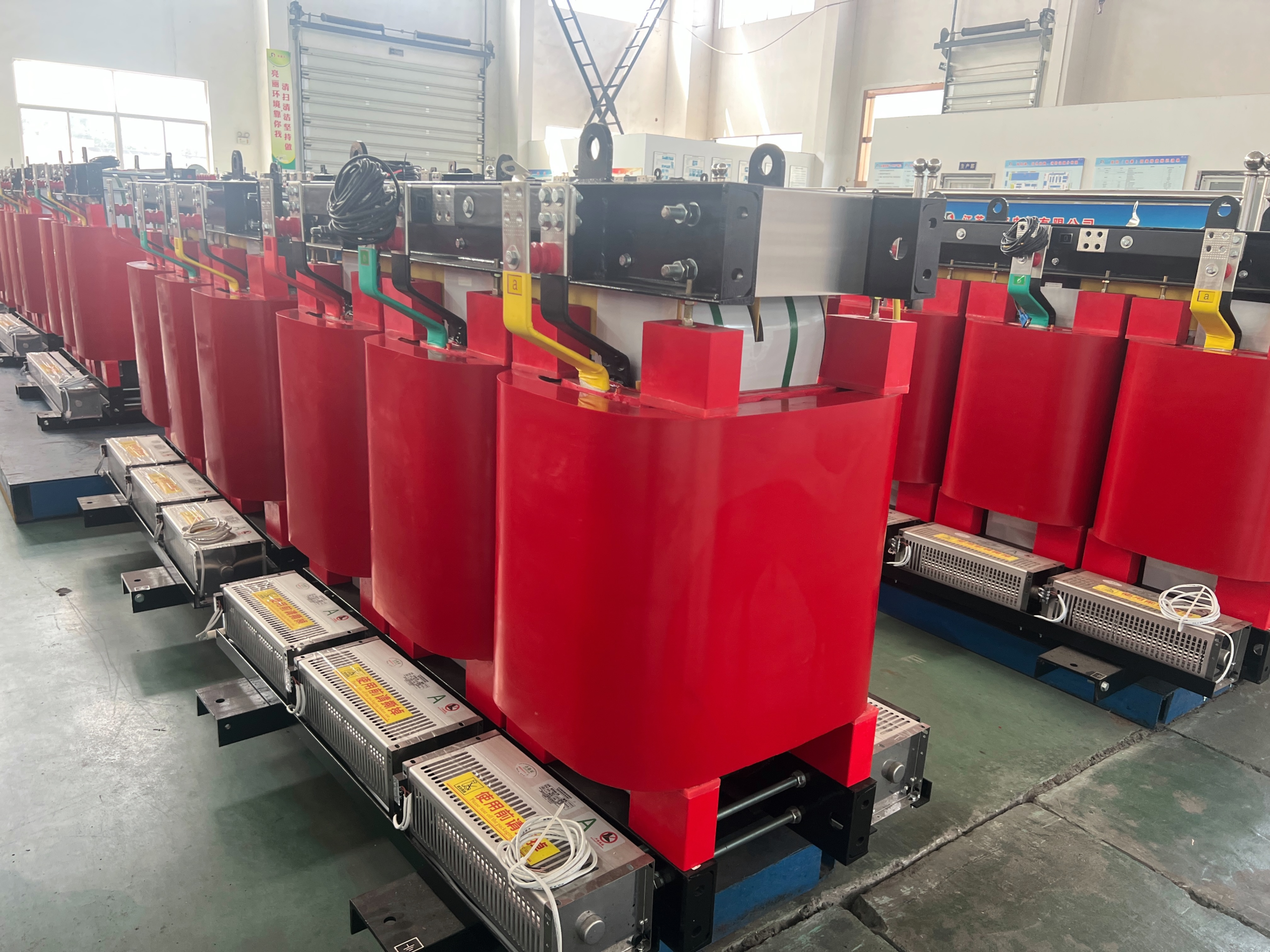
A manufacturer comparison is stronger when it separates company background from project evidence. Talite’s supplied company introduction states over three decades in the power-equipment sector, a Jiangsu operating base and an integrated R&D, production and sales structure. Buyers should still ask how those general capabilities map to the proposed transformer.
A different comparison method
The honest version is that a company profile and a model evidence pack answer different questions. Unlike a badge-led comparison, this method maps every important claim to a document, whereas unverified fields remain open for project confirmation.
Scope ownership
Who owns the system inputs, deviations, electrical design record, interfaces and design changes? We recommend a named question-and-answer trail rather than assumptions distributed across emails.
Evidence mapping
Which drawing, data sheet, calculation, certificate, procedure or report supports each claim? Our evidence-first approach keeps generic credentials separate from model acceptance.
Deviation control
How are technical and commercial deviations recorded, accepted and carried into the final documents? A clean offer makes exclusions and unresolved fields visible.
Test applicability
Does the proposed standard and test code cover the actual transformer category? Ask how type or special-test evidence maps to the offered design.[2]
Document handoff
Define the index, language, format, review cycles and final submission. We treat the document package as a project deliverable, not an afterthought.
Logistics interface
Confirm shipping split, preservation, transport constraints, erection responsibilities and site-support boundary in the written proposal. Never infer them from a product photo.
Power Transformer Trade-Offs and Alternative Routes
01
Do not choose from voltage alone
35, 110 or 220 kV does not define MVA, ratio, impedance, insulation, cooling, tap changer, footprint or tests. Use the constraint builder before asking suppliers to compare designs.
02
Do not extrapolate between reference points
Customer documents contain specific reference models and a parent range statement. They do not prove that every intermediate or combined rating is a validated catalog model.
03
Do not use a power transformer where another class fits
Instrument, grounding, rectifier, furnace, mining and other specialty transformers can have different requirements and test-code applicability. Route the enquiry by actual duty.
04
Do not treat the lowest purchase price as total cost
Normalize equipment scope, losses, auxiliaries, tests, documents, logistics and owner-entered lifecycle assumptions before comparing. Avoid ROI claims without approved inputs.
05
Do not treat a standard as certification
A design or test basis identifies technical rules. Product certification, management-system certification, laboratory competence and local acceptance are different evidence categories.[1]
06
Do not promise the schedule from market averages
Industry constraints explain uncertainty but do not establish a Talite date. Current written offers must own the supplier-specific schedule and assumptions.
Power Transformer Project Tools
Power Transformer Project Constraint Builder
Enter only what you know. The tool identifies open decision gates and creates a copyable RFQ readiness summary in your browser. It does not select or approve a transformer.
Access ToolPower Transformer Lifecycle-Loss Worksheet
Compare two buyer-entered scenarios on one transparent basis. The calculation is illustrative, uses simple constant inputs and does not predict actual utility costs, savings or ROI.
Access ToolPower Transformer FAT & Document Handoff Checklist
Select the requested evidence categories and add the governing standard/edition. This creates a project discussion list, not a universal test program.
Access ToolPower Transformer Model Route Selector
Choose the enquiry’s primary route. This tool directs you to a page; it does not confirm that a rating or construction is available.
Access ToolPower Transformer FAQ
A power transformer transfers electrical energy between circuits by electromagnetic induction, normally changing voltage while keeping the same frequency. In utility and industrial projects, the term usually refers to equipment whose configuration is defined by grid role, ratings, loading, insulation, cooling, site and evidence requirements.
Provide rated power, all winding voltages, frequency, vector group, grounding, impedance, tap needs, fault levels, loading, ambient and altitude, cooling, insulation levels, sound target, accessories, monitoring, standards, tests, transport and commercial boundary.
A GSU transformer connects generator voltage to the grid and is evaluated against the generator and interconnection duty. “Main transformer” is a broader project role, often describing the primary unit supplying an industrial plant or station. Those names are not complete specifications.
Customer-supplied parent documentation lists 5–100 MVA and 110–220 kV as series reference data. This is a starting boundary, not confirmation that every rating combination is a standard model. Send the duty for configuration and evidence review.
Yes. A 35 kV route links to two customer-document reference records—3,150 kVA dry type and 20,000 kVA oil immersed. These remain separate project references and cannot be extrapolated into a continuous range.
A budgetary discussion may start with partial data, but a comparable price needs the electrical configuration, evidence, accessories, quantity, destination, packaging and delivery boundary. This page does not publish a list price or commercial promise.
Supplier-specific schedules depend on the frozen design, approval cycle, material and component availability, test/witness program, logistics and current production conditions. Market reports cannot substitute for a written offer.
That depends on the destination market, owner specification and transformer category. State the exact IEC, IEEE, GB/T, utility or project document and edition in the RFQ, then agree the applicable clauses and evidence.[3]
No. IEC 60076 can be a design or test basis. Certification scope, completed test evidence, laboratory competence and market acceptance require separate proof.
Include the applicable procedure and standard, test category, configuration identity, prerequisites, instruments or method as required, witness/hold points, acceptance criteria, report format, deviation handling, open actions and release authority.
Use the same guaranteed evaluation points and owner-approved assumptions. Combine buyer-entered no-load loss, load loss, load factor, energized hours, energy price, analysis period and discount method. Keep the scenario assumptions visible.
Send the single-line diagram, equipment data sheet or owner specification, load profile, short-circuit/protection study extracts, site conditions, layout and route constraints, test/ITP requirements, document list, quantity, destination and requested delivery boundary.
![Pad-Mounted Transformer: How It Works [2026 Guide]](https://toplit-transformer.com/wp-content/uploads/2026/08/pad-mounted-transformer-guide-featured-150x150.png)
![Single Phase Pad Mounted Transformer Guide [2026]](https://toplit-transformer.com/wp-content/uploads/2026/08/single-phase-pad-mounted-transformer-guide-featured-1-150x150.png)