Get in touch with Toplit Transformer Co., Ltd Company

Electrical Transformer Types: Grid, Distribution, Instrument and Specialty Routes

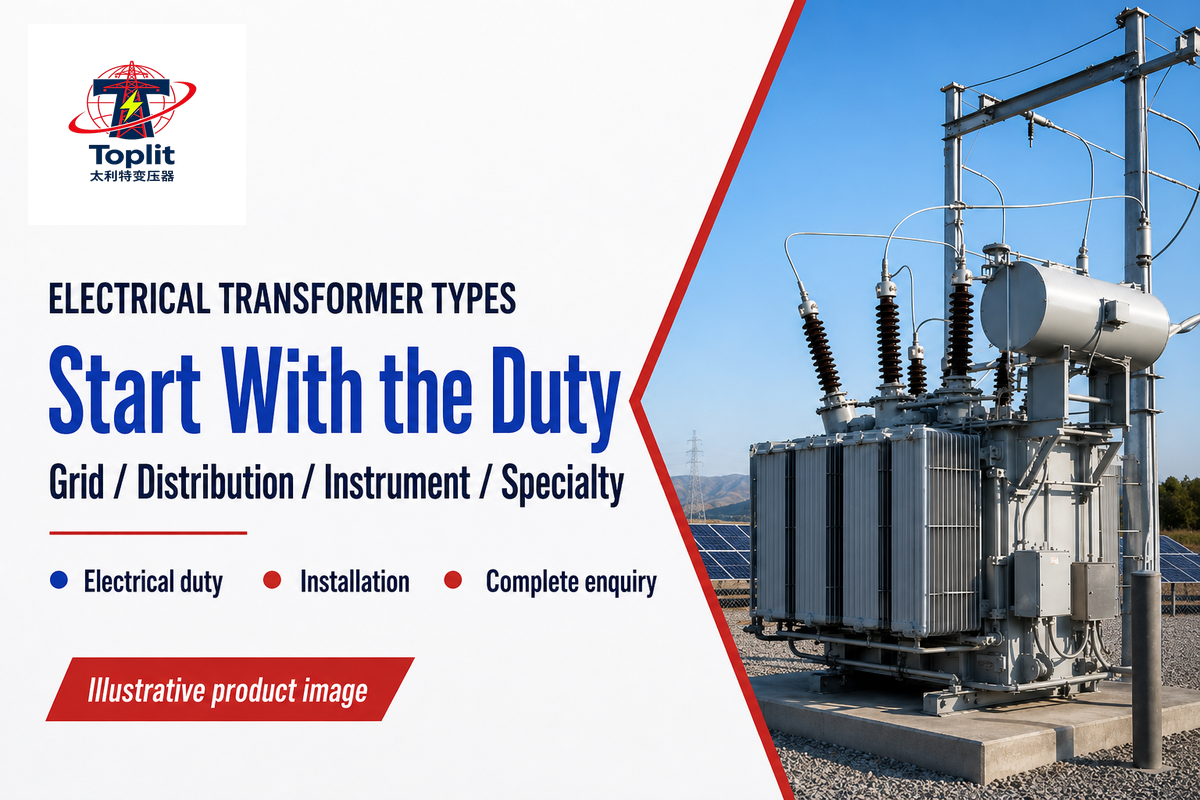
Understanding electrical transformer types starts with the work required: power transmission, local distribution; measurement and protection; as well as specialized circuits. Other characteristics of the type include: insulation (dry or oil-filled); voltage; phase (single or three); and transformation (step-down). Different types of transformers can also be characterized based on the construction or function.
When a request states “dry transformer” the supplier is required to determine what function the equipment must perform. The supplier needs the specified voltage and other limitations of the equipment; unresolved assumptions require engineering review. These four approaches help the supplier identify the required duty, with assumptions stated for engineering review.
Start with the job, then decode the transformer type
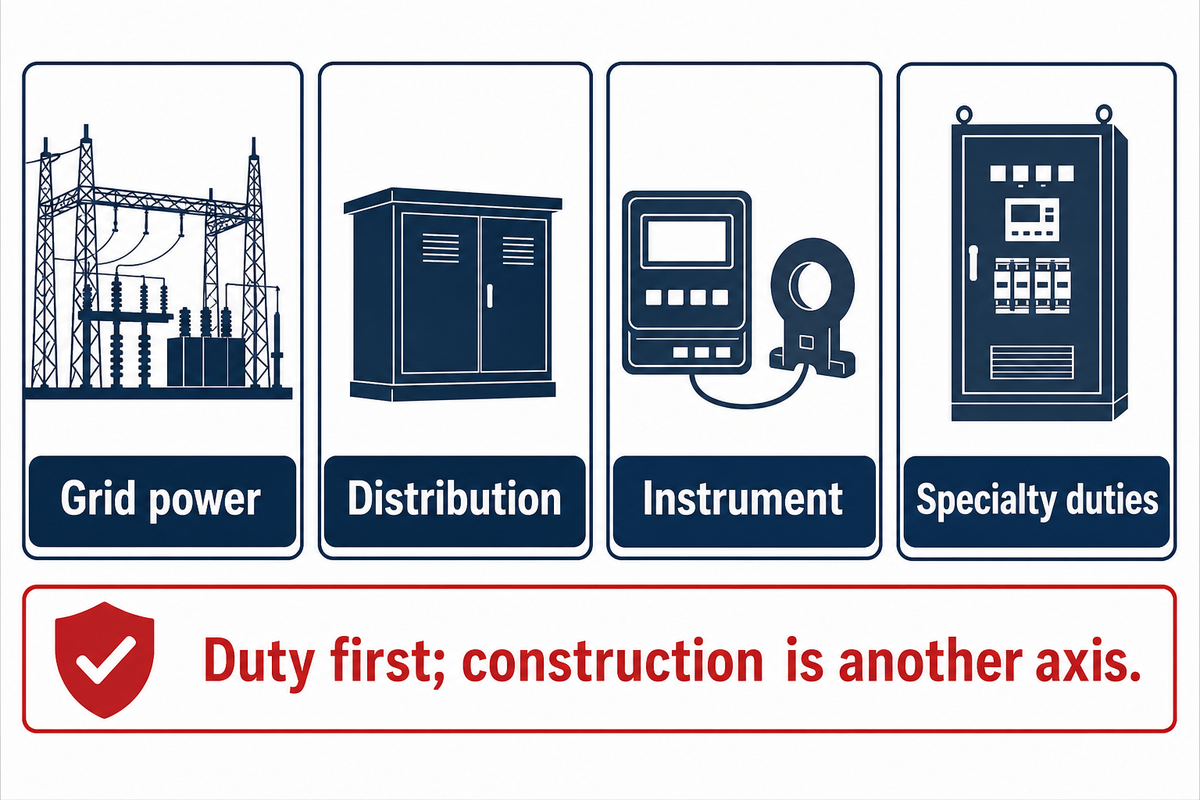
The main types of transformers used in power transmission and distribution may be differentiated on the basis of application, type and form of winding, kind of insulation, number of phases, and method of connection to the circuit. It isn’t unusual to find a piece of equipment whose characteristics are shared by several types of transformers used in power distribution.
The term “power transformer” needs context. In grid discussions it often identifies equipment used in power generation and power transmission. In standards language it is broader: IEC 60076-1:2011 covers single-phase and three-phase power transformers, including autotransformers, subject to its stated exceptions. Catalog headings and standard scopes therefore need not divide equipment in the same way.
| Label | Classification axis | What the label establishes | Limitations / Not suitable for |
|---|---|---|---|
| Grid power | System duty | Power transfer at generating stations or network substations | Does not establish a universal minimum voltage |
| Distribution | System duty | Supply to a downstream network or local loads | Does not establish liquid versus dry construction |
| Instrument | Measurement or protection | A current or voltage signal for associated equipment | Does not identify a load-supply transformer |
| Step-up | Voltage direction | The intended output voltage is higher | Does not mean a particular insulation system |
| Step-down | Voltage direction | The intended output voltage is lower | Does not prove electrical isolation |
| Autotransformer | Winding connection | A primary-secondary circuit connection | Not a substitute where galvanic isolation is required |
| Isolation | Circuit separation | Separation is a specified function | Does not by itself establish a safety-isolating product category |
| Dry-type | Insulation construction | No liquid-immersed core-and-coil assembly | Does not approve any indoor room |
| Liquid-filled | Insulation construction | Core-and-coil assembly immersed in insulating liquid | Does not specify liquid type or fire arrangement |
| Single-phase / three-phase | Electrical supply | The phase arrangement | Does not set kVA, voltage or protection |
| Pad-mounted / pole-mounted | Installation form | The physical installation route | Does not establish utility acceptance |
| Core geometry / core material | Magnetic construction | Shape and material must be specified separately | Does not replace operating-frequency or duty information |
For a potential factory question, “1,000 kVA, 11 kV to 400 V, three-phase, dry-type distribution transformer” is far more helpful than “industrial transformer.” The examples given herein shouldn’t be construed as an endorsement. Fitting a transformer to a given load requires a systematic analysis, and the transformer manufacturer’s recommendations and schedule inform the transformer’s suitability for a given application alongside the responsible engineer’s assessment and applicable local requirements.
Comparing unlike labels as if the buyer must choose one creates an unnecessary decision. “A three-phase transformer or a dry-type transformer?” doesn’t describe an either-or decision. The dry-type product family can be the next route to inspect after the electrical duty is known; construction alone is an incomplete specification.
An example of an 11 kV/400 V transformer may be a distribution transformer, step-down transformer and a dry-type transformer. Categories of electrical equipment may stimulate thoughts on a design, but don’t warrant design approval.
Grid power transformers: step-up and step-down duty
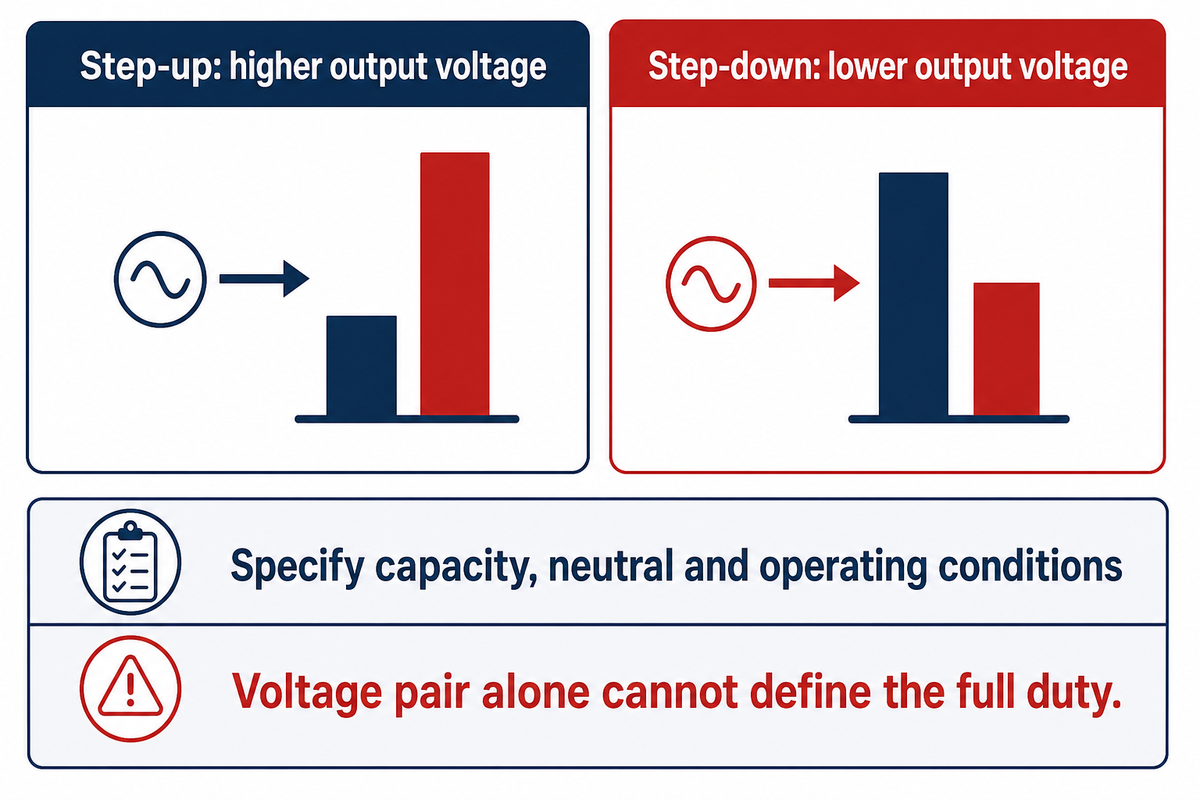
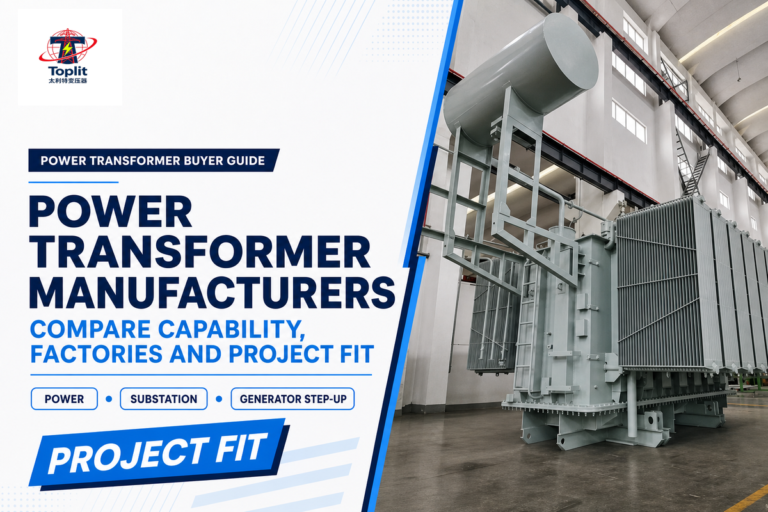
Step-up or step-down transformers of the electrical grid, of which the Grid power transformers are a part, are used to connect different voltage levels of the electrical grid. The intended function of the system and the nature of the power flow must be defined. IEC 60076-1:2011 covers three-phase and single-phase power transformers, including autotransformers, with exceptions for certain small and special categories; where a category has its own IEC standard, this part applies only to the extent called up by cross-reference. In transformers connected to the electrical grid, a general voltage level may not differentiate a distribution transformer from a grid power transformer.
A step-up transformer increases voltage in the intended direction. The reverse is true for a step-down transformer. A transformer converts the voltage level of AC power. A changing magnetic field within the transformer induces voltage in the transformer windings. The transformer doesn’t generate new energy. Transformer losses must be included in the analysis. Magnetic coupling allows transformer windings to transfer electrical energy between circuits. The ideal relationship between voltage and turns explains how transformers work, but does not guarantee load performance.
Consider a hypothetical network project connecting 33 kV and 11 kV buses. Another might connect 110 kV and 33 kV buses. Some of the key questions include the power capacity, the type of neutral, and the operating conditions. The examples given above don’t establish Toplit’s product limits.
Start with the system schedule
The consulting engineer responsible for the specification of a power system must provide a single-line diagram indicating the winding connections. Early consideration of large transformers used in power systems is warranted due to transformer design and transport constraints. These constraints, together with design and supply scope, affect the price of large transformers. When comparing the price of large transformers offered for sale, it’s necessary to define the constraints of service that the transformers will be required to meet. Cheaper equipment doesn’t necessarily meet the constraints of service required of equipment purchased for a given project.
Large power transformers are used in electric power transmission, but size alone is a weak way to classify an unfamiliar unit. Compare different types of power transformers against the required system duty. Large oil-filled power transformers need a stated liquid and installation arrangement; their size doesn’t answer those questions. Likewise, a high-voltage transformer label doesn’t identify whether the circuit supplies a network, tests insulation or serves another specialist purpose. The power-transformer specification route is appropriate when the requested duty matches that product family.
For the narrower distinction, the power-versus-distribution duty comparison explains why operating role matters. Keep that distinction separate from a US efficiency-rule definition. 10 CFR 431.192 defines “distribution transformer” for a particular regulatory subpart, with voltage, frequency, capacity and product exclusions.
When considering a 33 kV/11 kV system, it’s important to identify the interconnecting systems and the function required of each before inviting quotes. Voltage consideration alone won’t determine whether power or distribution system equipment is required. System clarity and consistency will assist in defining any system deviations.
Distribution transformers: supplying the local load
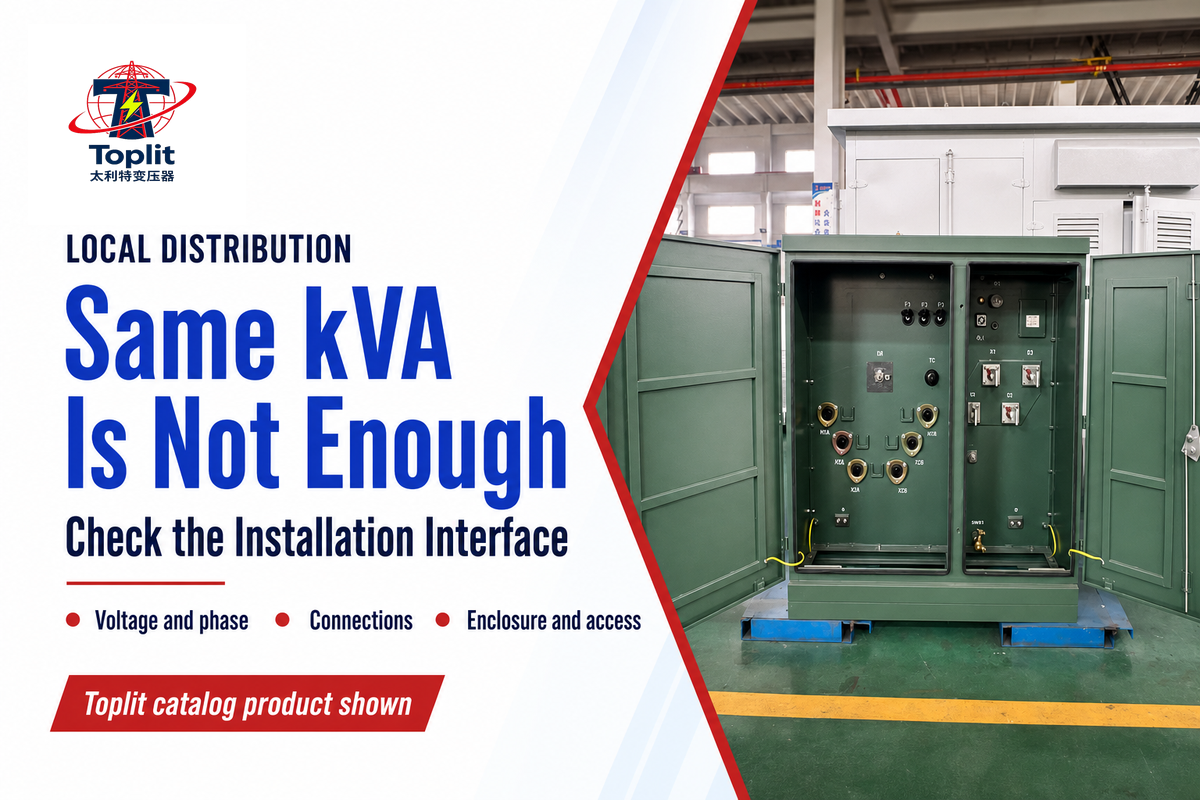
Distribution transformers supply electrical power distribution networks or local loads at the voltage required by the receiving equipment. For local loads, a transformer may be specified with the available supply, the voltage of the connected equipment and a load assessment.
Power distribution equipment may be required in both the utility’s and the neighboring customer’s plant. Installation considerations and the functional significance of interconnections may differ. Equipment with the same kVA rating may not be interchangeable. Agreement of system voltage and power with regard to the connected load is also essential.
The current US definition in 10 CFR 431.192 specifies input of 34.5 kV or less, output of 600 V or less and operation at 60 Hz. It also sets capacity bands and exclusions. Those conditions describe that regulation’s scope. Outside the US scope, distribution equipment can serve a 50 Hz project. The 60 Hz condition in that definition is jurisdiction-specific.
Mounting changes the enquiry
Mounting options for a transformer (pad or pole) affect enclosure design, connections, access, and utility requirements. Different designs are required for each option. Indoor installations of pad-mounted equipment require a suitable equipment room and a verified installation plan. Space and ventilation constraints should be considered by the end user when deciding where to place the equipment. Equipment may also be installed in a different equipment room only after the responsible designer has checked the requirements specified by the equipment manufacturer, the new room’s ventilation and fire provisions, and applicable local requirements. Users may also want to request interface drawings before assuming that pad-mounted equipment will always interface with standard equipment.
Consider an illustrative 630 kVA replacement serving a 400 V factory bus. Procurement finds another 630 kVA unit at a lower price, but its connection arrangement and enclosure differ. If there’s a difference in the equipment enclosures, a deviation schedule covering the power rating, enclosures and connections should be completed. Matching the power rating alone wouldn’t resolve the installation interface issue.
Toplit’s distribution range is a starting point for checking published models and their ratings. Public disclosure pages and literature include designs, ratings, and features, but each product’s project-specific availability needs confirmation.
Load calculations and load assumptions must be determined separately for capacity selection. For capacity selection, use the transformer kVA sizing guide, and provide the results of the calculations during design review to validate the electrical systems. Oversizing by a blanket percentage cannot replace load calculations in a design review.
Specify the complete 630 kVA supply schedule, rather than relying on the 630 kVA rating alone. Offers that don’t contain the same voltage, phase, frequency, connections, and installation conditions may not satisfy your requirements. Procurement should resolve these differences before considering the difference in price as a saving.
Instrument transformers: current and voltage measurement
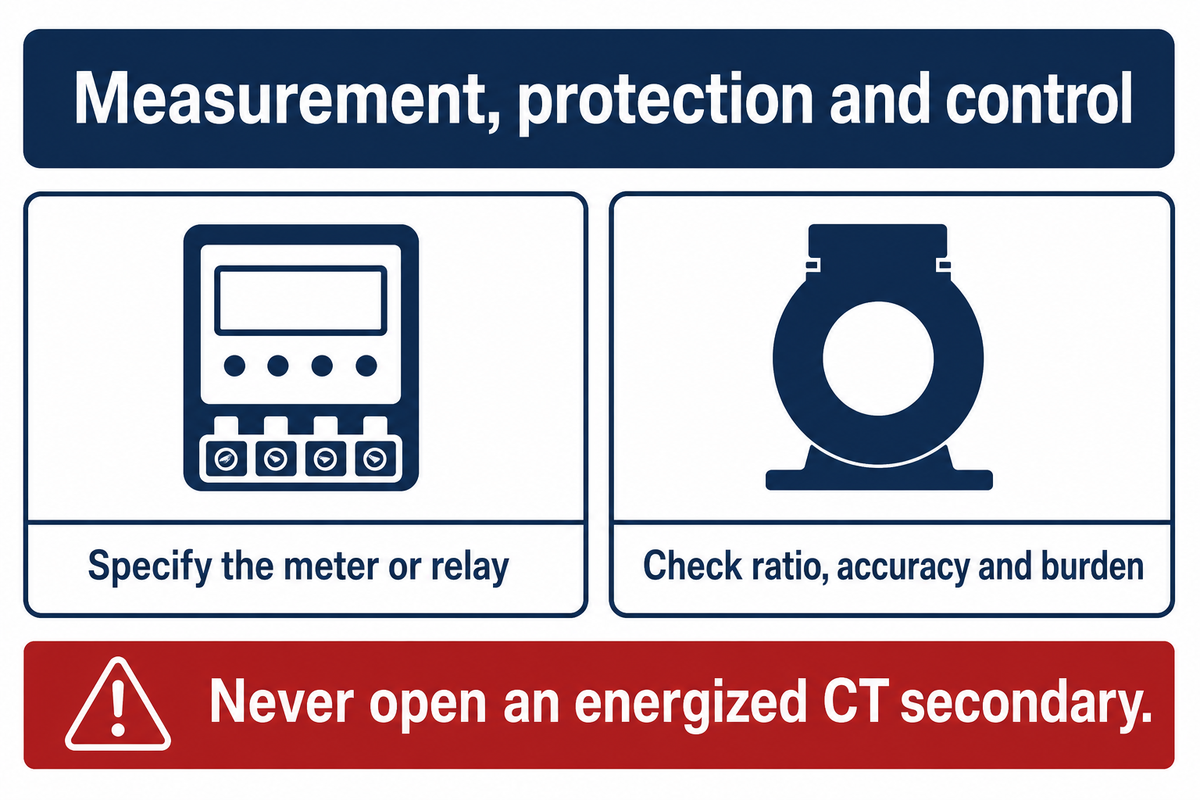
Instrument transformers provide signals for measurement, protection, and control. Transformers are commonly used to provide these signals. Current transformers and voltage transformers, also called potential transformers, can provide signals for measurement or protection, according to their specified functions. Instrument transformers should be shown on an instrument schedule. There are other considerations, e.g., a ratio, to determine if a meter or relay will function as required.
The document IEC 61869-1:2023 outlines some general requirements for instrument transformers for products operating above 1 kV AC or 1.5 kV DC. The description also provides information for both analog and digital signals. Low-Voltage products and particular technologies for which the document does not apply need to be assessed on a case by case basis. This also applies to capacitive voltage transformer product types, for which the applicable technical specification is required.
Give the meter or protection duty to the supplier
An instrument enquiry should identify the nature of the circuit and the equipment receiving the signals. If a ratio is stated, also require the accuracy class, rated burden and relevant insulation information. Metering and protection have to be assessed separately. If a product has multiple coils, ask which function the coil performs.
For example, a consultant reviewing a hypothetical 600 A/5 A current-transformer schedule still needs the intended relay or meter and the secondary-circuit requirements. Matching 600 A/5 A ratios don’t establish equivalent offers. The accuracy and burden requirements need to be checked against the circuit design, not inferred from a catalog photograph.
The employer shall ensure that employees do not open the secondary of a current transformer while the transformer is energized.
This warning is not an instruction to perform live testing. Handling of voltage-transformer and current-transformer devices isn’t the same. It’s unsafe to generalize current-transformer rules to other devices without determining the circuit. Appropriate personal protective equipment is to be utilized, with the manufacturer’s instructions and procedures for electrical work followed.
Instrument transformers aren’t the same as distribution transformers despite having windings. Purchasing officials who receive requests for instrument transformers should contact the protection designer and an instrument supplier. Toplit’s public power and distribution pages don’t establish an instrument-transformer offering.
A measurement or protection schedule may include an entry showing a 600A/5A transformer ratio, for example. The accuracy and burden requirements of the circuit must be evaluated, and an energized current-transformer secondary circuit must not be opened. It’s the responsibility of the engineer to evaluate the circuits and determine the level of protection required. An inquiry should be made to the engineer responsible for the relay or meter prior to ordering the transformer.
Specialty transformer applications: isolation, conversion and control
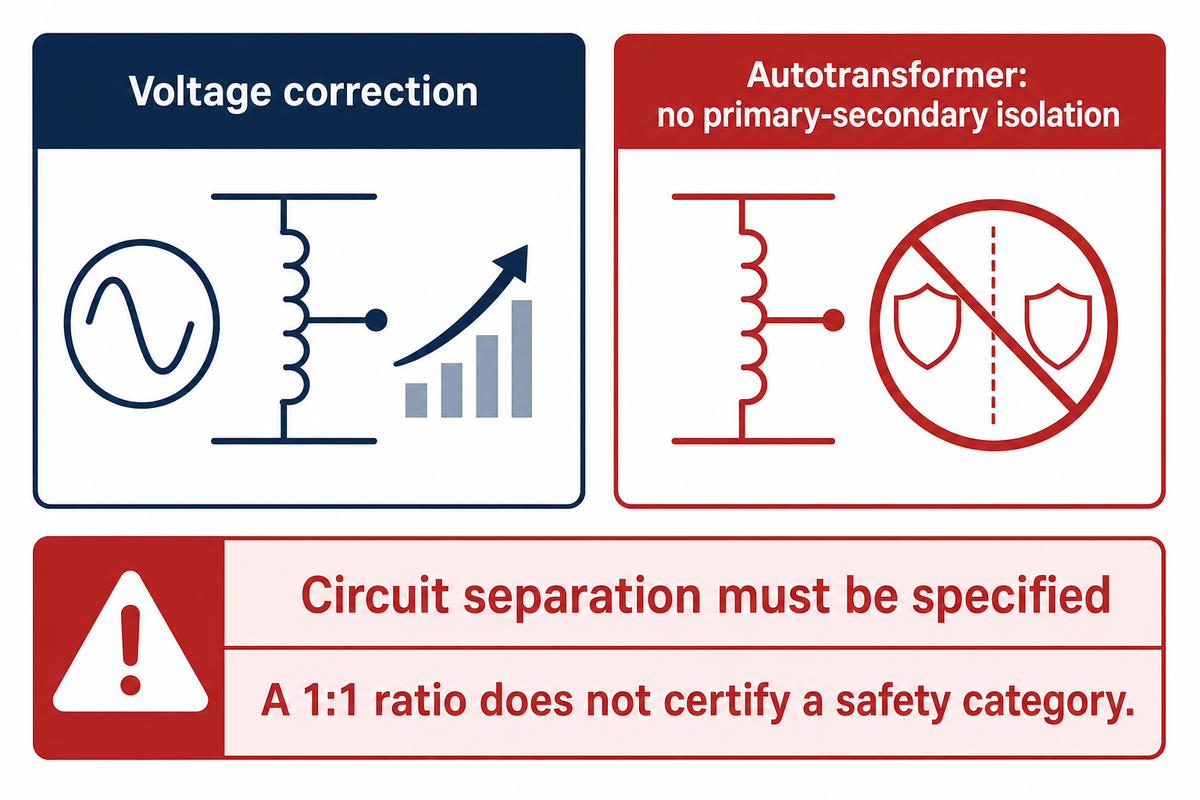
Special-purpose transformers are designed for different transformer applications which can’t be described by a general power distribution label. Transformers are built for functions such as service voltage correction, control power, motor drive, isolation, and grounding.
Isolation and voltage correction answer different questions
Where separation of circuits is required by the specification, an autotransformer is not a means to achieve this. As stated in the US definition of an autotransformer, there’s no isolation between the primary and secondary circuits. It’s, therefore, necessary to include the functions of voltage correction and circuit separation in the enquiry.
Equal nominal voltages give a 1:1 ratio. That ratio does not certify a safety category. IEC distinguishes general isolating transformers under IEC 61558-2-4 from safety isolating transformers under IEC 61558-2-6. Ask for the applicable product category and the evidence required for the project. An isolation transformer is used for specified circuit separation, but the word “isolation” on a quotation cannot settle every protection question.
Reducing the nominal voltage of the supply to a machine from 240V to 230V would require a suitable voltage-correction arrangement for the transformer. In such a case procurement must state whether the circuit design requires isolation. Introducing voltage-matching must not remove the obligation to state isolation. Likewise, specifying isolation alone wouldn’t necessarily give the supplier all the requirements of the connected equipment.
Control, drive and grounding duties
All enquiries relating to control transformers should stipulate the control circuit, its output voltage and the connected devices. Control power transformers are also used in the control of machines, and the connected equipment determines the duty. Isolation of drive systems requires specification of the connected equipment. Transformers used for system-grounding require a system-grounding design, distinct from drive and rectifier transformer duties. A general spare of a larger size may not replace a specialist transformer solely on the basis of size.
Exclusions in 10 CFR 431.192 distinguish drive-isolation, grounding, machine-tool control and rectifier transformers from distribution transformers. They don’t indicate that a given supplier manufactures the products in question.
Small circuit transformers use another set of labels
Power supplies and communications equipment include circuits that carry and process signals, including audio transformers and RF transformers. The focus of the analysis is in the details of the operational circuits and the frequency ranges involved. Components of an audio circuit can’t be chosen from a grid-transformer rating table, even though both concern electrical circuits within the broader field of electrical engineering.
Names in other dimensions also exist. For example, the name ferrite core transformer defines the material of a transformer core, and the name toroidal core transformer defines the shape of a transformer core; a toroidal transformer still needs a defined electrical duty. Comparisons of the circuits, frequencies and components must be provided to determine similarities and differences among iron core transformers, an air-core transformer and a resonant transformer.
For an illustrative 240 V/230 V correction, the first purchasing question is whether voltage adjustment alone meets the circuit requirement. A consumer must analyze the circuit requirements and define whether isolation or a particular safety category is required. Voltage numbers by themselves don’t define function. Similar voltages, currents and frequencies can hide differences in requirements and performance.
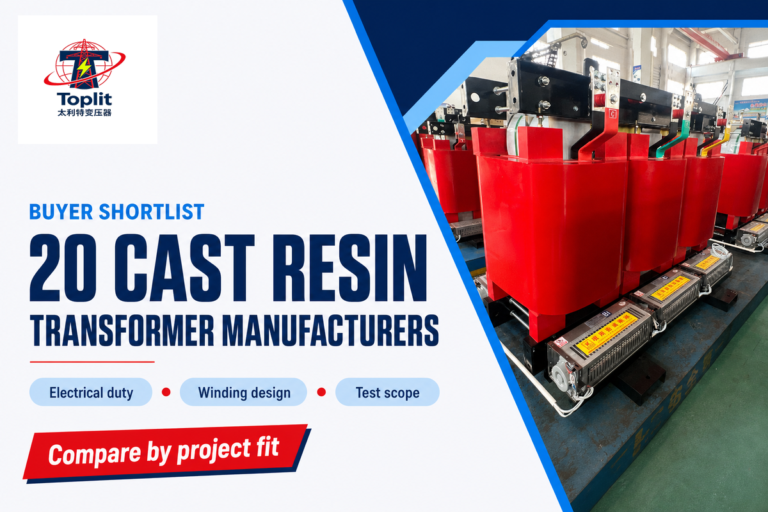
Dry-type transformers, liquid-filled transformers and installation
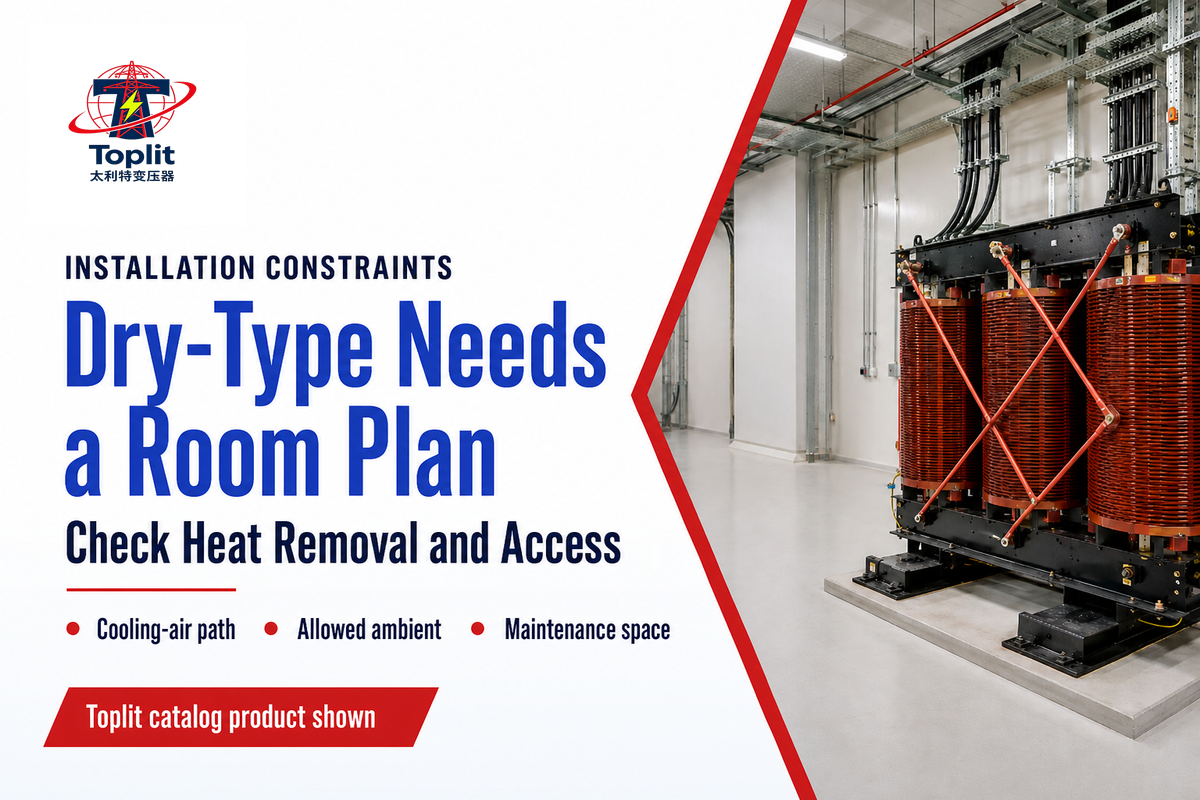
Differences in insulation between liquid and dry transformers define the types of transformers. The choice of transformer depends on the requirements of the environment and the service conditions. For example, accessibility and the location of the service (for example, outdoors) affect the choice of insulation. Fire protection requirements and heat loss also affect the choice of insulation. Definitions and constraints must be provided to evaluate the equipment for the service conditions and to determine if it meets local code requirements.
Dry-type does not mean zero fire risk. IEC 60076-11:2018 includes environmental and fire-behaviour classifications and discusses enclosure and altitude considerations in its public scope summary. The standard covers specified dry-type power transformers up to 72.5 kV, with at least one winding above 1.1 kV and listed exclusions. It is not a universal indoor-location approval.
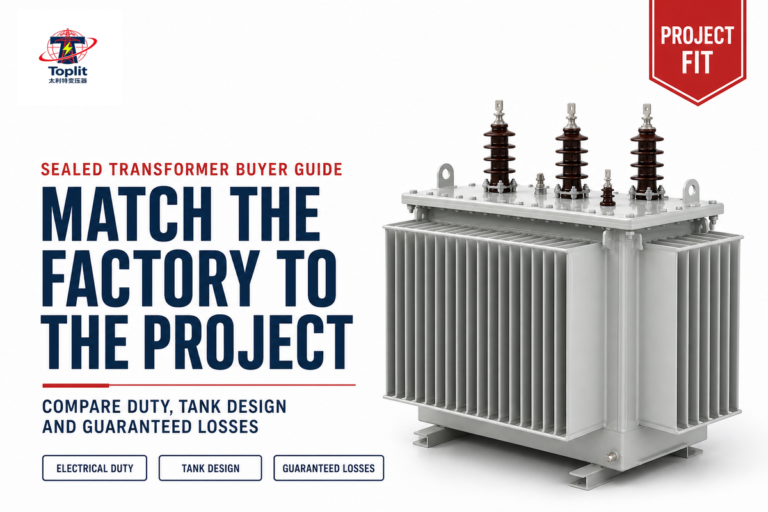
Oil-filled transformers need the specified insulating liquid and installation arrangement. The term transformer oil shouldn’t be used to assume that every liquid has identical properties. OSHA’s transformer installation provisions show why fire protection and vault conditions depend on the installation and the rule’s scope. Local design requirements must be checked for the actual project.
| Site condition | Ask for | Who resolves it | Limitations / Not suitable for |
|---|---|---|---|
| Indoor room | Heat losses, airflow route and allowed ambient conditions | Facility engineer + supplier | A dry-type label alone does not approve the room |
| Outdoor exposure | Enclosure, environmental conditions and connection protection | Project engineer | Indoor equipment cannot be assumed suitable outside |
| Liquid-filled construction | Liquid identification and containment/fire arrangement | Designer + site authority | Do not transfer one liquid’s properties to another |
| Normal duty depends on fans | Natural-cooled and fan-assisted ratings; fan-loss response | Plant manager | Fan-assisted capacity is not the same operating condition |
| Restricted access | Transport dimensions, handling route and maintenance space | Site manager | A unit that fits the floor plan may still be inaccessible |
| Replacement installation | Terminal positions, connections and permitted deviations | Maintenance + procurement | Same kVA does not establish a drop-in replacement |
In a hypothetical project, a facility engineer is reviewing potential options for a plant-room power installation. The engineer is considering a 1,000 kVA dry-type transformer for an 11 kV / 400 V supply. A layout for the room has been provided; however, the cooling-air path for the transformer is obstructed with stored material. Selecting a dry-type transformer has not resolved the concerns regarding heat removal or access. The next step is to request the manufacturer’s requirements for installation and assess if the transformer can be installed within the room.
Keith Lane’s EC&M discussion of large dry-type transformers points out that a fan-assisted rating relies on moving parts. Plant managers should ask which rating covers normal service and what happens when fan assistance is unavailable. Historical percentage increases from a trade article aren’t a substitute for the selected unit’s rating plate.
Dry transformer types: when not to buy from the label alone
A statement that a transformer is “maintenance-free”, or designed for “indoor” use, or is “equivalent” to another unit, doesn’t define the differences between the new transformer and the unit being replaced, and therefore shouldn’t be accepted as a basis for approval. The manufacturer should be required to define the design considerations for the statement, and compare and contrast the differences between the design and the project requirements.
Transformers are typically supplied with model-specific installation and maintenance instructions. Dry-type equipment still needs an appropriate inspection and maintenance plan. James R. White’s EC&M article on dry-type testing explains the value of comparing results with the specific unit’s baseline. Its dated test values shouldn’t be copied into a new purchase specification without the responsible engineer’s review.
Quoted prices of off-the-shelf equipment can omit the cost of required site work. Procurement should identify the equipment cost (transformer price) and the site work cost (or service) separately. If a potential supplier doesn’t disclose the equipment rating, losses, document scope and the limits of installation and use in the offer, the offer can’t be evaluated against competitors’ offers.
Planning for a 1,000 kVA, 11 kV/400 V transition requires the provision of an electrical infrastructure and associated site work to provide adequate ventilation and access. The constraint map shows the site conditions that may affect the choice of transformer construction. The conditions should be addressed before deciding between the use of liquid or dry-type transformers.
Choose the right transformer route for a usable quotation
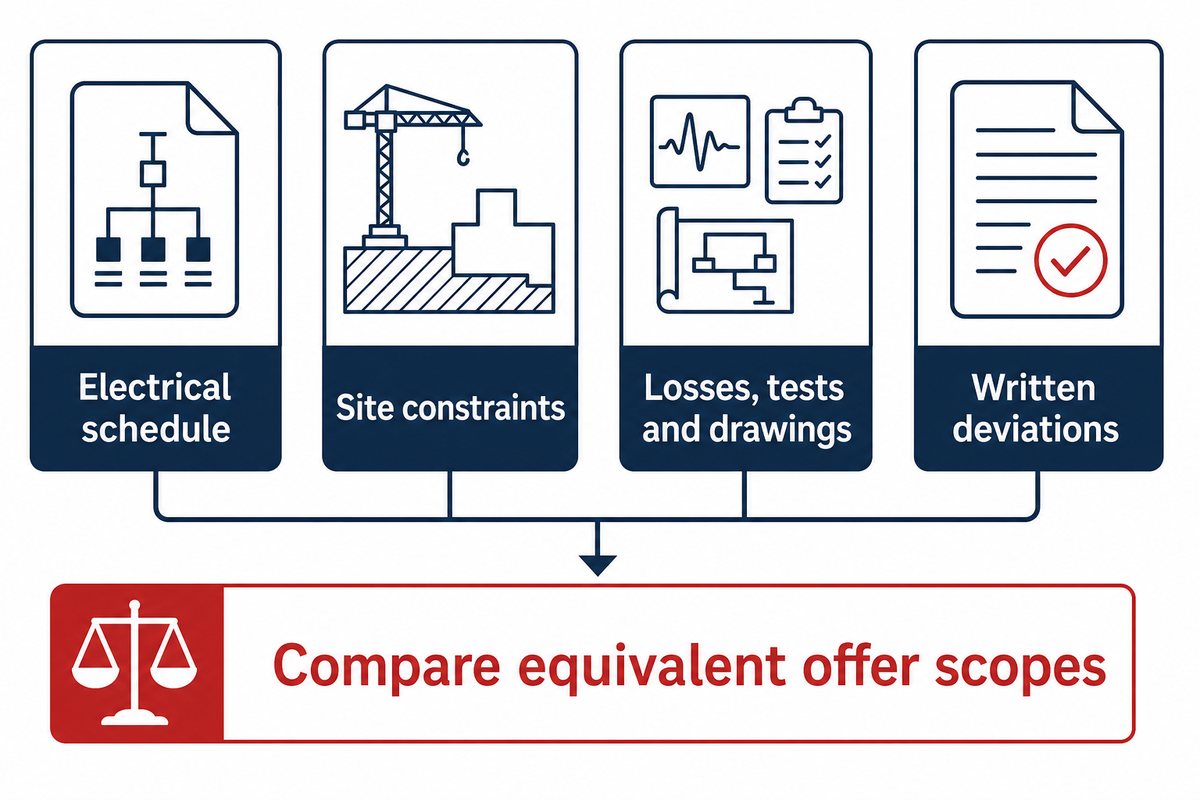
The procurement approach requires project inputs from relevant stakeholders to identify the appropriate transformer route. Although each supplier should identify the electric and mechanical variations from the specified requirements, the view of commercial issues should be deferred until the differences are made apparent.
The Duty-to-Quote Routing Table provides examples of requirements for the procurement, facility engineering and project consulting professionals for the same purchase. The examples illustrate the types of information required to specify equipment. The examples shouldn’t be construed to mean that the equipment is readily available.
| If the request says… | Add to the enquiry | Next document or owner | Limitations / Not suitable for |
|---|---|---|---|
| Grid transfer | Both network voltages; illustrative 110 kV/33 kV | Single-line diagram; system designer | Voltage pair alone cannot define the full duty |
| Factory distribution | Supply/output; illustrative 11 kV/400 V | Load schedule; facility engineer | Do not infer capacity from voltage |
| A particular power rating | Required duty; illustrative 630 kVA | Load assessment and operating profile | Do not assume equal kVA means equivalent equipment |
| Frequency | Actual network value; for example 50 Hz or 60 Hz | Project electrical specification | Do not assume a 60 Hz-only rating covers 50 Hz |
| Three-phase supply | Winding connections and neutral requirements | Approved connection schedule | Three single-phase transformers need a designed bank arrangement |
| Voltage correction | Input/output; illustrative 240 V/230 V; isolation requirement | Circuit designer | An autotransformer is unsuitable where separation is required |
| Current measurement | Ratio; illustrative 600 A/5 A; accuracy and burden requirements | Metering or protection schedule | Ratio alone does not establish performance |
| Indoor installation | Room conditions, losses and heat-removal route | Manufacturer installation data | An enclosure designation cannot resolve every room constraint |
| A replacement unit | Existing rating plate, dimensions and connection drawings | Maintenance engineer’s deviation review | Photographic similarity is not interchangeability |
| Lowest total price | Equipment scope, losses, tests, freight and site-work exclusions | Normalized bid comparison | Do not compare different test or installation scopes |
The plant manager defines operating constraints and access for the site work to be performed for a hypothetical 400 V facility. Procurement is responsible for comparing the alternatives available for consideration on the same commercial basis. The design team specifies the electrical load and acceptance criteria. Working from a single integrated project plan helps avoid inconsistent assumptions when evaluating the same purchase.
Request the no-load and load losses, tests, drawings, and a list of documents. Transformer protection must be considered as part of the overall system protection. Quotes shouldn’t be treated as a substitute for system protection studies. Identify the owner and content of any outstanding requirements.
Keep the request concise, but include all relevant information, i.e. “Quote in accordance with the attached schedule. Identify and explain each deviation. Specify the offered rating and losses and the tests included. List the documents enclosed with the quote.” Provide the desired delivery condition and location of installation. This information allows the buyer to check the quote against the required transformer specification.
Key takeaway
One input is a 630 kVA rating. First verify the system voltages, frequency, connections, and other site conditions, and then evaluate quotes.
For power or distribution duties within Toplit’s published range, start with the oil-immersed construction options or the relevant product family, then send the electrical schedule and site constraints. Instrument and specialist circuit requests should go to a supplier whose stated scope covers that particular family.
Do
- State the duty before choosing construction.
- Compare the same rating and installation scope.
- Ask for a written list of deviations.
Don’t
- Assume voltage correction provides isolation.
- Treat a dry-type label as room approval.
- Replace an instrument schedule with a power rating.
What is changing in transformer procurement?
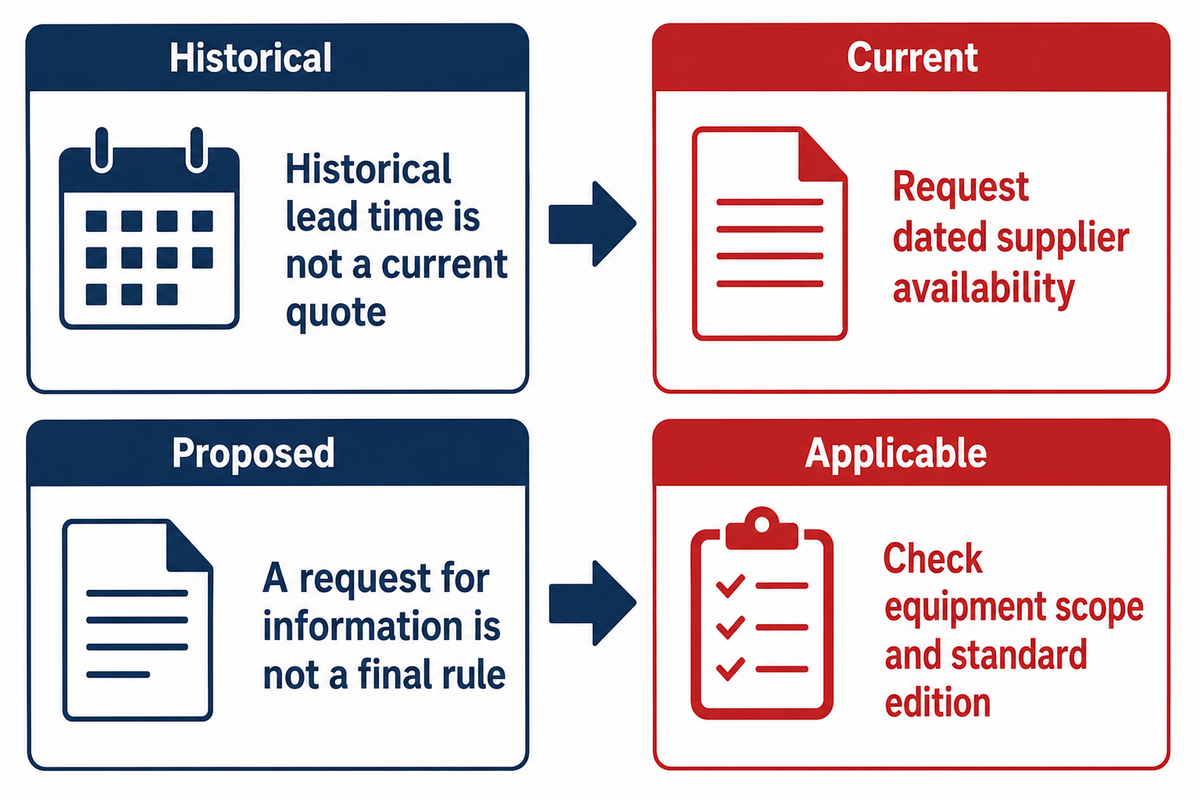
There are many constraints to the supply of electrical systems and equipment, and standards are continually evolving. Buyers must evaluate current requirements separately from proposals and identify whether equipment supply is announced capacity or available to order. Evidence of requirement should be presented; however, it’s the supplier’s responsibility to evaluate equipment availability and commit to deliver.
The August 2026 review of the electric grid by the US Department of Energy describes expected demand growth, and outlines some supply-side constraints. It also cites historic supply lead times. The reported historical order lead times for large transformers shouldn’t be relied upon as current lead times to source 630 kVA and/or 1,000 kVA transformers. Obtain a dated price quote for the transformers from a qualified supplier.
The US Energy Department’s distribution-transformer information states that the deadline for compliance with the 2024 revision of the Energy Efficiency Standards is April 23, 2029. The 2026 request for information (RFI) concerns the Energy Efficiency Standards, and the RFI isn’t in lieu of a final rule. Projects should check the rule applicable to their equipment and relevant manufacture date.
Standard editions also matter when an enquiry cites a family name. IEC 61869-1:2023 addresses instrument transformers within its published scope; IEC 60076-11:2018 addresses specified dry-type power transformers. Copying a standard number from an unrelated transformer page can therefore create a misleading specification even when the number is real.
From the request’s perspective, it would be beneficial to describe the editions in question and mention any assumptions that have been made. It would also be useful to state the editions that cover the requested duties. If the supplier amends the construction to accelerate delivery of the equipment, request that a new, modified schedule be prepared and document the changes.
Frequently asked questions
What are 4 types of transformers?
Transformers used in electrical distribution systems fall into four broad categories in this guide: grid power systems, local distribution systems, measuring and protection systems, and special circuit duties. This report describes and identifies these categories as purchasing routes, not international or global standards. A given transformer may be characterized in many ways, and therefore may carry several descriptive labels.
What are 2 types of transformers?
Of the many ways to define a transformer, two common labels describe voltage direction: step-up or step-down transformation. The same two-way distinction for insulation holds between dry-type and liquid-filled construction. It should be noted that neither definition covers all instances of transformer use. A request for information should state the definition and characteristics of the supply and requesting system, and the function of the transformer to be supplied. This should be done in order to avoid requesting information on two unnamed types of a transformer.
What are the 3 types of transformers?
The roles of power, distribution and instrument transformers share a common aspect. Power and Distribution discuss lines carrying electrical power. Instrument transformers cover measurement and/or protection. The three-category discussion omits details of specialist circuit functions. This vocabulary doesn’t consider classification based on winding, means of cooling and/or grouping based on phase. Within this vocabulary, a transformer may belong to a large, generic group of devices and equipment.
Does a transformer work on AC or DC?
As discussed earlier, the technologies covered change based on the nature of the transformer in question. The introduction of steady direct current (DC) doesn’t, by itself, make an excitation system alternating in nature or sustain conventional transformer action. The control/protection/measurement function does not determine whether the system uses alternating or direct-current excitation. Electronic power supplies require a circuit description.
Is an instrument transformer the same as a distribution transformer?
No. Instrument transformers provide measurement, protection and/or control functions. Distribution transformers provide downstream load supply functions. The nature of the functions determines the line of enquiry. Depending on the nature and scope of the downstream load-supply project undertaken by a utility or factory, power ratings and the required supply and output voltages need to be provided.
When requesting information about an instrument transformer, as a minimum the intended meter or relay function, ratio, accuracy, and secondary burden, as well as relevant system information, need to be provided. Some products offer multiple functions and, in such cases, all functions need to be identified in the request. A product may have multiple windings for different functions and a request for information may only identify a product by name, i.e. transformer. A request for information must identify the circuit requirements for the intended instrument-transformer function, rather than state that a power transformer may be used to fulfill the requirement. Don’t use a power transformer to replace an instrument transformer. Such an action isn’t acceptable.
How Toplit approaches these categories
Toplit offers documented products for power and distribution. This guide distinguishes products for power and distribution from special products. The special products include instruments and other similar products. Public standards summaries and current regulatory text were reviewed in September 2026; illustrative enquiries are examples, not customer installations or certified designs.
References & Sources
- IEC 60076-1:2011: Power transformers, general scope
- IEC 60076-11:2018: Dry-type power transformers
- IEC 61869-1:2023: Instrument transformers
- 10 CFR 431.192: Definitions
- OSHA 1910.269(w)(2): Current-transformer secondaries
- OSHA 1926.405(j)(5): Transformer installation provisions
- IEC 61558-2-4:2021: Isolating transformers
- IEC 61558-2-6:2021: Safety isolating transformers
- Department of Energy: Strengthening America’s Grid Supply Chain, August 2026
- EC&M: The Basics of Large Dry-Type Transformers
- EC&M: Power Factor Testing Dry-Type Transformers
- Department of Energy: Distribution Transformers, current standards and rule timeline
Why we write this
About Toplit Engineering Insights
Toplit publishes transformer field guides from project routing, factory loss-data discipline, and specification review experience. We help engineering and procurement teams compare transformer types, voltage classes, installation constraints, and quotation evidence before they commit to a build.
- Oil-immersed, dry-type and pad-mounted transformer routes
- Loss data, rating schedules and factory evidence
- IEC / IEEE specification and site-input review
- Factory-direct transformer engineering support
Contact Profile
Talk with the Toplit Transformer Team
Company
Toplit Transformer Engineering Team
Toplit Transformer Engineering Team
Factory base
Hai'an, Nantong, Jiangsu, China
Hai'an, Nantong, Jiangsu, China