Get in touch with Toplit Transformer Co., Ltd Company
Amorphous Core Transformer Solutions for Lower No-Load Loss
An amorphous core transformer might minimize loss that’s continuously incurred when a unit is powered, but a core represents just one component of the evaluation decision. Talite structures each proposal around your electrical duty cycle, relevant regulations, mechanical limits, test evidence, and project scope.
Request a Technical Proposal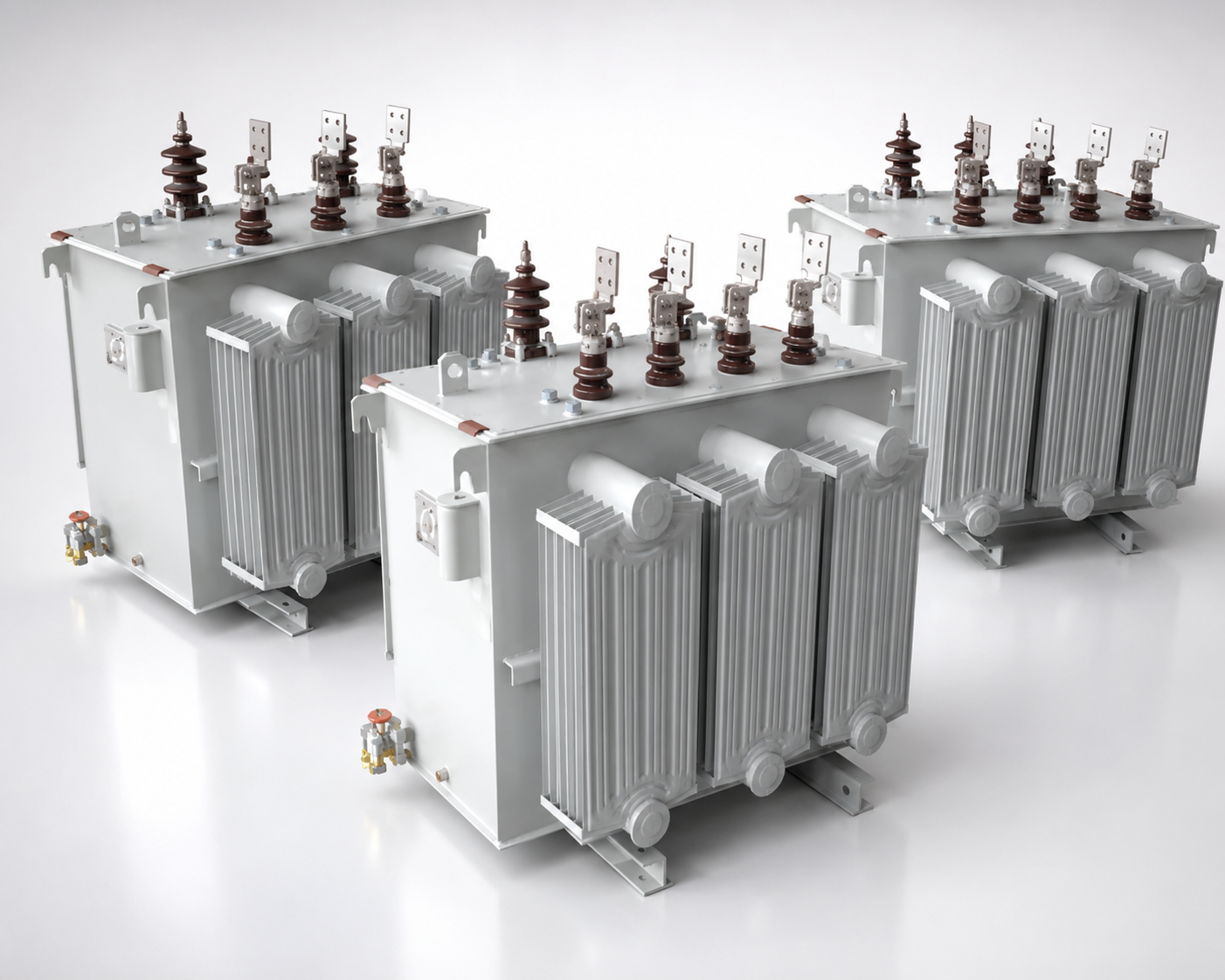
01
Compare the same reference
Put guaranteed no-load loss and load loss beside the exact rating, voltage, temperature reference, and test basis.
02
Freeze the project inputs
Define winding, impedance, cooling, enclosure, accessories, environment, and destination before ranking suppliers.
03
Make claims traceable
Request the drawings, material records, test plan, reports, and approval documents that apply to the proposed design.
04
Efficiency compliance is not a core-material shortcut
U.S. distribution-transformer rules cover defined equipment categories and exclusions, and the 2024 final rule doesn’t require an amorphous core. Confirm the covered category, evaluation load point, compliance date, and applicable table before comparing GOES and amorphous designs.
Reduce Continuous No-Load Loss Without Guessing at System Fit
Low initial purchase price may mask a high lifetime energy loss. Likewise, purchasing a lower core loss doesn't fully justify a higher initial investment as hours energized, load level, electric rate, fit, or environmental conditions change.
The magnetic core is excited whenever voltage is applied, even when downstream load is low.
Hysteresis and eddy current effects create a standing energy loss in the transformer core.
Guaranteed watts are multiplied by operating hours, then separated from load-dependent winding loss.
The buyer applies energy price, analysis period, discount assumptions, and risk sensitivity.
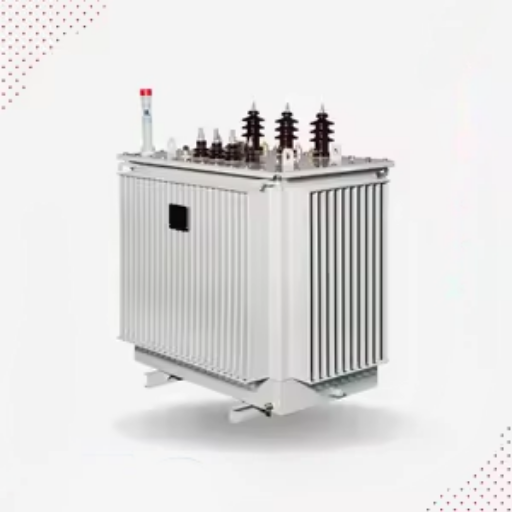
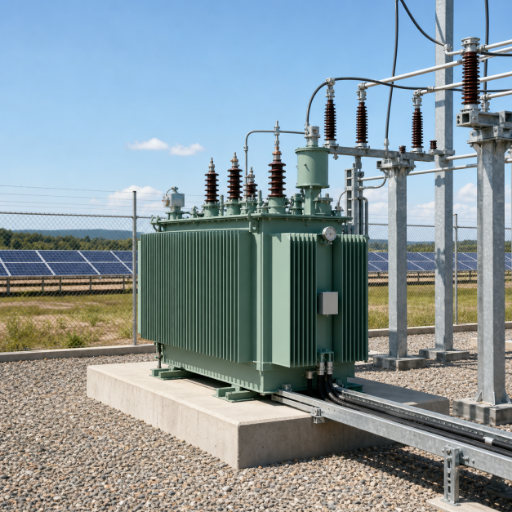
Translate material language into verifiable RFQ fields
An amorphous metal transformer uses a rapidly solidified amorphous metal alloy in the magnetic circuit; the informal term amorphous steel shouldn't be confused with traditional silicon steel. A steel core transformer may use electrical-steel grades and transformer laminations, while an amorphous design normally uses thin ribbon.
- Ask for the grade and source behind claims about the random atomic structure or the structure of amorphous ribbon.
- Don't turn high magnetic permeability or lower hysteresis losses into a product guarantee without the proposed design data.
- Review permeability, magnetization and demagnetization behavior, flux density, and core cross-section together.
- General descriptions of production of amorphous ribbon refer to rapid cooling molten metal into a thin strip.
- When discussing making amorphous material, separate material production from core cutting, forming, annealing, support, and assembly.
- Request handling controls because the brittleness of amorphous ribbon can affect manufacturing and transport decisions.
- Traditional transformer cores and conventional transformers aren't one fixed baseline; their steel grade, geometry, and loss target vary.
- The phrase ferromagnetic amorphous material describes a material family, not evidence for a finished rating.
- Nanocrystalline and ferrite materials belong to other design contexts and shouldn't be treated as interchangeable distribution-core quotations.
Variables the material can influence
- Core loss at the stated voltage and frequency
- Magnetic flux density and core cross-section
- Magnetostriction, vibration, and acoustic design
- Core assembly, support, and handling method
Variables that remain project dependent
- Winding conductor and load loss
- Impedance, regulation, and short-circuit duty
- Cooling, temperature rise, enclosure, and altitude
- Accessories, protection, installation, and maintenance
- Low-load or continuous service: lower core loss may carry more weight because the transformer remains energized through long periods of light demand.
- High or variable loading conditions: load loss, thermal performance, short-circuit capability, overload tolerance, and harmonic generation must be evaluated.
- Space or handling limits: outline configuration, mass, handling/lifting requirements, transport options, site dimensions, and repair procedures are critical factors to explore.
- Fault service: compare impedance values, coil geometry, core bracing integrity, protective settings, and relevant short-circuit test data/calculations.
- Noise-sensitive sites: don't infer transformer sound performance from core material alone. Request the design value and agreed test method.
Amorphous transformers are manufactured electrical products, not individual pieces of material. Ask how the implemented core technology differs from current configurations, which parameters still depend on the winding or overall electrical system, and which values will be guaranteed on your project-specific data sheet.
A popular assumption, though not always true, is that selection of a product with low no-load loss will simplify the decision. Talite Transformer Co., Ltd. reviews existing design tests, operating data, and certification documents before recommending a solution path for the application.
Define the Transformer Configuration Before Comparing Suppliers
Electrical design comparisons are only possible between offers on an equal basis. A well-prepared quote clearly lays out the fundamental electrical design, thus revealing the differences in price, testing, schedule and support among various offers.
Specifications
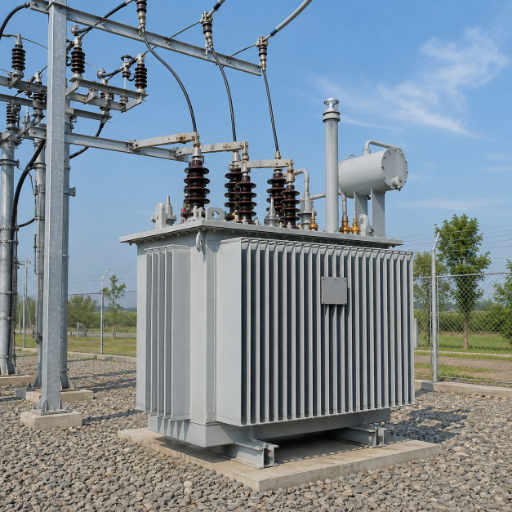
Electrical
- Rated power in kVA or MVA
- Primary and secondary voltage
- Frequency, phases, and vector group
- Impedance target and tap range
- System grounding and neutral duty
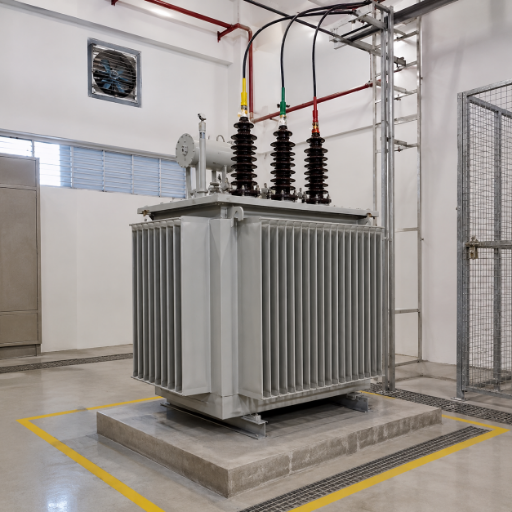
Installation
- Indoor, outdoor, pole, pad, or room arrangement
- Ambient temperature, altitude, and contamination
- Cooling method and enclosure
- Footprint, access, lifting, and sound limits
- Fire, fluid, seismic, and local requirements
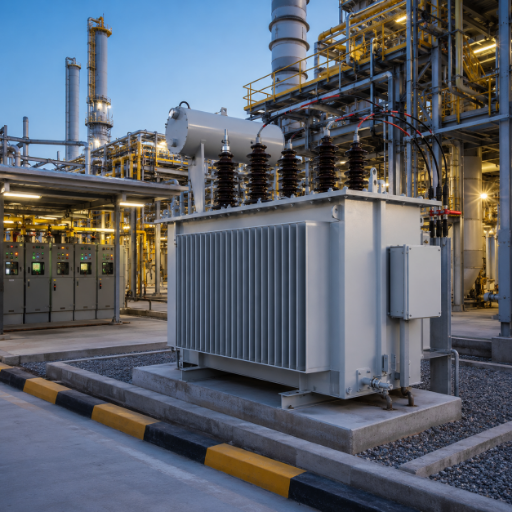
Performance
- Guaranteed no-load and load loss
- Loss reference temperature and tolerances
- Loading profile and overload expectation
- Short-circuit duty and protection coordination
- Harmonics, unbalance, and special loads
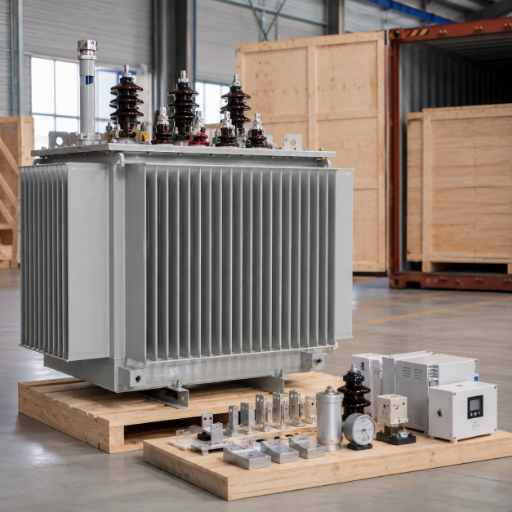
Commercial
- Accessories and monitoring
- Inspection and test scope
- Drawings, manuals, and certificates
- Packing, freight, Incoterm, and destination
- Warranty, spares, commissioning, and support
U.S. category and evaluation points
Issued in 2024, the final rule addresses liquid-immersed, low-voltage dry-type, and medium-voltage dry-type distribution transformers. Efficiency is evaluated at 50% of nameplate load for liquid-immersed and medium-voltage dry-type equipment and at 35% for low-voltage dry-type equipment; amended standards apply to units manufactured on or after April 23, 2029.2
| Screening question | Why it changes the comparison | Evidence to request |
|---|---|---|
| Is the unit inside a covered category? | Special-purpose designs and defined exclusions can follow a different compliance path. | Equipment definition, application statement, and applicable regulatory table |
| Which load point applies? | A single efficiency percentage without the evaluation point can mislead the buyer. | Efficiency calculation basis and guaranteed loss schedule |
| Which manufacturing date matters? | Current procurement and future compliance dates are not interchangeable. | Manufacturing schedule and the rule effective for that unit |
| Is amorphous material required? | The U.S. rule is core-neutral and permits a mix of GOES and amorphous approaches. | Compliant design proposal with the core material identified |
Process & Boundaries
Scope caution
Autotransformers, regulating, grounding, rectifier, welding, certain special-impedance, and other defined transformer types may fall outside the general category. The full rule and test procedure control; this page is a procurement screen, not a compliance determination.23
Mechanical and short-circuit duty
Mechanical handling and short-circuit evidence belong in the first design review. A suitable request may be a design calculation, a theoretical evaluation, applicable type or special test evidence, or another contract-defined record; it isn't automatically a destructive test on every purchased unit.45
Ask before quotation
- Available fault level and clearing time
- Required impedance and tolerance
- Winding conductor, geometry, and support concept
- Core restraint and transport handling
Ask before approval
- Outline and active-part arrangement
- Applicable short-circuit clause and evidence route
- Design review or report reference
- Protection-coordination assumptions
Ask before shipment
- Agreed routine-test reports
- Loss and impedance results
- Handling, storage, and installation instructions
- Final drawings and nameplate data
Turn your specification into a comparable RFQ
Use one field set for each supplier, then highlight missing assumptions before the commercial comparison.
Amorphous Core vs Silicon Steel: Compare Lifetime Trade-Offs
An efficiency requirement doesn’t automatically mandate an amorphous core. GOES and amorphous metal are alternative engineering paths whose value varies based on the loss target, equipment class, physical constraints, fault duty, manufacturing route, purchase price, and supply conditions.
| Decision factor | Amorphous-core option | Silicon-steel option | Buyer evidence |
|---|---|---|---|
| No-load loss | Request the proposed model value and test basis. | Request the proposed model value and test basis. | Guaranteed loss schedule under identical voltage and frequency conditions |
| Load loss | Depends on winding and full design, not the core label alone. | Depends on winding and full design, not the core label alone. | Reference-temperature load loss and conductor details |
| Initial price | Use the project quotation. | Use the project quotation. | Same accessories, tests, documents, freight, and Incoterm |
| Magnetic design | Lower saturation can affect core section and layout. | Grade and flux choice affect loss, mass, and section. | Outline, mass, flux basis, and design review |
| Mechanical duty | Review ribbon handling, core restraint, winding support, and transport. | Review lamination, clamping, winding support, and transport. | Applicable short-circuit and handling evidence |
| Compliance | Core material alone does not establish compliance. | Core material alone does not establish compliance. | Covered category, table, load point, and test method |
| Lifecycle cost | Calculate from guaranteed loss and actual duty. | Calculate from guaranteed loss and actual duty. | Assumption sheet with sensitivity range |
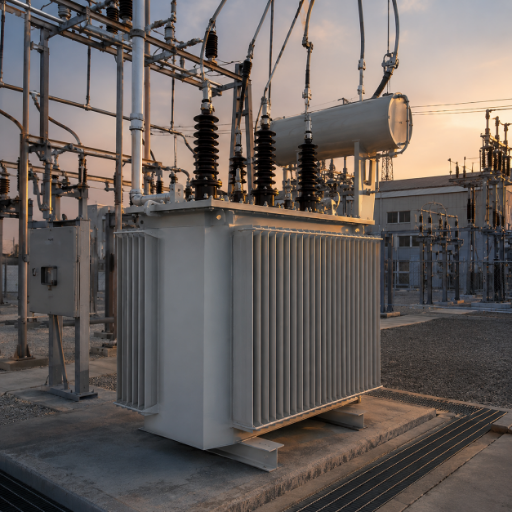
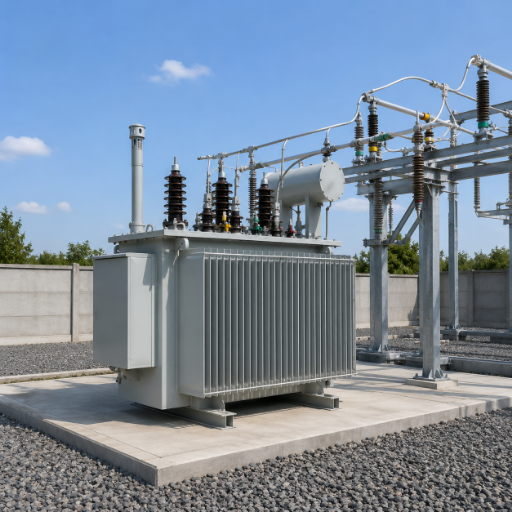
- The applicable efficiency level can be met with an optimized grain-oriented electrical steel design at a better evaluated cost.
- Load loss, compact physical layout, established repair practice, material availability or a specific mechanical constraint may outweigh incremental core-loss improvement.
- The transformer operates intermittently, so annual no-load energy is too small to justify the difference under the buyer's assumptions.
- The available amorphous proposal lacks testable loss, short-circuit, material, or manufacturing evidence.
Public amorphous-transformer pages show large loss-reduction percentages, but the baselines can vary by kVA, phase, voltage, efficiency tier, material grade, frequency, load level, and testing standard. A percentage becomes meaningful once the two absolute values and their test conditions are known.
“The fastest way to compare core options is to freeze the transformer scope first. If the rating, loss reference, impedance, tests, accessories, and delivery boundary move between quotes, the price comparison is already broken.”
Talite Engineering Team
A lower no-load loss doesn't cancel load loss, impedance, cooling, or fault-duty constraints. The lowest-priced transformer isn't necessarily the best evaluated choice; the selected design must meet the project specification with acceptable evidence and delivery risk.
The benefits of amorphous core technology may include lower no-load losses, but a buyer should calculate the result from two guaranteed schedules. The disadvantage or transformer disadvantages may involve footprint, ribbon handling, acoustic design, fault duty, price, supply, or repair strategy depending on the proposed unit.
- Using amorphous material doesn't remove winding loss, cooling, impedance, protection, or installation constraints.
- Not necessarily: the lowest core loss isn't the lowest evaluated cost when size, load loss, fault duty, price, or delivery risk changes.
- Claims about reducing no-load losses need the same rating, reference conditions, tolerances, and test basis.
- Don't describe the benefits of amorphous material as significant energy savings until the duty profile and energy assumptions support that conclusion.
- The future of amorphous technology is market context, not a substitute for current product evidence and written commitments.
Same electrical scope
Keep rating, voltage ratio, frequency, phase, vector group, impedance, taps, cooling, and enclosure aligned.
Same measurement scope
Keep no-load loss, load loss, reference temperature, tolerances, auxiliary losses, and efficiency calculation basis aligned.
Same commercial scope
Keep accessories, tests, documents, packing, freight, warranty, commissioning, and exclusions aligned.
Inputs before answers
Purchase price + capitalized no-load loss + capitalized load loss
Enter guaranteed loss values, energized hours, loading profile, energy price, analysis period, growth, and financial assumptions. The result is a sensitivity range for comparing proposals, not a guaranteed saving or payback period.
Bring two loss schedules to the same baseline
Talite Transformer Co., Ltd. reviews your factory evidence, certification basis, and comparison inputs before an evaluated-cost calculation is used.
Where Low No-Load Loss Changes the Business Case
A better question isn't “Which industry uses amorphous transformers?” Ask instead: “How many hours per day will this unit be energized, how will it be loaded, and could an operating constraint outweigh the loss advantage?”
Core loss carries more weight
Long energized hours with extended low-load periods can make lower no-load loss more influential in evaluated cost.
Needhourly or representative load profile
Checkactual energized schedule
Alternativeoptimized GOES if evaluated cost is lower
Consistency and standards lead
Fleet procurement adds category, batch consistency, interchangeability, mounting, protection, and approval-document questions.
Needequipment class and utility specification
Checkloss tolerance and acceptance plan
Alternativematerial mix across ratings
Variable duty needs a full profile
Solar and wind projects can include long energized periods and variable output, but the interconnection and loading pattern must be modeled.
Needgeneration and curtailment profile
Checkharmonics, reverse flow, and grid code
Alternativedesign optimized for peak loading
Downtime and space can dominate
A plant or building may value operational costs, sound, footprint, fire strategy, maintainability, and outage windows differently.
Needprocess load and maintenance plan
Checkroom, access, noise, and cooling
Alternativedry-type or liquid-filled design by site
Use a duty profile instead of an application label
Transformer efficiency relies on the distribution of losses over the operating cycle. A 24/7 unit operating at low utilization and an intermittently energized unit operating at high utilization can produce different cost results, even with the same nameplate rating.
Name the electrical boundary
Power distribution and electrical distribution studies may cover substations, feeders, protection, and end-use loads beyond the transformer. State whether the proposal supports utility grid distribution, industrial distribution systems, or another defined system.
Compare the correct transformer class
Power transformers and conventional distribution transformers can have different duties, standards, evaluation methods, and purchasing priorities. A comparison for power distribution systems shouldn't transfer a loss percentage from an unrelated class.
Model the actual operating profile
Utilities and industries may value losses, footprint, outage risk, interchangeability, or repair access differently. Renewable energy systems also require generation, curtailment, harmonics, reverse-flow, and energized-hour inputs.
Keep environmental claims conditional
A lower-loss unit can help reduce energy consumption under the right duty profile, while a mismatched baseline can make a conventional comparison appear to waste more energy. Don't claim reduced greenhouse gas emissions without approved energy and emissions-factor assumptions.
No universal outcome
Benefits from amorphous core material are strongest when reduced core losses align with the operating profile and project constraints. Talite doesn't publish a guaranteed energy-consumption reduction, carbon-footprint result, or cost-saving figure without both loss schedules and buyer-approved assumptions.
A popular myth is that the application label predicts the benefit. Talite Transformer Co., Ltd. won't claim a project result until the duty profile, quotation, factory inputs, and certification boundary support the engineering calculation.
Verify the Material, Tests and Manufacturing Evidence
Core material claims need proof documents and test reports, not adjectives on a flyer. An unfamiliar supplier gains credibility by making the proposed design, evidence route, exclusions, and approval documents easy to inspect.
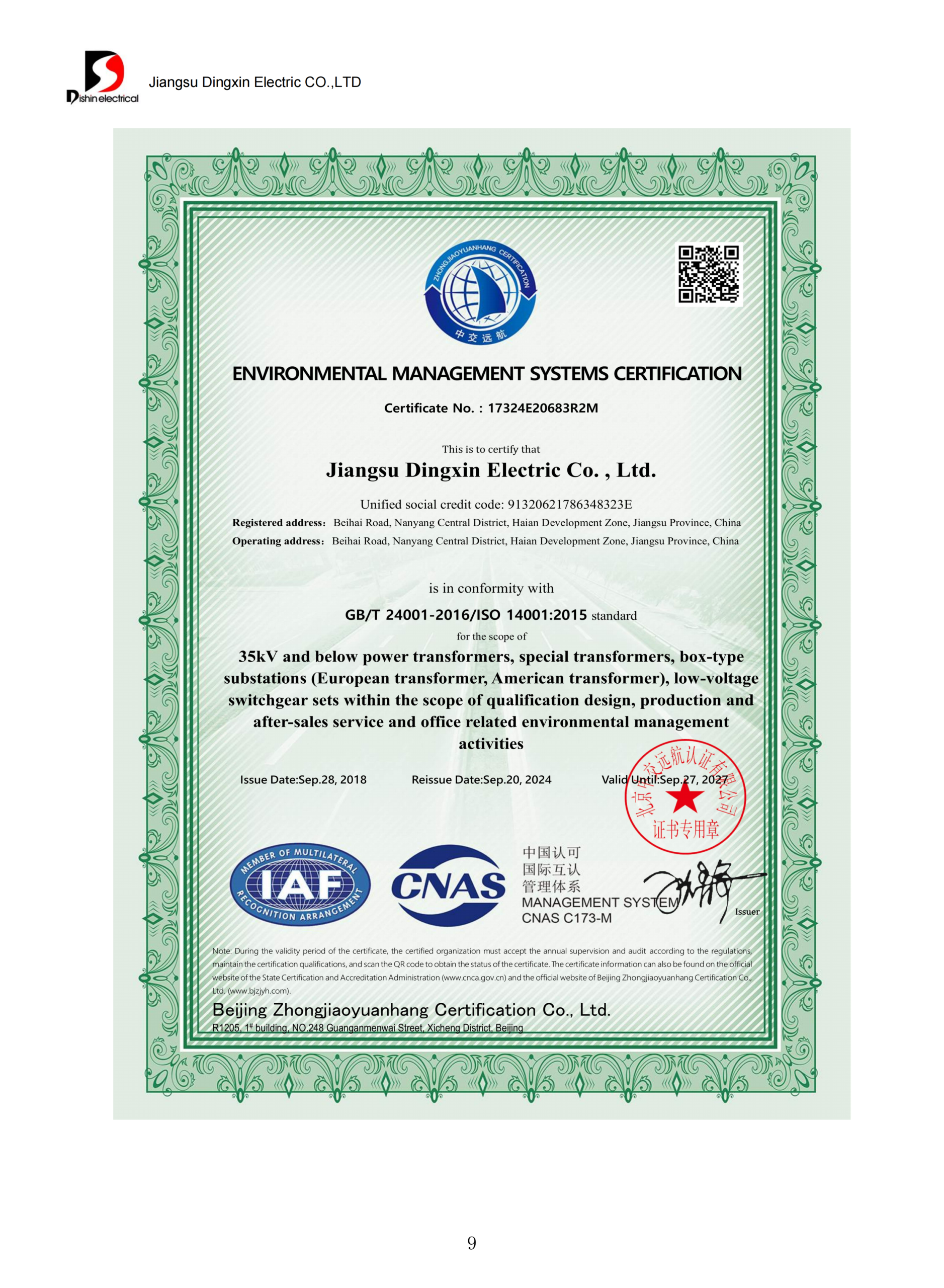
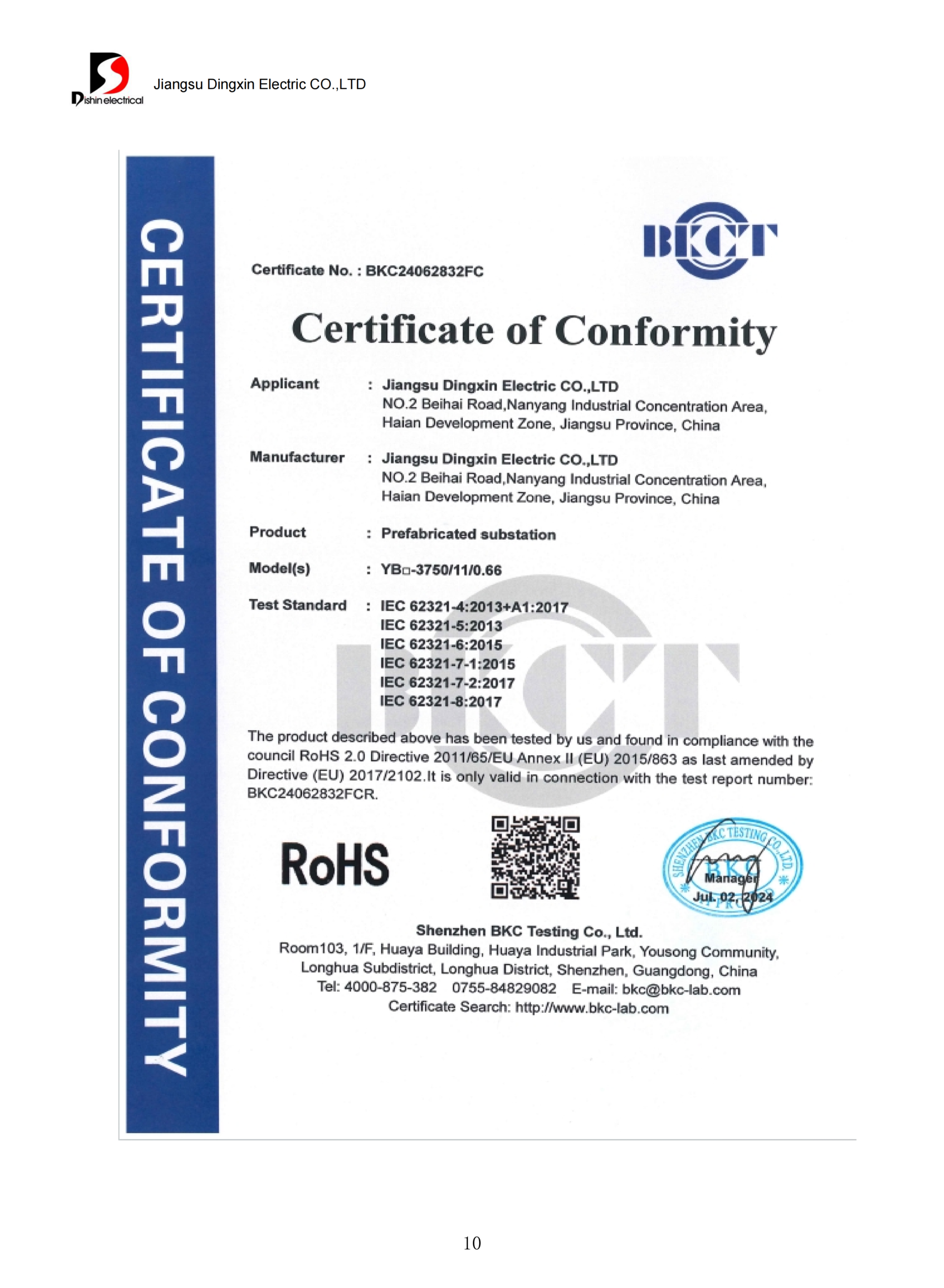
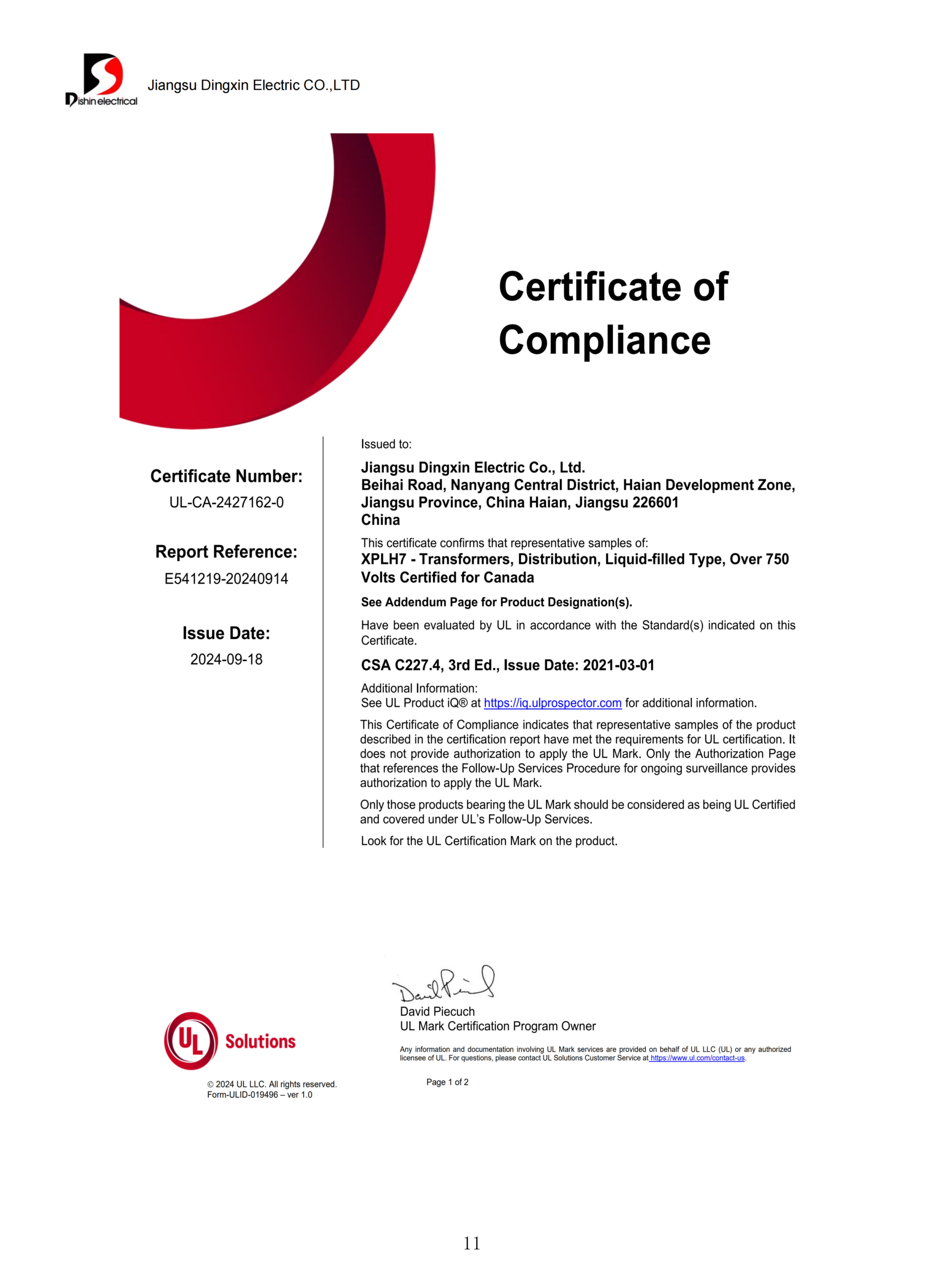
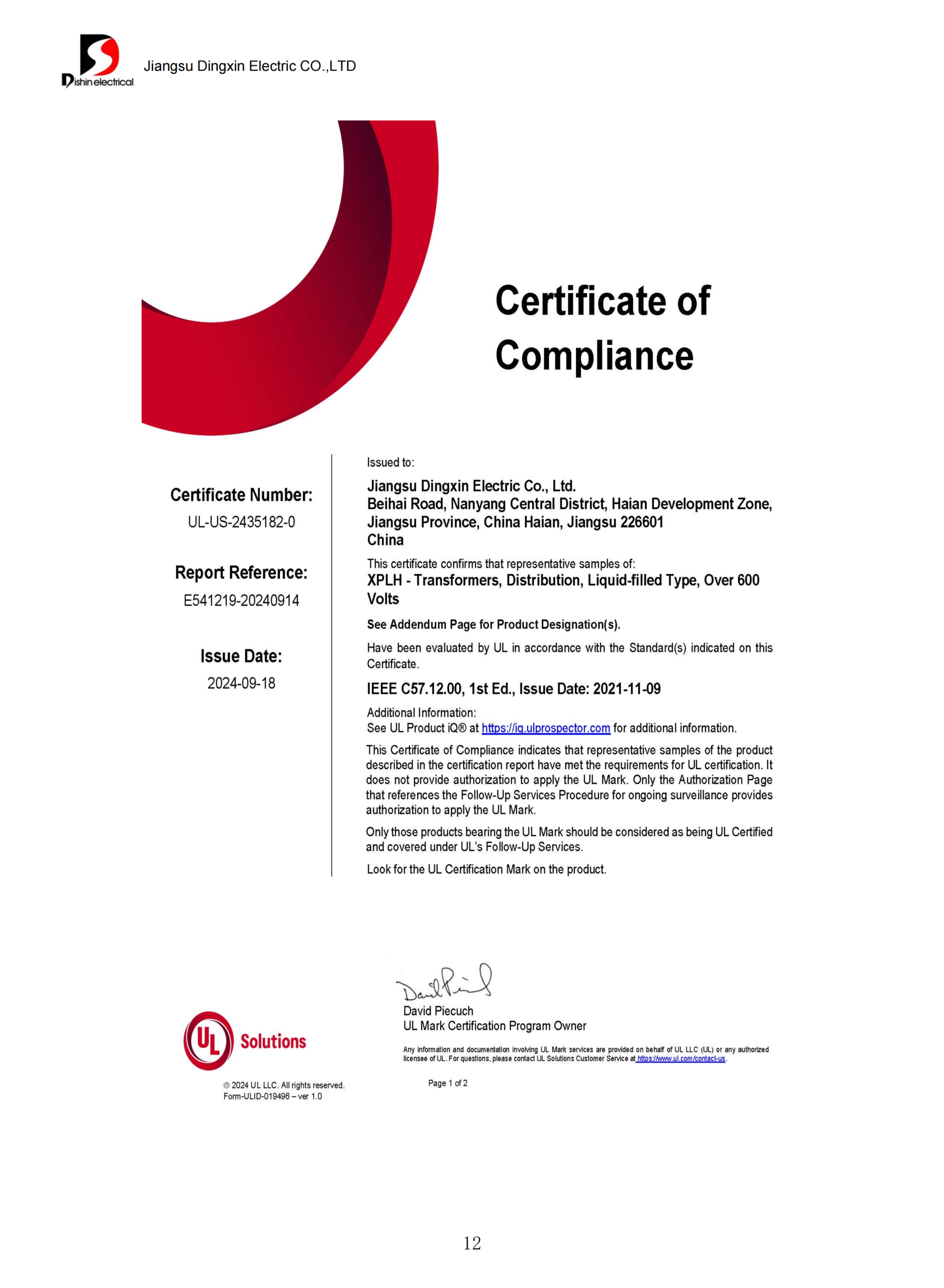
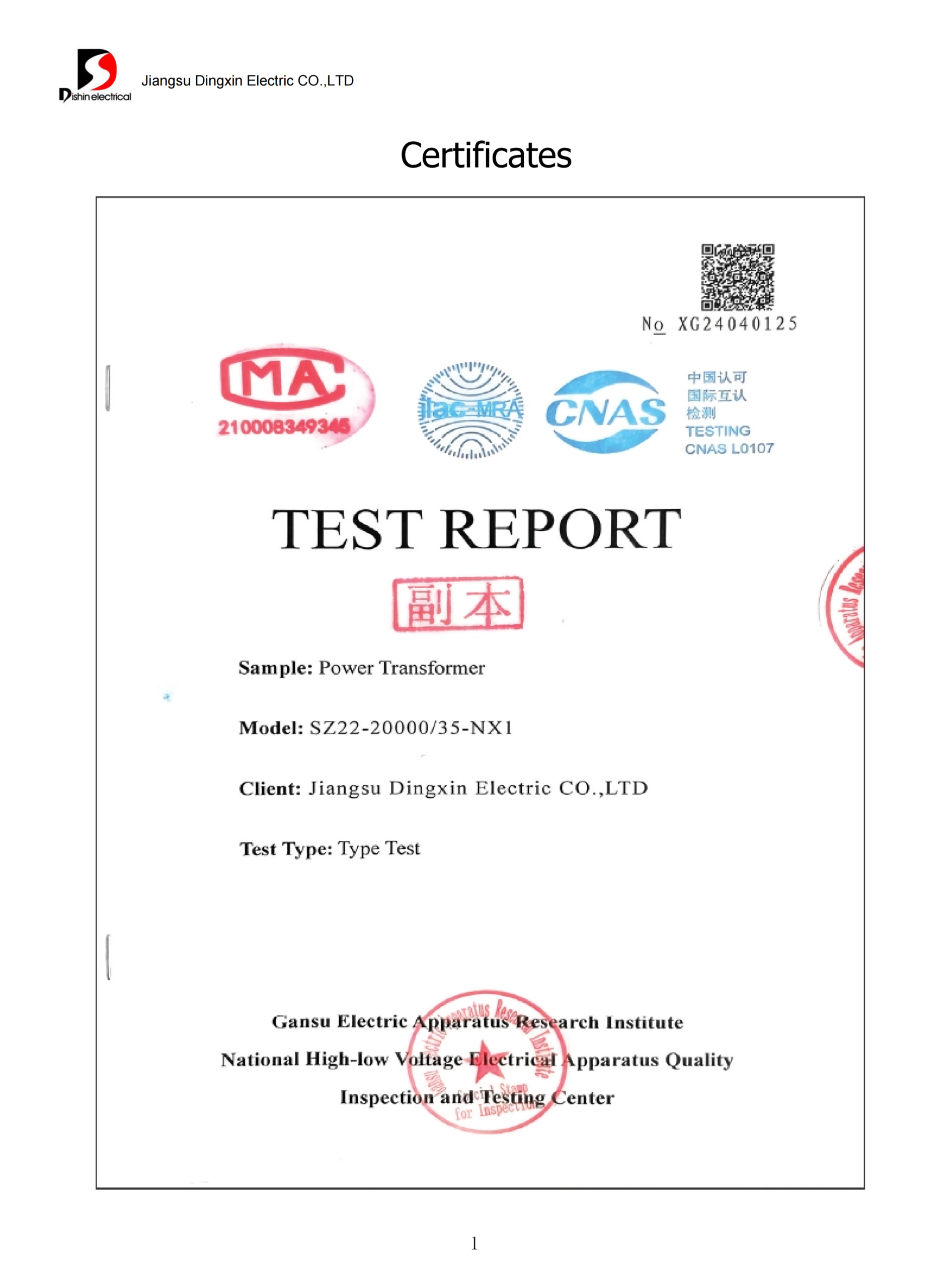
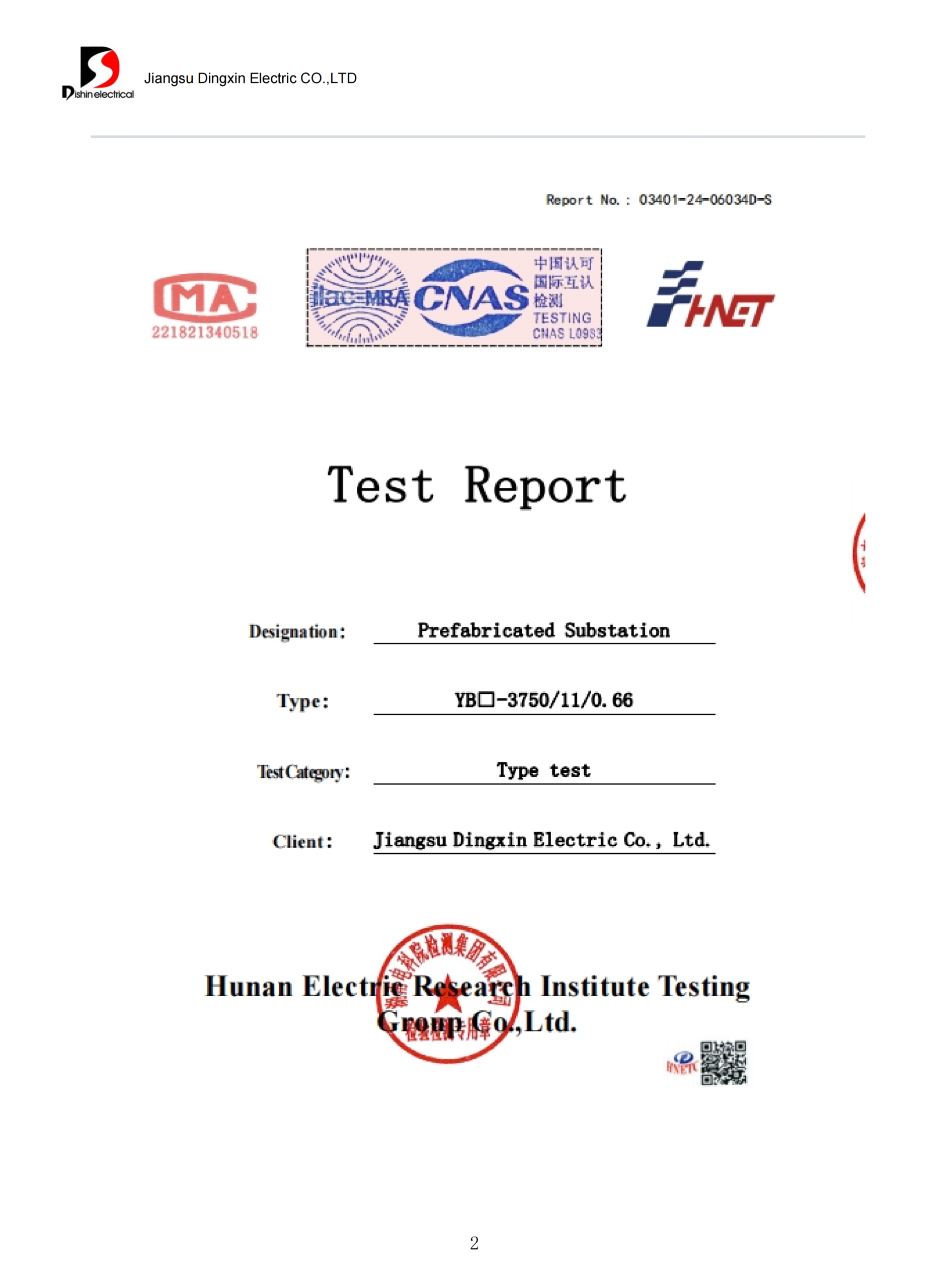
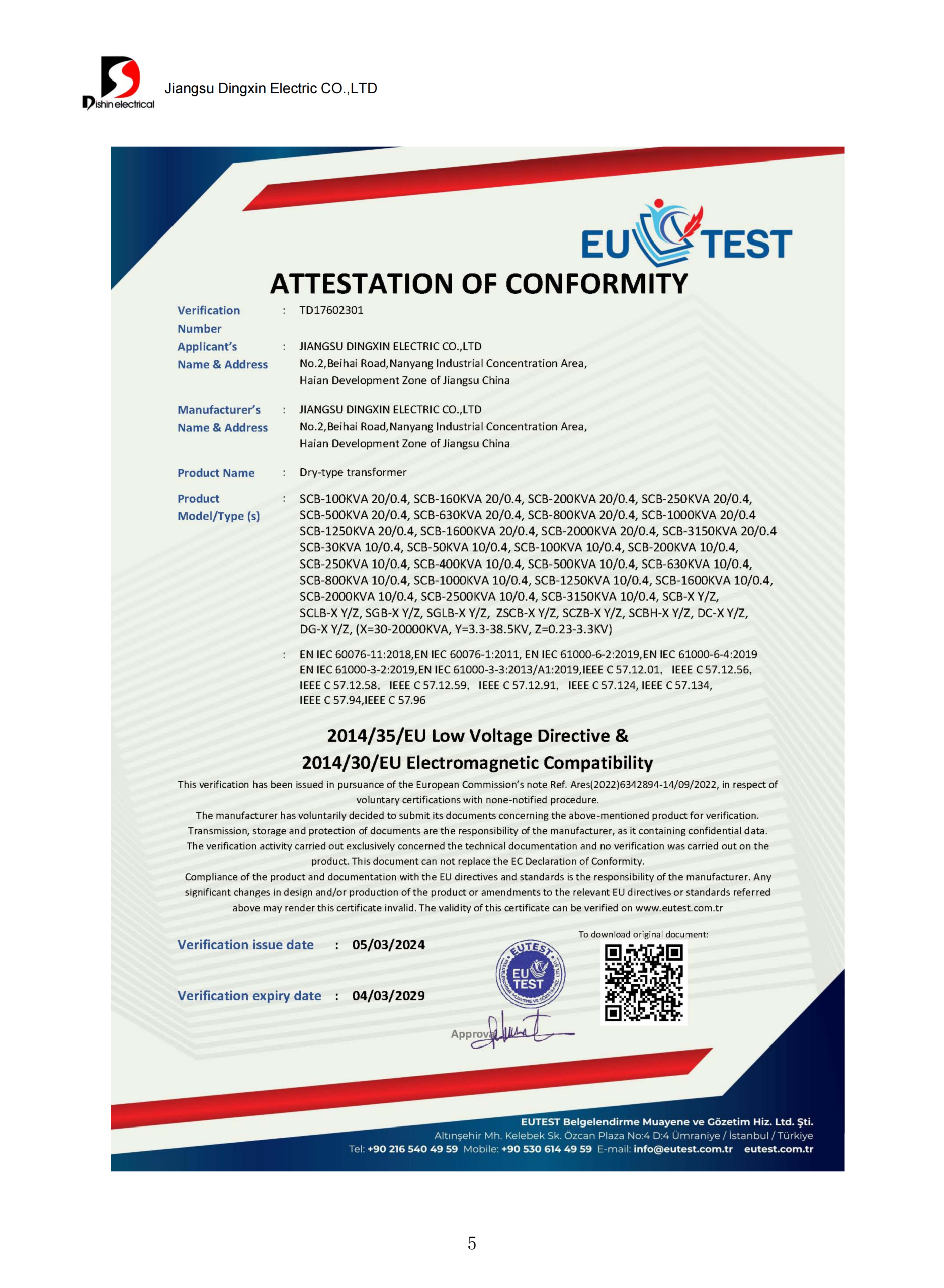
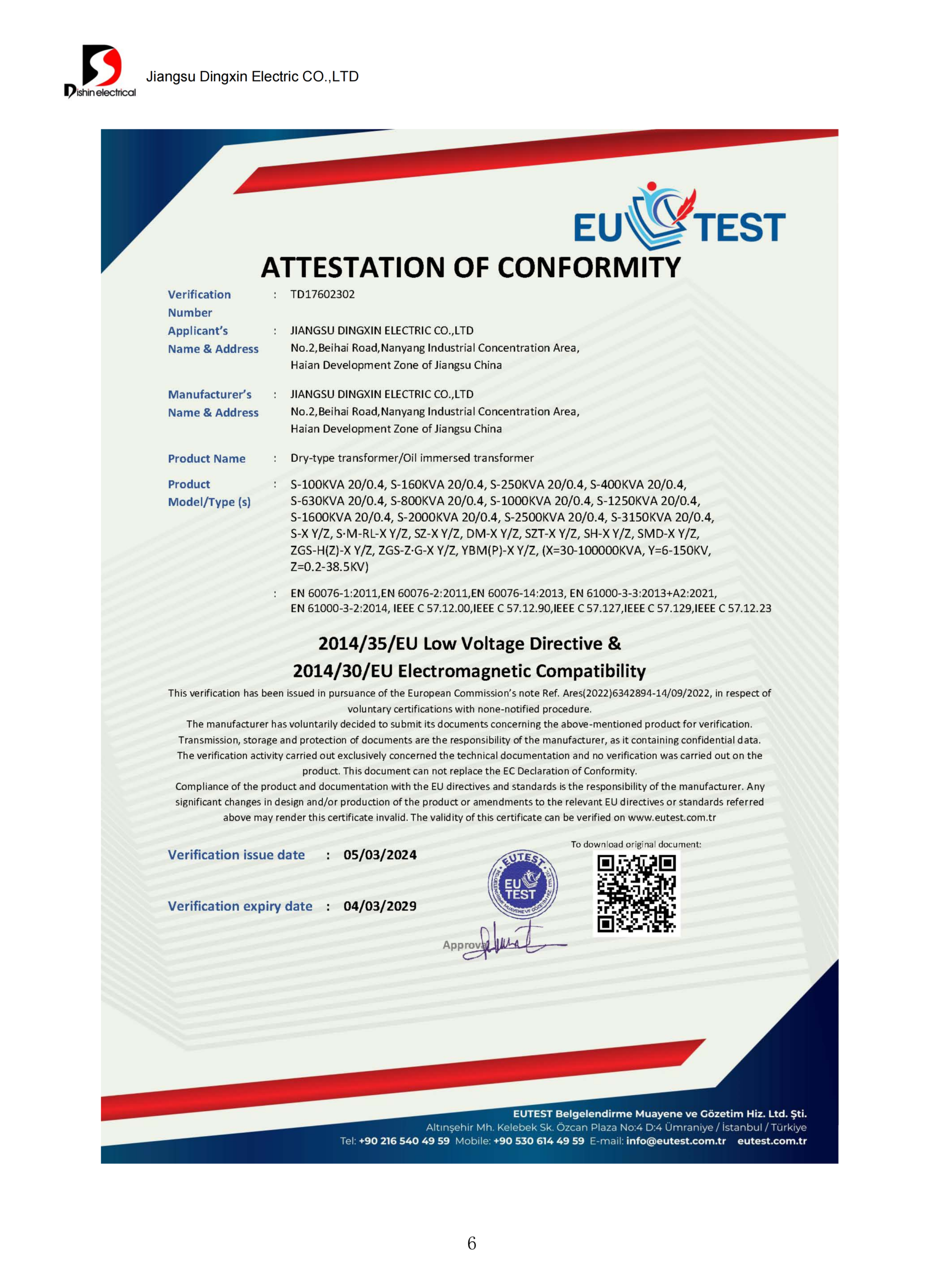
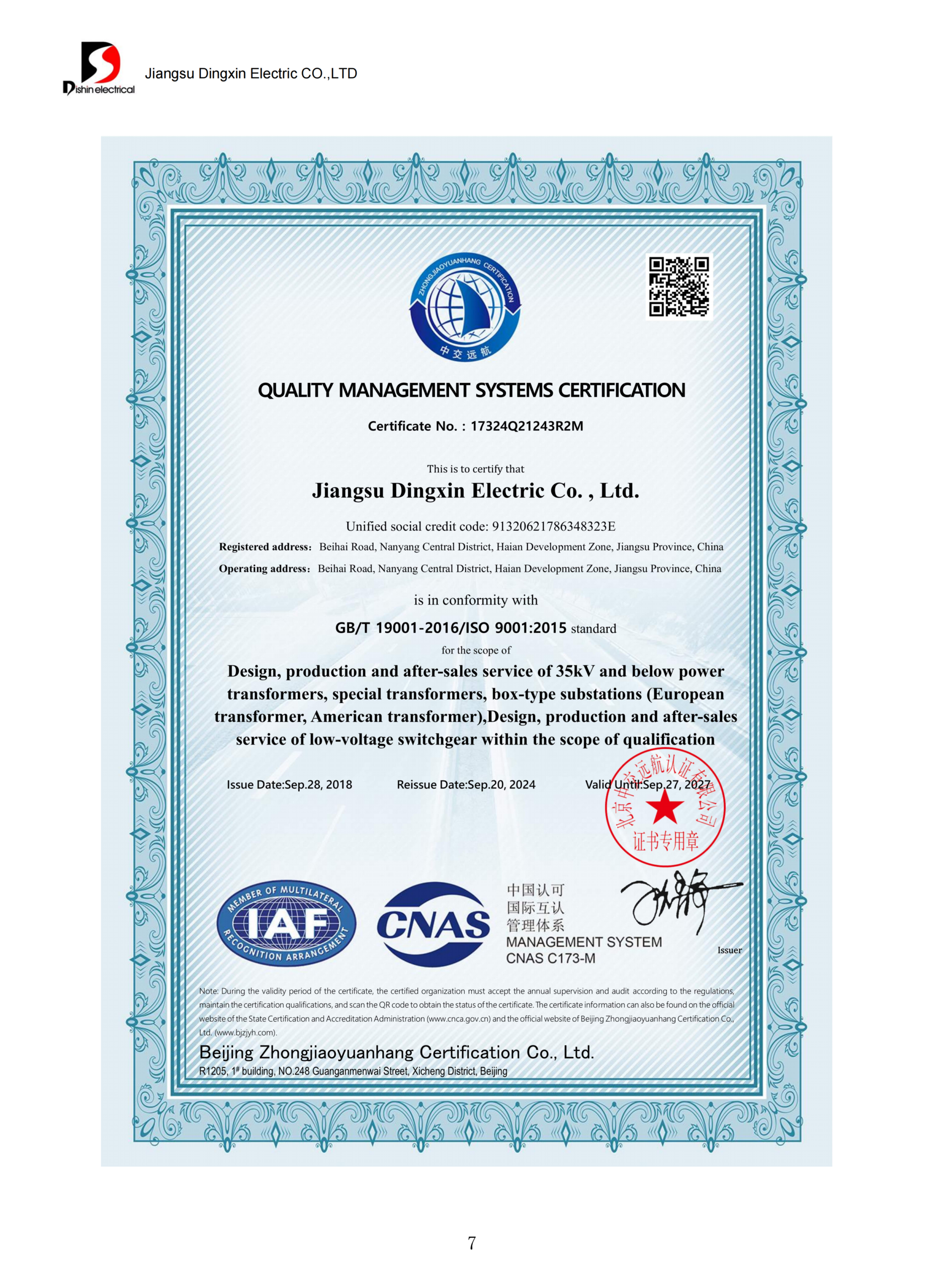
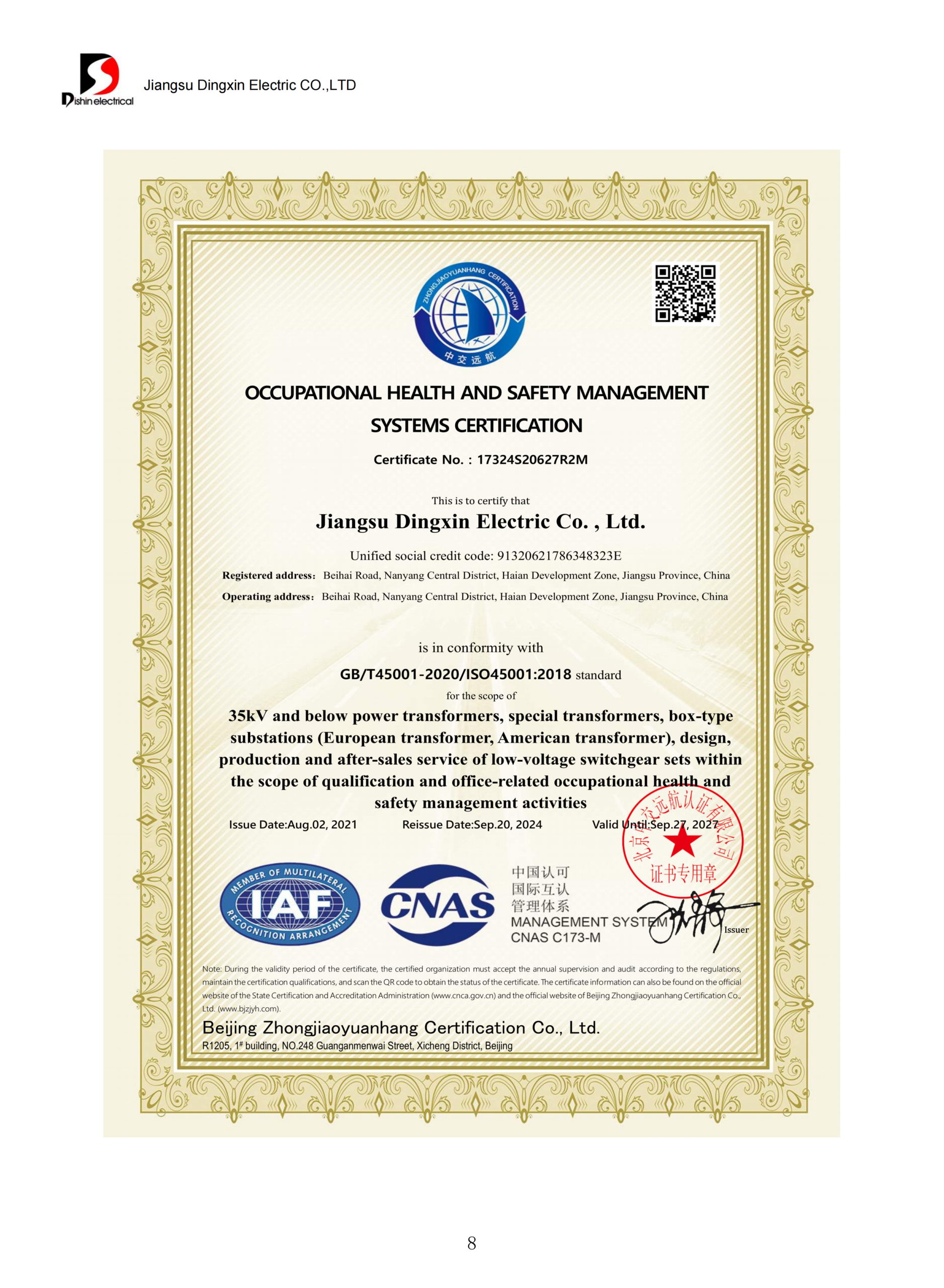
Material traceability
Grade, source, certificate, and incoming-control record
Loss evidence
Guaranteed schedule, method, tolerance, and report
Design evidence
Drawings, impedance, thermal, mechanical, and fault-duty basis
Approval package
Inspection plan, manuals, packing list, and final records
U.S. test-method boundary
Certification does not always mean testing every delivered unit
For distribution transformers, the eCFR procedure defines resistance, no-load loss, load loss, efficiency calculation, calibration, and record requirements.3 Separate certification provisions can use testing or an alternative efficiency determination method at a basic-model or rating-group level, so the buyer's acceptance-test requirement should be written independently from regulatory certification.
Company transparency
About Talite
Talite Transformer Co., Ltd. describes more than three decades in the power-equipment sector and an integrated research, production, and sales operation in Hai'an, Jiangsu. These company-profile statements were supplied for this project and require final corporate approval; they aren't used as proof of a specific amorphous-transformer rating, certification, test result, or delivery record.
A practical approval sequence
- Proposal review: align the data sheet, deviations, assumptions, loss guarantees, standards, accessories, tests, documents, and commercial exclusions.
- Design review: approve outline, terminals, vector group, impedance, cooling, nameplate, protection interface, and evidence route.
- Inspection planning: agree witness and hold points, sample rules, instruments, acceptance criteria, and report templates.
- Factory records: collect the agreed routine reports, material records, drawings, photographs, certificates, and nonconformance dispositions.
- Shipment handoff: approve packing, handling, storage, installation, commissioning, spares, warranty, and support contacts.
Select evidence by project, standard, and contract
IEEE C57.12.90 covers test methods for liquid-immersed distribution, power, and regulating transformers, while IEC 60076-5 addresses short-circuit withstand through defined calculation, test, or theoretical-evaluation routes.45 These references help name the evidence question; they do not prove that a Talite product has passed it.
| Claim area | Ask for | Scope guardrail | Current page status |
|---|---|---|---|
| Amorphous alloy core | Material designation, supplier certificate, traceability, and inspection control | Confirm the exact core used in the quoted design | Project evidence required |
| No-load and load loss | Guaranteed schedule, test method, reference conditions, tolerance, and report | Certification can operate at a basic-model or rating-group level; do not demand an individual certification test by default | Project evidence required |
| Short-circuit withstand | Applicable clause, thermal calculation, dynamic evaluation, test evidence, and design assumptions | The required route is standard- and contract-dependent | Project evidence required |
| Routine and special tests | Agreed inspection and test plan with report format | Separate tests on every unit from type or special evidence | Scope must be agreed |
| Company history | Approved company profile, registration history, and current certificates | Corporate evidence does not substitute for product evidence | Corporate approval pending |
| Schedule and warranty | Written project schedule, Incoterm, warranty terms, exclusions, and service boundary | Do not infer commitments from market articles | Quotation required |
Ask for the evidence package before approval
Send the destination standard, required tests, document list, and inspection expectations with the RFQ. This gives each supplier the same evidence boundary.
Amorphous-Core Transformer Evaluation Tools
FAQs About Amorphous Core Transformers
These responses help identify the next evidence request; they don't replace the applicable system standard or approved manufacturer documents.
Core material and atomic structure create the main difference. Amorphous ribbon can support lower hysteresis and eddy current loss, while silicon steel and GOES designs may offer a different balance of loss, flux density, size, manufacturing familiarity, price, and supply.
No. U.S. rules are core-neutral; verify the covered category, evaluation point, applicable table, compliance date, and proposed design.12
Use absolute guaranteed values under the same rating and reference conditions, then apply energized hours and the load profile separately. Include auxiliary loss where relevant and keep tolerances, efficiency calculation, energy price, analysis period, and sensitivity assumptions visible.
Core saturation, cross-section, ribbon handling, core support, winding geometry, production process, material supply, and the selected loss target can all change the design. Footprint, mass, acoustic treatment, fault duty, accessories, test scope, freight, and commercial terms can also change the evaluated price. Request an outline and same-scope quotation instead of relying on a category-wide assumption.
Amorphous ribbon requires appropriate handling and support, but reliability belongs to the complete transformer design rather than one material property. Review core restraint, winding support, transport, impedance, short-circuit duty, protection, testing, installation, and maintenance provisions. Product-specific drawings, calculations, reports, and approved handling instructions are stronger evidence than a general claim for or against the material.
No. Agree the calculation, evaluation, type, special, or prior-test evidence required by the applicable standard and contract.5
Not as a universal rule. U.S. certification can use testing or an alternative efficiency determination method at a basic-model or rating-group level.3 A buyer can separately specify factory acceptance tests, sample rules, witness points, and report requirements for purchased units, so the procurement document should distinguish regulatory certification from contractual acceptance.
Start with the technical data sheet, deviations, outline, loss schedule, impedance, material identification, test plan, report list, certificates, inspection plan, packing, manuals, warranty, schedule basis, and exclusions. Mark each item as included, available after order, available by request, or not applicable.
GOES may be preferable when it meets the required efficiency at a lower evaluated cost or offers a better fit for load loss, footprint, mechanical duty, repair strategy, price, availability, or approved evidence. Compare the complete technical and commercial proposals, including both loss schedules, physical constraints, fault duty, tests, documentation, delivery risk, and service scope. Core material is an input to the decision, not a universal ranking.
Use it as risk context only. A written supplier schedule, milestones, shipment basis, and service boundary control the order.
Provide rating, voltages, frequency, phase, vector group, impedance, taps, load profile, fault duty, site conditions, cooling, enclosure, accessories, tests, documents, destination, quantity, logistics, and required date. Add the single-line diagram, applicable standards, required evidence route, loss-evaluation assumptions, site constraints, and any approved deviations. These inputs reduce clarification time and help Talite return a proposal whose technical, document, and commercial boundaries can be compared.

![110kV Power Transformer Guide: Specs & Standards [2026]](https://toplit-transformer.com/wp-content/uploads/2026/07/110kv-power-transformer-guide-featured-150x150.png)


