Get in touch with Toplit Transformer Co., Ltd Company

Talite Single-Phase Pole-Mounted Transformer for Overhead Distribution
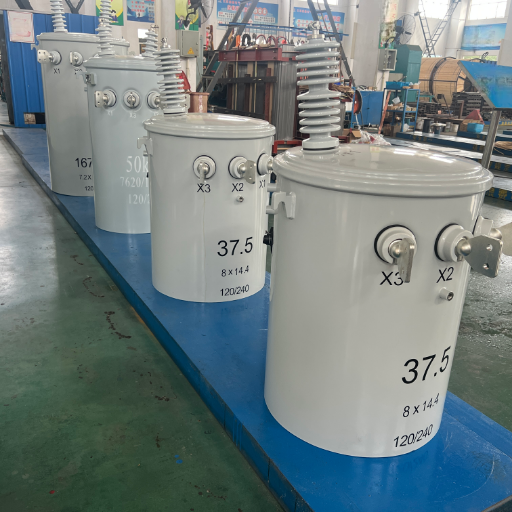
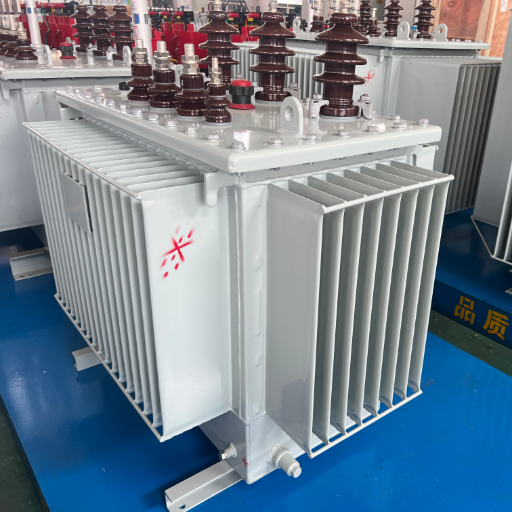
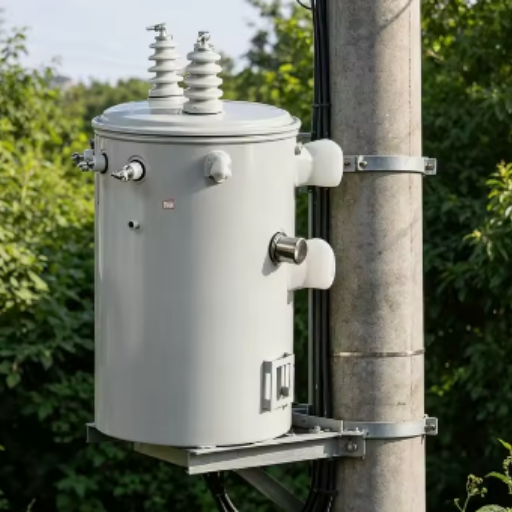
A single phase pole mounted transformer is an overhead distribution unit that serves a single-phase load within an accepted utility system. Bring the electrical, site, protection, document, and destination-market requirements into one reviewable RFQ. Talite will review that scope before committing to a model, standard, test, price, or delivery date.

Technical Request Specifications and Checks
kVA
- State the load basis
- Give the required rating and its source.
Primary V
- Name the system voltage
- Include the connection notation.
Secondary V
- Define the utilization side
- Record voltage, phase, and interface.
Frequency
- Do not assume 50 or 60 Hz
- State the destination frequency.
8 Inputs
- Build a comparable request
- Put every bid on one basis.
5 Checks
- Separate market duties
- Review classification, tests, scope, and records.
Confirm the Single-Phase Pole-Mounted Application Before Configuration
In a power distribution system, overhead transformers are practical candidates when the utility architecture is overhead, the load is single-phase, and the responsible utility accepts the pole, conductors, ownership boundary, and service arrangement. A common assumption is that every overhead application follows the same route, but an overhead system is not always a single-phase pole-mount application.
Single-phase overhead load
Use this page when project documents point to a single phase distribution transformer on an overhead network. Talite still needs the project inputs.
Three-phase or growing load
A three-phase service or planned capacity change can alter the route. Submit the load basis first.
Underground supply or public access
Pad-mounted equipment may enter the review when the primary supply is underground. Property, permit, and local-authority conditions matter.[9]
Unknown utility ownership
Don’t freeze interfaces until the utility and engineer assign ownership. The quote should reflect that boundary.
Check Destination-Market Rules Before Treating the RFQ as Complete
One standard reference doesn’t settle market access. IEEE product scope, federal covered-equipment definitions, test procedures, certification reporting, importer responsibility, and required records answer different questions.
-
Jurisdiction
Name the country, utility, and project authority. One market’s rule isn’t global.
-
Covered status
10 CFR 431.192 defines U.S. category boundaries and exclusions.[2] Classify the proposed configuration.
-
Testing and certification owner
Assign test data, filing, and record duties. An importer can remain responsible after third-party submission.[3]
-
Active standard scope
IEEE lists C57.12.20-2023 as active for its stated 60 Hz, 500 kVA, and 34.5 kV high-voltage overhead scope.[1]
-
Fluid and environmental files
Request fluid, safety, destination, and test records. A nameplate may not settle historical PCB classification.[5]
| Reference | Numeric boundary shown by the source | What it can establish | What it cannot establish |
|---|---|---|---|
| IEEE C57.12.20-2023 | 500 kVA or smaller; high voltage 34.5 kV or below; 60 Hz | Scope of the overhead-type product standard | Talite conformity, available options, or destination approval |
| 10 CFR 431.192 | Input 34.5 kV or less; output 600 V or less; 60 Hz; liquid-immersed 10-5000 kVA | Federal covered-category definition and listed exclusions | Whether an unreviewed model complies or has been certified |
| Customer-supplied example | 50 kVA; 34.5/0.48 kV; single-phase; oil-immersed | One configuration to submit for project review | A standard Talite catalog range or a compliance statement |
Not a compliance determination
Talite won’t claim that a proposal meets a named rule until the exact model, active edition, test basis, responsible parties, and required records are confirmed. Local installation, grounding, clearances, protection settings, and approvals remain with qualified parties and the authority having jurisdiction.
Send the destination-market requirements first
Upload the utility specification or a completed checklist provided by the customer prior to regarding the commercial portion of any offer as complete.
Build the 8-Input RFQ for Your Overhead Distribution Project
The 8-Input Pole-Mount RFQ Matrix simplifies complex and often disjointed communications into a coherent comparison document. Although the matrix won’t calculate transformer sizing or approve the basic design, it highlights information gaps that might otherwise emerge during a quote revision.
Input
What the buyer supplies
What Talite reviews
Typical evidence to attach
Input1. Required kVA
What the buyer suppliesRating and load basis
What Talite reviewsManufacturable configuration and thermal duty questions
Evidence to attachLoad schedule or utility standard
Input2. Primary voltage
What the buyer suppliesNominal voltage and system connection
What Talite reviewsWinding and insulation-input compatibility
Evidence to attachSingle-line diagram
Input3. Secondary voltage
What the buyer suppliesNominal utilization voltage and phase arrangement
What Talite reviewsSecondary winding and terminal review
Evidence to attachCustomer specification
Input4. Frequency
What the buyer supplies50 Hz or 60 Hz as required
What Talite reviewsWhether the request fits the proposed design basis
Evidence to attachDestination grid requirement
Input5. BIL and insulation
What the buyer suppliesUtility-required level and insulation type
What Talite reviewsScope, standard, and test implications
Evidence to attachUtility material standard
Input6. Environment
What the buyer suppliesAltitude, temperature, corrosion, pollution, wildlife, and access conditions
What Talite reviewsWhich conditions need a design response
Evidence to attachSite data sheet
Input7. Protection
What the buyer suppliesConventional or self-protected preference and utility devices
What Talite reviewsAvailability and interface review
Evidence to attachProtection philosophy or bill of materials
Input8. Mounting and interface
What the buyer suppliesPole arrangement, bushings, terminals, and dimensional limits
What Talite reviewsMechanical fit and drawing questions
Evidence to attachPole detail or approved outline
InputCommercial addendum
What the buyer suppliesQuantity, trade term, destination, required documents, and requested date
What Talite reviewsQuote scope, packaging, and schedule basis
Evidence to attachRFQ cover sheet
Keep the market gate separate
An eight-input technical RFQ is easier to compare, but it can’t replace the five destination-market checks above. Keeping those gates separate prevents a completed form from being mistaken for regulatory approval.[1]
- Use the exact units and connection notation shown in the project documents.
- Mark unknown fields as open questions instead of guessing.
- Attach the utility specification, drawing, or existing nameplate when available.
- Ask every bidder to list deviations against the same RFQ revision.
Start with the low-commitment checklist
Use the matrix to collect inputs before requesting a full technical and commercial proposal.
Get the 8-Input RFQ ChecklistSubmit
Provide required kVA, load basis, primary voltage, secondary voltage, frequency, connection, and planned duty. Keep the units and notation used by the utility.
Verify
Talite checks the request against the factory’s current engineering and production scope. Any missing input, deviation, or standard question returns to the buyer.
Document
The proposed electrical data moves into a project data sheet and outline-drawing review. Verbal assumptions are not treated as frozen design inputs.
Confirm
Both sides confirm the revision that controls price, tests, documents, packaging, and schedule. Later changes receive a written impact review.
50 kVA, 34.5/0.48 kV
A customer-supplied product file describes one single-phase, pole-mounted, oil-immersed configuration at 50 kVA with 34.5 kV primary and 0.48 kV secondary. Treat it as a configuration example for review, not proof of a complete Talite range, stock position, standard compliance, or available accessory package.
Primary and secondary values without the system connection can hide a mismatch. Preserve the project’s own voltage and connection notation so the factory, engineer, and buyer read the same requirement. This reduces rework when drawings, tests, and quotations move between parties.
Queries such as 25 kVA pole mounted transformer and 50 kVA pole mounted transformer describe buyer demand, not a catalog. Searches for single phase pole mounted transformer sizing, single-phase pole mounted transformer sizes, or overhead distribution transformer sizing still require the same project inputs.


Review Protection, Insulation, and Mechanical Requirements
Protection language often creates false certainty because labels such as conventional, completely self-protected, and CSP can hide utility-specific devices and interfaces. A familiar label doesn't prove that each accessory is covered or available.
Fuse, arrester, cutout, breaker
State the utility’s protection philosophy and the devices expected inside or outside the tank. Talite must confirm the proposed arrangement against the exact RFQ.
BIL, fluid, and test basis
State whether the specification calls for an oil-filled design, mineral oil, or a named biodegradable fluid, then give the required insulation level and test references. A fluid name alone doesn't establish availability, destination documentation, or environmental acceptance.
Bushing and terminal arrangement
Record quantity, position, rating, connector expectation, and utility drawing reference. IEEE C57.12.38 notes that accessory-device electrical and mechanical requirements are outside its scope.[7]
Tank, pole, dimensions, and handling
Submit the mounting detail, dimensional limit, mass limit if specified, lifting or handling constraints, corrosion environment, and labeling language. The final outline must confirm the interface.
Turn site risks into RFQ fields
Wildlife contact, contamination, salt, altitude, heat, restricted access, and public exposure can influence the review, yet no single feature solves every site. A patent on a non-conductive lid illustrates the animal-contact concern without proving that Talite offers that design.[6]
- State the condition and the originating party.
- Request the proposed solution as shown on a drawing, data sheet, or approved deviation list.
- Separate supplied transformer features from utility-furnished external devices.
- Confirm the required testing and acceptance criteria prior to issuing the order.
Accessory availability remains open
This page explains requirement categories, not a Talite option list. Confirm each fuse, arrester, bushing, fluid, insulation level, and mounting detail against the written proposal.
Let the utility document lead the review
Send the relevant utility or project pages rather than rewriting technical clauses from memory.
Check Whether Pole-Mount, Pad-Mount, or Three-Phase Is the Right Route
The cheapest-looking equipment form is not always the best project route. Phase, primary supply, site access, public exposure, utility ownership, civil work, maintenance access, and local approvals can outweigh a simple catalog comparison.
Single-phase pole-mounted candidate
Start here when the accepted system architecture is overhead and single-phase. Keep pole details, conductors, external protection, and ownership interfaces inside the utility review.
Single-phase pad-mounted candidate
Review this route when the primary supply is underground or the utility uses ground-level equipment for the site. IEEE C57.12.38-2025 describes a single-phase pad-mounted scope tied to underground primary cable supply.[7]
Three-phase equipment review
Escalate when the service, load, motor duty, expansion plan, or utility architecture is three-phase. Don't treat three separate single-phase units as an automatic substitute.
| Project input | Single-phase pole-mount screen | Single-phase pad-mount screen | Three-phase screen |
|---|---|---|---|
| Phase | 1-phase overhead service basis | 1-phase underground service basis | 3-phase system or load basis |
| Primary route | Overhead conductors and utility pole arrangement | Underground cable with approved ground-level interface | Utility-approved overhead or underground architecture |
| Site control | Pole location, access, line work, and ownership defined | Space, property, access, permits, and physical protection defined | System study and project layout defined |
| Decision owner | Utility plus qualified project engineer | Utility, local authority, and qualified project engineer | Utility and qualified system engineer |
| Talite response | Review the accepted pole-mount RFQ | Route to an appropriate pad-mounted product review | Route to a three-phase transformer review |
Request the Drawings and Evidence Needed for Approval
A manufacturer page can't replace order-level evidence. Agree Talite’s document scope in writing, tie it to the quoted configuration, and set release points for each item.
RFQ
Buyer specification, data schedule, single-line diagram, quantity, destination, standard list, document list, and commercial instructions establish the bid basis.
Technical review
Proposed data sheet, outline drawing, connection information, nameplate schedule, deviation list, and test plan support approval questions.
Production and test
Approved revisions, inspection points, routine-test records, and agreed quality documents support acceptance. IEEE C57.12.90 identifies transformer test categories but does not make every test universal.[8]
Release and dispatch
Packing list, shipping marks, final document index, agreed certificates, and dispatch records close the commercial handoff.
Ask for evidence by decision, not by document count
Public procurement specifications commonly request product data, shop drawings, nameplate data, test reports, inspection records, and operation information.[10] That supports a buyer checklist, but it doesn't prove Talite provides every item on every contract.
Buyer decision
Evidence to request
Failure the evidence helps expose
Buyer decision
Scope boundary
Is the quoted unit the requested configuration?
Evidence to request
Data sheet, deviation list, revision-controlled outline
Failure the evidence helps expose
Voltage, frequency, interface, or accessory mismatch
Confirm the controlling revision in the contract
Buyer decision
Can the design enter production?
Evidence to request
Approved drawing set and open-item register
Failure the evidence helps expose
Unresolved comments hidden behind an approval stamp
Submittal approval does not automatically modify contract terms
Buyer decision
What tests apply?
Evidence to request
Test plan, acceptance criteria, witness points, final reports
Failure the evidence helps expose
A generic test list with no order linkage
Routine, type, and special tests depend on the agreed scope
Buyer decision
Can the shipment be received?
Evidence to request
Packing list, document index, labels, marks, and shipping records
Failure the evidence helps expose
Missing export or site-receipt information
Buyer and seller must allocate responsibility in writing
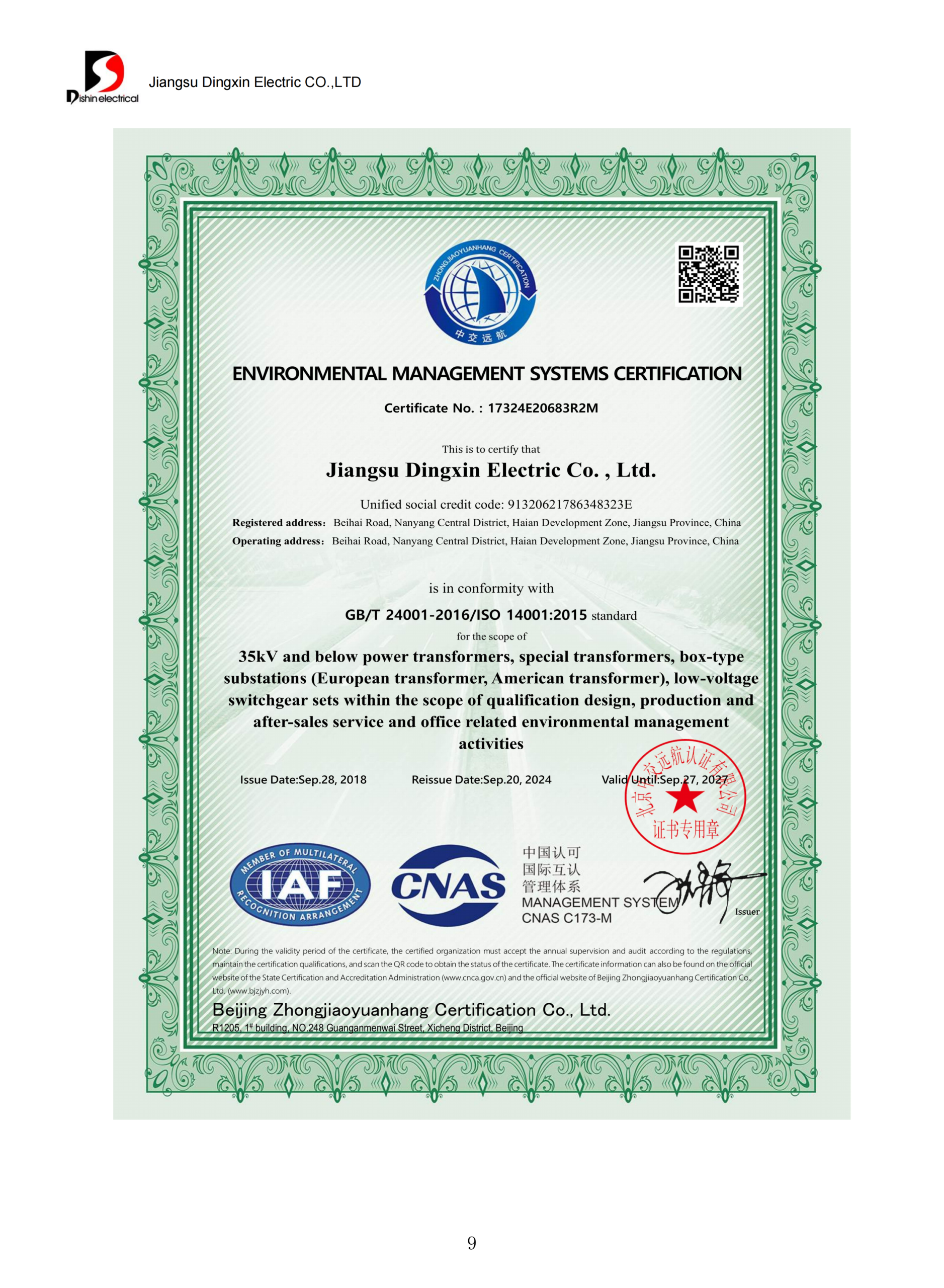
Quality & Compliance Certificates
Verified documentation for production and factory standards.
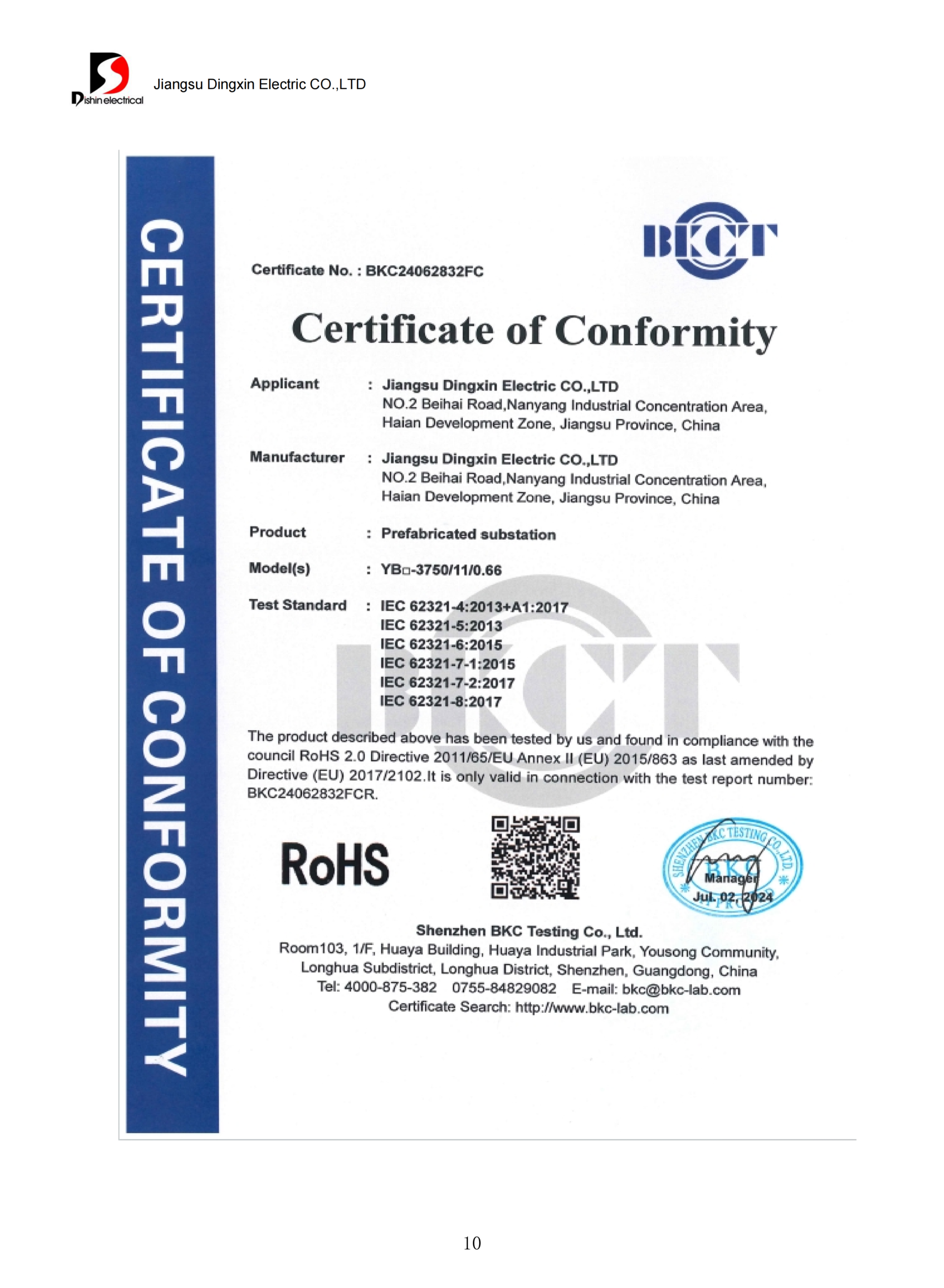
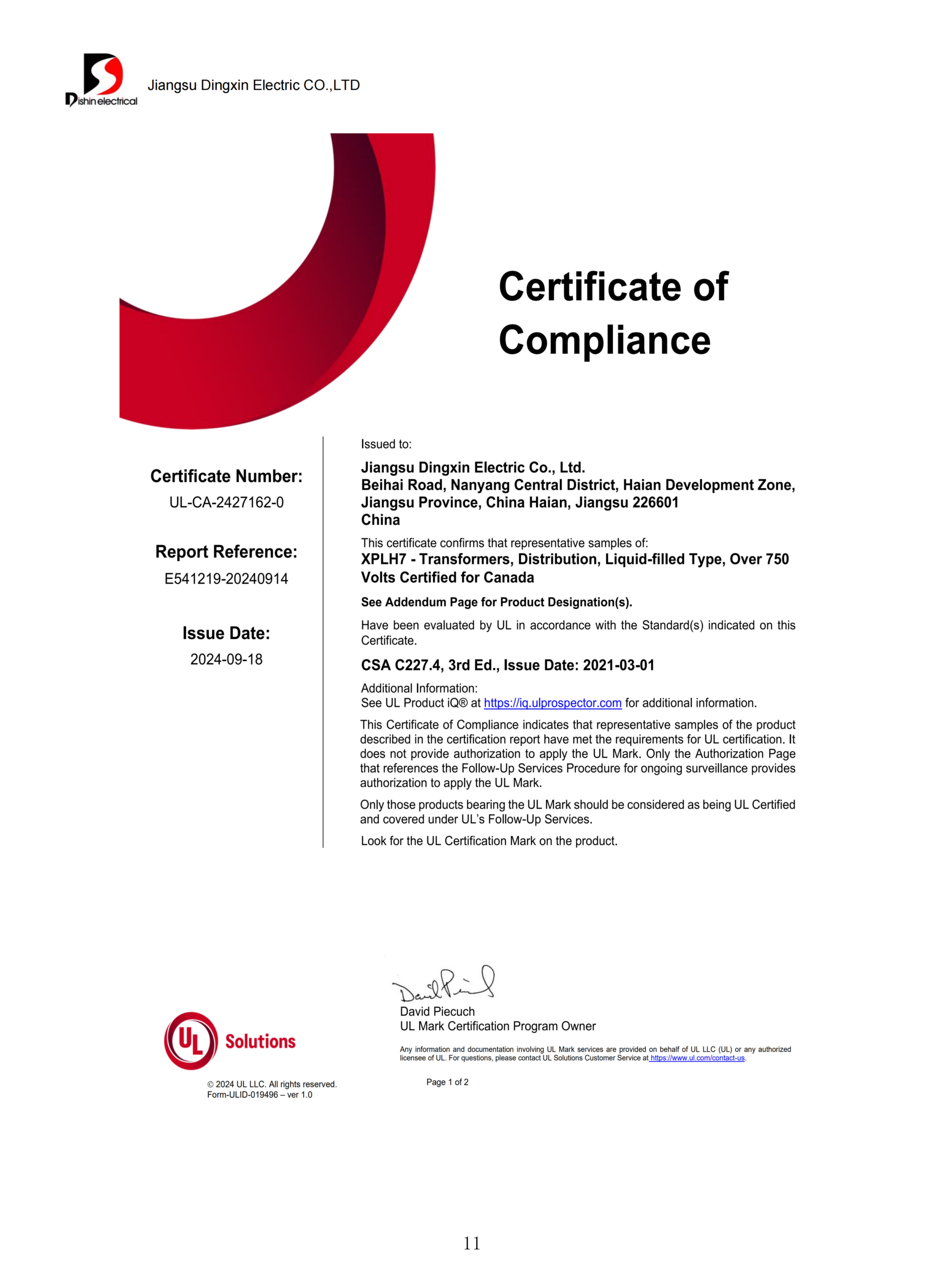
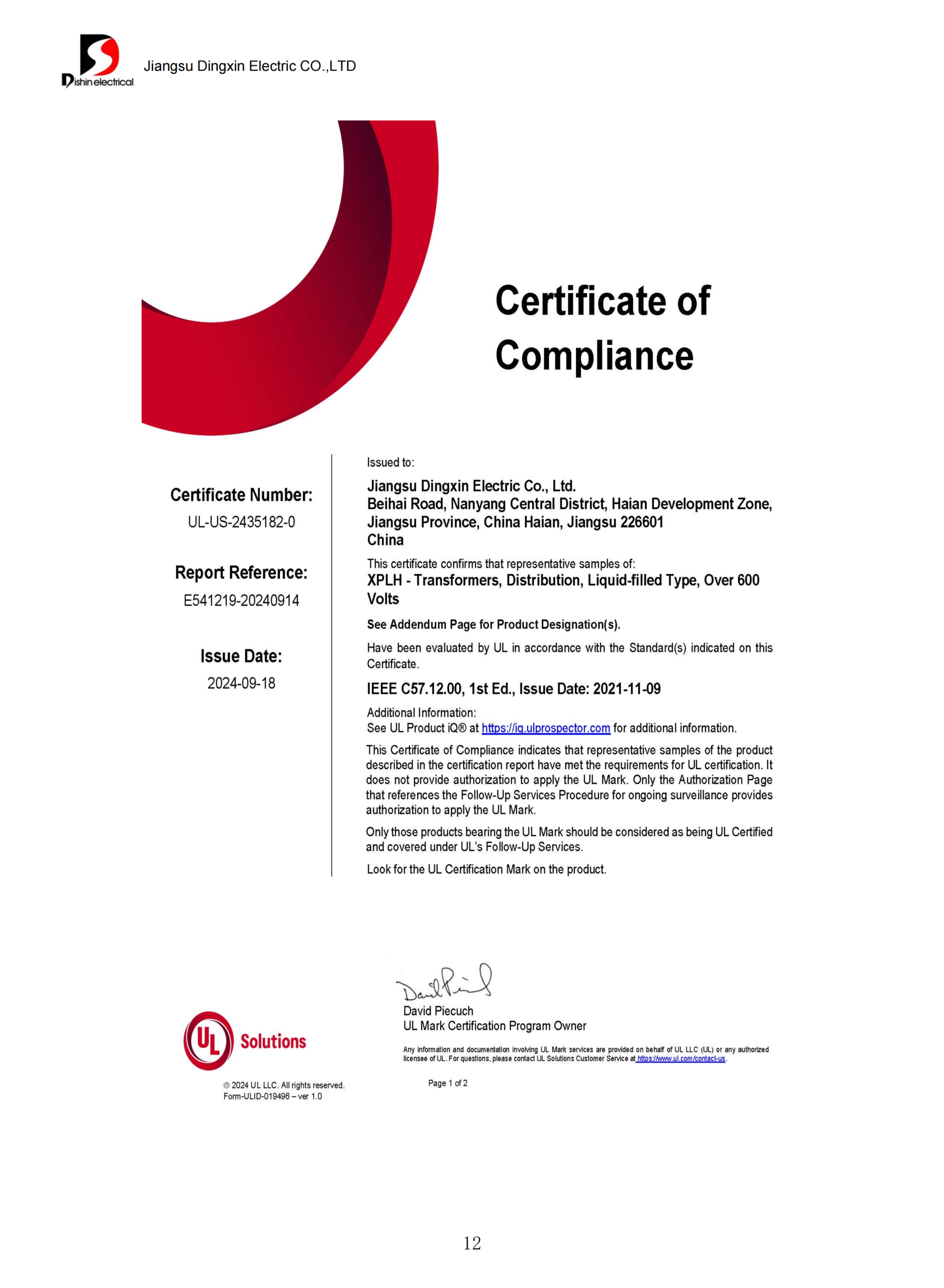
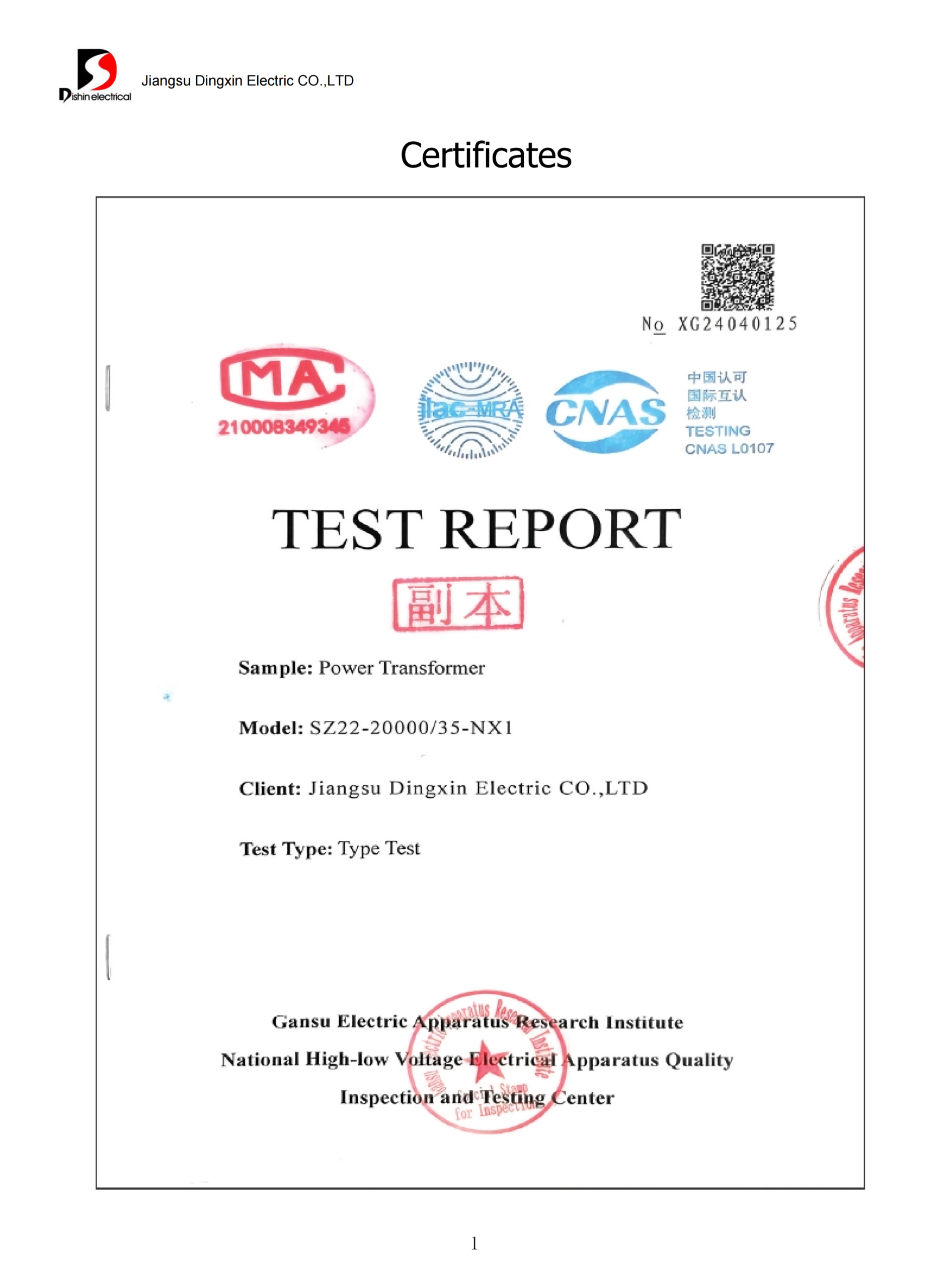
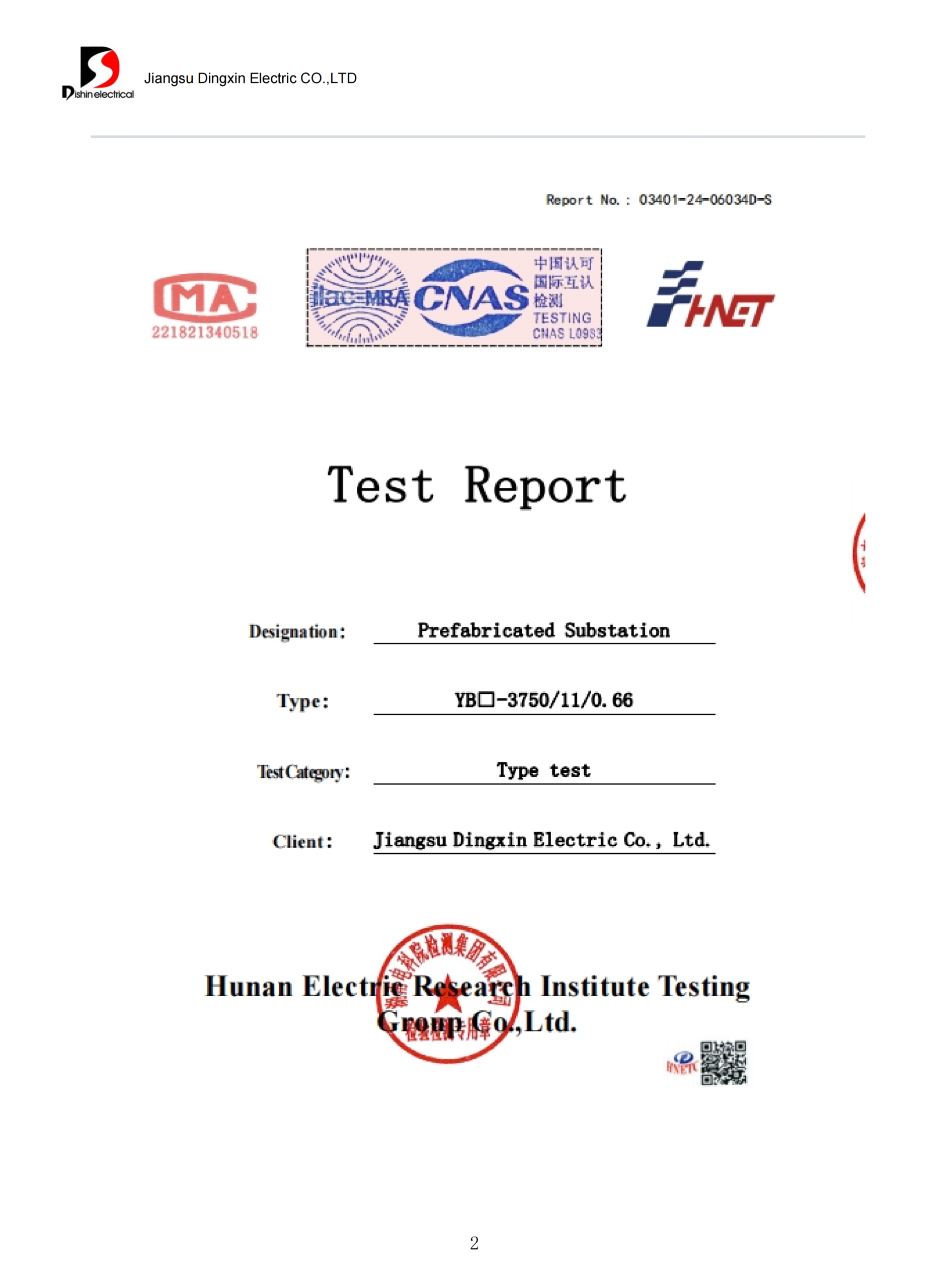
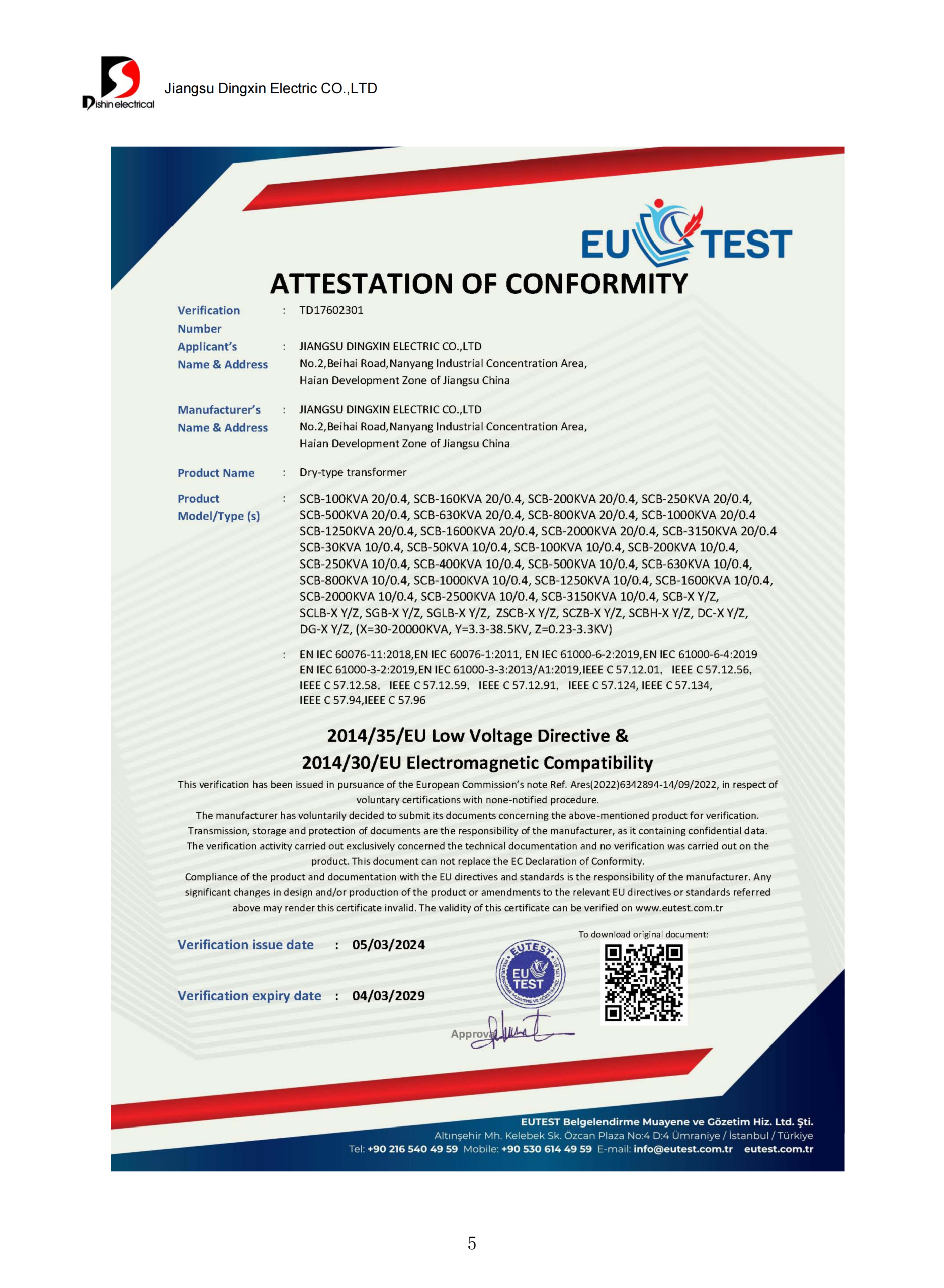
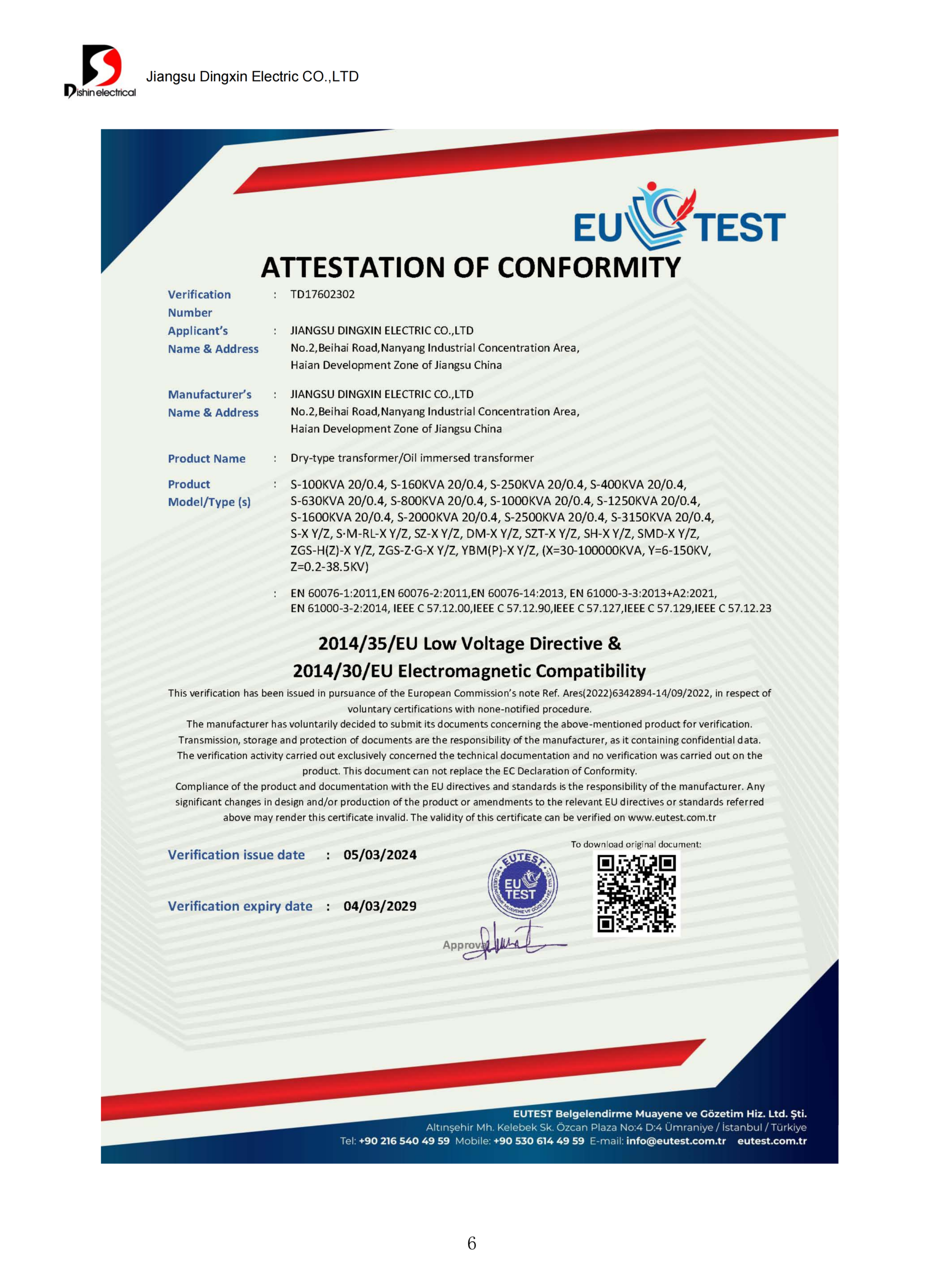
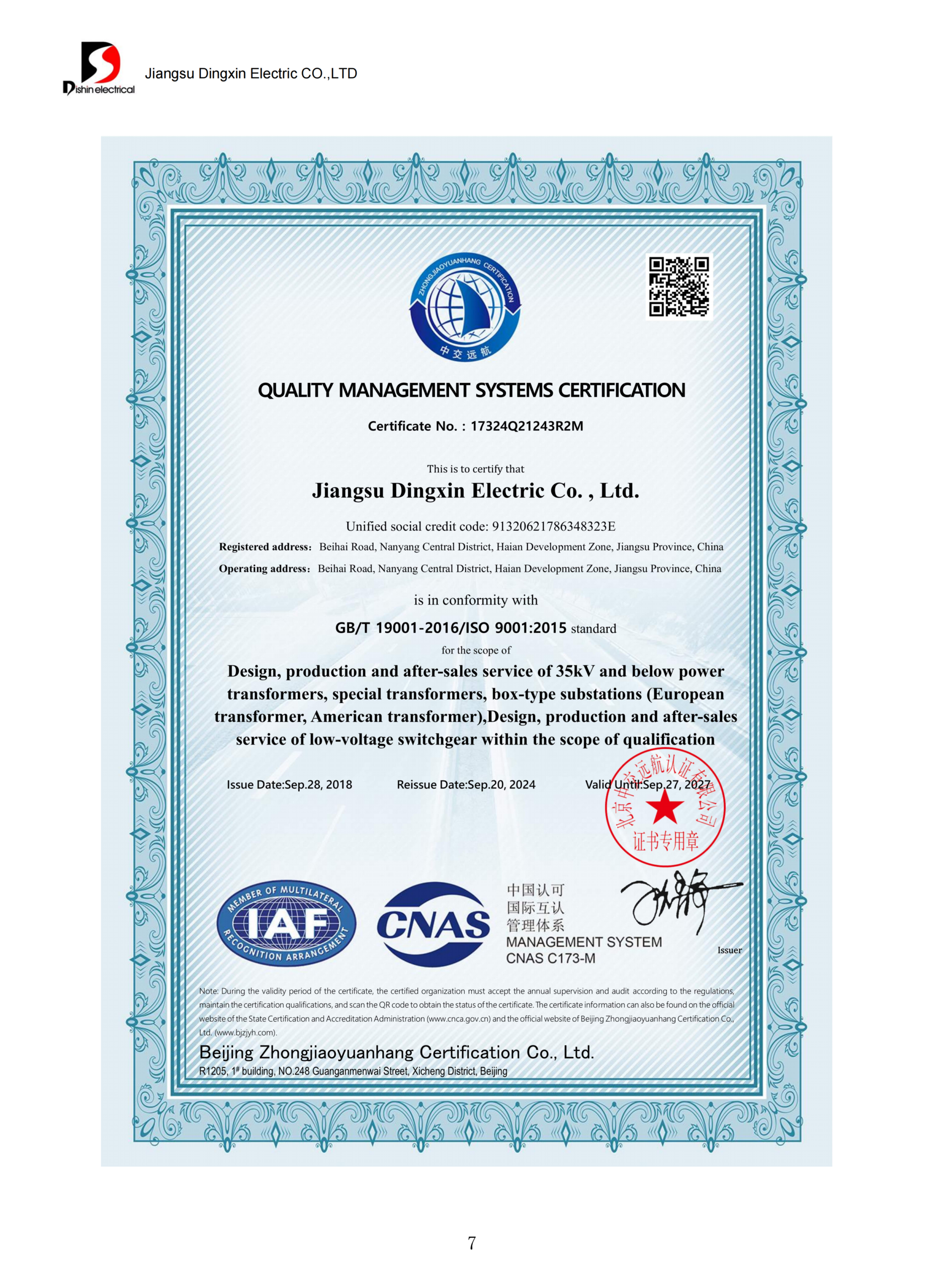

Buyer and seller must allocate responsibility in writing
Scope
Active standard edition
Record edition and clause.
Model
Configuration-linked evidence
Link rating, voltage, and revision.
Entity
Consistent company identity
Match every issuing party.
Release
Written acceptance basis
Separate review, acceptance, and dispatch.
The available materials use Talite, TOPLIT, and company names that aren't yet reconciled. Confirm the legal contracting entity, factory identity, certificate holder, and product-document issuer before supplier approval.
Review an existing nameplate or utility specification
A short evidence review can expose missing fields before a full RFQ is issued.
Send a Nameplate or Utility Specification for Fit Review
System / Procurement Tools
Engineering & Procurement Tools
Frequently Asked Procurement Questions
Start with required kVA, primary and secondary voltage, frequency, insulation level, environment, protection, and mounting interface. Add quantity, destination, standards, document requirements, requested date, and trade term so the technical and commercial scope can be reviewed together.[2]
Those values set the electrical starting point, but connection, duty, temperature basis, impedance, insulation, and applicable rules can change the design response. Talite therefore checks the complete input set instead of matching only the nearest kVA label.
They use different protection arrangements. Submit the utility requirement, then ask Talite to mark each included and external device.
Recheck the route for a three-phase service or underground primary supply. Local utility and engineering approval still control.
Ask for the configuration data sheet, outline and connection drawings, nameplate schedule, deviation list, agreed test plan, inspection points, and reports that apply to the order. For release and dispatch, define the final document index, packing list, shipping marks, destination paperwork, and any certificate that must identify the correct contracting or manufacturing entity. Talite must confirm which items are included, when they become valid, and who accepts them.
Capacity, voltage, losses, materials, protection, interfaces, tests, documents, quantity, trade term, destination, and schedule all change the scope. Public numbers can also mix new, used, surplus, equipment only, and installed-project prices.
Don't assume it does. Define equipment, pole, conductor, civil work, installation, and approval responsibilities in the RFQ.
Start while the electrical, site, protection, and document inputs can still be coordinated across engineering, procurement, the utility, and the importer. Ask for a schedule tied to named milestones such as data closure, drawing approval, production release, inspection, final-document acceptance, and dispatch. Market conditions vary by equipment class, so only the written project schedule should control the purchase.