Get in touch with Talite Transformer Co., Ltd Company

Power Transformer Manufacturer
Power Transformer Manufacturer and Supplier, Talite Transformer Co., Ltd
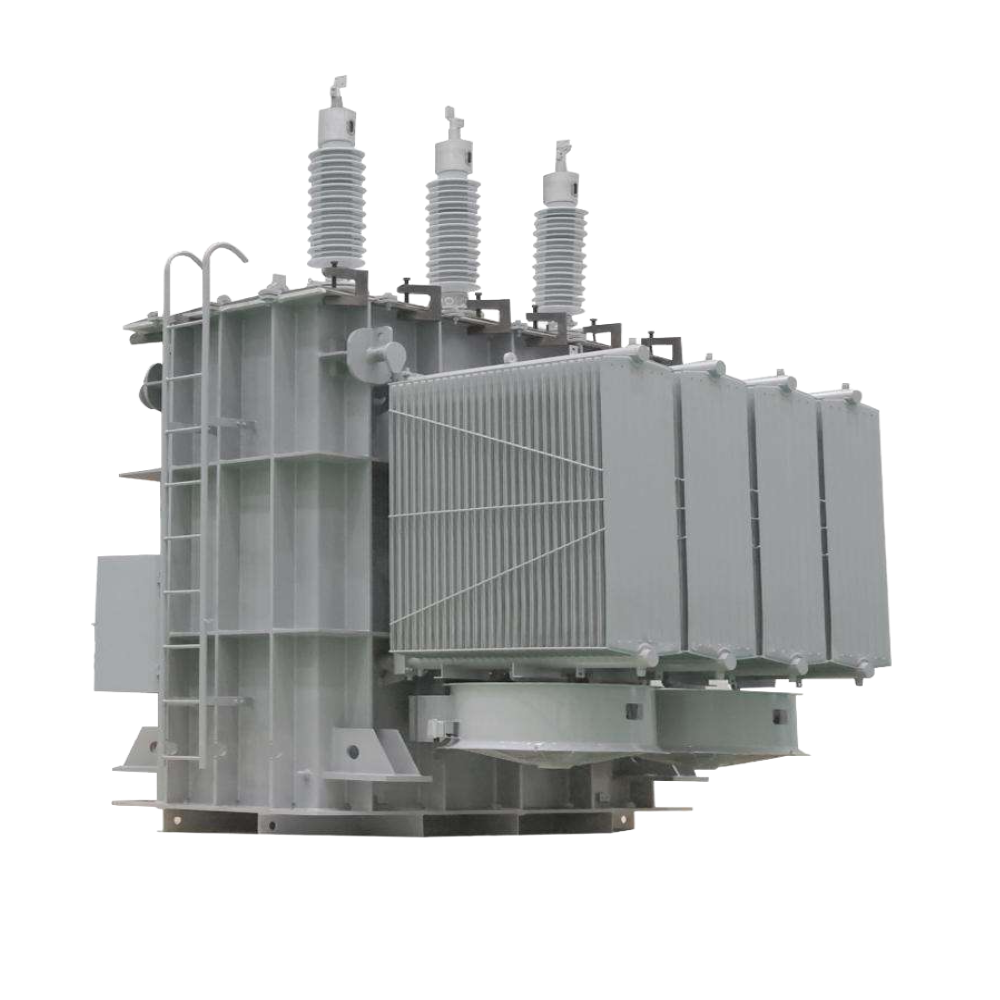
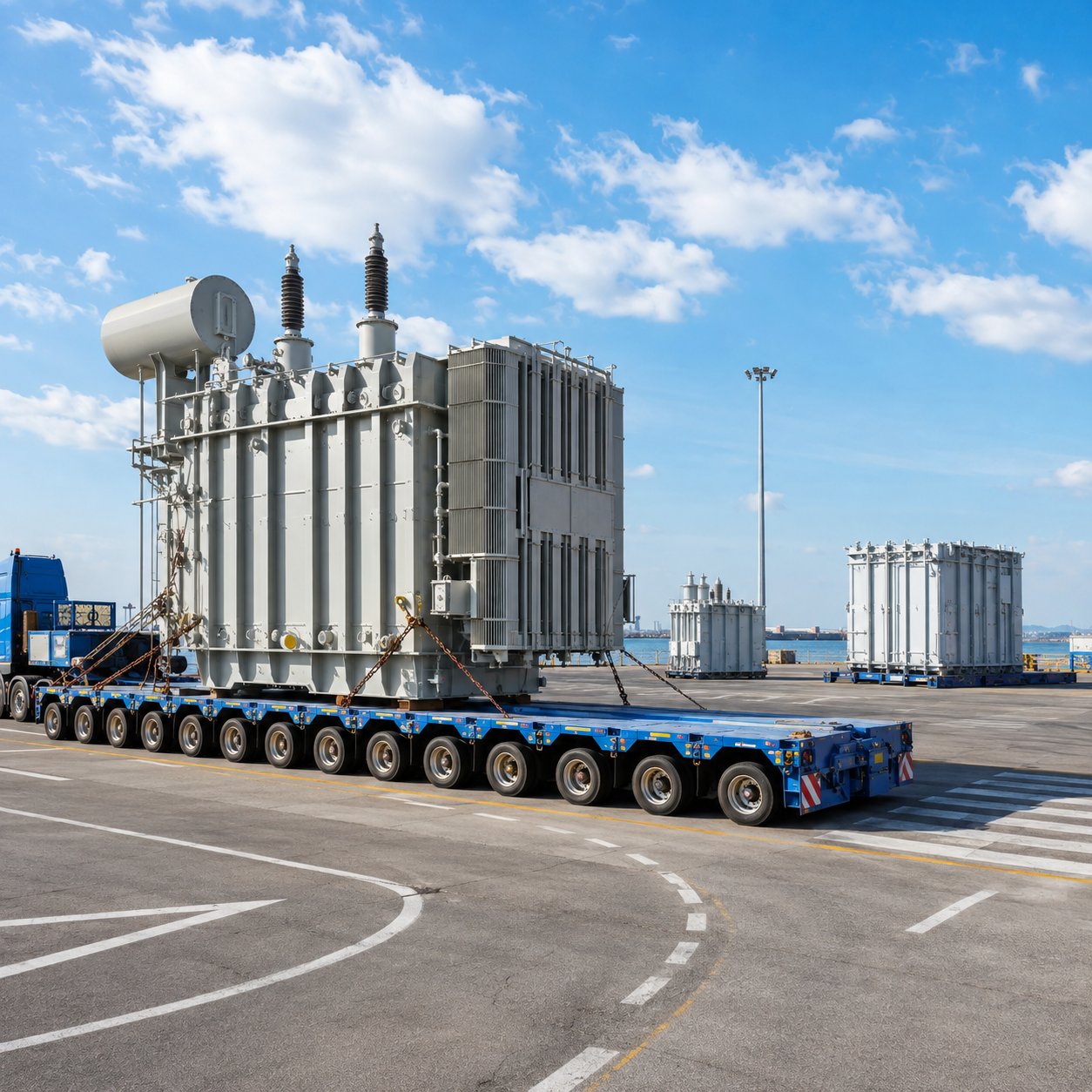
A power transformer is the substation-level unit that steps voltage between power transmission and power distribution networks, rated in MVA and specified by its guaranteed losses. A power transformer manufacturer is the builder that designs, tests and guarantees those units against a named standard, and publishes the particulars that let two offers be compared on the same basis. Every power transformer manufacturer competing for this search states a capability range, almost none states it the same way twice, and none publishes the loss values a buyer needs to compare two quotes. Talite publishes both, per rating, on this page.
35–220 kV
voltage classes built
0.8–63 MVA
parameter-backed capacity
30+
countries delivered
22 series
600+ specifications
Why Two Power Transformer Quotes Are Rarely Comparable
Two quotes for the same substation duty are rarely comparable because three things are usually missing: a capability envelope tied to a construction route, guaranteed loss values with their stated test conditions, and per-rating shipping mass and dimensions. Without those, the evaluated-cost arithmetic that decides most awards cannot be performed, so the comparison collapses back onto purchase price.
The comparison problem nobody addresses
Two offers for the same substation duty can differ by six figures in evaluated cost while looking identical on a datasheet. That gap is usually not the price line. It comes down to three variables most manufacturer pages leave undefined.
01. Capability envelopes go undefined
A stated ceiling with no construction route, no cooling stage and no standard basis can’t be checked against your duty.
02. Guaranteed values lack stated condition
And a loss figure carrying no tap position, temperature basis or tolerance is a marketing number rather than a guarantee.
03. Transport data uses category averages
Yet shipping mass and dimensions vary by rating; a class-level figure isn’t a route study.
DATA VISUALIZATION
STATUS: ONLINE
What we found across the four highest-ranking manufacturer pages
01
One page states three different capacity-and-voltage ceilings in its body copy, its carousel and its meta description.
02
Another states 400 MVA and 500 MVA class limits in its history section and 1,400 MVA in its product block.
03
A third states a 230 kV ceiling while listing itself alongside builders two orders of magnitude larger.
04
A fourth publishes no kV, MVA or kVA figure anywhere on its home page.
CRITICAL DATA MISSING
None of the four publishes a guaranteed no-load loss, a load loss, an impedance, a shipping mass or a verification route.
What the gap looks like in practice
Scenario Analysis: 20 MVA
Take two offers for the same 20 MVA substation application, both quoted to the same voltage ratio and vector group. One publishes a guaranteed no-load loss of 14.4 kW and a load loss of 79.5 kW, tied to a named tap position and temperature basis. The other publishes neither figure, and its datasheet still reads perfectly well.
An industrial buyer applying a published capitalisation factor can price the first offer’s losses down to the dollar.
Unlike that case, the second offer can’t be evaluated at all, not because the equipment is worse, but because the inputs are absent.
Where an award is scored on evaluated cost, missing loss data is usually the mistake that decides it, not the price line.
Practitioners describe the downstream version of this bluntly. One substation technician summarised a supplier in a public thread:
Transformer fit-and-finish are great but their testing and delivery logistics were terrible. Numerous leaks and other warranty issues
I’m looking for opinions on what tests are most important to actually witness during factory testing of power transformers if there are time constraints
The honest version of the problem
Talite runs ISO 9001 quality and ISO 14001 environmental systems, and that fact by itself still tells you nothing about whether a specific 20 MVA unit will meet your loss guarantee. Certification covers a factory; a guarantee covers a rating. Because those two things get conflated on most manufacturer pages, the structural reason bids stay incomparable survives every round of glossier marketing.
That’s the gap this page closes. What follows is our envelope, our numbers, and a method you can run against any supplier including us.
Specification Data
Declared Build Envelope
Declared Build Envelope
& Guaranteed Particulars
Talite builds oil-immersed and dry-type transformers: oil-filled S11 and SF11 units from the medium voltage 35 kV class up to 220 kV, plus cast resin dry-type construction.
We state the limits as plainly as the capability, because a supplier who won’t name an upper bound hasn’t given you a bound at all.
Declared Build Envelope: 35 to 220 kV, 0.8 to 63 MVA
Below, the envelope is split by what a parameter row supports versus what only a product description supports.
| Envelope parameter | Talite declared range | Outside our envelope | How you verify it |
|---|---|---|---|
| Voltage class | 35 kV, 110 kV, 220 kV | 500 kV and above; HVDC converter duty | Ratio and dielectric test records per the named standard |
| Rated capacity, 35 kV | 800 kVA to 31,500 kVA | Below 800 kVA at this class | Nameplate against the parameter table below |
| Rated capacity, 110/220 kV | 6,300 kVA to 63,000 kVA | Above 63 MVA is confirm-per-project | Guaranteed particulars sheet in the offer |
| Construction route | Oil-immersed (liquid-filled) and resin-cast dry-type | Gas-insulated tank designs | Outline drawing and fluid specification |
| Cooling | ONAN on S11 series; ONAF on SF11 series | Forced-oil directed cooling above our stated range | Temperature-rise test at the declared cooling stage |
| Standard basis | IEC 60076 series; GB/T 6451 oil-immersed; GB/T 10228 dry-type | We do not assert an IEEE or UL listing | Standard number and edition named in the offer |
| Destination certification | Design and production run to ISO 9001 and ISO 14001 | No country-specific certificate number is claimed here | Conformity records requested per destination market |
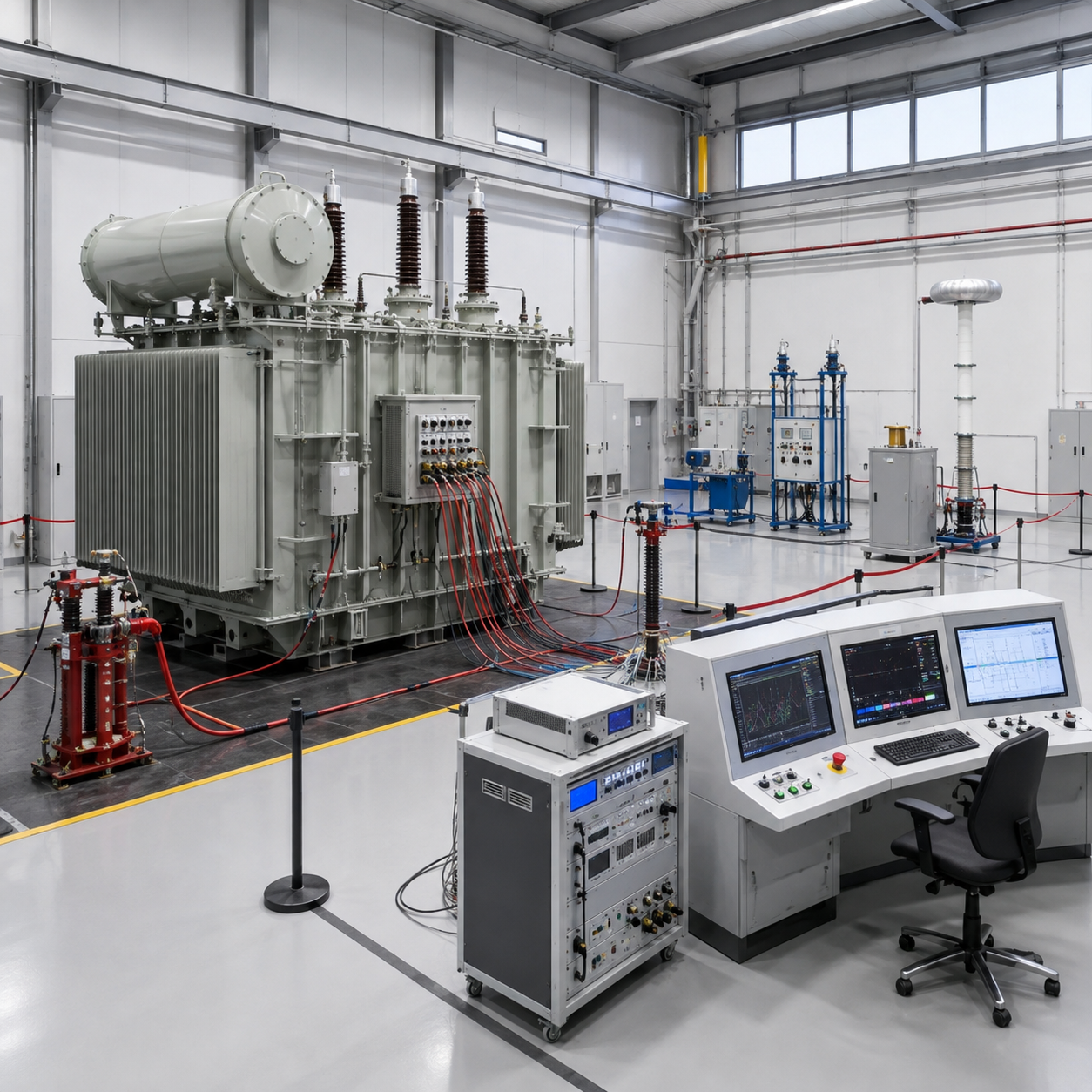
| Test capability | Factory acceptance testing, type testing, third-party inspection | Specific impulse or partial-discharge values are not pre-certified | Witnessed test plan agreed before production |
| Transport and site interface | Shipping dimensions and total mass published per rating below | Route survey and civil works are buyer scope | Transport plan against your route envelope |
Note: Envelope rows are drawn from Talite engineering documentation. Standard numbers are cited as scope references only. Construction route belongs in an envelope rather than a footnote because it’s an engineering choice with its own documented record, see for example US8963677B2 on oil-immersed stereo wound-core amorphous alloy construction.
Guaranteed particulars: 35 kV class
The S11 series is oil-immersed with natural air cooling; the SF11 series adds forced-air cooling above 6,300 kVA. High-voltage side is 35 kV or 38.5 kV with tapping ranges of ±5% or ±2×2.5%, and low-voltage options run 3.15 kV to 11 kV. Vector group is Yd11 on S11 and YNd11 on SF11.
| Model | Rated capacity (kVA) | No-load loss (kW) | Load loss (kW) | No-load current (%) | Short-circuit impedance (%) | Cooling |
|---|---|---|---|---|---|---|
| S11-800/35 | 800 | 0.98 | 9.4 | 0.65 | 6.5 | ONAN |
| S11-1000/35 | 1,000 | 1.15 | 11.5 | 0.65 | 6.5 | ONAN |
| S11-1250/35 | 1,250 | 1.40 | 13.9 | 0.55 | 6.5 | ONAN |
| S11-1600/35 | 1,600 | 1.69 | 16.6 | 0.45 | 6.5 | ONAN |
| S11-2000/35 | 2,000 | 2.17 | 18.3 | 0.45 | 6.5 | ONAN |
| S11-2500/35 | 2,500 | 2.56 | 19.6 | 0.45 | 6.5 | ONAN |
| S11-3150/35 | 3,150 | 3.04 | 23.0 | 0.45 | 7.0 | ONAN |
| S11-4000/35 | 4,000 | 3.61 | 27.3 | 0.45 | 7.0 | ONAN |
| S11-5000/35 | 5,000 | 4.32 | 31.3 | 0.45 | 7.0 | ONAN |
| SF11-6300/35 | 6,300 | 5.24 | 35.0 | 0.45 | 8.0 | ONAF |
| SF11-8000/35 | 8,000 | 7.20 | 38.4 | 0.35 | 8.0 | ONAF |
| SF11-10000/35 | 10,000 | 8.70 | 45.3 | 0.35 | 8.0 | ONAF |
| SF11-12500/35 | 12,500 | 10.0 | 53.8 | 0.30 | 8.0 | ONAF |
| SF11-16000/35 | 16,000 | 12.1 | 65.8 | 0.30 | 8.0 | ONAF |
| SF11-20000/35 | 20,000 | 14.4 | 79.5 | 0.30 | 8.0 | ONAF |
| SF11-25000/35 | 25,000 | 17.0 | 94.0 | 0.25 | 10.0 | ONAF |
| SF11-31500/35 | 31,500 | 20.2 | 112.0 | 0.25 | 10.0 | ONAF |
Values are Talite guaranteed design particulars. Impedance bands apply across the capacity groups shown. Tolerances and test conditions are fixed in the contract, not on a web page.
Guaranteed particulars: 110 kV to 220 kV
This class runs 6,300 kVA to 63,000 kVA at 10.5% short-circuit impedance. Shipping dimensions and total mass are published for every rating, which is the data most often missing when a route can’t take the unit.
| Rated capacity (kVA) | No-load loss (kW) | Load loss (kW) | No-load current (%) | Impedance (%) | Dimensions L×W×H (mm) | Total mass (kg) |
|---|---|---|---|---|---|---|
| 6,300 | 10.0 | 36.9 | 0.60 | 10.5 | 4540×4350×4580 | 21,100 |
| 8,000 | 12.0 | 45.0 | 0.60 | 10.5 | 4860×4400×4630 | 24,600 |
| 10,000 | 14.2 | 53.1 | 0.50 | 10.5 | 4900×4450×4830 | 27,900 |
| 12,500 | 16.8 | 63.0 | 0.50 | 10.5 | 5010×4500×4960 | 31,600 |
| 16,000 | 20.0 | 77.0 | 0.45 | 10.5 | 5620×4520×5080 | 35,600 |
| 20,000 | 24.0 | 91.7 | 0.40 | 10.5 | 5730×4550×5200 | 39,800 |
| 25,000 | 28.4 | 110.7 | 0.40 | 10.5 | 5820×4590×5290 | 45,200 |
| 31,500 | 33.5 | 133.2 | 0.35 | 10.5 | 5930×4820×5400 | 49,600 |
| 40,000 | 40.4 | 156.6 | 0.30 | 10.5 | 6100×4930×5500 | 57,100 |
| 50,000 | 47.0 | 194.4 | 0.25 | 10.5 | 6450×5050×5590 | 64,700 |
| 63,000 | 56.8 | 234.0 | 0.25 | 10.5 | 6970×5190×5690 | 71,800 |
Why shipping mass belongs next to the electrical data
Field data from commissioning teams reveals a consistent pattern: a large share of early transformer trouble traces to shipping damage, storage conditions and installation shortcuts. A published mass and envelope per rating is therefore a failure-prevention input, not a logistics courtesy.
Procurement signs a contract for a transformer that physically can’t be delivered to the final job site more often than the industry likes to admit, and route constraints are the usual cause.
Where each series belongs: peak efficiency
Peak efficiency occurs at the loading where no-load losses equal the adjusted load losses, which is the square root of no-load loss divided by rated load loss. Applying that published formula to the values above shows the three series are designed for different duty profiles.
| Series | Capacity band | Peak efficiency at | Duty it suits |
|---|---|---|---|
| 35 kV S11 (ONAN) | 800–5,000 kVA | 32–37% load | Continuously energised, lightly loaded feeders |
| 35 kV SF11 (ONAF) | 6,300–31,500 kVA | 39–44% load | Industrial distribution centres with moderate average load |
| 110–220 kV | 6,300–63,000 kVA | 49–52% load | Substation hub duty near 50% average loading |
Computed from the guaranteed values published above using the peak-efficiency formula. Worked example: SF11-20000/35 at 14.4 kW no-load and 79.5 kW load peaks at 43% loading, giving 99.53% efficiency at rated load and 99.66% at half load.
Confirm-per-project ratings: stated separately on purpose
100 MVA, 220 kV
Our product literature describes differential, overcurrent, over-temperature, oil-level and pressure-relief protection, but no parameter row backs that rating on this page.
5 MVA, 110 kV
Our unit is described with a grain-oriented silicon steel core, all-copper windings and a high-performance insulation system, and it sits below the 6.3 MVA floor of the published table for this class.
Resin-cast 3,150 kVA (35kV)
Dry-type runs air natural or forced air cooling to GB/T 10228 and IEC 60076-11, while our published dry-type parameter tables cover the 10 kV class.
Custom Configurations
Non-standard ratios, multi-winding outputs, enclosure material and terminal type are specific requirements engineered per project rather than selected from a list.
Four Supplier Tiers Among Global Transformer Manufacturers, and Where Talite Sits
Imports are the norm in this market, not the exception
Contrary to the assumption behind most buy-domestic shortlists, Wood Mackenzie estimated that imports would account for roughly 80% of United States power transformer supply and 50% of distribution transformer supply in 2025. A 2020 United States Commerce Department study had already put import reliance for large transformers at 82%. At that market size the question isn’t whether you buy imported equipment, but which imported supplier can document what it claims.
The alternative to a revenue ranking
We call it a Four-Tier Supplier Class Map. It sorts power transformer manufacturers by what they can build rather than by what they earn, and high voltage transformer manufacturers appear across the first three tiers, which is precisely why revenue rank misleads. Talite appears in it at the tier we actually occupy.
Tier choice is a reliability decision before it’s a commercial one: the United States Department of Energy’s Office of Electricity reports that over 90% of electricity consumed in the country passes through a large power transformer, which makes this equipment class part of the load-bearing electrical infrastructure rather than a component choice.
Roundups of the top 10 transformer manufacturers in the world rank companies by revenue, which tells a buyer very little about fit. Lists of the largest transformer manufacturers answer a different question than yours.
❮
❯
| Decision dimension | Domestic builder route | Overseas builder route (Talite) | Who owns it in the contract |
|---|---|---|---|
| Certification path | Local listing usually already held | Conformity assembled per destination market | Supplier assembles, buyer names the market |
| Documentation burden | Domestic paperwork set | Adds origin certificate and clearance documents | Supplier issues, buyer’s broker clears |
| Transport and routing | Inland haul, fewer transfers | Sea freight plus inland haul; mass and envelope published above, with documented body-hoisting structures for lifting | Shared, against the buyer’s route survey |
| Freight and duty | No import duty; domestic freight | Duty and tariff exposure priced at quotation | Buyer, unless bought delivered duty paid |
| Warranty service reach | Local field crews | Engineer dispatch plus partner service network | Defined in the service matrix, not assumed |
| Schedule risk owner | Queue position in a constrained domestic market | Production slot plus shipping window | Named in the milestone baseline |
| Evaluated cost basis | Price plus capitalised losses | Price plus capitalised losses plus landed cost | Buyer’s loss factors decide the winner |
Three questions to settle before you compare any two routes
01
Dry-type or liquid-filled transformers?
The construction route changes fire strategy, footprint and test scope.
02
What kV and MVA, at what frequency and vector group?
A voltage label alone isn’t a specification.
03
Utility substation, industrial or renewable energy systems duty?
Loading profile decides which loss category dominates your evaluated cost.
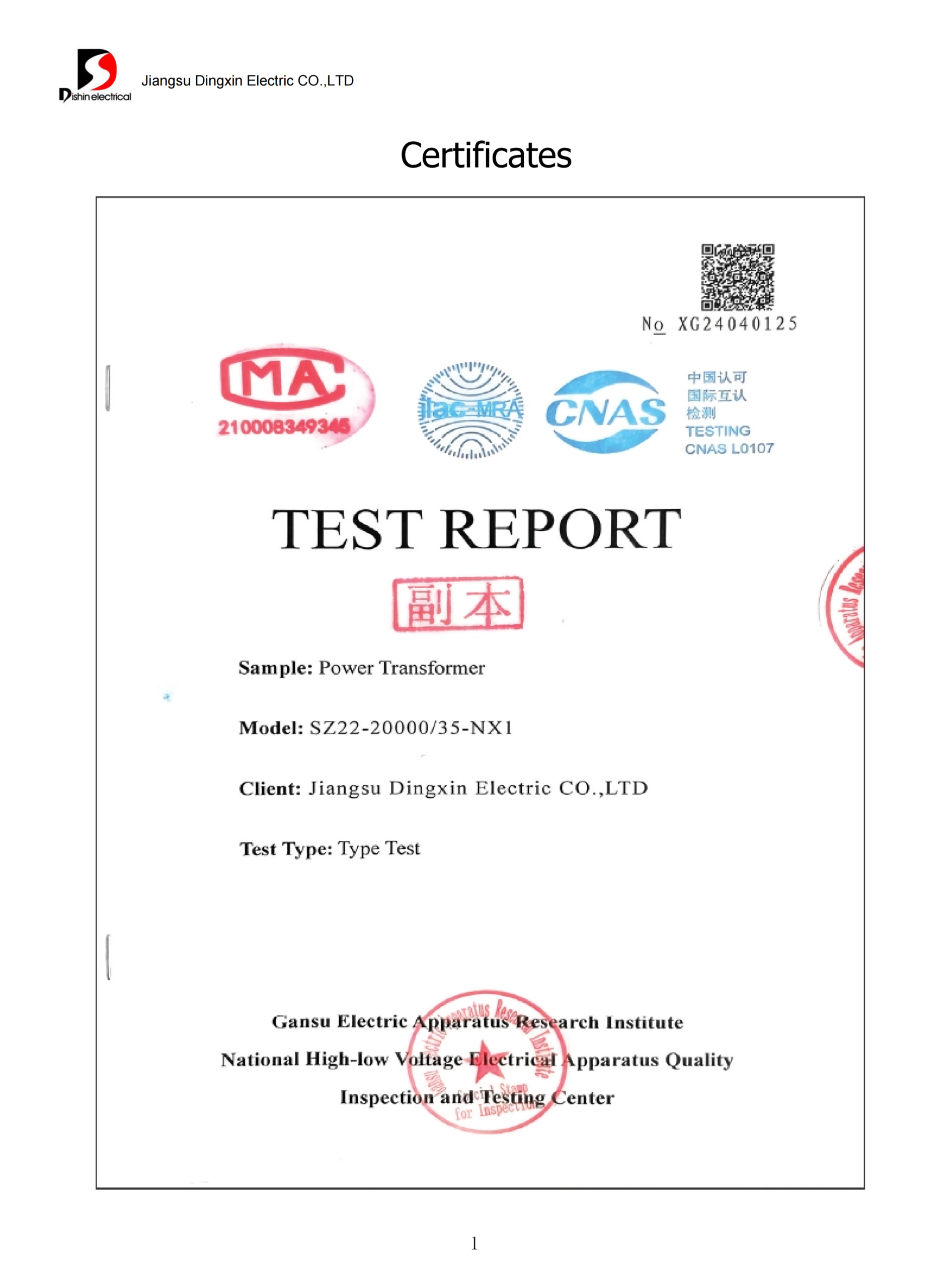
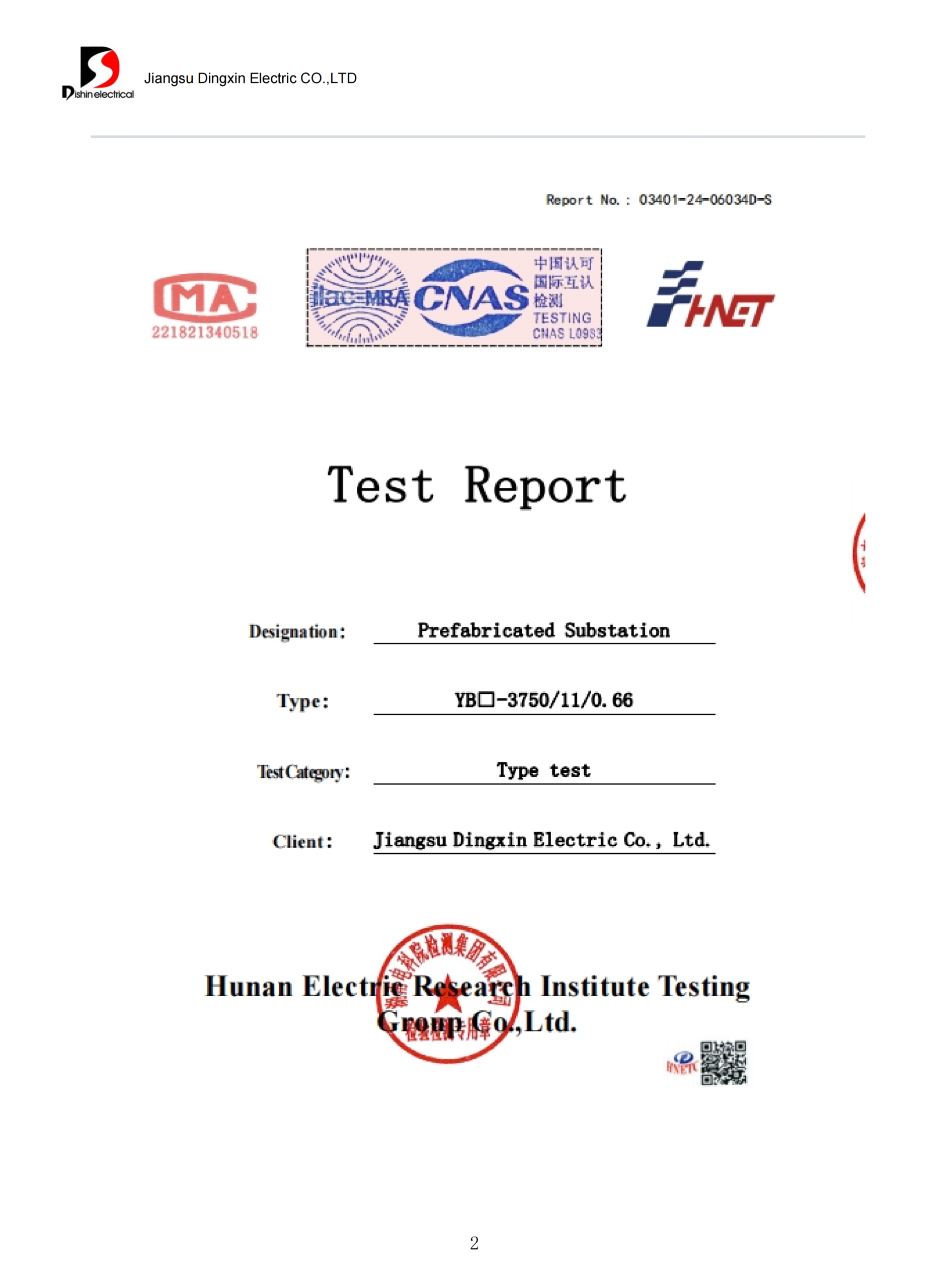
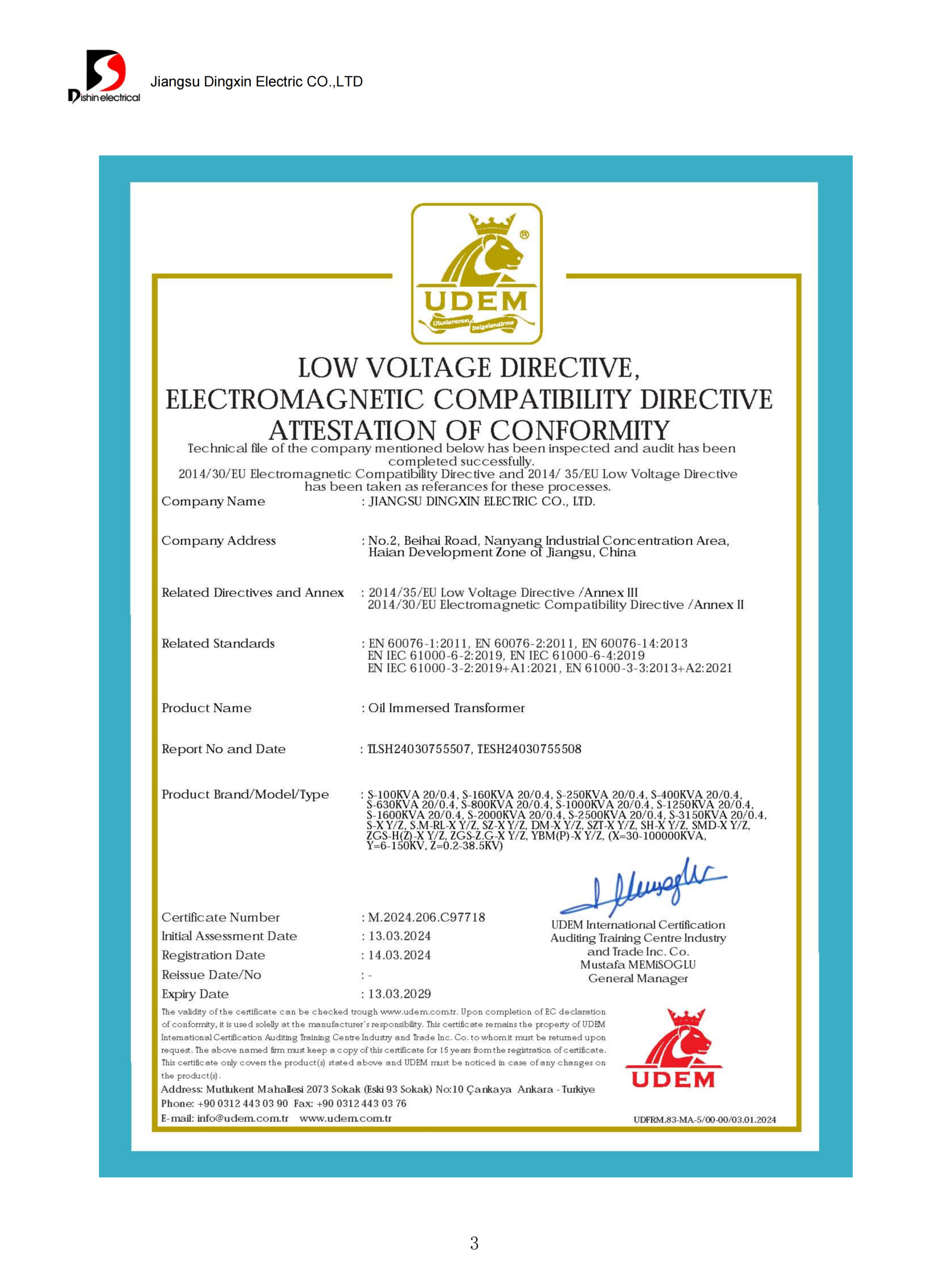
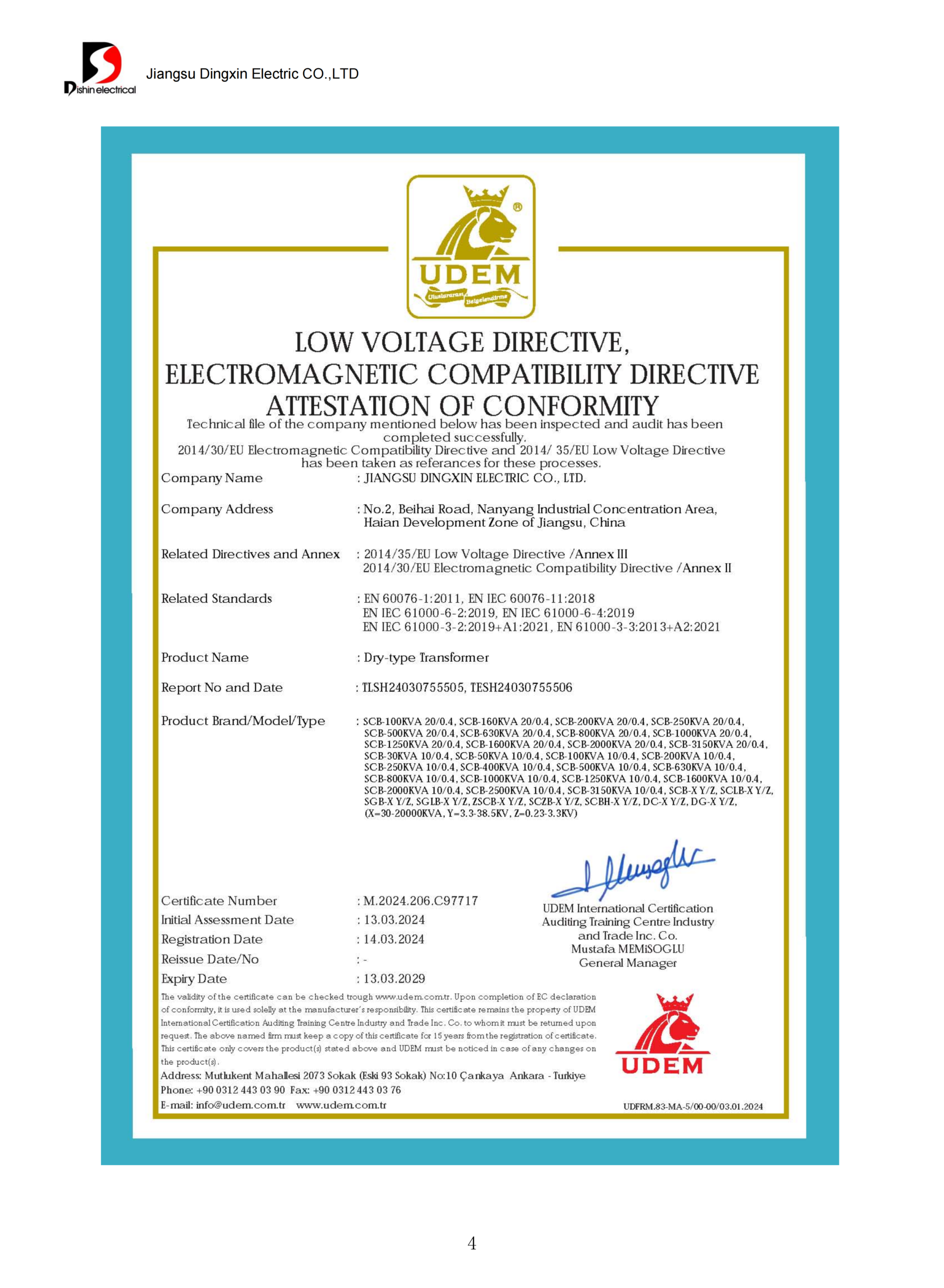
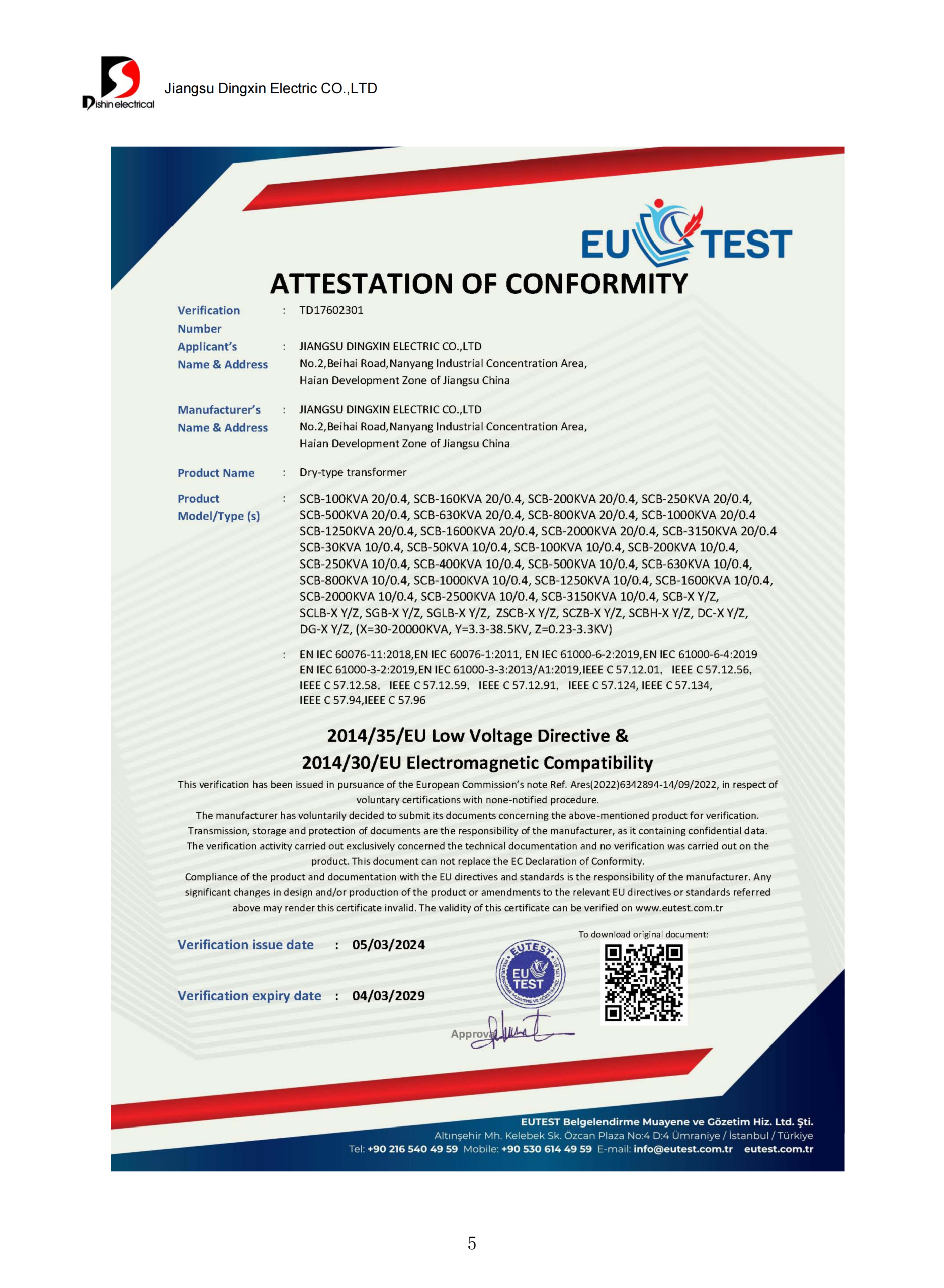
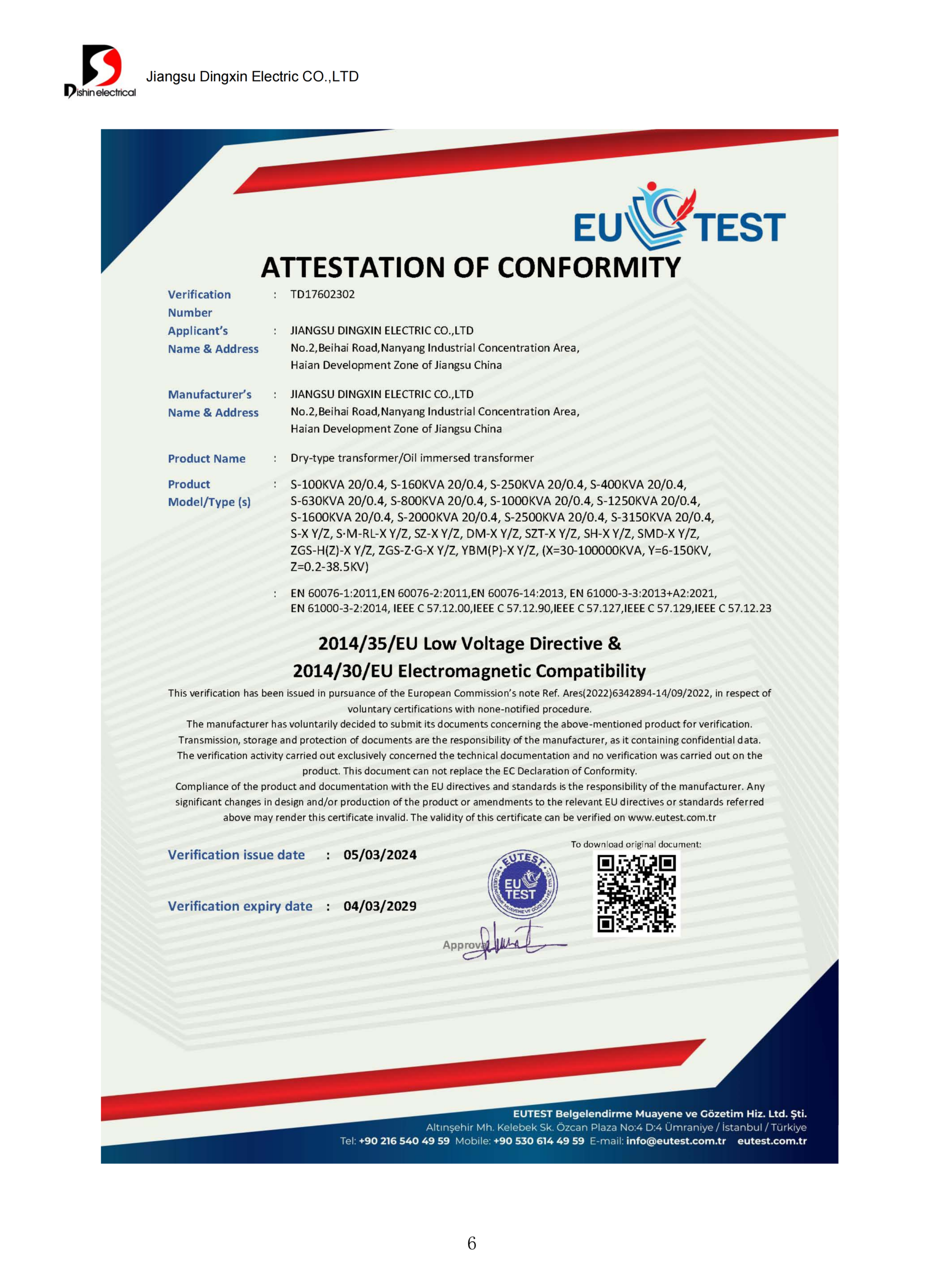
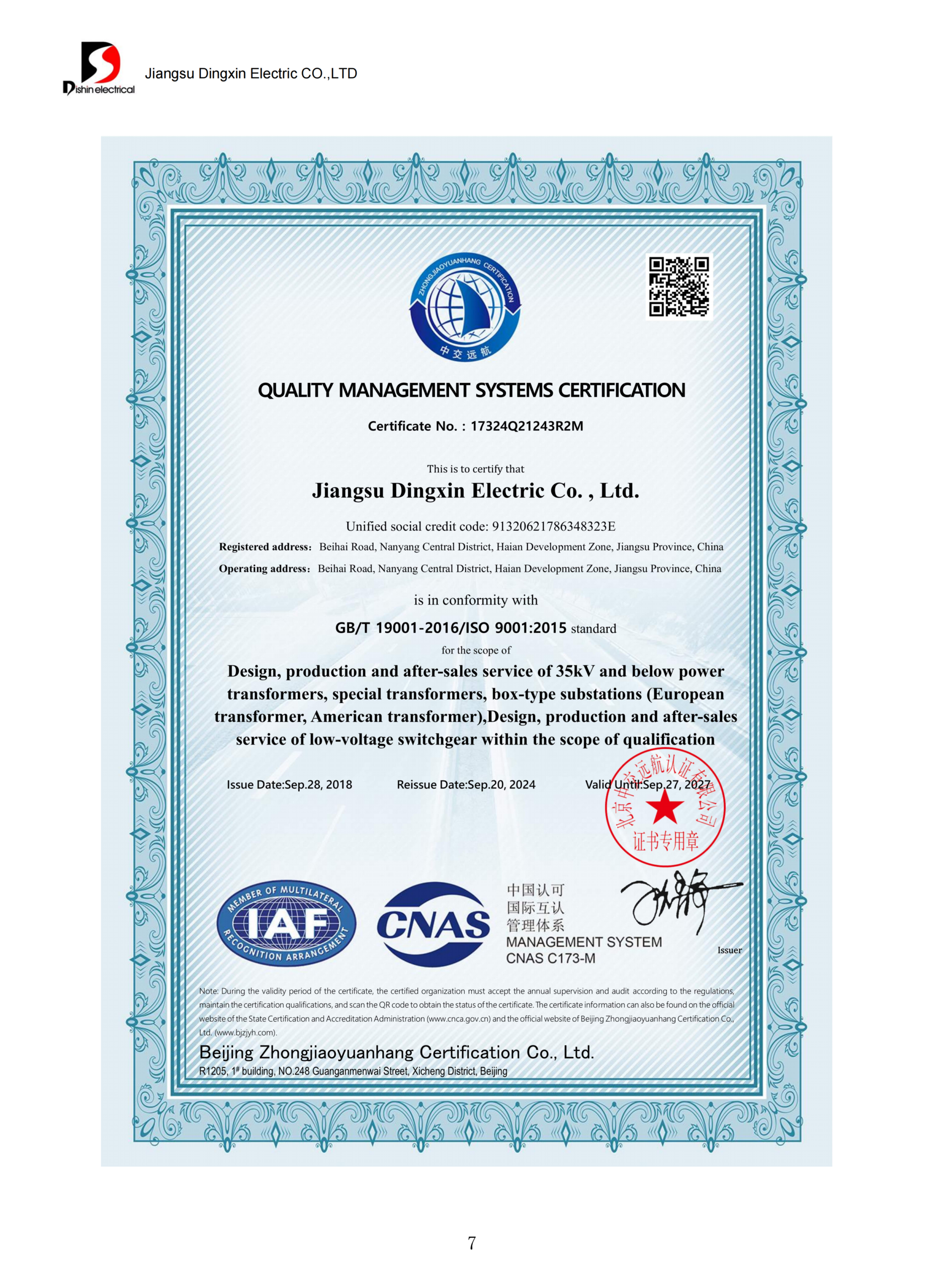
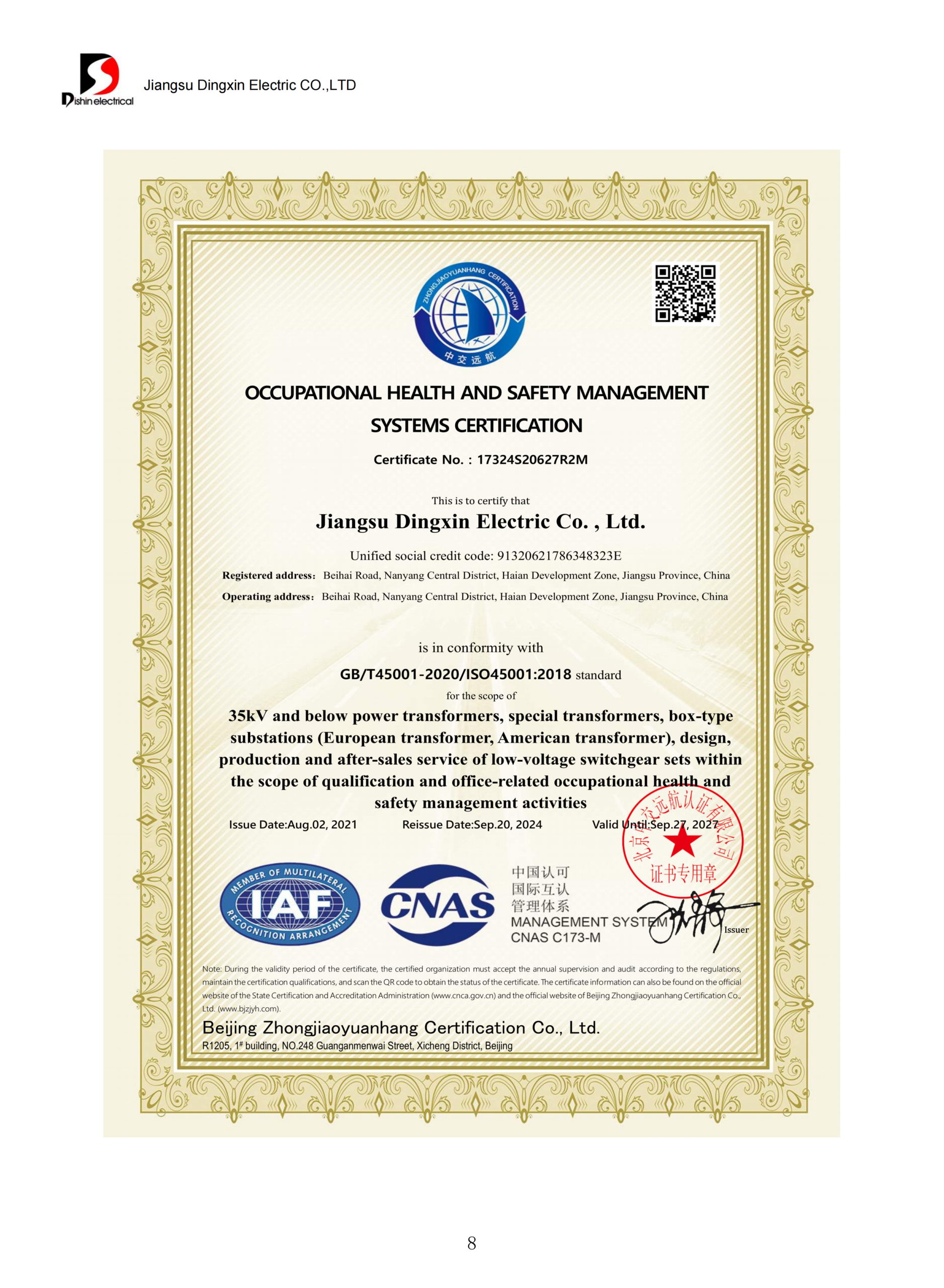
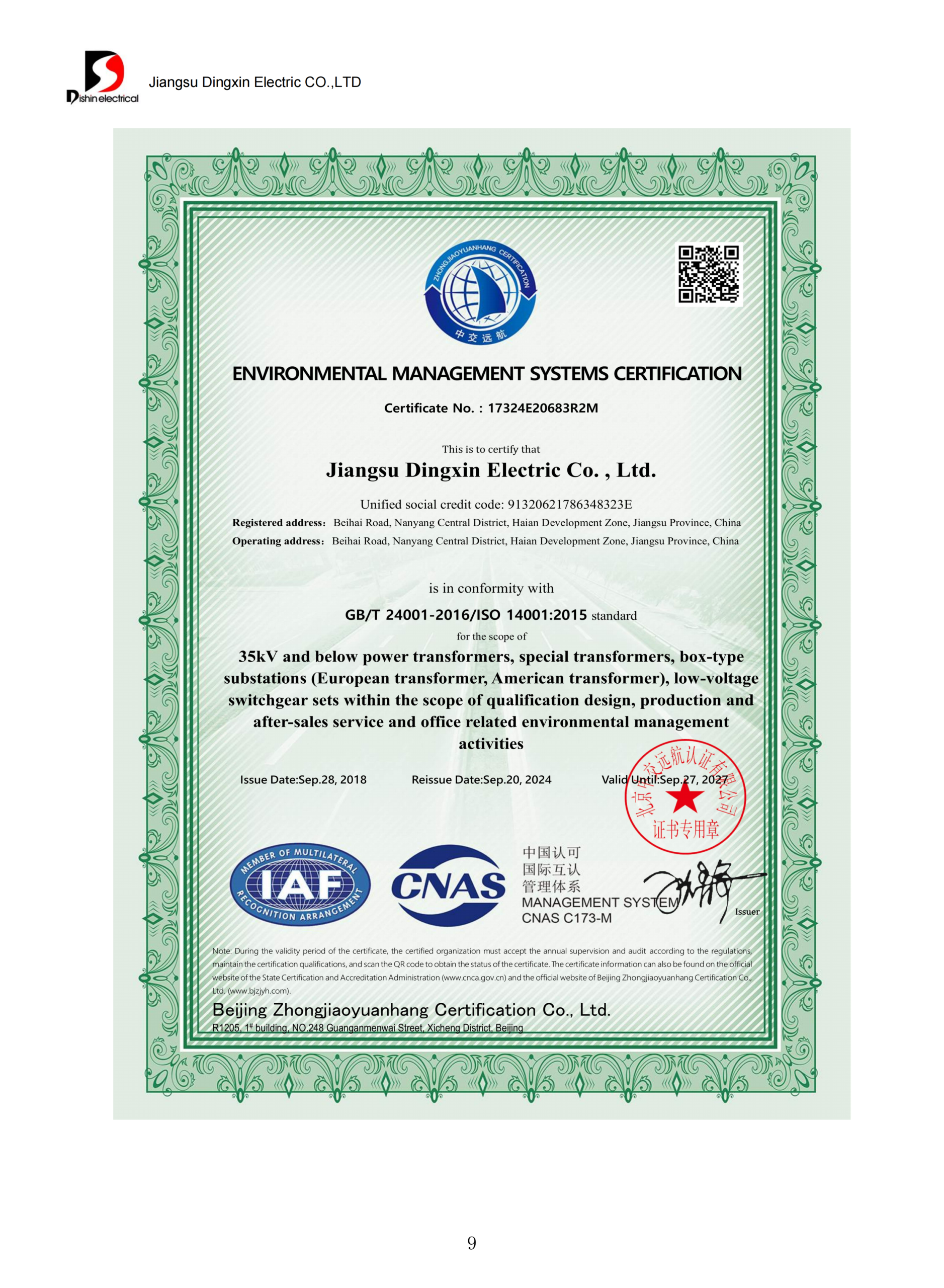
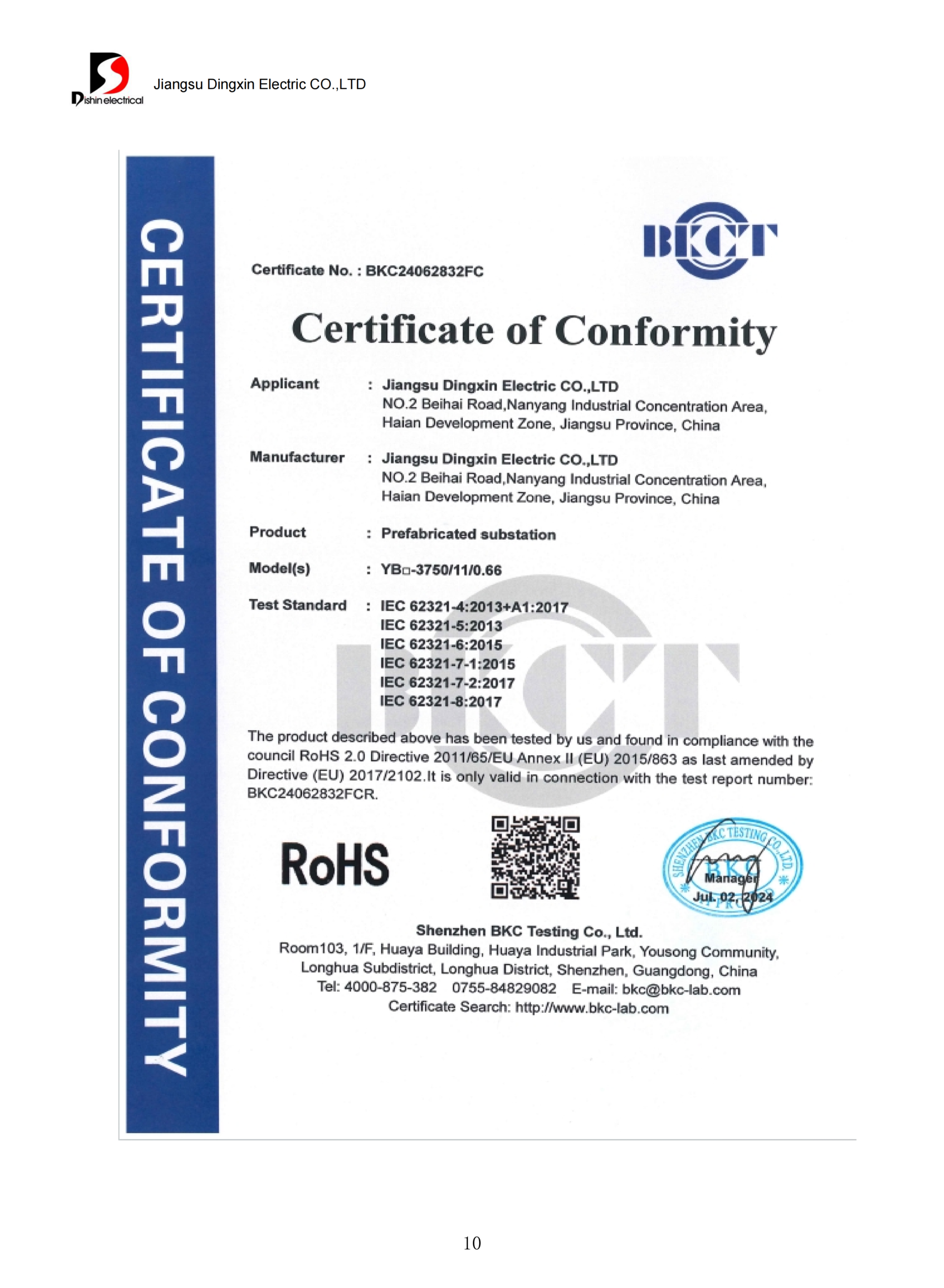
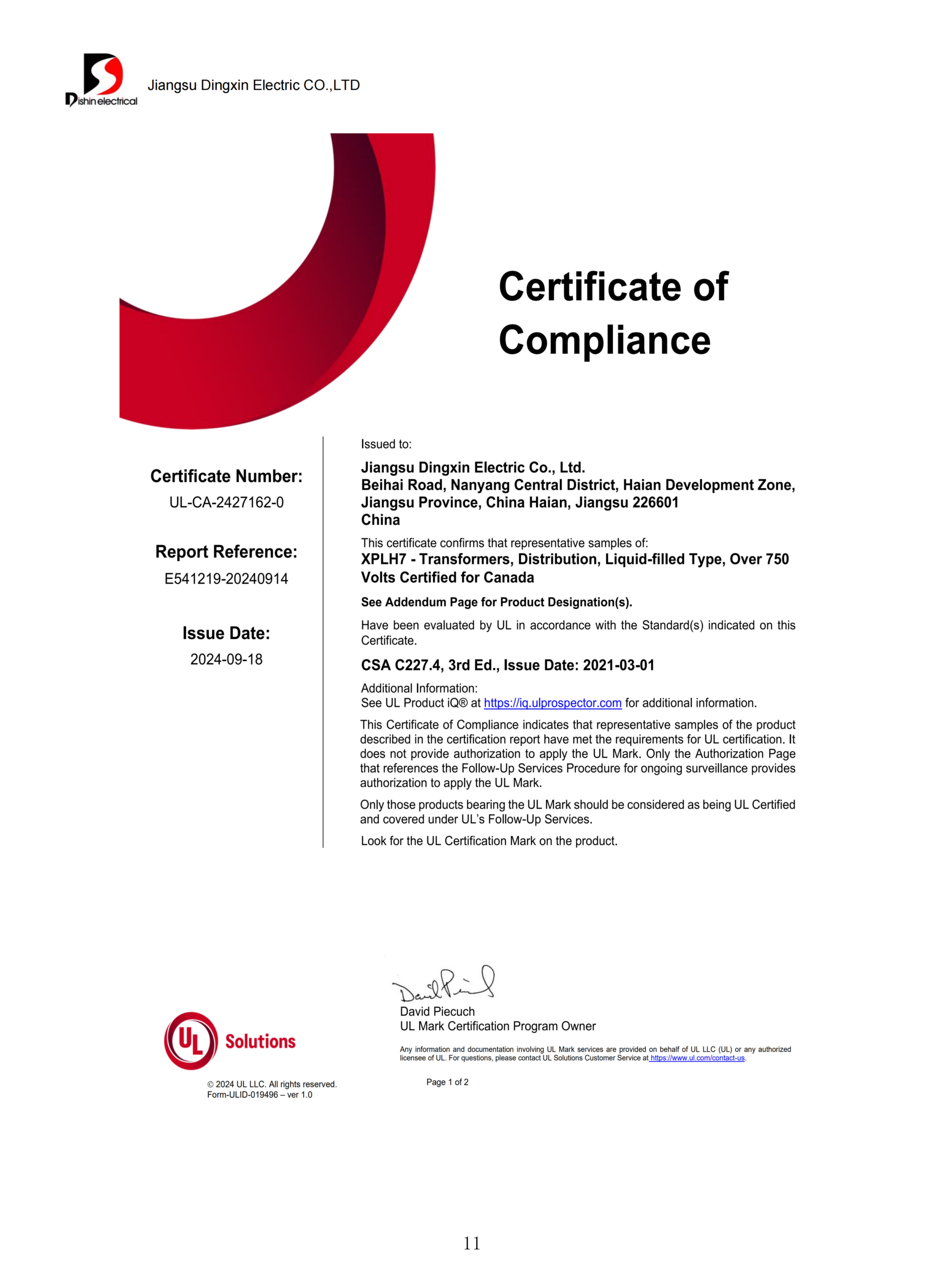
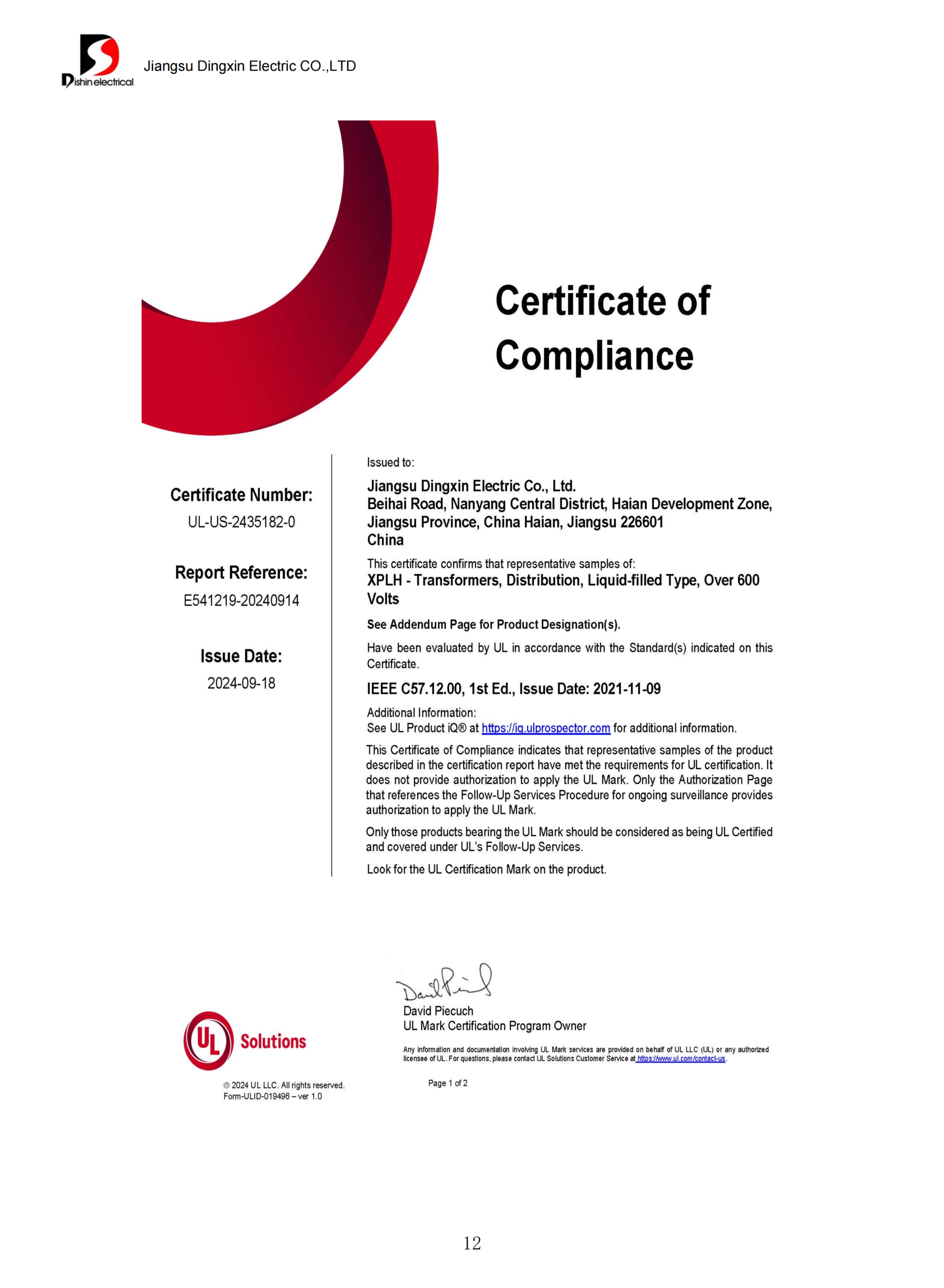
Certification Path for High Voltage Transformer Exports by Destination Market
International buyers rank certification first among the customer requirements they check before an order. Which set applies depends on the country of installation rather than the voltage class, so the grouping below runs by destination.
Groups one to three below are the conformity sets a buyer needs assembled for that destination market, not certificates asserted on this page. Group four is Talite’s own declared management-system base; certificate scope, issuing body and dates are supplied on request.
SYNCING RING DATA…
STATUS: AUTO-ROTATION
EUROPE & NORTH AMERICA
UL, cULus, CE under the low-voltage and electromagnetic compatibility directives, RoHS, REACH. European Union customers require a CE declaration of conformity document for clearance.
SOUTHEAST ASIA · MIDDLE EAST · AFRICA
CB certification, IEC standards, SASO for Saudi Arabia, SONCAP for Nigeria, and a certificate of conformity for customs clearance.
AUSTRALIA · NEW ZEALAND · CANADA
SAA and RCM for Australia and New Zealand; CSA for Canada.
- Name the issuing body and the certificate scope, because a system certificate covers a factory rather than a specific rating.
- State the standard number and edition, IEC 60076 is a series, and the applicable part differs for temperature rise, dielectric tests and dry-type units.
- Say which party issues which document: a manufacturer issues test reports and declarations, an accredited body issues certificates, and a buyer’s broker clears them.
- Identify the efficiency regime that applies at destination, since European Union rules use rated-power or highest-voltage thresholds within their own scope and aren’t a global rule. The United States regime sits in 10 CFR Part 431, which measures efficiency at 50% of rated load and 35% for low-voltage dry-type units.
- IEC 60076 series, general requirements, temperature rise, insulation levels and dielectric tests, short-circuit withstand, loading guidance, and part 11 for dry-type units.
- GB/T 6451, technical parameters and requirements for three-phase oil-immersed power transformers.
- GB/T 10228, technical parameters and requirements for dry-type power transformers.
- Buyers working to the other convention have a reference point too: the corresponding IEEE general-requirements standard for liquid-immersed distribution, power and regulating transformers applies to units with 601 V or higher in the highest-voltage winding, at 65 °C average winding rise and 80 °C hottest-spot rise.
- We don’t print a country-specific certificate number on this page. Certificates are issued against a scope and a date, and a number without its scope is the kind of claim this page argues against.
Procurement Guide: Price Structure, Lead-Time Drivers and Technical Support Scope
The lead-time assumption worth checking before you narrow suppliers
We don’t print a price or a delivery week on this page. What we can print is the structure that decides both, so your enquiry arrives with the variables already resolved.
Counter-intuitively, buying close to home is no guarantee of a shorter lead time. Wood Mackenzie’s second-quarter 2025 survey put average United States power transformer lead times at 128 weeks, with generator step-up units at 144 weeks and some orders extending to four years. One large domestic manufacturer was reported at about 38 months against a historical 38 weeks, and one utility reported lead times jump from 16 weeks to 142 weeks on a single product line.
At this pace of electrification, schedule is a capacity question across the whole market rather than a question about any one country of origin.
What a transformer quotation is actually made of
Loss capitalisation: the step that decides most bid comparisons
Total owning cost adds the present value of lifetime losses to the purchase price, which is how energy efficiency becomes money across a transformer’s service lifespan. The published method, used by utilities and set out in guidance from United4Efficiency and the United States Department of Agriculture’s Rural Utilities Service Bulletin 1724E-301, expresses it as purchase price plus an A factor times no-load loss watts plus a B factor times load loss watts. Published typical values put A at roughly $4 to $10 per watt and B at roughly $1 to $4 per watt, and one worked example gives A near $6.87 per watt at 8,760 hours a year, $0.08 per kWh, an 8% discount rate and a 20-year evaluation.
That figure is added to the purchase price to get evaluated cost, the lifecycle number that decides most awards. Without a guaranteed loss value, the calculation can’t be performed at all, which is the reason this page publishes the table instead of describing it.
Method and factor ranges: United4Efficiency total cost of ownership guidance and USDA Rural Utilities Service Bulletin 1724E-301, attributed to IEEE C57.120. Loss values: Talite guaranteed particulars. Substitute your own approved A and B factors, the result changes, the method doesn’t.
Power Transformer Evaluation Tools Built From the Published Table
A supplier page that publishes numbers should let you compute with them. Each transformer selection tool below runs on the same guaranteed particulars printed higher up on this page, no lead capture in front of the result, and no Talite figure you can’t trace back to a table row.
Power Transformer Evaluation Systems
Declared Envelope Fit Check
Enter the rating you need. This check answers one question honestly: is it inside Talite’s parameter-backed build envelope, is it a confirm-per-project rating, or is it outside what we build? Where a match exists you get the guaranteed particulars for that unit.
Run Check
Guaranteed-Loss Evaluated Cost Builder
Pick a Talite rating and the guaranteed no-load and load losses fill in automatically from the published table. Add your own capitalisation factors and purchase price, and the tool returns the evaluated cost your bid committee will actually compare. Nothing here is a Talite price claim — the factors are yours.
Build Cost
Destination Certification & Document Path Selector
Certification requirements follow the country of installation, not the voltage class. Pick your destination and construction route to see which conformity set applies, which documents travel with the unit, and — the part most lists omit — which party issues each one.
Select Path
Transport Envelope & Route Checker
Pick a 110–220 kV rating and the published shipping dimensions and total mass fill in automatically. Enter the tightest limit on your route and the checker tells you which constraint binds first. Most transformer pages publish no transport data at all, which is why route problems surface after the contract is signed instead of before.
Analyze Route
Power Transformer Manufacturer FAQ
Who manufactures power transformers?
Four groups build them, and they suit different projects: global ultra-high-voltage original equipment manufacturers, Chinese ultra-high-voltage majors, regional domestic builders, and export-focused specialist builders such as Talite. Which group fits depends on voltage class, capacity and schedule rather than on revenue rank.
Global ultra-high-voltage original equipment manufacturers such as Hitachi Energy, Siemens Energy, GE Vernova, Mitsubishi Electric and HD Hyundai Electric reach 800 kV and above and carry HVDC converter duty.
Chinese ultra-high-voltage majors such as TBEA, China XD Group and Jiangsu HuaPeng build up to the 1,000 kV class and the largest single capacities made in China.
Regional domestic builders including Virginia Transformer, Pennsylvania Transformer Technology, Maddox and ELSCO serve projects with domestic-content rules or short inland haul.
Export-focused specialist builders such as Talite cover 35 kV to 220 kV at 0.8 to 63 MVA with published parameters.
Match the tier to your voltage class, capacity and schedule rather than to revenue rank, because a Tier 1 nameplate on a 20 MVA substation order usually buys queue position rather than capability.
What voltage and power ratings are available?
Talite publishes parameter-backed ratings of 800 kVA to 31,500 kVA at 35 kV and 6,300 kVA to 63,000 kVA at 110 kV and 220 kV, with guaranteed losses, impedance, dimensions and mass in the tables above. Vector group is Yd11 on S11 and YNd11 on SF11, tapping is ±5% or ±2×2.5%, and low-voltage options run 3.15 kV to 11 kV. Two ratings stay confirm-per-project: 100 MVA at 220 kV and 5 MVA at 110 kV.
Where are large power transformers manufactured?
Across every major industrial region, though the United States imports most of what it installs, an estimated 80% of supply in 2025 according to Wood Mackenzie. Over 90% of national electricity passes through a large power transformer, according to the Department of Energy’s Office of Electricity.
Does the US make transformers?
Yes, Virginia Transformer, Pennsylvania Transformer Technology, Hammond Power Solutions, Maddox and others build domestically, and a domestic builder is the right answer when domestic content is a contract requirement. Capacity is why import routes stay in the mix. Both routes deserve a fair evaluated-cost comparison.
Which factory tests should a buyer request?
Start from the governing standard and the owner’s clauses, then agree routine, type and special tests together with test conditions, witness points, acceptance criteria and report format. Practising engineers ask a sharper version of this on professional forums: which tests are worth witnessing in person when time is short. The answer is the ones tied to a release decision. Witnessing tests that no release depends on spends budget needlessly. A generic test list isn’t a project test plan.
How do I choose a power transformer manufacturer?
Screen public claims first, then screen the offer. Ask for a guaranteed particulars sheet, a certificate with its scope and issuing body, a material schedule tied to the offer, an inspection and test plan with witness points, a dated milestone baseline, and shipping mass and dimensions for your exact rating, plus a named engineering contact and a written deviation list raised against your own specification. A supplier who can’t produce those before an enquiry won’t produce them after one.
How much does a power transformer cost?
Purchase price alone won’t rank two offers, because the losses you pay for over twenty years aren’t on the price line. Evaluated cost is purchase price plus your A factor times guaranteed no-load loss watts plus your B factor times guaranteed load loss watts. Send your approved factors with the enquiry and the comparison becomes arithmetic rather than judgement. On our SF11-20000/35, $6.87 per no-load watt and $2.50 per load watt capitalise to roughly $297,700.
What is the difference between a power transformer and a distribution transformer?
Power transformers work at power transmission level, are rated in MVA, and sit close to their design point; distribution transformers handle the final step of power distribution at a lower load factor. Load losses rise with the square of current while no-load losses run constantly, which changes the loss category that dominates evaluated cost. Peak energy efficiency therefore lands at a different loading percentage: near a third of rated load on S11, near half on our 110–220 kV series.
Can I buy my own transformer?
Yes, industrial and commercial owners routinely buy their own units for private substations and plant expansions. What the utility controls is the interconnection point, the protection settings and the acceptance conditions. Bring that system data to the enquiry and the quotation becomes a technical document.
Why are transformers from Chinese builders often cheaper?
There are two halves to the honest answer. Integrated domestic supply of grain-oriented electrical steel, copper and insulation plus high volume genuinely lowers input cost, but a price gap can equally come from thinner core steel, recycled conductor, reduced insulation or a shortened test regime. Published loss values, a published impedance and an agreed witnessed test plan separate the two cases, which is why our numbers sit on this page rather than in a brochure. Ask for all three.
![Pad-Mounted Transformer: How It Works [2026 Guide]](https://toplit-transformer.com/wp-content/uploads/2026/08/pad-mounted-transformer-guide-featured-150x150.png)
![Single Phase Pad Mounted Transformer Guide [2026]](https://toplit-transformer.com/wp-content/uploads/2026/08/single-phase-pad-mounted-transformer-guide-featured-1-150x150.png)