Get in touch with Toplit Transformer Co., Ltd Company
Talite transformer application hub
Industries We Serve: Transformer & Power Distribution Solutions
Industries We Serve connects your load profile, voltage interface, operating environment, and project rules with Talite transformer, substation, and power distribution platforms. The review begins with the application, then identifies the technical inputs that must be resolved before a configuration moves to quotation.
Platforms & Requirements
- Power, distribution, oil-immersed, dry-type, pole-mounted, and pad-mounted transformer families.
- Prefabricated substations, renewable-energy substations, rectifier transformers, and switchgear.
- Engineering review for 50 Hz and 60 Hz project requirements.
6 linked industries
Verified solution pages for the applications listed below
110–220 kV
Documented Talite power-transformer platform range
50 Hz / 60 Hz
Project frequencies represented in client product documents
260+ equipment sets
Production and testing resources supporting Talite application expertise
Industry-Specific Transformer Solutions
Design Constraints
Industrial transformers may look similar on a nameplate, yet different electrical, environmental, and project constraints shape each unit. Open an industry card to review the load, product platform, and enquiry inputs relevant to that operating environment.[1]
Application evidence before product naming
A mismatch between load behavior and transformer duty raises thermal, protection, and outage risk. Because each sector changes the duty, Talite engineers review the actual 50 Hz or 60 Hz system, requested IEC or IEEE framework, environment, and interfaces before narrowing the platform.
Grid-connected projects depend on voltage class, system grounding, protection strategy, energy-loss evaluation, installation format, and system reliability.
Platformspower, distribution, pole-mounted, pad-mounted
Confirmload curve, voltage ratio, losses, fault level, destination rules
Collector systems and grid interconnections add inverter behavior, step-up duty, fluctuating output, environmental exposure, and substation interfaces to the usual voltage and protection decisions.
Platformsstep-up transformers, wind/solar substations
Confirmwaveform, collection voltage, grid code, ambient, curtailment profile
Process facilities require transformer design to be coordinated with hazardous-area boundaries, the environment, cooling requirements, motor duty, and protection systems.
Platformspower, distribution, dry-type, rectifier
Confirmarea classification, load cycles, ambient, protection, test scope
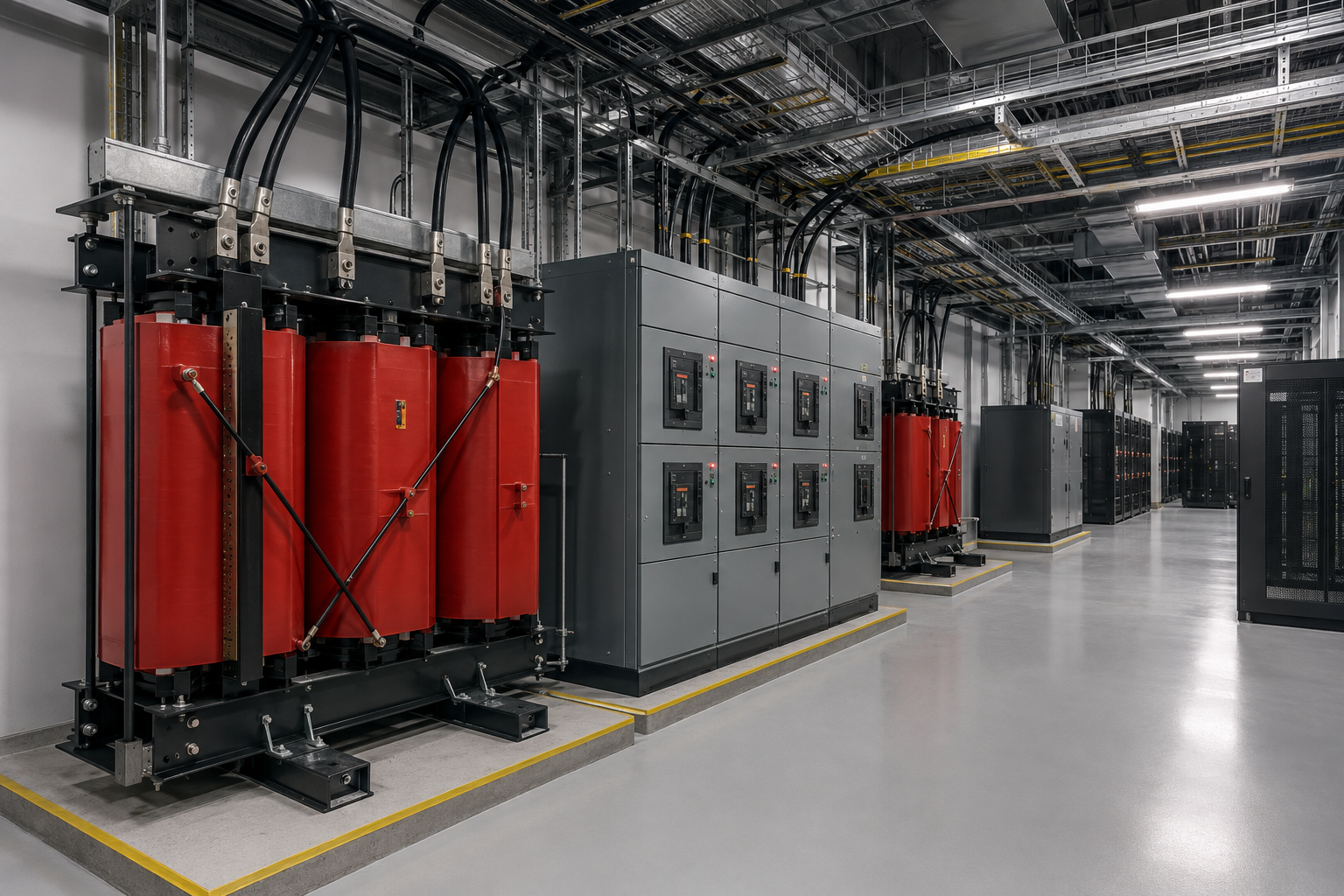
Critical facilities emphasize redundancy, continuous operation, efficiency, protection coordination, indoor or outdoor location, monitoring, and maintainability.
Platformsdry-type, oil-immersed distribution, switchgear
Confirmtopology, load steps, harmonics, losses, footprint, monitoring
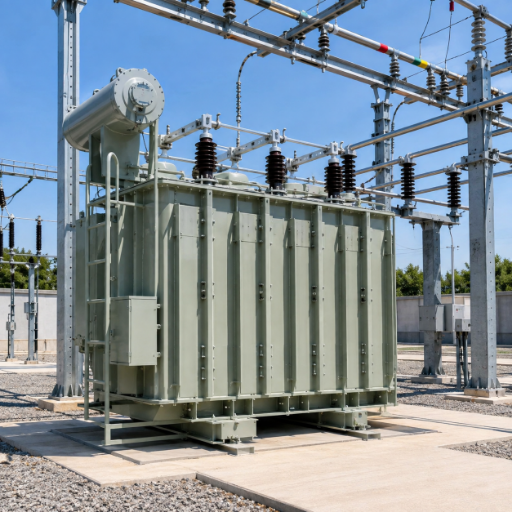
Furnaces, drives, rectifiers, conveyor systems, and cyclical loading impose thermal stress, harmonic content, mechanical forces, and voltage-regulation demands.
Platformsfurnace, rectifier, power, distribution
Confirmduty cycle, harmonic spectrum, short-circuit duty, cooling, dust
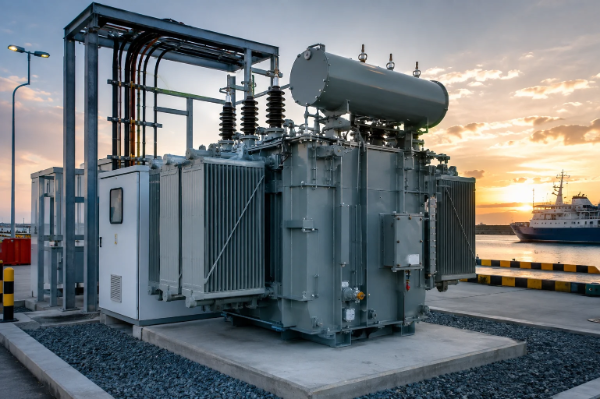
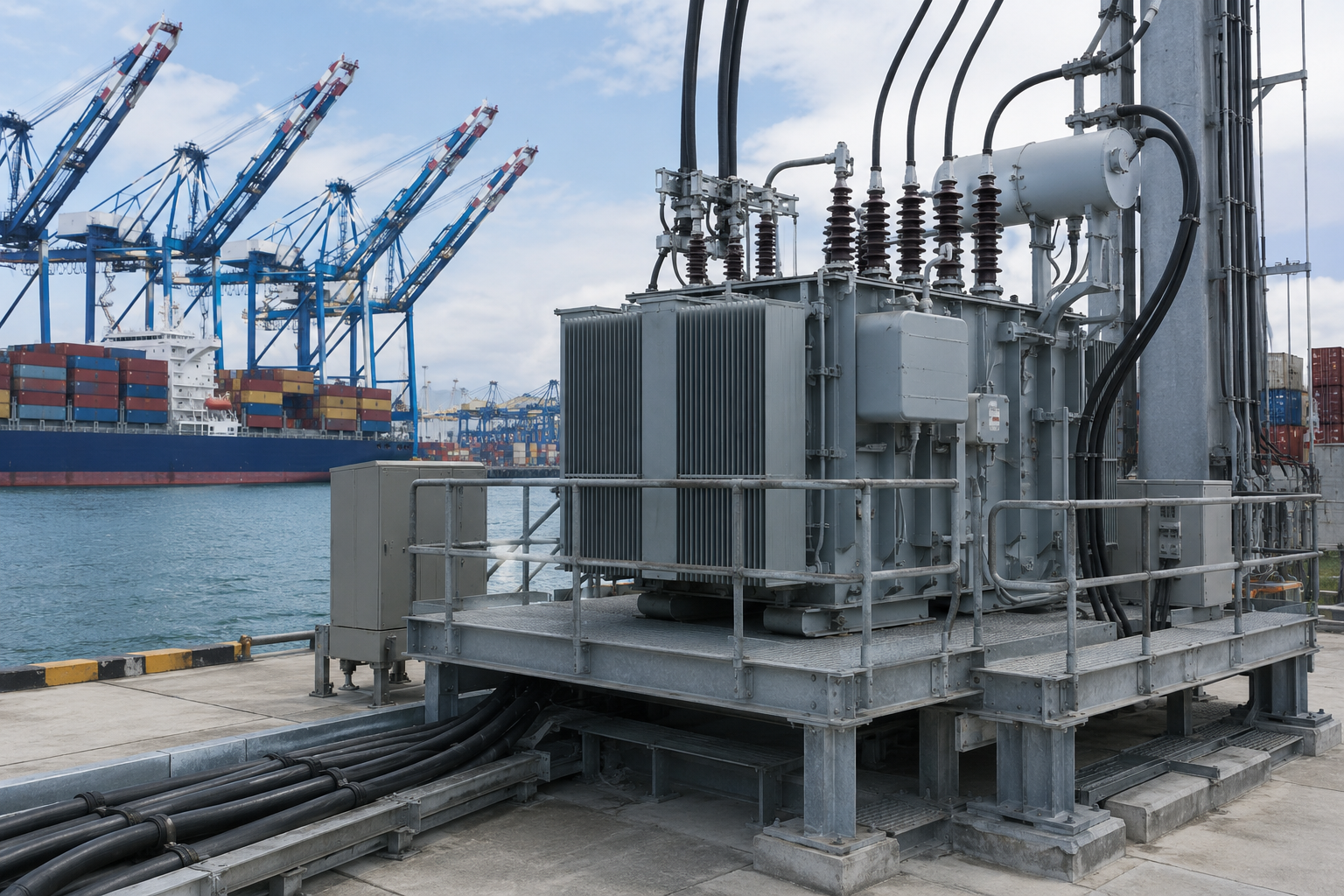
Ports and shore-power installations expand the project scope with vessel connections, conversion, grounding, safety interlocks, monitoring, environmental exposure, and power-management strategy.
Platformsprefabricated substations, transformers, switchgear
Confirmshore interface, frequency, earthing, enclosure, interlocks
Product Platforms for Different Power Systems
Talite develops and documents a wide spectrum of transformers and distribution equipment. Rather than listing one expansive and potentially confusing range, we display the individual platforms associated with documented capacities and voltage classes.
Platform Documents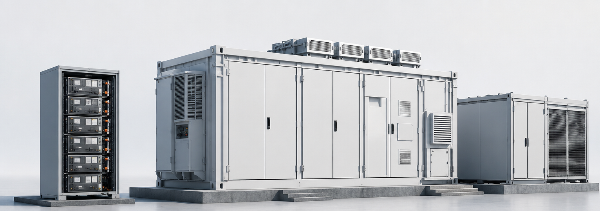
Documented 110 kV and 220 kV platforms cover major power transmission and industrial substation duties.
Specifications
- Client materials include 5–100 MVA examples
- Review insulation, losses, cooling, transport, and protection per project
Oil-filled transformer families support utility, industrial, renewable, commercial, and infrastructure distribution systems.
Specifications
- Three-phase source documents extend to 31,500 kVA in a defined series
- Confirm liquid, cooling, containment, voltage, and installation conditions
Dry-type transformers suit projects where indoor arrangement, fire strategy, enclosure, ventilation, and maintenance access guide the design.
Specifications
- Documented 20 kV and 35 kV product series
- Review insulation class, temperature rise, enclosure, sound, and harmonics
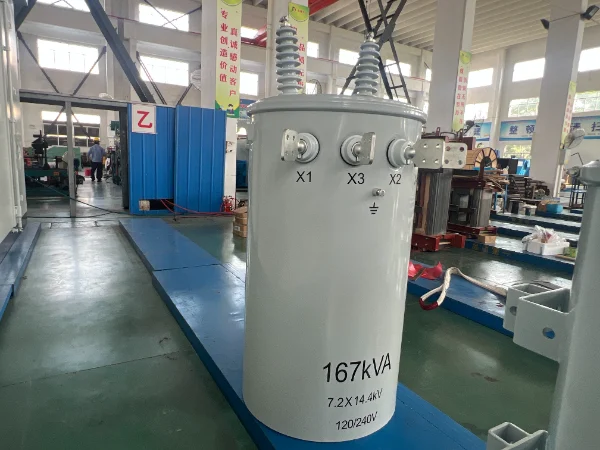
Single-phase pole-mounted platforms support overhead distribution networks and rural or utility applications.
Specifications
- Conventional and interrupter-protected: 5–167 kVA
- Completely self-protected range: 5–75 kVA
Single- and three-phase pad-mounted configurations support underground distribution and secure outdoor installation.
Specifications
- Client documents include product examples from 45 to 12,000 kVA
- Confirm radial or loop feed, live or dead front, fusing, and accessories
Integrated high-voltage, transformer, and low-voltage compartments reduce site assembly interfaces for distributed power projects.
Specifications
- Outdoor, compact, cabinet, and containerized arrangements
- Confirm access, lifting, HVAC, fire, cable, protection, and civil interfaces
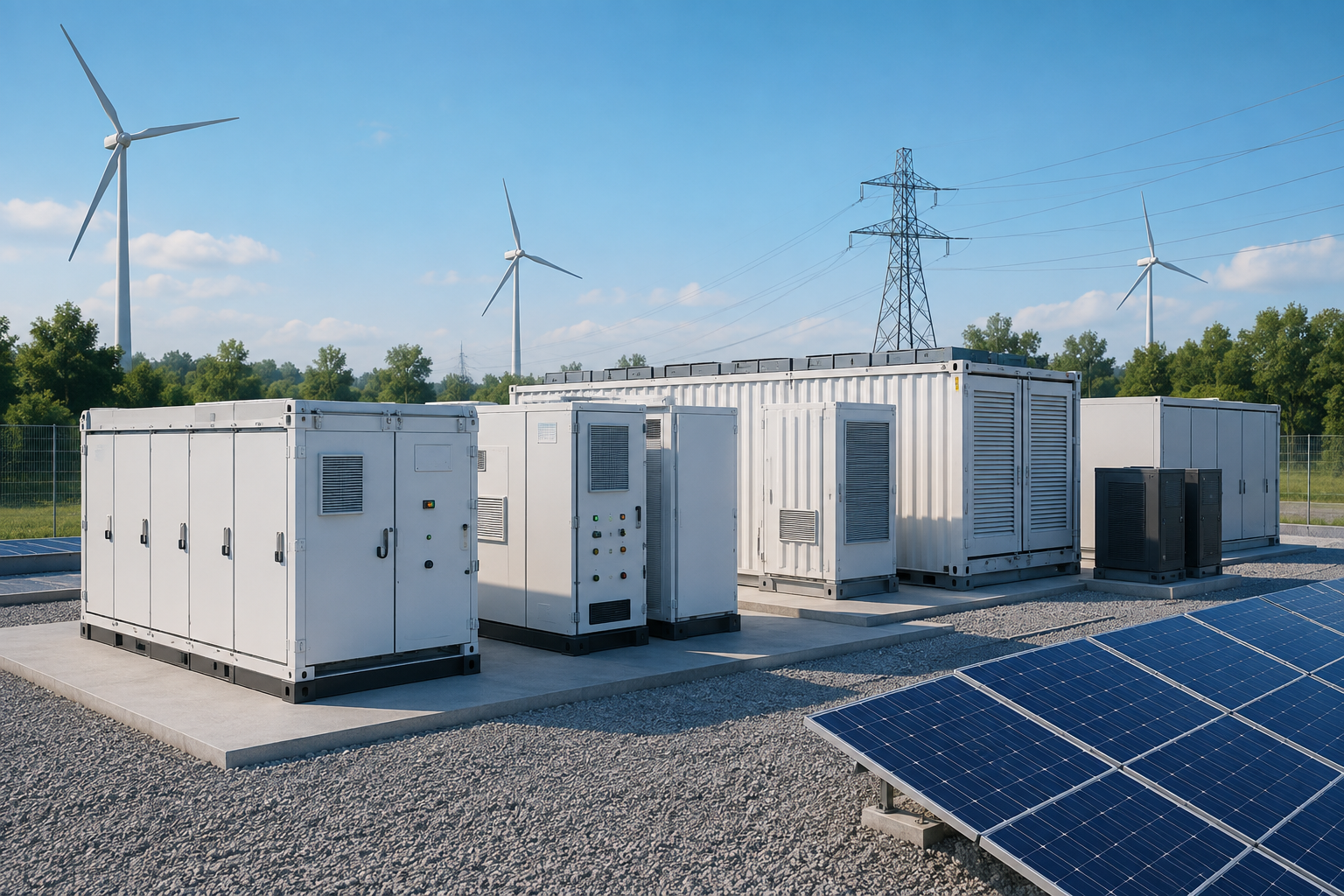
Renewable-energy platforms coordinate step-up transformation with collector-system and grid-connection requirements.
Specifications
- Wind and photovoltaic combined transformer documents available
- Confirm inverter waveform, duty profile, collection voltage, and grid code
Rectifier-transformer options serve converter and process duties, while switchgear product lines cover high- and low-voltage distribution interfaces.
Specifications
- Documented high-voltage switchgear range: 6–35 kV
- Rectifier duty receives a separate waveform and converter review
Transformer Selection Inputs by Industry
A clear quotation depends on the electrical system and operating duty, not just the industry name. The matrix below captures the inputs needed to match a platform to the project before pricing.[3]
Destination and equipment classification
Why it changes the solution
Efficiency rules, test expectations, markings, and installation obligations vary by jurisdiction and equipment category.
What to provideCountry, utility or authority, requested standard, regulated product class
Voltage and frequency
Why it changes the solution
Insulation coordination, winding design, accessories, and system compatibility start here.
What to providePrimary and secondary voltages, taps, 50 Hz or 60 Hz, vector group
Real load profile
Why it changes the solution
Peak demand alone can hide cyclic duty, continuous loading, overload events, or rapid load steps.
What to provideHourly or interval load curve, diversity, duty cycle, future growth
Waveform and harmonics
Why it changes the solution
Nonsinusoidal loads change thermal duty; rectifier transformers require a distinct application path.
What to provideConverter topology, pulse number, harmonic spectrum, K-factor request
Environment and thermal limits
Why it changes the solution
Ambient temperature, altitude, salt, dust, humidity, and ventilation affect cooling and enclosure decisions.
What to provideIndoor/outdoor, altitude, temperature range, pollution, corrosion, IP/NEMA target
Fault and protection duty
Why it changes the solution
Available fault current, grounding, protection coordination, and switching events shape mechanical and electrical requirements.
What to provideFault level, grounding method, protection scheme, switching frequency
Loss and lifecycle evaluation
Why it changes the solution
Purchase price alone cannot compare the operating cost of different loss designs.
What to provideNo-load loss value, load loss value, evaluated loading, energy price, ownership period
Installation and resilience
Why it changes the solution
Transport envelope, lifting access, replacement strategy, fire plan, and oil containment can eliminate otherwise viable arrangements.
What to provideRoute survey, foundation, clearances, lifting plan, spare strategy, containment boundary
Documented Transformer and Substation Capabilities
Talite Transformer Co., Ltd. has worked in the power equipment sector for more than three decades. For each project, we review the transformer design against the requested technical specification and applicable standard before the configuration is released.[2]
Documented capability
Client-source scope
Project boundary
Power transformer platform
110–220 kV; client examples from 5–100 MVA
Confirm exact rating, cooling, losses, insulation, transport, and tests
Three-phase oil-immersed series
35 kV class documents include ratings to 31,500 kVA
Range belongs to the documented series, not every oil-filled model
Single-phase pole-mounted
5–167 kVA conventional/interrupter; 5–75 kVA CSP
Confirm utility standard, efficiency class, protection, and accessories
Pad-mounted platform
Client product documents include 45–12,000 kVA examples
Confirm single/three phase, feed, front type, protection, and liquid
Dry-type platform
Documented 20 kV and 35 kV series
Confirm enclosure, temperature rise, cooling, sound, and fire strategy
High-voltage switchgear
Documented 6–35 kV product line
Confirm short-circuit rating, bus, protection, form, and standard
Project frequency review
50 Hz and 60 Hz requirements represented
Frequency is confirmed with voltage, losses, cooling, and accessories
Production and test resources
More than 260 sets stated in client materials
Machine allocation and test scope are confirmed for the order
Documented product portfolio
22 series, 100+ varieties, 600+ specifications
A broad catalog does not replace project-specific engineering review
Project Scope, Quotation and Schedule Inputs
Transformer pricing depends on the rating, voltage, electrical configuration, loss targets, accessories, enclosure, tests, delivery location, and packing method. Once the technical scope is defined, we create a project quotation rather than provide an indicative price.[3]
The project schedule can be fixed after technical clarification, drawing and document scope, inspection points, transport, and delivery responsibilities are agreed. Large power transformers also require route, lifting, replacement, and site-readiness inputs early enough to influence the design.
Inputs that make quotations comparable
Electrical duty
- Capacity or load list
- Primary and secondary voltage
- Frequency, vector group, taps
- Fault level and grounding
- Harmonic or rectifier duty
Physical and site duty
- Indoor/outdoor location
- Altitude and ambient range
- Enclosure and corrosion exposure
- Cable entry and footprint
- Fire and oil-containment boundary
Verification scope
- Applicable standards
- Routine, type, witness, or third-party tests
- Drawings and document language
- Inspection and release points
- Required certificates and reports
Commercial and delivery boundary
- Quantity and delivery destination
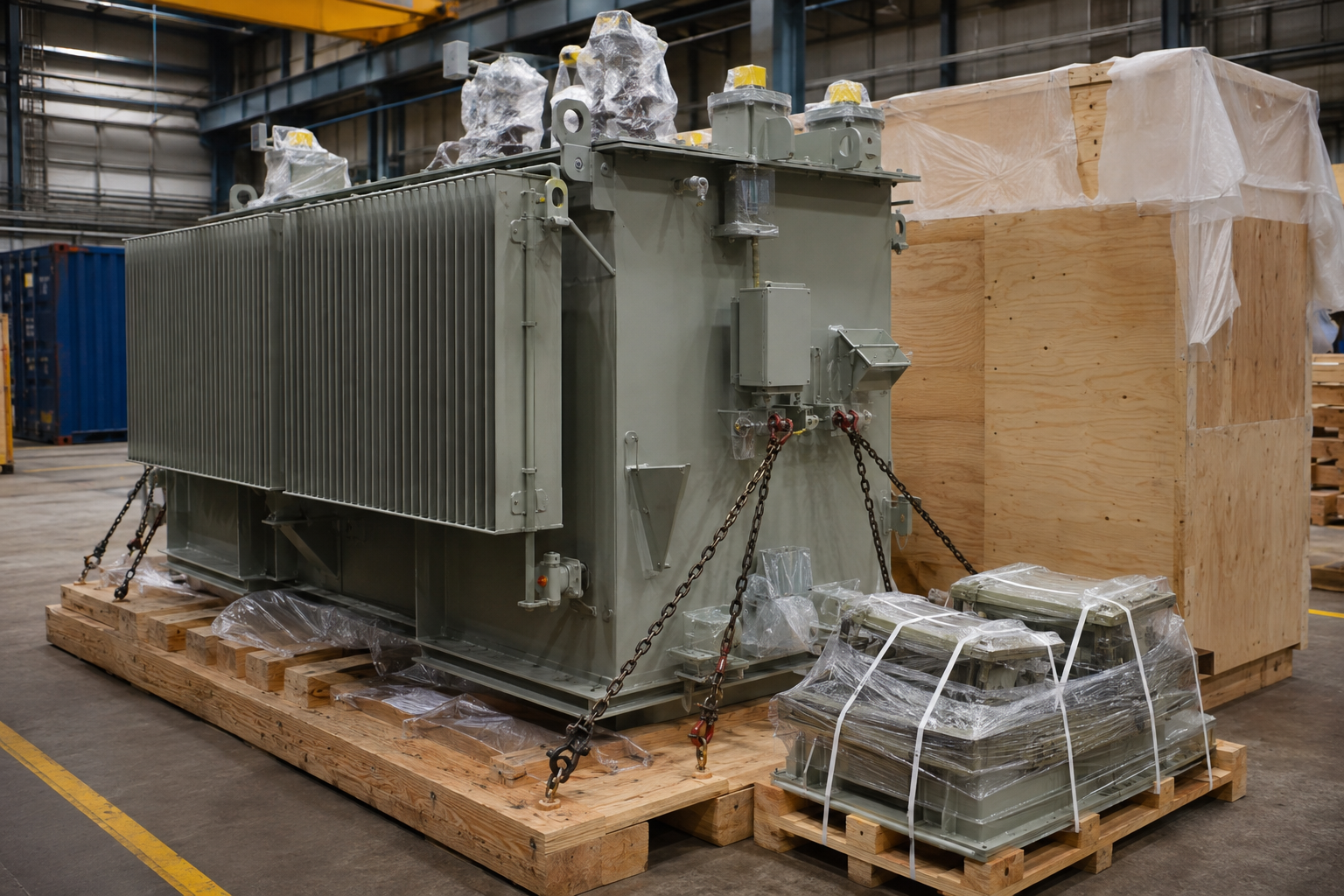
- Packing and transport constraints
- Required delivery window
- Accessories and spares
- Commissioning or site support request
Quality, Testing and Project Documentation
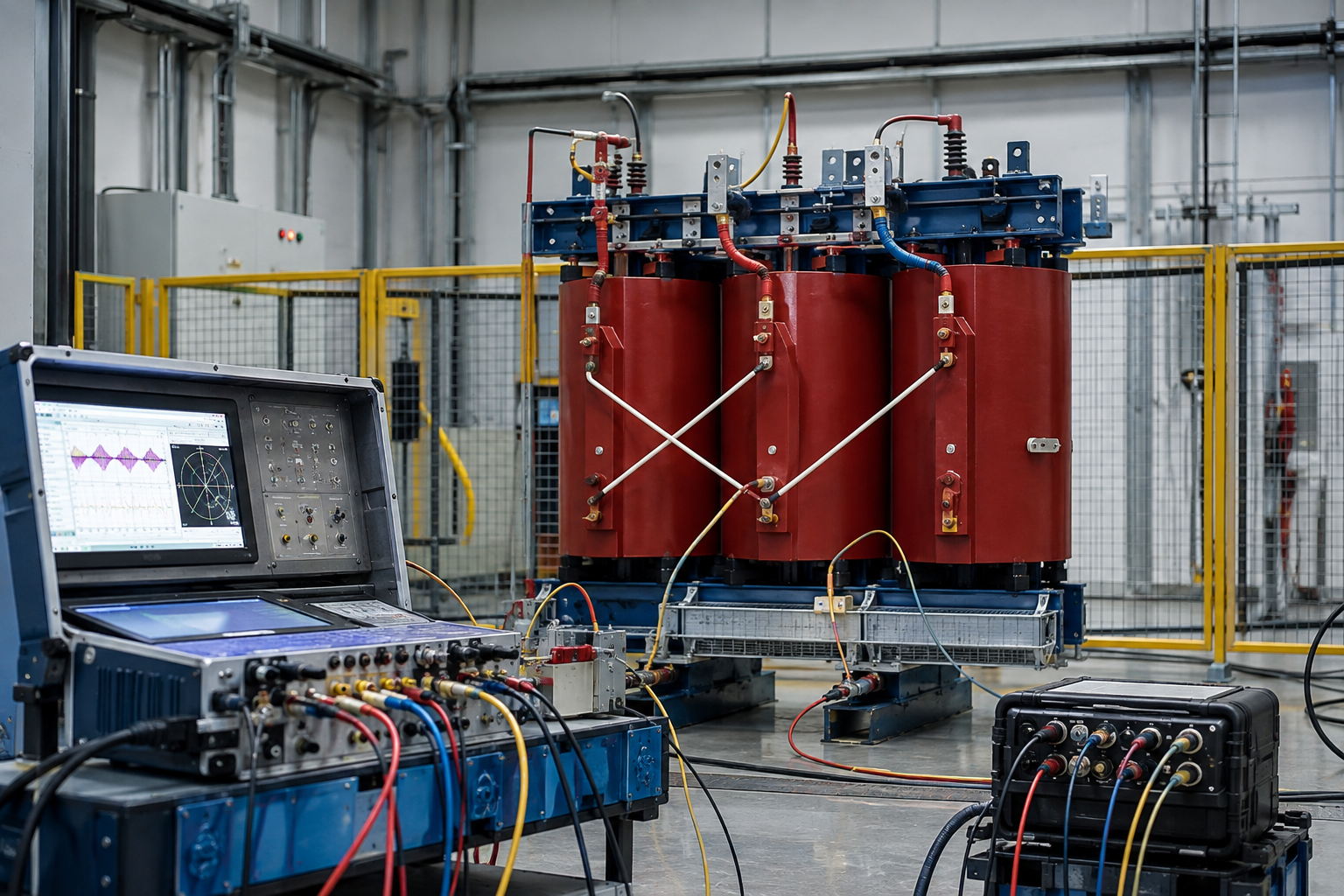
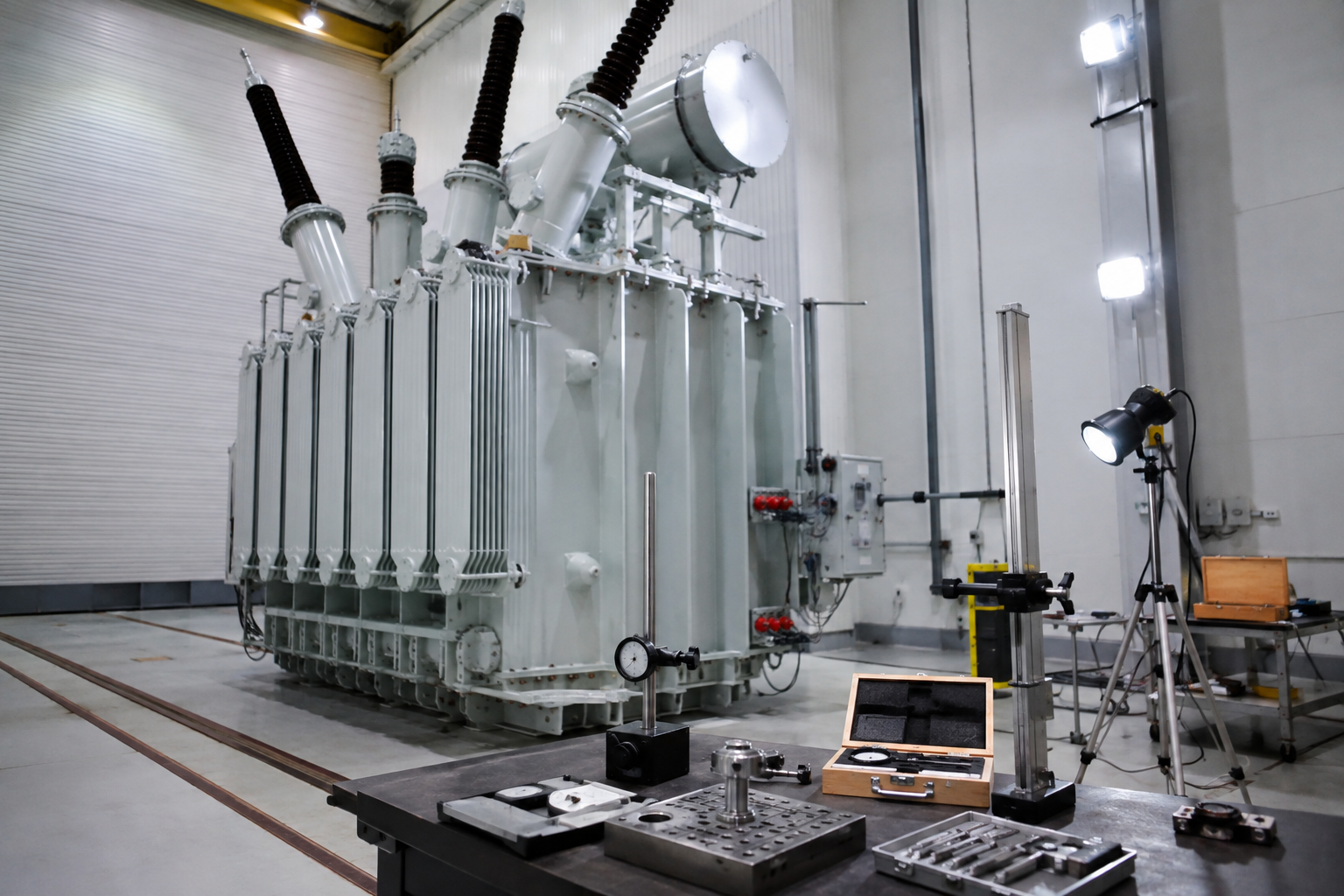
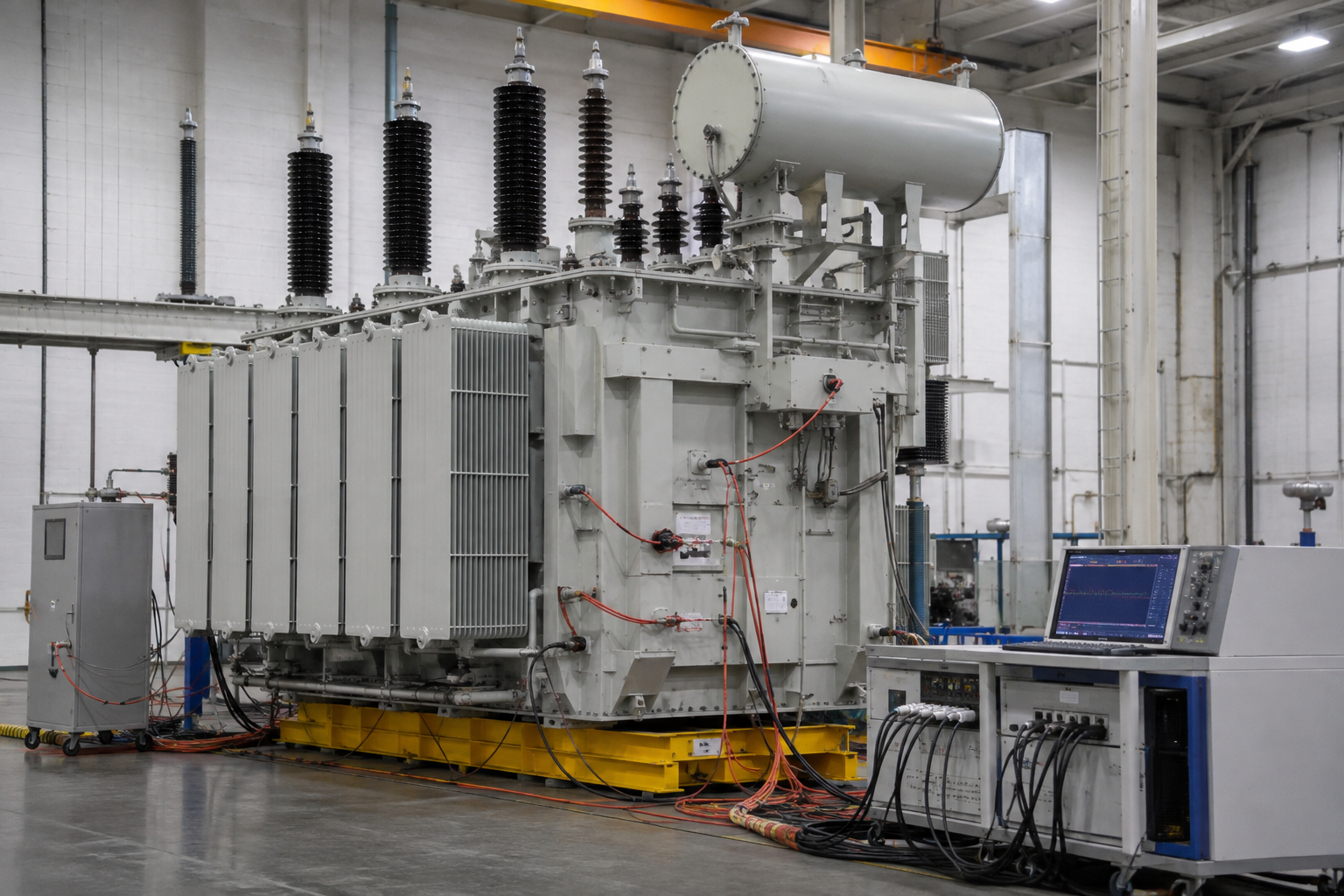
At the outset, we define inspection and document requirements with the technical specification. Talite client materials state factory acceptance testing, type testing, and third-party inspection options; the exact scope is agreed for the project.[2]

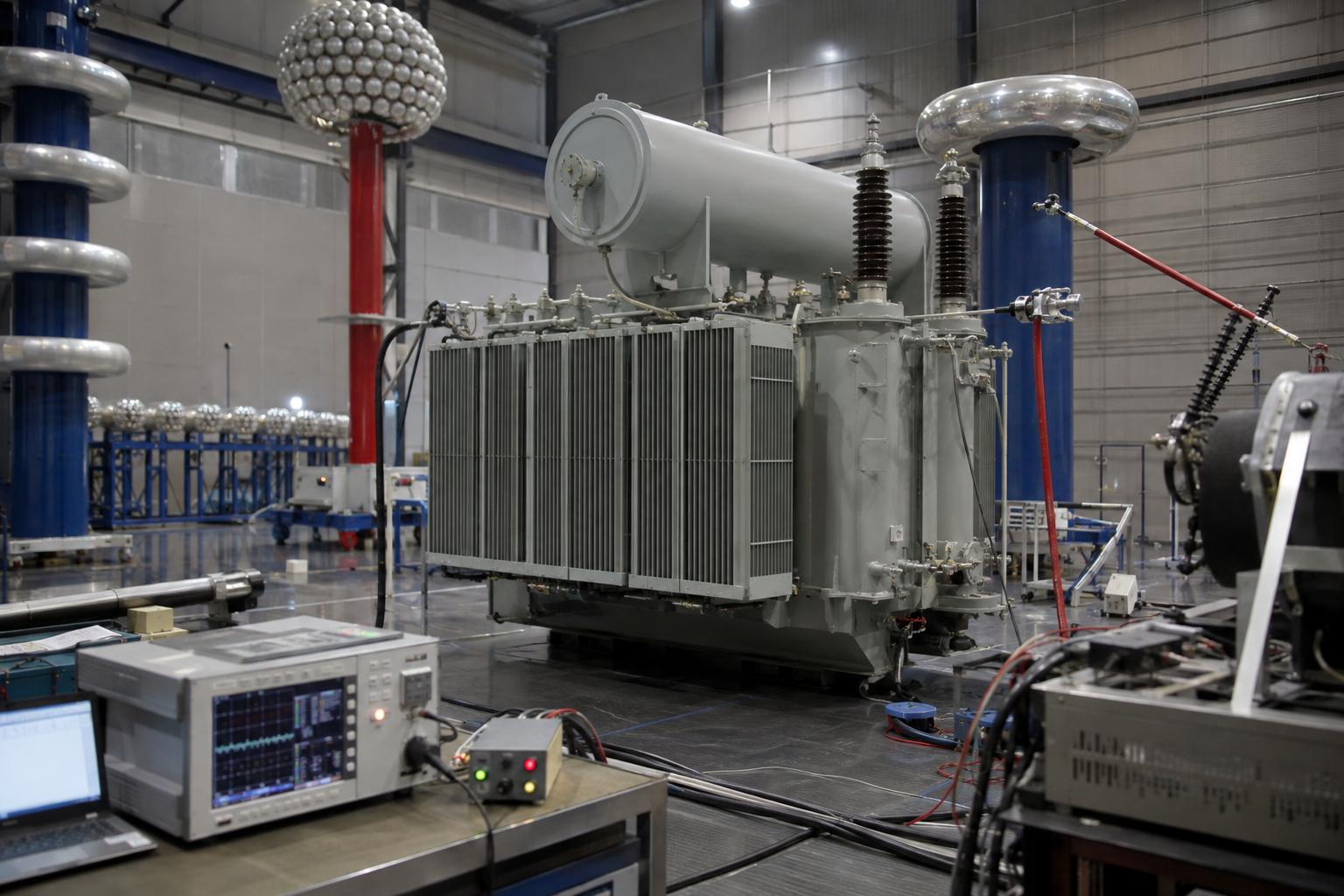
Five control points
Talite engineering review principle: identify missing technical inputs before a transformer or substation configuration is released for quotation.
01
Review requirements.
We identify omitted ratings, standards, environmental data, interfaces, and acceptance criteria.
02
Confirm design and documents.
Drawings, data sheets, accessories, and nameplate data are checked for consistency before manufacturing.
03
Apply manufacturing controls.
The approved design sets the winding, core fabrication, drying, assembly, and production-control route.
04
Plan inspection and tests.
Factory acceptance, type, witness, and third-party activities are determined and scheduled for the order.
05
Deliver documentation.
Agreed test reports, drawings, release records, and shipment documents follow the document schedule.
From Requirements to Project Delivery
The project review sequence keeps the agreed technical standard connected to design, inspection, documentation, and release.[2]
-
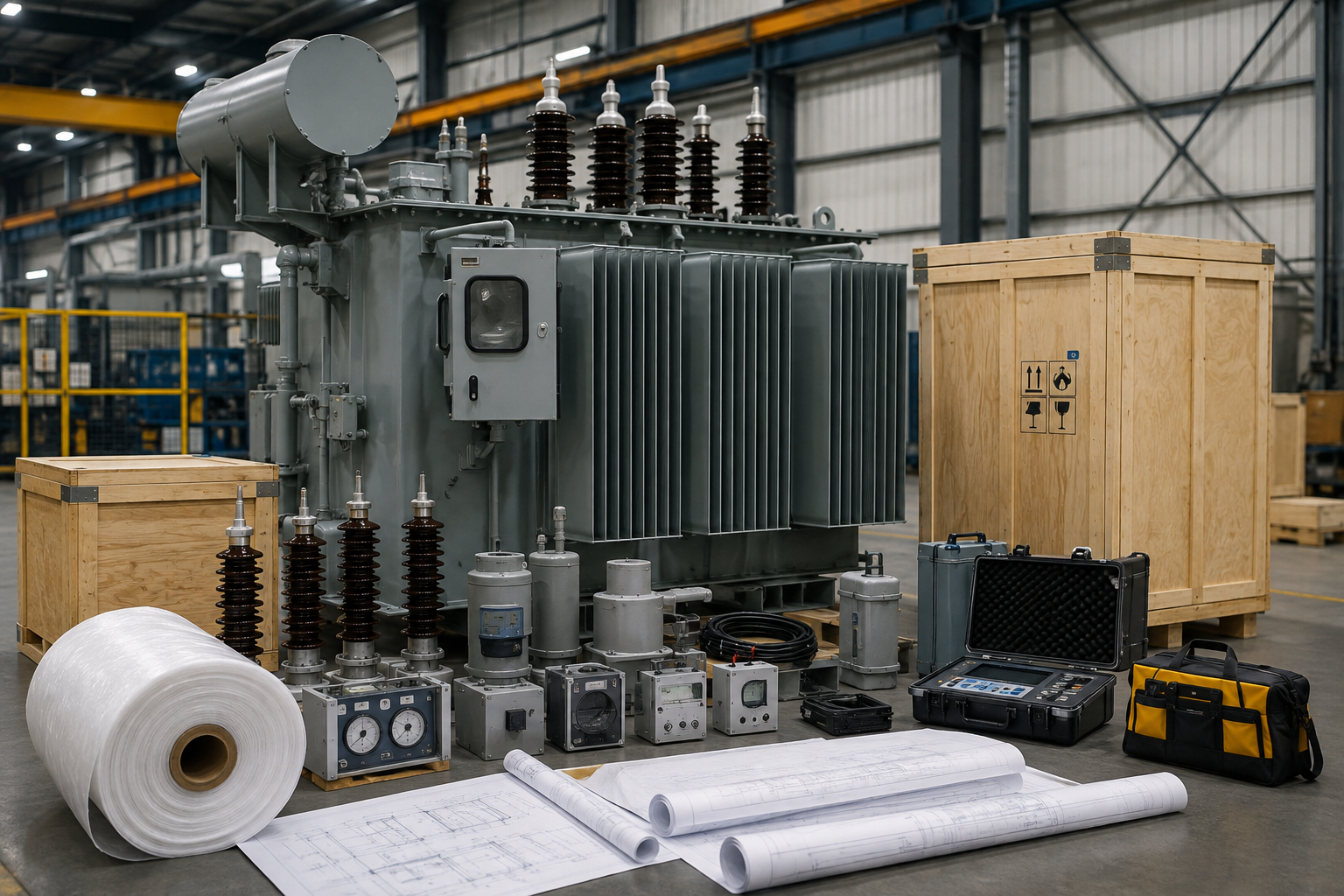 STEP 01
Submit load data.
Provide the application, load list, capacity, voltage, frequency, environment, quantity, destination, and requested standard.
-
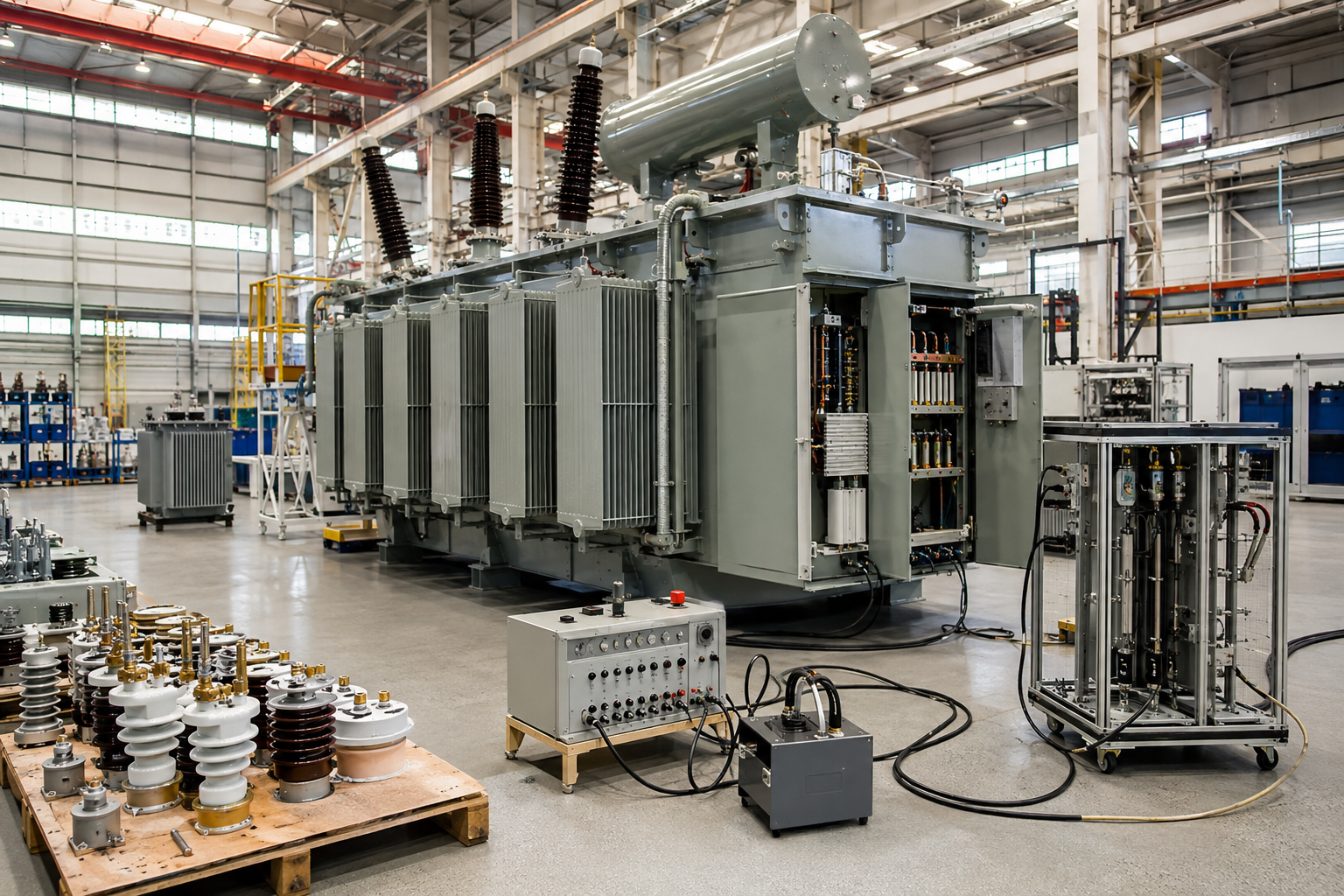 STEP 02
Clarify missing information.
During review, we flag gaps in waveform, protection, site conditions, accessories, tests, or interfaces.
-
 STEP 03
Review the configuration.
A transformer, substation, or distribution platform is mapped to the confirmed operating duty.
-
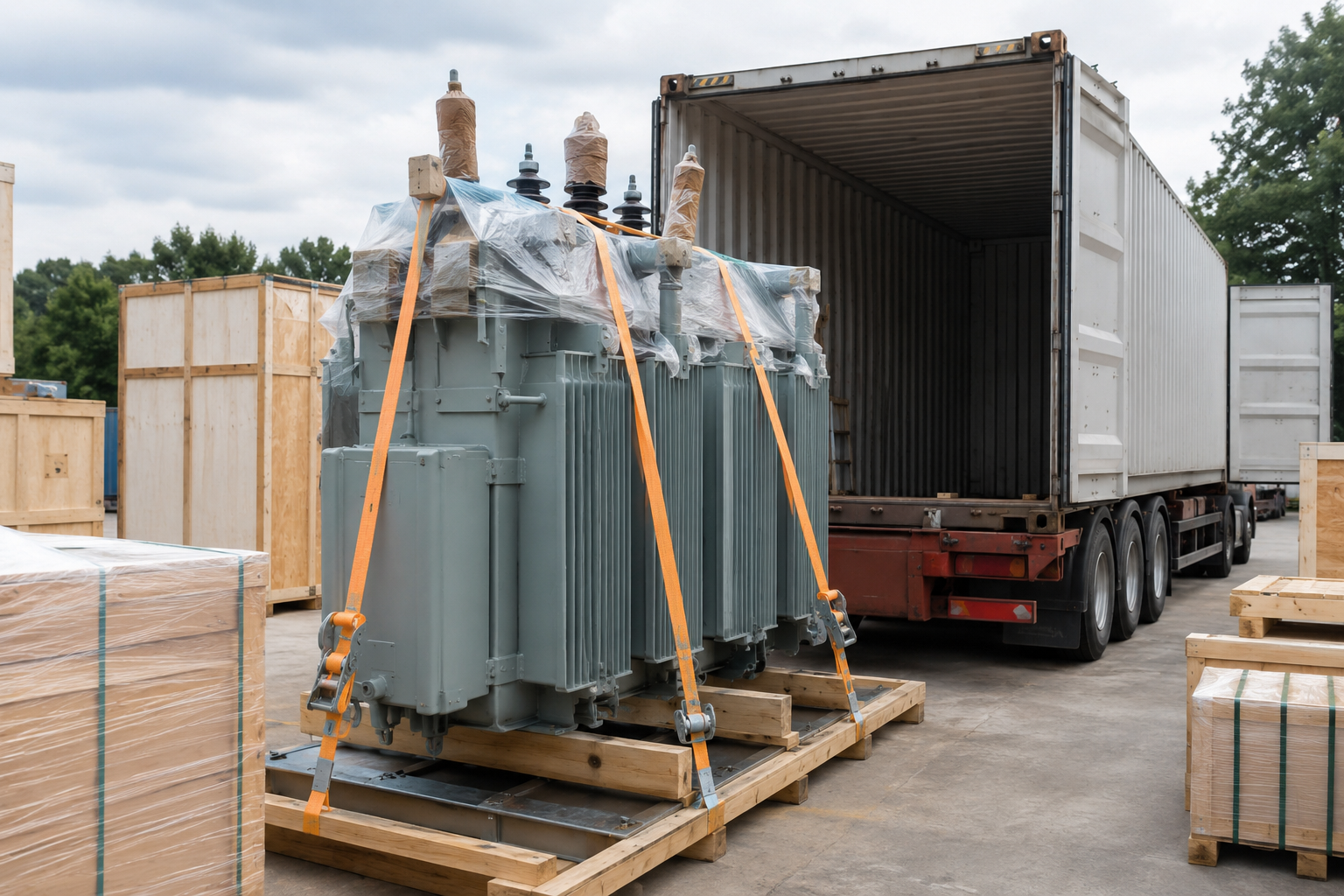 STEP 04
Define scope and quotation.
Rating, accessories, tests, documents, packing, and delivery responsibilities are set out in a comparable written scope.
-
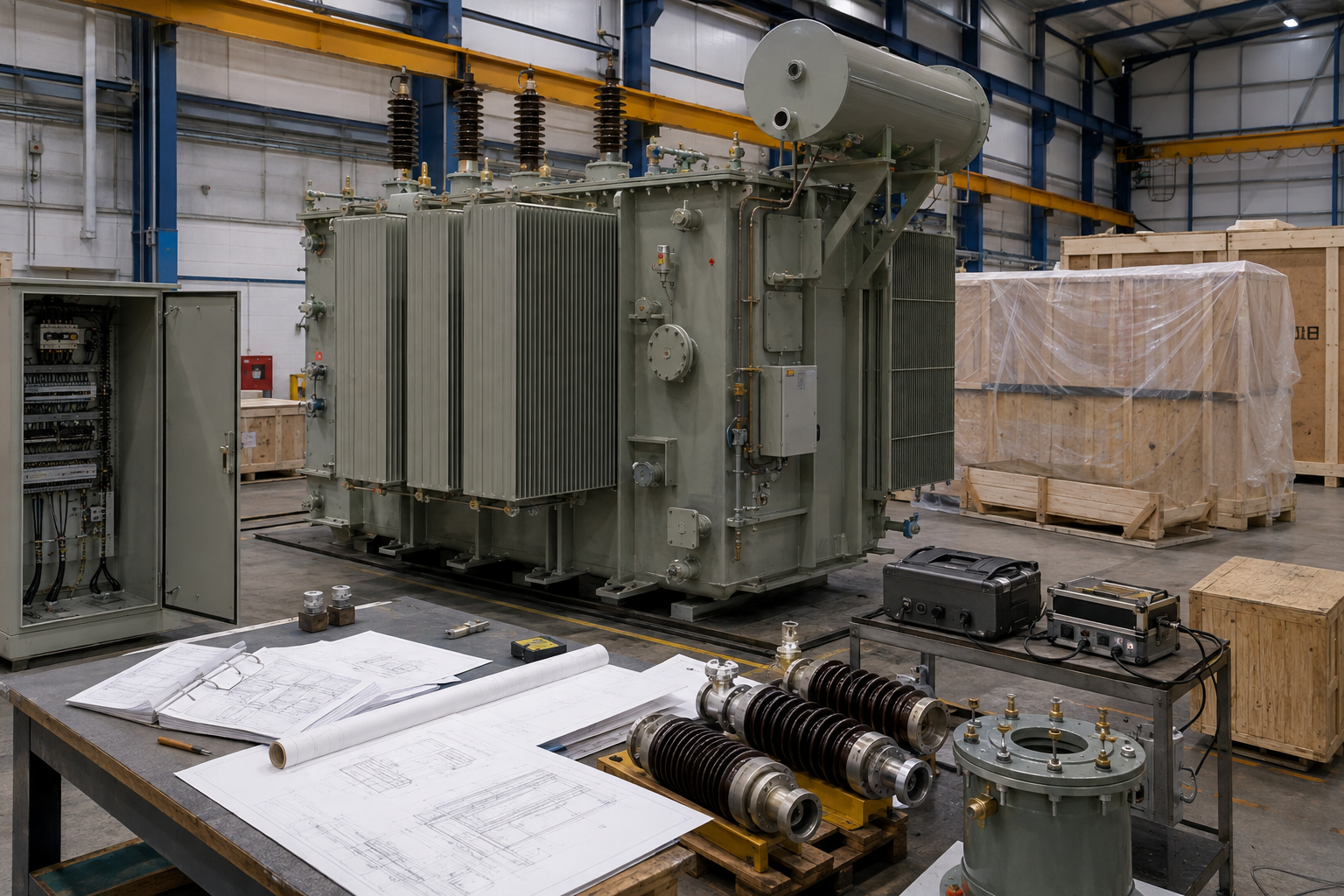 STEP 05
Manufacture and inspect.
Production follows the approved scope and the agreed factory or third-party inspection plan.
-
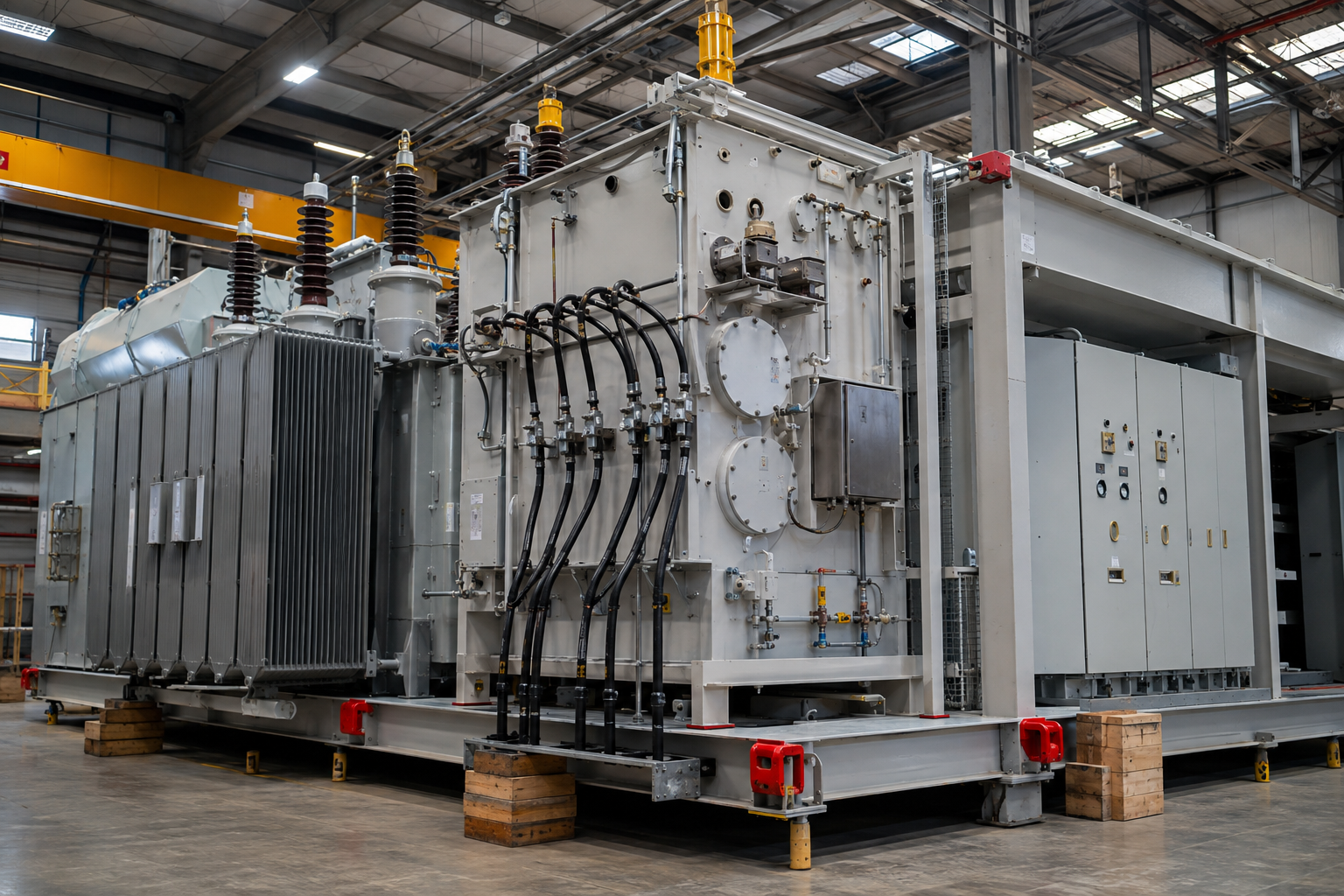 STEP 06
Coordinate delivery.
Release documents, packing, transport interfaces, and site requirements follow the agreed logistics boundary.
Interfaces that should be resolved before release
| Interface | Resolve before quotation | Resolve before manufacturing |
|---|---|---|
| Electrical | Load, voltage, frequency, waveform, grounding | Vector group, taps, impedance, protection, accessories |
| Mechanical | Indoor/outdoor, footprint, transport envelope | Cable entries, lifting, foundation, clearances, enclosure |
| Verification | Standards, efficiency class, test expectations | Witness points, reports, document register, acceptance criteria |
| Delivery | Destination, schedule need, site constraints | Packing, route, spares, storage, installation coordination |
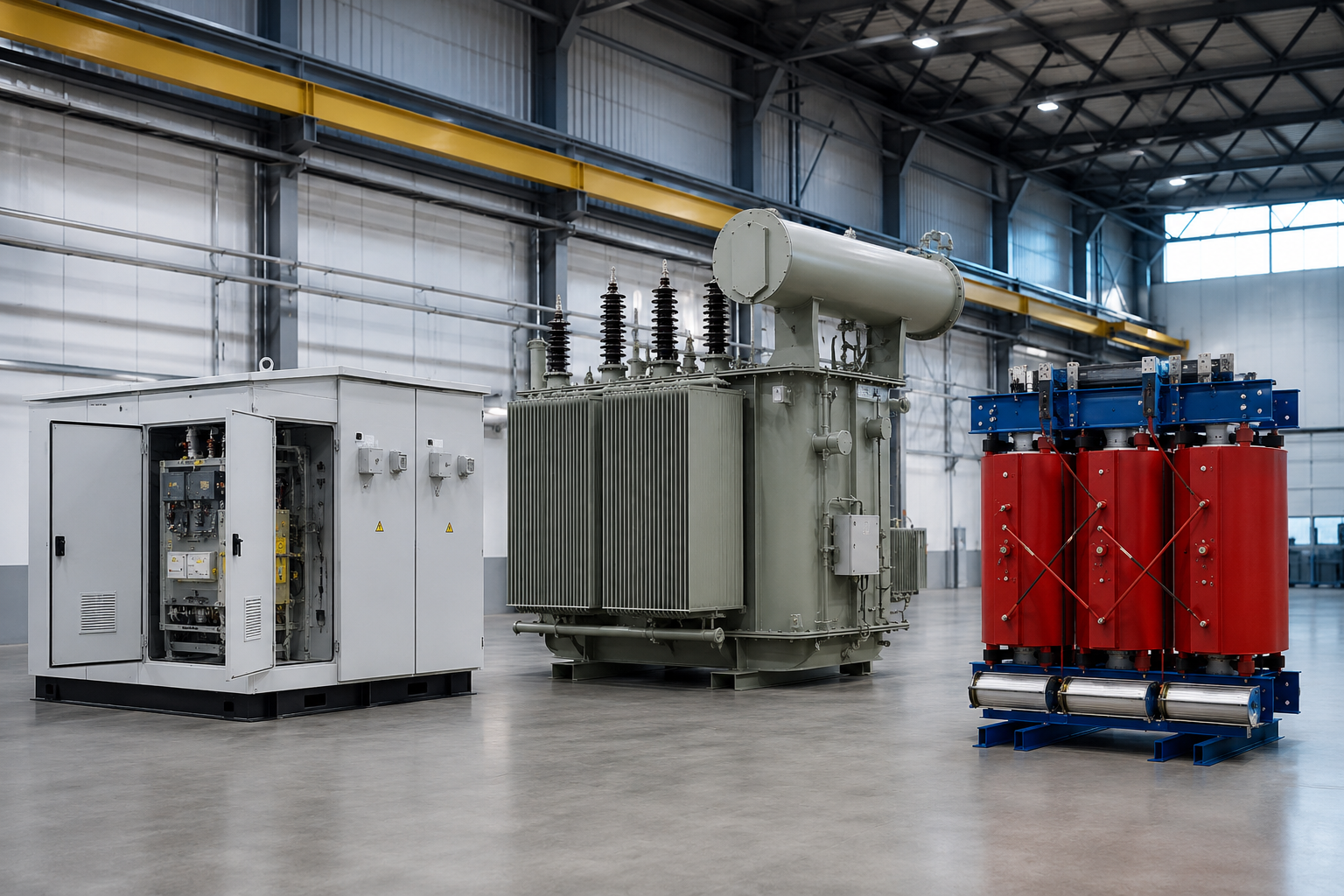
Real Talite Transformer Platforms
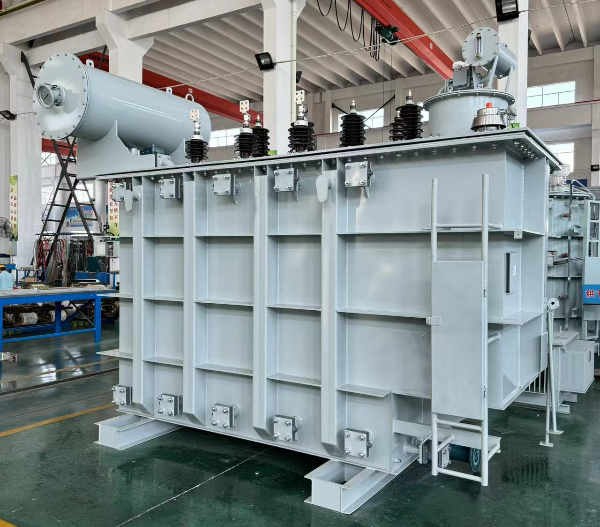
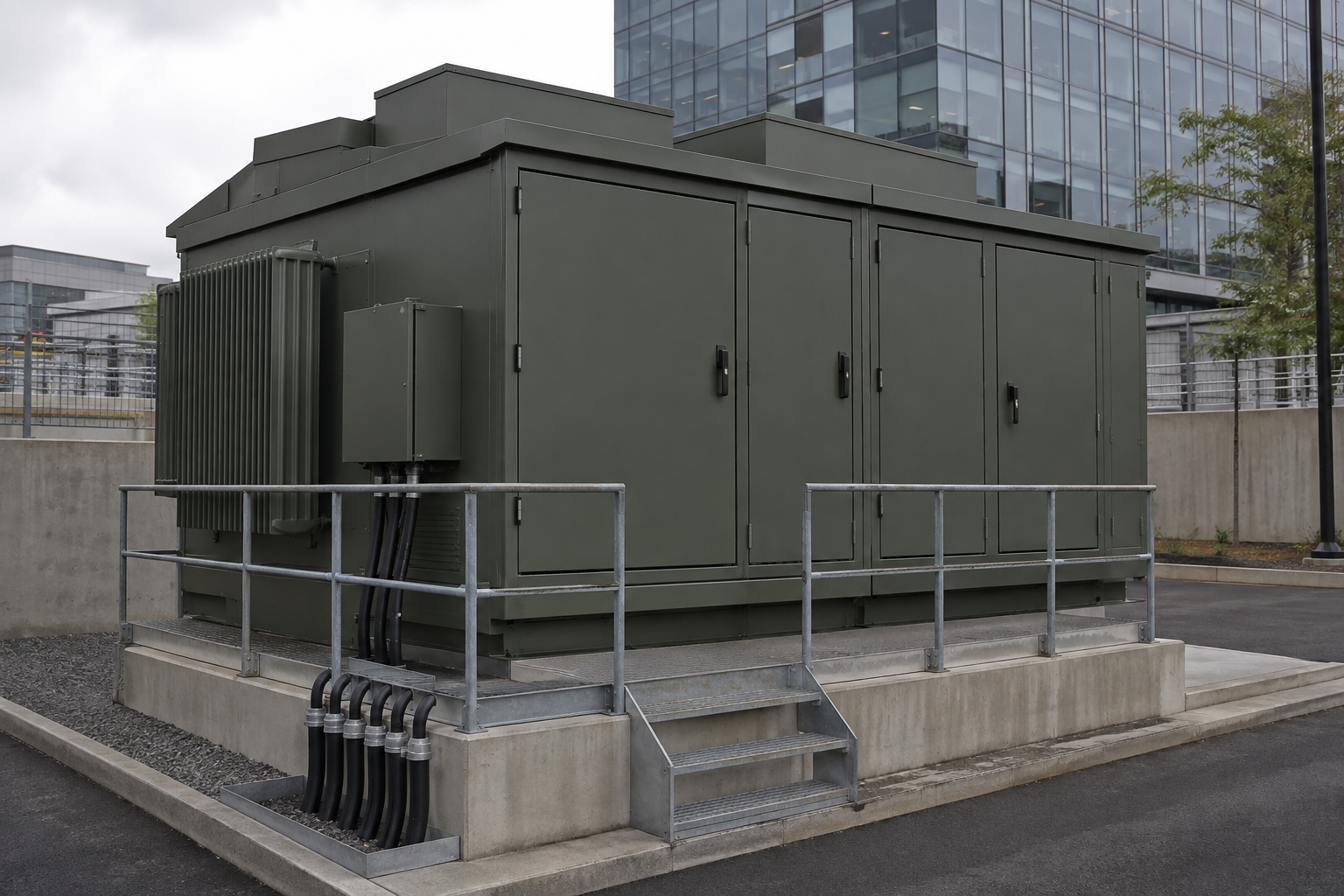
These images come from the client-supplied product library and show equipment families represented in the documented portfolio. Final appearance, accessories, terminals, enclosure, and dimensions follow the approved project configuration.[2]
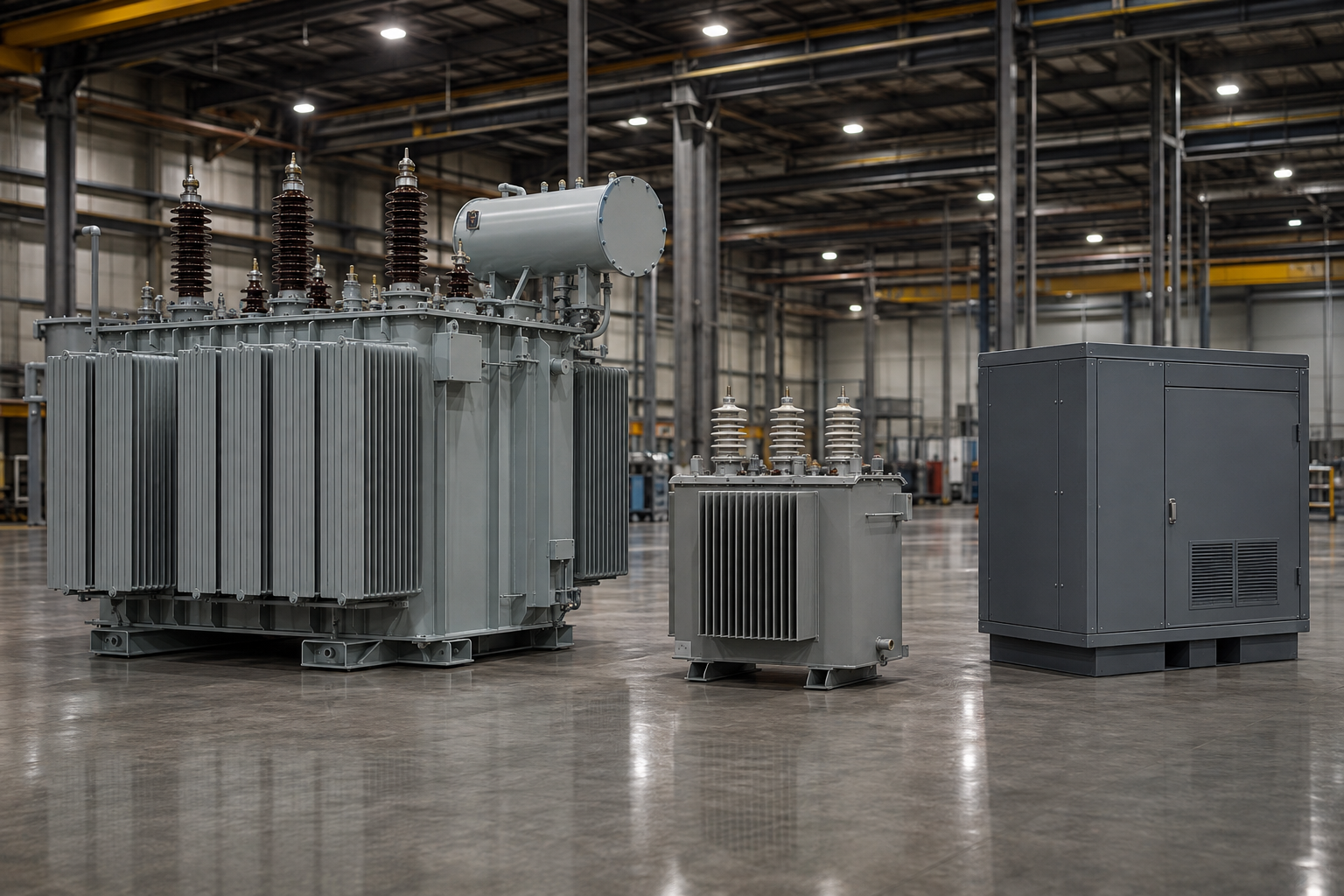
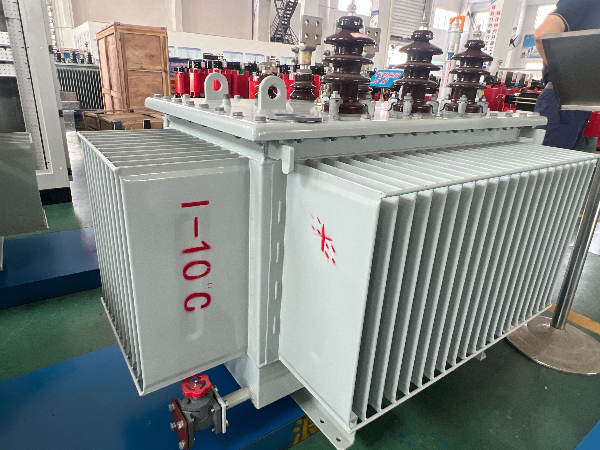
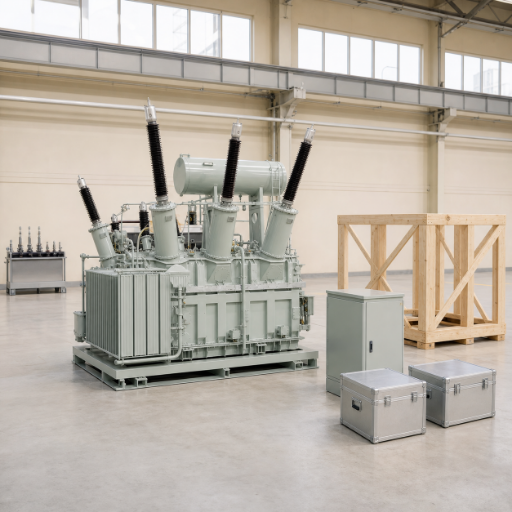
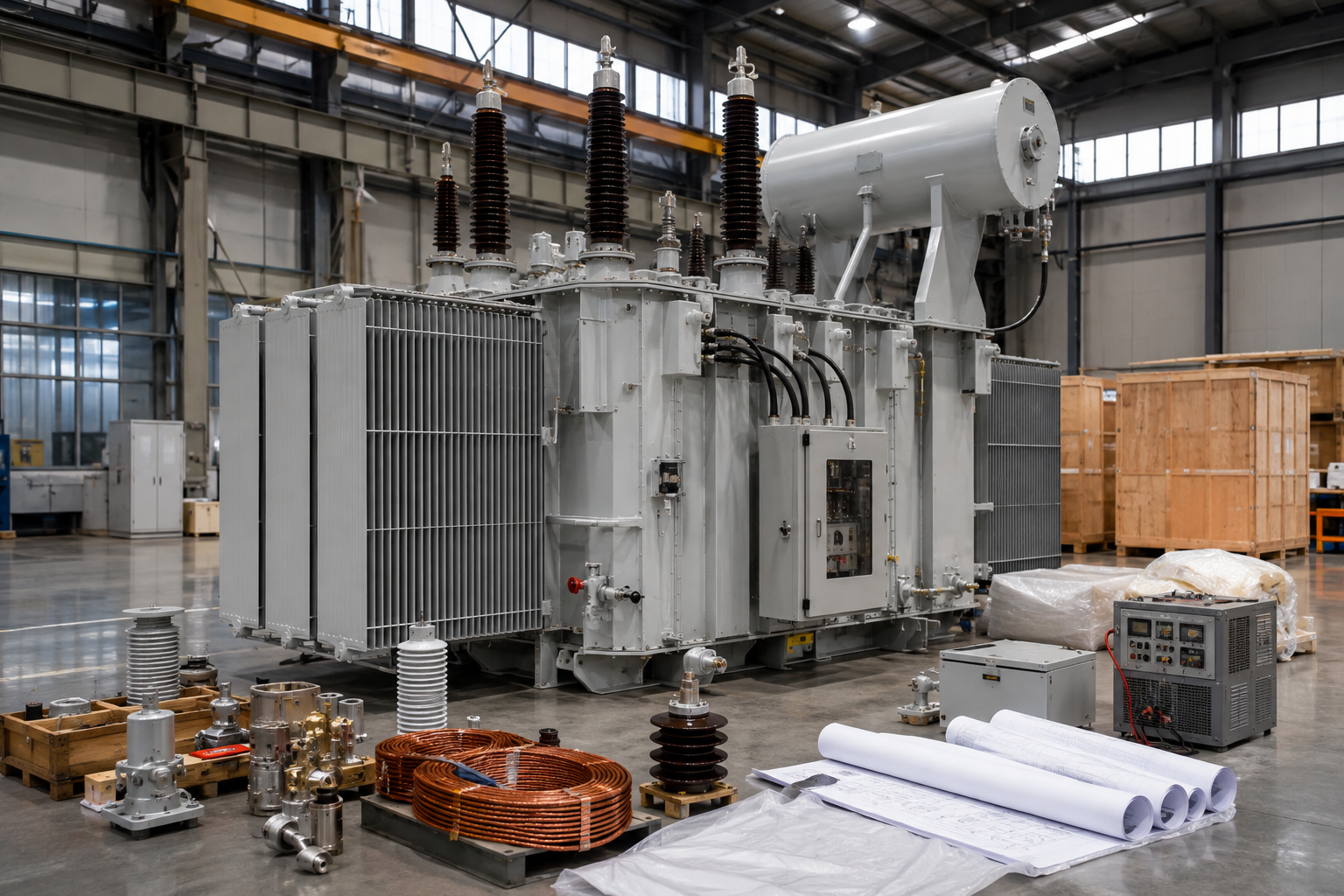
35 kV oil-immersed power-transformer platform
35 kV oil-immersed power-transformer platform shown in Talite source materials.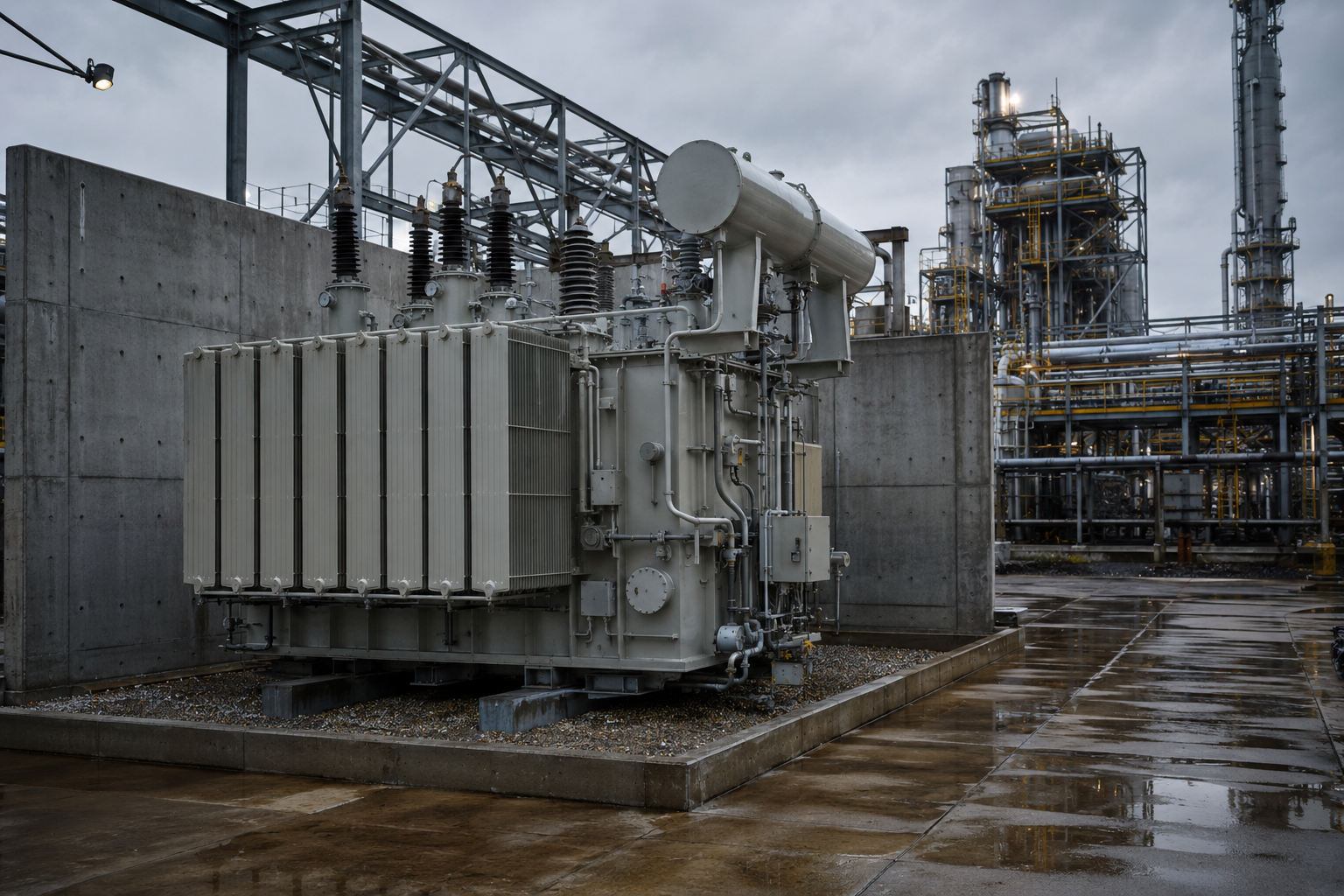
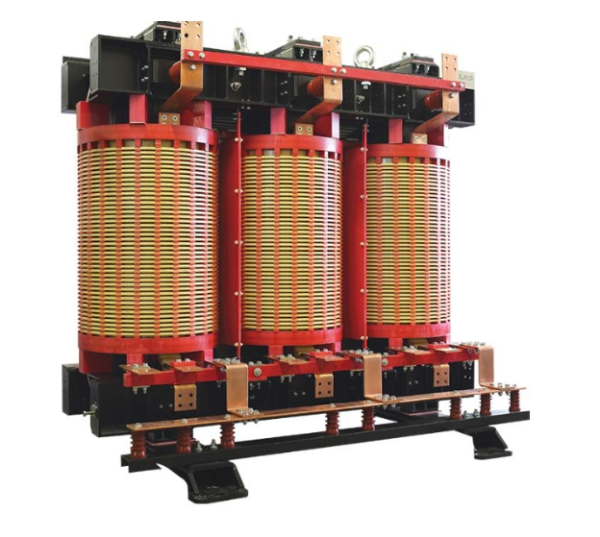
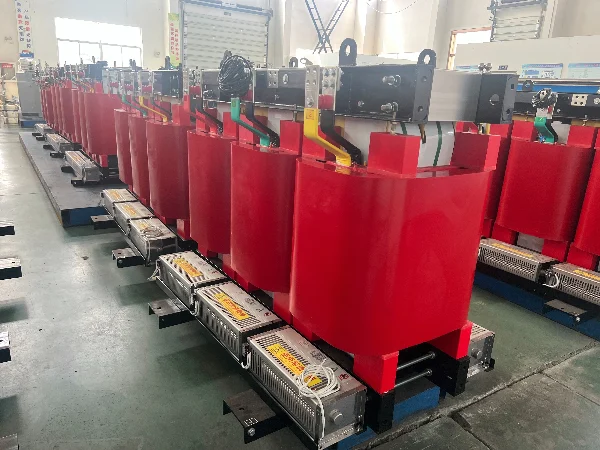
Dry-type transformer platform
Dry-type transformer platform photographed in the client product library.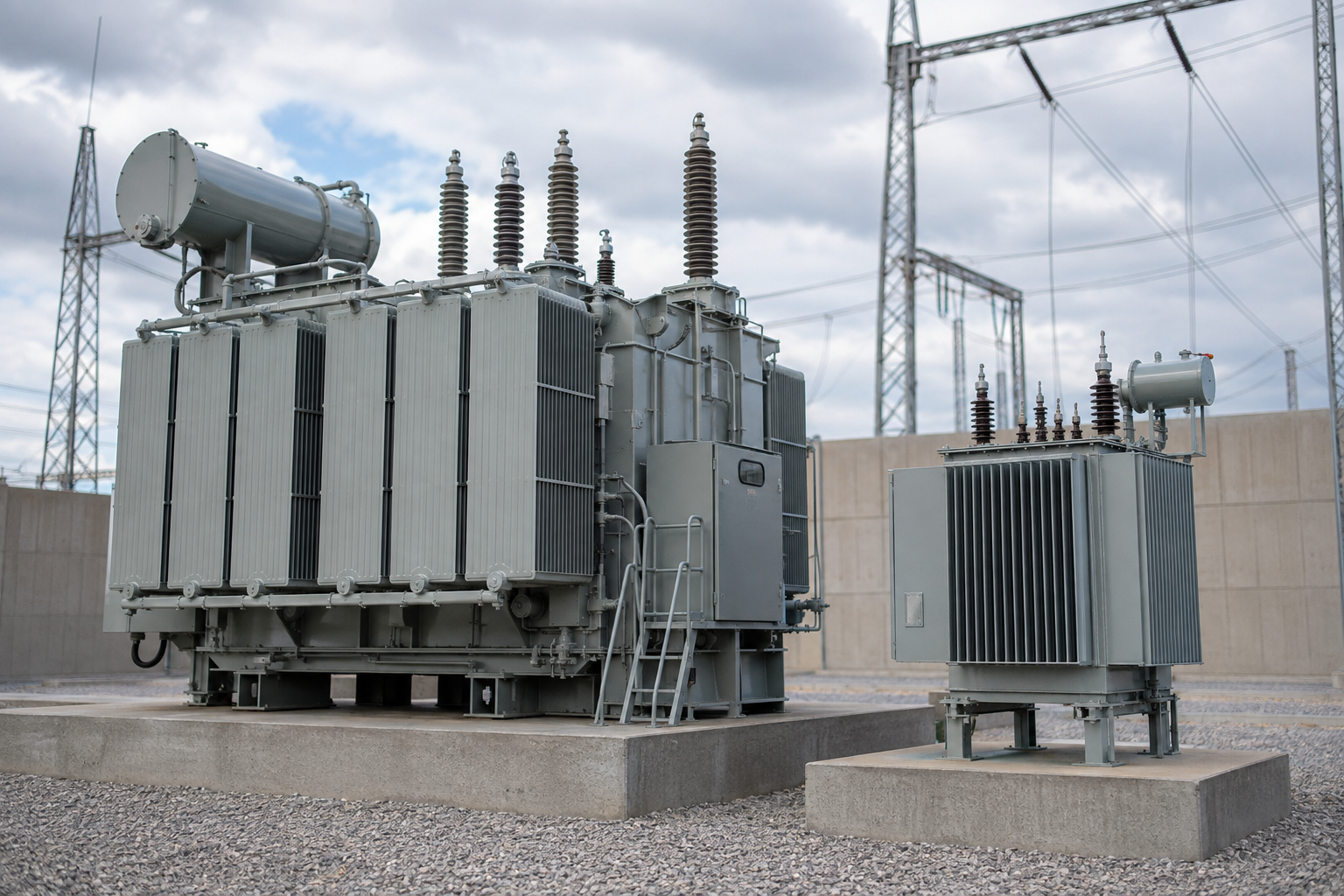
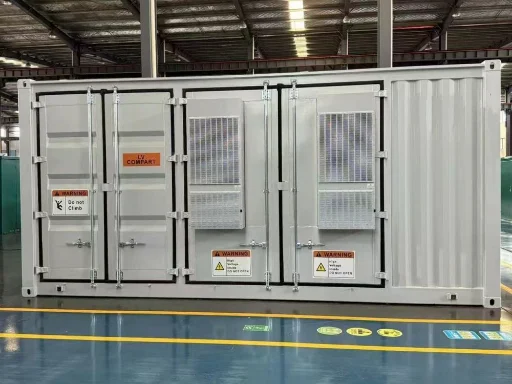
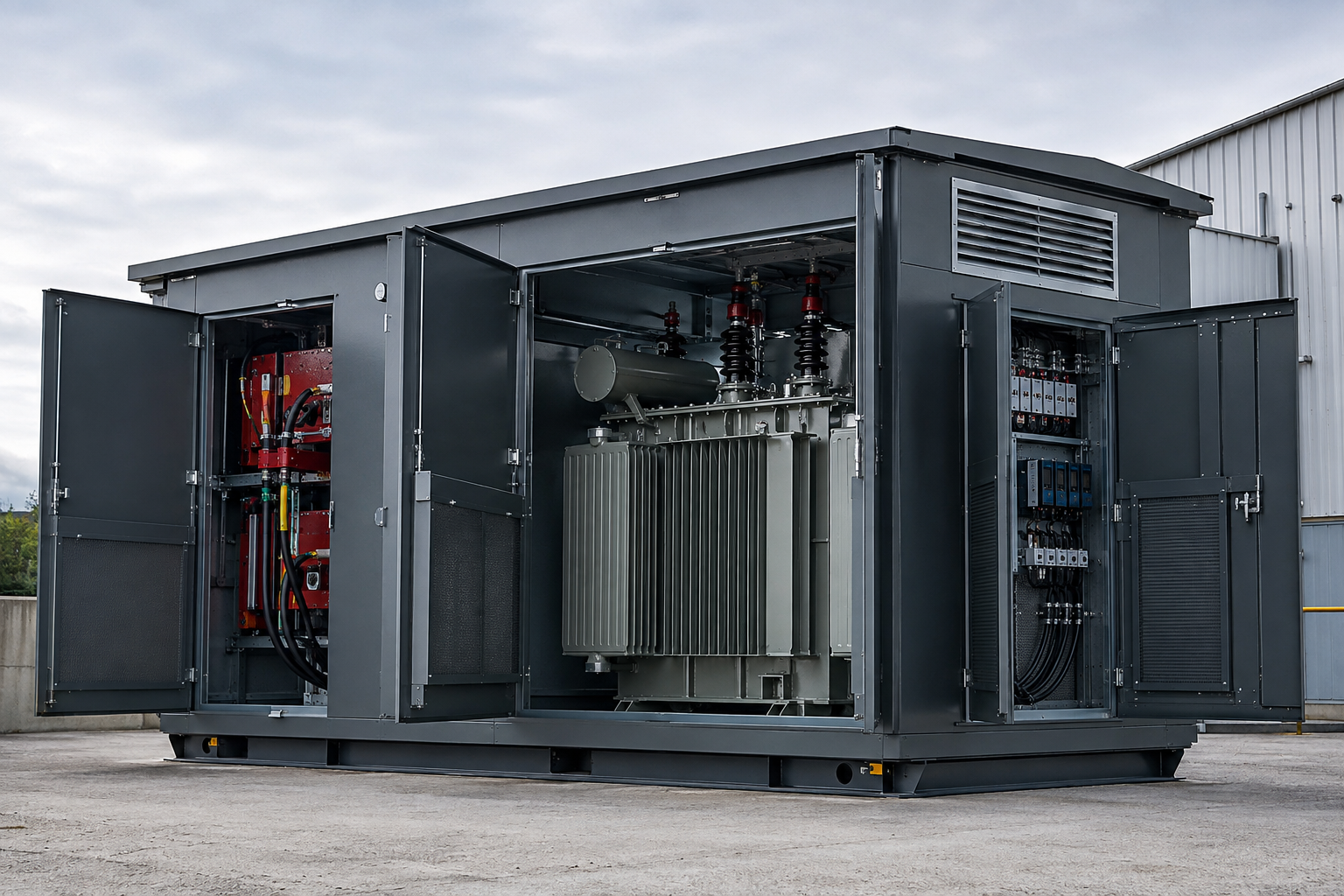
Containerized prefabricated substation
Containerized prefabricated substation for an integrated outdoor power-distribution arrangement.
Power equipment experience
More than three decades stated by Talite
Product breadth
22 series, 100+ varieties, and 600+ specifications in client documents
Application breadth
Utilities, industry, energy, infrastructure, ports, and public facilities
Selection Trade-Offs That Change the Right Platform
One transformer design is not right for every project. An industry designation is not a substitute for application data, and the wrong choice costs money, space, maintenance time, or outage exposure.[1][5]
| Situation | Trade-off | Better decision path |
|---|---|---|
| Indoor space with strict fire strategy | Oil-filled equipment can add containment, separation, and fire-protection interfaces. | Compare dry-type and oil-filled arrangements against ventilation, loss, sound, footprint, and lifecycle requirements. |
| High harmonic or converter load | A nameplate kVA match does not resolve additional thermal and waveform duty. | Provide the harmonic spectrum and converter topology; keep rectifier-transformer review separate from general nonsinusoidal-load review. |
| Lowest bid price focus | A lower purchase price can be offset by evaluated no-load and load losses. | Use a common loading profile, energy price, loss values, and ownership period for each bid. |
| Large power transformer with constrained access | A technically suitable unit may not fit the transport route, lifting plan, or recovery strategy. | Bring route, dimensions, lifting, spare strategy, and outage consequences into concept review. |
| Oil-filled equipment at an applicable U.S. SPCC facility | Site containment and discharge-prevention obligations are not resolved by a factory data sheet. | Coordinate the equipment configuration with the site’s environmental and civil design review. |
Engineering & Selection Tools
Industry-to-Transformer Selection Matrix
Quickly match specific industrial applications with the optimal transformer type. Ensure compliance and stable performance for your sector.
Use Matrix
Transformer RFQ Input Checklist
Streamline your procurement process with our standardized request for quotation checklist. Minimize communication errors and accelerate technical alignment.
Download Checklist
Transformer Lifecycle-Cost Input Builder
Calculate the total cost of ownership including capital expenditure and operational losses. Make data-driven decisions for long-term power projects.
Launch Builder
Transformer Industry Solution FAQs
These answers use the same standards and lifecycle-evaluation boundaries referenced in the selection sections.[1][3]
Which transformer types are used across industrial applications?
Industrial applications can use power transformers, distribution transformers, dry-type transformers, oil-filled transformers, furnace transformers, rectifier transformers, step-up transformers, and integrated substation platforms. The load, voltage, waveform, environment, protection, and destination rules determine which family belongs on the shortlist.
How do power transformers differ from distribution transformers?
Power transformers generally serve higher-capacity transmission and substation duties, while distribution transformers deliver power closer to the point of use. The decision also affects voltage class, loss evaluation, cooling, protection, transport, testing, and installation interfaces.
When should a project compare dry-type and oil-immersed equipment?
Compare them when fire strategy, indoor location, ventilation, footprint, environmental containment, sound, losses, overload duty, or maintenance access can change the preferred arrangement. Use the same electrical duty and lifecycle assumptions for both options. Each route has its own platform page with the detailed configuration inputs: medium-voltage dry-type transformer specifications and oil-immersed power transformer specifications.
What information is needed for a data-center transformer review?
Provide topology, redundancy, continuous and step loads, voltage interfaces, harmonic spectrum, grounding, fault level, efficiency target, environment, monitoring, footprint, maintainability, and required standards. A nameplate capacity alone does not resolve critical-power reliability.
What changes for renewable-energy transformer applications?
Renewable projects add inverter waveform, collection-system voltage, step-up duty, fluctuating production, grid-code behavior, outdoor exposure, protection, and substation integration. Provide the converter data and operating profile with the electrical single-line diagram.
Which inputs matter for mining, metallurgy, or petrochemical loads?
Duty cycle, motor starting, furnaces, drives, rectifiers, harmonic spectrum, short-circuit duty, voltage regulation, dust, corrosive exposure, ambient temperature, hazardous-area boundaries, cooling, and outage consequences all matter. Severe cyclic or converter duty needs an application-specific thermal and mechanical review.
Can Talite support 50 Hz and 60 Hz projects?
Talite client documents represent both 50 Hz and 60 Hz project requirements. For each project, we confirm frequency together with voltage, capacity, losses, cooling, accessories, destination standard, and the specific product series.
What should an engineering, procurement, and construction team include in an RFQ?
Include the load list, single-line diagram, capacity, voltage, frequency, grounding, fault level, environment, standard, accessories, tests, documents, quantity, destination, packing, and delivery boundary. Use the linked RFQ Input Checklist to identify gaps before supplier comparison.
Which factory and third-party tests can be scoped?
Talite materials state factory acceptance testing, type testing, and third-party inspection options. The order must identify the applicable standard, test list, witness or hold points, report format, responsible party, and acceptance criteria.
How are custom voltage ratios and accessories reviewed?
Send the voltage ratio, tap requirement, vector group, grounding, load and fault data, accessories, control voltage, monitoring points, and interface drawings. If the enquiry calls for isolation transformers, specify the required galvanic separation, insulation level, shielding, and grounding so Talite can confirm product availability before quotation.