Get in touch with Toplit Transformer Co., Ltd Company

Project-reviewed transformer configuration
American Style Pad Mounted Transformer Built Around Your Project Inputs
We turn your phase, voltage, kVA, feed arrangement, front construction, site conditions, and document scope into an engineer-reviewed quotation. This page does not guess a rating from a cabinet photograph or treat a standard number as proof of a finished configuration.
Prepare the 10-Group RFQ Intake
9 photos
client-supplied factory evidence
2 phase routes
single-phase and three-phase builds shown
3 RFQ tools
to organize project inputs
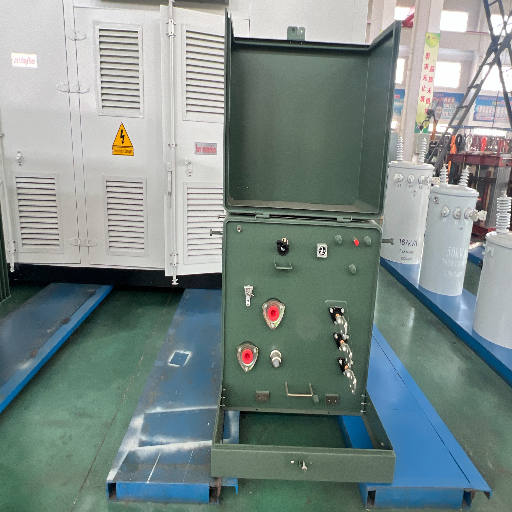
Real factory photo. Ratings still come from the nameplate, one-line diagram, utility specification, and approved drawing.
American-Style Project Decisions at a Glance
Beyond nameplate ratings and pricing, a buyer still needs to match the distribution system, project ownership, site interface, and order package. Treating each green pad mount enclosure as identical is a frequent cause of quote delays and drawing rework.
01
1 Phase
A single-phase or three-phase requirement comes from the approved electrical system, not from the feed label alone.
02
2 Feed arrangement
A loop-feed unit is not automatically a three-phase selection, and radial feed is not necessarily defined by exterior appearance.
03
3 Front construction
Bushing labels or exterior photos do not settle live-front, dead-front, cable, switch, fuse, or fault-duty requirements.
04
4 Electrical inputs
Primary voltage, secondary voltage, frequency, kVA ratings, BIL, impedance, connection, grounding, and taps must travel together.
05
5 Site and enclosure
Public access is not automatically a coastal requirement, and coastal exposure is not necessarily a flood-elevation decision.
06
6 Ownership
Supplier, owner, utility, project engineer, importer, certifier, and site team each control a different part of the approval path.
“Beyond nameplate specs and price, which component and supplier signals matter?”
“A loop-feed unit may arrive for a project that is operated radially, leaving buyers unsure about unused interfaces.”
“Bushing labels or exterior photos do not settle the primary system arrangement; the nameplate and one-line are still needed.”
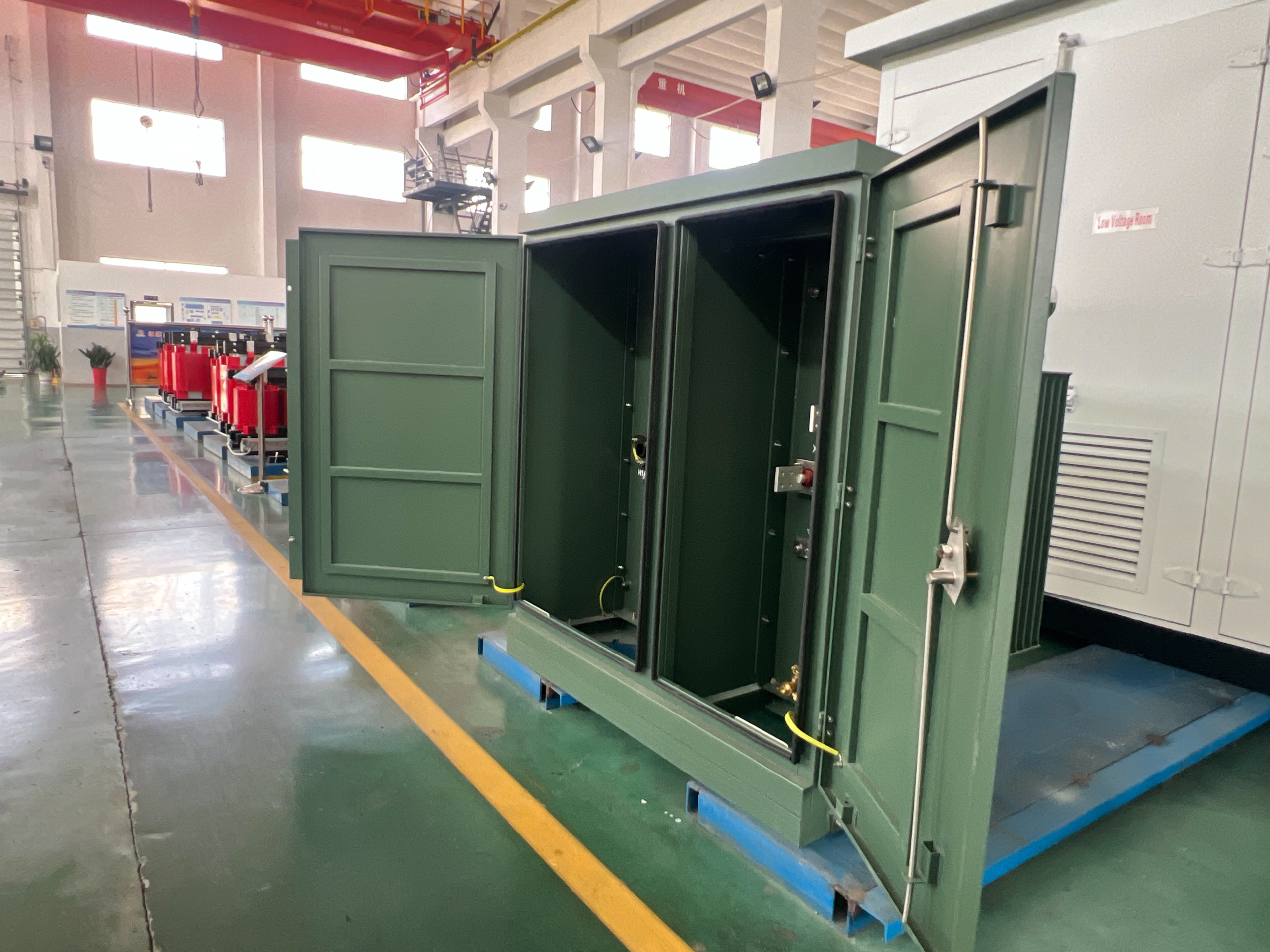
American-Style
Project Configuration
Our capability statement is a review path, not a universal catalogue category. We compare the submitted transformer design inputs because a wrong phase, voltage class, feed arrangement, or accessory assumption can invalidate an otherwise complete RFQ.
4-Axis Project Input Brief
System Category
phase, frequency, primary system, ground, and utility specification.
Rating Axis
kVA, primary voltage, secondary voltage, taps, BIL, impedance, and connection.
Interface Category
radial feed or loop feed, front construction, cable, bushing, switchgear, and protection.
Delivery Category
destination, environment, documents, approval owner, quantity, and required date.
Standard-Scope Guardrails
IEEE C57.12.38-2025 describes a single-phase product-standard scope up to 250 kVA with stated voltage boundaries.
IEEE C57.12.34-2022 addresses a three-phase product-standard scope at 10 MVA and smaller and sets voltage boundaries.
Both pages include radial and loop terminal arrangements and exclude complete accessory-device specifications.
These boundaries prevent specification review of non-compliant requirements; they are not Talite model ratings or a compliance representation.
A rating on a reference drawing is an input, not a portfolio promise.
Whether a legacy nameplate reads 3000 kVA or another kVA value, we check the full electrical, mechanical, environmental, and document package before confirming what can be quoted.
pad mount transformer
pad mounted transformer
pad-mounted transformer
padmount transformer
pad-mount transformer
distribution transformer
box-type transformer
Project Inputs for Feed and Front Construction
Phase, feed, and front configuration are separate inputs. Omitting them altogether as “type transformer” glosses over the cable interfaces, protection, switching, and operating assumptions that determine the enclosure layout.
Reference Configuration Layout
Interface mismatch is a drawing-stage risk.
A supplier RFQ can fail or delay production because a 34.5 kV class limit, cable route, bushing interface, switch, fuse, or accessory requirement was left implicit. Talite engineers confirm against the utility specification and one-line instead of treating a radial or loop label as a complete solution.
Feed and interface decision matrix
Decision
What to submit
What it does not prove
Review output
Radial feed
One-line, utility specification, primary cable route, terminal requirements
It does not by itself settle phase, front construction, fuse, or switch arrangement
Requested radial feed interfaces listed in the quotation
Loop feed
One-line, loop operating intent, incoming/outgoing cable paths, bushing and switching requirements
A loop feed transformer label does not promise operational redundancy
Loop feed interfaces and open assumptions shown for review
Dead-front request
Connector system, bushing interface, cable details, protection and accessory specification
The phrase does not complete accessory-device requirements
Quoted interface scope tied to the approved drawing
Live-front request
Utility/project requirement, clearance, barriers, cable and operating responsibility
An exterior photograph does not establish the approved arrangement
Construction request routed for engineering confirmation
Primary system
Describe the underground medium-voltage power supply, HV system designation, kV class, power grid position, grounding, available fault information, and upstream switchgear.
Protection and accessories
State the requested switch, fuse, arrester, gauges, accessory interfaces, and any utility-specific acceptance criteria.
Low-voltage interface
Provide the low voltage or low-voltage connection, cable exits, neutral and grounding details, compartment needs, and downstream distribution system.
Interface trade-off: more requested interfaces can improve project fit, but every extra accessory must be defined, placed, reviewed, and documented. A wrong assumption costs time because it changes both electrical and mechanical review.
Price Drivers, Lead Time, and Commercial Terms
A pad-mounted transformer price will inevitably always be taken in connection with electrical and mechanical scope. Comparing an offer with another one without verifying how far matches concerning capacity, voltage, phase, feed, protection, tests, documents, destination and responsibility of delivery is often a high cost error.
01
Ratings and system
Capacity, primary and secondary voltage, phase, frequency, impedance, connection, and specified loss performance shape the transformer core and coil review.
02
Interface and enclosure
Feed arrangement, front construction, cable interfaces, switches, fuses, accessories, compartment layout, coating environment, and site constraints change the build scope.
03
Order and destination
Quantity, reports, drawings, witness requirements, Incoterm, destination, required date, approval speed, and requested expedite path affect execution.
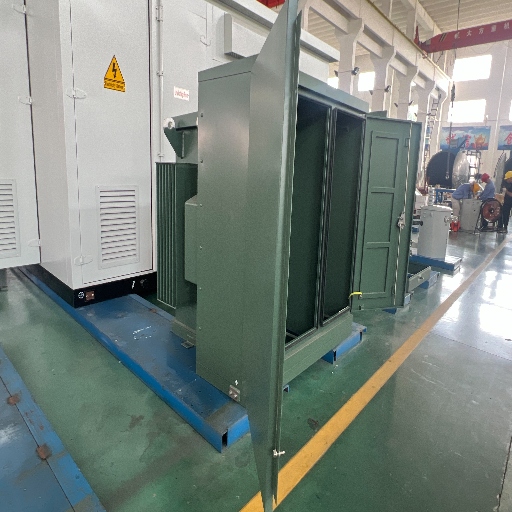
Production Readiness
Production starts from an approved technical baseline.
Incomplete nameplate data, conflicting utility notes, late accessory changes, or an open drawing approver can delay the start even when the factory slot is available.
Quotation boundary:
response time, production schedule, minimum order, payment split, Incoterm, document package, and any expedite option must be stated in Talite’s written project quotation. Competitor terms are not Talite commitments.
Quantity:
State the unit quantity and any spare units required so that quotation may define the accepted amount.
payment – demand quotation:
show the settlement account, cash, deposit, account in arrears balance, account number, documents.
Deliver to:
[Your Incoterm name], [Desired Destination], [Unloading boundary definition], [Designation of insurance party], [Designation of customs responsibilities]
Schedule:
Separate time to draw/review/produce, do tests, get docs approved, ship; only ask for expedite review when there is a specific date required.
Phase Selection Within the American-Style Scope
A single phase pad mounted transformer and a three-phase pad-mounted transformer are unique system solutions. Choice is not based on liking a cabinet, but on generating approved power distribution.
01
Confirm against the phase-specific scope.
Phase and feed are not interchangeable, and an OEM RFQ is at risk when phase is guessed because IEEE C57.12.38 frames a single-phase scope at 250 kVA and smaller, while IEEE C57.12.34 frames a three-phase scope at 10 MVA and smaller. Unlike a catalogue shortcut, Talite engineers confirm against the one-line, utility specification, voltage, and requested interfaces before providing a specific engineering quote.
02
Single-phase project route
Use the single-phase route when the utility specification, load arrangement, and one-line identify that duty. A single-phase pad-mounted transformer still needs its voltage, kVA, terminal, protection, enclosure, and document inputs confirmed.
03
Three-phase project route
Three-phase pad-mount transformers require coordinated high voltage and low-voltage inputs, connection, impedance, terminal layout, and project protection. A three-phase pad-mounted configuration is not automatically loop feed.
04
Phase remains open
If the phase is uncertain, do not choose from a factory photo or a single phase pad search result. Send the one-line, utility contact, load information, and reference documents so the decision stays explicit.
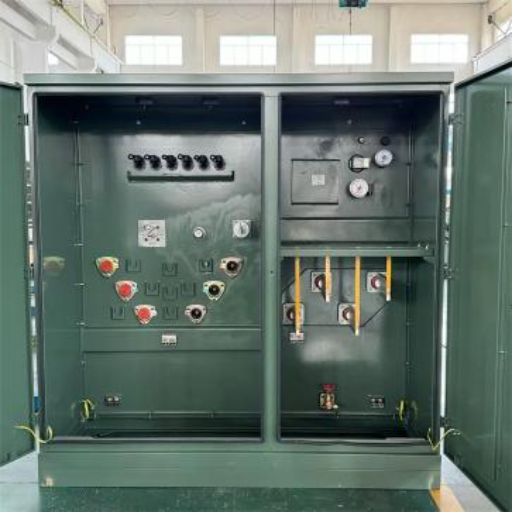
Single-phase physical configuration photographed at the factory; the image does not establish a model-wide rating.
Three-phase American-style pad-mounted transformer with the enclosure doors open
Three-phase enclosure configuration; terminal and rating decisions remain tied to project documents.
Terminology does not select the equipment.
“Single phase pad mounted transformer,” “three-phase pad-mounted transformers,” and “pad mount transformers” are useful search or document labels, but the accepted specification controls the order.
Engineering Review, Evidence, and Document Control
A test or product scope within a reference document is only a testament to *that* test or *that* product scope – not that an accessory has been accounted for, a specific report produced, or a requirement completed. The order can also tie a quoted configuration, a signed-off drawing, the agreed report scope and the responsibility matrix to provide a unique, traceable technical baseline.
Project ownership matrix
Public, coastal, and flood conditions are not interchangeable.
The Nameplate-to-Quote Project Path
Our six-step journey brings the source documentation, open decisions, quote assumption and drawing approval together. Even a compact enclosure may have a number of tight electrical, mechanical, commercial and destination decisions associated with it.
Collect
Nameplate, one-line, specification, site, destination, quantity, and date.
1
Screen
Phase, ratings, feed, front, accessory, enclosure, and applicability gaps.
2
Clarify
Return assumptions, conflicts, alternatives, and responsible-party questions.
3
Quote
Bind the technical scope, commercial terms, schedule, and document package.
4
Approve
Close drawing comments and freeze the accepted production baseline.
5
Handoff
Produce and deliver against the approved drawing and agreed documents.
6
Nameplate-to-Quote Trace
Confirmed ratings, chosen interfaces, accepted deviations, site inputs, document list, commercial term, and a named approval owner move into the quotation.
What remains open
Unknown utility requirements, guessed bushing arrangements, unapproved protection, missing importer responsibility, and unresolved flood or coastal criteria stay visible instead of becoming hidden assumptions.
Traceability is the differentiator: we do not replace an unknown with a catalogue guess.
We show the unknown, name the decision owner, and carry the answer into the quotation or drawing.
Use the Nameplate-to-Quote ChecklistAmerican Style Pad Mounted Transformer Configuration Tools
01
American-Style Transformer RFQ Intake Builder
Turn the information you already have into a structured project brief. Blank fields remain visible so the engineering review can identify what still needs confirmation.
Start Builder
02
Phase and Feed Decision Guide
Separate phase, feed arrangement, and front construction before the quote. The result is a review note, not a product or protection-system selection.
Open Guide
03
Nameplate-to-Quote Readiness Checklist
Check what is ready before sending the inquiry. A low score does not block a conversation; it shows which details should remain marked for confirmation.
View Checklist
American-Style Pad-Mounted Transformer FAQs
This helps to prime the conversation engineering and avoids becoming a installation how-to guide or a tool for automated compliance.
Send the project identity, destination, one-line diagram, readable reference nameplate, utility specification, phase, frequency, kVA, primary and secondary voltage, connection, impedance, feed and front requirements, protection, accessories, site conditions, document scope, quantity, Incoterm, and required date. Mark unknowns as open instead of guessing; we will return the clarification list with the engineering review.
Yes. We review both phase routes, while the approved system and project documents determine the quoted configuration.
No. Phase describes the electrical system, while loop feed describes a primary-feed and terminal arrangement. A single-phase or three-phase project can still require a separate radial-versus-loop decision, so send the one-line diagram, utility requirement, cable path, bushing interface, and operating intent.
No single phrase settles that choice. A project can use loop-capable interfaces while operating in a radial arrangement, while another project can require different terminals, switching, barriers, or treatment of unused interfaces because its utility scheme is different. The utility or project engineer must define the approved operating intent, cable routes, protection, grounding, terminal arrangement, and maintenance responsibility before Talite confirms the quoted construction.
Each document answers a different question. A reference nameplate records the prior unit, while the one-line and primary-system information show how the new equipment must fit.
No. A photograph can prove that a physical enclosure existed, but paint, cabinet shape, door count, or a partial bushing view cannot reliably establish the full rating, internal connection, grounding, protection, accessory requirements, applicable standard, or operating arrangement. Use the image to discuss physical context, then provide a readable nameplate, one-line diagram, utility specification, cable information, and approved drawing so the quote is tied to project evidence rather than visual guessing.
The American-style scope crosses phase-specific standards, utility requirements, destination rules, and model-specific design decisions. Publishing the broader parent-portfolio range here would make it look like every value applies to every American-style configuration, so ratings are confirmed against the submitted project instead.
Price changes with capacity and voltage, phase and feed, front construction, connection and impedance, specified losses, protection and accessories, tests and documents, quantity, destination, Incoterm, and required date. A lower figure can hide a different cable interface, fewer accessories, a narrower report package, an unpriced destination duty, or an assumption that shifts work to the owner. Compare the technical schedule, commercial term, exclusions, drawing responsibility, and delivery scope line by line before deciding that two offers cover the same transformer.
This page does not publish a universal production duration. The written quotation must state the drawing-review assumptions, production schedule, test and document timing, shipment boundary, and any project-specific expedite decision after Talite reviews the final configuration and required date.
This page does not set a universal minimum order or payment split. Ask the written quotation to state the accepted quantity, currency, payment method, deposit, balance trigger, Incoterm, destination, and every project-specific commercial condition.
The quotation and drawing review must list the agreed report and document package before production. State the required report format, drawing list, data sheets, witness points, acceptance criteria, language, and submission timing so the contract identifies what must ship with the order.
Applicability depends on the exact product function, phase, input and output voltages, frequency, capacity, taps, exclusions, terminal arrangement, destination, and manufacturing or compliance date. IEEE C57.12.38 and C57.12.34 separate single-phase and three-phase product-standard scopes, while DOE coverage has its own definition and exclusions; accessory, enclosure, site, and utility requirements can still sit outside those scopes. Treat every cited standard as a requirement to screen and document, not automatic proof of Talite certification, project approval, or a complete accessory package.
DOE guidance treats an importer as a manufacturer for covered equipment, so the project should name the importer, certification submitter, underlying test-data owner, and any authorized third party. The responsible entity must confirm the current compliance path; the supplier page does not make that legal determination.
Provide the design flood or base flood elevation, required equipment elevation, drainage, submersibility requirement, salt or coastal exposure, public access, vehicle risk, working space, cable approach, pad details, and site approval owner. Flood mitigation can call for elevation, coastal service can call for a separate enclosure-integrity review, and public access or traffic can add security and impact questions; none of those decisions automatically resolves the others. Send the civil and electrical site criteria together so the supplier, utility, project engineer, and site team can close their respective responsibilities before installation.