Get in touch with Toplit Transformer Co., Ltd Company

Bronze lifecycle evidence tier
Oil-Immersed Power Transformers Matched to Your Grid Requirements
An oil immersed power transformer is a liquid-filled electrical unit in which insulating fluid supports dielectric insulation and heat transfer. Talite proposals begin with your capacity, voltage, phase, installation, loss target, and destination requirements. That input set creates a controlled technical scope for pole-mounted, distribution, or higher-voltage project configurations, not a model chosen from a photo or family name.
- Family-level data available
- Model confirmation required
- Destination standard to be confirmed
Choose the Oil-Immersed Transformer Family for Your Installation
A quotation becomes risky when a supplier starts with a series label and forces the project around it. Start with the installation and electrical duty, then use the product family to narrow the engineering path.
Pole-mounted path
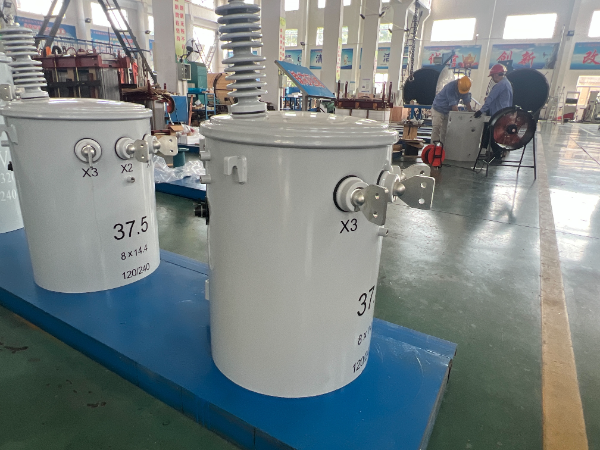
Single-Phase Pole-Mounted Transformers
Click to view details +
Single-Phase Pole-Mounted Transformers
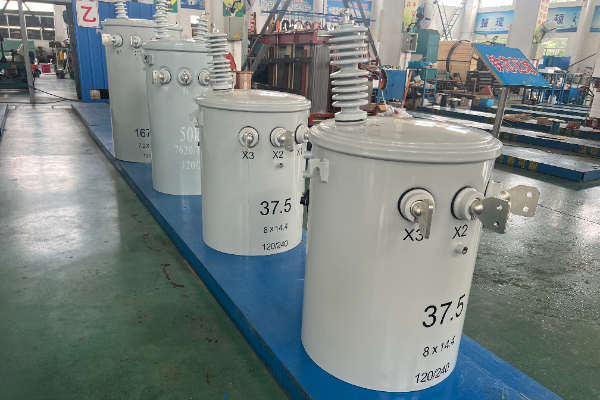
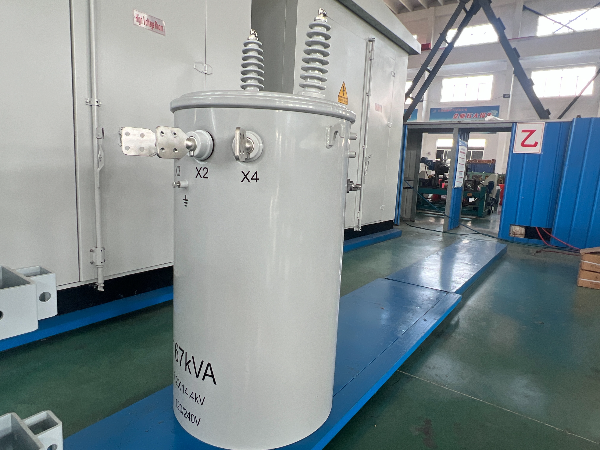
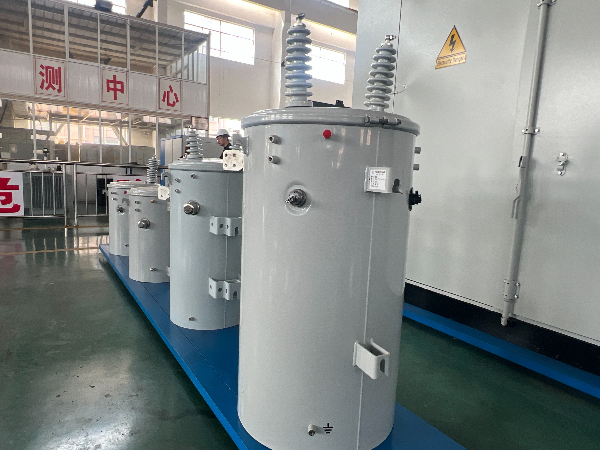
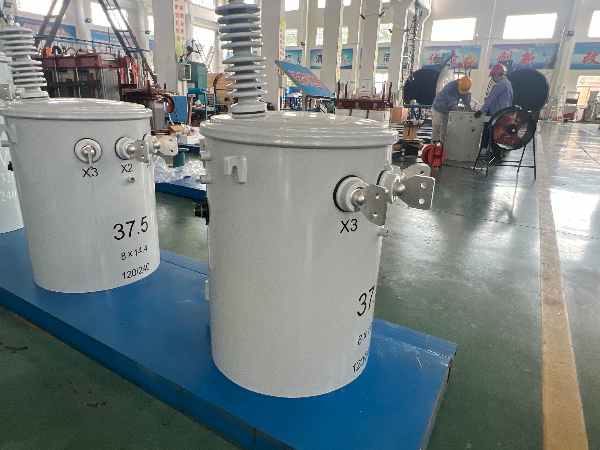
A supplied family document includes a 50 kVA, 34.5/0.48 kV example for overhead distribution and temporary power applications. Phase, frequency, bushing arrangement, mounting, and destination utility requirements still need order-level confirmation.
ENGINEERING REQUIREMENTS- Use when the project starts with a single-phase overhead distribution requirement.
- Provide primary and secondary voltage, frequency, mounting hardware, protection, and utility specification.
- Confirm the actual rating from the nameplate and model sheet before approving an image or drawing.
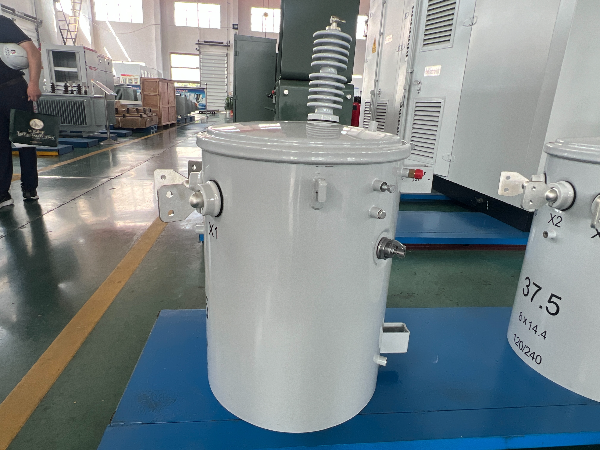
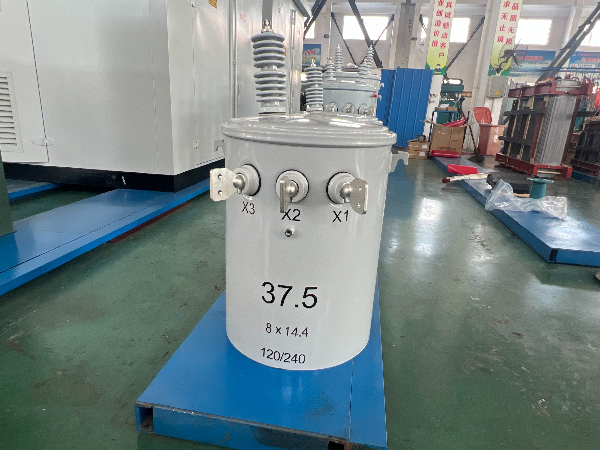
A representative photo shows a different visible rating from the source-document example, so it is intentionally presented at product-family level.
Distribution path
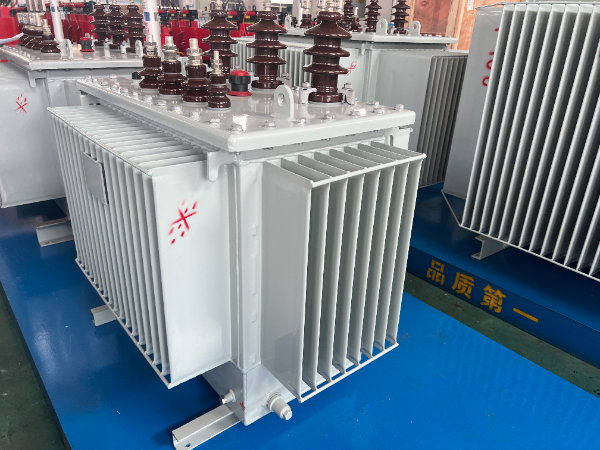
10 kV-Class Sealed Distribution Transformers
Click to view details +
10 kV-Class Sealed Distribution Transformers
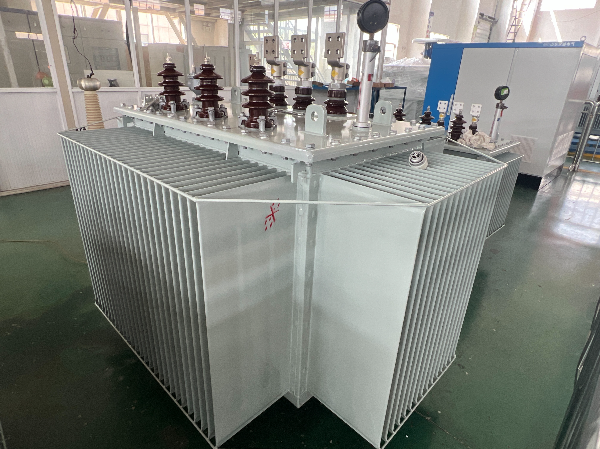
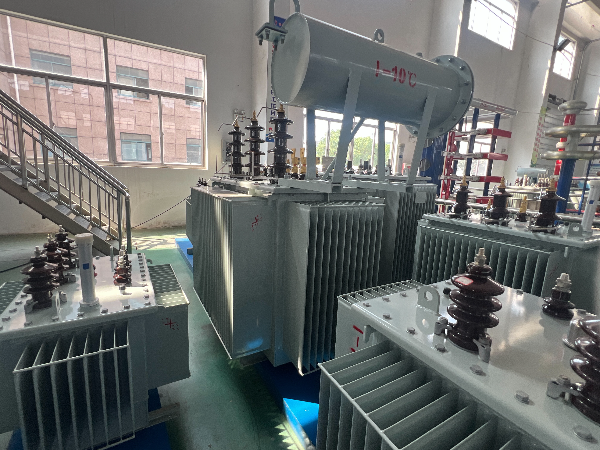
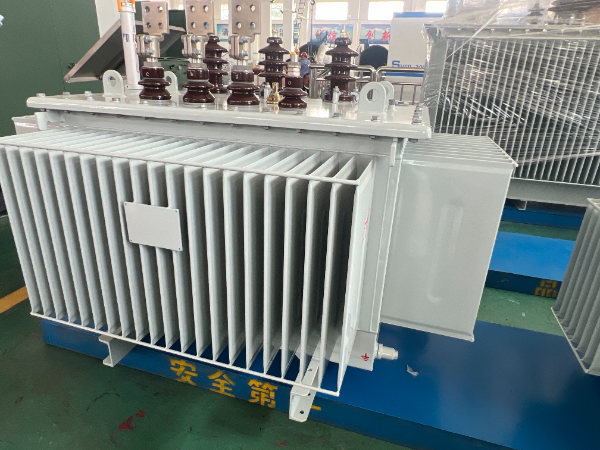
Supplied S11-M family data spans 30–3,150 kVA and documents a 0.4 kV low-voltage side, full-oil sealing, corrugated tank compensation, and vacuum oil processing. Exact primary-voltage combinations, vector group, impedance, losses, and dimensions must be taken from the confirmed model row.
ENGINEERING REQUIREMENTS- Screen actual and forecast load before selecting rated capacity.
- Confirm tap range, cooling method, temperature rise, noise, and accessories.
- Keep S11, S13 and S15 series evidence separate where the source files conflict.
A family capacity range does not make every accessory, loss value, or environmental condition valid for every model.
Higher-voltage project path
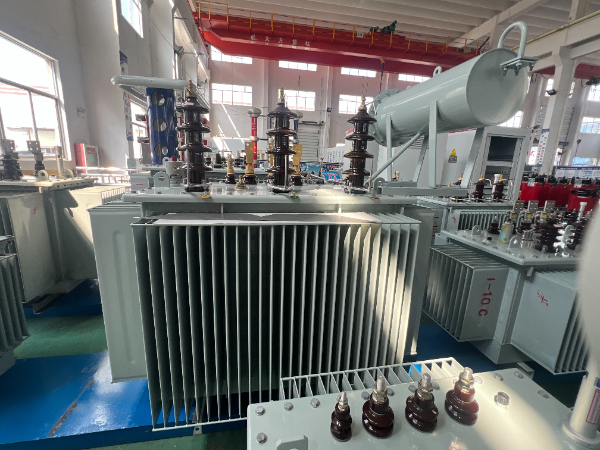
35 kV-Class Project Transformers
Click to view details +
35 kV-Class Project Transformers
Supplied 35 kV-class data covers models from S13-50/35 through S13-2500/35 and lists outdoor conditions from −25°C to +40°C at altitudes up to 1,000 m. A mixed 200 kVA, 10 kV amorphous-core passage in the same file is excluded from the 35 kV family claim.
ENGINEERING REQUIREMENTS- Provide system voltage, low-voltage side, vector group, short-circuit impedance and installation environment.
- Identify whether the destination treats the unit as a regulated distribution transformer or another equipment category.
- Agree the standard family and acceptance criteria before a model is placed on the commercial offer.
Supplier series naming is not a regulatory classification and does not prove destination compliance.
The honest product-family rule
The honest version is simple: electrical duty and destination scope determine the correct 10 kV, 35 kV, or U.S. regulatory path. The common assumption that a supplier family name controls that choice is not always safe.
Family screening by Talite starts with the buyer’s single-line diagram.
Missing model evidence is listed by Talite before an engineering drawing is approved.
Separate evidence records let Talite keep the photo, model sheet, test report and commercial offer traceable.
For broader pad-mounted, dry-type, overhead, and substation routing, use the utility transformer project selection page.
Category evidence: review the U.S. Department of Energy distribution-transformer scope before treating a family label as a regulated equipment category.
Match the Transformer to Six Project Inputs
Most technical deviations begin before design review when the buyer and supplier use the same words for different system conditions. This Talite 6-Input Oil-Transformer Match Map turns those open assumptions into a written engineering checklist.
Send the load list, requested kVA, duty cycle, and expansion allowance.
State primary, secondary, taps, regulation duty, and insulation level.
Confirm single- or three-phase service and 50 or 60 Hz operation.
Define pole, outdoor pad, substation, indoor room, altitude, ambient, and clearances.
Provide no-load loss, load loss, temperature-rise, noise, and cooling expectations.
Name the market, utility specification, standard family, efficiency rule, and site constraints.
Faster model matching
Provide the single-line diagram and specification before asking for a final quotation. Talite can then return a candidate family, a list of unresolved inputs, and the evidence required before the model is confirmed.
Send Your Single-Line Diagram for a Model MatchCompare Product Families Without Mixing Model Evidence
A product-family comparison has value only when it separates supported items, project-specific criteria, and unverified details. This matrix distinguishes scope supported by family documents from values that belong in the model data sheet or contract.
| Decision field | Single-phase pole-mounted | 10 kV-class sealed distribution | 35 kV-class project |
|---|---|---|---|
| Supported source scope | 50 kVA, 34.5/0.48 kV example | 30–3,150 kVA family table; 0.4 kV low-voltage side | S13-50/35 through S13-2500/35 table |
| Installation route | Overhead pole-mounted distribution | Indoor or outdoor sealed distribution | Outdoor higher-voltage project configuration |
| Documented structure | Tank-type single-phase oil-filled unit | Full-oil sealed corrugated tank | Three-phase oil-immersed tank and cooling surfaces |
| Environment in supplied family data | Confirm by model and destination | −25°C to +40°C; altitude up to 1,000 m in the referenced family document | −25°C to +40°C; altitude up to 1,000 m in the referenced family document |
| Must be model-confirmed | Rating, voltage, frequency, mounting, protection, dimensions | Primary voltage, vector group, impedance, losses, accessories, dimensions | Voltage combination, vector group, impedance, losses, accessories, destination standard |
| Evidence status | Family source available | Family table available | Family table available |
Quotation comparison rule
A seemingly attractive initial quotation may conceal loss, maintenance, downtime, leakage, or document exposure because suppliers have priced different technical scopes. The gap becomes visible only when winding type, impedance, temperature rise, accessories, tests, drawings, packaging, and destination support appear on one deviation list.
- For every family claim, Talite maps the stated scope to associated model evidence.
- A 34.5 kV label doesn’t serve as proof of destination approval for Talite.
- Talite supplies a list of values for procurement and the project team to confirm against the test documentation and the drawings.
Comparison boundary: the IEEE C57.12.00 scope supports category alignment; model values still require the proposed data sheet and test record.
Engineering Options That Change the Project Decision
Transformer oil contributes cooling and electrical insulation, but tank design, cooling surfaces, protection, site conditions, and duty cycle determine whether the full arrangement fits the project. These inputs belong in the request for quotation, not in a generic benefit list added after model selection.
Sealed tank and oil-volume compensation
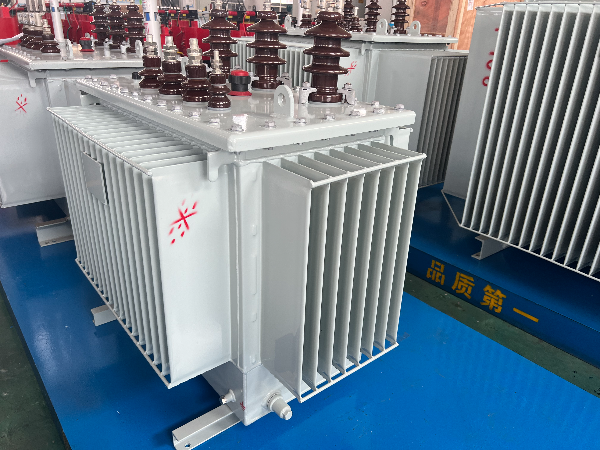
Referenced S11-M family data describes a fully oil-filled sealed arrangement with a corrugated tank intended to accommodate oil expansion. Confirm the exact sealing method, oil volume, pressure-relief provision, transport condition, and maintenance approach for the selected model.
Cooling and thermal inputs
Natural oil circulation and convection move heat from the core and windings toward the tank and cooling surfaces. Operating temperature, ambient, altitude, loading pattern, and temperature-rise limit all belong in the transformer design input.
Protection and monitoring
Supplied family data lists a pressure-relief device and, for some referenced models at 800 kVA and above, a gas relay and signal thermometer. Treat these as model-qualified options until the data sheet and accessory schedule identify the exact configuration.
Dry-type or liquid-filled
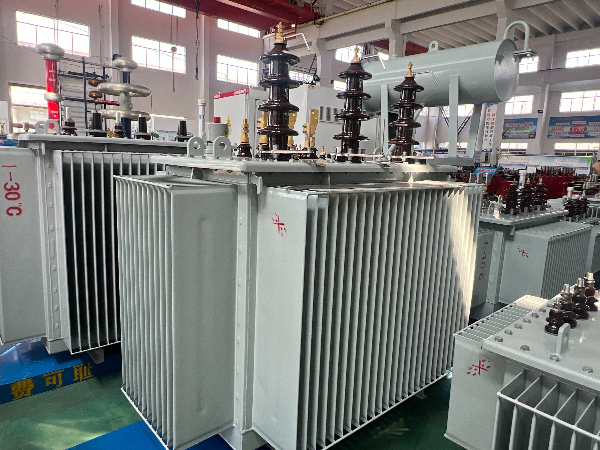
A dry-type transformer is not necessarily the safer or less expensive choice, and a liquid-filled transformer is not automatically the better performer. Site conditions, fire strategy, civil works, losses, sound, footprint, maintenance, and repairability change the decision.
Site oil-containment boundary
Oil volume, drainage, proximity to occupied areas, fire protection, and local environmental rules belong in the site review. For U.S. facilities, the responsible project team should screen EPA SPCC requirements and the optional treatment for qualified oil-filled operational equipment.
Insulating-fluid direction
Mineral oil remains a common cooling medium, while ester and biodegradable-fluid research addresses environmental and fire-performance objectives. A different fluid needs separate confirmation for dielectric, thermal, material-compatibility, maintenance, and destination-approval requirements.
Thermal and network fit checkpoint
For power transmission and distribution, an oil-immersed transformer uses insulating oil to cool and insulate the windings and core while heat moves from each winding through the fluid to the tank. This magnetic and thermal arrangement can provide efficient cooling, but reliability depends on matching dielectric strength, loading, ambient, altitude, and maintenance to the selected model.
- System position: State whether the oil-filled transformer connects power transmission, power distribution, or local distribution networks, and identify the upstream high-voltage protection boundary.
- Site duty: Flag outdoor installation at power plants, substations, industrial plants, or renewable sites, then define ambient, altitude, loading pattern, clearances, containment, and access.
- Design basis: Transformers use different core, winding, fluid, tank, and cooling arrangements, so the proposed oil-immersed transformer must be checked against project duty rather than a family description alone.
Lifecycle comparison based on inputs, not a promised saving
Lifecycle cost depends on no-load loss, load loss, loading profile, energy value, operating hours, evaluation period, maintenance, containment work, and downtime exposure. U.S. efficiency rules evaluate covered liquid-immersed distribution units at a defined load point, which is another reason one generic percentage can’t represent a buyer’s duty cycle.
- No-load loss + energized hours
- Load loss + actual loading profile
- Energy value + evaluation period
- Maintenance + oil-management scope
- Containment + civil works
- Outage and replacement exposure
Why the lifecycle result stays Bronze
The regulated 50% load point is a test basis, not a claim that every buyer operates at 50% load. That trade-off is why Talite can show the calculation inputs but won’t promise savings until the selected model’s losses and the site load profile are verified.
- Request model-specific no-load and load-loss evidence for the required kVA rating.
- Record energized hours, loading profile, energy basis, and evaluation period.
- Keep containment, maintenance, and outage exposure separate from the energy-loss calculation.
Build a Test and Documentation Pack You Can Audit
A polished catalog can prove that a product family exists without proving that a specific unit fits the project. The Oil-Transformer Evidence Ladder gives procurement, engineering, and quality teams one way to decide what each document can and cannot support.
“The quickest route to a defensible quotation is to lock the six project inputs first, then make every drawing, test item, and deviation trace back to that agreed scope.”
Level 1
Product-family source and supported scope
Level 2
Model data sheet and row-level parameters
Level 3
Order technical agreement and deviations
Level 4
Official standard, regulation, or verified third-party record
| Document or record | Purpose | Quotation-stage status | Acceptance question |
|---|---|---|---|
| Model data sheet | Locks rating, voltage, vector group, impedance, losses, cooling, and accessories | Model confirmation required | Does every value match the offer and drawing? |
| General arrangement drawing | Defines dimensions, mass, terminals, lifting, clearances, and foundation interface | Project-dependent | Can the site receive, place, connect, and maintain the unit? |
| Wiring and terminal drawing | Defines control, indication, protection, and terminal connections | Project-dependent | Are all interfaces aligned with the protection and control design? |
| Routine test record | Records agreed electrical checks for the manufactured unit | Agree test list and format | Is the report traceable to the exact unit and acceptance criteria? |
| Type-test reference | Supports a defined design family where the reference is applicable | Applicability must be reviewed | Does the referenced design cover this model and requirement? |
| Component and fluid records | Identifies agreed materials, accessories, and insulating fluid | Project-dependent | Are substitutions controlled by the technical agreement? |
| Packing and export documents | Supports transport, receiving, identification, and customs handling | Destination-dependent | Are marks, preservation, dimensions, and document responsibilities closed? |
Certificate verification
A factory visit, generic certificate, or sample test record does not by itself prove the scope of the unit ordered and shipped. For certification claims, request the certificate scope, issuing body, accreditation path, validity, and an independent verification route; ISO publishes standards but does not certify companies.
Download the Transformer Selection Sheet- Confirm the model, unit reference, acceptance criteria, and report revision.
- Label each record as model-specific, design-family evidence, or project-dependent.
- Verify certificate scope, issuing body, accreditation path, validity, and public lookup method.
Move from Specification to a Controlled Technical Proposal
CONTROLLED BASELINE PROCESS
The commercial offer should come after the technical scope is defined. That order keeps the requested transformer, reviewed drawings, agreed tests, and shipped equipment tied to one controlled baseline.
Provide the single-line diagram, load or capacity, voltage, phase, frequency, installation, destination, and buyer specification.
Talite identifies a candidate path and returns questions that prevent an unsupported model match.
Identify the product category, efficiency rule, test procedure, standards family, site oil requirements, and local approval responsibilities.
Confirm model data, winding material, losses, impedance, temperature rise, accessories, tests, documents, and open exceptions.
Reference the agreed technical scope and state what remains subject to approval.
This page uses supplied Talite family documents and images that contain model, photo, and series inconsistencies. Without independently verified case studies, model-loss records, certifications, delivery records, or company-tenure evidence, those items aren’t presented as proven performance claims.
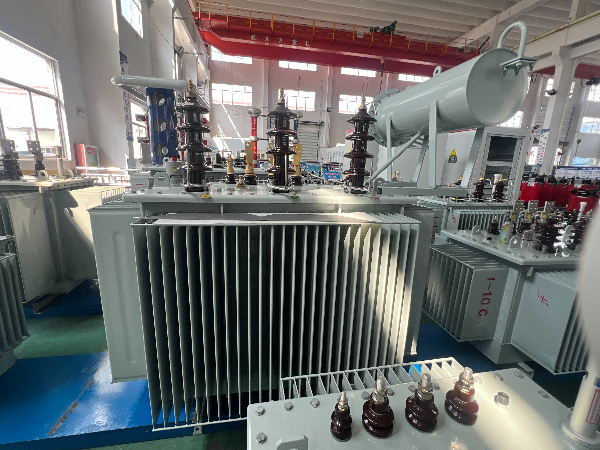
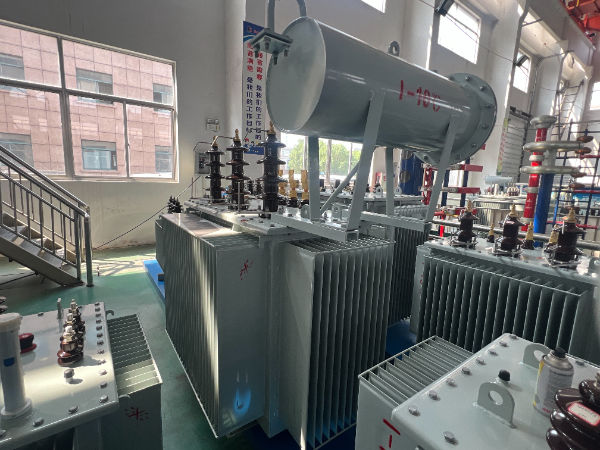
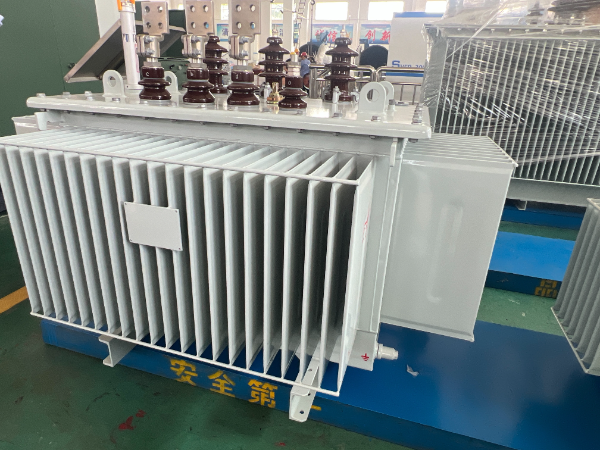
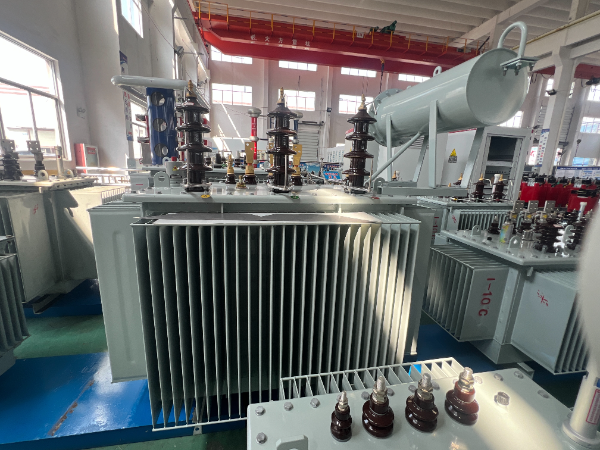
- Supplied product images show product-family and manufacturing context, not an exact model match.
- Family selection tables support screening, not a guarantee of compliance or predicted performance.
- Final parameters belong in the approved model data sheet and order technical agreement.
A major procurement risk is introduced when the supplier’s offer, an engineering drawing, and a test report employ different assumptions. When no single document maintains full scope control, conflicts multiply. Talite helps the buyer resolve that gap by isolating the fixed specifications, those subject to further agreement, and the destination elements not subject to supplier control.
- Talite links commercial terms to the agreed technical schedule.
- Each accepted technical deviation receives one entry in a controlled register.
- Pending configurations and documents require buyer approval before they become final.
Engineering & Configuration Tools
Transformer Project Input Builder
Configure your project’s technical specifications and site-specific operational requirements to generate a complete input profile.
Lifecycle Loss Cost Estimator
Evaluate no-load and load losses over the operational lifespan to accurately calculate the total cost of ownership.
Technical Quotation Scope Comparator
Align supplier parameters side-by-side to identify technical deviations in winding material, cooling, and accessories.
Factory Test & Document Pack Builder
Compile the necessary routine tests, type test references, and engineering drawings specific to your selected model.
Questions to Resolve Before You Send an Enquiry
Use these questions to compare quotations and keep the oil transformer aligned with the power system. Each answer should become a parameter value, drawing note, document number, or assigned responsibility.
When is an oil-immersed transformer a better project fit than a dry-type transformer?
Choose by installation, fire strategy, losses, cooling performance, repairability, footprint, maintenance, civil works, and destination requirements. Neither transformer type is universally better, so compare the same capacity, voltage, duty, environment, and acceptance basis. Use local code and insurer requirements to settle fire separation, fluid containment, access, ventilation, drainage, spill response, and emergency isolation, then compare those civil and operating obligations with the enclosure, cooling, footprint, and maintenance access required by the dry-type alternative for equivalent duty and site constraints.
Can Talite support a custom voltage ratio or destination-specific requirement?
Non-standard ratios, accessories, or destination requirements are subject to engineering review and component availability. Send the single-line diagram, plant specification, applicable standards, regulatory category, and acceptance criteria so the proposal can separate standard scope from special work. Any variation must appear consistently in the approved drawing, data sheet, bill of materials, test plan, nameplate schedule, and commercial deviation list, with the responsible engineer confirming that component availability and destination rules still support the requested configuration before release on the order.
What information is needed for a single-phase pole-mounted transformer?
Provide rated kVA, primary and secondary voltage, frequency, phase, tap requirements, insulation level, mounting arrangement, protection, terminal configuration, ambient conditions, and the utility specification. A photo or the phrase “pole transformer” isn’t enough to select the unit. The serving utility’s drawing and approval rules remain controlling.
How should oil immersed transformer price be compared?
Compare one technical scope: model data, losses, accessories, tests, drawings, packing, delivery terms, and deviations. Normalize Incoterms, warranty, spare parts, taxes, logistics, and excluded work before reading the total. A lower figure isn’t comparable when the supplier has omitted a test, accessory, document, or destination requirement.
Which values should be aligned before comparing quotations?
Align winding material, rated power, voltage ratio, vector group, impedance, no-load loss, load loss, temperature rise, cooling, sound level, accessories, tests, drawings, packaging, and destination obligations. Record every exception on one technical-deviation sheet. The schedule should identify which supplier value supports each agreed line.
What changes in an oil immersed transformer vs dry type comparison?
Start with the installation rather than a generic advantage list. A liquid filled transformer may suit outdoor utility, industrial, or renewable-power duty, while a dry-type option may change the fire and indoor civil-work strategy; both choices still require the same comparison of losses, operating temperature, noise, maintenance, containment, service life, power rating, voltage level, and destination rules.
What test reports and drawings can be requested?
Request the model data sheet, general arrangement, wiring or terminal drawing, agreed routine test record, applicable type-test references, component records, fluid information, manuals, and packing documents. Confirm availability and applicability for the exact model and contract. Ask the supplier to label each record as standard, optional, or project-specific, then tie its revision, serial number, witnessed status, acceptance criterion, and approval responsibility to the purchase order so a generic family report can’t be mistaken for evidence from the ordered unit itself.
What belongs in oil immersed transformer testing?
An agreed routine-test plan should identify the exact unit, standard basis, acceptance criteria, measured result, instrument or method where relevant, and report approval. For an oil immersed distribution transformer or single phase pole mounted transformer, add project-specific electrical, mechanical, terminal, oil, and document checks instead of copying a generic factory list.
How often does transformer oil require maintenance?
No single interval is safe for every unit because design, oil condition, loading, environment, sealing system, operating criticality, and the owner’s monitoring program all matter. Put inspection, oil sampling, alarms, leak response, records, and responsible roles into the operation and maintenance plan.
![110kV Power Transformer Guide: Specs & Standards [2026]](https://toplit-transformer.com/wp-content/uploads/2026/07/110kv-power-transformer-guide-featured-150x150.png)