Get in touch with Toplit Transformer Co., Ltd Company

Pole Mounted Transformer Solutions for Utility-Ready RFQs
The decision isn’t simply about the tank when “transformer pole mounted” begins your search. We review the distribution duty, utility interface, documentation and delivery constraints prior to quoting a pole distribution transformer configuration.
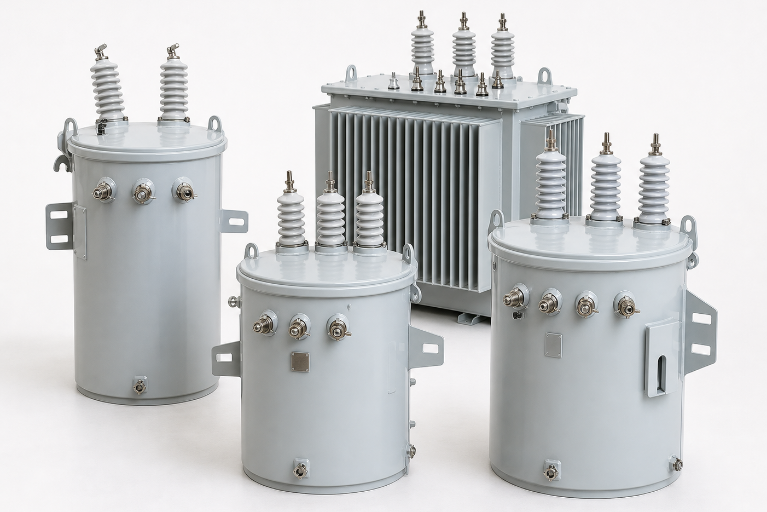
This reference is a single-phase, oil-immersed, pole-mounted unit. Ratings, bushings, protection, insulating fluid, tests, drawings, packing and destination requirements are still subject to project review.
- 50 kVA Documented reference capacity
- 34.5/0.48 kV Documented reference voltage ratio
- Single-phase Current verified product scope
- 30+ years Power-equipment sector background
Specify a Pole-Mounted Transformer for the Power Distribution Duty
Capacity and current sizing can’t be confirmed without knowing the service load. There’s a risk of mismatch because a power pole transformer must fit primary voltage, secondary service, phase, frequency, load profile, utility rules and the physical limits of utility poles; IEEE C57.12.20-2023 supplies category context, not project selection.
- Within power distribution, this page covers transformers suspended on poles in overhead systems, not underground distribution lines, distribution substations or high-voltage transmission lines.
- Searches for a pole mounted substation may refer to a larger arrangement; this guide to pole mounted transformers focuses on the equipment and RFQ interface.
- Public electricity distribution systems and commercial and industrial power systems can follow different specifications.
- Equipment used in secondary distribution must still comply with local rules for electrical power distribution systems.
- “pole mounted distribution transformer” and “overhead distribution transformer” are technical descriptions of the equipment family.
- “Single phase pole transformer” and “50 kVA pole mounted transformer” provide more detail but neither defines the complete project equipment.
- “Pole top transformer” may suggest intent of mount but placement approval still comes down to approved drawings.
| Decision input | What the RFQ should state | Why it changes the offer |
|---|---|---|
| Electrical duty | Required kVA, primary and secondary voltage, frequency and phase | Controls the winding, insulation and high-voltage to low-voltage transformation duty |
| Load profile | Present peak, diversity, motor starting and planned additions | Prevents a single phase pole mounted transformer from being sized only for today’s connected load |
| System interface | Grounding, connection, protection coordination and utility specification | Separates the equipment rating from the electrical distribution system design |
| Physical interface | Pole arrangement, mounting drawing, bushings, clearances and handling limits | Reduces approval and field-fit risk before production |
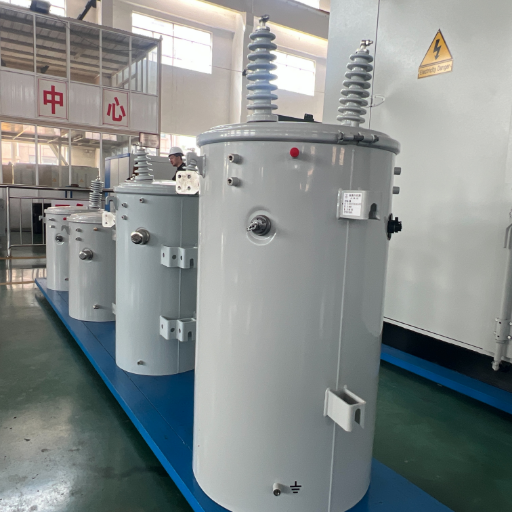
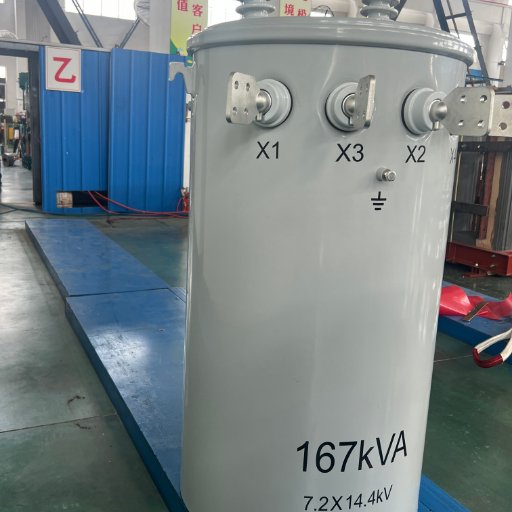
A familiar tank shape is not necessarily proof of the voltage connection, kVA rating or internal construction. Talite shapes the quotation around project inputs, while the buyer or utility remains responsible for system studies, protection settings and installation approval.
Provide the load, voltage and utility specification to ensure dedicated engineering review.
Check Configuration FitStart With the Documented 50 kVA Reference Configuration
Current Talite product materials include one 50 kVA single-phase transformer for pole-top service; this unit provides a concrete discussion topic rather than a complete range for overhead distribution projects. The IEEE overhead-transformer category scope doesn't expand Talite's documented rating.
| Attribute | Documented value | Quotation treatment |
|---|---|---|
| Rated capacity | 50 kVA | Reference value; confirm required load and allowable loading |
| Primary / secondary | 34.5 kV / 0.48 kV | Reference ratio; confirm system voltages and connection |
| Phase | Single-phase | Verified scope; three-phase is not inferred from other Talite documents |
| Construction | Oil-immersed, pole-mounted | Confirm fluid, tank, bushings and mechanical arrangement |
The current evidence anchor is a 50 kVA unit at 34.5 kV/0.48 kV. A request above or below 50 kVA, or at a primary other than 34.5 kV or a secondary other than 0.48 kV, requires a new factory review before the 50 kVA reference can be used for comparison. For unit consistency, the documented voltage ratio is 34,500 V/480 V, while 50 kVA remains the reference capacity; 60 Hz is an input only when the project specification requires it.
- This single-phase pole-mounted power transformer is a single-phase distribution reference; it isn't evidence of three-phase transformers, three-phase power or a three-phase system.
- Primary and secondary voltage alone don't define the secondary winding, power supply, phase system or any arrangement described as two phases.
- State the voltage levels, medium-voltage duty, and the 60 Hertz requirement in the specifications when applicable.
- Oil-immersed construction doesn't define the exact transformer oil; confirm the insulating-oil declaration for the offered unit.
- Electrical power and electric power demand still have to be translated into a project load profile.
- Future EV charging can invalidate a transformer selected only for today's demand. Connected load, diversity, duty cycle and secondary voltage drop can all change the required capacity even when the present kVA appears adequate.
Confirm now
- Peak and diversified load
- Motor or cyclic duty
- Future load additions
Confirm on drawing
- Primary and secondary bushings
- Connection and nameplate
- Pole-mount dimensions
Confirm by test
- Routine test scope
- Guaranteed loss data
- Insulation and dielectric records
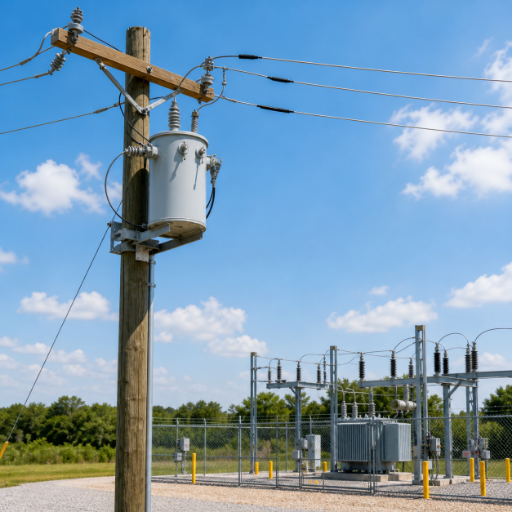
Build the Utility Acceptance Package Before Order Release
Utility approval can stall when drawings, test reports or protection details are incomplete. Standards define category requirements, but the supplier must still connect the offered design, test evidence and nameplate to the purchaser's specification.
What the public evidence establishes
- IEEE C57.12.20-2023 covers specified characteristics for qualifying 60 Hz liquid-immersed overhead distribution transformers up to 500 kVA, with high voltage up to 34.5 kV.
- IEEE C57.12.90-2021 describes test categories such as resistance, ratio, loss, impedance, dielectric, temperature, short-circuit and sound; the purchase package must state which evidence applies.
- U.S. Department of Energy rules address the distribution-transformer test procedure in 10 CFR part 431; destination, manufacturing date and current rule applicability require project review.
An applicable ANSI or IEEE reference must be identified by edition and scope; naming ANSI alone is not evidence of conformity.
Neither reference proves that a Talite unit is certified or accepted by a particular utility.
Citing a standard doesn't automatically create an acceptance certificate. Talite's project-specific response should identify available evidence, optional evidence and items that remain conditional on approval.
“The standard number starts the review; the approved drawing and agreed test evidence close it. We do not treat a category reference as proof that every offered configuration has already passed every utility requirement.”
- Completed technical schedule
- Scope exclusions and deviations
- Preliminary outline drawing
- Commercial validity and destination
- Approved drawing register
- Nameplate and connection diagram
- Agreed routine or type test scope
- Inspection and release records
IEEE scope checked
Applicable edition still confirmed per project
DOE test context
Destination-market review required
Drawing-led approval
Interfaces made visible before release
Test scope agreed
Records defined in the purchase package
Match Protection, Connections and Mounting to the Project
Leakage, corrosion, noise or arcing can make replacement urgent, but urgency doesn't remove the interface review. The closest available unit is not necessarily the fastest project outcome if its fuse, breaker, arrester, bushing, winding connection or mounting arrangement fails the distribution-line review; the IEEE liquid-immersed transformer test-code scope is evidence context, not a replacement instruction. This speed-versus-fit trade-off should be resolved before order release.
| Review area | Buyer input | Supplier confirmation |
|---|---|---|
| Protection | Utility coordination requirements, circuit breaker, fuse and switchgear interfaces | Offered protective components, ratings and interfaces |
| Insulation | System voltage, required insulation level and environmental duty | Insulation system, dielectric test scope and bushing details |
| Connection | Primary and secondary service, grounding and neutral arrangement | Winding connection, terminals, nameplate and diagram |
| Mechanical | Pole, bracket, lifting, mass and clearance constraints | Outline, mounting points, accessories and packed dimensions |
Keep product selection separate from field instructions
- Use a pole-mounted transformer diagram to cross-check interfaces, not as a substitute for the approved project drawing.
- Use a pole mounted transformer parts list to align supply scope, spares and inspection.
- Escalate overhead transformer connections, settings and installation procedures to the utility or licensed engineer.
Talite's production and quality teams can quote only what the technical schedule defines. Flag requested factory deviations before order release rather than discovering them at site.
Control Lifecycle Risk Before the Transformer Reaches the Pole
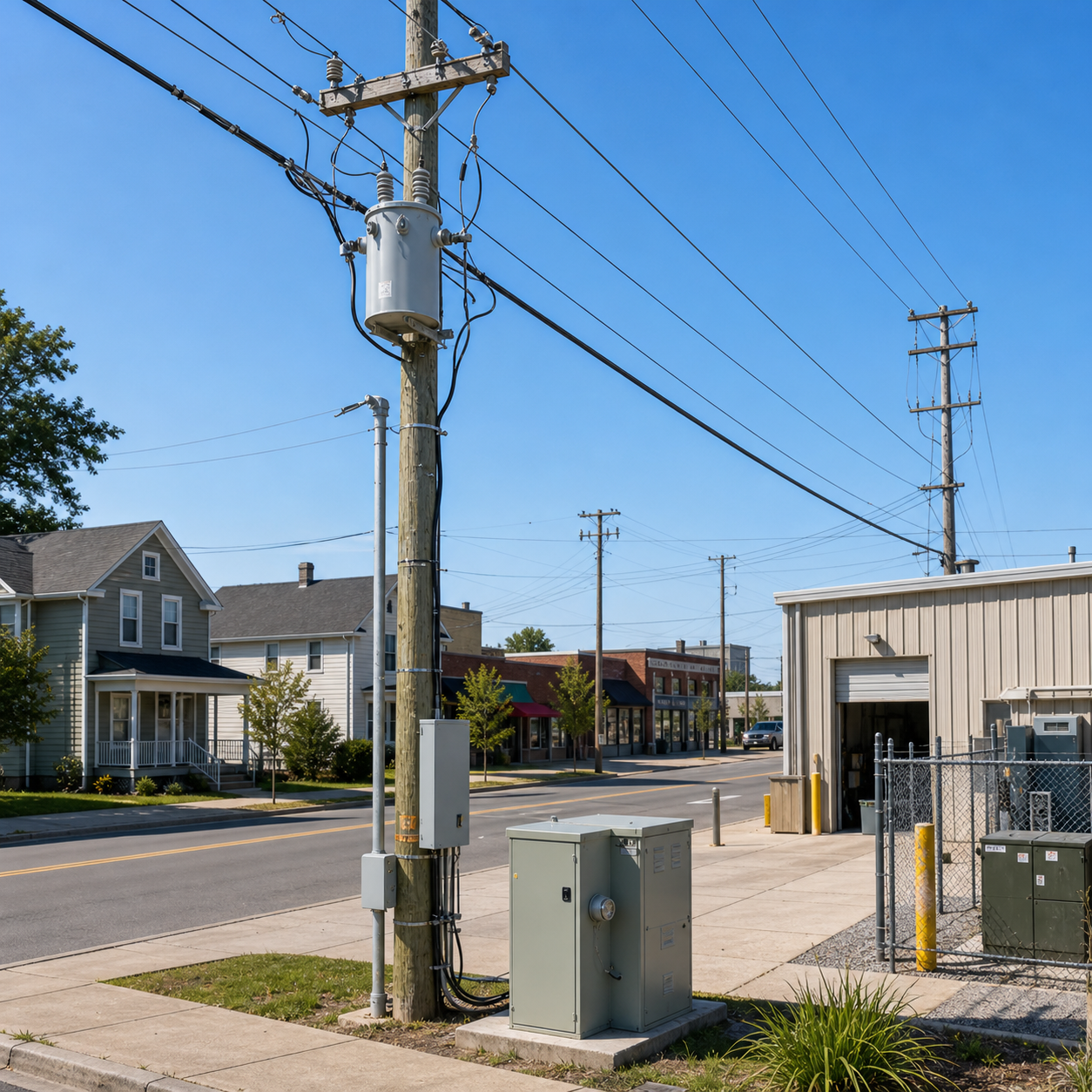
Visible damage is only one part of transformer risk. Field research on overhead-grid distribution transformers shows that current, voltage, temperature and load measurements can reveal overload, voltage deviation, imbalance or high neutral current that an exterior inspection may miss. The IEEE test-code scope remains separate from an operator's monitoring plan.
Before selection
- Separate homes and businesses, commercial loads and light industrial duty
- Record peak and cyclic loading
- Review future load scenarios on the power networks
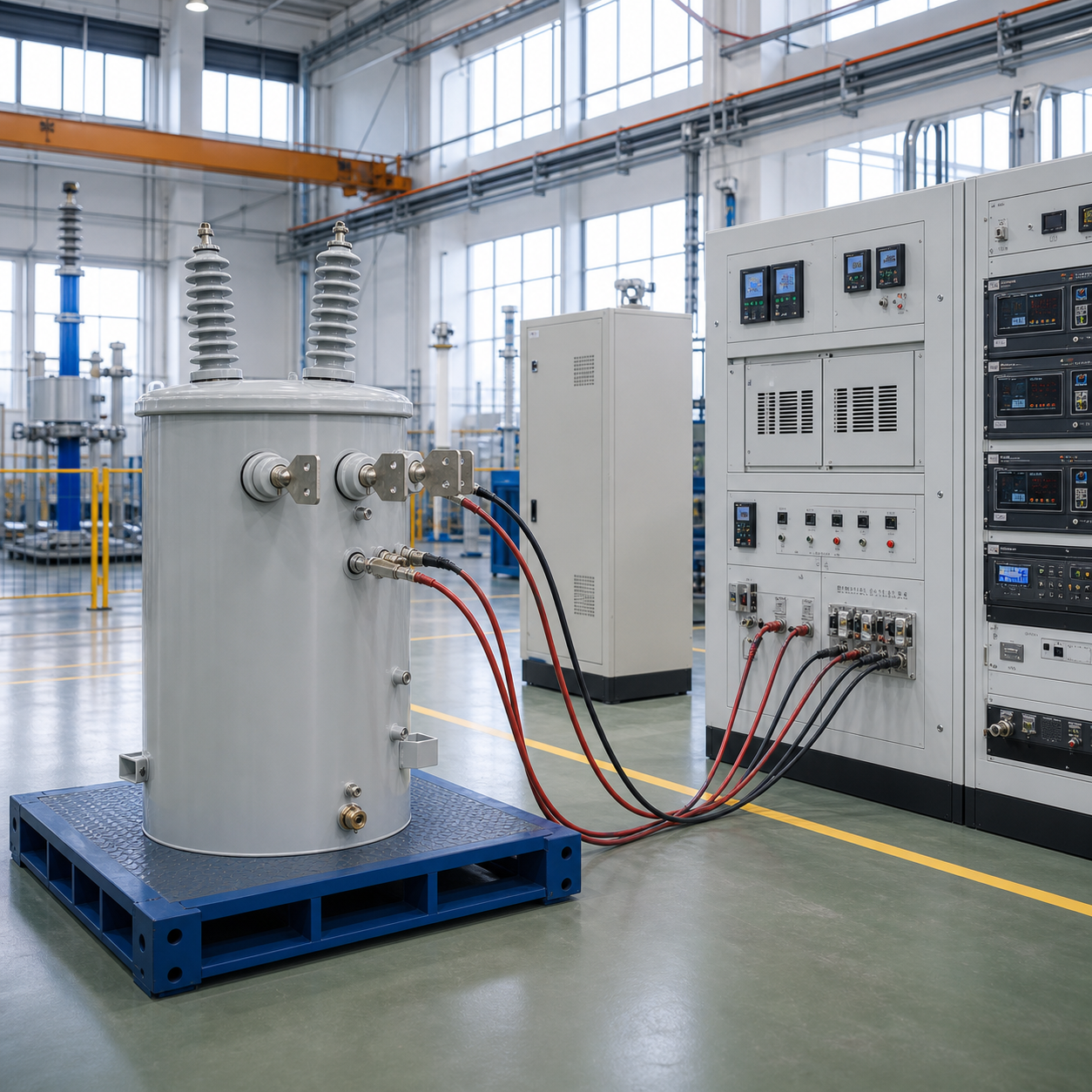
Before release
- Review guaranteed loss data
- Confirm whether larger units are even relevant
- Align protection interfaces
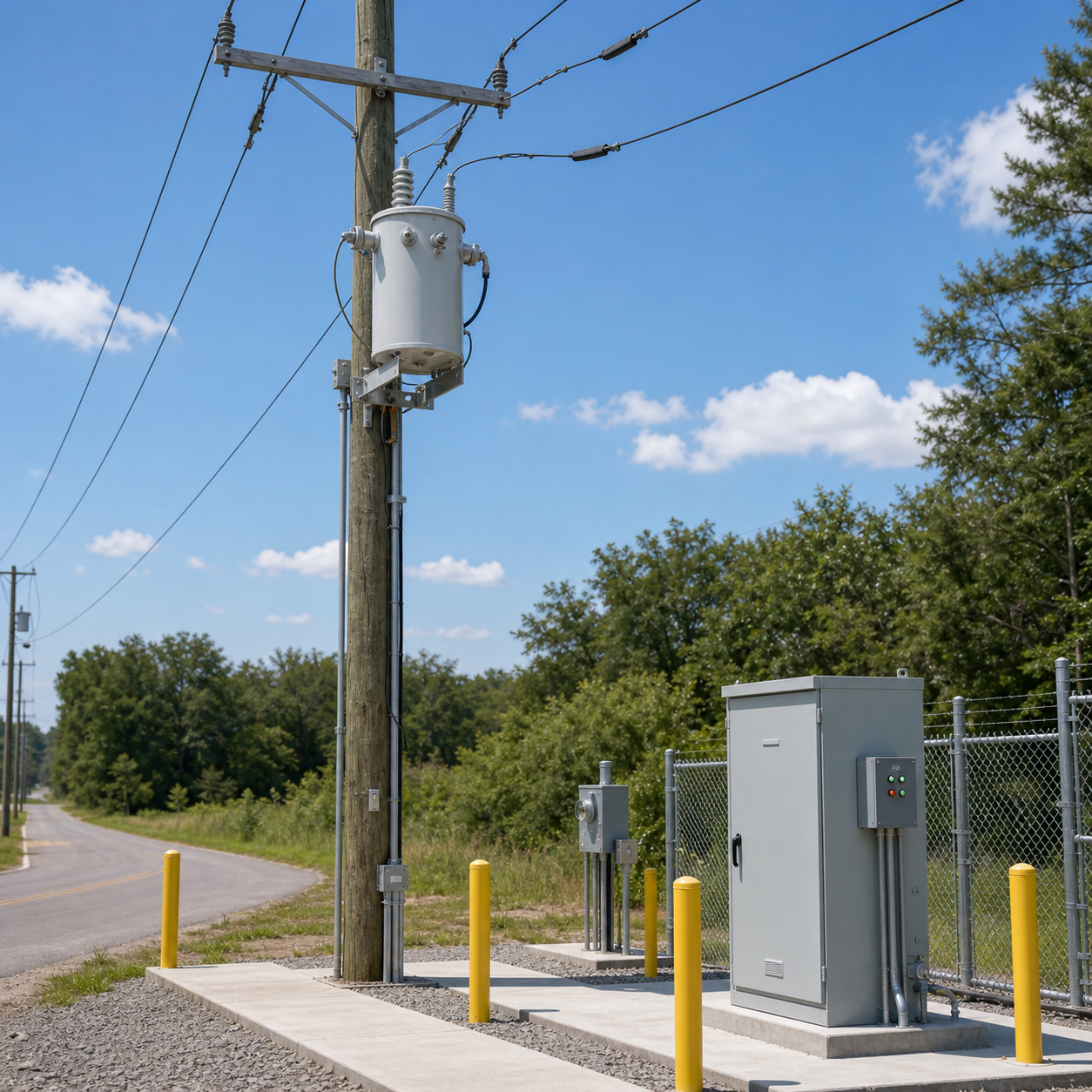
After installation
- Keep the approved arrangement accessible for maintenance
- Track loading and abnormal conditions
- Plan qualified maintenance response
Adding more transformers is not always the safer or more cost-effective grid decision. The root cause may sit in the secondary layout, load distribution, protection coordination or future-capacity plan rather than in the number of tanks.
Lifecycle evidence to request
- Guaranteed no-load and load-loss values for the offered unit
- Applicable test method and test records
- Insulating-fluid declaration and maintenance requirements
- Recommended inspection points and spare-parts scope
- Warranty terms, exclusions and response responsibilities
More than three decades in power equipment gives Talite context for an engineering discussion, not a universal life or outage guarantee. Realistic lifecycle expectations must be tied to the final design, operating duty, production records and contract.
Ask Talite to attach specific loss, test, maintenance and warranty evidence to the offer.
Purchasing a Pole Mounted Transformer: Compare Offers on Total Evidence
The lowest pole mounted transformer price is not always the lowest project cost. Approval delay, mismatch, avoidable loss, difficult maintenance or a replacement that doesn't fit the utility interface can overwhelm the purchase-price saving.
No invented payback. Compare quoted price, guaranteed losses, loading hours, local energy value, expected service duty, maintenance scope, approval risk and replacement logistics. Talite won't publish a dollar saving until these variables and the offered factory data are available.
An ENERGY STAR-hosted buyer guide presents an illustrative total-owning-cost framework: purchase price plus assigned values for no-load loss and load loss at a stated reference condition. Treat it as a comparison-method example, not as current regulation, an efficiency requirement or a project calculation; the A and B factors, load assumptions and guaranteed loss data must be project-specific.
Keep the trade-off between first cost and operating evidence visible. Procurement teams can use the same input sheet for each supplier, then challenge deviations instead of comparing different assumptions.
| Comparison axis | Weak offer | Decision-ready offer |
|---|---|---|
| Electrical fit | Generic kVA and voltage label | Specific schedule, connection and approved drawing |
| Performance | “Efficient” without guaranteed data | Guaranteed loss values tied to a test method |
| Acceptance | Standard logo or broad compliance phrase | Applicable edition, deviations and agreed evidence list |
| Commercial scope | Headline price without accessories or destination | Price basis, inclusions, packing, quantity and Incoterm |
| Schedule | Unqualified lead-time promise | Production, approval, inspection and shipment milestones |
Qualify Talite for the Project, Not From a Slogan
New-site supplier claims are difficult to verify when a company page offers only broad quality language. Talite Transformer Co., Ltd. traces its operating history to Jiangsu Fangteng Industrial Co., Ltd. and reports more than three decades in the power-equipment sector. The IEEE category source defines product context but doesn't verify this company history.
Company scope
Research and development, production and sales are integrated within the company profile.
Manufacturing location
Its stated base is in Hai'an Economic and Technological Development Zone, Nantong, Jiangsu Province.
Project proof
Certificates, drawings, test reports, references and warranty terms should be requested for the offered configuration.
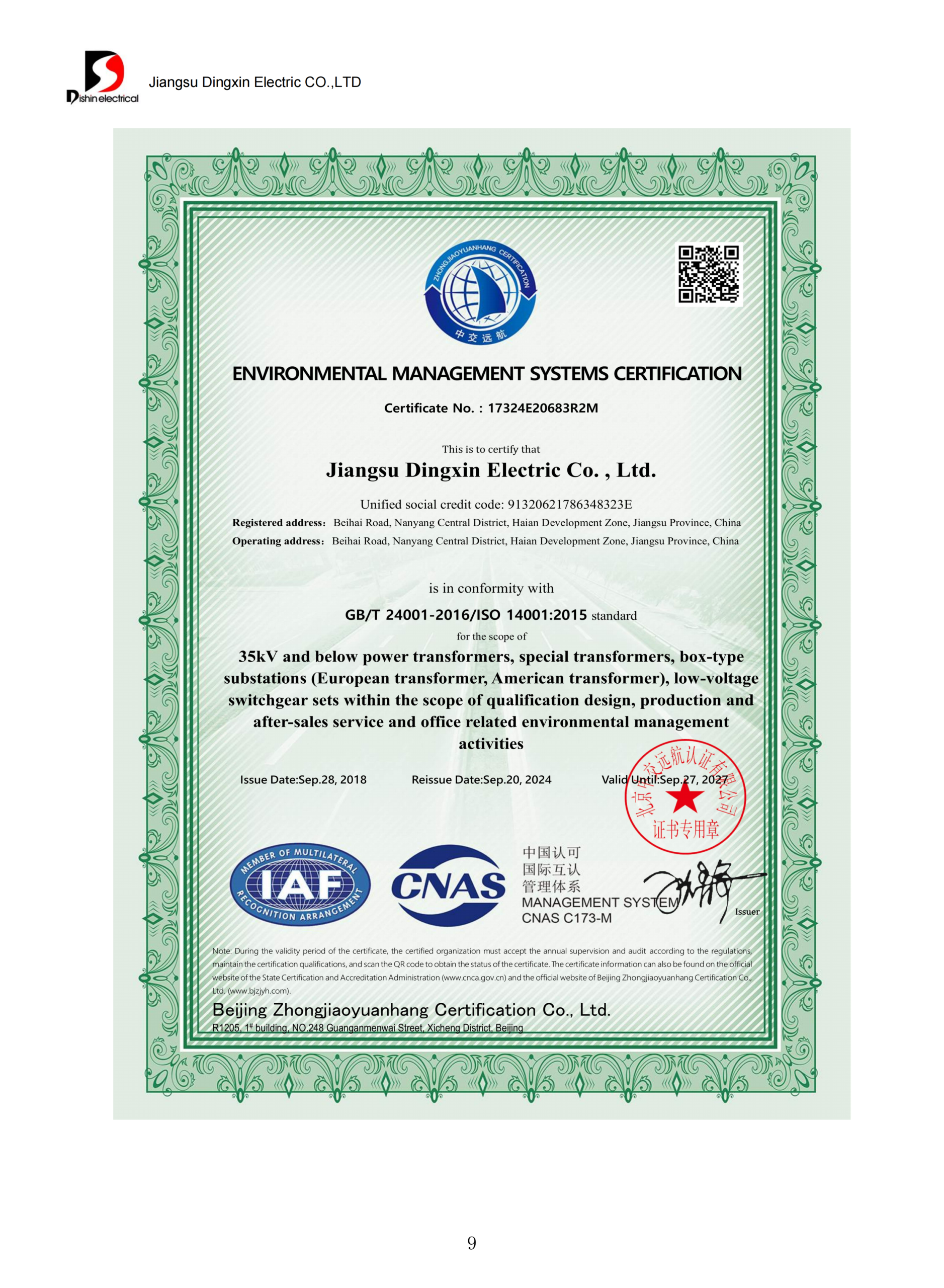
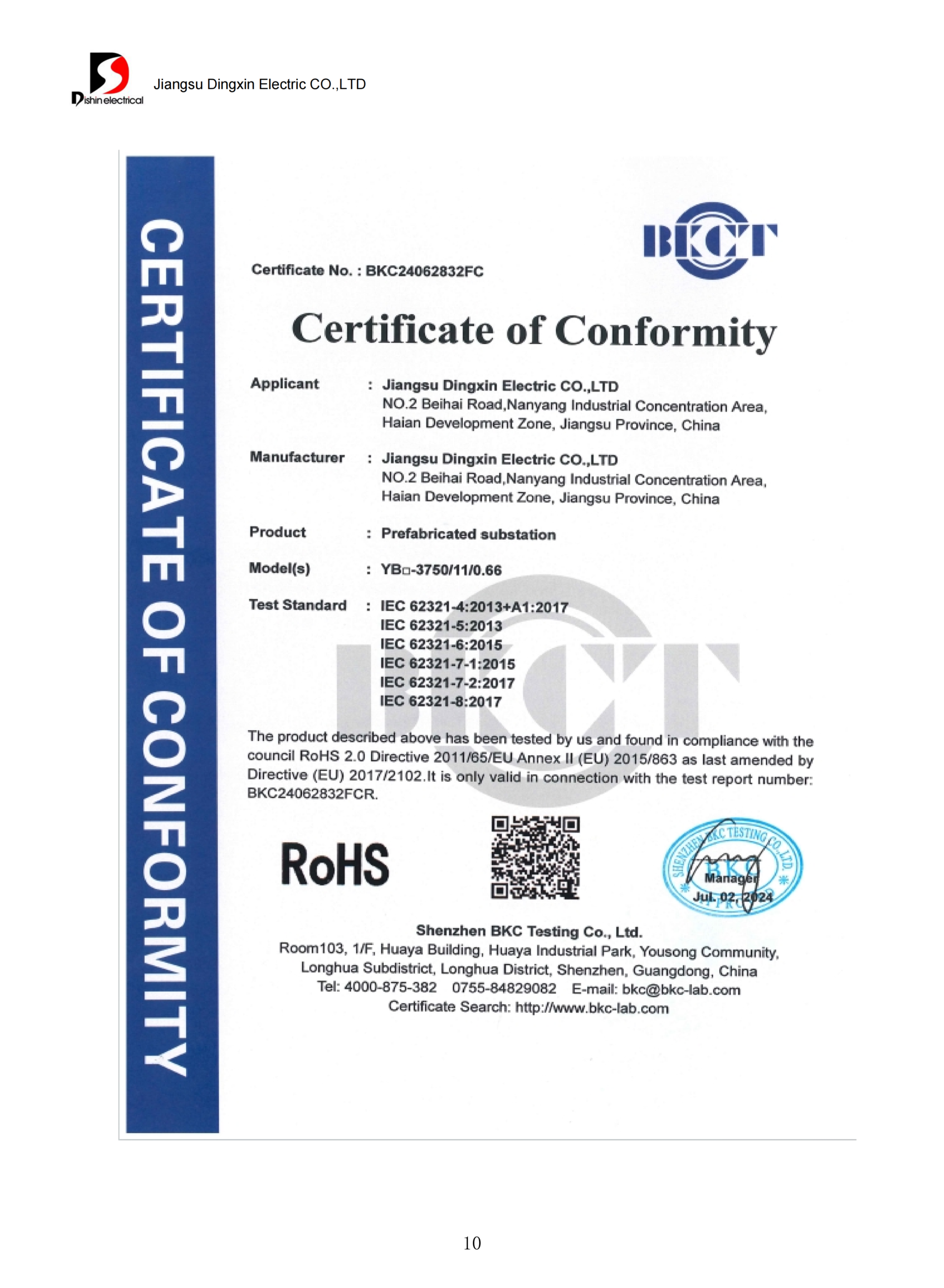
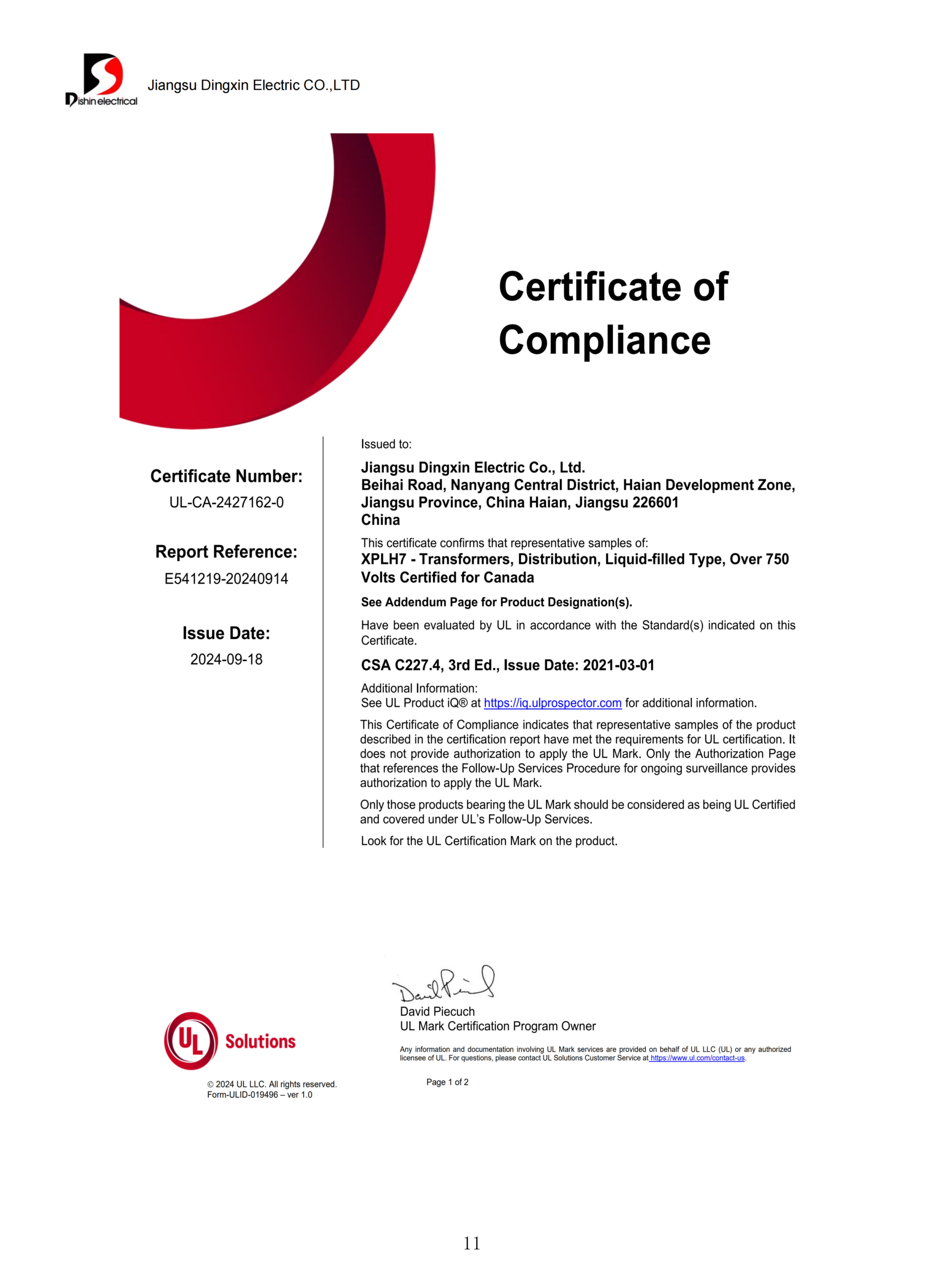
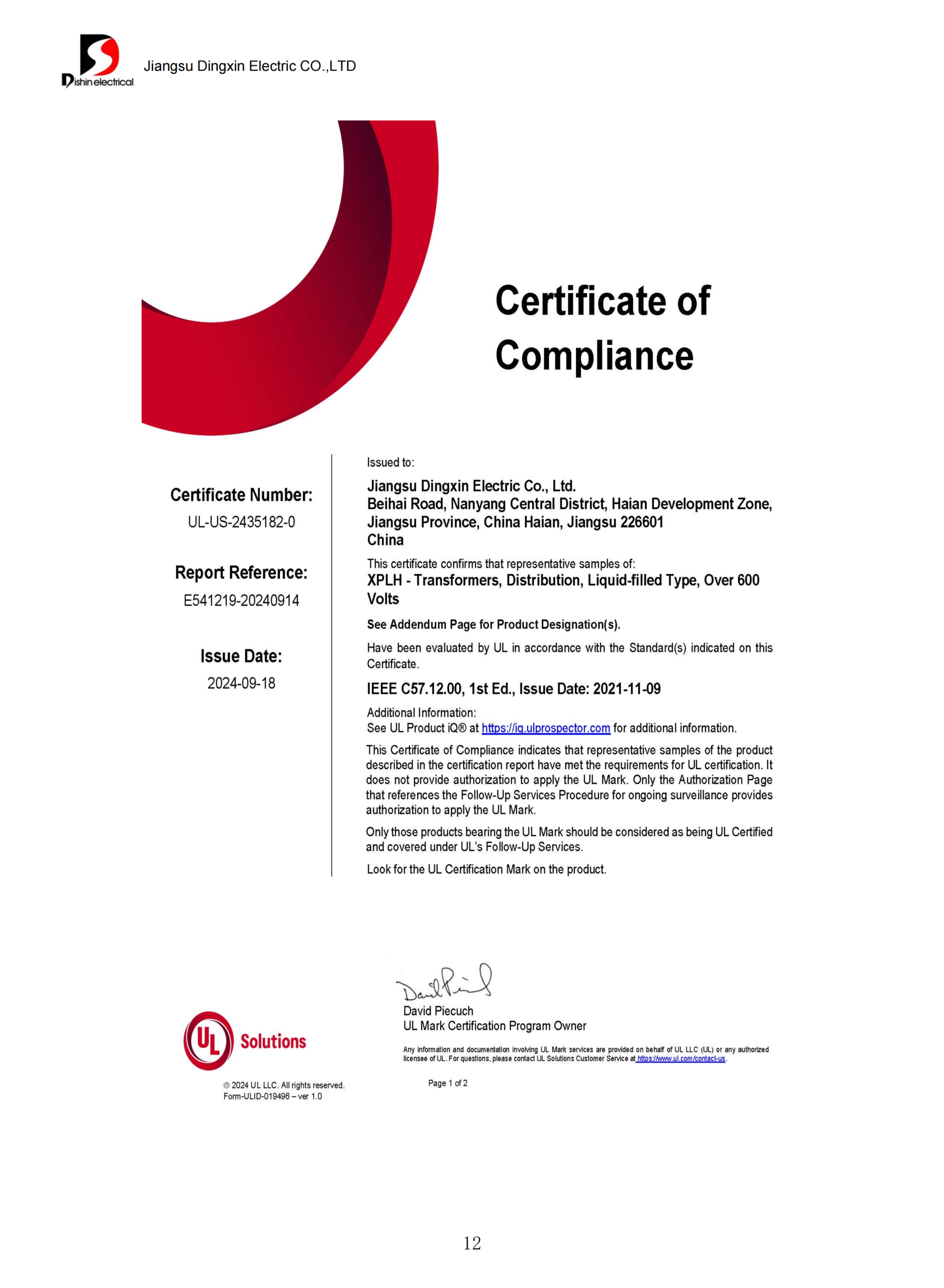
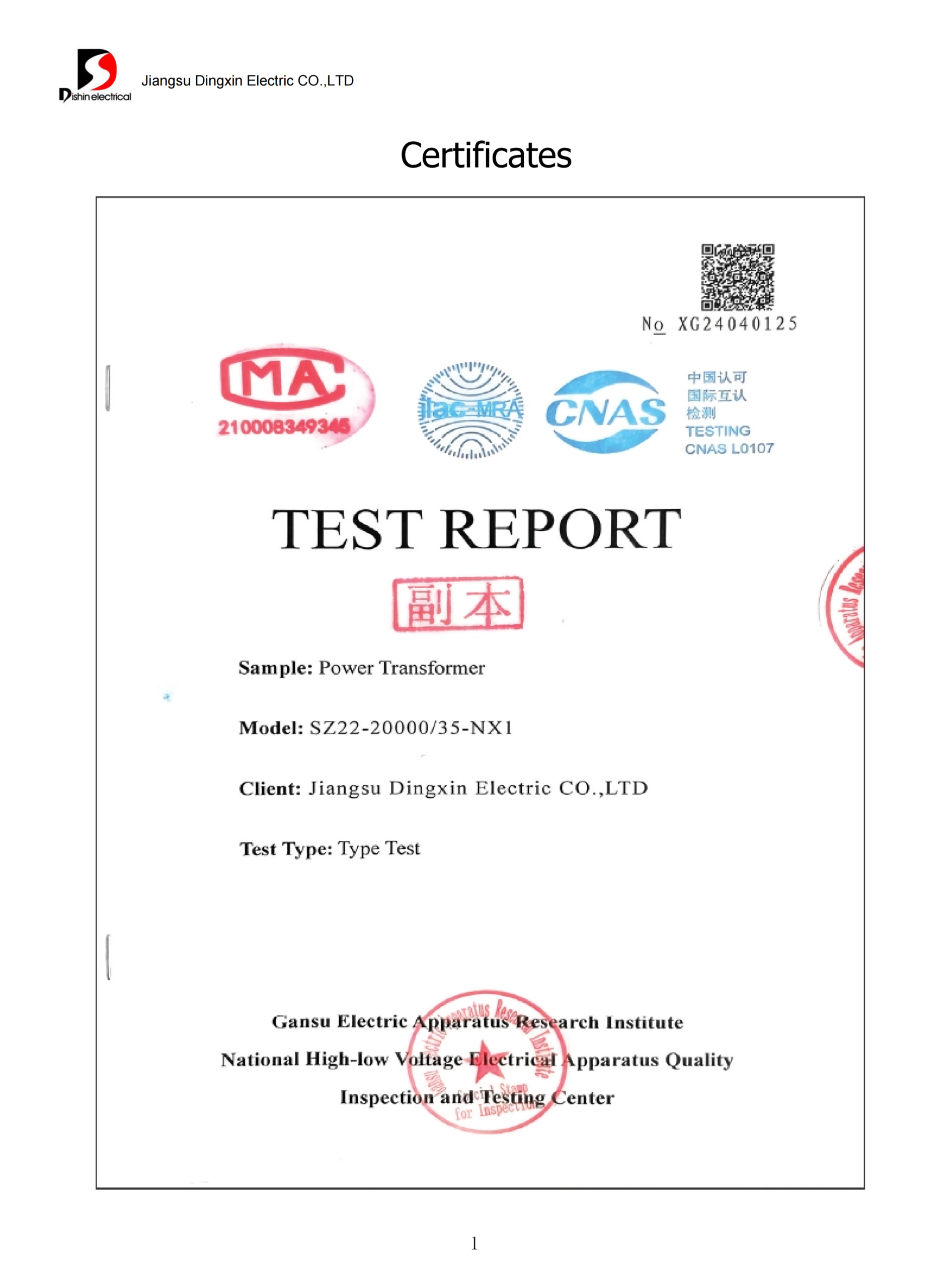
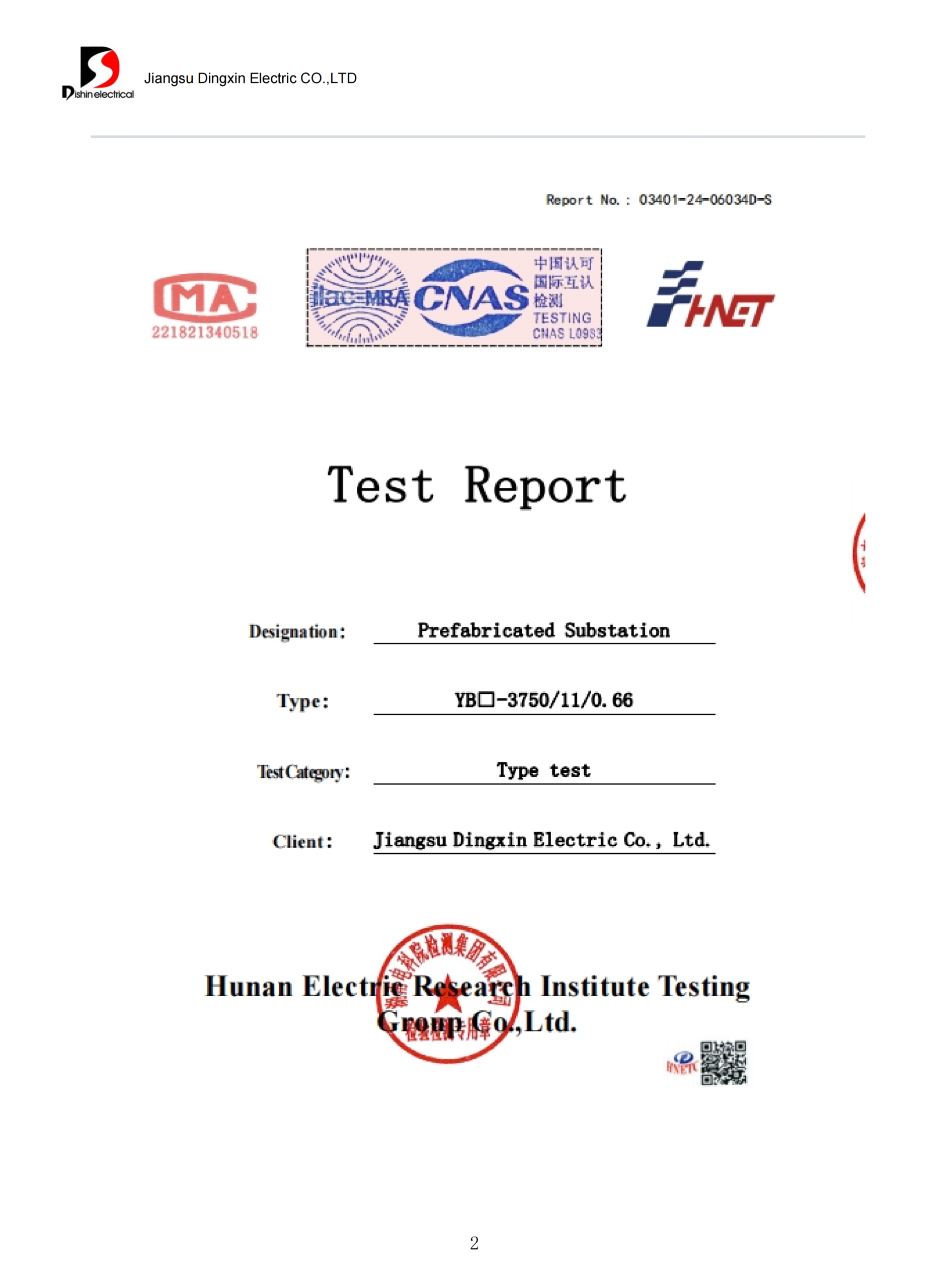
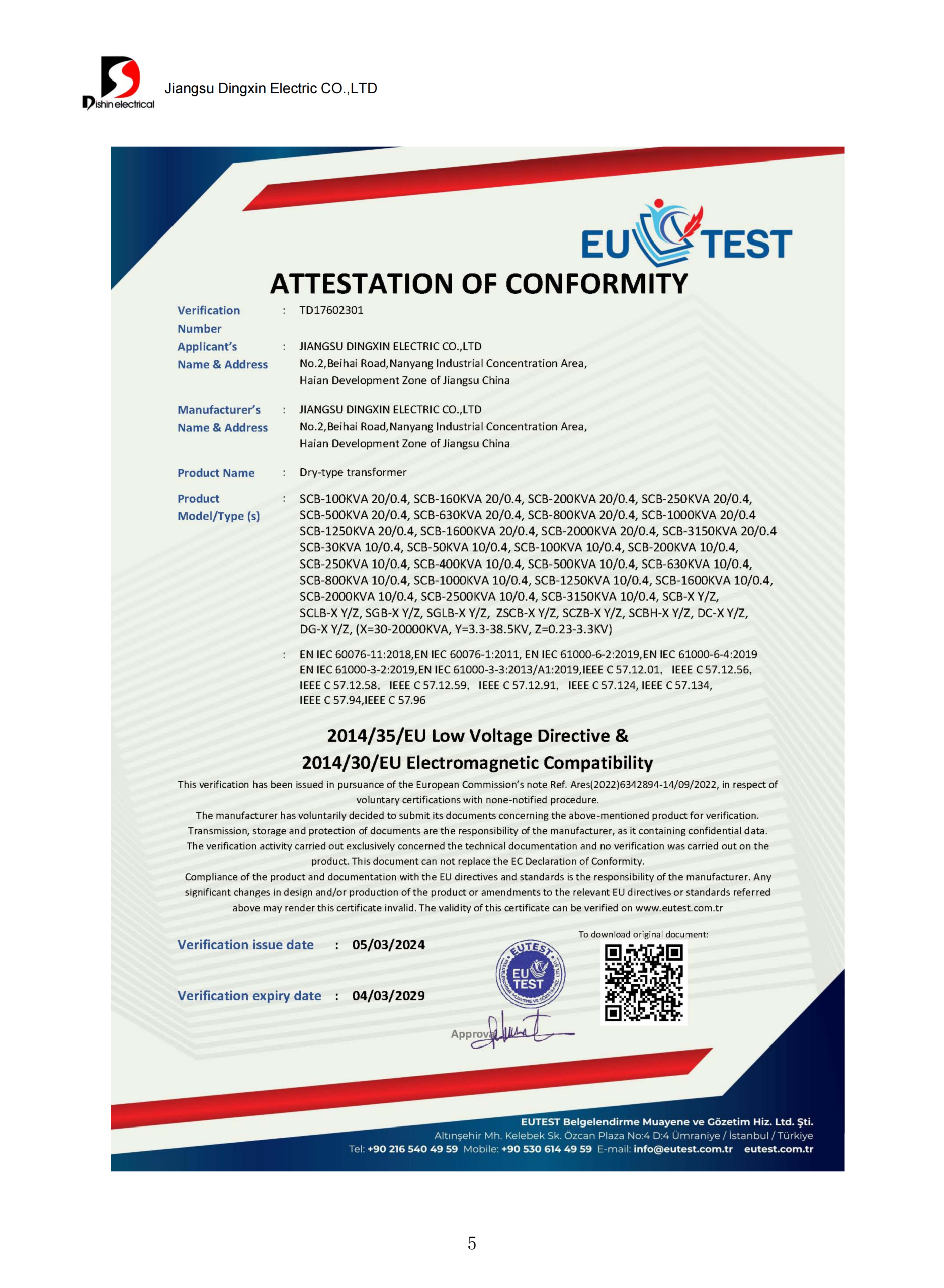
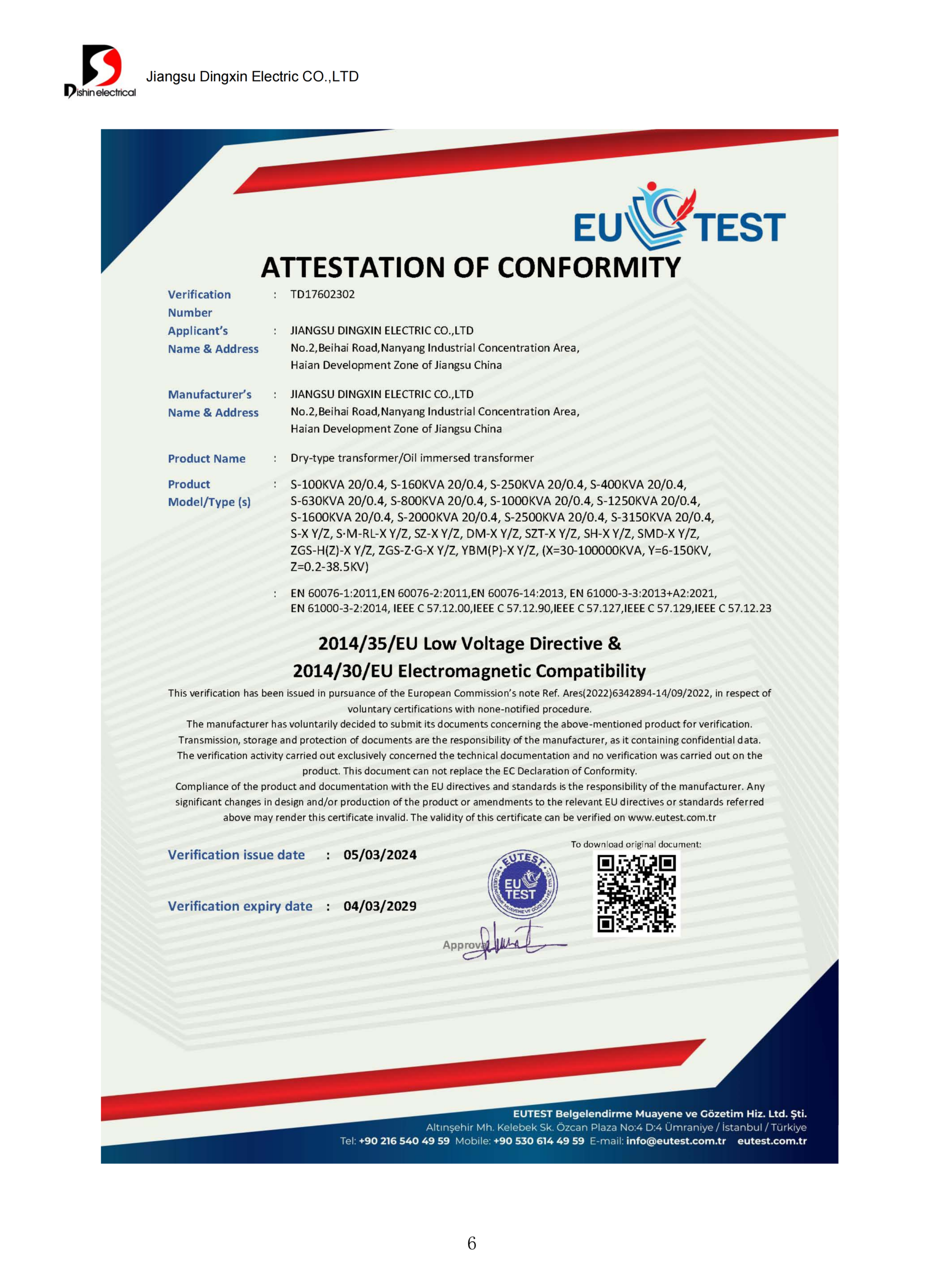
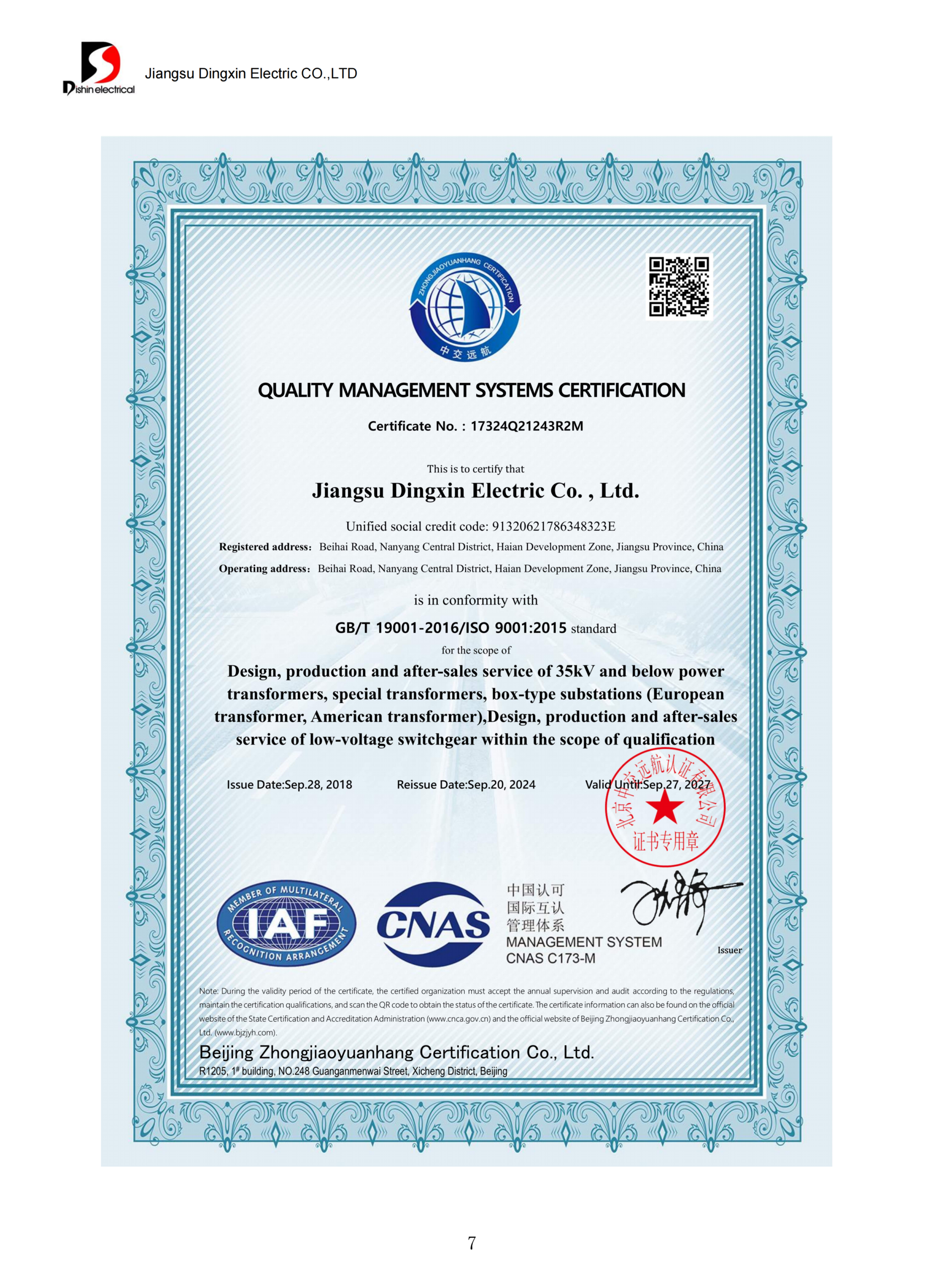
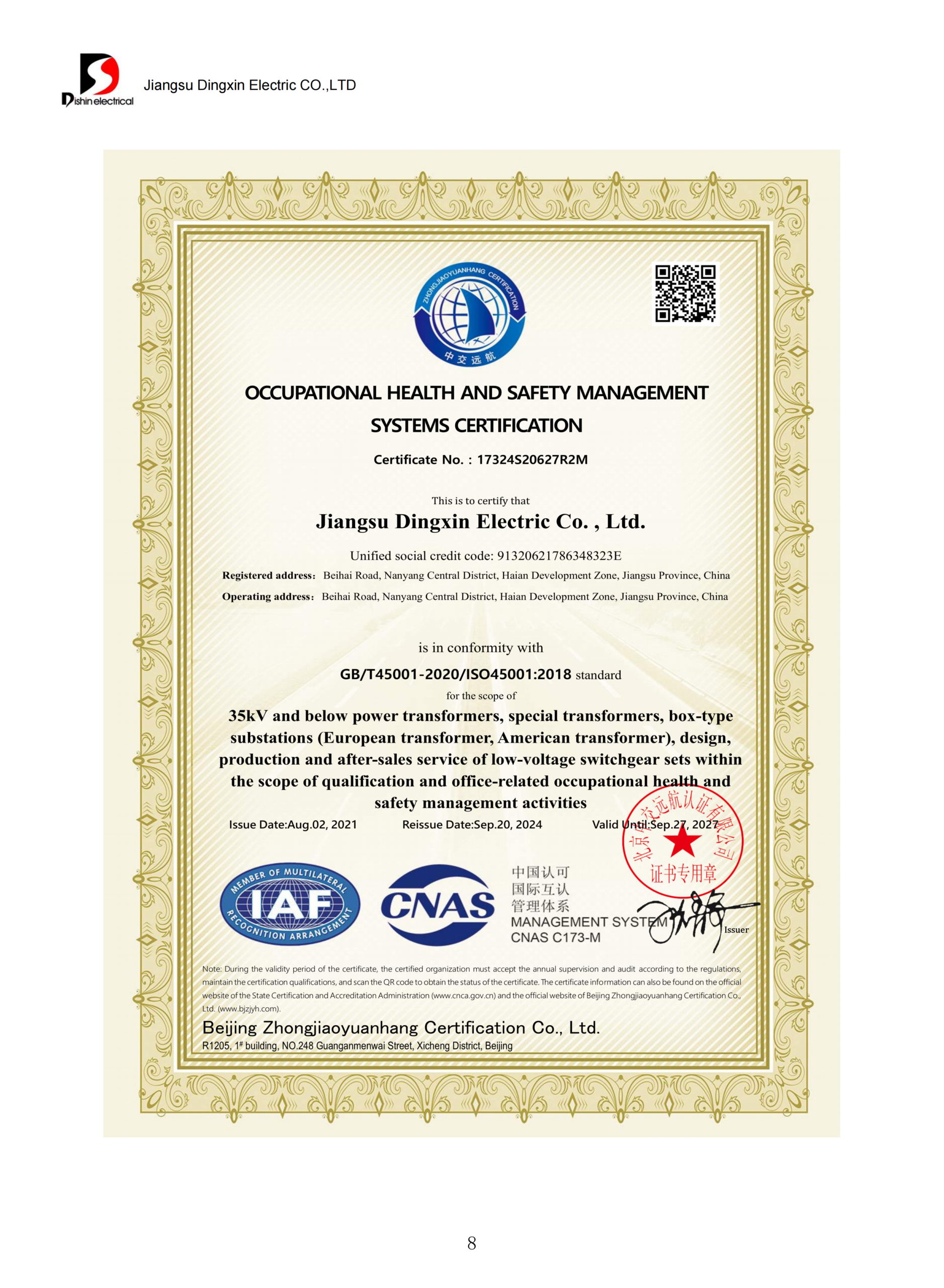
Years of experience alone can't release an order. The differentiator is whether Talite's factory and production team can connect the proposal to traceable design inputs and an agreed quality record.
Scope review
Voltage, kVA, phase and destination
Design review
Interfaces, options and deviations
Quality review
Test scope and inspection records
Commercial review
Price basis, packing and milestones
Frequently Asked Questions
Provide kVA, primary and secondary voltage, phase, frequency, load profile, utility specification, accessories, quantity, destination and document requirements. These inputs define the price basis and prevent unlike offers from being compared.
Yes, Talite's supplied material contains that single-phase, oil-immersed, pole-mounted reference configuration. Engineering review still needs to confirm load, connection, protection, insulation, mounting and destination requirements.
Provide the present load profile and the planned charging demand, duty cycle and service-voltage constraints. The utility or a licensed engineer should perform the capacity and system review; today's connected load alone isn't sufficient.
No. IEEE C57.12.20 defines category scope and requirements, while acceptance depends on the applicable edition, utility specification, offered design, deviations, drawings and agreed test evidence.
Pole-mounted units serve overhead distribution arrangements, while pad-mounted transformers are installed at ground level and are commonly associated with underground distribution. Substation transformers serve a different system role, so site access, utility architecture and local rules should drive the route.
Choose from the load, service arrangement and utility system, not from a generic product preference. This page documents a single-phase reference; Talite should only quote three-phase pole-mounted equipment after separate capability evidence is supplied and reviewed.
Identify the applicable standard and agree the routine, type or special test scope before order release. Request the records needed by the purchaser or utility, while avoiding tests that don't apply to the offered design or contract.
Lead time depends on design approval, materials, production loading, tests, inspection, packing and destination. Milestones should be confirmed by Talite only after the technical and commercial scope is stable.