Get in touch with Toplit Transformer Co., Ltd Company
Distribution Transformer Manufacturers for Project-Specific Power Solutions
The right manufacturer depends more on your electrical system than on a catalog headline. Talite brings more than 30 years in power equipment to the review of voltage, load, installation, documentation, and destination requirements.
A quote path built around decision-ready inputs
- Define the electrical duty and installation conditions.
- Separate technical fit from market and funding eligibility.
- Request model-level drawings, test scope, and commercial exclusions.
- Compare offers on the same configuration and evidence basis.

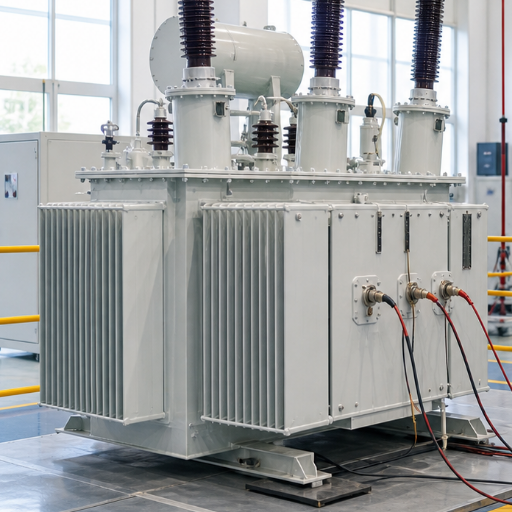
Match Distribution Transformer Requirements to the Project
A power distribution transformer links the source to a usable distribution level, yet the buying decision goes well beyond a voltage ratio. Engineering review also has to cover duty, environment, protection, interfaces, approvals, and future operating conditions as one package. For industrial applications, the electrical transformer RFQ should also reflect the wider power distribution and power infrastructure context.
A 50 Hz or 60 Hz mismatch can bring rework, delay, and reliability risk because voltage data alone does not describe the application. The honest version is that Talite Transformer Co., Ltd. needs the RFQ, utility basis, and applicable IEEE or IEC test requirements before reviewing a specific configuration and its trade-off.
Regulatory context: 10 CFR Part 431, Subpart K defines the United States regulated scope and test procedure; applicability must be checked for the offered model and destination.
Why the input sheet matters
A quote can be fast yet useless when voltage, phase, load, environment, and approval inputs are missing. Pricing a guess often creates more rework than confidence.
Destination-Market Applicability Check
| Screen | What the buyer should provide | What must be verified |
|---|---|---|
| Product scope | Configuration, kVA, voltage, frequency, phase, installation, and exclusions | Whether the equipment falls inside a destination rule or buyer specification |
| Efficiency and test rules | Country, project type, and intended placing-on-market date | Applicable test procedure, represented values, and required efficiency basis |
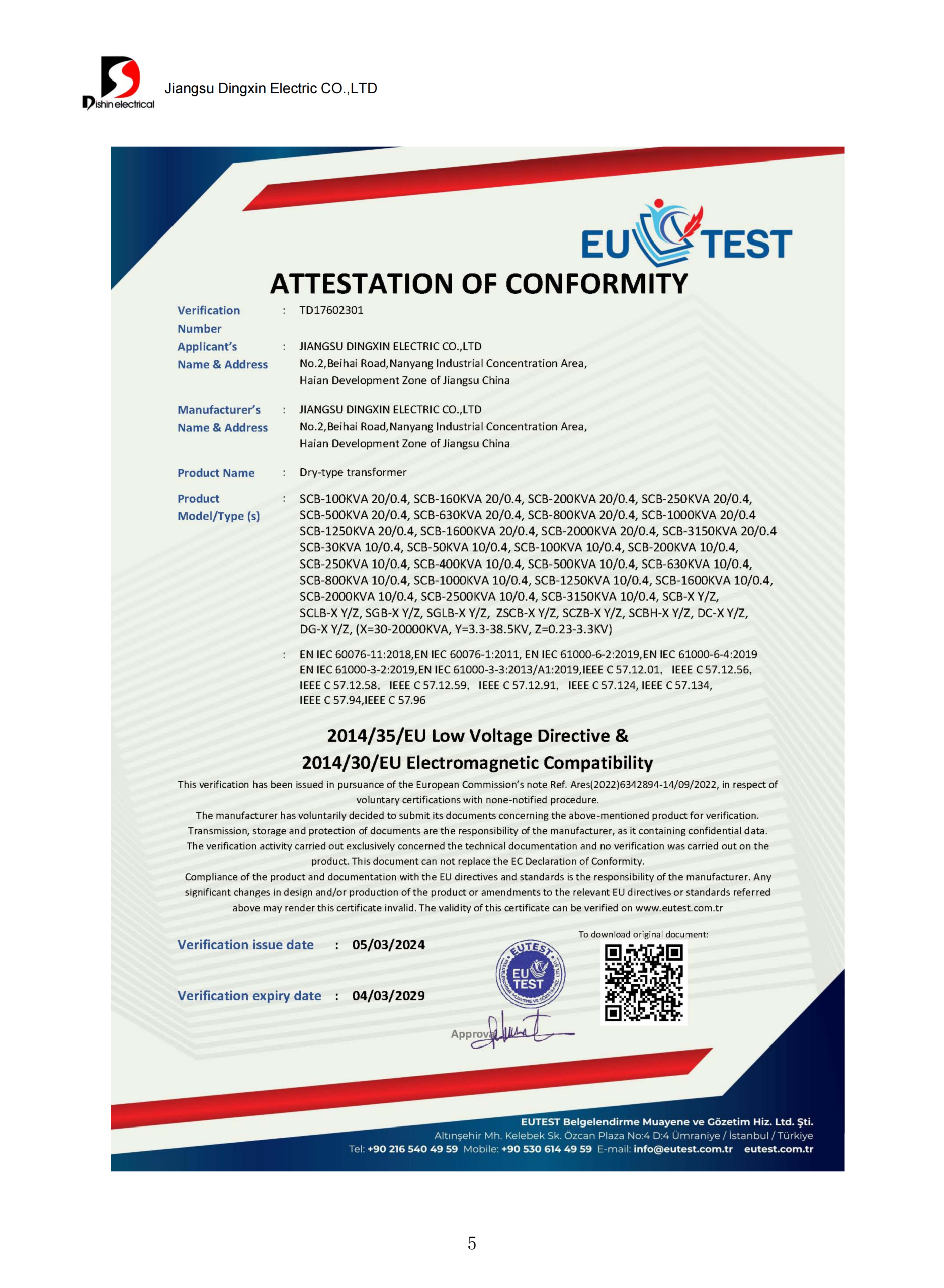
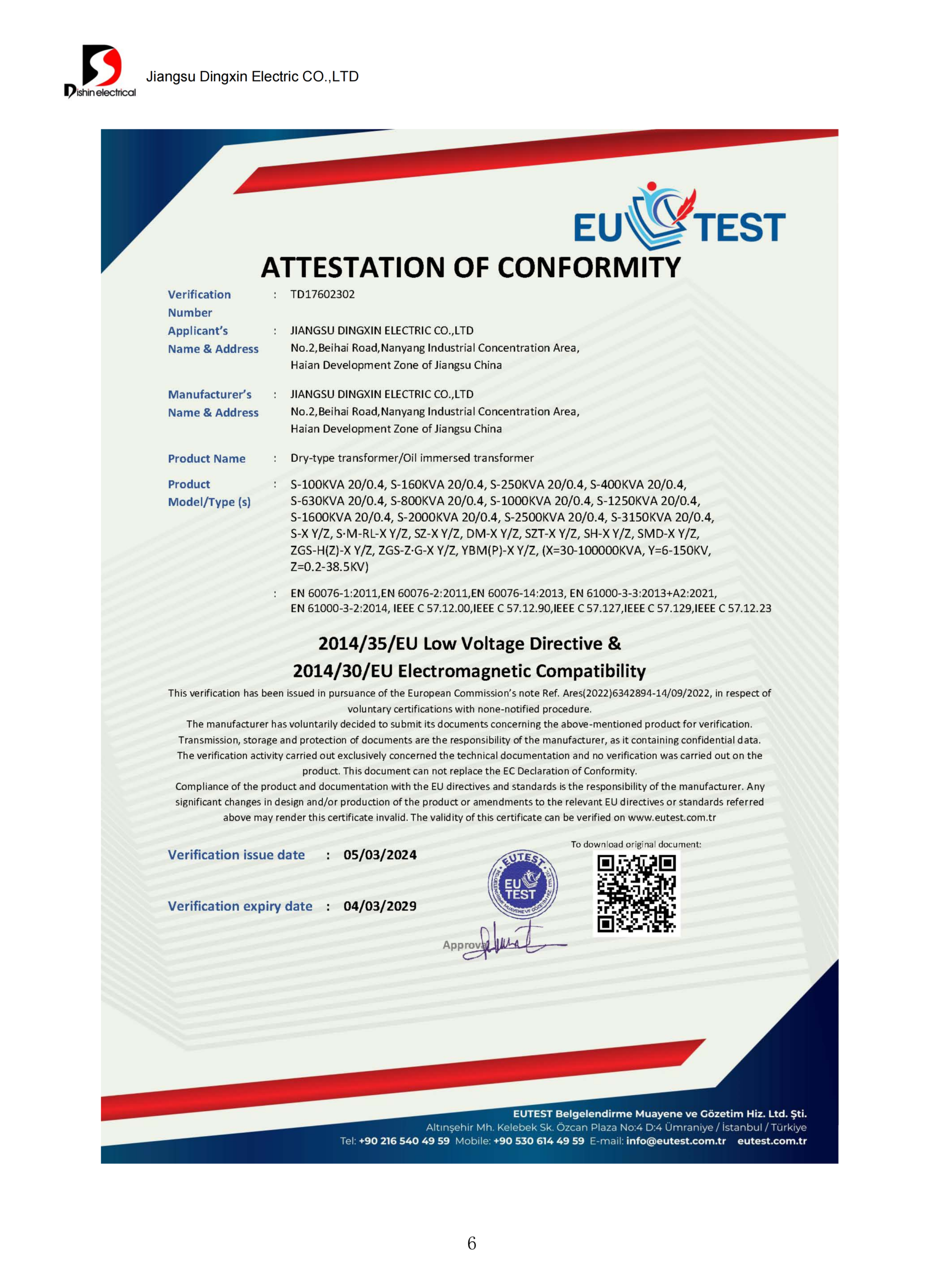
| Technical standards | Named IEEE, IEC, utility, or project documents with editions | Exact model scope and evidence, not a generic standard name |
| Funding conditions | Public or private procurement and named funding source | Any domestic-content or origin condition separate from technical acceptance |
| Shipping and site entry | Destination, Incoterm, access limits, packing, and receiving plan | Origin, logistics scope, site constraints, and documentation ownership |
Conditional United States check
For covered United States distribution transformers, the current eCFR controls regulatory scope and test definitions; the Department of Energy states that compliance with the 2024 amended standards is required on and after April 23, 2029. This is a buyer-side screen, not a claim that every Talite configuration is covered, certified, or eligible.
Talite Distribution Transformer Solutions and Configuration Paths
Talite Transformer Co., Ltd. integrates research and development, production, and sales from the Hai'an Economic and Technological Development Zone in Nantong, Jiangsu, China. This page uses a configuration review path because model families, ratings, standards, tests, and delivery terms still need approved product-level evidence.
A 50 Hz or 60 Hz substation application may fail review when the RFQ has an insulation mismatch, an unclear kVA duty, or an unidentified standard. Talite Transformer Co., Ltd. uses the input discussion to frame the engineering questions, while the trade-off is that a custom departure is not always better than a standardized acceptable solution under IEEE C57.12.00 or the applicable IEC basis.
Four decisions shape the configuration path
Where will it operate?
Start with the source, receiving network, load, utility interface, and installation point within the power systems architecture.
How will it be loaded?
Review steady load, peaks, growth, duty cycle, harmonics, switching, renewable energy, storage, and redundancy expectations.
What must be confirmed?
Confirm the winding connection, insulation basis, cooling approach, enclosure, accessories, protection, interfaces, and requested test program.
Which evidence closes the decision?
Agree on drawings, datasheets, calculations where contracted, test records, quality documents, and destination-specific records before approval.
How will revisions be controlled?
Record who can change the specification, how deviations are disclosed, and which documents must be reapproved after a change.
What reaches the site?
Define the packing list, shipment documents, handling instructions, installation information, acceptance records, and response contacts.
Customization is not automatically an advantage
A common assumption is that more variants always produce a better fit. Project requirements matter, but unnecessary departures can add revisions, reduce interchangeability, and make production more complex.
Do not approve a transformer from a brochure headline. Approve the configuration, test basis, drawings, scope, and destination requirements as one package.
Use the most standardized acceptable solution
Keep
Requirements tied to safety, system compatibility, utility approval, environment, test basis, or a real operating constraint.
Challenge
Legacy preferences, duplicate accessories, unusual interfaces, or edition conflicts that do not improve the required outcome.
Confirm
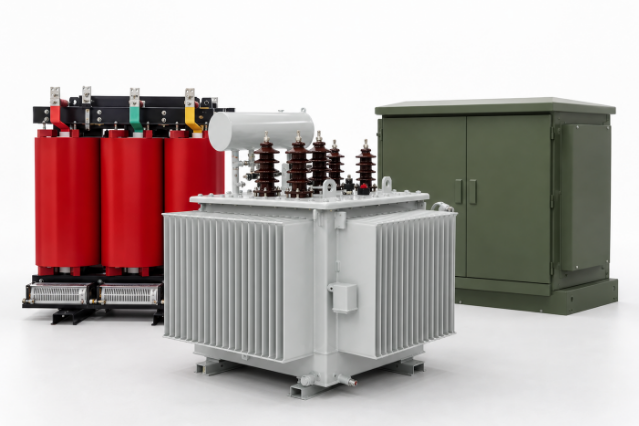
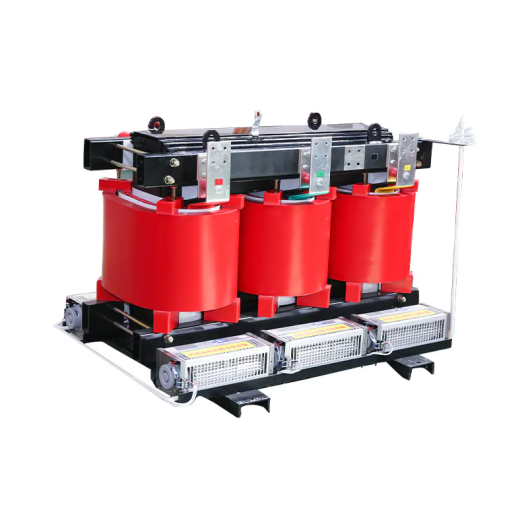
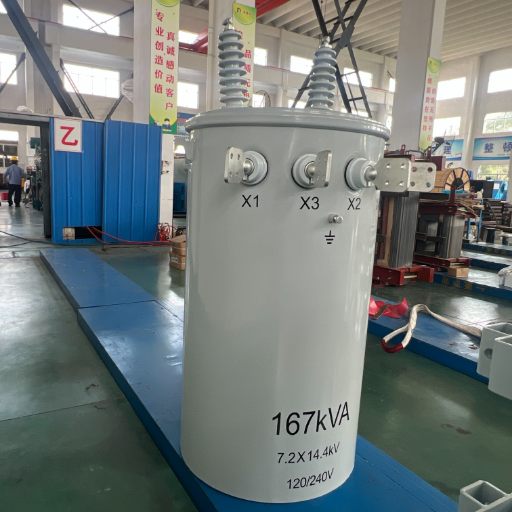
Whether dry-type transformers, liquid-immersed equipment, an oil immersed distribution transformer manufacturer, or a dry type distribution transformer manufacturer is the relevant sourcing path before requesting product data.
Do not infer
A product family, rating, standard, or test capability from category language. Ask Talite for the applicable model-level evidence.
How Distribution Transformer Suppliers Support Specification and Procurement
Distribution transformer suppliers should be able to turn a technical requirement into a controlled quotation package, while the buyer keeps ownership of the evidence and final decisions. Communication works best when assumptions, deviations, dependencies, and document responsibilities stay visible.
Procurement context
FAR Subpart 9.3 explains first-article testing and approval in United States federal contracting; apply it only when the contract invokes it.
Decision lens: control the quotation baseline
An RFQ gap can lead to rework, delay, inconsistency, and hidden cost at 50 Hz or 60 Hz because suppliers may price different scopes. The honest trade-off is that Talite Transformer Co., Ltd. can discuss a specific IEEE C57.12.90 or IEC evidence request, but the buyer must still approve the contract test and document basis.
Procurement questions that expose scope gaps
- Which specification revisions and buyer clarifications control the offer?
- Are deviations, exclusions, and proposed alternatives captured in a signed exception list?
- Which designs and technical data have to be accepted by the buyer or utility?
- Which routine, type, or special tests are included, performed in-house or externally, witnessed or unwitnessed?
- Which material, approval, or information dependencies affect the schedule?
- Who controls sub-supplier changes, design changes, and document revisions?
- What is included in packing, shipping, installation support, warranty, and after-sales service?
A buyer-controlled five-checkpoint handoff
The sequence belongs in the contract
No single approval sequence fits every project because risk, schedule, buyer procedures, and specification completeness vary. First-article testing, factory acceptance activities, and production-before-approval decisions should be explicit contract choices rather than implied stages.
Get the Transformer RFQ Input Checklist
Use the popup to request the checklist or send your current specification for a gap review.
Compare Distribution Transformer Manufacturers by Verifiable Evidence
A well-known name isn't evidence for the transformer being offered. Compare every transformer manufacturer on the same configuration, test basis, document scope, manufacturing responsibility, and commercial boundary.
Decision lens: compare proof, not familiarity
A buyer can overpay or accept a reliability risk when a 50 Hz or 60 Hz offer hides a scope gap, because an unverified claim is not an acceptance record. The honest version is that Talite Transformer Co., Ltd. should be checked against the same specific drawings, test reports, IEEE or IEC basis, and RFQ exceptions as every peer, unlike a shortlist based only on brand.
Identity
Company and site
Request legal identity, manufacturing location, scope of responsibility, and the entity named on the offer and quality records.
Design
Approved technical basis
Collect the offered data sheet, controlled drawings, connections, accessories, guaranteed values, referenced standards, and accepted deviations.
Testing
Records by model and contract
Define routine tests and any type, special, witness, or inspection requirement; then confirm the report format and acceptance basis.
Quality
Traceability and change control
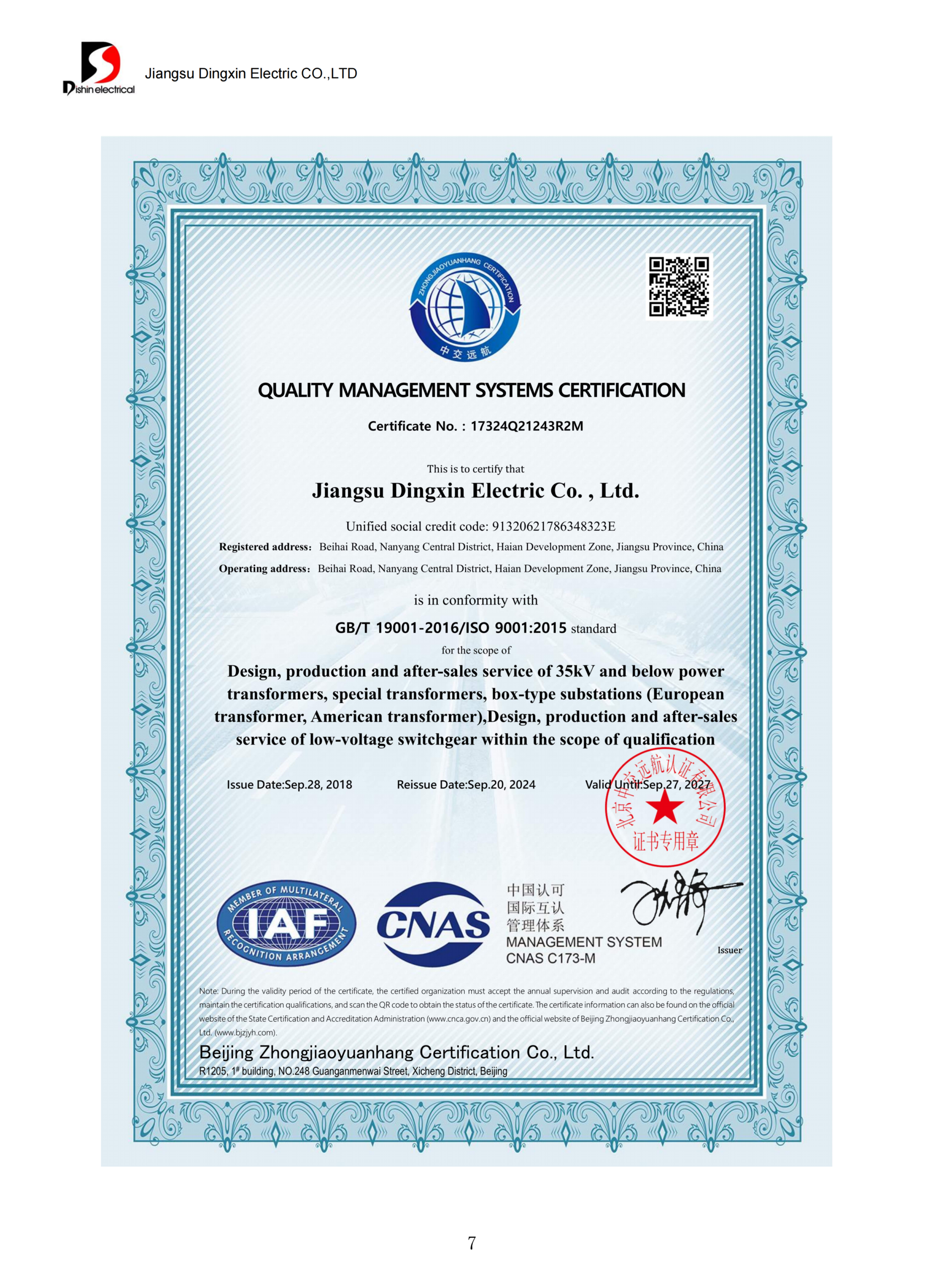
Check instructions, material identification, measuring equipment, nonconformance handling, revision control, and sub-supplier oversight.
Commercial
Scope and remedies
Align exclusions, packing, shipment, installation support, warranty wording, spare items, response ownership, and contractual remedies.
Market
Destination applicability
Record the requested rule or standard, evidence owner, origin condition, funding condition, buyer approval, and any unresolved gap.
Normalize the evidence before scoring the offer
| Decision area | Weak response | Decision-ready response | Buyer action |
|---|---|---|---|
| Configuration | “Standard model” without controlled data | Offered data and drawings tied to the RFQ revision | Confirm every variance before approval |
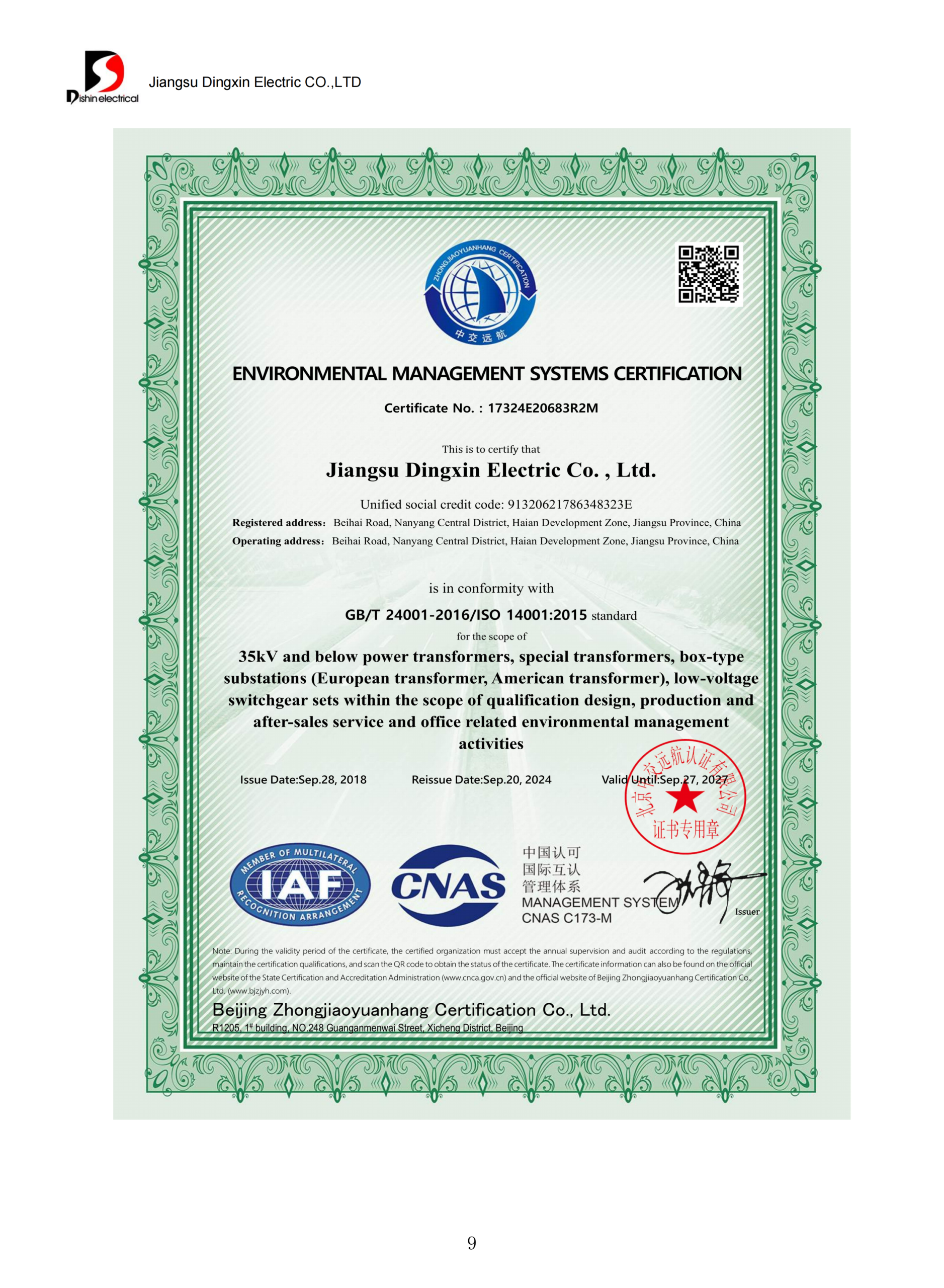
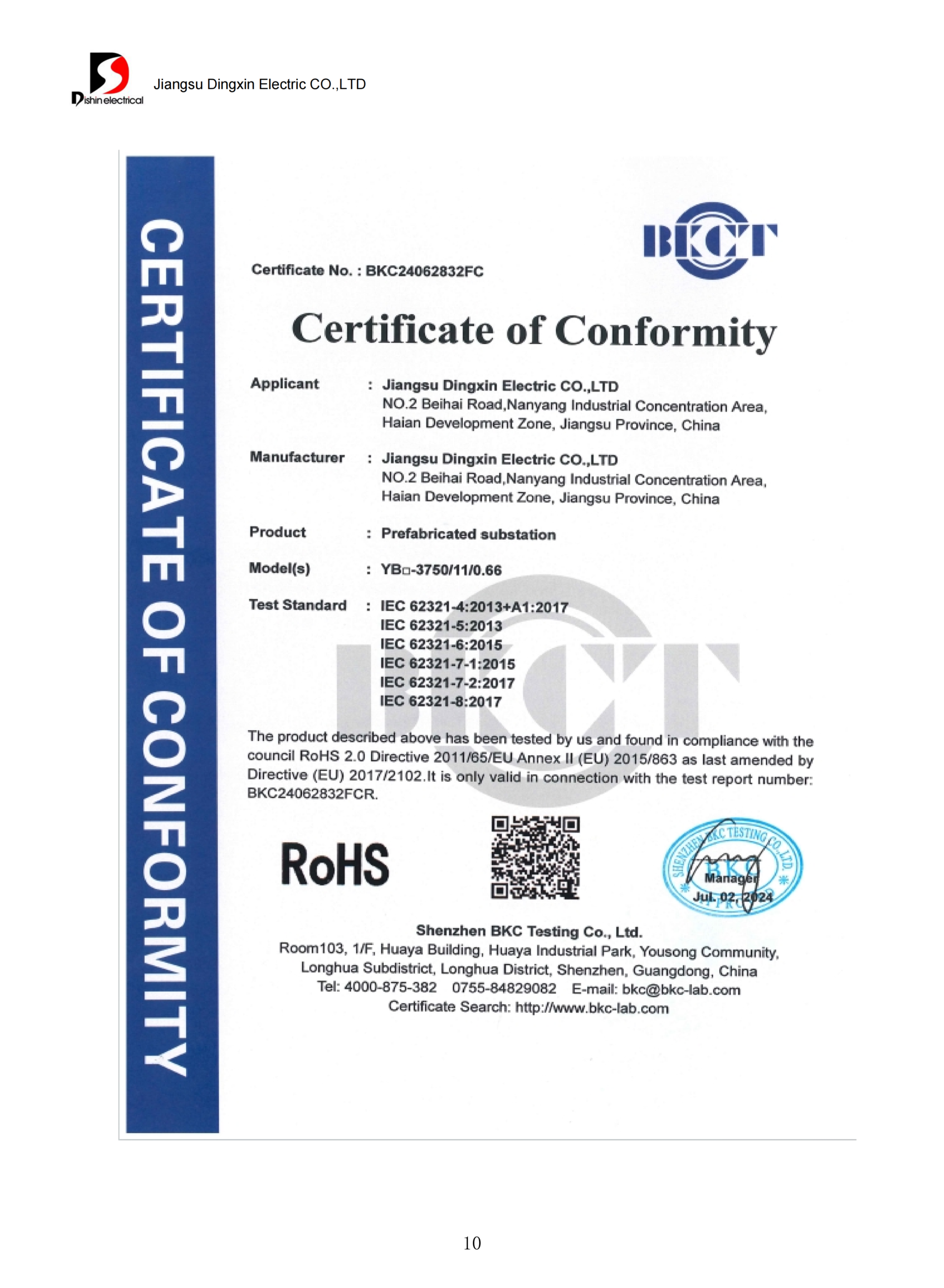
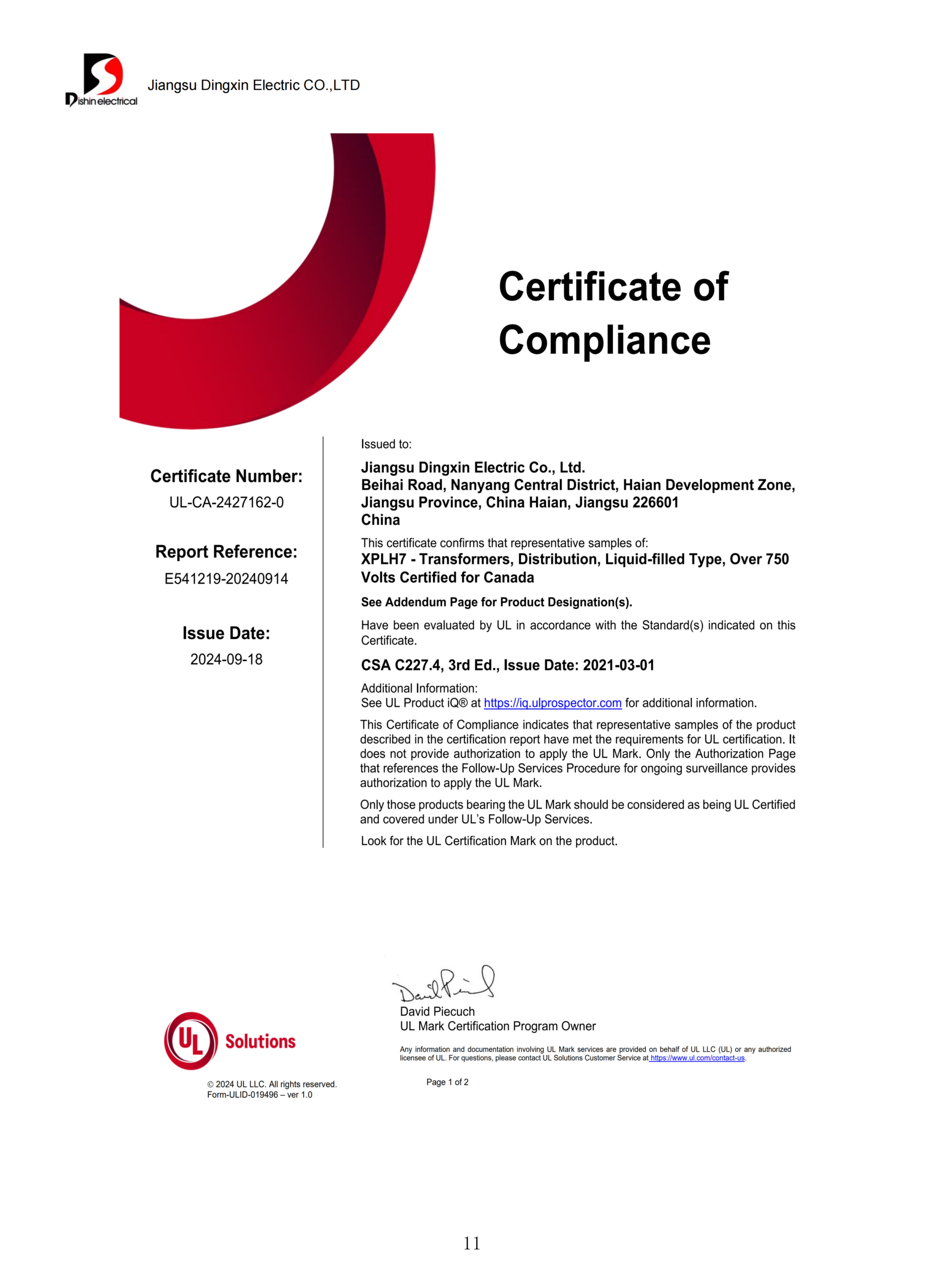
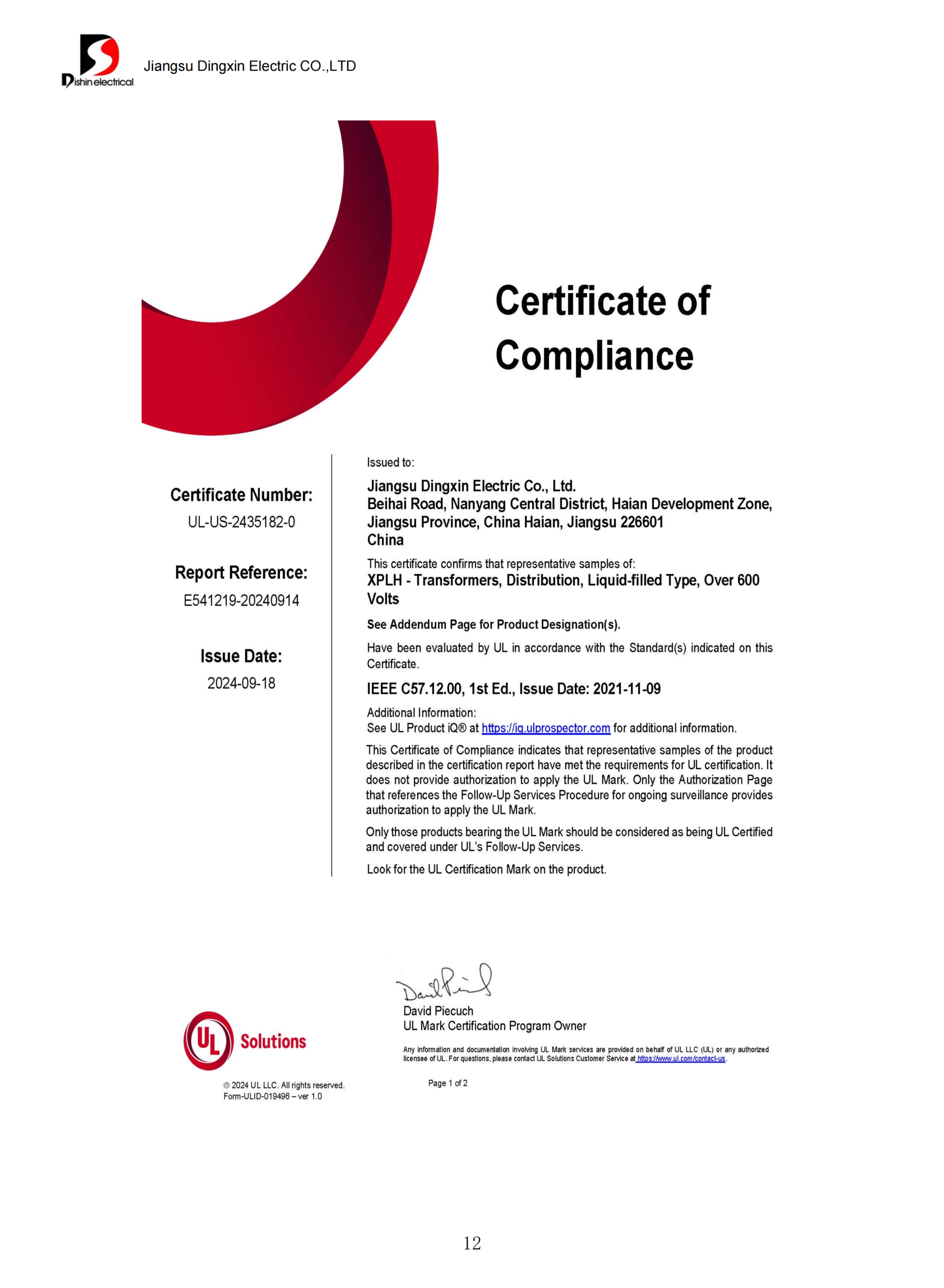
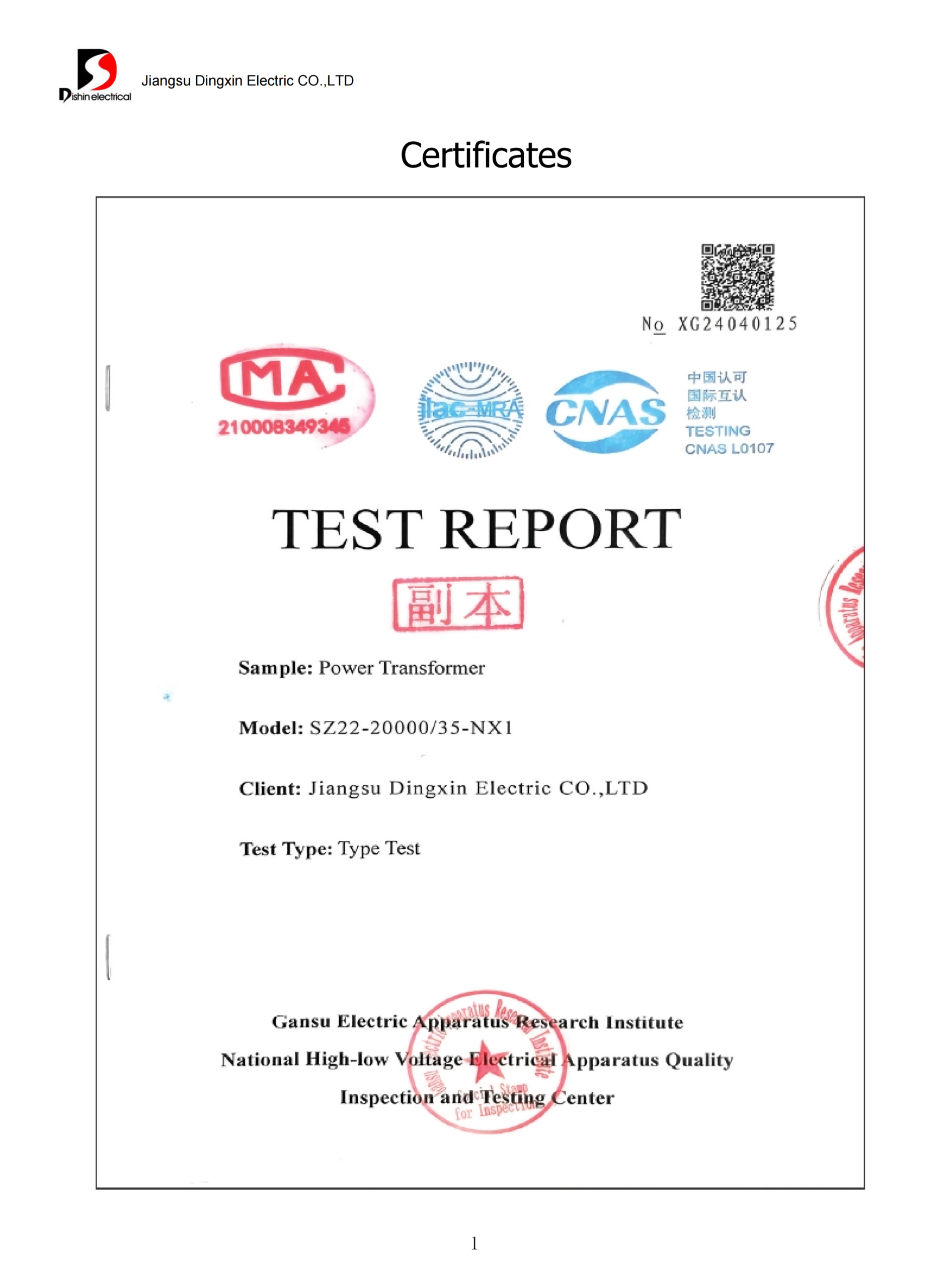
| Standards | A logo or generic certificate | Named document, edition, model scope, and applicable evidence | Check destination and contract applicability |
| Losses and efficiency | “High efficiency” | Defined represented or guaranteed values with test basis | Use the same evaluation method across offers |
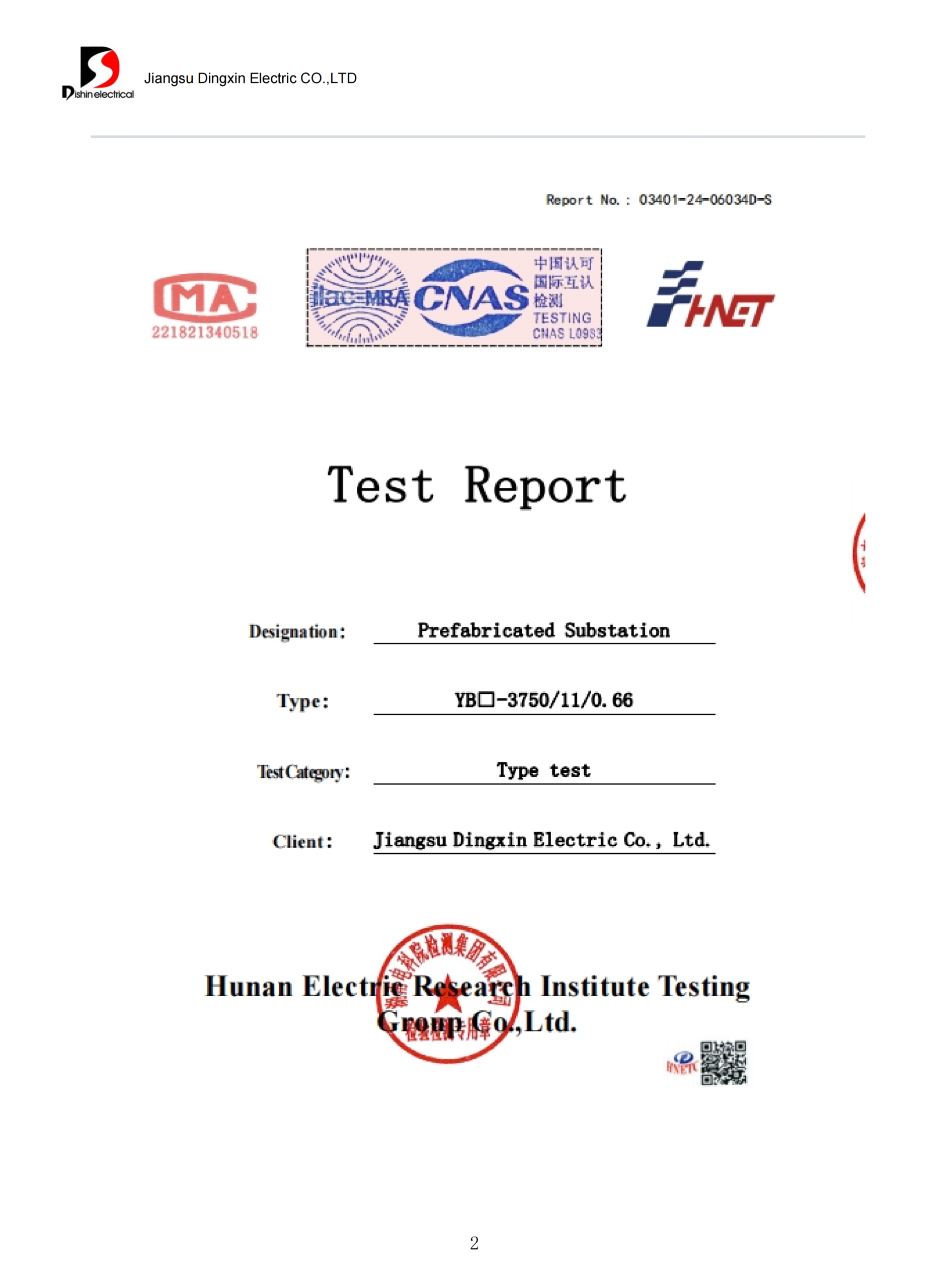
| Testing | “Fully tested” | Agreed test list, method, acceptance criteria, witness status, and records | Identify included and optional work |
| Schedule | One unqualified delivery date | Milestones, dependencies, approval dates, and escalation ownership | Track assumptions and changes |
| After-sales | “Good service” | Named channel, response scope, document language, warranty terms, and exclusions | Put the commitment in the contract |
Lowest purchase price is not the comparison result
A low equipment price may lead to a higher evaluated cost once losses, accessories, testing, logistics, installation, service, and risk are included. The cheapest quote is not necessarily the best offer when unequal scope makes the headline price misleading.
Build a model-level evidence pack
Ask Talite which configuration, drawings, test scope, and commercial documents can be supplied for your RFQ.
From RFQ to Delivery: Project Validation and Documentation
A promised lead time has little decision value without the events that control it. Build the plan around requirements, approvals, production or material release, testing, document release, packing, dispatch, and site receipt, then adapt their order to the contract.
At 50 Hz or 60 Hz, an approval gap can cause delay, rework, and project risk because a revised drawing may change the offered configuration and test basis. The honest trade-off is that Talite Transformer Co., Ltd. can discuss specific RFQ checkpoints and IEEE C57.12.90 records, but no single production-release sequence fits every buyer or contract.
Release context
FAR Subpart 9.3 shows why first-article approval may affect production planning in applicable contracts; it does not establish Talite lead time or approval status.
Decision lens
tie dates to release conditions
Build the milestone plan around release conditions
RFQ
Input baselineFreeze the RFQ revision, technical schedule, destination conditions, quantity, requested date, and commercial terms used for the quotation.
REVIEW
Exception closureResolve assumptions and deviations because an unclosed exception can change design, cost, evidence, and schedule later.
APPROVAL
Controlled documentsList each drawing or technical submission, review owner, response time, accepted status, and effect of late approval.
RELEASE
Contract-dependent startDefine whether material or production release waits for approval and who accepts the risk if work starts earlier.
TEST
Acceptance evidenceAgree on the required test categories, procedures, records, witness notice, acceptance criteria, and process for a nonconforming result.
DELIVERY
Documented transferClose packing, dispatch, shipping documents, receiving checks, storage, installation information, open items, and response contacts.
Examples of test evidence to define
Electrical relationship
Ratio, polarity, phase relation, winding resistance, and connection checks where applicable to the agreed test code.
Loss and impedance
No-load loss, excitation current, impedance, and load-loss evidence under the agreed method and conditions.
Insulation
Specified dielectric and insulation tests tied to the applicable standard, insulation level, and contract scope.
Additional scope
Temperature, sound, short-circuit, special, witness, or other work only when required and explicitly agreed.
A standard name is not a test plan
IEEE C57.12.90 identifies recognized test-method categories for liquid-immersed transformers, while IEC 60076-3 addresses insulation requirements and related tests. The applicable standard, product scope, edition, test list, and acceptance criteria still need to be stated in the purchase documents.
Turn your target date into a checkpoint plan
Send the required delivery date together with approval rules, test expectations, and destination details.
Transformer Procurement & Evaluation Tools
Distribution Transformer FAQs
Scope context: 10 CFR Part 431, Subpart K provides United States definitions and scope boundaries; it does not make every transformer or destination subject to the same requirements.
Provide the application, load profile, capacity, phase, primary and secondary voltage, frequency, connection, grounding, environment, installation, accessories, applicable standards, destination, quantity, target date, and shipping terms. Add the required drawings, test records, inspection points, utility approvals, packing limits, and commercial exclusions. Mark unknown fields instead of filling them with assumptions.
Compare controlled technical data, deviations, tests, traceability, milestones, and after-sales terms. Use the same evidence request for every distribution transformer supplier.
Electrical configuration, materials, construction, accessories, tests, quantity, approvals, packing, logistics, and allocation of risk can affect the offer. Drawing revisions, utility comments, special tests, witness points, nonstandard interfaces, and destination records may add dependencies. Ask for an assumption list and milestone plan instead of a universal range.
Define the test code, required test categories, acceptance criteria, reports, drawings, quality records, and witness points. Confirm inclusion for the offered model.
Labels alone aren't enough because the boundary depends on the application and governing document. Compare system duty, rating, voltage, construction, loading, interfaces, network position, and the standard or regulation that controls the procurement. If two sources classify the same equipment differently, resolve the definition in the RFQ before requesting price or compliance evidence.
Trace every value to the RFQ, drawings, engineering basis, standards, tests, and interfaces.
Evidence categories can be standardized, but product, test, regulatory, utility, and commercial requirements differ by project. Electrical distribution transformer manufacturers should receive the same input baseline, exception form, test request, schedule questions, and destination-market screen. Catalog breadth shouldn't outweigh proof for the offered configuration.
No. Check model scope and evidence.
Begin with system voltage, capacity, frequency, connection, grounding, load behavior, insulation, installation, interfaces, and tests. Ask for controlled data and close every exception before approval.