Get in touch with Talite Transformer Co., Ltd Company

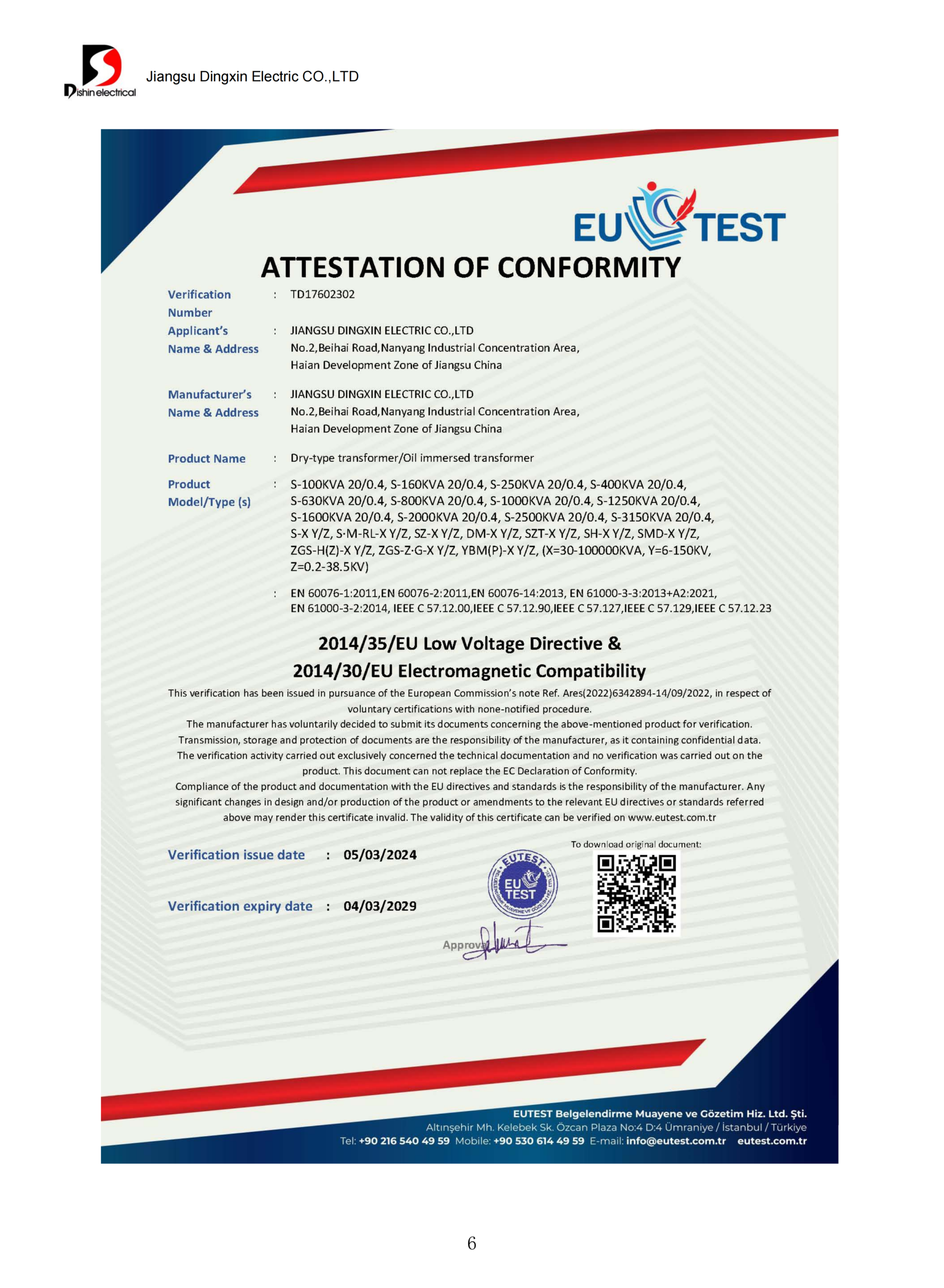
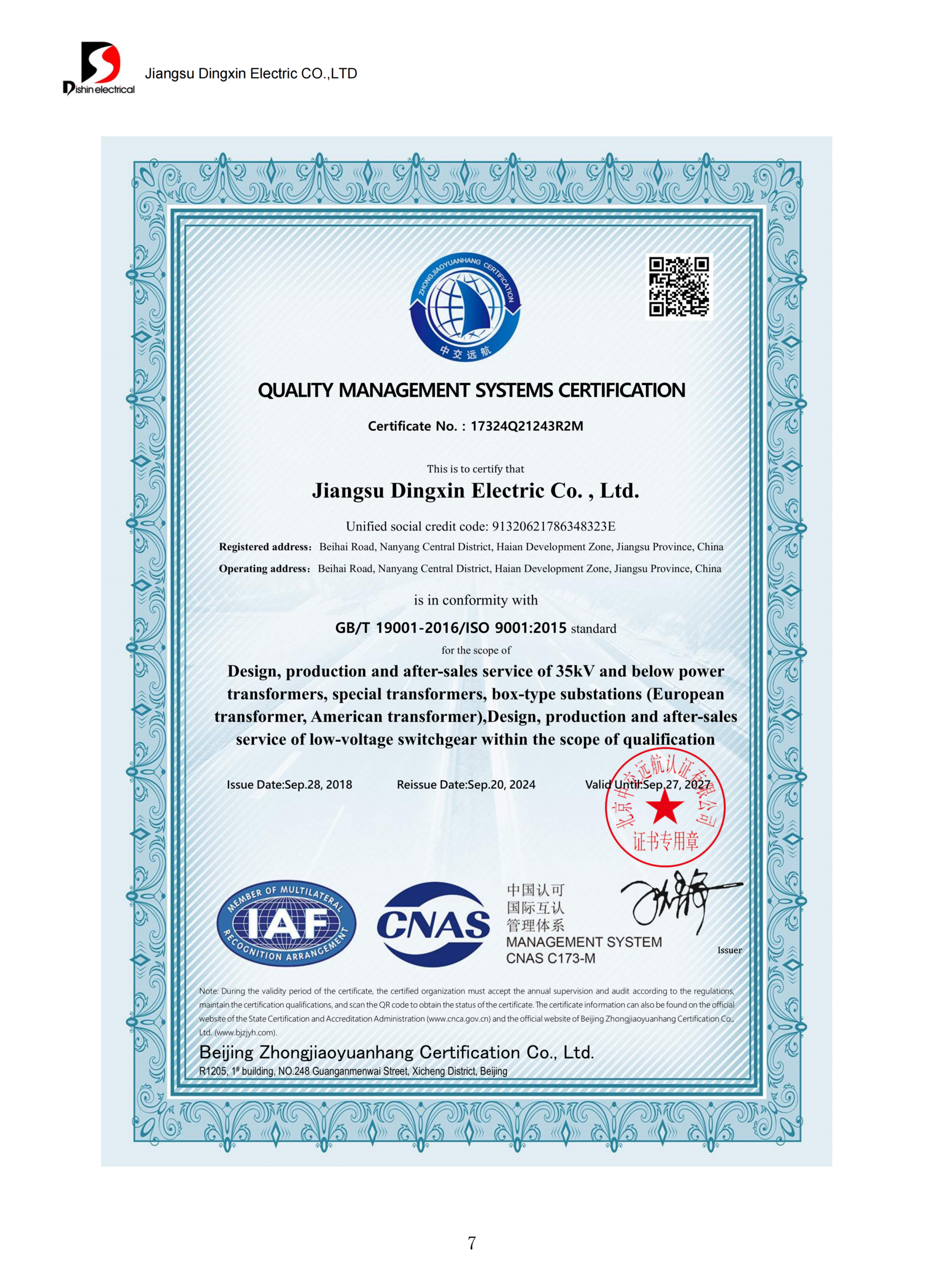
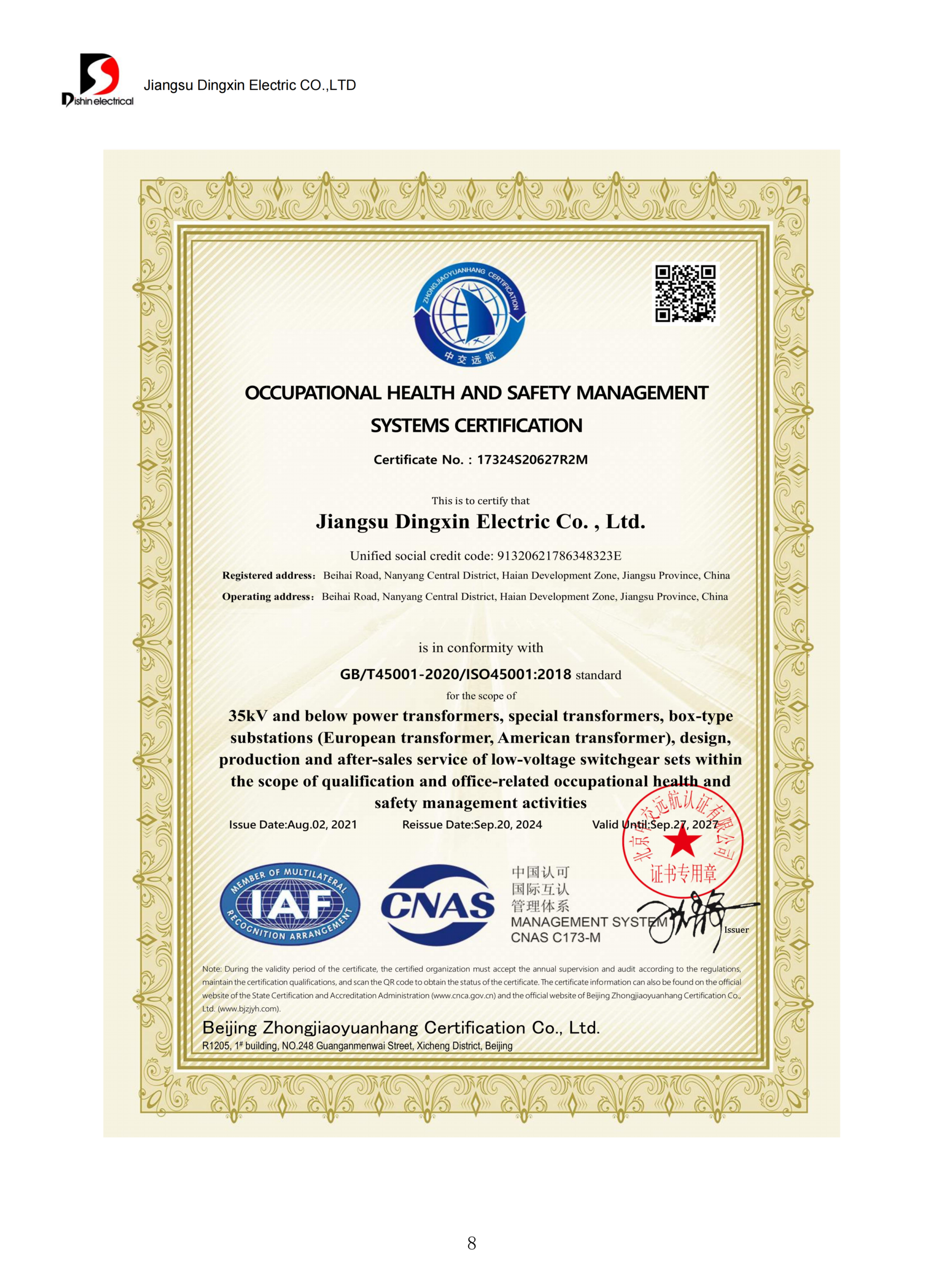
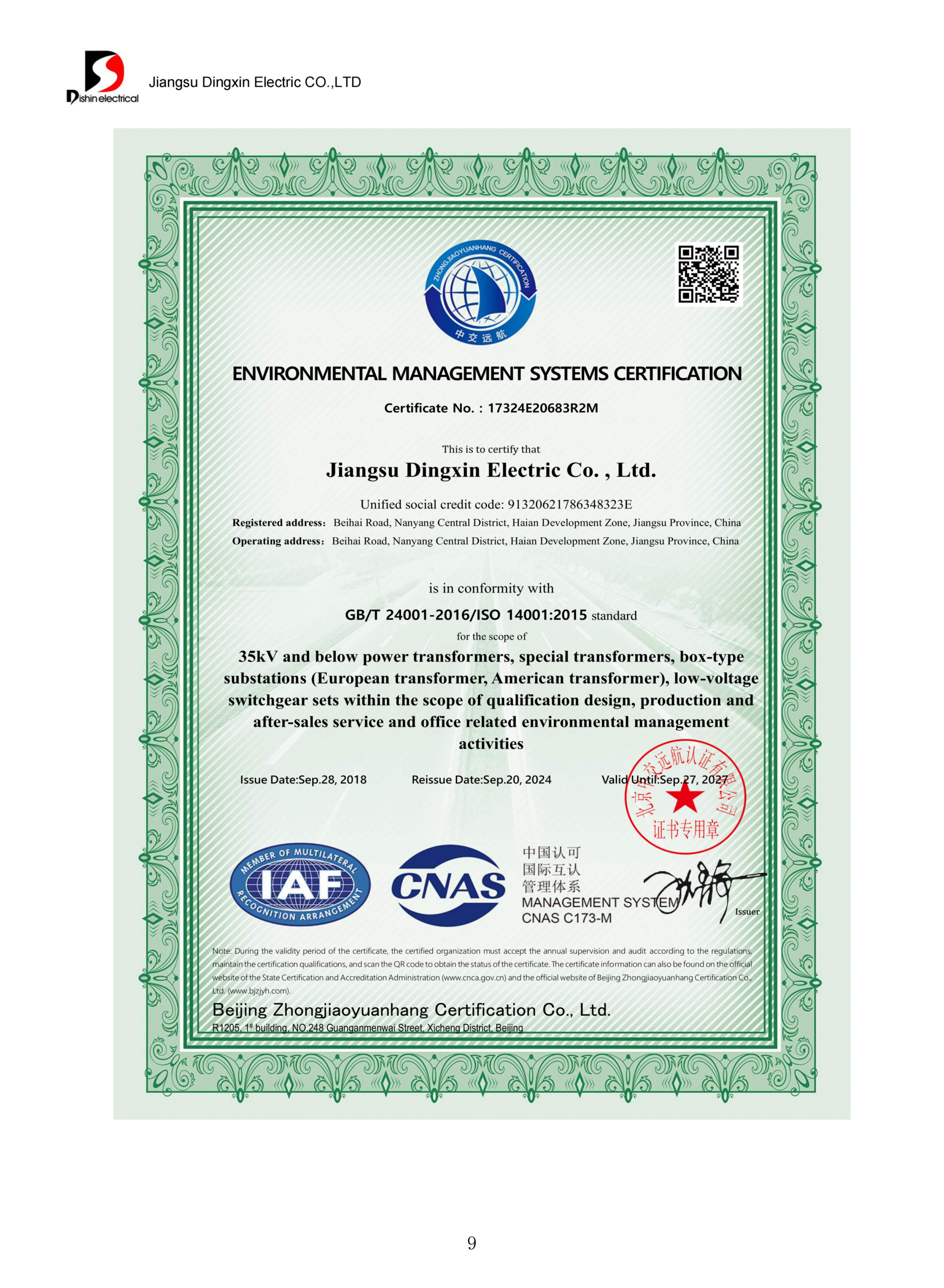
ISO Certified
35kV Power Transformer
35 kV Power Transformer Scope for Dry-Type and Oil-Immersed Projects
A 35 kV power transformer enquiry needs more than a voltage label. Talite uses the system ratio, load profile, installation environment, cooling path, test scope and delivery boundary to review the design before a quotation is treated as comparable.
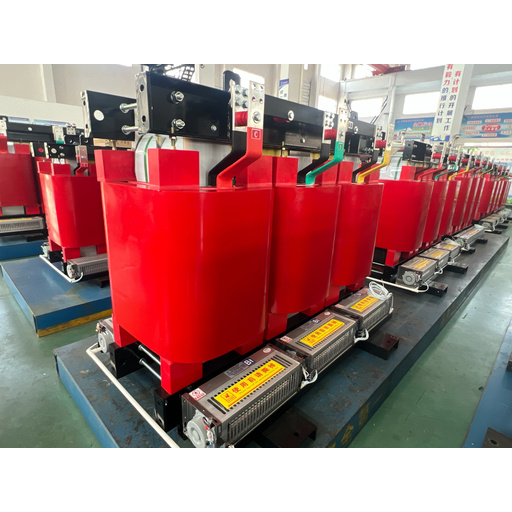
Supplied dry-type reference
35 kV, 3,150 kVA, epoxy-resin cast insulation system, with air natural or forced-air cooling recorded in the customer document.
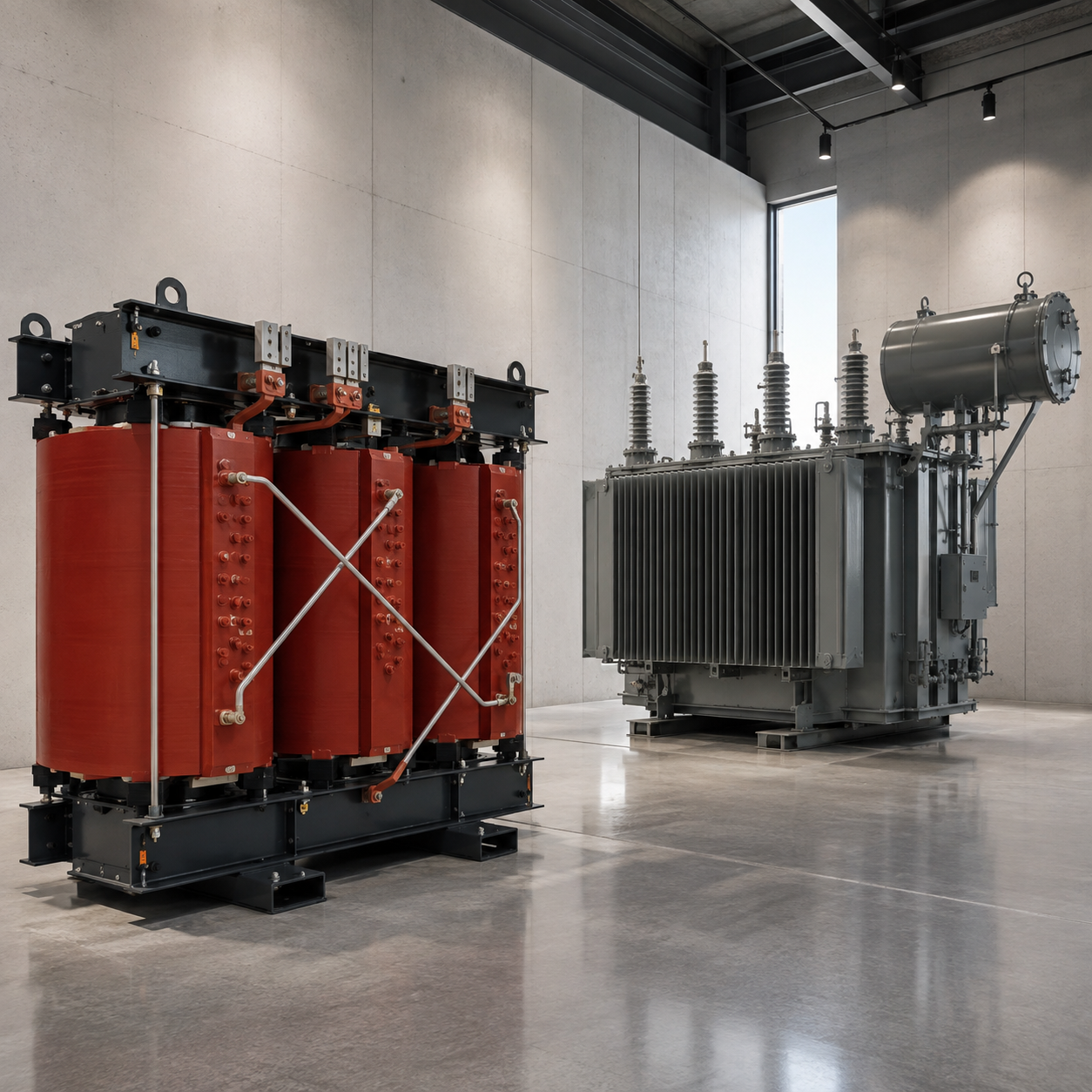
Supplied oil-immersed reference
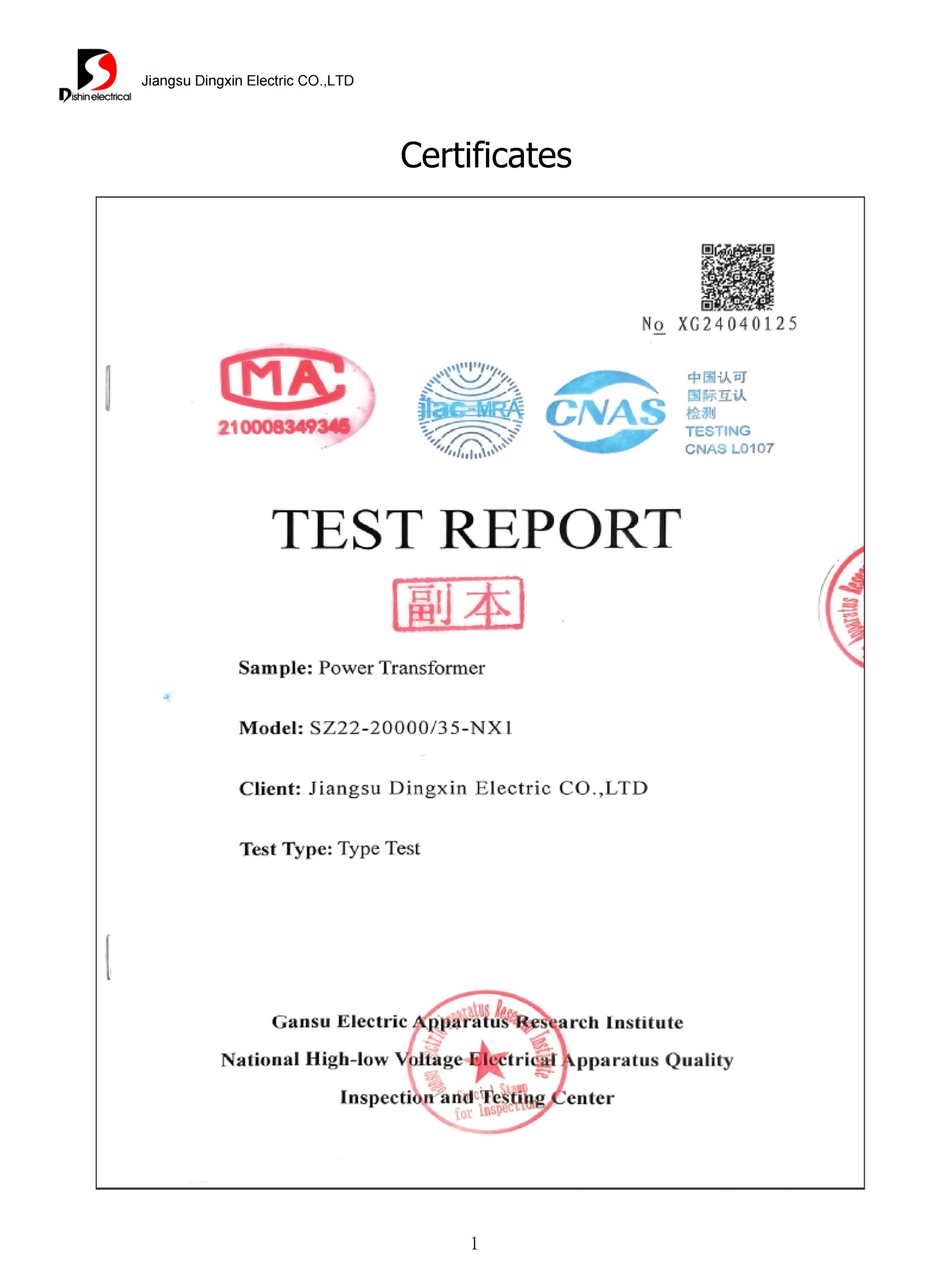
35 kV, 20,000 kVA, documented for indoor power distribution systems in the customer material.
35 kV is a voltage class, not 35 kVA. Capacity is measured in kVA or MVA and must follow the project load; these two reference models do not establish a continuous Talite product range.
Summary: Verified Facts At A Glance
35 kV
Voltage Class In Both Supplied Model Documents
3,150 kVA
Dry-Type Reference-Model Capacity
20,000 kVA
Oil-Immersed Reference-Model Capacity
2 Constructions
Separated For Review, Never Mixed As One Specification
2 Model Records
Dry-Type And Oil-Immersed Data Kept Separate
Input-Led Review
Ratio, Impedance, Losses And Insulation Level Are Project Fields
Read These Records As Boundaries, Not As A Range
The specification risk comes from assuming that the 35 kV label fixes capacity or construction. That creates a model mismatch because Talite’s two records cover different kVA ratings and insulation systems. The wrong answer is to turn two records into an unverified range; that common assumption hides the model boundary. For procurement, use the engineering data sheet—not a family label—to confirm the exact model.
Dry-Type and Oil-Immersed Reference Models
Talite Transformer Co., Ltd. has worked in the power equipment sector for over three decades. Its supplied company background describes an integrated R&D, production and sales business in the Hai’an Economic and Technological Development Zone of Nantong, Jiangsu Province.
Model Scope Discipline
Each enquiry keeps the dry-type transformer record distinct from the oil immersed transformer record so cooling, insulation and installation facts stay with the right construction. Project review scopes each medium voltage power transformer against its own electrical and site inputs.
Project-Specific Configuration
Project-specific review begins when the buyer provides the required inputs. Capacity, voltage ratio, high-voltage insulation level and low voltage arrangement are fixed on the approved data sheet.
Construction Boundaries for Dry and Oil-Immersed Designs
Dry-type and oil-immersed power transformers solve different thermal, dielectric, fire-strategy and installation problems. The two constructions are not interchangeable. Higher voltage does not necessarily mean higher MVA; capacity follows the project load and duty. Construction comparison checks those limits against the actual site rather than treating either technology as the universal answer.
| Decision Field | Dry-Type Review | Oil-Immersed Review | Input To Freeze |
|---|---|---|---|
| Insulation Medium | Supplied model states epoxy resin | Liquid system; specify oil type and volume | Required construction and environmental constraints |
| Cooling System | Supplied model states air natural or forced-air cooling | Define whether the project requires ONAN, ONAF or another path | Duty, ambient, room heat rejection and redundancy |
| Installation | Define location in the project data sheet | Supplied model says indoor power distribution systems | Indoor/outdoor, access, fire strategy and containment |
| Capacity | 3,150 kVA reference only | 20,000 kVA reference only | Load list, diversity, future growth and duty cycle |
| Voltage | 35 kV class; define the ratio | 35 kV class; define the ratio | Primary/secondary, frequency, taps and grounding |
| Project Documents | Design bases named in the reference[1] | Design bases named in the reference | Required tests, reports, drawings and approval authority |
Silicon steel, copper or aluminum winding, amorphous alloy cores and other material choices appear in the broader market, but none is a confirmed fact for these two references. Final options remain open until the design record or approved offer identifies them.
Site Conditions That Change the Design Review
Electrical System
Primary and secondary voltage, 50/60 Hz frequency, three phase arrangement, grounding, short circuit duty, impedance and tap range shape the design. A 10kV or 11kV secondary must never be guessed from the 35 kV label.
Thermal Boundary
Ambient temperature, altitude, ventilation, temperature rise, harmonic loading and overload duty affect thermal margin. These inputs belong in the review before reliable operation or a cooling designation is claimed.
Installation Environment
Dust, moisture, corrosion, seismic duty, acoustic limits, access and enclosure expectations affect the equipment package. Conditions outside the agreed boundary are flagged for site or authority review.
Grid Role
A substation, industrial power supply, renewable energy collector system or power plant can impose different protection and interface needs. “Power distribution” alone is too broad to freeze the transformer.
Accessories
Protection, indication, monitoring, marshalling, cable boxes, bushings and any off-circuit or on-load tap changer requirement change scope. Included and excluded accessories are documented in the written offer.
Logistics
Transport route, lifting, installation access and delivery split can affect an oil-immersed power unit in particular. Dimensions and mass come from the approved outline drawing.
Terms That Still Need a Project Definition
Power System and Voltage Level
identify the operating, maximum equipment and insulation-coordination basis used by the utility or EPC.
Reliability Target
state duty criticality, redundancy, overload philosophy and permitted outage conditions.
Insulation Materials
require the approved data sheet to name the winding and dielectric construction instead of assuming it from the family label.
IEC, IEEE or Utility Rules
list the governing document and edition, then request the matching model evidence.
Power Transmission Versus Distribution
define the network role; the phrase oil immersed distribution does not by itself establish a model fit.
The 35 kV Design Freeze Card
This Design Freeze Card converts unknown inputs into visible decision blockers. It returns an actionable gap list without acting as transformer approval.
Freeze gate
Minimum buyer input
Decision blocked when missing
Useful attachment
G1 System
Single-line diagram, primary/secondary voltage, frequency, phase, grounding
Voltage ratio, insulation coordination and connection review
SLD and utility requirements
G2 Load
Required kVA, load profile, harmonics, motor starts, growth allowance
Capacity and thermal review
Load schedule
G3 Site
Indoor/outdoor, altitude, ambient, contamination, clearances
Construction, enclosure and cooling path
Room layout and environment sheet
G4 Network duty
Short-circuit level, target impedance, tap needs, protection interface
Winding and system coordination
Protection philosophy or study extract
G5 Evidence
Applicable standards, tests, witness points, report format, approval party[1]
Quality plan and document list
Project specification and ITP
G6 Commercial
Quantity, destination, packaging, delivery boundary, required terms
Comparable quotation and logistics scope
RFQ cover sheet
“Freeze the voltage ratio, load profile, installation environment and test scope before treating two transformer offers as comparable.”
Standards, Tests, And Project Evidence
Five project layers need coordination: governing standard, documented design basis, agreed tests, conformity route and market acceptance. The RFQ should name the required edition, evidence object and approval authority for each layer.
| Reference | Project Relevance | RFQ Action | Approval Checkpoint |
|---|---|---|---|
| IEC 60076-11:2018[1] | Official scope can cover in-scope dry-type units up to 72.5 kV highest voltage for equipment | Name the edition, applicable clauses, tests and required model documents | Approve against the project specification |
| IEC 60076-11 and GB/T 10228 | Named as the design basis in the supplied dry-type reference | State the required test schedule and document list | Match each report to the offered model |
| IEC 60076 and GB/T 6451 | Named as the design basis in the supplied oil-immersed reference | State the required test schedule and document list | Match each report to the offered model |
| 10 CFR 431.192 | Its covered definition uses input voltage ≤34.5 kV plus output, frequency, capacity and exclusion criteria | Provide exact nameplate values before U.S. regulatory classification | Confirm with the responsible compliance party |
| OSHA 1910.303(h) | U.S. site access, guarding, enclosure and workspace conditions for circuits over 600 V | Coordinate the installation layout and access controls | Keep site acceptance separate from product evidence |
Evidence Request For Procurement And QA
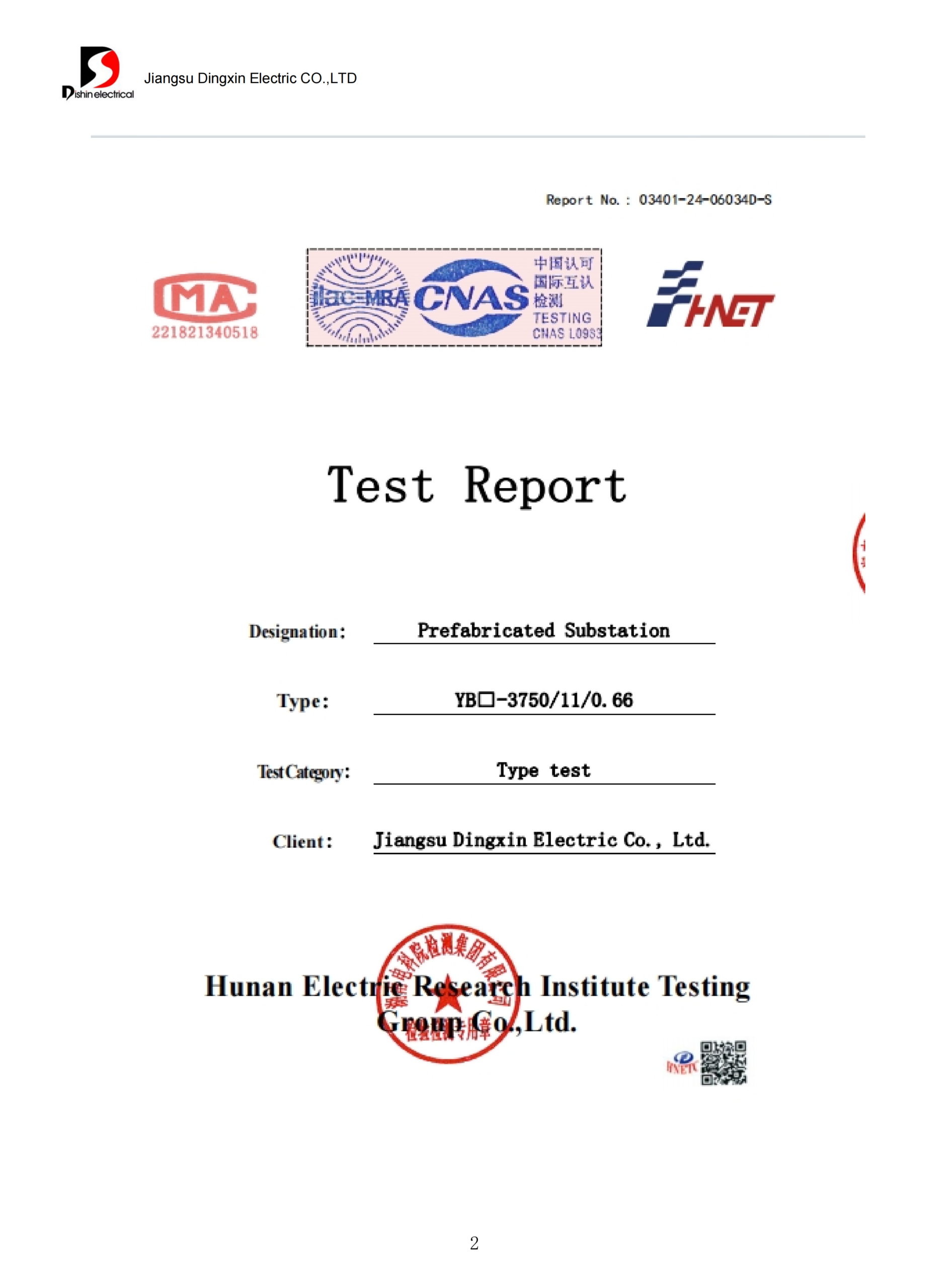
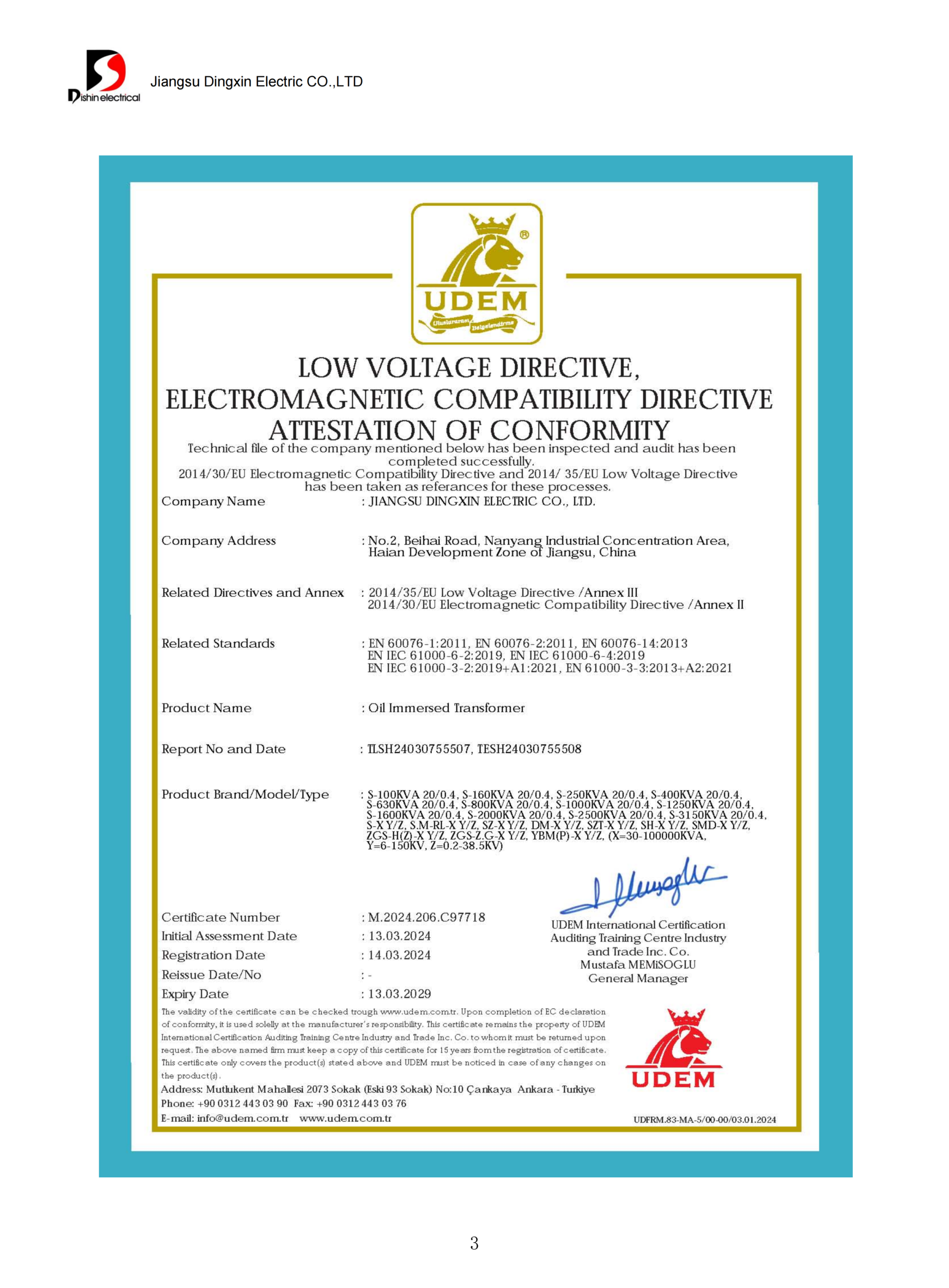
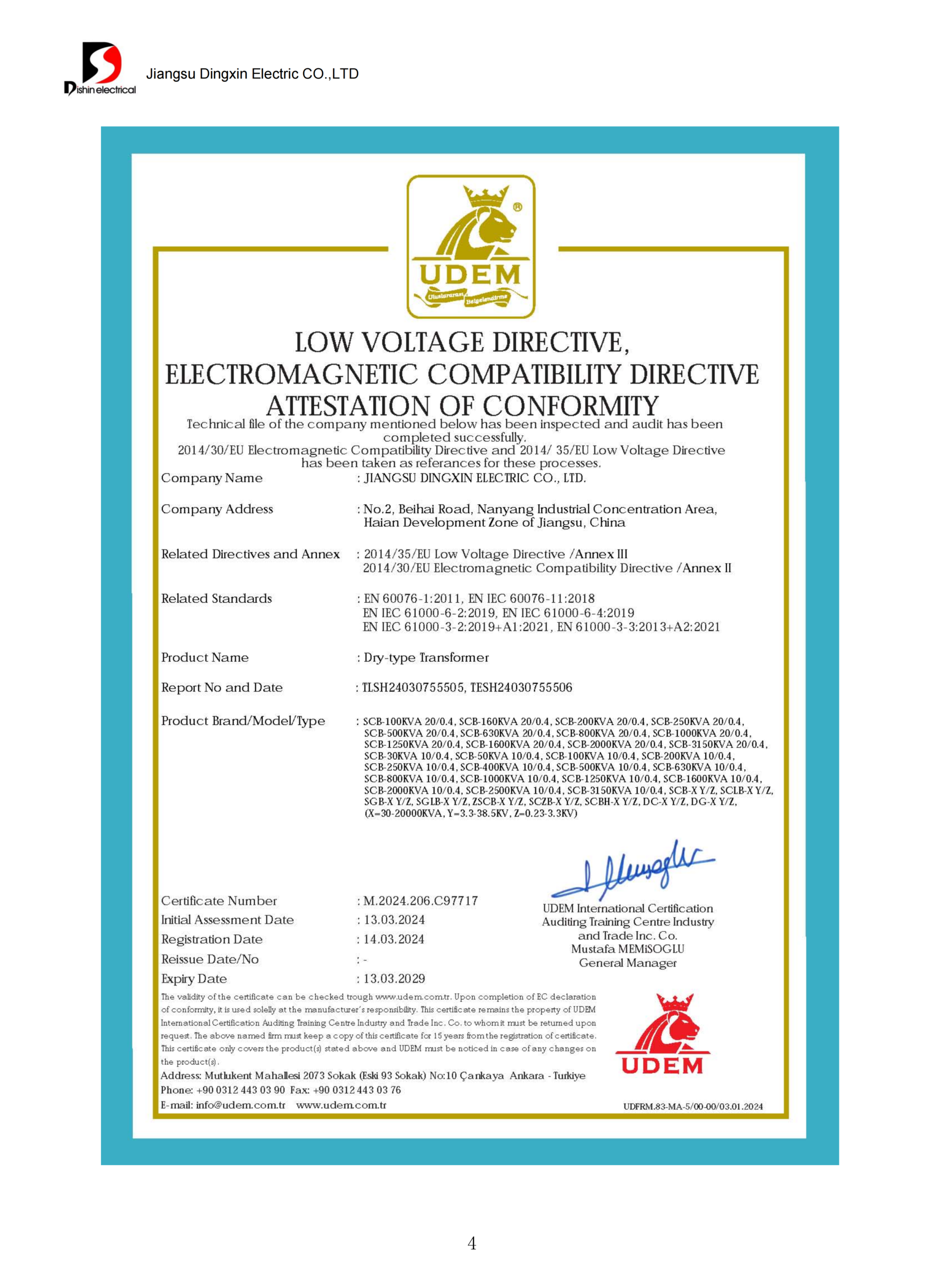
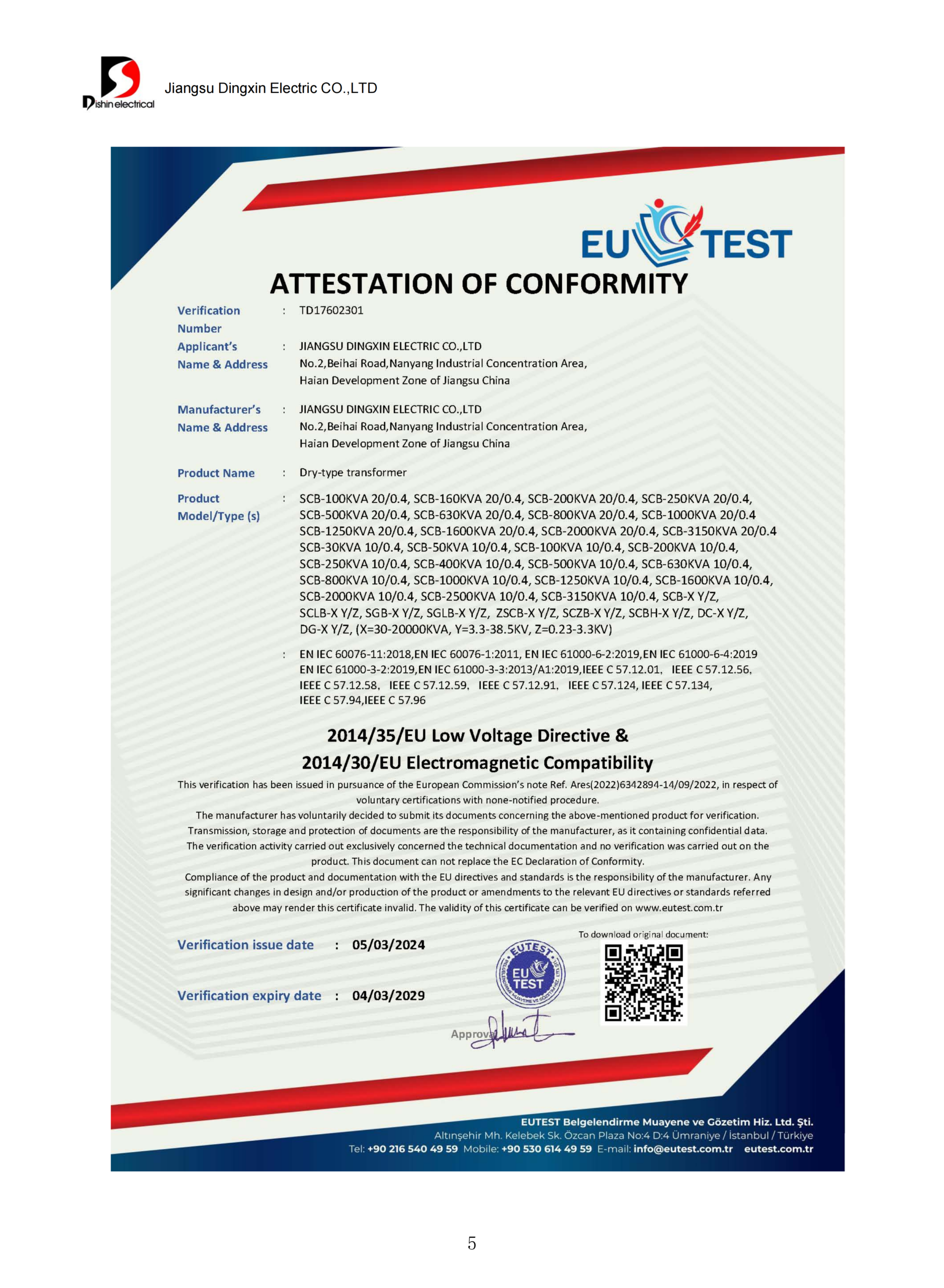
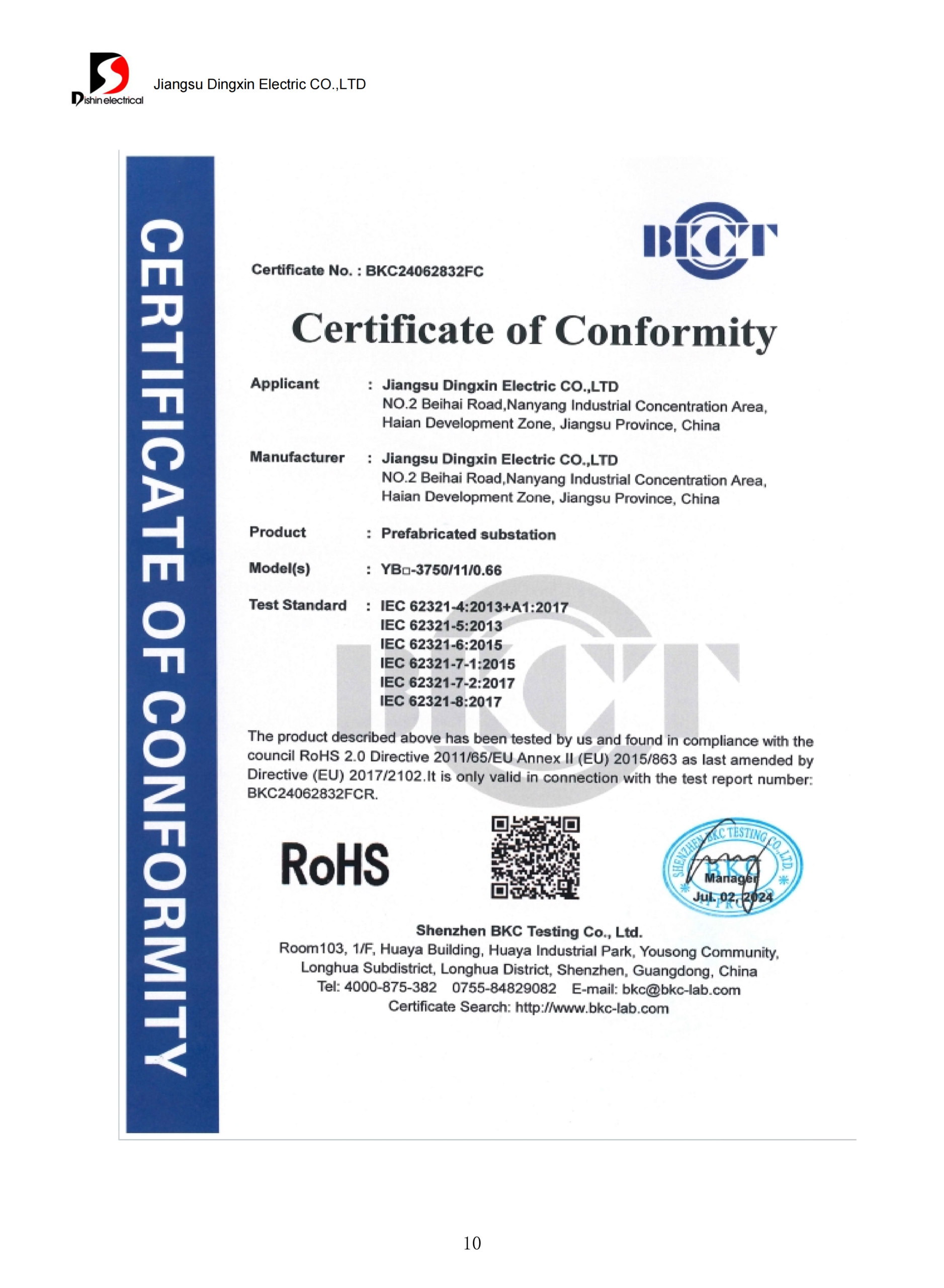
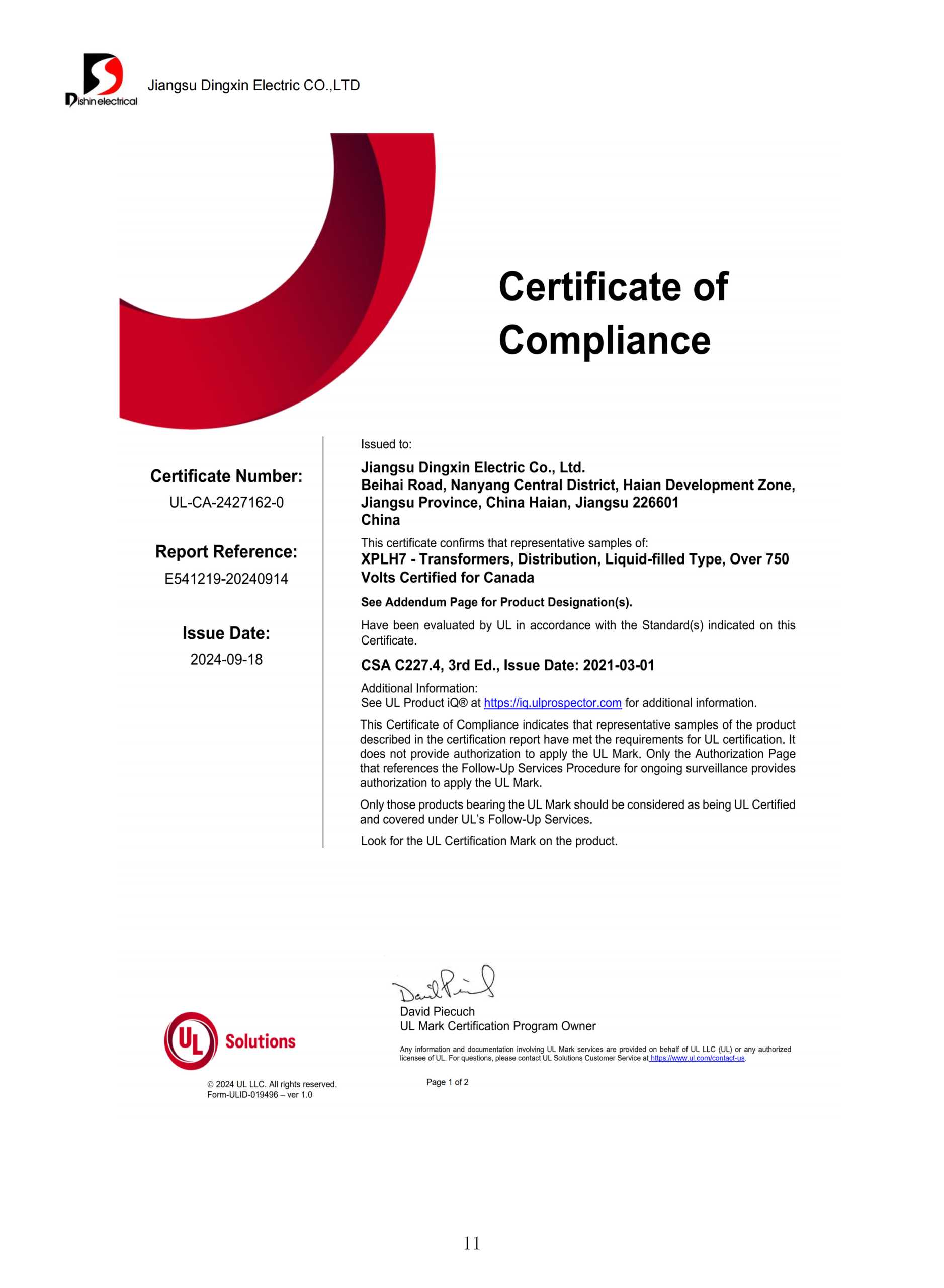
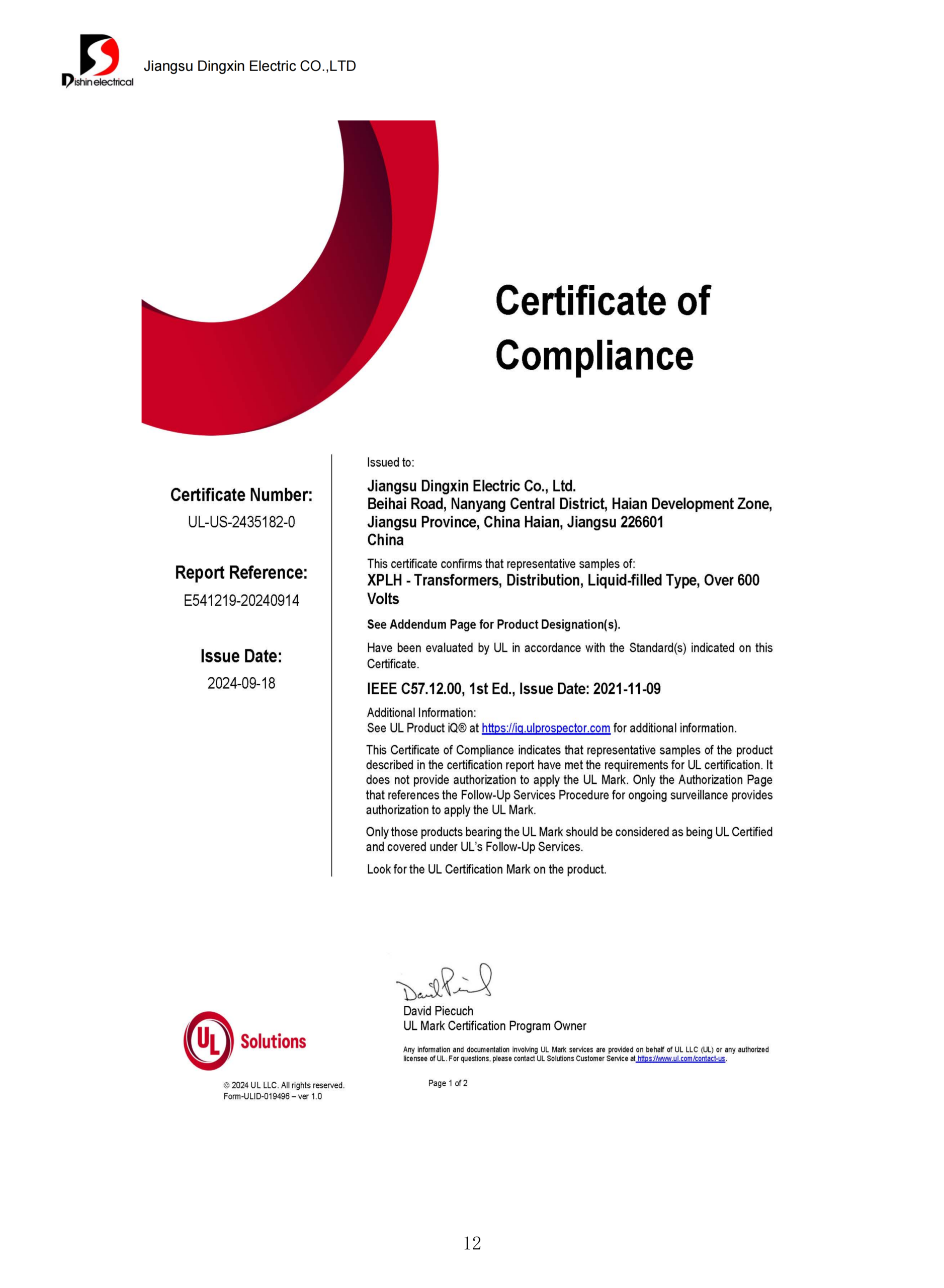
Ask the supplier to identify which document owns each claim: approved data sheet, drawing, test schedule, test report, conformity document or certificate. The mistake is treating a design basis as a certificate. A standards list is not a substitute for model-linked evidence. Unlike a generic standards list, Talite engineers route each requested test and document to the exact 35 kV model because every item answers a different approval question. This avoids an approval risk created by evidence that belongs to another configuration.
×
Gallery and Project Data Approval Package
Oil-immersed transformer reference image. Final project equipment is defined by the approved data sheet and outline drawing.
For procurement and QA, the mismatch risk is approving a reference image or family label instead of the exact 35 kV data sheet. Because the photograph is orientation evidence only, confirm the proposed unit against its approved engineering drawing, model data and test package.
Reference-Model Inputs
- 35 kV / 3,150 kVA dry-type reference
- Epoxy-resin cast insulation
- Air-natural or forced-air cooling path
- 35 kV / 20,000 kVA oil-immersed indoor reference
Approval Package to Define
- Complete model data sheet and outline drawing
- Voltage ratio, impedance, losses, dimensions and mass
- Test schedule, reports and market documents
- Accessories, interfaces and protection requirements
- Commercial terms and production schedule
Cases That Need More Engineering Before Selection
Do not select from voltage alone
A 35kv transformer label does not answer capacity, ratio, BIL, impedance, short circuit duty or tap needs. Stop and supply the system study or utility requirements.
Do not extrapolate between the two models
These 3,150 kVA and 20,000 kVA references are not endpoints of a verified range. A different capacity needs a separate design and evidence review.
Do not treat standards as certificates
IEC and GB/T references in a document describe a design basis.[1] Certification, market acceptance and completed tests require their own evidence.
Do not force a dry/oil answer
Outdoor exposure, occupied-space fire strategy, ventilation, containment, access and maintenance can change the right construction path. Local engineering and authority requirements control the decision.
35 kV Power Transformer Interactive Tools
35 kV Design Freeze Checker
Mark each documented input group. This tool reports gaps; it does not size, approve or certify a transformer.
35 kV Reference Model Boundary Comparison
Only client-supplied facts are shown. Blank facts stay blank instead of being inferred.
35 kV Transformer RFQ Input Builder
Entries stay in this browser page. The tool builds a copyable brief; it does not calculate rating, price or lead time.
FAQ: 35 kV Transformer Questions
What does 35 kV mean on a transformer?
It refers to voltage class or a voltage-side rating, not capacity. Capacity is stated separately in kVA or MVA.
Is 35 kV the same as 35 kVA?
No. kV measures voltage, while kVA measures apparent power capacity; confusing them can send an enquiry down the wrong product path.
Is a 35 kV transformer a medium voltage power transformer?
This term is commonly used in medium-voltage project searches, but project standards and utilities define their own voltage classes and maximum equipment voltage. Confirm the governing specification rather than relying on a label.
Can Talite quote from only the 35 kV rating?
No comparable offer can be scoped from that rating alone. Provide the voltage ratio, kVA, frequency, grounding, impedance, tap, load, site, test and logistics inputs.
Which supplied dry-type facts are verified?
Customer documentation states 35 kV, 3,150 kVA, epoxy-resin cast insulation system, air natural or forced-air cooling, and IEC 60076-11 and GB/T 10228 as design bases for that reference.
Which supplied oil-immersed facts are verified?
Customer documentation states 35 kV, 20,000 kVA, indoor power distribution systems, and IEC 60076 and GB/T 6451 as design bases for that reference.
Does IEC 60076-11 prove the dry model is certified?
No. Official standard scope can be relevant, while certification, fire-behaviour class and test reports still require model-specific evidence.
Does U.S. DOE 10 CFR 431.192 automatically apply?
No. Its distribution-transformer definition includes an input-voltage ceiling of 34.5 kV plus output, frequency, capacity and exclusion conditions; calling a unit a 35kv distribution transformer does not change those criteria. Classification needs exact nameplate data.
Is OSHA 1910.303(h) a product certification?
No. It addresses U.S. site access, guarding, enclosure and workspace conditions for circuits over 600 V.
Can I get a 35 kV substation transformer price or lead time here?
The label 35kv substation transformer still does not establish a comparable price. A project price and production schedule follow a frozen technical, evidence, accessory and logistics scope. The final values and commercial terms belong in the written offer.
![Pad-Mounted Transformer: How It Works [2026 Guide]](https://toplit-transformer.com/wp-content/uploads/2026/08/pad-mounted-transformer-guide-featured-150x150.png)
![Single Phase Pad Mounted Transformer Guide [2026]](https://toplit-transformer.com/wp-content/uploads/2026/08/single-phase-pad-mounted-transformer-guide-featured-1-150x150.png)