Get in touch with Toplit Transformer Co., Ltd Company
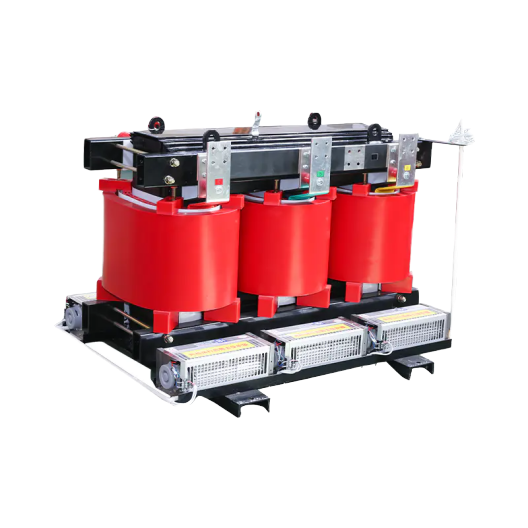
Cast Resin Dry-Type Transformer — 1000kVA 11kV
The cast resin dry type transformer from Talite is our indoor-rated, fire-safe medium-voltage power distribution transformer with none of the fire-or-leak liability of an oil-filled unit. This 1000 kVA/11 kV unit is designed for 6.0% impedance operation with 1.270 kW no-load loss, per our current production specification sheet.
Indoor Power, Without the Fire Risk — How Cast Resin Solves It
Why the Oil-Free Design Matters
This construction is also environmentally friendly in a concrete sense: no oil to leak, spill, or dispose of at end of life, and no oil-sampling maintenance program required. That liability exposure does not go away on its own over a transformer’s 20-year-plus service life — it compounds with every inspection cycle unless the insulation system removes the oil variable structurally. IEC 60076-11:2018 classifies dry-type transformers by tested fire-behavior class (F0/F1) rather than declaring fire risk eliminated, and Talite manufactures every cast resin unit to target the self-extinguishing F1 classification with a moisture-proof, flame-retardant resin layer, under the same ISO 9001-certified production system that runs our factory testing.
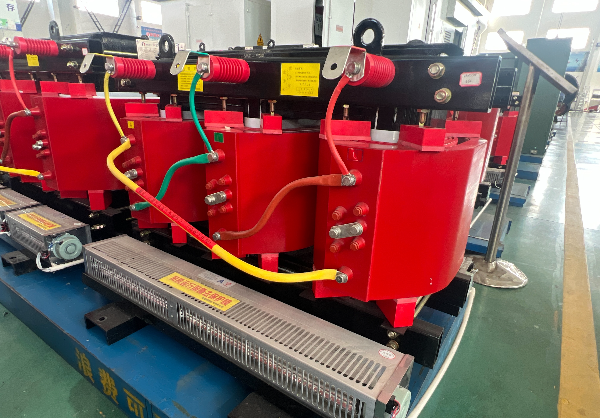
Removes the need for oil entirely, along with the oil-containment and spill-response requirements that indoor oil-filled installations carry.
The epoxy-encapsulated winding is self-extinguishing and moisture-proof, tested to IEC 60076-11 fire-behavior classification rather than left to an untested assumption in areas with high fire-safety requirements.
Because the resin layer is engineered thin enough to conduct winding heat outward while still fully encapsulating the conductor, protecting it from moisture and contaminants.
Need this fire-behavior classification confirmed in writing for your specific jurisdiction?
Confirm Fire-Behavior Classification →That combination is why cast resin has become the default choice for load centers where people work and live alongside the transformer — a genuine environmental protection benefit, not just a marketing line, and one we cover in more detail in the deployment section below.
Talite Cast Resin Dry-Type Transformer — Models & Selection
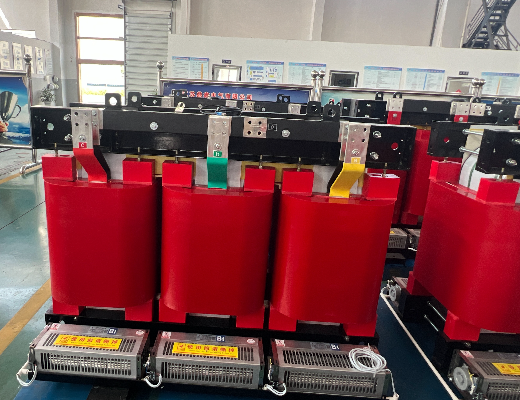
Our current standard model is the SC(B)13-1000/11, a 1000 kVA, 11 kV-class cast resin dry-type transformer designed to the specification below. High-voltage tapping and connection symbols are available to customize for your distribution design at the point of manufacture.
| Parameter | Value |
|---|---|
| Rated Capacity | 1000 kVA |
| High Voltage | 6 / 6.3 / 6.6 / 10 / 10.5 / 11 kV |
| HV Tapping Range | ±5% or ±2×2.5% |
| Low Voltage | 0.4 kV |
| Connection Symbol | Yyn0 or Dyn11 |
| Short-Circuit Impedance | 6.0% |
| No-Load Loss | 1.270 kW |
| Load Loss @ 130°C (Class B, 100°C rise) | 6.880 kW |
| Load Loss @ 155°C (Class F, 120°C rise) | 7.310 kW |
| Load Loss @ 180°C (Class H, 145°C rise) | 7.880 kW |
| Partial Discharge / BIL | Rated for medium-voltage BIL and impulse voltage per IEC 60076-11; confirm exact BIL/PD figure for your voltage combination at RFQ stage |
Its transformer core employs stacked layers of grain-oriented cold-rolled steel to minimize magnetic field losses over the full range of loading. High-voltage, low-voltage and secondary windings are cast in a single vacuum potting process to completely enclose each winding and the core in the non-porous epoxy resin, leaving no room for any moisture or dust to reach the conductor.
Product Range Beyond This Model
We manufacture the cast resin in load capacities from 30 to 2500 kVA. Use the chart below to select an impedance class appropriate for your required fault-current level and acceptable voltage-drop to guide your request for quotation.
| Capacity Range | Impedance Class | Typical Voltage Combination | Connection Symbol |
|---|---|---|---|
| 30–1600 kVA | 6% | 6–11 kV / 0.4 kV | Yyn0 |
| 1000–1600 kVA | 6% | 10–11 kV / 0.4 kV | Yyn0 or Dyn11 |
| 1600–2500 kVA | 8% | 10–11 kV / 0.4 kV | Dyn11 |
Enclosure & Protection Options
Indoor and outdoor installations call for different ingress protection, and commercial and industrial sites rarely share the same dust, corrosion, and moisture exposure. We design to the enclosure classes below, matched to IEC 60076-11 protection requirements for indoor and semi-outdoor applications alike.
| Enclosure Class | Typical Application |
|---|---|
| IP20 (indoor, ventilated) | Substation rooms, dedicated electrical rooms with restricted access |
| IP31 / IP33 | Indoor areas with dust or light moisture exposure |
| IP4X (enclosed, forced-air optional) | Semi-outdoor canopy installations, docks, exposed plant areas |
IP20/IP31 enclosures suit standard indoor use and indoor applications; IP4X suits outdoor applications and semi-outdoor canopy sites where wind-blown dust and corrosion resistance matter more than ingress class alone.
Engineering Note: Field-Stress and Thermal Management
Winding design in a cast resin unit has to solve two problems at once: managing electric-field stress concentration at the winding surface, and dissipating heat through a solid, high-performance insulation system instead of circulating oil.
Field-stress management — industry engineering approaches documented in patent literature address this with a semiconductive layer placed over the top and bottom winding faces to disperse field concentration.
Thermal management combines pre-formed cooling ducts between winding layers that resist cracking under thermal cycling with graded quartz filler powder in the epoxy resin itself, which increases mechanical strength and matches the resin’s thermal expansion rate to the copper winding and steel core underneath.
Without that quartz filler, thermal cycling in harsh environments outdoors or indoors would crack the resin over time. These are general cast-resin engineering considerations, not unique to any single manufacturer — they explain why winding and core design, not just resin chemistry, determines how a cast resin transformer performs over 20–30 years of service.
“Every winding goes through vacuum casting and a staged cure cycle before it reaches our test floor — the field-stress layer and the cooling duct geometry both have to be right before a unit passes routine testing, not adjusted afterward.”
These same engineering fundamentals are what the comparison in the next section is built on — not marketing claims, but the physical differences between resin, oil, and vacuum-pressure-impregnated (VPI) construction.
Request Quotation / Technical SupportCast Resin vs. Oil-Filled vs. VPI — Performance Comparison
Buyers evaluating transformer types often start from an assumption that oil-filled is simply more efficient. Industry technical reviews flag that as a misconception: efficiency depends more on core/winding design quality and load profile than on insulation medium alone, and modern ester-fluid oil-filled units have narrowed the fire-safety gap that used to favor traditional oil-filled transformers by default.
Where Each Type Actually Fits
Where each type is fit for purpose is what holds up to the comparative test. The table below outlines some of the actual differences which buyers account for:
Cast Resin (Talite)
Yes, no containment required
Oil-Filled
Requires oil containment/bunding
VPI Dry-Type
Yes, no containment required
Cast Resin (Talite)
Self-extinguishing, IEC 60076-11 Class F1 target
Oil-Filled
Combustible oil, requires fire-rated vault or ester fluid upgrade
VPI Dry-Type
Typically Class F0 only
Cast Resin (Talite)
Up to 72.5kV / 350kV BIL (industry cast-resin ceiling)
Oil-Filled
No practical ceiling at distribution/power class
VPI Dry-Type
Up to roughly 25kV / 110kV BIL
Cast Resin (Talite)
No oil sampling; periodic insulation/partial-discharge testing
Oil-Filled
Oil sampling, dielectric testing, leak inspection
VPI Dry-Type
No oil sampling; similar dielectric testing
Cast Resin (Talite)
Moisture-proof, indoor/semi-outdoor rated
Oil-Filled
Weatherproof by design, but leak/spill risk
VPI Dry-Type
More sensitive to outdoor moisture/UV
What Actually Drives Efficiency
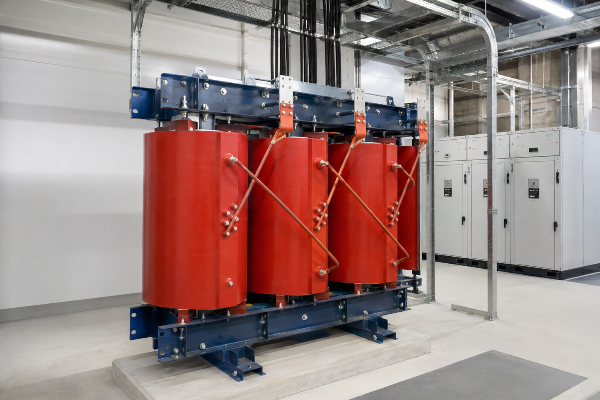
The magnetic core of the transformer and the winding geometry drive efficiency far more than whether the unit is immersed in oil or cast in resin. VPI transformers — the impregnated dry type built with varnish rather than solid resin — sit between the two on dielectric strength and moisture resistance.
Total Cost of Ownership
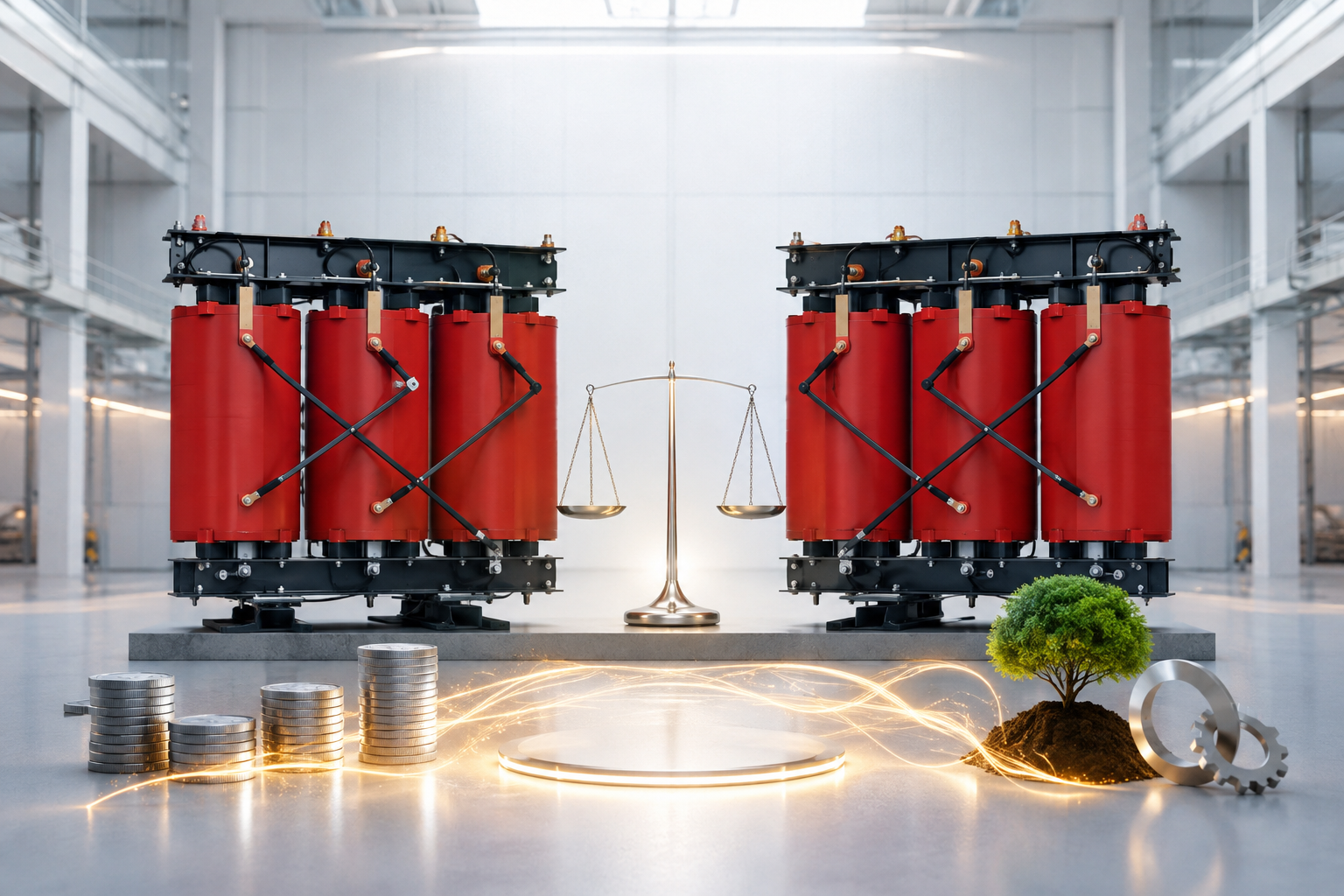
Total cost of ownership for any transformer purchase runs on a simple industry model: purchase price plus the capitalized cost of no-load losses plus the capitalized cost of load losses over the expected service life. A higher-priced unit with meaningfully lower losses can carry a lower true total cost of ownership than a cheaper unit with higher losses — which is why we publish full loss figures at every load-class rating in the spec table above instead of a single headline efficiency number.
20–30 Years
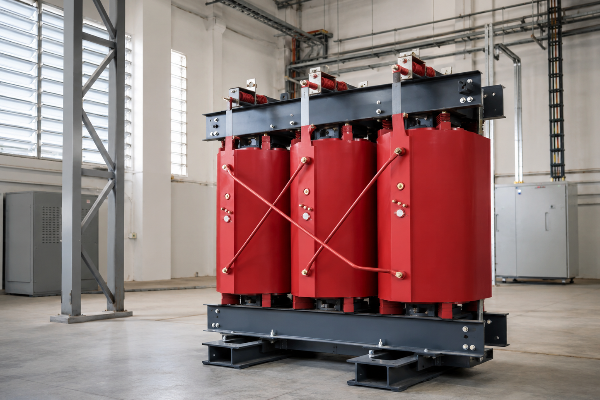
Typical cast resin transformer service life, driven more by design quality, environment, and load profile than by chronological age alone — a well-maintained unit can outlast a poorly-loaded younger one. Combined with no oil-sampling program and no oil-disposal liability at end of life, this is the core of the total-cost-of-ownership case for cast resin in indoor and load-center applications.
Industry service-life data, cross-validated across independent technical sourcesDeployment Contexts
Where Talite’s Cast Resin Transformers Fit
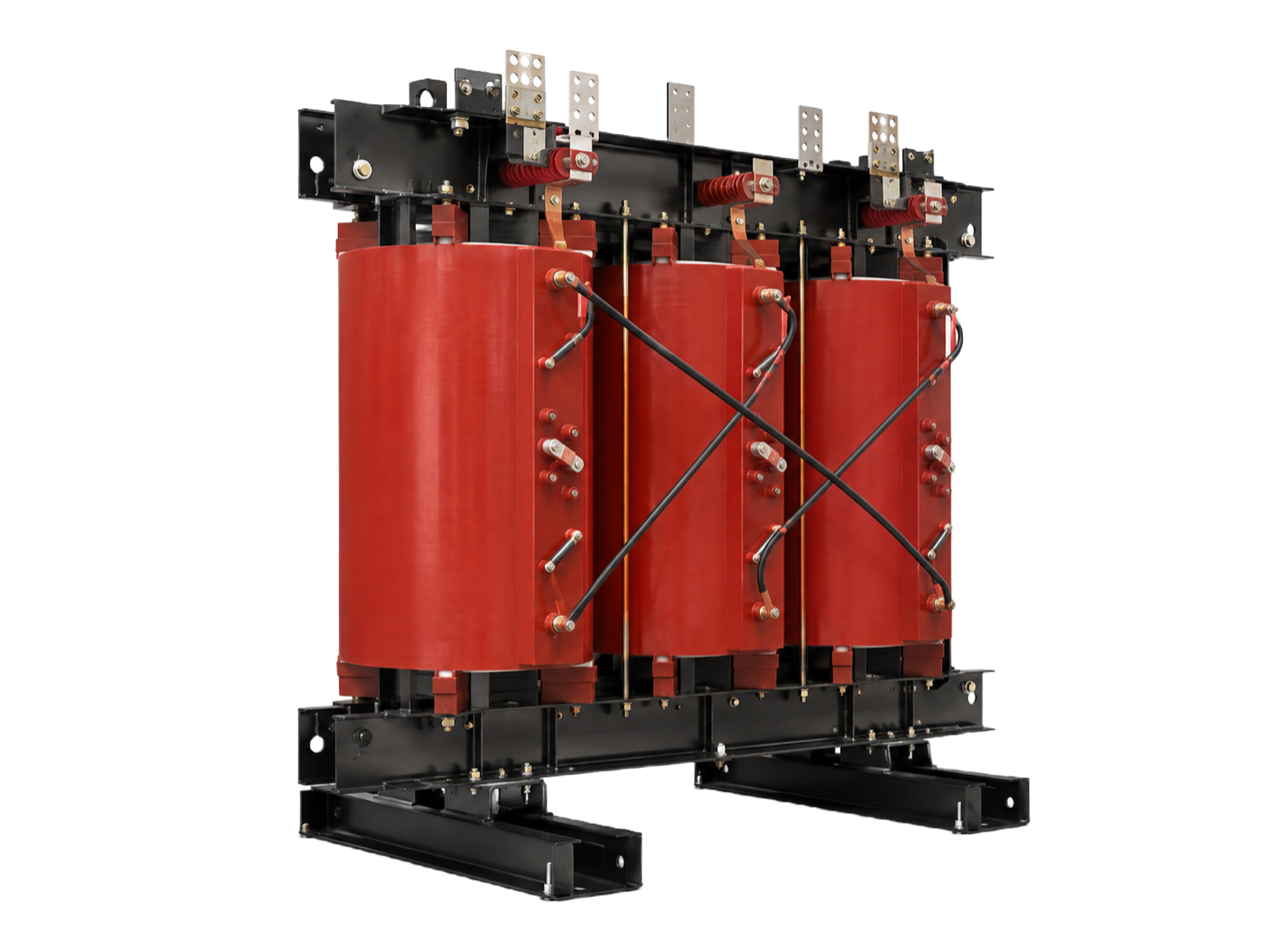
Picking the wrong enclosure class or cooling mode for a site is an expensive mistake: it shows up years later as premature winding wear, an unplanned outage, or a retrofit project nobody budgeted for. Per our own product documentation, Talite cast resin dry-type transformers are deployed across load centers where people and equipment share space with the transformer: high-rise buildings, airports, docks, power plants, residential developments, and complete substations — modern power distribution infrastructure serving both commercial and industrial buyers, most of it rated for a 20-year-plus service life.
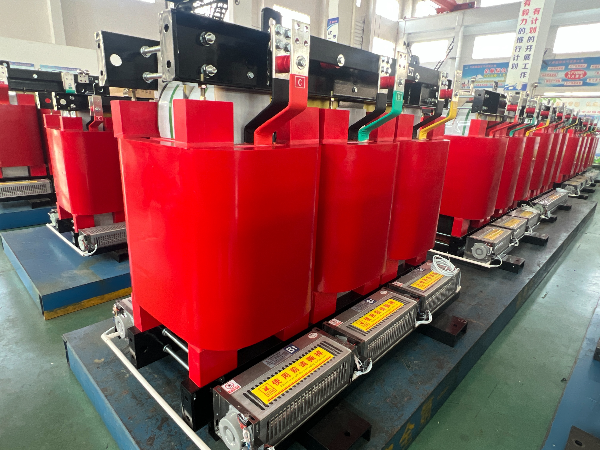
Per Talite’s own factory records, our manufacturing base runs 260+ pieces of CNC, vacuum-drying, foil-winding, vacuum-impregnating, and testing equipment across a 50,000m² ISO 9001-certified site, with annual production capacity of 5,000,000 kVA across 100+ product types.
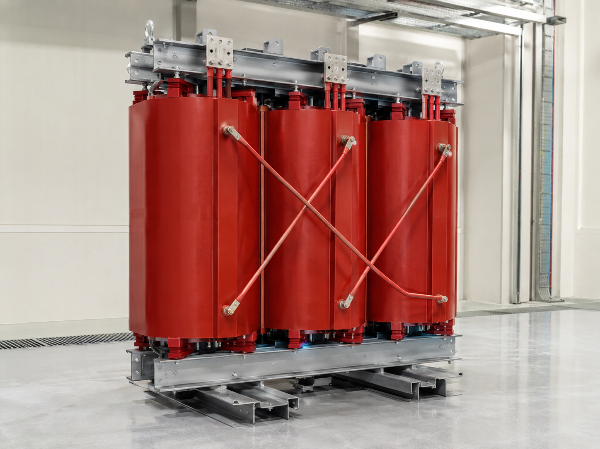
High-rise buildings
indoor substation rooms without oil-containment retrofits
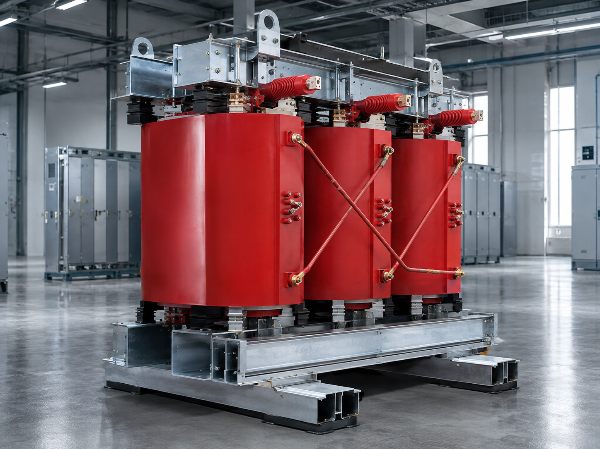
Airports and transit hubs
continuous-duty load centers with restricted access rooms
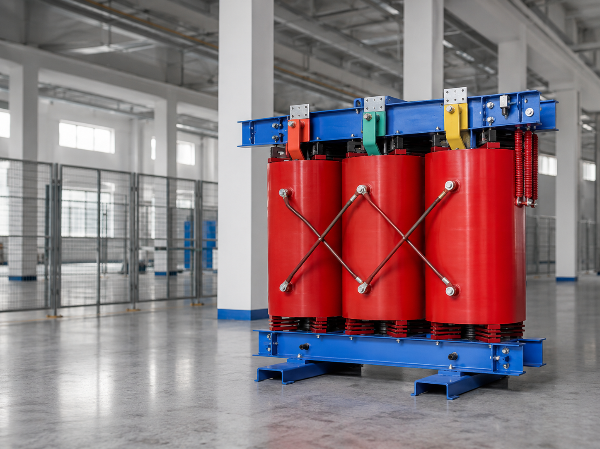
Docks and port facilities
semi-outdoor enclosure options for exposed plant areas
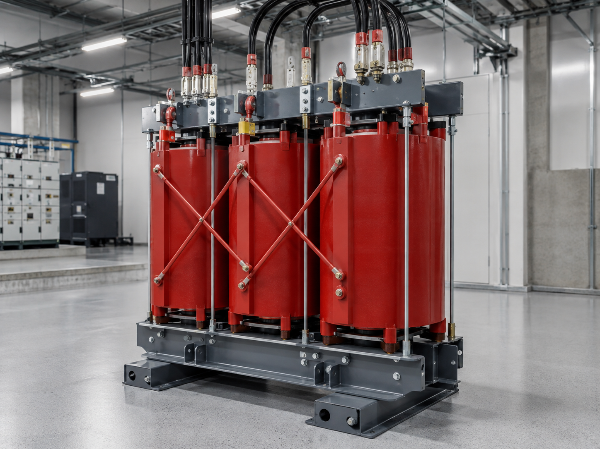
Power plants and complete substations
medium-voltage distribution within the plant boundary
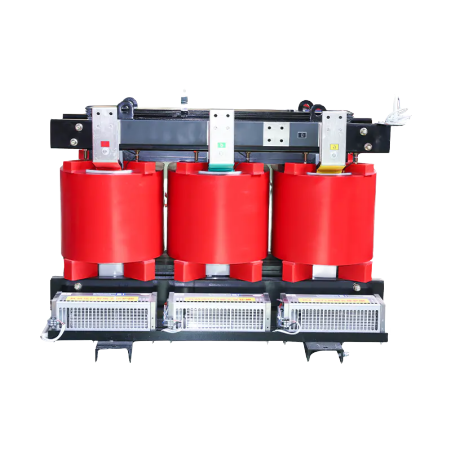
Industry-Wide Use Cases for This Technology
Beyond Talite’s own installed base, cast resin dry-type transformers are documented across the industry as the preferred choice for two additional load types: data centers and renewable-energy integration points. Both share a common driver — indoor or space-constrained siting where oil containment is impractical, unlike a conventional utility substation where outdoor oil-filled units remain the default.
Data Center Cooling Considerations
Data center deployments in particular favor ONAF (forced-air) cooling with redundant fan sets to manage the harmonic-rich, K-factor-rated loads that IT equipment produces, paired with embedded PT100 sensors for predictive thermal monitoring rather than relying on periodic manual checks alone — the structural reason being that a thermal fault caught late in a 24/7 facility is far more disruptive than the same fault caught early in a single-shift plant. This is general industry practice for the application, not a claim specific to any single unit we have shipped.
Not sure which enclosure class or cooling mode fits your specific site?
Select Enclosure & Cooling ConfigurationStandards & Protocols
Certifications & Compliance
We build and test all our cast resin transformers to IEEE C57.12.01, IEEE C57.12.91, IEC 60076-11, UL 5085-1, and IEC 50588-1. NEMA and CSA references are the equivalent North American benchmarks buyers most often ask us to map our IEC/IEEE test data against, and IEEE C57.12.91 was updated in 2026 with revised test-procedure clauses, so our test protocols follow the current edition rather than the prior 2020 version.
Independent verification matters more than any single manufacturer’s claim, and we’d rather point you to how to check than ask you to take our word for it. IEC 60076-11:2018 sits inside the IECEE CB testing and certification scheme, which lists accredited testing laboratories — including facilities inside China — that issue CB test certificates recognized across IECEE member countries. Ask us for current CB test certificates and factory test reports for your specific voltage/capacity combination at RFQ stage; that is the objective way to verify a supplier’s compliance claims rather than relying on manufacturing-scale statements alone.
ISO 9001:2015
Quality
Management
Management
ISO 14001:2015
Environmental
Management
Management
ISO 45001:2018
Occupational
Health & Safety
Health & Safety
3C Certification
China Compulsory
Certification
Certification
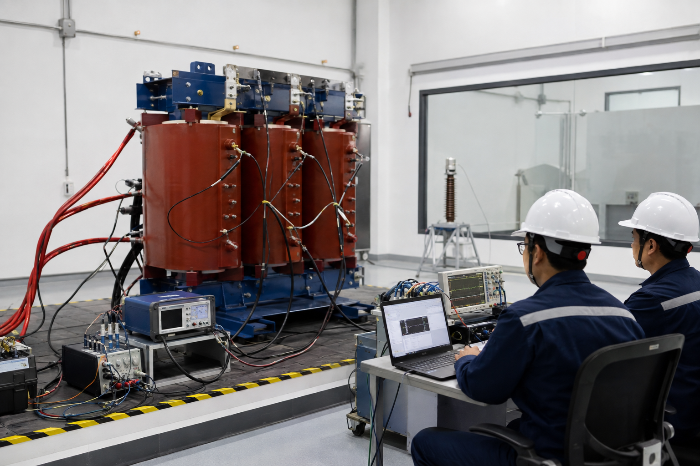
Put honestly, no webpage claim substitutes for a document you can check yourself — the honest version of this answer always comes back to paperwork.
Market-Scoped Compliance Note
U.S. DOE energy-conservation requirements for distribution transformers (10 CFR 431.193 and Appendix A) apply specifically to 60Hz-rated units within defined voltage and kVA ranges, with amended standards effective July 8, 2024 and full compliance required by April 23, 2029. EU Ecodesign minimum-efficiency requirements apply to the EU market under a separate scope. Because Talite exports to both 50Hz and 60Hz markets, confirm which standard applies to your specific market and frequency at RFQ stage rather than assuming a single global compliance statement covers every destination.
Have a specific standard or export market in mind?
Verify Compliance Standard →
Procurement Guide: Quote, Lead Time & After-Sales
Our production process runs four stages: RFQ and technical clarification, drawing and specification approval, manufacturing and factory testing, then logistics and delivery. We confirm your specific lead time at the RFQ stage based on the current production schedule and your order volume, rather than quoting a generic figure that may not hold once your exact voltage/capacity/enclosure combination is locked in.
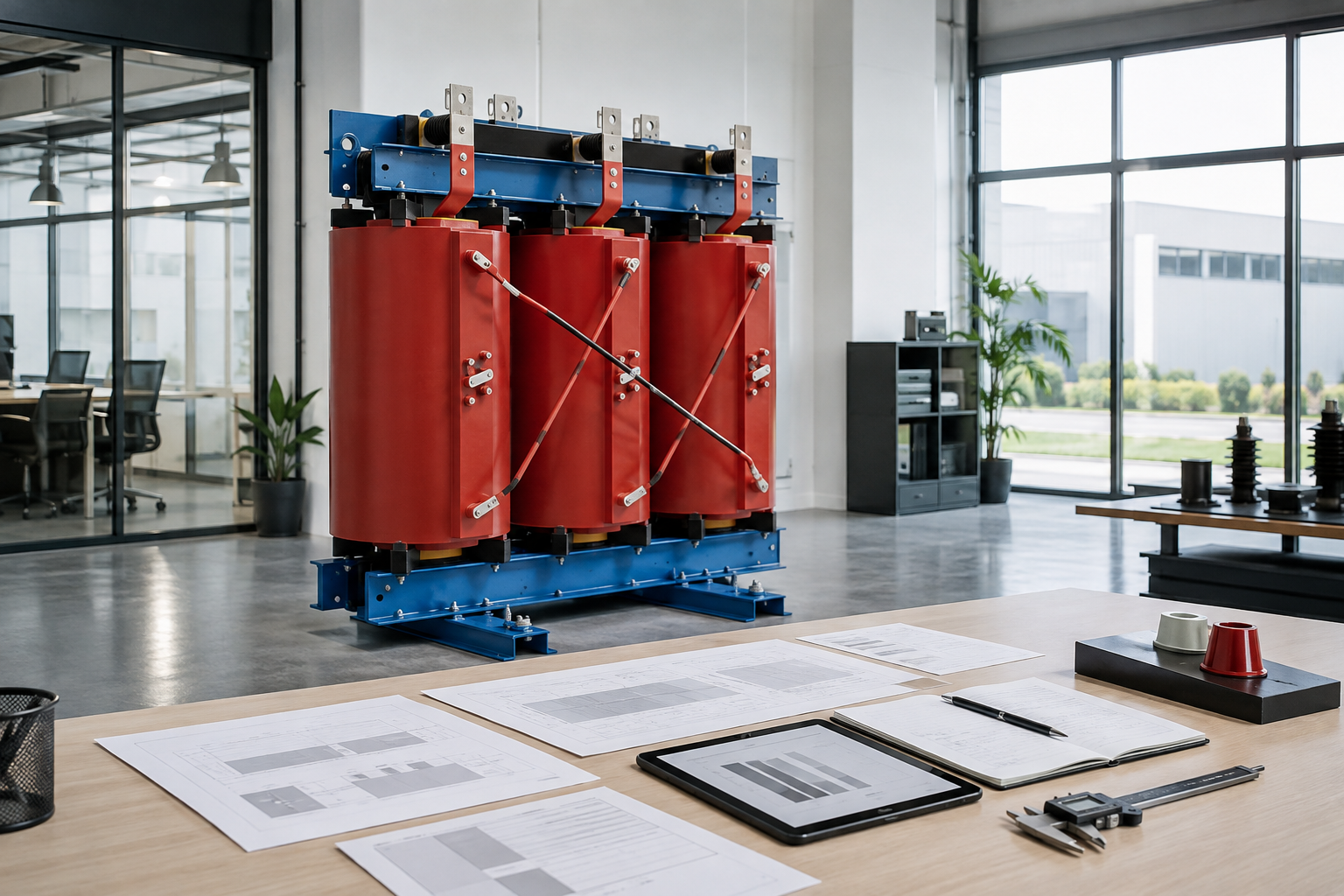
How to Evaluate Total Cost, Not Just Unit Price
Skipping the loss comparison is a common and expensive mistake: two bids that look identical on price can differ by more than 1kW in no-load loss alone, a gap that compounds every year the unit runs because losses are capitalized, not a one-time cost. The cheapest quote is not always the cheapest transformer once that math is done — unlike a simple sticker-price comparison, industry loss-evaluation practice capitalizes no-load and load losses over the transformer’s service life and adds that to purchase price. The same figures in our spec table above (down to 1.270kW no-load loss) are what Talite provides for that calculation; ask any bidder for full loss figures at every load class before comparing quotes on price alone.
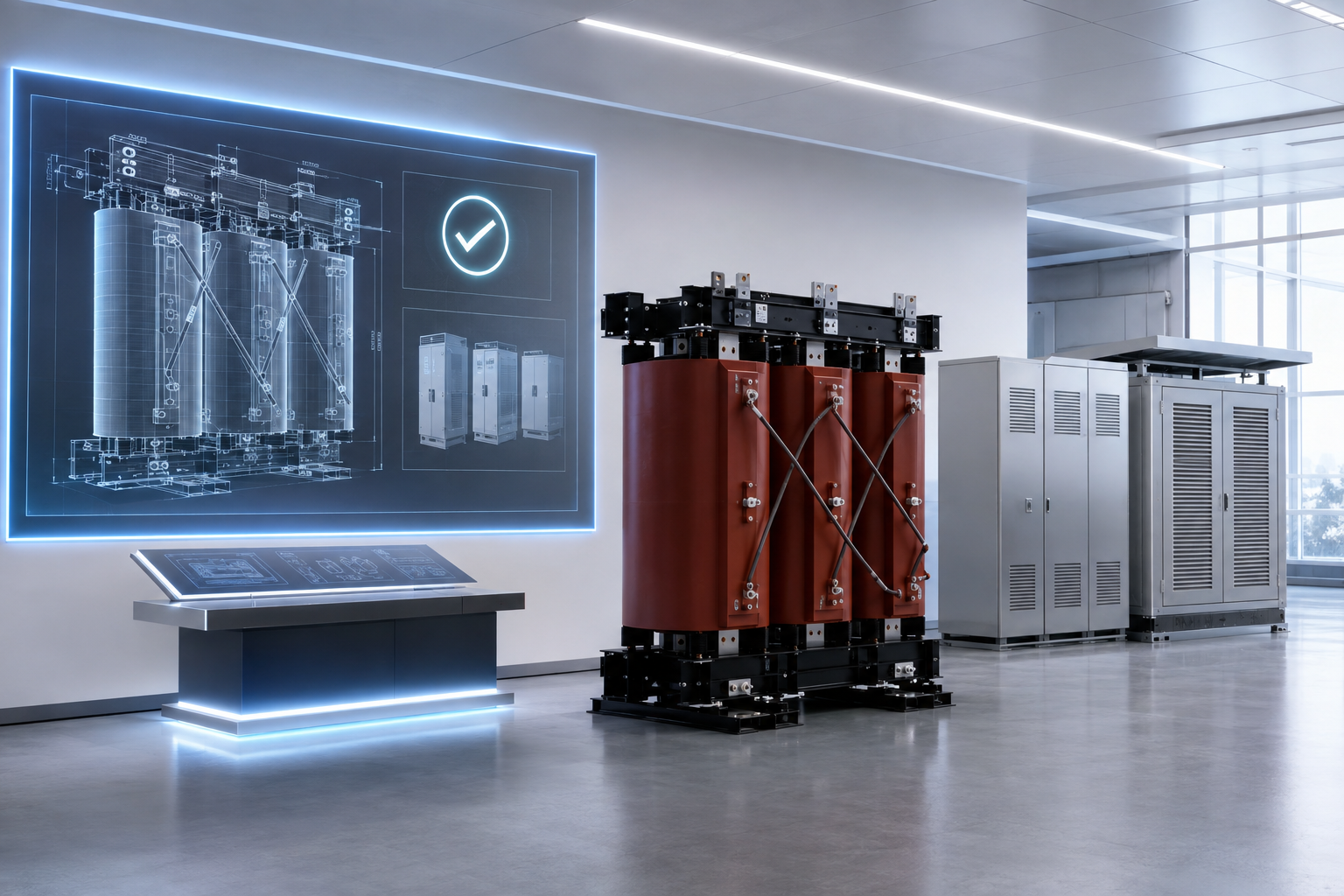
01
RFQ & Technical Clarification – confirm capacity, voltage combination, connection symbol, enclosure class, applicable standard/market
02
Drawing & Specification Approval – check outline drawing, terminal layout, and test report requirements prior to beginning production
03
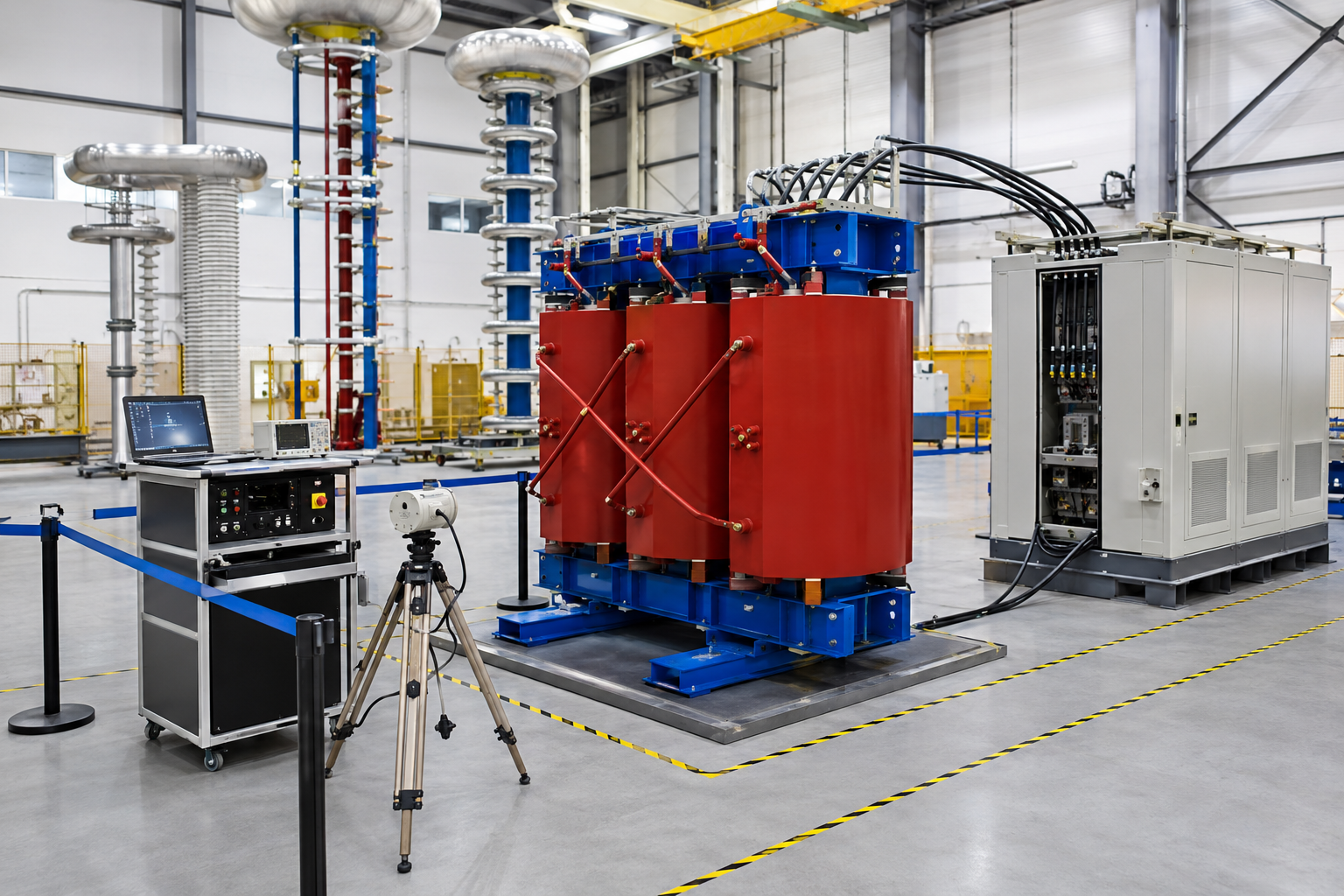
Next comes factory manufacturing & testing. All routine transformer testing (where needed, including partial discharge & impulse) is performed prior to shipping
04
Supply and delivery close out the process, with export packaging and delivery terms agreed to match your timeline
Cast Resin Transformer Engineering Tools
Cast Resin Transformer Capacity & Voltage Selector
Calculate the optimal capacity and voltage ratings for your cast resin transformer based on your facility’s load requirements. Ensure precise sizing for industrial applications and energy efficiency.
Use Tool
Total Cost of Ownership (TCO) Calculator
Evaluate the long-term economic impact of your transformer. Analyze initial investment versus lifecycle energy savings.
Use Tool
Cast Resin vs. Oil-Filled vs. VPI – Which Fits Your Site?
Compare key insulation technologies side-by-side. Select the safest and most efficient type for your specific site conditions.
Use Tool
Transformer Full-Load Current (FLA) Calculator
Quickly determine the full-load amps for 3-phase and 1-phase transformers. Essential for sizing electrical switchgear.
Use Tool
Enclosure & Protection Class Advisor
Identify the correct IP or NEMA rating for your transformer enclosure to protect against dust, moisture, and harsh environments.
Use Tool
Frequently Asked Questions
What is the difference between a dry-type transformer and a cast resin transformer?
Resin casting is a specific dry-type construction method: the HV and LV windings are encapsulated in a solid epoxy resin under vacuum, rather than left air-cooled (AN/AA dry-type) or treated with a vacuum-pressure-impregnated (VPI) varnish coating. All cast resin transformers are dry-type, but not all dry-type transformers use cast resin construction.
How are cast resin transformers manufactured?
Copper or aluminum windings are wound, then placed in a mold and cast under vacuum with epoxy resin to eliminate air voids, then cured through a staged temperature cycle. That resin fully encases each winding in a solid, electrically insulating, void-free layer rather than a liquid or varnish-impregnated system.
What are the key features of cast resin insulation?
Self-extinguishing fire behavior under IEC 60076-11 testing, moisture resistance suited to humid or dusty indoor environments, and a solid mechanical structure that tolerates short-circuit forces without the oil-leak risk that liquid-filled designs carry.
Where are cast resin transformers commonly used?
Indoor load centers where people and equipment share space with the transformer — high-rise buildings, airports, docks, power plants, and substations — plus data centers and renewable-energy integration points across the wider industry.
How do cast resin transformers compare to oil-filled transformers on efficiency?
Efficiency depends more on core and winding design quality plus load profile than on insulation medium alone — a common assumption that liquid-filled is automatically more efficient does not hold up under closer technical review. What cast resin reliably wins on is indoor siting without oil-containment requirements.
What are the limitations of cast resin transformers?
Voltage and rating ceiling is lower than oil-filled power transformers — roughly 72.5kV/45MVA at the top of the industry’s cast-resin range — and repair after resin damage is generally not field-serviceable the way an oil-filled unit’s core and coil can be. For very large power-transformer-class ratings, oil-filled remains the standard choice.
What is the difference between cast resin and VPI (vacuum-pressure-impregnated) dry-type transformers?
VPI construction impregnates the winding with varnish under vacuum but does not fully encapsulate it in solid resin, which caps VPI units at roughly 25kV/14.5MVA/110kV BIL and typically only a Class F0 fire-behavior rating. That full encapsulation is what allows cast resin to reach higher voltage/BIL classes with a Class F1 target.
Does a transformer’s age tell you how much service life is left?
Not reliably on its own. A well-maintained, appropriately-loaded unit can outlast a younger one that has been overloaded or poorly sited — design quality, operating environment, and load profile drive remaining service life more than chronological age alone.
Why do reported transformer lead times vary so widely right now?
2026 industry data shows large power-transformer and generator-step-up lead times stretching well beyond a year amid a reported supply/demand imbalance, though not every voice in the industry agrees on how much of that is a true capacity shortage versus buyer-side procurement-process rigidity. Either way, that figure applies to large power-transformer-class equipment, not our distribution-class cast resin line — we confirm your specific lead time at RFQ stage.
Can I get factory test reports and certification documents before placing an order?
Yes — ask for current CB test certificates under the IECEE IEC 60076-11 scheme and factory routine/type test reports for your specific voltage and capacity combination during the RFQ process.