Get in touch with Toplit Transformer Co., Ltd Company
single phase vertical oil immersed transformer
single phase vertical oil immersed transformer
Single-Phase Oil-Immersed Distribution Transformer
Talite offers or can customize a single phase vertical oil immersed transformer when “vertical” describes a project-specific tank orientation, mounting arrangement, or available envelope. Configuration follows your electrical duty and approved interface drawing—not that modifier alone.
- Single-phase power distribution
- Drawing-led configuration
- Mounting and interface review
- Buyer-defined test scope
Send the duty, primary voltage, secondary voltage, frequency, load context, mounting support, terminal direction, and site constraints. Talite can then align the single-phase oil-immersed transformer request with the information that controls fit, quotation, and order release.
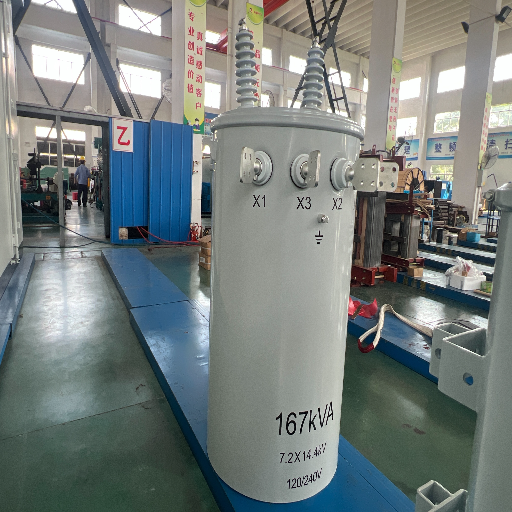
Configuration at a Glance
Product boundary
Single-phase, oil-immersed distribution transformer configured around the project duty.
Vertical description
Resolved against the drawing as orientation, support, footprint, terminal position, or access envelope.
Quote basis
Electrical requirements, physical interfaces, site conditions, quantity, test scope, and requested documents.
Release basis
An agreed configuration and outline drawing that both buyer and supplier read the same way.
Product Fit and Mounting Requirements
A vertical oil filled transformer request becomes useful only after the physical meaning of “vertical” is fixed. Phase, cooling method, and mounting or form factor are separate selection fields in the GlobalSpec distribution-transformer selection guide; the same separation should carry into the request. The narrower U.S. regulatory definition also separates phase, insulation type, standard rating, and voltage, as shown in 10 CFR Part 431 Subpart K.
Fit is discovered too late when the word “vertical” reaches production without an agreed interface. A product label is not an installation drawing. The mistake is treating orientation, mounting, and phase as interchangeable; confirm against the same project layout and support drawing.
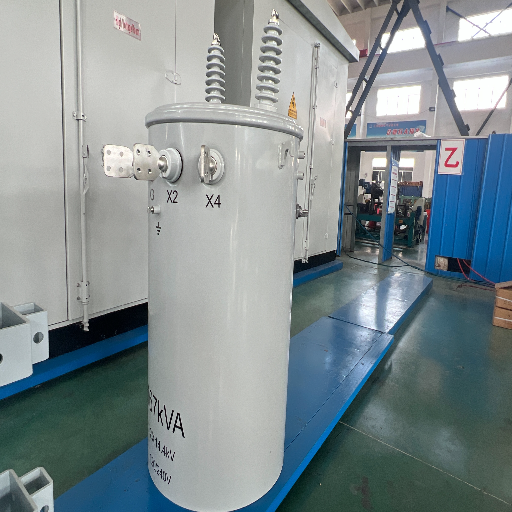
Mounting-First Fit Check
Mark each row as ready, missing, or awaiting drawing confirmation. A ready result means the request contains enough interface information for configuration review; it is not a compatibility guarantee.
| Fit Check | Evidence to Attach | Decision it Unlocks |
|---|---|---|
| Electrical duty | Single-line diagram, load description, primary and secondary system | Confirms the transformer function in the power distribution system |
| Phase and frequency | Project schedule or electrical specification | Separates single-phase duty from three-phase alternatives |
| Mounting support | Pad, plinth, frame, enclosure, or other support drawing | Defines how the oil-filled transformer is carried and restrained |
| Overall envelope | Available width, depth, height, and adjacent equipment | Tests whether the proposed arrangement fits the site |
| Terminal and cable direction | Incoming and outgoing cable route, conductor entry, neutral position | Aligns winding connections with field interfaces |
| Access and lifting | Door swing, service side, crane or forklift approach | Protects installation and maintenance access |
| Site safeguards | Indoor or outdoor location, fire strategy, containment, environmental limits | Determines whether the oil-immersed route remains suitable |
Release Rule
Do not release production from a product label alone. Release it from an approved configuration and outline drawing that both sides read the same way.
Engineering Inputs for Configuration
Transformer rating is not a stand-alone choice. Current U.S. distribution-transformer definitions distinguish insulation type, number of phases, standard rating, voltage, and basic impulse insulation level; the same source also lists excluded special-purpose classes. Use 10 CFR Part 431 Subpart K only when it applies to the project—never as a substitute for the governing specification.
State the actual system frequency, whether the project uses 50 Hz, 60 Hz, or another specified basis. An RFQ that leaves it assumed creates mismatch risk because engineering and procurement may review different duties. Written reviews should use the stated system basis rather than guess from destination alone.
Electrical system
- Primary voltage and connection
- Secondary voltage and connection
- High voltage and low voltage terminal interfaces
- Frequency, grounding, load profile, and operating duty
Insulation and protection
- Project voltage class and impulse level
- Insulating liquid requirement
- Protection and accessory interfaces
- Applicable standard and edition
Mechanical interface
- Mounting and support drawing
- Envelope and terminal orientation
- Cable, bus, neutral, and earthing interfaces
- Transport, access, and lifting limits
Site Constraints and Alternative Paths
Oil-immersed and dry-type transformers solve different site problems. Selection should follow the actual room or yard, fire strategy, environmental controls, maintenance access, power grid interface, and local authority requirements rather than a universal preference. A transformer test code such as IEEE C57.12.90-2021 defines a test-method scope; it does not replace the project team’s site selection and approval work.
The wrong choice is the one whose installation obligations the site cannot support. An oil-immersed test standard is not a substitute for containment, fire, access, and environmental review. These routes are not interchangeable until those constraints are closed.
The trade-off is between the benefits of a liquid-filled configuration and the obligations created by the actual location. The right call follows a documented site review, not a default preference.
| Site Condition | Oil-Immersed Review | Alternative Path |
|---|---|---|
| Indoor or fire-sensitive location | Confirm liquid type, containment, separation, ventilation, and approval route | Compare a dry-type configuration where liquid restrictions drive the decision |
| Outdoor or exposed installation | Define weather, corrosion, drainage, access, and foundation conditions | Compare enclosure and environmental protection requirements across both routes |
| Restricted footprint | Review tank envelope, terminal direction, service side, and lifting path together | Change layout or transformer type only after the whole interface is mapped |
| Maintenance limits | State access, monitoring, fluid-management, spare, and support expectations | Choose the route that the site team can safely maintain |
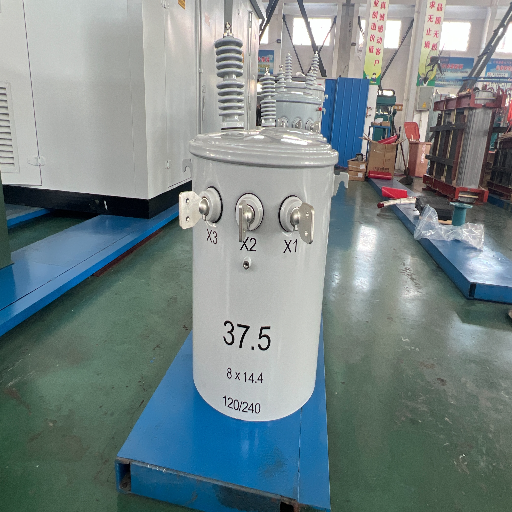
If the project requires a ground-level enclosed layout with a secured cable compartment, review the separate pad-mounted transformer configuration rather than forcing that mounting intent into this page.
Trade-Off Rule
An oil-immersed transformer is the wrong recommendation when the site cannot support its liquid, fire, access, or environmental obligations. Treat that as a selection constraint early, then route the project to a dry-type or revised-site review.
TRANSFORMER
Engineering and Test Scope Inputs
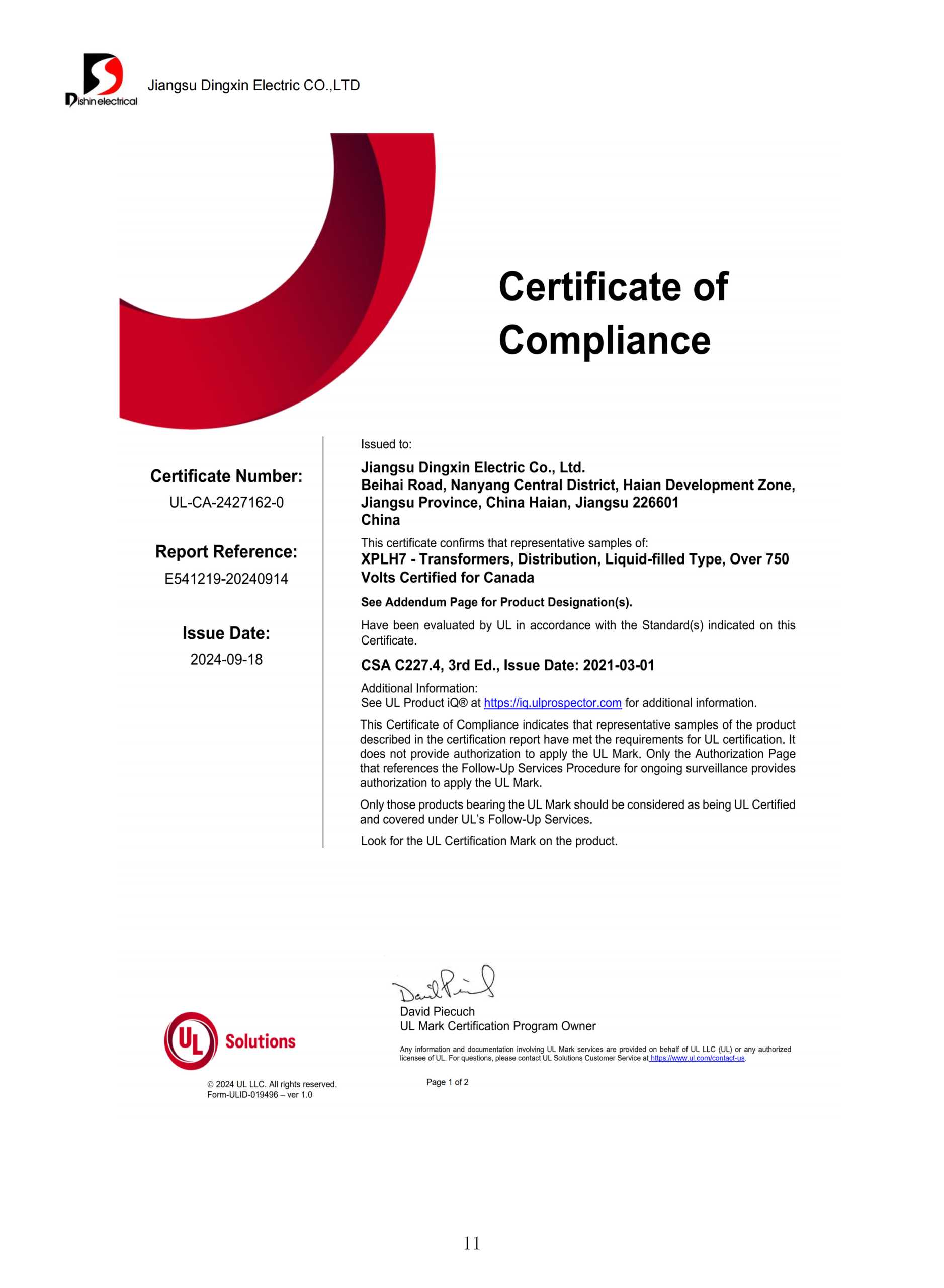
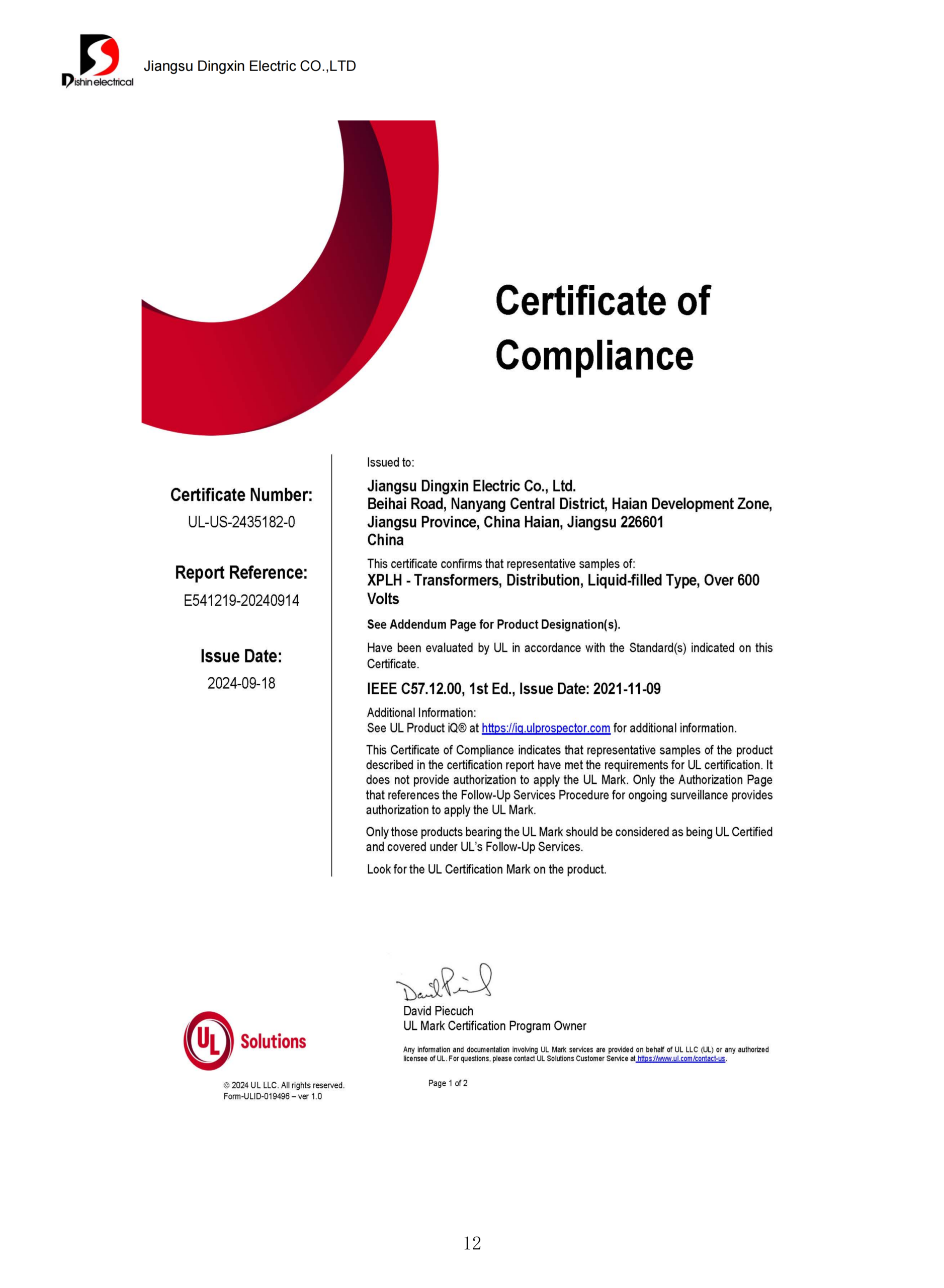
IEEE C57.12.90-2021 covers test procedures for covered liquid-immersed distribution, power and regulating transformers and lists exclusions. That makes the standard a useful scope reference, but it does not decide which tests, witness points, or documents belong to your order.
“Methods for performing tests specified in IEEE Std C57.12.00 and other standards applicable to liquid-immersed distribution, power, and regulating transformers are described.”
IEEE C57.12.90-2021 scope
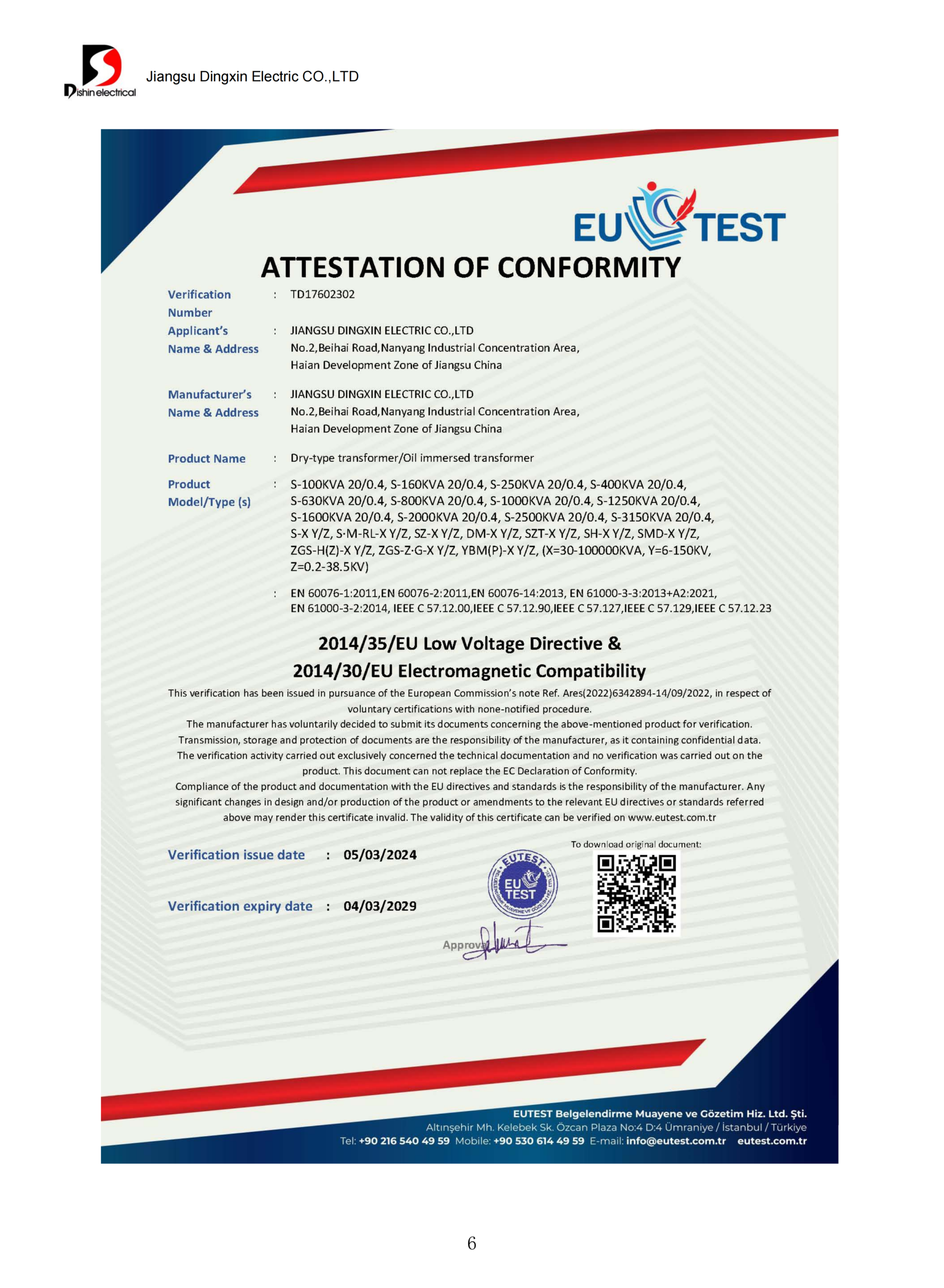
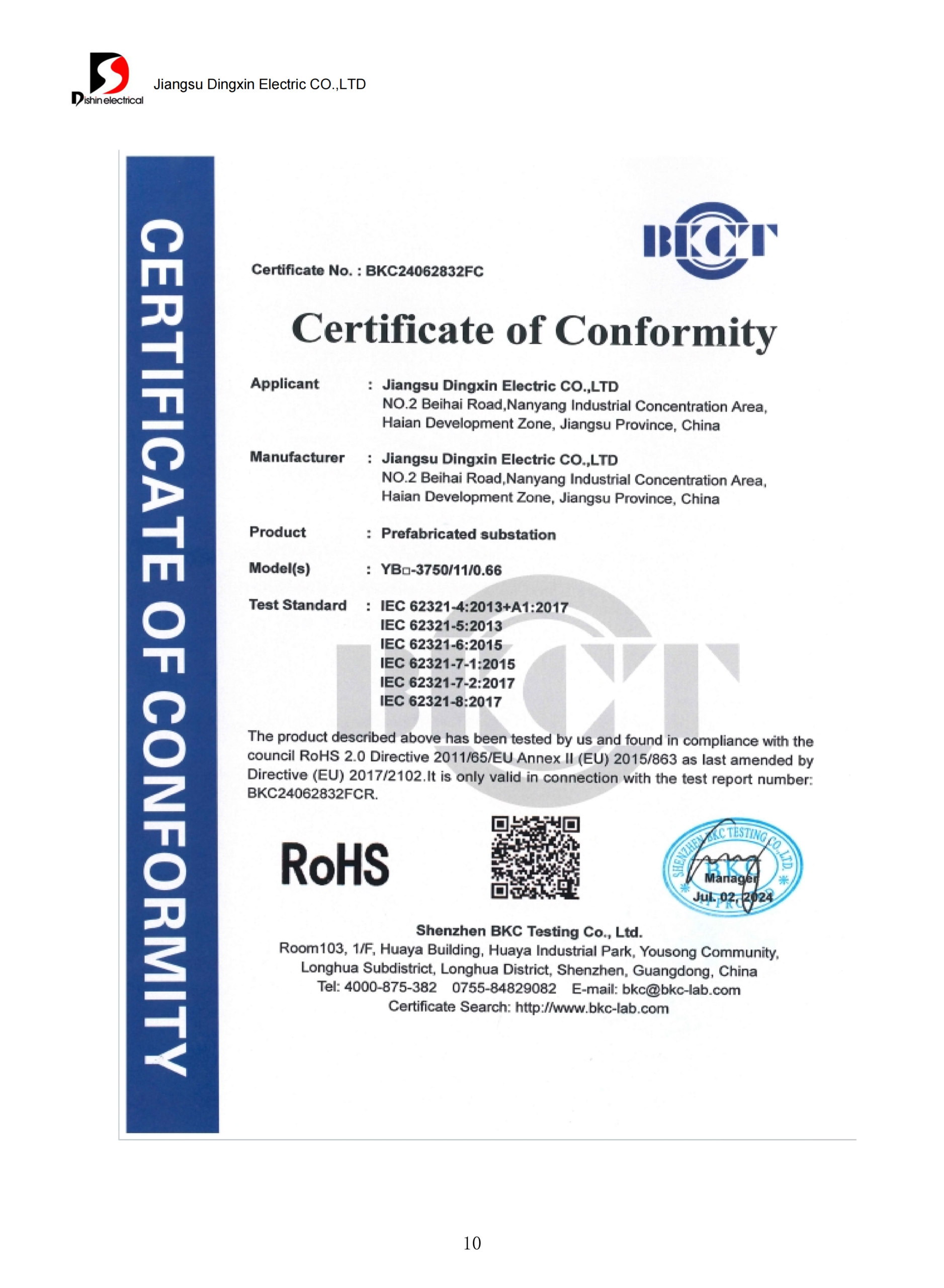
The test-report question is often asked after the order is placed. That timing creates an acceptance gap because “tested” does not identify the method, witness point, record, or pass criterion. Use IEEE C57.12.90-2021 where applicable, then write the actual deliverables into the RFQ and quotation.
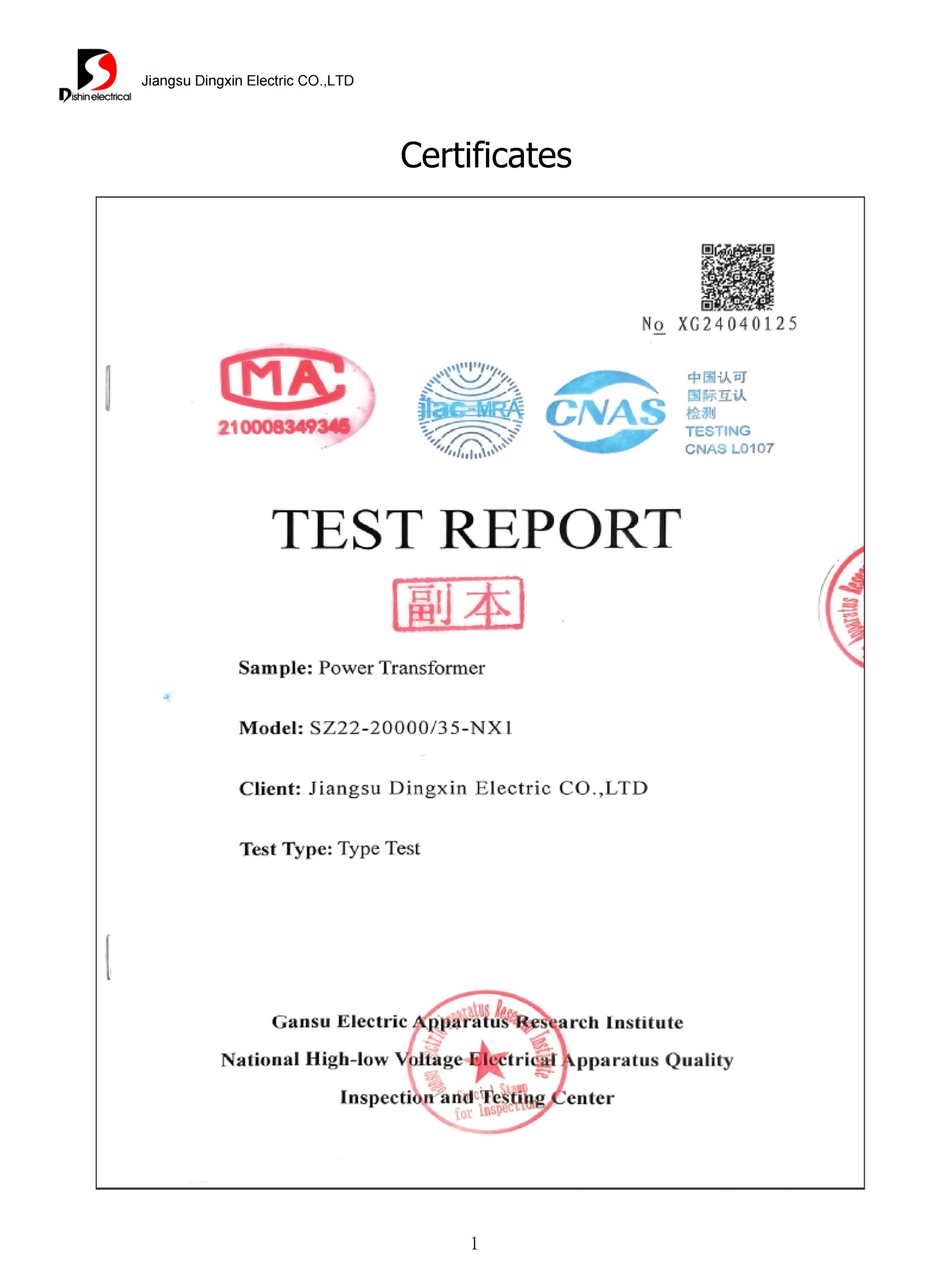
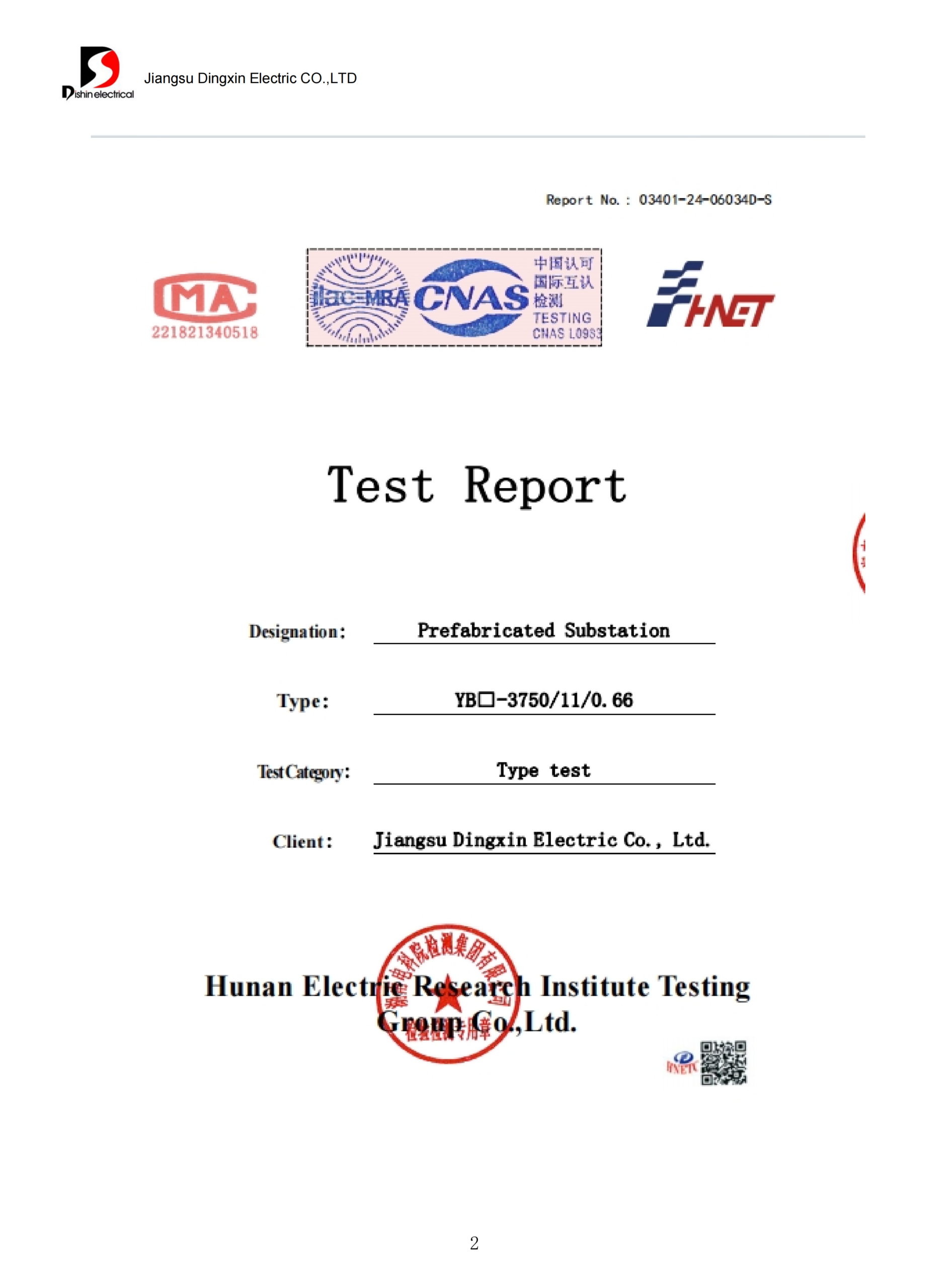
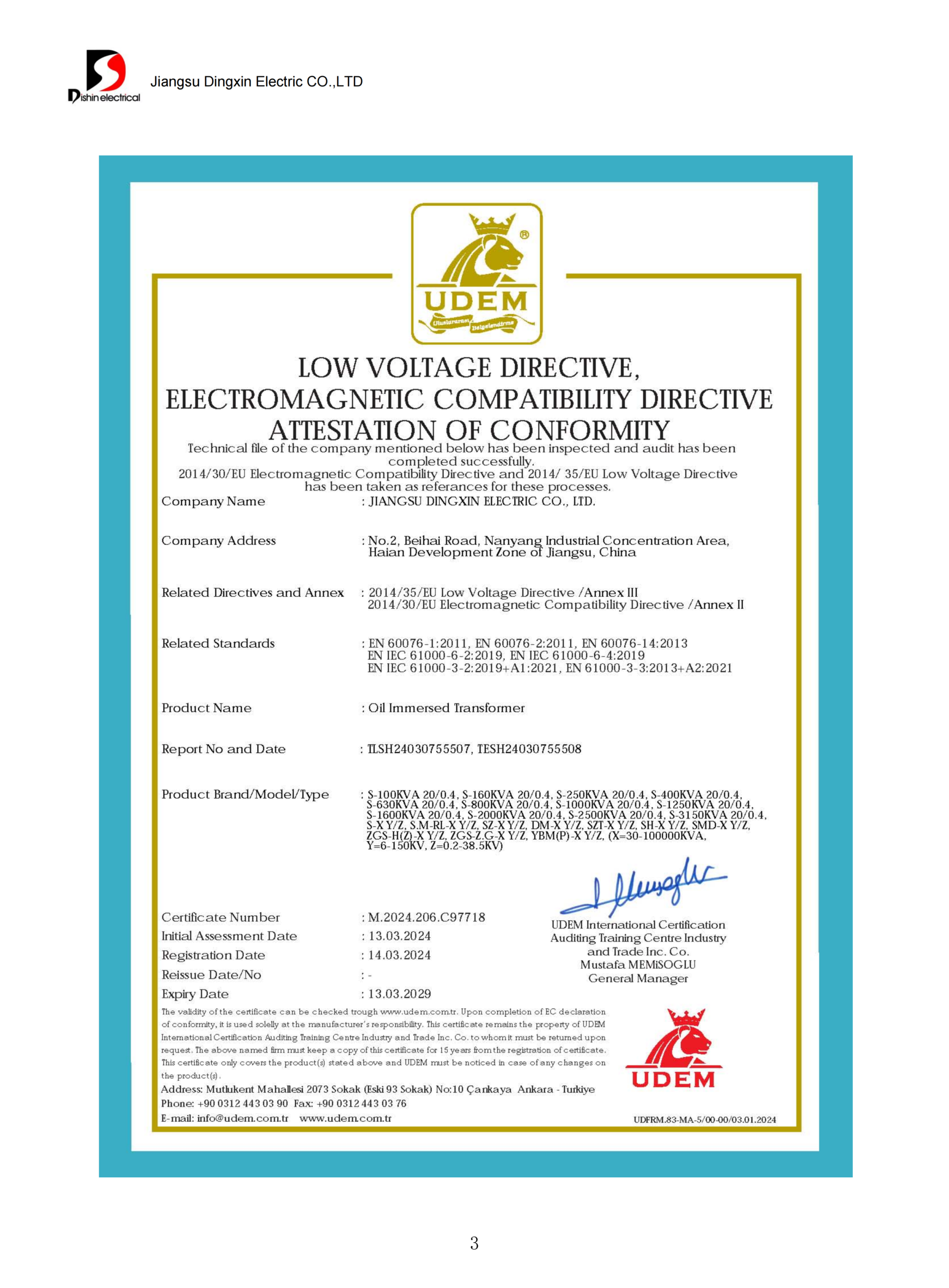
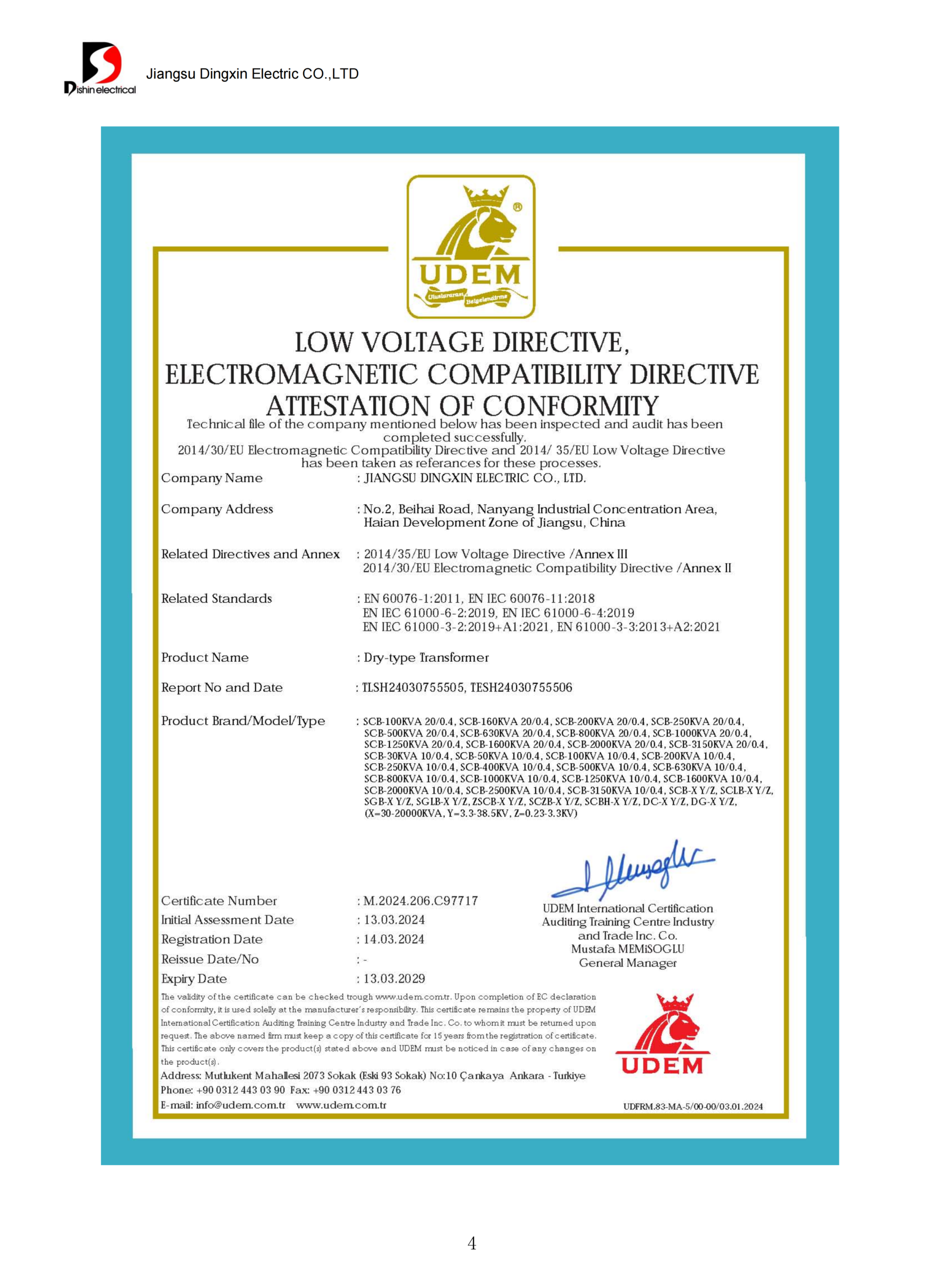
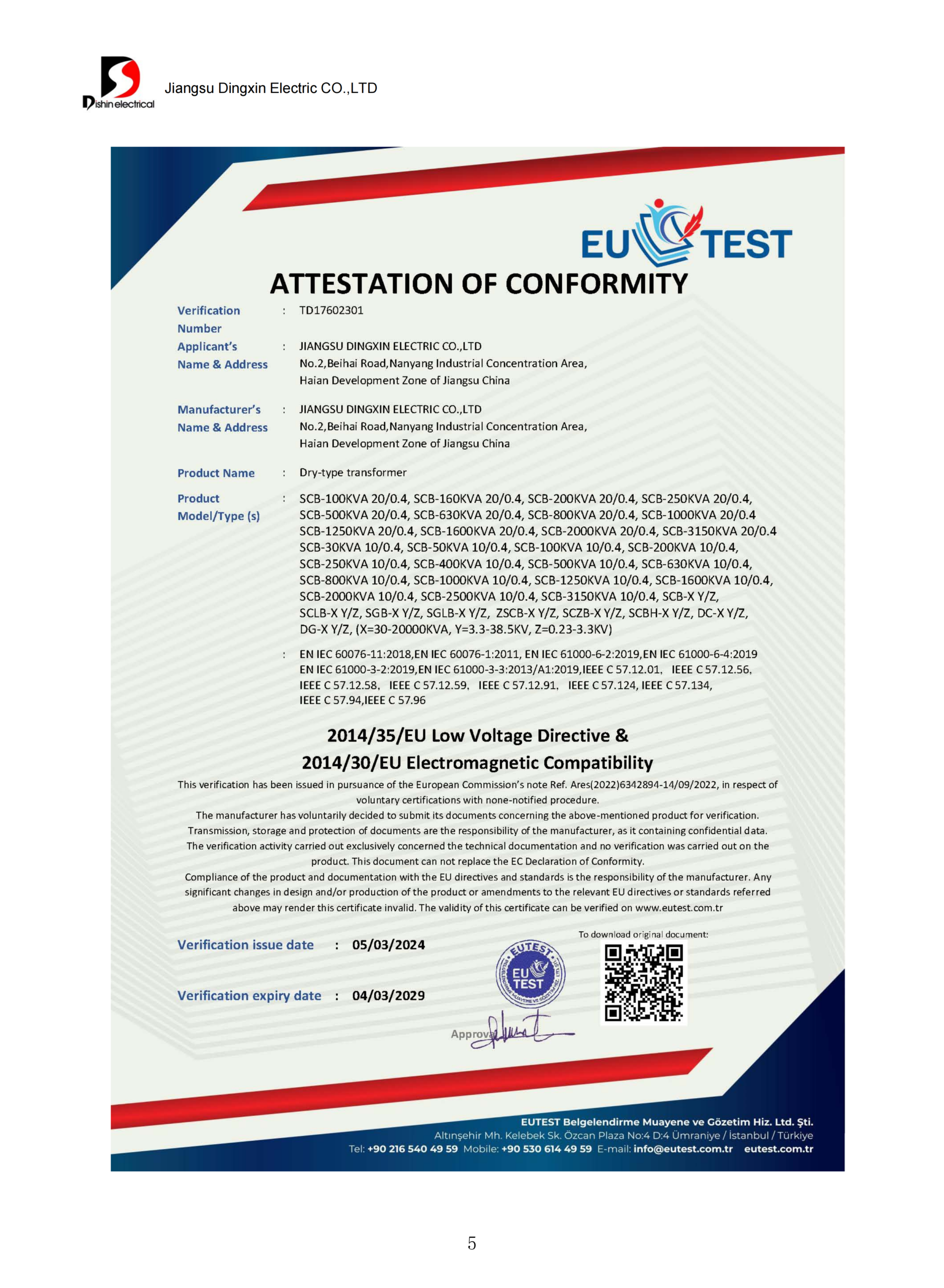
| RFQ field | Buyer input | What the quotation should settle |
|---|---|---|
| Applicable standard | Standard, edition, project specification, and jurisdiction | Which requirements govern the offered configuration |
| Test scope | Required routine, design/type, special, or project-specific tests | Included tests, exclusions, witness points, acceptance criteria, and required loss data such as no-load losses |
| Drawings | Outline, interface, connection, nameplate, and approval needs | Submission sequence and approval status before release |
| Document package | Requested reports, certificates, manuals, packing information, and language | Exactly which files are included and when they are issued |
| Third-party involvement | Inspector, witness, hold point, or approval authority | Access, notice, scope, and commercial effect |
Maddox’s transformer testing guide is useful background for organizing test questions. Your purchase specification and the written quotation remain the controlling scope.
Quality Assurance Through Clear Acceptance Criteria
Quality starts with a configuration that can be inspected against a written requirement. Put the agreed electrical duty, winding connections, insulation requirement, mounting interface, applicable test code, and requested documents into the same approval chain.
Before order release
- Close every electrical and mechanical input
- Resolve differences between the tender and supplier proposal
- Identify test and document requirements
- Assign the drawing approver
Before shipment release
- Check the agreed acceptance record
- Confirm the final document package
- Match shipping interfaces to the approved drawing
- Record open items with an owner and due point
×
![Enlarged View]()
Evaluation Tools for Single-Phase Vertical Oil-Immersed Transformers
Mounting-First Fit Check
Check the evidence already available for your single-phase oil-immersed transformer request. This measures input readiness, not product compatibility.
Access ToolConfiguration Approval Handoff Matrix
Assign an owner and status to each input. The matrix shows whether technical, commercial, and approval responsibilities are aligned for order release.
Access ToolTransformer Quotation Exclusions Stress Test
Each checked item confirms that one common scope boundary is explicit. The score measures quotation clarity only; it does not rate transformer performance or supplier quality.
Access ToolFAQ: Single-Phase Oil-Immersed Transformers
How should I specify a vertical mounting arrangement?
State what vertical means on your project: tank orientation, support, footprint, terminal position, or access envelope. Attach the layout and support drawing so the word is converted into a verifiable interface.
What information is needed for a quotation?
Send phase, frequency, primary and secondary voltage, duty, load context, connection and grounding, mounting, site environment, accessories, quantity, destination, test scope, and required documents.
How is the transformer rating selected?
Rating follows the load profile, duty, future allowance, system voltage, protection study, and project rules. Submit the single-line diagram and load information rather than selecting from an assumed public range.
What is the difference between a single-phase and a three-phase distribution transformer?
Phase arrangement must match the source and the downstream system. A single-phase distribution transformer serves a single-phase duty; a three-phase unit is not an interchangeable substitute without reviewing the full power distribution design.
How does an oil-immersed transformer differ from a dry-type transformer?
An oil-immersed transformer uses an insulating liquid as the cooling medium and dielectric system, while a dry-type design uses a solid and air-based insulation approach. Site fire strategy, environmental controls, space, access, maintenance, and authority requirements should drive the choice.
Does an oil-filled transformer need containment?
Your project engineer and authority should decide this from the liquid, quantity, location, fire strategy, drainage, and local rules. Put the required containment and interface conditions into the site specification before requesting the final outline.
Which transformer tests should be specified?
Name the applicable standard and edition, then list the required routine, design or type, special, and project-specific tests, witness points, and acceptance criteria. Quote inclusions and exclusions should be explicit.
What factory documents should be requested?
List the drawings, test records, certificates, manuals, nameplate information, packing documents, language, and submission timing your project needs. A written quotation should confirm the agreed package.
What affects the price of a single-phase oil-immersed transformer?
Electrical design, conductor and insulation choices, enclosure and mounting, accessories, quantity, testing, documentation, delivery scope, and project changes all move the price. Use the handoff matrix to create comparable supplier quotations.
How can a buyer reduce field-fit risk?
Approve the outline and interface drawing against the actual pad or support, cable route, terminal direction, access, lifting plan, and adjacent equipment before order release.