
Get in touch with Talite Transformer Co., Ltd Company

Utility Transformer Solutions Built Around Your Grid Requirements
A utility transformer offer is comparable only when the ownership boundary, grid position, electrical duty, acceptance evidence and delivery point are aligned. Talite prepares a project review around those inputs, not a one-size-fits-all model claim.
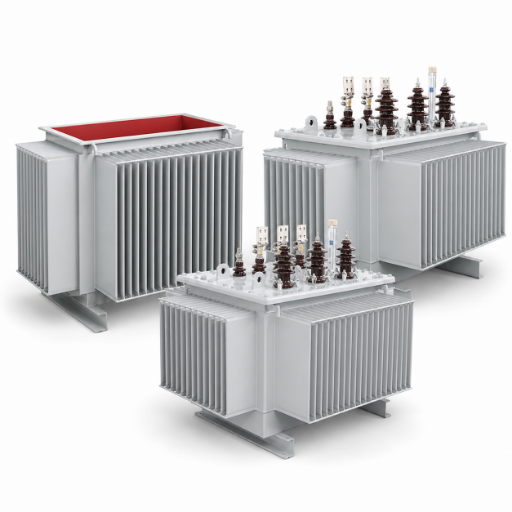
Define the Duty
Convert the application, load, voltage, phase and installation conditions into a reviewable input set.
Compare Like for Like
Normalize tests, accessories, documentation, freight and exclusions before comparing price.
Prepare the Evidence
Connect each requirement to a response, revision, evidence reference and decision owner.
- Utility and cooperative projects
- EPC and consultant specifications
- Industrial owner procurement
- U.S. applicability checkpoints
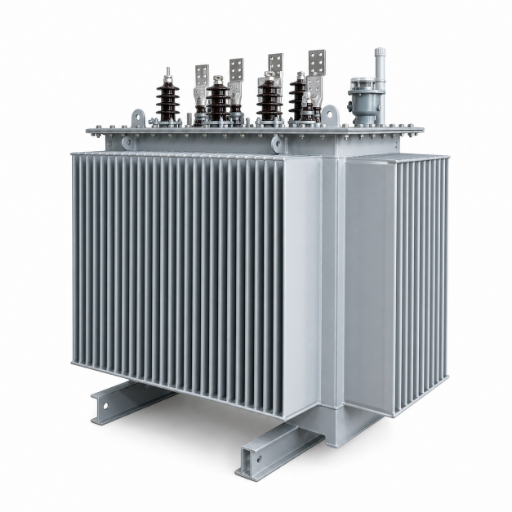
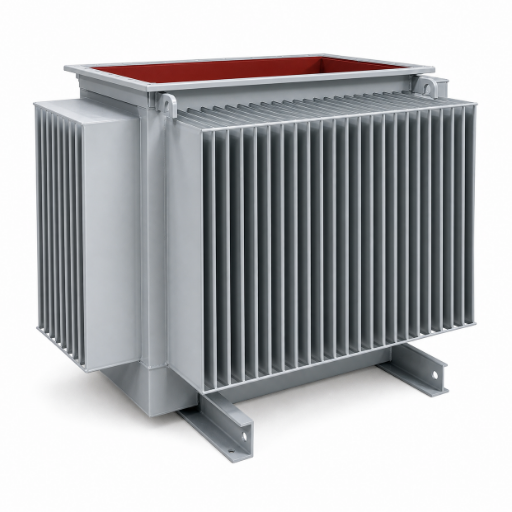
Confirm Ownership and the Operating Boundary Before You Compare Equipment
Ownership is not determined by voltage alone. The same nominal duty can sit on different sides of the service point, meter and maintenance agreement, changing who specifies, buys, approves and operates the equipment.
SYSTEM CONTEXT: DOE Office of Electricity distribution-transformer webinar.- Identify the serving utility and service rule.
- Confirm utility approval and metering boundary.
- Record who maintains and replaces the asset.
- Confirm the customer engineer’s design authority.
- Define protection, access and maintenance responsibility.
- Check the utility interface without assuming ownership.
- Separate design responsibility from purchase scope.
- Lock drawing, data and submittal responsibility.
- Name the party that closes technical deviations.
| Boundary question | Why it changes the offer | Evidence to request | Decision owner |
|---|---|---|---|
| Who owns the transformer? | Can change specification authority, spares and replacement responsibility. | Service agreement, project one-line, utility requirement. | Utility / owner |
| Who operates and maintains it? | Influences access, accessories, monitoring and documentation. | Operating philosophy and maintenance scope. | Asset manager |
| Where is the service and metering point? | Defines interfaces, cables, protection and commercial boundary. | Approved single-line diagram and metering detail. | Electrical engineer |
| Who approves deviations? | Prevents supplier clarifications from remaining unresolved. | Submittal matrix or responsibility assignment. | Engineer of record |
Ask who signs the service application, who approves the one-line diagram, who pays for losses, who carries the spare strategy and who authorizes an outage. Each answer belongs in the request because it changes a technical or commercial interface.
- Connection and metering point
- Protection and switching authority
- Routine inspection and emergency response
- End-of-life replacement responsibility
A supplier can flag likely routes, but it shouldn’t infer local utility acceptance or transfer an owner’s compliance duty through a quotation note. Open boundaries need named owners, due dates and an explicit provisional status.
- Applicable utility service standard
- Customer-versus-utility asset boundary
- Permit and environmental reviewer
- Final deviation authority
Match the Transformer Family to Its Position on the Grid
Similar voltage and kVA values do not make installation families interchangeable. Public exposure, cable routing, grid position, access, maintenance and footprint can send the project down a different equipment route.
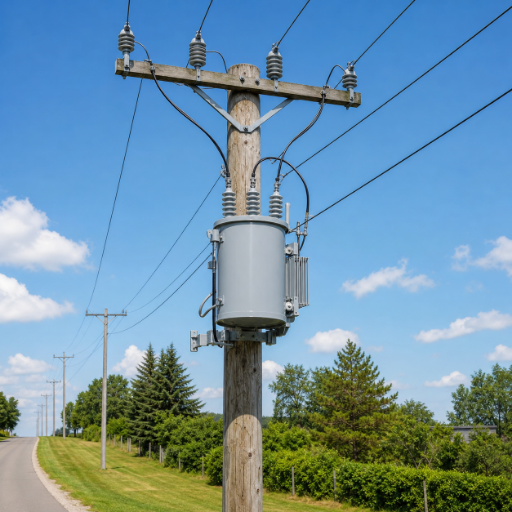
Pole-mounted
Start with utility-pole arrangement, phase, overhead conductors, mounting constraints and serving-utility requirements.
- Typical input: pole class and arrangement
- Route: dedicated pole-mounted review
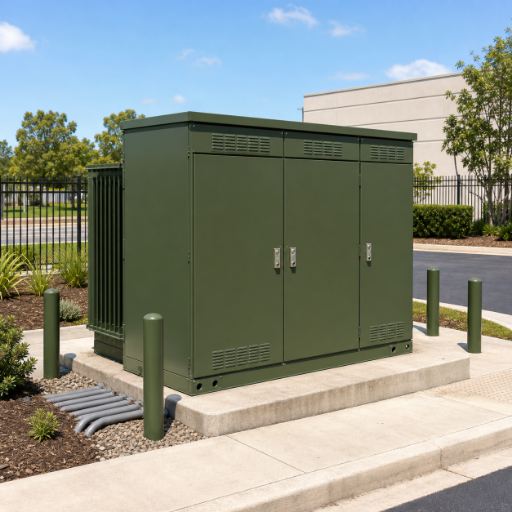
Pad-mounted
Start with public access, underground cable entry, compartment arrangement, pad interface and site security.
- Typical input: loop or radial scheme
- Route: dedicated pad-mounted review

Substation duty
Start with the one-line diagram, bus interface, protection, cooling, accessories, footprint and equipment coordination.
- Typical input: system and fault studies
- Route: project engineering review
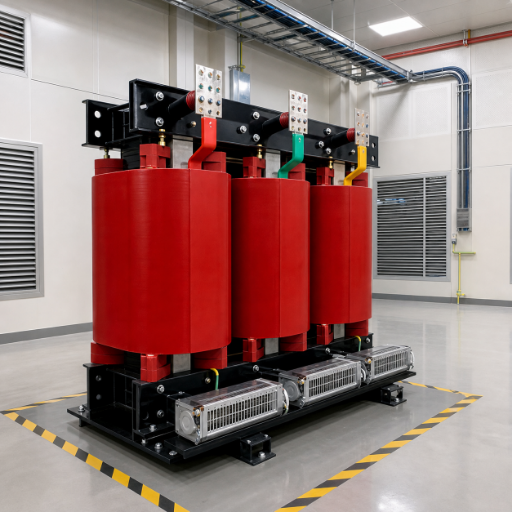
Indoor / dry-type
Start with room conditions, enclosure, ventilation, fire strategy, sound, harmonics and the applicable specification.
- Typical input: indoor environment
- Route: dry-type scope confirmation
Trade-off Consideration
A compact installation form can simplify one site constraint while increasing requirements elsewhere. Talite will not claim a final family match until the project inputs and verified product scope are reviewed.
A 2026 DOE Office of Electricity webinar described roughly 40,000 existing U.S. distribution-transformer configurations and about 80,000 possible combinations from ten attributes. It also highlighted system voltage, winding configuration, overhead versus pad-mounted form, kVA market differences and single-phase versus three-phase duty.
- Use the screen to expose routing inputs.
- Keep utility-specific approval in the decision path.
- Don’t convert a broad family card into a final model choice.
IEEE lists C57.12.20-2023 as an active standard for overhead-type distribution transformers up to 500 kVA, with stated voltage boundaries and equipment characteristics. That scope is useful evidence for classifying an overhead family, but it isn’t proof that every pole-mounted request fits the standard or that Talite supplies the requested configuration.
- Confirm current standard and edition.
- Confirm buyer adoption and exceptions.
- Confirm the offered product evidence separately.
Compare Utility Transformer Offers on the Same Basis
The lowest quoted price may not represent the lowest comparable scope. Accessories, tests, loss basis, approval documentation, packing, freight, site services and delivery assumptions can move cost or risk outside the headline value.
Report-field context: 10 CFR 429.12.
Contrary to a common shortcut: “no deviation stated” is not the same as “fully compliant.” Require an affirmative response and an evidence reference for every critical requirement.
Comparison field
Normalize before ranking
Evidence
Risk if omitted
Electrical schedule
Every required value, tolerance and offered value
Completed technical schedule
Hidden technical deviation
Loss and efficiency basis
Test basis, temperature reference and evaluation method
Guaranteed-data schedule and test plan
False lifecycle comparison
Tests and witnessing
Routine, type or special category; witness and acceptance rules
Inspection and test plan
Late testing cost or approval delay
Documents
Drawings, calculations, reports, language and revision cycle
Document register
Unpriced engineering work
Delivery boundary
Incoterm, packing, inland freight, unloading and storage
Commercial offer and packing plan
Logistics scope gap
Schedule basis
Start event, drawing approval, witness window and dispatch milestone
Dated milestone schedule
Different definitions of lead time
Compare offered values against one buyer schedule and keep every blank, qualification and alternate visible. Separate an accepted alternate from an unresolved departure.
Bring taxes, freight, packing, commissioning, spares, warranty boundary and payment milestones onto the same basis. A price ranking made before this step can reward omitted scope.
Use the same start event and finish event for every bidder. “After order,” “after drawing approval” and “ready for dispatch” describe different clocks.
Turn Standards and Tests Into an Approval Workflow
A standard name without an edition, product scope, test category or test status is weak evidence. The Utility Transformer Bid Deviation Register connects each buyer requirement to a supplier response, evidence reference and controlled decision.
“We do not treat a standard name as proof. The buyer should be able to trace each requirement to an edition, test category, document revision and disposition.”

-
1
Translate the requirement
Record destination market, buyer specification, clause, revision, mandatory value and acceptance criterion.
-
2
Classify the response
Mark compliance, clarification or deviation and connect it to a controlled document or test category.
-
3
Close the disposition
Name the buyer decision owner, status, due date and approved revision before manufacturing release.
| Evidence category | Question the bid team should answer | Controlled output |
|---|---|---|
| Ratio and polarity / phase relation | Which method, connection and acceptance criterion apply to this winding arrangement? | Test-plan line and report result |
| No-load and load loss | Which temperature, correction and guarantee basis makes the offered data comparable? | Guaranteed-data schedule plus routine result |
| Impedance | Which tap, tolerance and reference temperature control system studies and parallel operation? | Approved value, tolerance and report reference |
| Dielectric tests | Which insulation level, test category and witness requirement belong to the project? | Inspection and test-plan disposition |
| Temperature or sound | Is type evidence acceptable, or does the buyer require project-specific testing? | Evidence decision with scope and revision |
Control Lead Time, Lifecycle Risk and Commercial Scope
Industry reporting in early 2026 described multiyear transformer supply shortages while identifying procurement execution and drawing approval as additional bottlenecks. That market context does not determine Talite’s project schedule.
PUBLIC SUPPLY CONTEXT: DOE Office of Electricity distribution-transformer webinar.Inquiry
Duty, quantity, destination and required date
Clarification
Open electrical, compliance and interface inputs
Technical offer
Scope, deviations, evidence and assumptions
Drawing approval
Controlled revisions and buyer disposition
Production & test
Release basis, inspection and witness plan
Dispatch
Packing, documents and delivery boundary
Before Talite can confirm price
- Electrical duty and applicable specification
- Accessories, tests and document requirements
- Quantity, packing, freight and site scope
- Known exclusions and commercial terms
Before Talite can confirm schedule
- Technical clarification closure
- Drawing approval cycle and release event
- Witness-testing requirements and notice
- Destination, logistics and required-on-site date
Talite will not claim a standard lead time without a project review. A 60 Hz, 1,500 kVA inquiry can still develop a schedule gap because design confirmation, accessories, document approvals, witnessing, packing and freight affect the committed date.
Use the expected load profile and operating hours, not only the peak nameplate duty.
Compare guaranteed loss data on a common basis and preserve the test reference.
Assign maintenance, spares, monitoring and replacement responsibility at the ownership boundary.
Use a transparent input sheet instead of publishing a savings percentage. Record evaluated load points, energy price, operating hours, guaranteed losses, study period and discount assumptions so another reviewer can reproduce the direction of the comparison.
- No universal payback claim
- No unverified lifetime claim
- No conversion of industry averages into Talite data
A credible milestone plan states whether durations begin at purchase order, down payment, technical clarification closure or approved drawings. It also distinguishes ex-works readiness from shipment departure and required arrival.
- Trigger event and owner
- Review allowance and resubmittal path
- Witness notice and release record
Review Talite’s Manufacturing and Project Evidence
A manufacturer page should distinguish a current, validated project document from an unsupported marketing assertion. Talite’s specific utility-transformer product range, standards, test capabilities, factory claims and delivery promises need to be validated by current evidence.
Certification boundary: ISO certification and accreditation explanation.
Current public-evidence status
Company-history, factory, product-range and certification claims supplied for this project were not independently verified from a reliable public Talite source during research.
Verification required before publication
Claim proposed for review
Acceptable project evidence
Without evidence
Manufacturing history or years in business
Official registration, dated company history or customer-approved corporate record
Remove the number
Utility transformer product range
Current controlled data sheet, catalog or engineering range statement
Do not publish ratings or models
Standards or certifications
Current certificate/report, issuer, edition and applicable product scope
Describe only the buyer’s requirement
Test capability
Equipment list, sample report, method, facility and scope evidence
Request project test evidence
Project experience
Customer-authorized case record with duty, scope and date
Label scenarios as scenarios, not cases
Lead time
Dated project schedule based on closed technical and commercial inputs
State “to be confirmed”
Verified Certification Documents
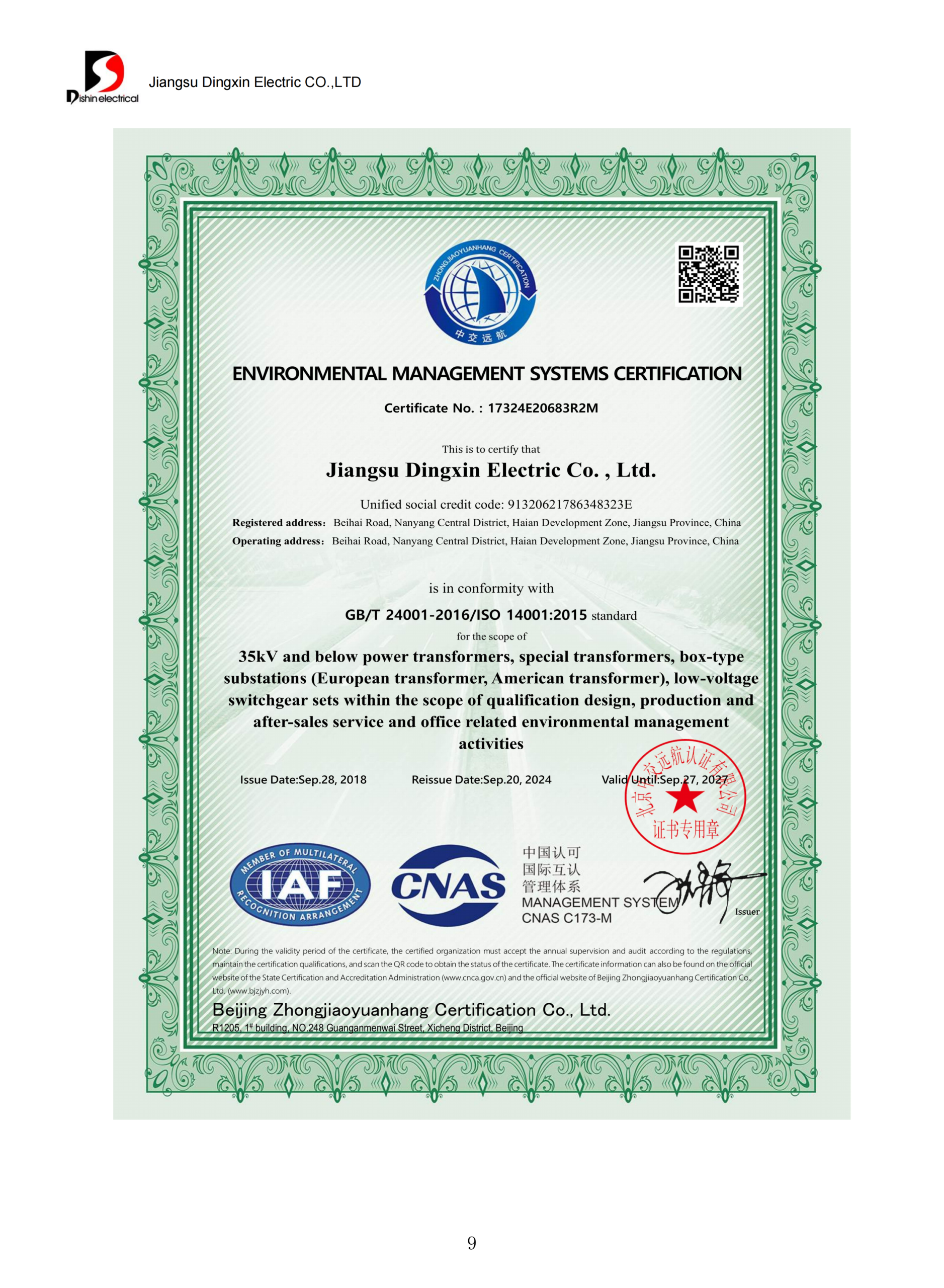
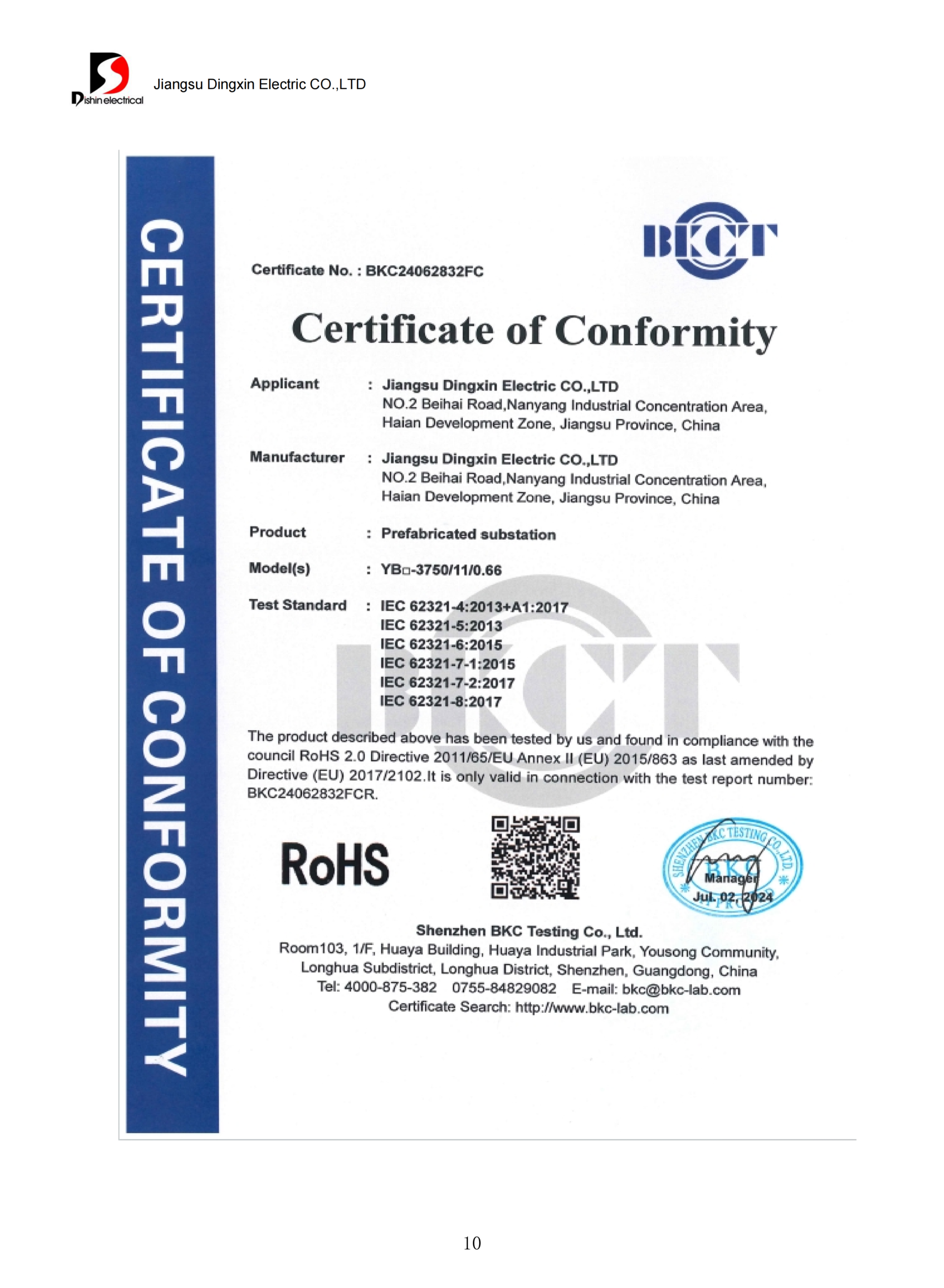
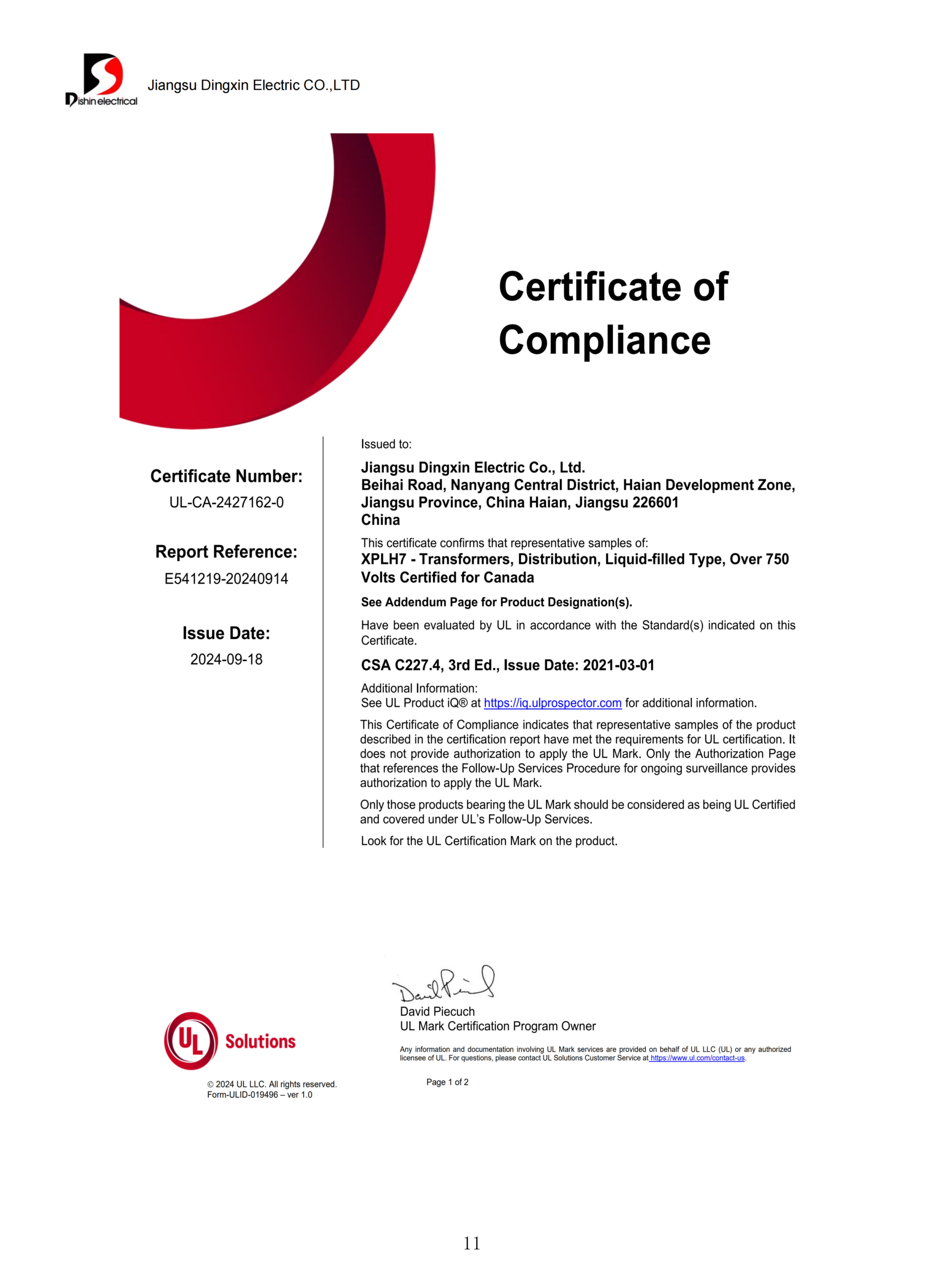
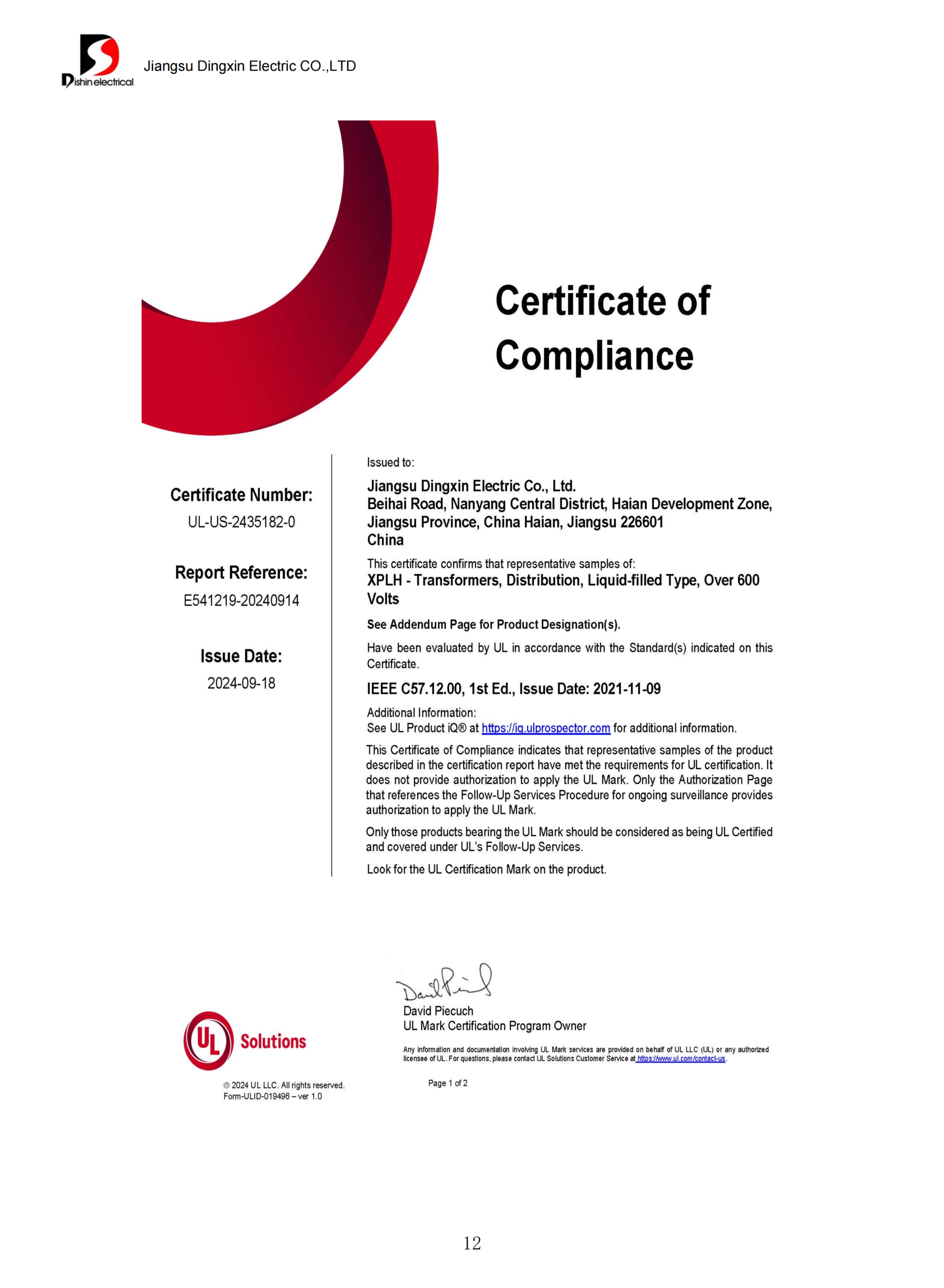
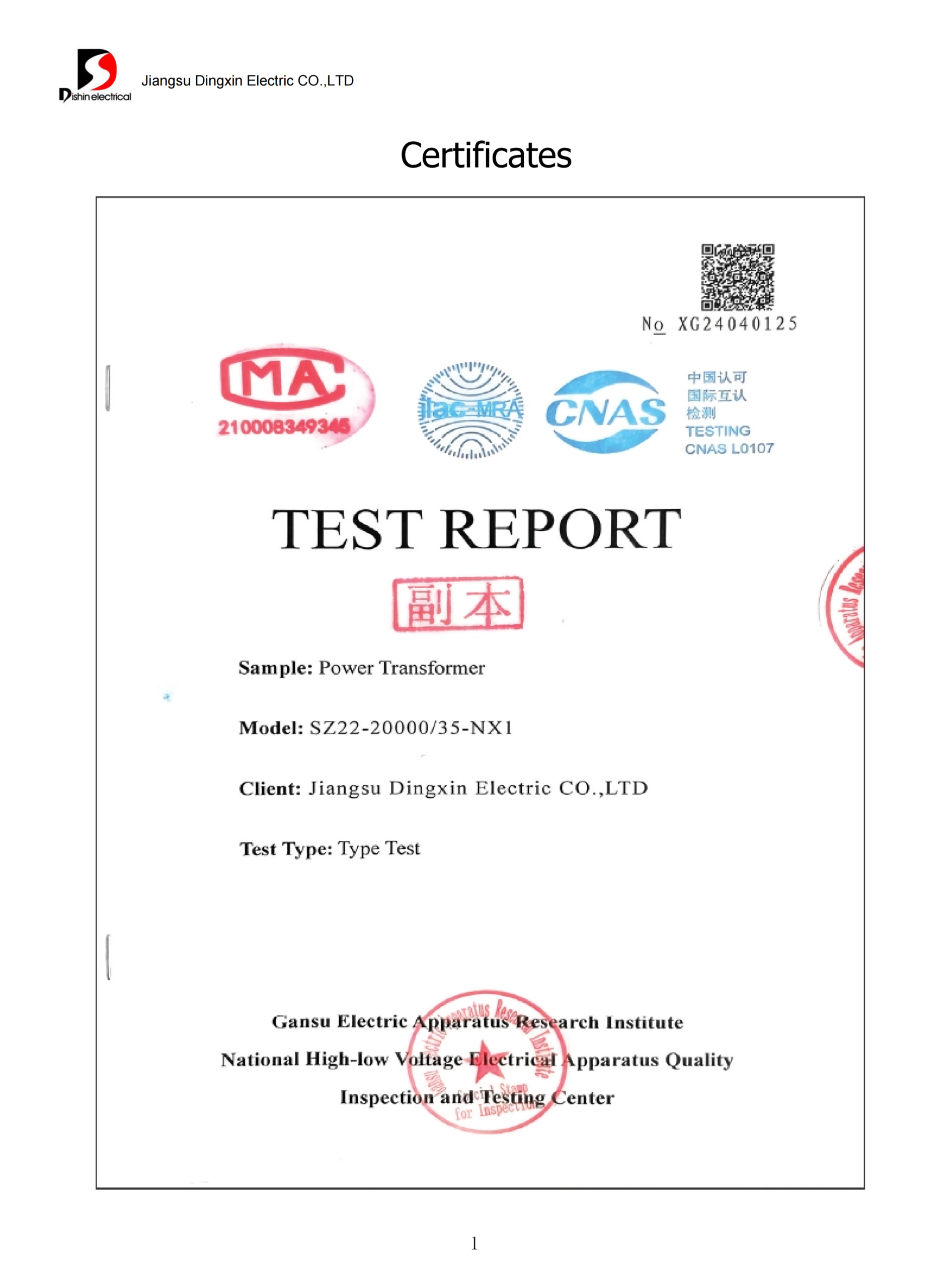
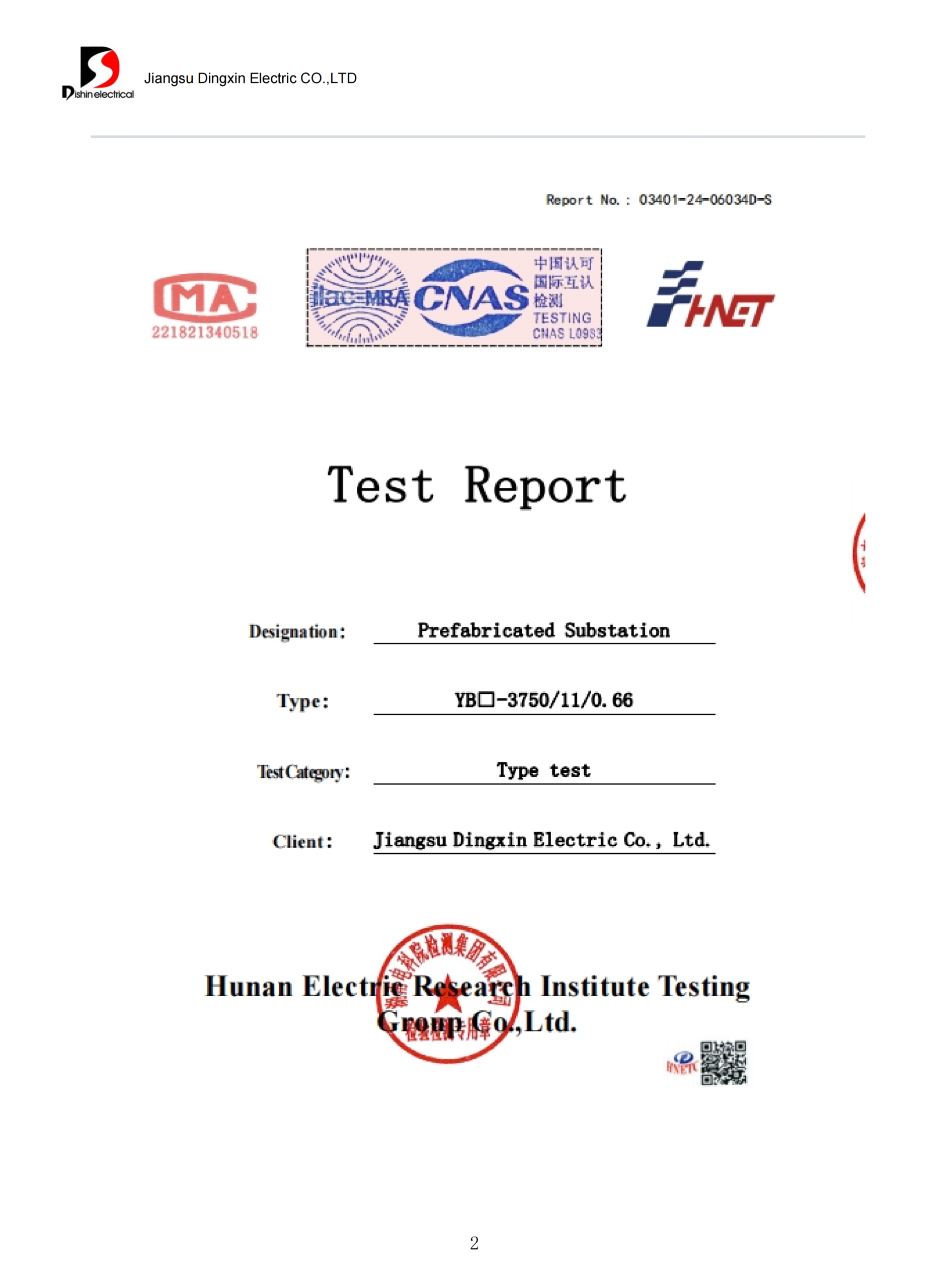
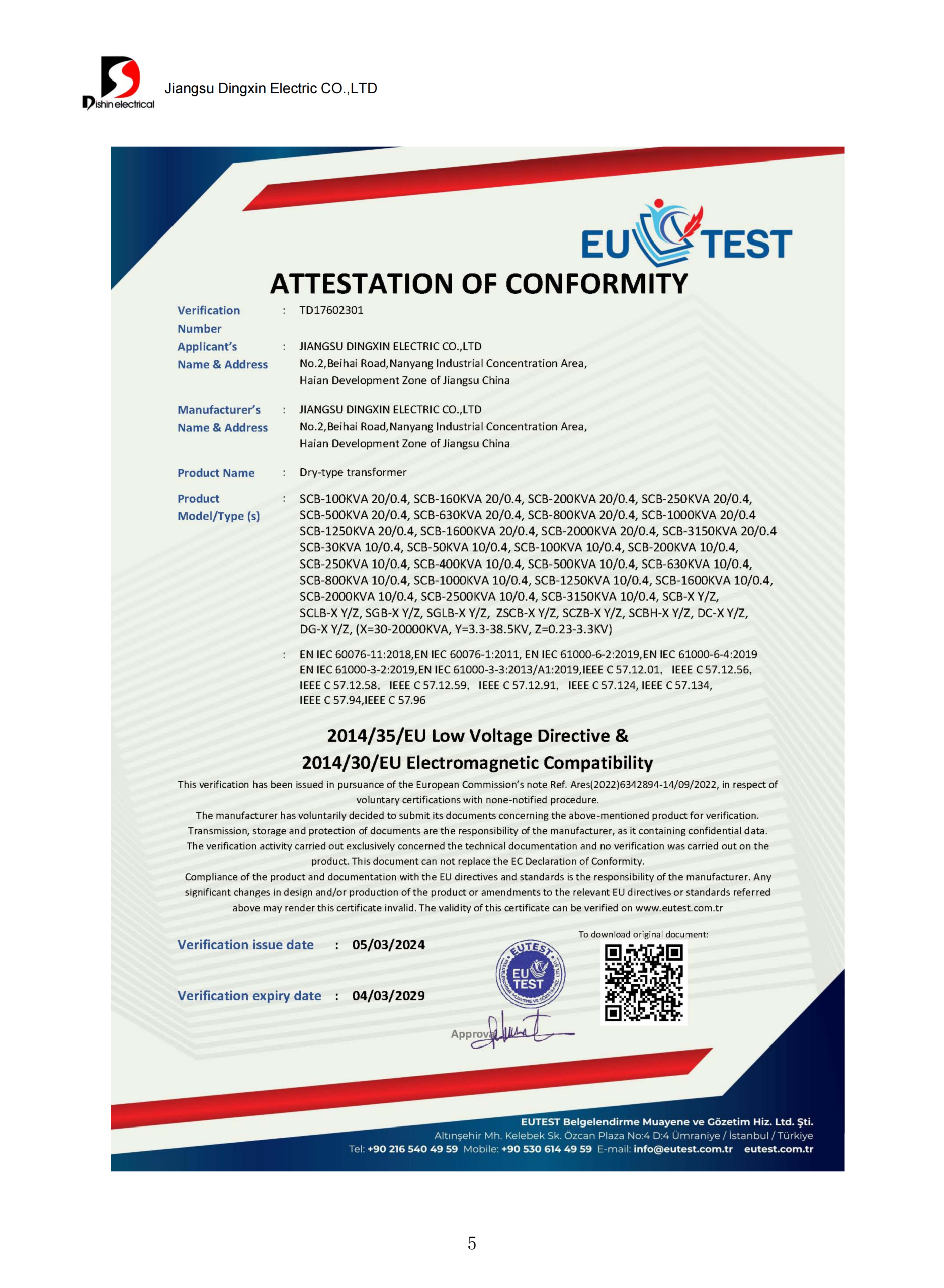
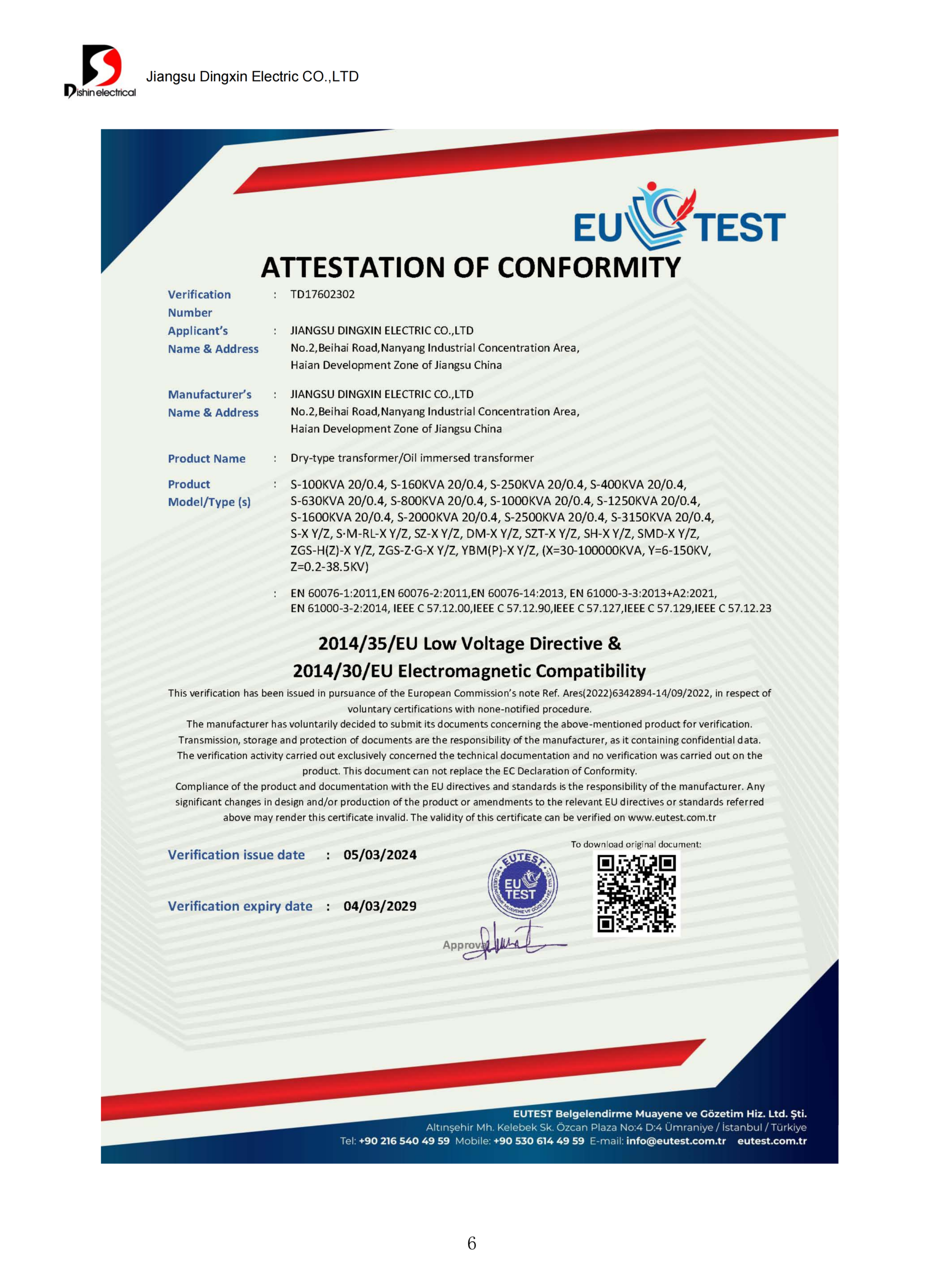
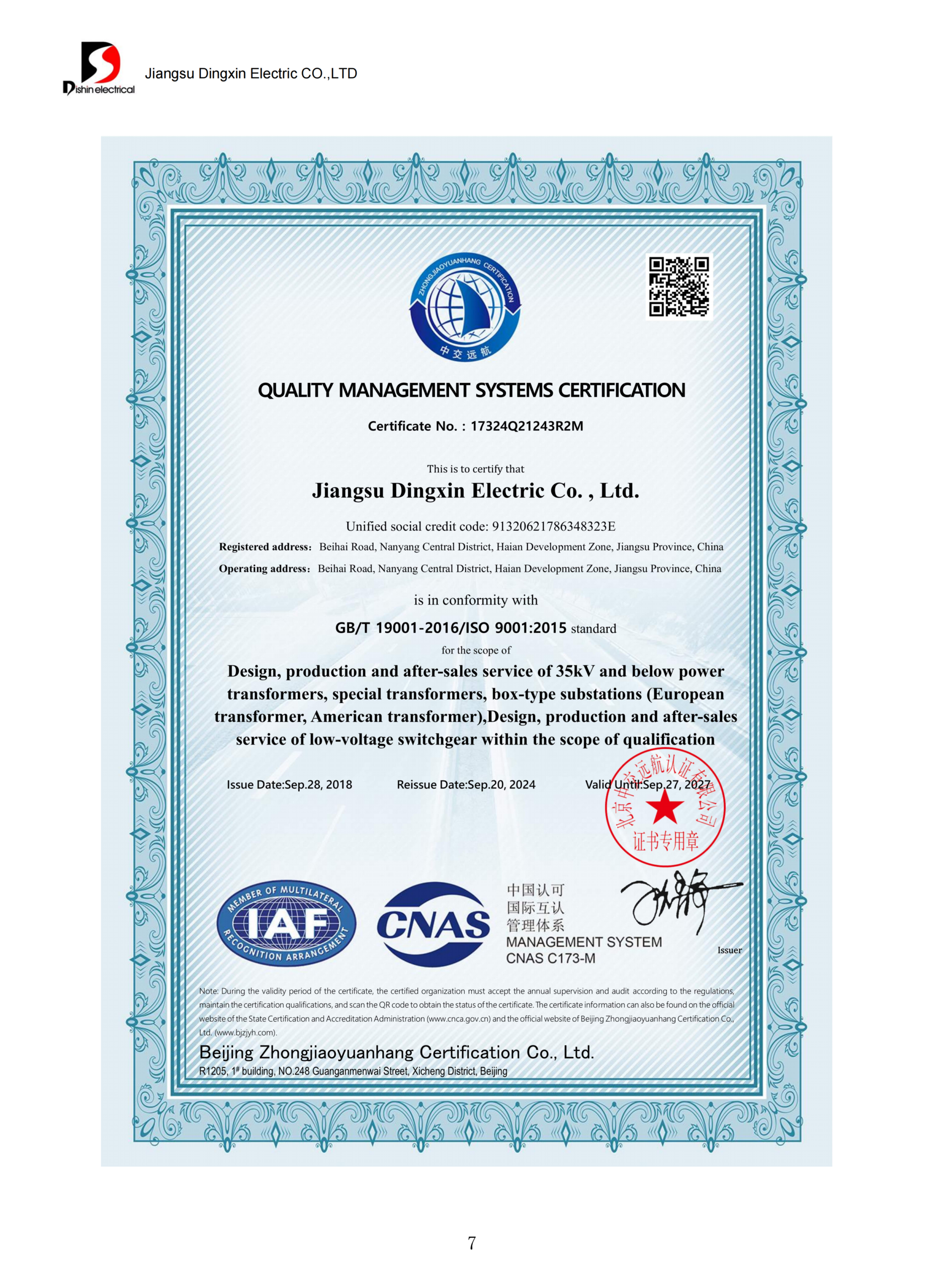

Brand-control note: the Talite name and the domain’s other identifiers require legal and source review before they are represented as the same entity. This page does not use that unresolved identity link as evidence.
ISO explains that certification is written assurance from an independent body, while accreditation recognizes the certification body’s competence. Confirm issuer, accreditation, certificate status and exact scope; ISO itself does not issue certificates.
For covered U.S. equipment, 10 CFR 429.12 identifies certification-report fields such as manufacturer, brand, equipment class or grouping, sample size, submission status and a truth-and-accuracy statement. Review the current filing route instead of accepting a generic “DOE compliant” phrase.
When an NRTL approval is required by the project, OSHA’s 29 CFR 1910.7 framework ties recognition to testing capability, written procedures, quality controls, production inspection and controlled identifying marks. A logo image alone can’t establish applicable product-level approval.
Existing nameplate data starts the inquiry, while current load, interfaces, utility requirements and replacement window close the specification gaps.
The owner and serving utility align the service point, metering, protection, ownership and transformer duty before supplier comparison.
The EPC converts clauses into a deviation register so technical responses, evidence and commercial exclusions can be compared together.
Send One Comparable Utility Transformer Request
You don't need a complete specification to start. Send the confirmed inputs, identify open decisions and ask the technical team to return clear assumptions before price or schedule is treated as firm.
Configuration context: DOE Office of Electricity distribution-transformer webinar.
Electrical minimum
- Application and grid position
- Phase, kVA and voltages
- Frequency, connection and impedance
- Taps, environment and interfaces
Approval minimum
- Destination and jurisdiction
- Buyer specification and editions
- Tests, witnessing and reports
- Drawing and deviation owners
Commercial minimum
- Quantity and required date
- Accessories and site services
- Packing and delivery boundary
- Known exclusions and open inputs
| Search or buying phrase | How this page routes it | What still needs project evidence |
|---|---|---|
| utility transformer manufacturers | Compare response quality, deviations, tests, documents and commercial boundary. | Verified product range, certificate scope, test capability and schedule. |
| electric utility transformer | Start from ownership, service point, utility specification and grid position. | Serving-utility acceptance and final equipment family. |
| 3 phase utility transformer | Record three-phase system duty, voltages, winding connection, impedance and interfaces. | Approved one-line diagram, studies and product configuration. |
| utility transformer price | Normalize accessories, tests, documentation, packing, freight and site services. | A complete technical and commercial request. |
| utility transformer diagram | Use the project one-line, connection detail and metering boundary instead of a generic sketch. | Approved interfaces and drawing revision. |
| pole mounted transformer | Route to the dedicated pole-mounted family after grid-position review. | Pole, overhead arrangement and utility requirements. |
| 3 phase distribution transformer | Check whether the requested duty is a covered distribution-transformer class and which installation form applies. | Regulatory class, exclusion status and buyer specification. |
| utility transformer sizing calculator | Use the RFQ builder to expose inputs, not to issue a final kVA verdict. | Load study, system studies and approved design criteria. |
Request Discipline
Request a Utility Transformer Proposal
An early budgetary route can be useful, but it is not necessarily a technically complete offer. Ask that every assumption be visible so it can be closed or carried into the next revision.
Utility Transformer Engineering Tools
-
01System Resource
Utility Transformer RFQ Builder
-
02System Resource
Utility Transformer Bid Deviation Register
-
03System Resource
Regulatory Applicability Screen
FAQ: Frequently Asked Questions
Grid position, electrical duty and the buyer's specification matter more than the search label. Route the equipment from the one-line diagram and rated conditions.
Don't route by a term alone.
Start with grid position, phase, kVA, voltages, overhead or underground connection, cable arrangement and the serving utility's specification. Then record footprint, public exposure, access, switching, protection, maintenance and environmental constraints.
- A pole route needs the pole and overhead arrangement.
- A pad route needs cable-entry, compartment and pad details.
- A substation route needs coordinated bus, protection and accessory inputs.
A project engineer should confirm the family and interfaces; these names are not interchangeable packages.
Service agreements, tariffs, metering and connection boundaries decide. Confirm the responsible parties in writing.
- Owner
- Operator
- Maintenance party
Provide the load profile, expected demand, connected load and future growth rather than only a requested kVA. Include phase, motor-starting or inrush duty, harmonics, duty cycle, primary and secondary voltage, grounding, ambient, altitude and enclosure conditions.
- Attach the system one-line and available load study.
- State assumptions that haven't been approved.
- Provide fault and coordination inputs where relevant.
- Identify parallel operation or unusual cycling.
Sizing is an engineering decision. A browser result cannot replace the approved design criteria.
Request a technical schedule, deviation list, drawings, guaranteed data, test scope, document register, accessories, packing, delivery boundary and schedule assumptions.
Give every item a revision and status.
Normalize electrical duty, losses, tests, accessories, documents, exclusions, freight, site services and schedule basis. Place unresolved differences in the Utility Transformer Bid Deviation Register, then assign each item to an engineering, procurement or project owner.
A blank response is an open item, not acceptance; a qualified response is not a closed deviation.
Destination, equipment family, current regulation, buyer specification and contract edition determine the starting set. For each requirement, record the clause, product scope, test category, witness rule, acceptance criterion and evidence reference.
- Ratio and phase-relation evidence
- No-load and load-loss basis
- Impedance value, tap and tolerance
- Dielectric test category and insulation level
- Temperature, sound or special-test scope
A named standard does not prove Talite compliance. Current product evidence and project disposition must close that claim.
Submit the duty and specification. Talite must confirm the configuration against its verified current product scope.
![Pad-Mounted Transformer: How It Works [2026 Guide]](https://toplit-transformer.com/wp-content/uploads/2026/08/pad-mounted-transformer-guide-featured-150x150.png)

![Single Phase Pad Mounted Transformer Guide [2026]](https://toplit-transformer.com/wp-content/uploads/2026/08/single-phase-pad-mounted-transformer-guide-featured-1-150x150.png)